Tag: Menstrual Cycle

  • The Link Between Alcohol and Cervical Mucus Changes

    Alcohol consumption has been a part of human culture for centuries. It is often used as a social lubricant, a way to unwind after a long day, or to celebrate special occasions. While moderate alcohol consumption has been linked to certain health benefits, excessive and frequent drinking can have negative effects on various aspects of our health, including our reproductive health. In particular, there is a strong link between alcohol consumption and changes in cervical mucus, which can have significant implications for women’s fertility and overall reproductive health.

    To understand the link between alcohol and cervical mucus changes, it is important to first understand the role of cervical mucus in the female reproductive system. Cervical mucus is a fluid produced by the cervix, the lower part of the uterus, and it plays a crucial role in the menstrual cycle and fertility. Throughout the menstrual cycle, the consistency and amount of cervical mucus changes to create an optimal environment for sperm to reach and fertilize an egg. During ovulation, the cervical mucus becomes thinner, clearer, and more stretchy, making it easier for sperm to swim through and reach the egg.

    However, studies have shown that alcohol consumption can disrupt this natural process by affecting the production and quality of cervical mucus. One study found that women who consumed moderate to high levels of alcohol had lower levels of cervical mucus during their fertile window, making it more difficult for sperm to reach the egg. This can significantly decrease the chances of conception and increase the time it takes for a woman to get pregnant.

    But how exactly does alcohol affect cervical mucus? Firstly, alcohol is a diuretic, which means it increases the production of urine and can lead to dehydration. This can have a direct impact on cervical mucus as it is made up mostly of water. When the body is dehydrated, the cervical mucus can become thicker and less abundant, making it harder for sperm to swim through. Additionally, alcohol can also affect the quality of cervical mucus, making it less hospitable to sperm. Studies have shown that alcohol consumption can change the pH level of cervical mucus, making it more acidic and hostile to sperm survival.

    Moreover, alcohol consumption has also been linked to hormonal changes that can affect cervical mucus production. Alcohol can disrupt the delicate balance of hormones in the body, particularly estrogen and progesterone, which play a crucial role in the menstrual cycle and cervical mucus production. Changes in these hormones can lead to abnormal cervical mucus production, making it more difficult for sperm to reach the egg.

    Hands holding a syringe and a small container against a blue background.

    The Link Between Alcohol and Cervical Mucus Changes

    Aside from its impact on fertility, alcohol consumption and changes in cervical mucus can also have implications for women’s overall reproductive health. Cervical mucus serves as a protective barrier against bacteria and other harmful substances, and changes in its quality can increase the risk of infections and sexually transmitted diseases. In addition, alcohol consumption has been linked to an increased risk of certain reproductive cancers, including cervical cancer. This highlights the importance of understanding and addressing the link between alcohol and cervical mucus changes.

    So, what can women do to mitigate the effects of alcohol on their cervical mucus and reproductive health? The most obvious solution would be to limit alcohol consumption or avoid it altogether. Moderate alcohol consumption, defined as one drink per day for women, is generally considered safe and may not have a significant impact on cervical mucus production. However, it is important to note that everyone’s body is different, and some women may be more sensitive to the effects of alcohol on their cervical mucus.

    Additionally, staying hydrated and maintaining a healthy diet can also help improve cervical mucus production and quality. Drinking plenty of water and consuming foods that are rich in antioxidants and nutrients can help support the body’s natural processes and improve cervical mucus production.

    In conclusion, alcohol consumption can have a significant impact on cervical mucus production and quality, which can affect a woman’s fertility and overall reproductive health. Understanding this link and making informed choices about alcohol consumption can help women maintain a healthy menstrual cycle, improve their chances of conception, and reduce the risk of reproductive health issues. By taking care of our bodies and being mindful of our alcohol consumption, we can ensure that our reproductive health remains in good condition.

    In summary, excessive and frequent alcohol consumption can disrupt the production and quality of cervical mucus, which plays a crucial role in the menstrual cycle and fertility. It can lead to dehydration, hormonal changes, and increased acidity in cervical mucus, making it difficult for sperm to reach the egg. This can have implications for women’s reproductive health, including increased risk of infections and certain cancers. Limiting alcohol consumption, staying hydrated, and maintaining a healthy diet can help improve cervical mucus production and support overall reproductive health.


  • Alcohol and Cervical Mucus: Understanding the Connection

    Blog Post: Alcohol and Cervical Mucus: Understanding the Connection

    Alcohol is a widely consumed substance, often used as a social lubricant and a way to unwind after a long day. However, what many people may not realize is that alcohol can have a direct impact on our bodies, including our reproductive health. One aspect of our reproductive health that is affected by alcohol consumption is cervical mucus. In this blog post, we’ll explore the connection between alcohol and cervical mucus and how it can impact fertility and overall health.

    What is Cervical Mucus?

    Cervical mucus, also known as cervical fluid, is a secretion produced by the cervix in a woman’s reproductive system. It plays a crucial role in the fertility process as it helps sperm travel through the cervix and into the uterus. Cervical mucus also helps to filter out unhealthy sperm and can indicate the most fertile time for a woman to conceive.

    The Connection Between Alcohol and Cervical Mucus

    Alcohol consumption can have a direct impact on the quantity and quality of cervical mucus. The exact mechanism is not fully understood, but it is believed that alcohol can affect the hormonal balance in the body, which in turn can affect the production of cervical mucus.

    Quantity and Quality of Cervical Mucus

    One of the primary ways in which alcohol affects cervical mucus is by reducing its quantity and quality. Studies have shown that alcohol can decrease the amount of cervical mucus produced, making it harder for sperm to reach the egg. Additionally, alcohol can also alter the consistency of cervical mucus, making it too thick or too thin, which can also impede sperm movement.

    Impact on Fertility

    Given the crucial role of cervical mucus in fertility, it is not surprising that alcohol consumption can have a significant impact on a woman’s ability to conceive. Women who consume alcohol regularly may experience a decrease in cervical mucus, making it more challenging for sperm to reach the egg. This can lead to difficulty in getting pregnant or a longer time to conceive.

    Moreover, alcohol consumption can also affect the quality of cervical mucus, which can result in difficulty in sperm reaching the egg or increased risk of miscarriage. In some cases, excessive alcohol consumption can even lead to complete cessation of ovulation, making it impossible to conceive.

    hand holding a syringe with a blue plunger against a solid blue background

    Alcohol and Cervical Mucus: Understanding the Connection

    Other Health Implications

    Aside from its impact on fertility, alcohol consumption can also have other health implications, including changes in the menstrual cycle. Studies have shown that alcohol can disrupt the delicate hormonal balance in the body, leading to irregular or missed periods. This can make it harder for women to track their ovulation and plan for pregnancy.

    Furthermore, excessive alcohol consumption has been linked to an increased risk of sexually transmitted infections (STIs). STIs can cause inflammation in the reproductive system, affecting the quality and quantity of cervical mucus. This, in turn, can further impact fertility and overall reproductive health.

    How to Improve Cervical Mucus

    If you are trying to conceive, it is essential to maintain a healthy level of cervical mucus. Here are some tips to improve cervical mucus:

    1. Reduce Alcohol Consumption: The first step is to limit or eliminate alcohol consumption. This will help to ensure that your body is not constantly battling the effects of alcohol on cervical mucus production.

    2. Stay Hydrated: Drinking plenty of water can help to keep your cervical mucus thin and more conducive to sperm movement.

    3. Take Fertility-Boosting Supplements: Certain supplements such as evening primrose oil and vitamin C can help to improve the quality and quantity of cervical mucus.

    4. Quit Smoking: Smoking has been linked to decreased cervical mucus production, so quitting smoking can help to improve fertility.

    5. Track Your Ovulation: By tracking your ovulation, you can identify the peak fertile days and time intercourse accordingly to increase the chances of conception.

    In Summary

    Alcohol consumption can have a significant impact on cervical mucus, which plays a vital role in fertility and overall reproductive health. Excessive alcohol consumption can decrease the quantity and quality of cervical mucus, making it harder for sperm to reach the egg and increasing the risk of fertility issues. It is essential to limit or eliminate alcohol consumption and adopt healthy habits to improve cervical mucus and increase the chances of conceiving.

  • The Dynamic Relationship Between Cervical Mucus and STI Protection

    Blog Post Title: The Dynamic Relationship Between Cervical Mucus and STI Protection

    Word Count: 2000

    Summary:

    Cervical mucus, also known as cervical fluid, plays a crucial role in reproductive health and fertility. However, it also plays a significant role in protecting against sexually transmitted infections (STIs). In this blog post, we will explore the dynamic relationship between cervical mucus and STI protection.

    Firstly, we will discuss the function of cervical mucus and how it changes throughout the menstrual cycle. Cervical mucus is a fluid produced by the cervix that helps sperm travel through the reproductive tract to fertilize an egg. It also acts as a barrier against bacteria, viruses, and other harmful substances, making it an essential part of the body’s immune system.

    Next, we will delve into the link between cervical mucus and STI protection. The consistency and quality of cervical mucus can affect the likelihood of contracting an STI. During the most fertile phase of the menstrual cycle, the cervical mucus is thin, watery, and more alkaline, making it easier for sperm to travel. However, this consistency also makes it easier for STIs to pass through the cervix and enter the reproductive tract. On the other hand, during the non-fertile phase, the cervical mucus becomes thicker and more acidic, creating a barrier against STIs.

    at-home insemination kit with syringes, collection cups, and instructions on a pink background

    The Dynamic Relationship Between Cervical Mucus and STI Protection

    Moreover, certain types of STIs can also impact the quality and quantity of cervical mucus. For example, chlamydia and gonorrhea can cause inflammation and damage to the cervix, leading to changes in cervical mucus production. This can make it easier for these STIs to enter the body and increase the risk of transmission.

    Furthermore, the use of hormonal birth control methods can also affect the cervical mucus and, in turn, STI protection. Birth control pills, patches, and rings can cause the cervical mucus to thicken, mimicking the non-fertile phase of the menstrual cycle. This can provide some protection against STIs, but it is not foolproof. Condoms, on the other hand, provide a physical barrier against STIs and are recommended for use in addition to hormonal birth control for maximum protection.

    It is also essential to mention that having an STI can increase the risk of contracting other STIs. This is because STIs can cause inflammation and damage to the cervix, making it easier for other STIs to enter the body. Therefore, maintaining a healthy balance of cervical mucus is crucial in preventing the transmission of STIs.

    In addition to its role in STI protection, cervical mucus can also serve as an indicator of potential STI infection. Changes in the color, consistency, or smell of cervical mucus can be a sign of an infection. Similarly, a lack of cervical mucus or an increase in its production can also indicate an underlying issue, such as a hormonal imbalance or STI.

    Lastly, we will discuss the importance of regular STI testing and seeking treatment if necessary. While cervical mucus can provide some protection against STIs, it is not a foolproof method. The only way to be sure of one’s STI status is to get tested regularly, especially after engaging in unprotected sexual activity. If an STI is detected, it is crucial to seek treatment and inform sexual partners to prevent further transmission.

    In conclusion, cervical mucus plays a crucial role in both reproductive health and STI protection. Its consistency and quality can impact the likelihood of contracting an STI, and certain STIs can also affect cervical mucus production. Therefore, it is essential to maintain a healthy balance of cervical mucus and to use additional protection, such as condoms, to prevent STI transmission. Regular STI testing and seeking treatment if necessary are also crucial in maintaining sexual health.

  • Protecting Your Sexual Health with Cervical Mucus

    Protecting Your Sexual Health with Cervical Mucus: Understanding the Importance, Functions, and Ways to Maintain It

    Cervical mucus is a natural fluid produced by the cells in the cervix. It plays a crucial role in maintaining a woman’s reproductive health and is often referred to as the “gatekeeper” of the reproductive system. Despite its vital functions, cervical mucus is often overlooked and misunderstood, leading to potential risks for our sexual health. In this blog post, we will delve into the importance of cervical mucus, its functions, and ways to maintain it for optimal sexual health.

    Importance of Cervical Mucus

    Cervical mucus serves as a protective barrier to the reproductive system. It acts as a natural filter, preventing harmful bacteria and viruses from entering the uterus and fallopian tubes. This helps to reduce the risk of infections such as sexually transmitted diseases (STDs) and pelvic inflammatory disease (PID).

    Additionally, cervical mucus plays a vital role in fertility. It creates a hospitable environment for sperm, providing them with nourishment and protection on their journey to fertilize an egg. Without an adequate amount of healthy cervical mucus, sperm may struggle to reach the egg, leading to difficulties in conception.

    Functions of Cervical Mucus

    Apart from its protective and fertility-enhancing functions, cervical mucus also provides valuable information about a woman’s reproductive health. The amount, consistency, and color of cervical mucus can indicate where a woman is in her menstrual cycle. This can be helpful in determining the most fertile days for conception or identifying potential hormonal imbalances.

    During ovulation, cervical mucus becomes thin, slippery, and stretchy, resembling the consistency of egg whites. This type of mucus is known as fertile cervical mucus and is considered the most conducive for sperm survival. By tracking changes in cervical mucus, women can identify their most fertile days and plan intercourse accordingly.

    Ways to Maintain Healthy Cervical Mucus

    comparison of Mosie syringe opening versus standard syringe opening with text highlighting benefits

    Protecting Your Sexual Health with Cervical Mucus

    To ensure optimal reproductive health, it is essential to maintain healthy cervical mucus. Here are some ways to achieve this:

    1. Stay Hydrated: Drinking plenty of water and staying hydrated is crucial for maintaining healthy cervical mucus. This helps to keep the mucus thin and slippery, allowing sperm to swim through easily.

    2. Avoid Douching: Douching can disrupt the natural balance of bacteria in the vagina, leading to an overgrowth of harmful bacteria. This can affect the quality and quantity of cervical mucus, making it less conducive for sperm survival.

    3. Use Lubricants Wisely: Some lubricants can be harmful to cervical mucus and sperm. It is best to avoid lubricants that contain spermicides, glycerin, or other chemicals that can alter the pH balance of the vagina. Instead, opt for natural and fertility-friendly lubricants, such as egg white or coconut oil.

    4. Quit Smoking: Smoking can have a detrimental effect on cervical mucus. It can reduce the amount and quality of mucus, making it difficult for sperm to reach the egg.

    5. Maintain a Healthy Diet: A well-balanced diet rich in vitamins, minerals, and antioxidants is essential for maintaining healthy cervical mucus. Foods such as leafy greens, fruits, and healthy fats can help to improve mucus production.

    6. Consider Supplements: Certain supplements, such as evening primrose oil and mucolytic enzymes, can help to increase cervical mucus production and improve its quality. However, it is essential to consult a healthcare provider before starting any supplements.

    7. Monitor Your Menstrual Cycle: Keeping track of your menstrual cycle and noting any changes in cervical mucus can provide valuable insights into your reproductive health. This can help to identify potential issues and seek timely medical intervention.

    Summary:

    Cervical mucus is a crucial component of a woman’s reproductive system. It serves as a protective barrier, aids in fertility, and provides valuable information about reproductive health. To maintain healthy cervical mucus, it is essential to stay hydrated, avoid douching, use lubricants wisely, quit smoking, maintain a healthy diet, consider supplements, and monitor your menstrual cycle.

  • Cervical Mucus: The Unsung Hero in STI Prevention

    Blog Post:

    When it comes to preventing sexually transmitted infections (STIs), most people immediately think of condoms or other forms of barrier protection. However, there is one important player in STI prevention that often goes unnoticed – cervical mucus. This unsung hero plays a crucial role in protecting against STIs, and yet, many are unaware of its importance. In this blog post, we will explore the role of cervical mucus in STI prevention, its characteristics, and how it can be used to track fertility and detect potential health issues.

    Cervical mucus, also known as cervical fluid, is a substance produced by the cervix, the lower part of the uterus. It plays a vital role in the reproductive system, serving as a protective barrier against bacteria, viruses, and other harmful pathogens that can cause STIs. The consistency and amount of cervical mucus change throughout the menstrual cycle, and these changes are influenced by hormones such as estrogen and progesterone.

    During the first phase of the menstrual cycle, known as the follicular phase, the cervix produces a thick, sticky, and opaque mucus. This type of mucus acts as a physical barrier, making it difficult for STIs to enter the cervix. As the level of estrogen increases, the mucus becomes thinner and more elastic, resembling the consistency of raw egg white. This type of mucus is known as fertile cervical mucus and is present during the ovulation phase. Its purpose is to facilitate the movement of sperm towards the egg for fertilization.

    After ovulation, the mucus becomes thicker and less elastic, creating a hostile environment for sperm and bacteria. If fertilization does not occur, the cervical mucus will eventually dry up and be expelled from the vagina. This natural process helps to flush out any bacteria or viruses that may have entered the cervix during sexual intercourse.

    One of the most remarkable things about cervical mucus is its ability to protect against a wide range of STIs. Studies have shown that fertile cervical mucus is highly effective in blocking the entry of human immunodeficiency virus (HIV), the virus that causes acquired immunodeficiency syndrome (AIDS). In fact, it is estimated that fertile cervical mucus can reduce the risk of HIV infection by up to 50%. It also provides protection against other STIs such as chlamydia, gonorrhea, and herpes.

    Baby wearing a blue shirt with "made with Love" text, surrounded by colorful floral and butterfly designs.

    Cervical Mucus: The Unsung Hero in STI Prevention

    In addition to its protective function, cervical mucus can also serve as an indicator of overall reproductive health. Changes in the amount, consistency, and color of cervical mucus can be signs of potential health issues. For example, a decrease in the amount of fertile cervical mucus may indicate a hormonal imbalance or a blockage in the fallopian tubes, which can affect fertility. Similarly, changes in the color and odor of cervical mucus can be a sign of an infection or other health issues.

    Cervical mucus can also be used as a fertility tracking method. By observing the changes in the consistency and amount of cervical mucus, women can determine their most fertile days and increase their chances of conceiving. This method, known as the Billings Ovulation Method, is a natural and non-invasive way to track fertility and has been proven to be highly effective.

    Despite its importance in STI prevention and reproductive health, cervical mucus is often overlooked and not given the recognition it deserves. Many people are not aware of the crucial role it plays in keeping us healthy and preventing STIs. This lack of awareness can lead to misconceptions and misinformation about cervical mucus, which can have serious consequences.

    In conclusion, cervical mucus is a powerful and unsung hero in STI prevention. Its ability to protect against a wide range of infections, its role in maintaining reproductive health, and its use as a natural fertility tracking method make it an essential part of our bodies. It is important to educate ourselves and others about the function and characteristics of cervical mucus to ensure its proper recognition and use in promoting sexual and reproductive health.

    Summary:

    Cervical mucus is a substance produced by the cervix that plays a vital role in STI prevention. Its consistency and amount change throughout the menstrual cycle, and it is influenced by hormones. Fertile cervical mucus is highly effective in blocking the entry of STIs, and changes in cervical mucus can also be indicators of overall reproductive health. It can also be used as a natural fertility tracking method. Despite its importance, cervical mucus is often overlooked and not given the recognition it deserves, leading to misconceptions and misinformation. Educating ourselves and others about cervical mucus is crucial in promoting sexual and reproductive health.

  • From Fertile to Protective: The Evolution of Cervical Mucus

    From Fertile to Protective: The Evolution of Cervical Mucus

    Cervical mucus is a natural fluid produced by the cervix, a part of the female reproductive system. It plays a crucial role in a woman’s fertility and overall reproductive health. While many people may not give it much thought, cervical mucus has a fascinating evolution and serves multiple functions.

    In this blog post, we will explore the evolution of cervical mucus and how it has evolved from being a marker of fertility to a protective barrier for the reproductive system.

    Evolution of Cervical Mucus:

    Cervical mucus has been around for millions of years, dating back to the time of our primate ancestors. However, its function has changed drastically over time. In early primates, cervical mucus served as a protective barrier against harmful bacteria and other microorganisms. As primates evolved and became more complex, so did their reproductive systems.

    With the emergence of menstruation, cervical mucus took on a new role as a marker of fertility. During ovulation, a woman’s cervical mucus becomes thinner, clearer, and more stretchy, allowing sperm to swim through and reach the egg. This change in cervical mucus is a crucial sign that a woman is most fertile and ready to conceive.

    Protective Barrier:

    While cervical mucus is an essential part of the fertility process, it also plays a crucial role in protecting the reproductive system. The cervix produces mucus throughout a woman’s menstrual cycle, acting as a barrier against bacteria, viruses, and other harmful substances. During menstruation, the mucus becomes thicker, creating a protective barrier against any foreign particles that may enter the reproductive tract.

    Additionally, cervical mucus also serves as a protective barrier during pregnancy. The thick mucus plug that forms in the cervix during pregnancy helps prevent any bacteria from entering the uterus and potentially causing harm to the developing baby.

    Changes in Cervical Mucus:

    Just like the menstrual cycle, cervical mucus also goes through changes throughout a woman’s reproductive years. These changes are due to hormonal fluctuations and can indicate various things about a woman’s reproductive health.

    Baby wearing a blue shirt with "made with Love" text, surrounded by colorful floral and butterfly designs.

    From Fertile to Protective: The Evolution of Cervical Mucus

    For instance, a lack of cervical mucus can indicate a hormonal imbalance or a lack of ovulation. On the other hand, an excess of cervical mucus can be a sign of an infection or inflammation in the reproductive system. Monitoring changes in cervical mucus can help women understand their reproductive health better and identify any potential issues.

    The Role of Cervical Mucus in Fertility:

    As mentioned earlier, cervical mucus plays a significant role in a woman’s fertility. Changes in the consistency, color, and amount of cervical mucus can indicate where a woman is in her menstrual cycle and whether she is ovulating or not.

    For those trying to conceive, tracking changes in cervical mucus can help determine the best time to have intercourse for a higher chance of pregnancy. Additionally, changes in cervical mucus can also be used to identify any ovulatory disorders or other fertility issues.

    Importance of Cervical Mucus in Women’s Health:

    Apart from its role in fertility, cervical mucus is also essential for maintaining overall reproductive health in women. As a protective barrier, it helps prevent infections and inflammation that can lead to more severe reproductive health issues. Regular monitoring of cervical mucus can help identify any potential problems and allow for early intervention and treatment.

    Furthermore, cervical mucus also helps keep the vagina clean and lubricated, making sexual intercourse more comfortable and enjoyable. It also aids in the transportation of sperm, making it easier for couples to conceive.

    In Conclusion:

    Cervical mucus has evolved from being a protective barrier to a marker of fertility and an essential component of women’s reproductive health. Its functions have adapted and changed over millions of years, serving multiple purposes in the female reproductive system.

    Regular monitoring of cervical mucus can provide valuable information about a woman’s fertility and overall reproductive health. It is a vital aspect that should not be overlooked in a woman’s journey towards a healthy and fulfilling reproductive life.

    Summary: Cervical mucus is a natural fluid produced by the cervix and has evolved over millions of years to serve multiple functions in the female reproductive system. It acts as a protective barrier, a marker of fertility, and plays a crucial role in maintaining overall reproductive health. Regular monitoring of changes in cervical mucus can provide valuable insights into a woman’s fertility and reproductive health.

  • The Role of Cervical Mucus in STI Resistance and Fertility

    Blog Post: The Role of Cervical Mucus in STI Resistance and Fertility

    Cervical mucus is a fluid produced by the cervix that plays a crucial role in both STI resistance and fertility. It is often overlooked and misunderstood, but understanding its function and importance can have a significant impact on reproductive health. In this blog post, we will explore the role of cervical mucus in protecting against sexually transmitted infections (STIs) and aiding in fertility.

    Cervical Mucus and STI Resistance

    The cervix is the lower part of the uterus that connects to the vagina. It produces mucus that lines the cervical canal and serves as a protective barrier. Cervical mucus contains several components, including water, electrolytes, enzymes, proteins, and immune cells. These components work together to create an environment that is hostile to foreign invaders, such as bacteria and viruses.

    One of the primary functions of cervical mucus is to trap and prevent the entry of pathogens into the uterus. The consistency of cervical mucus changes throughout the menstrual cycle, and this is associated with changes in its ability to resist STIs. During the fertile phase of the menstrual cycle, when a woman is most likely to conceive, the mucus becomes thin, watery, and stretchy. This type of mucus, known as fertile cervical mucus, is highly conducive to sperm survival and movement.

    However, during the non-fertile phase of the menstrual cycle, the consistency of cervical mucus changes to become thicker, stickier, and less conducive to sperm survival. This type of mucus, known as non-fertile cervical mucus, also acts as a physical barrier against STIs. Its thick and sticky nature makes it difficult for pathogens to penetrate and reach the cervix and uterus.

    Moreover, cervical mucus contains antibodies and immune cells that actively fight off and neutralize potential STIs. These immune cells, known as leukocytes, are responsible for detecting and destroying foreign invaders. They also produce chemicals that inhibit the growth and spread of bacteria and viruses. This makes cervical mucus a vital component of the body’s defense against STIs.

    Fertility and Cervical Mucus

    In addition to its role in STI resistance, cervical mucus also plays a crucial role in fertility. As mentioned earlier, the consistency of cervical mucus changes throughout the menstrual cycle. This change in consistency is associated with changes in the levels of estrogen and progesterone, two hormones that regulate the menstrual cycle.

    home insemination kit components: a syringe and a collection container against a blue background.

    The Role of Cervical Mucus in STI Resistance and Fertility

    During the fertile phase, the rise in estrogen levels causes the cervix to produce fertile cervical mucus. This type of mucus helps sperm to survive and swim through the reproductive tract to reach the egg. Once the egg is fertilized, progesterone levels increase, causing the mucus to become thick and impenetrable to sperm. This prevents any additional sperm from entering the uterus and potentially fertilizing the egg.

    The presence of fertile cervical mucus is essential for conception to occur. If a woman has insufficient or poor quality cervical mucus, it can make it challenging to conceive. This is because the sperm may not be able to survive long enough to reach the egg, or the mucus may be too thick for the sperm to penetrate.

    Furthermore, certain STIs, such as chlamydia and gonorrhea, can cause inflammation and scarring of the cervix. This scarring can damage the cervical mucus-producing cells, leading to a decrease in the quantity and quality of cervical mucus. This can result in fertility issues for women who are trying to conceive.

    Maintaining Optimal Cervical Mucus

    To maintain optimal cervical mucus levels and quality, it is essential to maintain good reproductive health. This includes practicing safe sex, getting tested regularly for STIs, and seeking treatment if necessary. It is also crucial to maintain a healthy diet, exercise regularly, and manage stress levels, as these factors can affect hormone levels and, in turn, the production of cervical mucus.

    In addition, certain supplements and medications can help improve the quality and quantity of cervical mucus. These include vitamin C, which helps to maintain a healthy acidic environment in the vagina, and guaifenesin, which can thin out cervical mucus. However, it is essential to consult with a healthcare provider before taking any supplements or medications.

    In some cases, women may have a condition known as hostile cervical mucus, where the mucus is too thick or acidic, making it difficult for sperm to survive and reach the egg. In these cases, fertility treatments such as intrauterine insemination (IUI) or in vitro fertilization (IVF) may be necessary to bypass the cervix and help with conception.

    In summary, cervical mucus plays a vital role in both STI resistance and fertility. It acts as a physical and chemical barrier against STIs and helps to create an optimal environment for sperm survival and movement. Maintaining good reproductive health and seeking treatment for any potential issues can help ensure the production of healthy cervical mucus and aid in both STI prevention and fertility.

    Summary:

    Cervical mucus is a fluid produced by the cervix that plays a crucial role in STI resistance and fertility. It acts as a physical and chemical barrier against pathogens and helps create an optimal environment for sperm survival and movement. The consistency of cervical mucus changes throughout the menstrual cycle, and this is associated with changes in its ability to resist STIs. Maintaining good reproductive health and seeking treatment for any potential issues can help ensure the production of healthy cervical mucus and aid in both STI prevention and fertility.

  • The Importance of Cervical Mucus in STI Prevention

    Blog Post:

    Sexually transmitted infections (STIs) are a major public health concern, affecting millions of people worldwide. They can cause serious health complications and even lead to infertility if left untreated. While the use of condoms and regular STI testing are important in preventing the spread of STIs, there is another factor that often goes unnoticed – cervical mucus.

    Cervical mucus is a fluid secreted by the cervix, the opening of the uterus, and plays a crucial role in the female reproductive system. It is often referred to as the “fertility sign” as it changes in consistency and volume throughout the menstrual cycle, indicating a woman’s fertility status. However, cervical mucus also plays a vital role in preventing the transmission of STIs.

    In this blog post, we will explore the importance of cervical mucus in STI prevention and how understanding its role can help individuals protect themselves and their partners from these infections.

    The Role of Cervical Mucus in STI Prevention

    Cervical mucus acts as a natural barrier against STIs by trapping and filtering out potential pathogens. It also contains antibodies and enzymes that can neutralize or kill harmful microorganisms. This makes it a crucial defense mechanism in preventing the transmission of STIs.

    During different phases of the menstrual cycle, the consistency and volume of cervical mucus change due to hormonal fluctuations. These changes can either facilitate or hinder the entry of STI-causing microorganisms into the female reproductive system.

    During the fertile window, which occurs around ovulation, cervical mucus becomes thin, slippery, and stretchy, resembling the consistency of egg whites. This type of mucus, also known as “fertile mucus,” is ideal for sperm survival and transport. However, it can also increase the risk of STI transmission as it provides a more hospitable environment for microorganisms to thrive.

    On the other hand, outside of the fertile window, cervical mucus becomes thick and sticky, making it more difficult for microorganisms to penetrate the cervix. This type of mucus, known as “infertile mucus,” acts as a physical barrier against STIs.

    Therefore, understanding the changes in cervical mucus throughout the menstrual cycle can help individuals identify their most fertile and vulnerable periods, allowing them to take necessary precautions.

    The Link Between Cervical Mucus and Common STIs

    illustration comparing standard and Mosie syringe openings with text highlighting design benefits for home insemination

    The Importance of Cervical Mucus in STI Prevention

    Various STIs have been found to have a higher transmission rate during the fertile window, when cervical mucus is more conducive to the survival and transport of pathogens.

    For instance, research has shown that the human immunodeficiency virus (HIV) can easily penetrate the cervix during the fertile window, increasing the risk of transmission. Similarly, the human papillomavirus (HPV), which can cause cervical cancer, is more likely to infect a woman during her fertile period when cervical mucus is thin and more vulnerable.

    Other STIs, such as chlamydia, gonorrhea, and herpes, have also been linked to higher transmission rates during the fertile window. This highlights the importance of understanding the role of cervical mucus in STI prevention and taking necessary precautions to protect oneself and others from these infections.

    How to Use Cervical Mucus to Prevent STIs

    Tracking cervical mucus can be a useful tool in preventing the transmission of STIs. Here are a few steps individuals can take to use cervical mucus as a defense mechanism against STIs:

    1. Know Your Menstrual Cycle: Understanding the phases of your menstrual cycle can help you identify your most fertile and vulnerable periods. This information can assist you in taking necessary precautions, such as using a condom or avoiding sexual intercourse during your fertile window.

    2. Observe Cervical Mucus: Paying attention to the changes in the consistency and volume of your cervical mucus can help you determine your fertility status. You can use a fertility awareness method, such as the Billings Ovulation Method, to track these changes and identify your fertile and infertile periods.

    3. Practice Safe Sex: While tracking cervical mucus can provide valuable information, it should not be used as the sole method of STI prevention. Practicing safe sex, such as using condoms and getting tested regularly, is crucial in protecting oneself and others from STIs.

    4. Seek Medical Help: If you suspect you have been exposed to an STI, it is essential to seek medical help immediately. Early detection and treatment can prevent serious health complications and the spread of infection to others.

    In conclusion, cervical mucus plays a significant role in STI prevention by acting as a natural barrier against pathogens. Understanding its role and changes throughout the menstrual cycle can help individuals take necessary precautions to protect themselves and their partners from STIs. However, it is important to remember that tracking cervical mucus should not replace safe sex practices and regular STI testing.

    Summary:

    Cervical mucus, the fluid secreted by the cervix, plays a crucial role in STI prevention. It acts as a natural barrier against pathogens and contains antibodies and enzymes that can neutralize or kill harmful microorganisms. Changes in cervical mucus throughout the menstrual cycle can either facilitate or hinder the entry of STI-causing microorganisms, making it an important factor to consider in preventing the transmission of STIs. By understanding the role of cervical mucus and tracking changes in its consistency and volume, individuals can take necessary precautions to protect themselves and their partners from these infections. However, it is important to remember that tracking cervical mucus should not replace safe sex practices and regular STI testing.

  • Cervical Mucus and Baby Gender: How it Can Help You Plan Your Family

    Blog Post:

    Cervical mucus is a natural and important part of a woman’s menstrual cycle, but did you know that it can also play a role in determining the gender of your baby? While there is no guaranteed method for choosing the sex of your child, understanding cervical mucus and its connection to baby gender can help you plan your family in a more intentional way.

    In this blog post, we will explore the relationship between cervical mucus and baby gender, how to track your cervical mucus, and how this information can be used to assist in family planning.

    Understanding Cervical Mucus:

    Cervical mucus, also known as cervical fluid, is a substance produced by the cervix that helps to keep the vagina clean and healthy. It is a natural lubricant that changes in consistency and appearance throughout a woman’s menstrual cycle.

    During the beginning of the menstrual cycle, cervical mucus is usually dry and thick, making it difficult for sperm to travel through. However, as ovulation approaches, the estrogen levels in a woman’s body increase, causing the cervical mucus to become thinner and more slippery. This type of cervical mucus, known as “fertile mucus,” is the most conducive to pregnancy as it allows sperm to easily travel through the cervix and into the fallopian tubes to fertilize an egg.

    Cervical Mucus and Baby Gender:

    The relationship between cervical mucus and baby gender lies in the fact that male and female sperm have different characteristics. Male sperm, also known as Y-sperm, are smaller, faster, and less hardy than female sperm, or X-sperm. This means that Y-sperm have a shorter lifespan and can reach the egg quicker, while X-sperm can survive longer but swim slower.

    Based on this information, it is believed that certain types of cervical mucus can favor the survival and movement of either Y-sperm or X-sperm, ultimately increasing the chances of conceiving a baby of a certain gender.

    Timing and Consistency of Cervical Mucus:

    To use cervical mucus as a tool for planning your family, it is important to track the timing and consistency of your mucus throughout your menstrual cycle. This can be done by observing the appearance of the mucus on toilet paper or by using a clean finger to check the mucus at the opening of the vagina.

    mosie baby logo featuring a heart and leaves in blue, pink, and green colors.

    Cervical Mucus and Baby Gender: How it Can Help You Plan Your Family

    As mentioned before, fertile mucus is thin and slippery, with a consistency similar to raw egg whites. This type of mucus is most favorable for Y-sperm as it allows them to swim faster and reach the egg quickly.

    On the other hand, if you are trying to conceive a girl, it is recommended to have intercourse a few days before ovulation when the mucus is thicker and more acidic. This type of mucus is less hospitable to Y-sperm, increasing the chances of female sperm surviving longer and fertilizing the egg.

    Can Cervical Mucus Guarantee Baby Gender?

    It is important to note that using cervical mucus to plan the gender of your baby is not a guaranteed method. While there is some evidence to suggest that it may increase the chances of conceiving a specific gender, there are many other factors that can affect the outcome.

    Factors such as the timing of intercourse, the health of the sperm, and the overall fertility of the woman can also play a role in determining the gender of a baby. It is always best to consult with a healthcare professional for personalized advice and guidance.

    Other Methods for Choosing Baby Gender:

    Aside from tracking cervical mucus, there are other methods that some people believe can influence the gender of a baby. These include the Shettles Method, which suggests timing intercourse based on the timing of ovulation, and the Chinese Gender Chart, which is based on the mother’s age and the month of conception.

    It is important to remember that these methods are not scientifically proven and should not be relied upon as a guarantee for choosing the gender of a baby. It is also essential to consider the ethical implications of trying to choose a specific gender for your child.

    In conclusion, while cervical mucus can provide valuable information about a woman’s fertility and ovulation, it should not be solely relied upon for choosing the gender of a baby. It is always best to consult with a healthcare professional and consider all factors before making any decisions regarding family planning.

    Summary:

    Cervical mucus is a natural substance that changes throughout a woman’s menstrual cycle. It can play a role in determining the gender of a baby based on the timing and consistency of the mucus. Fertile mucus is believed to favor the survival and movement of Y-sperm, while thicker mucus may be more conducive to X-sperm. However, there is no guarantee that tracking cervical mucus will result in the desired gender. Other methods for choosing baby gender should be considered, but it is important to consult with a healthcare professional and consider all factors before making any decisions.

  • A Step-by-Step Guide to Using Cervical Mucus for Baby Gender Prediction

    Blog Post Title: A Step-by-Step Guide to Using Cervical Mucus for Baby Gender Prediction

    Summary:

    Are you trying to conceive and curious about the gender of your future baby? While there is no surefire way to predict the gender of a baby, some believe that cervical mucus can provide clues. Cervical mucus, also known as cervical fluid, is the natural discharge produced by the cervix. It changes in consistency and color throughout a woman’s menstrual cycle and can also be used to track ovulation and fertility. In this blog post, we will discuss the different types of cervical mucus and how it can be used for baby gender prediction.

    Step 1: Understand the Types of Cervical Mucus

    Before using cervical mucus for gender prediction, it is essential to understand the different types of mucus and what they mean. Cervical mucus can be divided into four categories: dry, sticky, creamy, and egg white. Dry and sticky mucus is not conducive to conception, while creamy and egg white mucus are considered fertile types. Egg white mucus is the most fertile type and is associated with ovulation.

    Step 2: Track Your Menstrual Cycle

    To use cervical mucus for gender prediction, you need to track your menstrual cycle and pay attention to the changes in your mucus. The first day of your period is considered day 1 of your cycle. As your cycle progresses, you will notice changes in your mucus. After your period ends, you may experience dry or sticky mucus for a few days. As you approach ovulation, you will notice an increase in cervical mucus, often resembling the consistency of egg whites.

    Step 3: Check for Egg White Mucus

    Once you start noticing an increase in mucus, start checking for egg white mucus. This type of mucus is stretchy and transparent, similar to raw egg whites. It is also referred to as peak mucus and indicates that you are ovulating or about to ovulate. Some women may only have egg white mucus for one day, while others may have it for several days.

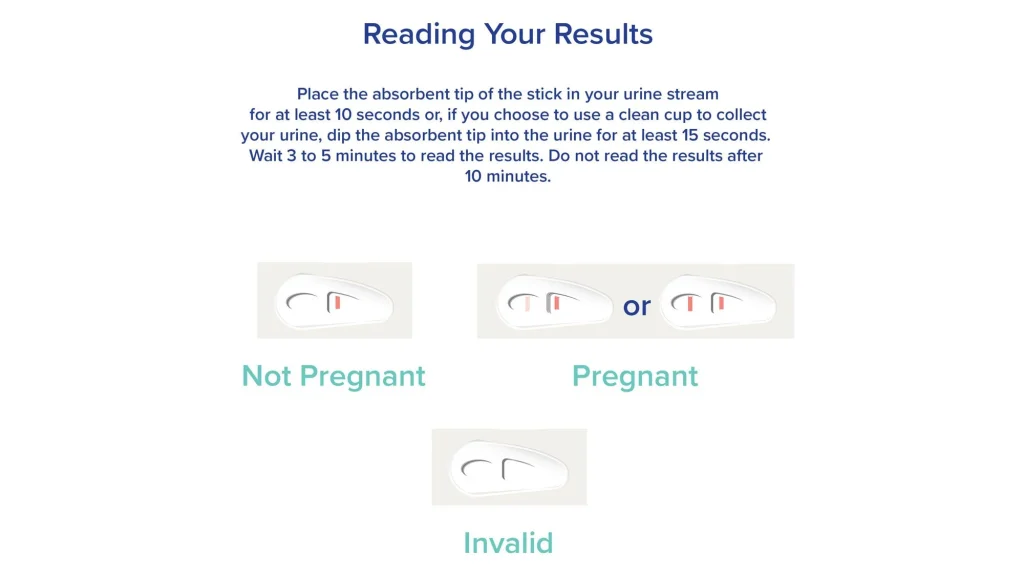
    Instructions for reading pregnancy test results with visual indicators for "Not Pregnant," "Pregnant," and "Invalid.

    A Step-by-Step Guide to Using Cervical Mucus for Baby Gender Prediction

    Step 4: Determine Your Ovulation

    Once you have confirmed the presence of egg white mucus, you can use it to predict your ovulation. Ovulation typically occurs within 24-48 hours of the first appearance of egg white mucus. This is the most fertile time of your cycle, and if you are trying to conceive, it is the best time to have intercourse.

    Step 5: Use the Shettles Method for Gender Prediction

    The Shettles Method is a popular technique for gender prediction based on the timing of intercourse in relation to ovulation. According to this method, male sperm (Y sperm) swim faster but have a shorter lifespan, while female sperm (X sperm) swim slower but have a longer lifespan. Therefore, if you want a boy, have intercourse as close to ovulation as possible to increase the chances of the faster Y sperm reaching the egg first. For a girl, have intercourse 2-3 days before ovulation to allow the slower but longer-living X sperm to fertilize the egg.

    Step 6: Consider Your Cervical Mucus pH

    Some studies have shown a correlation between cervical mucus pH and baby gender. It is believed that the acidic environment of the vagina favors the survival of female sperm, while a more alkaline environment favors male sperm. You can purchase pH test strips from a local pharmacy and use them to track your pH levels throughout your cycle. If your pH is more acidic, it may increase your chances of conceiving a girl, and if it is more alkaline, it may increase your chances of conceiving a boy.

    Step 7: Consult with a Medical Professional

    It is important to note that using cervical mucus for gender prediction is not scientifically proven and should not be relied upon as a guarantee. It is also essential to consult with a medical professional before making any significant decisions based on this method. They can provide you with more accurate and reliable methods for gender prediction, such as ultrasound or genetic testing.

    In conclusion, while there is no guaranteed way to predict the gender of a baby, using cervical mucus for gender prediction can be a fun and natural method to try. Remember to track your menstrual cycle, pay attention to changes in your mucus, and consult with a medical professional for more reliable methods. Most importantly, enjoy the journey of trying to conceive and know that regardless of the gender, your baby will be a blessing in your life.