Blog Post:
Deciding to start a family is a big decision for any couple, but for those facing age-related fertility issues, it can be a particularly daunting and emotional journey. With the advances in modern medicine, there are now more options available for couples who struggle with conceiving naturally. One such option is non-invasive insemination, which has become a popular choice for couples who are ready for a baby but are struggling with age-related fertility issues. In this blog post, we will explore what non-invasive insemination is, how it works, and why it may be the right choice for you and your partner as you embark on your journey to parenthood.
What is Non-Invasive Insemination?
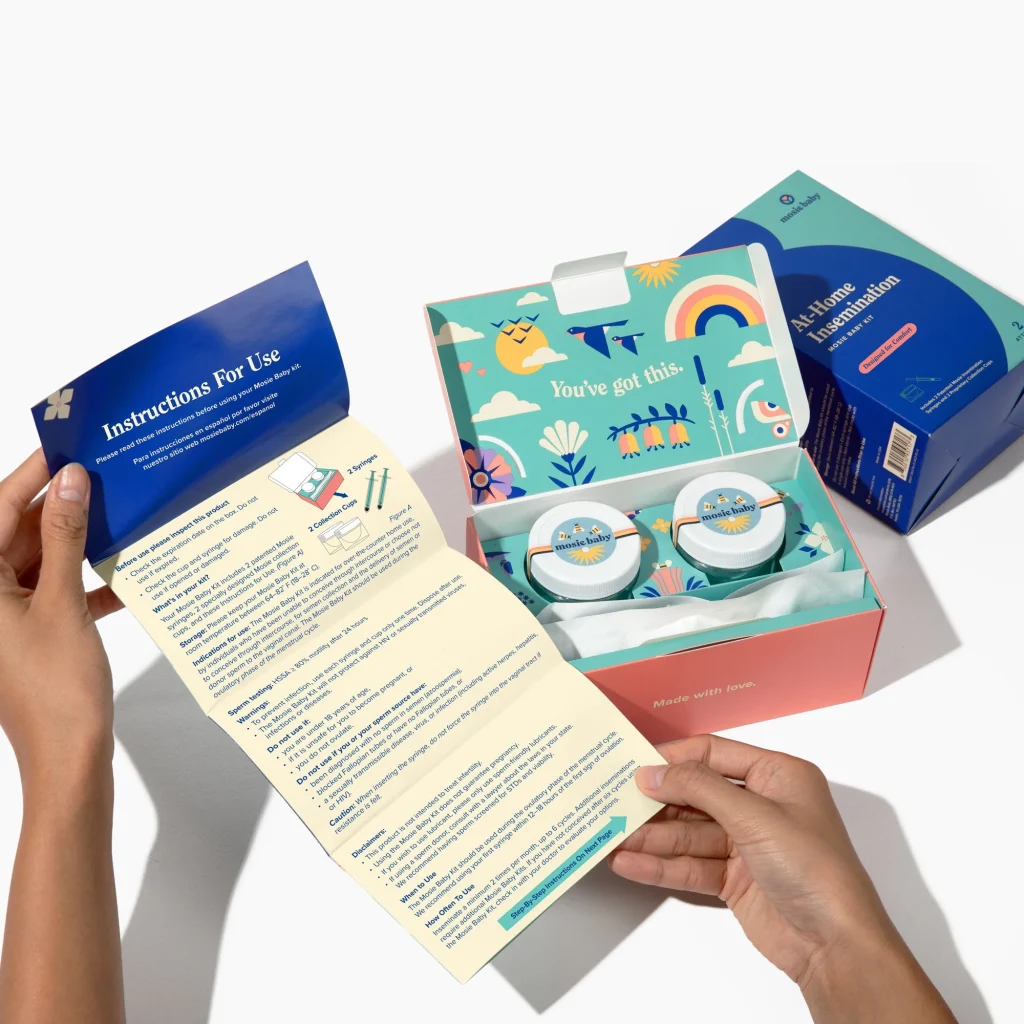
Non-invasive insemination, also known as intrauterine insemination (IUI), is a fertility treatment that involves placing sperm directly into a woman’s uterus to increase the chances of fertilization. This procedure is often used for couples who have been trying to conceive for a year or more without success, or for those who have been diagnosed with age-related fertility issues. It is a less invasive and less expensive option compared to other fertility treatments such as in vitro fertilization (IVF).
How Does Non-Invasive Insemination Work?
The first step in non-invasive insemination is to undergo a fertility evaluation. This will involve a series of tests for both the male and female partner to determine the cause of infertility. Once the evaluation is complete and the couple is deemed eligible for the procedure, the woman will be given fertility drugs to stimulate ovulation and increase the chances of pregnancy. The man will also be asked to provide a sperm sample, which will be washed and prepared in the laboratory to ensure the best quality sperm for the procedure.
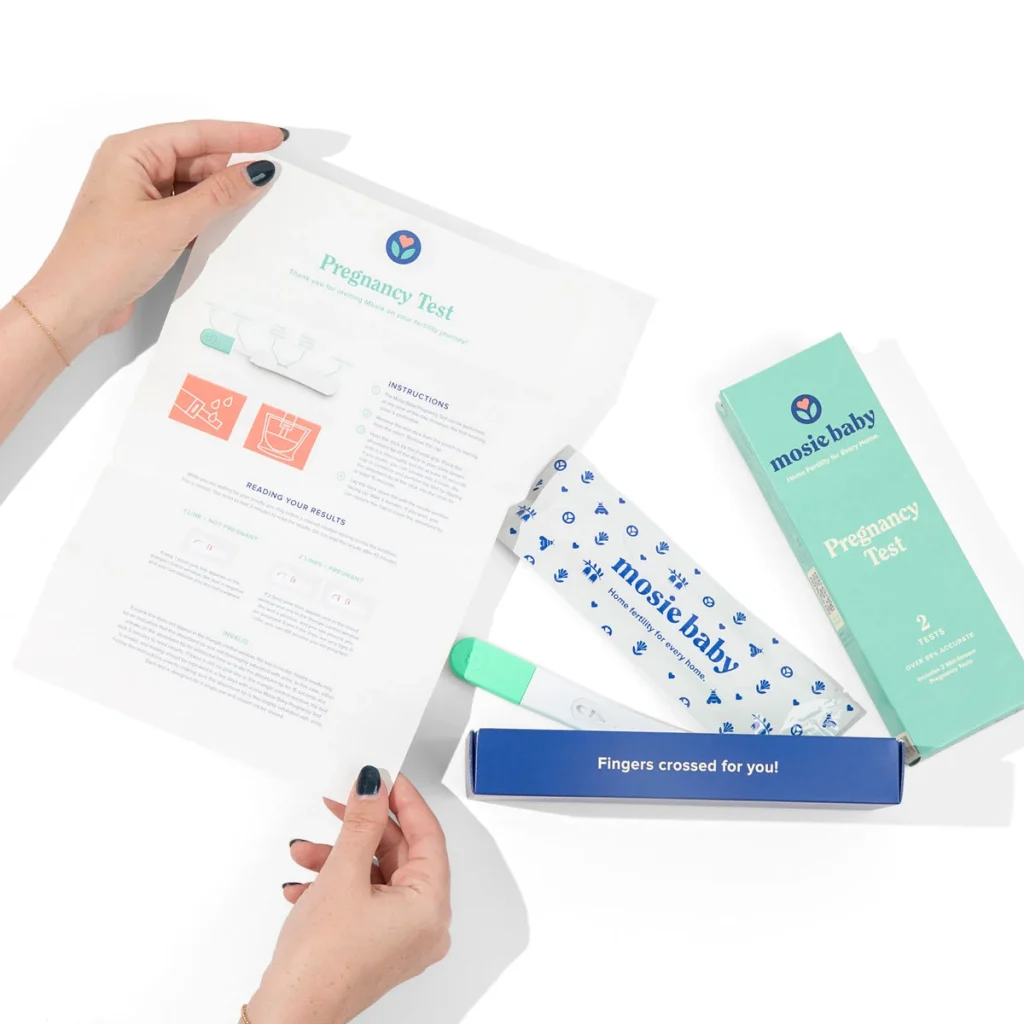
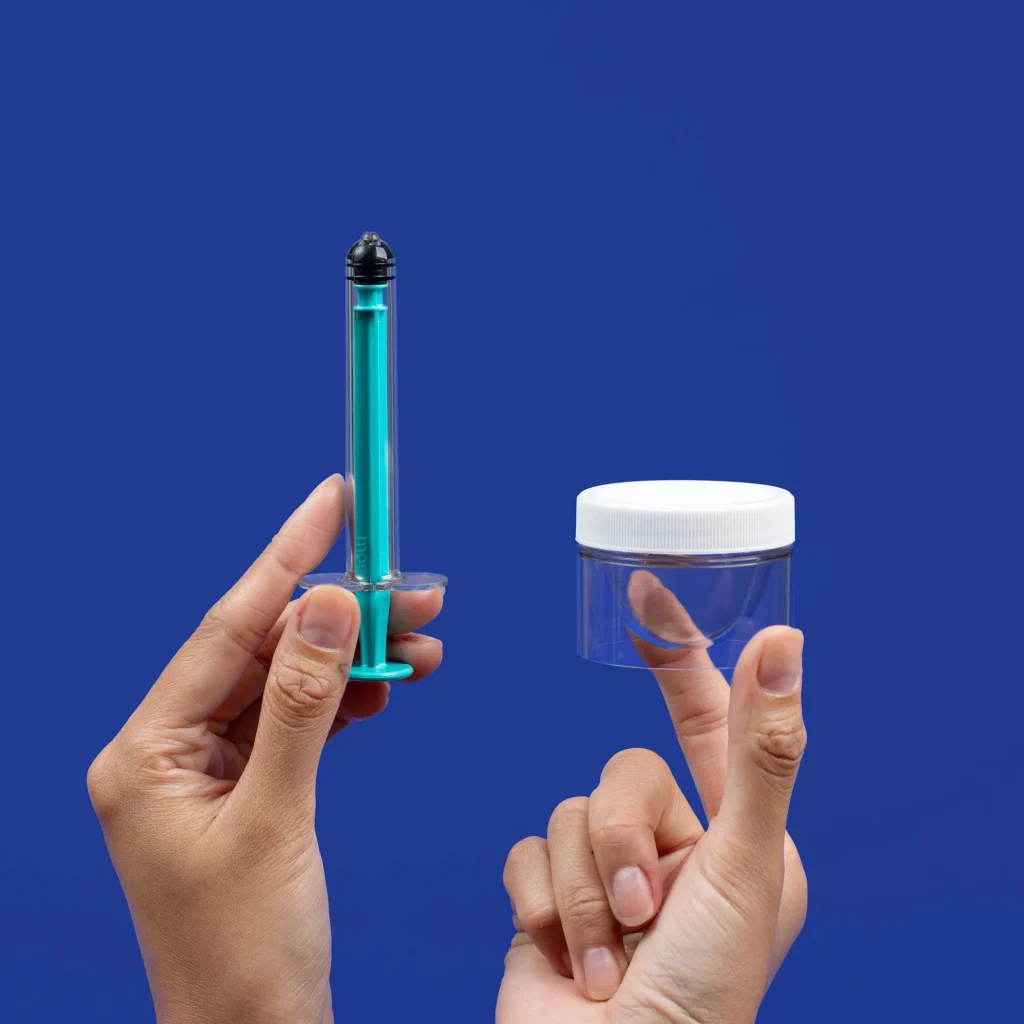
On the day of the insemination, the sperm will be placed into the woman’s uterus using a thin, flexible catheter. This is a painless and quick procedure that can be done in the doctor’s office. After the insemination, the woman will be asked to rest for a short period before resuming her normal activities. A pregnancy test will be done about two weeks after the insemination to determine if the procedure was successful.
Why Choose Non-Invasive Insemination for Age-Related Fertility Issues?

and Ready for a Baby? Non-Invasive Insemination for Couples with Age-Related Fertility Issues
Non-invasive insemination is a popular choice for couples facing age-related fertility issues for several reasons. Firstly, it is a less invasive option compared to other fertility treatments, which can be a major concern for couples who are already dealing with the emotional stress of infertility. The procedure is also relatively painless and quick, making it less intimidating for couples who may have a fear of medical procedures.
Moreover, non-invasive insemination is less expensive compared to other fertility treatments, making it a more affordable option for couples. This is especially important for those who may have already spent a significant amount of money on other fertility treatments without success. Additionally, non-invasive insemination has a higher success rate compared to trying to conceive naturally, increasing the chances of pregnancy for couples with age-related fertility issues.
Preparing for Non-Invasive Insemination
Before undergoing non-invasive insemination, it is essential for couples to prepare themselves physically and emotionally. This may involve making lifestyle changes such as quitting smoking, reducing alcohol consumption, and maintaining a healthy weight. It is also important to have open and honest communication with your partner and healthcare provider about any concerns or fears you may have. Seeking support from friends, family, or a support group can also be beneficial during this time.
It is also crucial to have realistic expectations when undergoing non-invasive insemination. While it has a higher success rate compared to natural conception, it is not a guarantee for pregnancy. It may take more than one cycle of insemination to achieve a successful pregnancy, and it is essential to prepare for this possibility.
In Conclusion
For couples facing age-related fertility issues, non-invasive insemination can be a viable option for starting a family. With its high success rate, affordability, and less invasive nature, it has become a popular choice for many couples. It is important to remember that fertility treatments can be emotionally and physically taxing, and having a strong support system and realistic expectations can make the journey more manageable. With the help of modern medicine and the support of your partner, you can be one step closer to welcoming a precious little one into your lives.
Summary:
Non-invasive insemination, also known as intrauterine insemination (IUI), is a popular fertility treatment for couples facing age-related fertility issues. This less invasive and less expensive option involves placing sperm directly into the woman’s uterus to increase the chances of fertilization. Before undergoing the procedure, couples will undergo a fertility evaluation and have realistic expectations. Non-invasive insemination has a higher success rate compared to natural conception and can be emotionally and physically taxing, but with the support of a strong partner and a realistic mindset, it can be a viable option for starting a family.