Tag: artificial insemination

  • Syringe Kits vs. Traditional Methods: Which is Better for Natural Conception?

    Syringe Kits vs. Traditional Methods: Which is Better for Natural Conception?

    For couples struggling with fertility, the journey to conceive a child can be a difficult and emotional one. Many factors can contribute to difficulties in conceiving, including age, health conditions, and lifestyle choices. As a result, more and more couples are turning to fertility treatments to increase their chances of natural conception.

    One popular method of fertility treatment is artificial insemination, which involves the insertion of sperm into a woman’s uterus or cervix to fertilize an egg. In the past, this procedure was primarily done through traditional methods using a syringe or catheter. However, in recent years, the use of syringe kits for artificial insemination has become increasingly popular. But which method is better for natural conception? In this blog post, we will explore the differences between syringe kits and traditional methods and discuss which one may be more effective for couples trying to conceive.

    What is a Syringe Kit?

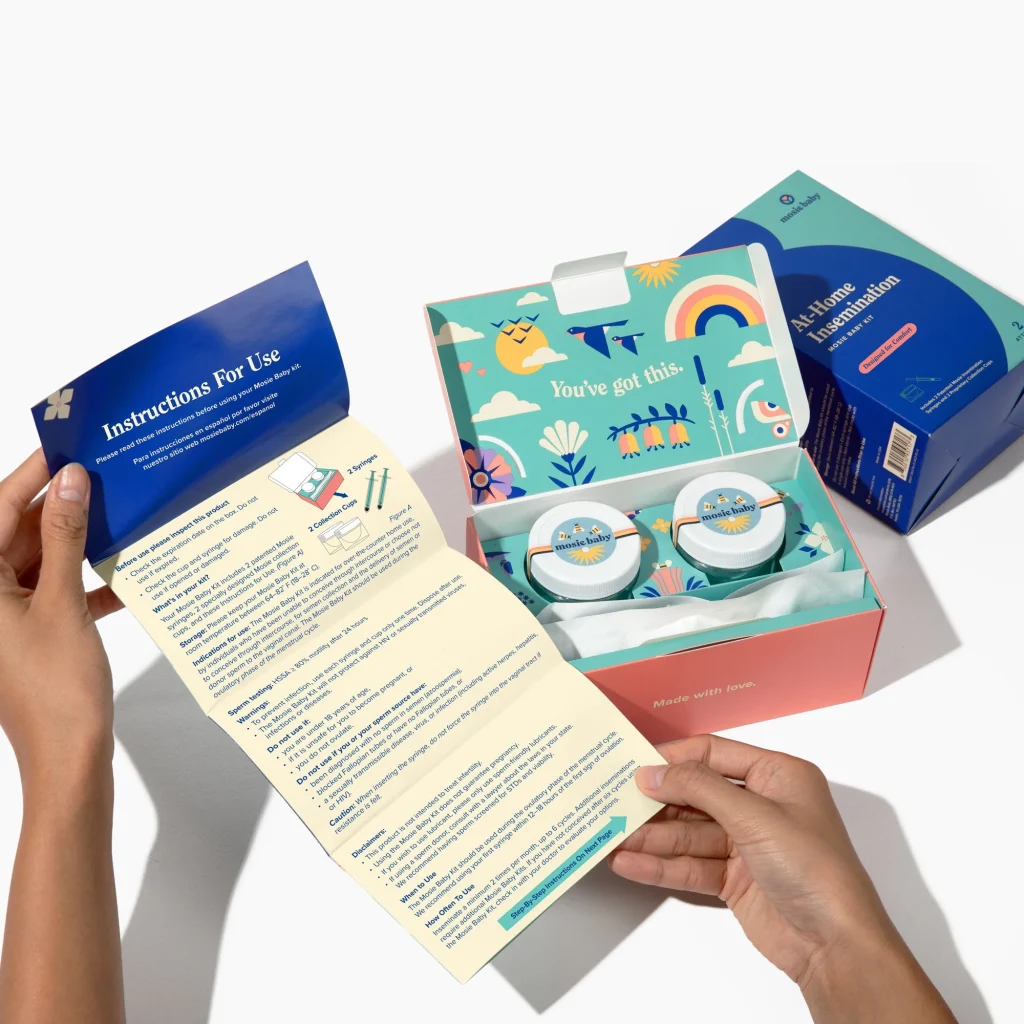
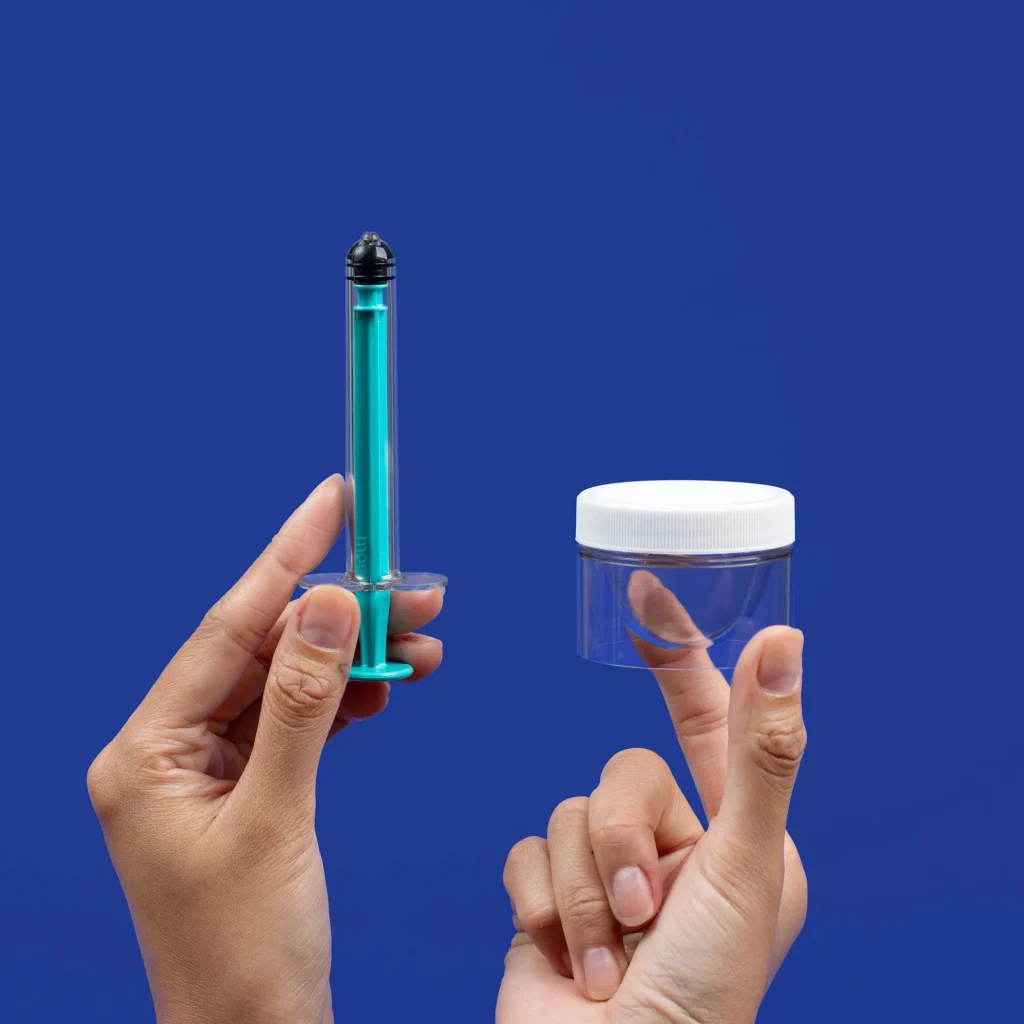
    A syringe kit is a fertility treatment device consisting of a syringe and a catheter. It is designed to be used at home and allows couples to perform artificial insemination themselves. The kit typically includes a sterile syringe, a catheter, a container to hold the sperm, and instructions for use. Couples can purchase syringe kits online or from their fertility clinic.

    Advantages of Syringe Kits

    One of the main advantages of using a syringe kit is convenience. Couples can perform the procedure in the comfort of their own home, eliminating the need for multiple visits to the fertility clinic. This is particularly beneficial for couples who live in remote areas or have busy schedules.

    Another advantage of syringe kits is cost-effectiveness. Traditional methods of artificial insemination can be expensive, especially when multiple attempts are required. Syringe kits are relatively affordable, making them a more accessible option for couples on a budget.

    Furthermore, using a syringe kit can also provide privacy for couples who may feel uncomfortable with the idea of having the procedure done in a clinic setting. This can help reduce stress and anxiety, which can have a positive impact on the success of the procedure.

    Disadvantages of Syringe Kits

    While syringe kits offer convenience and cost-effectiveness, they also have some disadvantages. One of the major concerns with using a syringe kit is the risk of infection. It is crucial to ensure that the kit is sterile and that the procedure is done in a clean and sanitary environment. If proper precautions are not taken, there is a risk of introducing bacteria into the uterus, which can lead to infections.

    Another disadvantage of using syringe kits is the lack of medical supervision. Traditional methods of artificial insemination are performed by trained medical professionals who can monitor the procedure and make adjustments if necessary. With syringe kits, the couple is responsible for the entire process, which can be challenging for some.

    What are Traditional Methods?
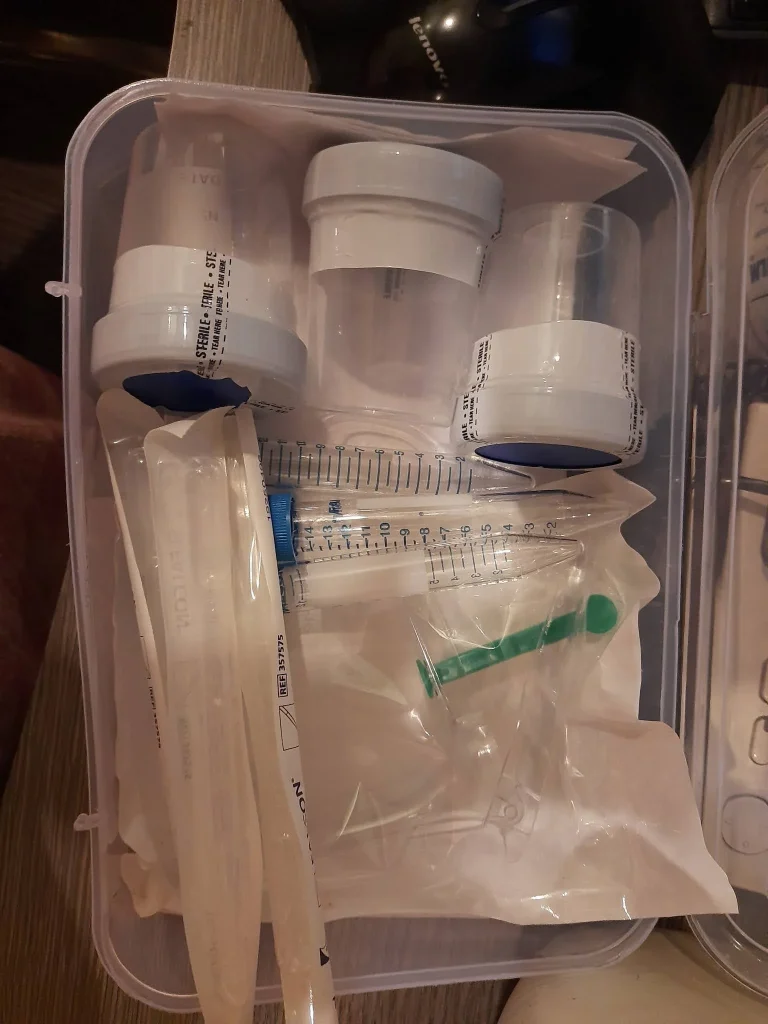
    various medical supplies and containers organized in a clear plastic box on a wooden surface

    Syringe Kits vs. Traditional Methods: Which is Better for Natural Conception?

    Traditional methods of artificial insemination involve the insertion of sperm into a woman’s uterus or cervix using a syringe or catheter. This procedure is typically done in a fertility clinic or doctor’s office and is performed by a medical professional.

    Advantages of Traditional Methods

    One of the main advantages of traditional methods is the medical supervision. The procedure is performed by a trained professional who can ensure that the sperm is inserted into the correct location and that the process is done in a sterile environment. This can greatly reduce the risk of infection and increase the chances of success.

    Traditional methods also allow for more accurate timing. In natural conception, the egg is released from the ovary and travels through the fallopian tubes, where it can be fertilized by sperm. By performing the procedure in a controlled environment, the timing can be closely monitored to increase the chances of conception.

    Disadvantages of Traditional Methods

    The main disadvantage of traditional methods is the cost. The procedure is typically more expensive than using a syringe kit, and multiple attempts may be needed, making it inaccessible for some couples.

    Another disadvantage is the inconvenience of having to visit a fertility clinic for each attempt. This can be particularly challenging for couples who live far from a clinic or have busy schedules.

    Which is Better for Natural Conception?

    The answer to this question is not straightforward, as each method has its advantages and disadvantages. Ultimately, the most suitable method for a couple depends on their individual needs and preferences.

    For couples who are looking for a cost-effective and convenient option, syringe kits may be the better choice. However, it is crucial to ensure that the procedure is done correctly and in a clean environment to avoid the risk of infection.

    On the other hand, traditional methods offer medical supervision and more accurate timing, increasing the chances of success. However, it may not be a feasible option for couples on a budget or those who live far from a fertility clinic.

    In conclusion, both syringe kits and traditional methods have their pros and cons, and there is no clear winner when it comes to natural conception. It is essential for couples to discuss their options with a medical professional and choose the method that best suits their needs.

    In summary, the use of syringe kits and traditional methods for artificial insemination are both viable options for couples trying to conceive. While syringe kits offer convenience and cost-effectiveness, traditional methods provide medical supervision and more accurate timing. Ultimately, the best method for a couple will depend on their individual needs and preferences. It is crucial to discuss the options with a medical professional and ensure that the procedure is done correctly to increase the chances of natural conception.

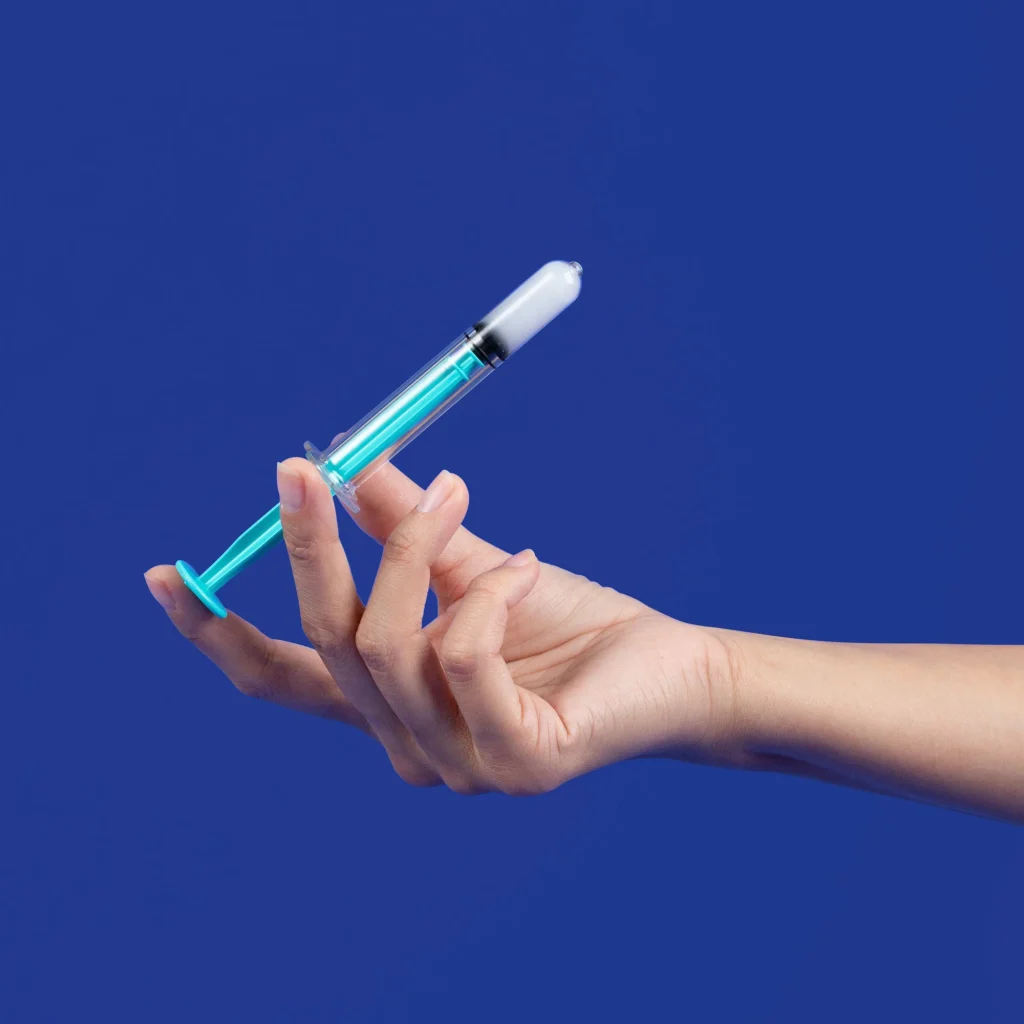
  • Taking Control of Your Fertility: The Power of a Syringe Kit

    Taking Control of Your Fertility: The Power of a Syringe Kit

    For many women, trying to conceive can be a challenging and emotional journey. The process of tracking ovulation, timing intercourse, and dealing with the disappointment of negative pregnancy tests can take a toll on both physical and mental health. But what if there was a simple and effective way to take control of your fertility and increase your chances of getting pregnant? This is where the power of a syringe kit comes in.

    A syringe kit, also known as an artificial insemination kit, is a device that allows women to perform at-home insemination. It typically includes a sterile syringe, a catheter, and a collection cup. While the idea of performing an insemination at home may seem intimidating at first, the process is actually quite simple and can be done in the comfort of your own home. In this blog post, we will explore the benefits of using a syringe kit for fertility and how it can empower women to take control of their own reproductive health.

    Understanding the Basics of Fertility

    Before we dive into the benefits of using a syringe kit, it’s important to first understand the basics of fertility. Every month, a woman’s body goes through a menstrual cycle, which involves the release of an egg from the ovaries and the thickening of the uterine lining in preparation for a potential pregnancy. If the egg is not fertilized by sperm, the lining sheds and a woman experiences her period. However, if the egg is fertilized, it implants into the uterine lining and a pregnancy begins.

    The key to getting pregnant is timing intercourse during the fertile window, which is the period of time when a woman is most likely to get pregnant. This window typically lasts for about 6 days, starting 5 days before ovulation and ending on the day of ovulation. Since sperm can live inside a woman’s body for up to 5 days, having intercourse during this window increases the chances of sperm being present when the egg is released.

    The Power of a Syringe Kit

    One of the biggest advantages of using a syringe kit for fertility is the ability to precisely time insemination during the fertile window. Unlike traditional methods of insemination, such as intercourse or intrauterine insemination (IUI), where the timing can be unpredictable, a syringe kit allows for more control over when the sperm is deposited into the vagina. This can be especially helpful for women with irregular cycles or for those who are using donor sperm.

    Additionally, using a syringe kit eliminates the need for intercourse, which can be a difficult or uncomfortable option for some couples. It also eliminates the need for a medical procedure like IUI, which can be costly and invasive. By using a syringe kit, women can take control of their own fertility and perform the insemination in the privacy of their own home.

    Informative card introducing the Mosie Baby Kit and its mission for at-home insemination.

    Taking Control of Your Fertility: The Power of a Syringe Kit

    Another benefit of using a syringe kit is the ability to use frozen donor sperm. This allows same-sex couples and single women to have a biological child without the need for a male partner. It also provides options for couples struggling with male infertility. With a syringe kit, women can easily purchase and use frozen donor sperm to increase their chances of getting pregnant. This can be a game-changer for those who may not have had other options for starting a family.

    How to Use a Syringe Kit

    Using a syringe kit for fertility is a simple and straightforward process. The first step is to determine when you are ovulating by tracking your menstrual cycle and using ovulation predictor kits. Once you have determined your fertile window, you can prepare the syringe kit by attaching the catheter to the syringe and drawing up the sperm sample into the syringe. You can then insert the catheter into the vagina and deposit the sperm near the cervix.

    It’s important to note that using a syringe kit does not guarantee pregnancy. It’s still important to have open communication with your healthcare provider and to address any underlying fertility issues. However, using a syringe kit can increase your chances of getting pregnant by providing more control over the timing and process of insemination.

    The Emotional Impact

    Aside from the practical benefits, using a syringe kit for fertility can also have a positive emotional impact. For many women, trying to conceive can be a stressful and emotional experience. The uncertainty and disappointment of negative pregnancy tests can take a toll on mental health. By using a syringe kit, women can take control of the process and feel more empowered about their reproductive health. It can also bring a sense of intimacy and connection for couples who may have been struggling with the emotional toll of traditional methods of insemination.

    In conclusion, taking control of your fertility can be a daunting task, but the power of a syringe kit can make the process easier and more empowering. By providing more control over the timing and process of insemination, as well as options for using frozen donor sperm, a syringe kit can increase the chances of getting pregnant and bring a sense of control and intimacy to the journey of trying to conceive. So if you’re considering starting a family, don’t overlook the power of a syringe kit in helping you achieve your dream of becoming a parent.

    Summary:

    Taking control of your fertility can be a challenging and emotional journey for many women. But by using a syringe kit, also known as an artificial insemination kit, women can increase their chances of getting pregnant and take control of their reproductive health. This device allows for precise timing of insemination during the fertile window, eliminates the need for intercourse or medical procedures, and provides options for using frozen donor sperm. It can also have a positive emotional impact by empowering women and bringing intimacy to the process of trying to conceive. So if you’re considering starting a family, consider the power of a syringe kit in helping you achieve your dream of becoming a parent.

  • The Future of Non-Invasive Insemination: Advancements and Possibilities

    Summary:

    The field of reproductive technology has seen significant advancements in recent years, particularly in the area of non-invasive insemination. This method of assisted reproduction has become a popular choice for individuals and couples struggling with infertility, as it offers a less invasive and more affordable option compared to traditional methods. However, the future of non-invasive insemination holds even more possibilities and potential for further advancements. In this blog post, we will explore the current state of non-invasive insemination, the advancements that have been made, and the possibilities for the future.

    First, let’s define non-invasive insemination. It is a method of assisted reproduction that involves placing sperm into the reproductive tract without the use of invasive procedures such as surgery. This can be done through several techniques, including intrauterine insemination (IUI), intracervical insemination (ICI), and intravaginal insemination (IVI). These methods have become increasingly popular in recent years, as they offer a less invasive and less expensive option for individuals and couples seeking fertility treatment.

    One of the main advancements in non-invasive insemination is the use of donor sperm. In the past, donor sperm was only available through invasive procedures such as surgical sperm retrieval. However, with the advancements in non-invasive insemination techniques, donor sperm can now be used in IUI, ICI, and IVI procedures. This has opened up new possibilities for individuals and couples who require donor sperm to conceive.

    hand holding a syringe with a blue plunger against a solid blue background

    The Future of Non-Invasive Insemination: Advancements and Possibilities

    Another significant advancement in non-invasive insemination is the use of fertility tracking technology. With the rise of wearable devices and mobile apps, individuals can now track their fertility in real-time and determine the best time for insemination. This technology has greatly improved the success rates of non-invasive insemination, as it allows for more precise timing and increases the chances of fertilization.

    Furthermore, researchers and medical professionals are constantly working on new techniques and technologies to improve the success rates of non-invasive insemination. One of these advancements is the use of microfluidics, which involves using tiny channels and chambers to isolate the most viable sperm for insemination. This technology has shown promising results in increasing the chances of pregnancy and reducing the risk of multiple births.

    The future of non-invasive insemination also holds possibilities for same-sex couples and single individuals who wish to start a family. With the use of donor sperm and assisted reproductive techniques, individuals and couples can now have biological children without the need for a partner or traditional methods of conception. This opens up a whole new world of possibilities for starting a family and expanding diversity in the realm of parenthood.

    In addition to these advancements, there is also ongoing research and development in the field of non-invasive insemination. With the growing interest and demand for these techniques, there is a need for continued research and innovation to further improve success rates and make non-invasive insemination accessible to more people. This will also involve addressing any potential ethical concerns and ensuring the safety and well-being of those undergoing these procedures.

    In conclusion, the future of non-invasive insemination looks bright with the advancements and possibilities that lie ahead. This method of assisted reproduction has already helped countless individuals and couples achieve their dream of starting a family, and with further advancements and research, it will continue to do so. As we look towards the future of healthcare and reproductive technology, non-invasive insemination will undoubtedly play a significant role in helping individuals and couples fulfill their desire for parenthood.

  • The Importance of Patience and Persistence in Non-Invasive Insemination

    In recent years, non-invasive insemination has become a popular option for couples struggling with fertility issues. This method offers a less invasive and more affordable alternative to traditional in vitro fertilization (IVF), making it a desirable option for many. However, despite its convenience, non-invasive insemination still requires patience and persistence on the part of the couple in order to achieve success.

    Non-invasive insemination involves placing sperm directly into the female reproductive tract using a variety of methods such as intrauterine insemination (IUI) or intracervical insemination (ICI). Unlike IVF, which requires harvested eggs and a laboratory setting, non-invasive insemination can be done at home or in a fertility clinic. This makes it a more accessible option for couples who may not have the resources or desire for a more invasive procedure.

    But why is patience and persistence important in non-invasive insemination? Firstly, it’s important to understand that this method of insemination is not a guaranteed success. It may take multiple attempts before conception occurs, and even then, there is still a chance of failure. This can be a frustrating and emotionally draining experience for couples, but it’s important to stay patient and persistent in order to increase the chances of success.

    One of the main reasons for this is the timing of ovulation. Insemination must occur during the woman’s fertile window, which can be difficult to pinpoint. It’s important for couples to track ovulation using methods such as ovulation predictor kits or monitoring basal body temperature. This requires patience and dedication, as the fertile window can vary from month to month. It’s also important to note that even with perfect timing, there is still a chance that fertilization may not occur.

    hands using a blue syringe to extract contents from a clear container for a home insemination kit

    The Importance of Patience and Persistence in Non-Invasive Insemination

    Another factor that requires patience and persistence is the quality and count of the sperm used in the insemination. While sperm can survive in the female reproductive tract for several days, their lifespan is limited. This means that timing is crucial in order to ensure that the sperm is still viable by the time ovulation occurs. Additionally, the quality and count of the sperm can greatly impact the success of the insemination. This may require multiple attempts in order to find the right balance and increase the chances of conception.

    Aside from the physical aspects of non-invasive insemination, it’s also important for couples to maintain patience and persistence in the emotional and mental aspects of the process. Dealing with fertility issues can take a toll on a couple’s relationship, and it’s important to communicate and support each other throughout the journey. It’s also important to manage expectations and not get discouraged by setbacks or failures. Staying patient and persistent can help couples stay motivated and positive, which can ultimately improve their chances of success.

    In addition to patience and persistence, it’s also important for couples to have realistic expectations when it comes to non-invasive insemination. This method may not be successful for everyone, and it’s important to have a backup plan in case it doesn’t work. It’s also important to seek guidance and support from medical professionals throughout the process. They can provide valuable insights and advice, as well as address any concerns or issues that may arise.

    In conclusion, patience and persistence are essential in non-invasive insemination. While this method may offer a more convenient and less invasive option for couples struggling with fertility issues, it still requires dedication and determination in order to achieve success. By staying patient and persistent, managing expectations, and seeking support, couples can increase their chances of conceiving and starting a family through non-invasive insemination.

    SEO metadata:

  • The Role of Sperm Donors in Non-Invasive Insemination

    Blog Post Title: The Essential Role of Sperm Donors in Non-Invasive Insemination

    Non-invasive insemination, also known as artificial insemination, is a fertility treatment that has become increasingly popular in recent years. It involves the placement of sperm into a woman’s reproductive tract in order to facilitate pregnancy. One of the key components of this process is the use of sperm donors. In this blog post, we will explore the important role that sperm donors play in non-invasive insemination and the impact they have on individuals and families.

    The Need for Sperm Donors
    Before we delve into the role of sperm donors in non-invasive insemination, it is important to understand why there is a need for them in the first place. There are a variety of reasons why couples or individuals may require the use of a sperm donor, including male infertility, genetic disorders, or single parenthood. In these cases, the use of a sperm donor provides an opportunity for individuals or couples to have a child and start a family.

    Choosing a Sperm Donor
    When it comes to non-invasive insemination, the process of choosing a sperm donor is a crucial step. It is not a decision that should be taken lightly, as the chosen donor will have a significant impact on the child’s life. Many fertility clinics have strict criteria for sperm donors, including health screenings, genetic testing, and a thorough evaluation of their personal and family medical history. This is to ensure that the donor is healthy and does not carry any genetic disorders that could be passed on to the child.

    Some individuals or couples may also choose to use a known sperm donor, such as a friend or family member. While this may seem like a more personal option, it is important to still follow the necessary health and genetic screening protocols to ensure the safety and well-being of the child.

    comparison of Mosie syringe opening versus standard syringe opening with text highlighting benefits

    The Role of Sperm Donors in Non-Invasive Insemination

    Legal Considerations
    Another important aspect to consider when using a sperm donor in non-invasive insemination is the legalities involved. It is crucial for both the donor and the recipient to have a written and legally binding agreement in place before the insemination process begins. This agreement should outline the rights and responsibilities of both parties, including any financial obligations and the level of involvement the donor will have in the child’s life.

    The Role of Sperm Donors in Non-Invasive Insemination
    Sperm donors play a crucial role in the success of non-invasive insemination. Without them, individuals or couples who are unable to conceive naturally would not have the opportunity to start a family. Sperm donors provide a valuable gift to those in need and their contribution should not be underestimated.

    In addition to their physical contribution, sperm donors also play a significant emotional role in non-invasive insemination. For many individuals or couples, the decision to use a sperm donor can be a difficult and emotional one. The support and understanding of the sperm donor can make a world of difference during this process.

    The Impact on Families
    The impact of sperm donors on families who have undergone non-invasive insemination is immeasurable. For many couples or individuals, the arrival of a child would not have been possible without the help of a sperm donor. This creates a unique bond between the donor and the family, and many choose to maintain a relationship with the donor and include them in their child’s life. This can be a positive experience for all involved, as the child grows up with a sense of identity and connection to their biological roots.

    In conclusion, the role of sperm donors in non-invasive insemination is essential. They provide a valuable contribution to individuals and families who are struggling with fertility issues and help make the dream of starting a family a reality. Sperm donors also play a significant emotional role in the process, providing support and understanding during a challenging time. Their impact on families is immeasurable, creating unique bonds and enriching the lives of all involved.

    Summary:
    This blog post explores the important role of sperm donors in non-invasive insemination. It discusses the need for sperm donors and the process of choosing a donor, including legal considerations. Sperm donors play a crucial role in the success of non-invasive insemination and also have a significant emotional impact on the process. They help make the dream of starting a family a reality for individuals and couples struggling with infertility. The post also highlights the impact of sperm donors on families, creating unique bonds and enriching the lives of all involved.

  • The Connection between Age and Non-Invasive Insemination Success

    Blog Post Title: The Connection between Age and Non-Invasive Insemination Success: What You Need to Know

    Introduction:
    Non-invasive insemination, also known as artificial insemination, is a fertility treatment option for individuals and couples who are struggling to conceive naturally. It involves the placement of sperm into the reproductive tract of a female to facilitate fertilization. While this method has been successful for many, there has been a growing interest in understanding the connection between age and non-invasive insemination success. In this blog post, we will explore the various factors that influence the success of non-invasive insemination, with a focus on age and how it affects the outcome of the procedure.

    Understanding Non-Invasive Insemination:
    Before delving into the connection between age and non-invasive insemination success, it is important to understand the procedure itself. Non-invasive insemination can be performed using different methods, but the most common one is known as intrauterine insemination (IUI). During an IUI, the sperm is placed directly into the uterus, near the fallopian tubes, to increase the chances of fertilization. This method is less invasive and less expensive compared to other fertility treatments such as in vitro fertilization (IVF).

    Factors Affecting Non-Invasive Insemination Success:
    The success of non-invasive insemination depends on various factors, including the underlying cause of infertility, the quality of the sperm, and the timing of the procedure. However, one factor that has been gaining attention is the age of the individuals undergoing the treatment.

    Age and Female Fertility:
    As women age, their fertility declines due to a decrease in the number and quality of eggs. This decline starts to accelerate after the age of 35 and significantly decreases after the age of 40. This means that women who are older may have a harder time conceiving through non-invasive insemination compared to younger women. Additionally, women who are of advanced maternal age (over 35) may also have a higher risk of miscarriage and complications during pregnancy.

    hand holding a pregnancy test with instructions on a colorful background

    The Connection between Age and Non-Invasive Insemination Success

    Age and Male Fertility:
    While age does not affect male fertility as significantly as it does for women, it can still have an impact on the success of non-invasive insemination. As men age, the quality and quantity of their sperm may decrease, making it more difficult for fertilization to occur. This can affect the success rate of non-invasive insemination, as the quality of the sperm plays a crucial role in the procedure.

    Research on Age and Non-Invasive Insemination Success:
    Several studies have been conducted to understand the connection between age and non-invasive insemination success. One study published in the Journal of Assisted Reproduction and Genetics found that women over the age of 35 had a lower success rate of pregnancy through non-invasive insemination compared to younger women. Another study published in the American Journal of Obstetrics and Gynecology showed that the success rate of non-invasive insemination decreased significantly for women over the age of 40. These findings suggest that age does indeed play a role in the success of non-invasive insemination.

    Importance of Seeking Professional Help:
    While age is a crucial factor to consider when undergoing non-invasive insemination, it is important to note that every individual is different. Some women may have a higher success rate even at an advanced age, while others may struggle to conceive at a younger age. Seeking professional help from a fertility specialist is crucial in determining the best course of action for each individual. A fertility specialist can assess the individual’s unique situation and provide personalized treatment plans that may increase the chances of success.

    Conclusion:
    Non-invasive insemination has helped many individuals and couples achieve their dream of having a child. However, as with any medical procedure, there are factors that can affect its success, and age is one of them. Women who are older may have a lower success rate compared to younger women, and this is due to the natural decline in fertility with age. Similarly, age can also affect male fertility, which can impact the success of non-invasive insemination. It is important to seek professional help and have realistic expectations when considering non-invasive insemination as a fertility treatment option.

    In summary, age does play a significant role in the success of non-invasive insemination. Women over the age of 35 may have a lower success rate, and this should be taken into consideration when undergoing the procedure. Seeking professional help and understanding the various factors that can affect the success of non-invasive insemination is crucial in making informed decisions about fertility treatments.

  • Tips for Preparing Your Mind and Body for Non-Invasive Insemination

    Preparing for non-invasive insemination can be an exciting and nerve-wracking time. Whether you are using donor sperm or your partner’s sperm, it is important to prepare your mind and body for the process. Non-invasive insemination, also known as artificial insemination, is a fertility treatment that involves placing sperm directly into the uterus or cervix to increase the chances of pregnancy. It is a less invasive and less expensive option compared to other fertility treatments such as in vitro fertilization (IVF). In this blog post, we will discuss some tips for preparing your mind and body for non-invasive insemination.

    1. Educate Yourself About the Process
    The first step in preparing for non-invasive insemination is to educate yourself about the process. This can include reading articles, talking to your doctor, and attending informational sessions. Understanding the procedure, success rates, and potential risks can help ease any anxiety you may have and make you feel more in control of the situation.

    2. Maintain a Healthy Diet and Lifestyle
    A healthy diet and lifestyle can greatly improve your chances of success with non-invasive insemination. It is important to eat a balanced diet that includes plenty of fruits, vegetables, whole grains, and lean proteins. Avoid processed foods, excessive caffeine, and alcohol, as they can negatively impact your fertility. In addition, regular exercise can also improve overall health and increase fertility.

    3. Get Enough Sleep
    Getting enough rest is crucial for both physical and mental health. Lack of sleep can affect hormone levels and decrease fertility. It can also lead to increased stress and anxiety, which can hinder the success of non-invasive insemination. Aim for 7-9 hours of sleep per night to ensure your body is well-rested and ready for the process.

    4. Manage Stress
    Stress can have a significant impact on fertility and can make the non-invasive insemination process more difficult. It is important to find ways to manage stress and relax during this time. This can include activities such as yoga, meditation, or deep breathing exercises. You can also talk to a therapist or join a support group to help cope with any emotions or concerns you may have.

    illustration of Mosie Baby home insemination kit highlighting seamless transfer and size features

    Tips for Preparing Your Mind and Body for Non-Invasive Insemination

    5. Quit Smoking
    Smoking not only has negative effects on overall health, but it can also decrease fertility. It can damage both female and male reproductive systems and reduce the chances of successful insemination. If you or your partner smoke, it is important to quit before starting the non-invasive insemination process.

    6. Consider Supplements
    Certain vitamins and supplements can improve fertility and increase the chances of successful insemination. These include folic acid, vitamin D, and omega-3 fatty acids. However, it is important to consult with your doctor before taking any supplements, as some may interfere with fertility treatments or medications.

    7. Take Precautions to Avoid Infections
    Infections in the reproductive system can decrease fertility and increase the risk of complications during non-invasive insemination. It is important to take precautions to avoid infections, such as washing your hands regularly, practicing safe sex, and avoiding douching. If you have a history of infections, it is important to discuss this with your doctor before starting the insemination process.

    8. Prepare Emotionally
    Non-invasive insemination can be an emotional journey, and it is important to prepare yourself emotionally for the process. This can involve talking to your partner, family, or friends for support, or joining a support group for individuals going through similar experiences. It is also important to have realistic expectations and understand that the process may not be successful on the first try.

    In summary, preparing your mind and body for non-invasive insemination involves educating yourself about the process, maintaining a healthy diet and lifestyle, getting enough sleep, managing stress, quitting smoking, considering supplements, taking precautions to avoid infections, and preparing yourself emotionally. By following these tips, you can increase your chances of success with non-invasive insemination and make the process as smooth as possible.

  • Non-Invasive Insemination Success Rates: What to Expect

    Non-Invasive Insemination Success Rates: What to Expect

    Non-invasive insemination, also known as artificial insemination, is a fertility procedure that involves placing sperm directly into a woman’s uterus in order to increase the chances of pregnancy. This technique has been used for decades and has helped many couples and individuals achieve their dream of parenthood. However, like any medical procedure, it is important to understand the success rates and what to expect before deciding to undergo non-invasive insemination. In this blog post, we will explore the factors that can affect success rates and what you can expect from the procedure.

    Factors Affecting Success Rates

    The success rates of non-invasive insemination can vary greatly depending on a variety of factors. These include age, underlying fertility issues, the quality of sperm and eggs, and the type of insemination being used. Generally, younger women have a higher chance of success as they tend to have healthier eggs and a better response to fertility treatments. According to the American Pregnancy Association, the success rates for non-invasive insemination range from 15-20% per cycle for women under 35, 11-15% for women aged 35-40, and 5% for women over 40.

    Underlying fertility issues can also greatly impact the success rates of non-invasive insemination. Women who have blocked fallopian tubes or ovarian dysfunction may have a lower chance of success as the sperm may have difficulty reaching the egg. In addition, men with low sperm count or poor sperm quality may also have a lower success rate as there may not be enough healthy sperm to fertilize the egg.

    The type of insemination being used can also impact success rates. There are two types of non-invasive insemination: intrauterine insemination (IUI) and intracervical insemination (ICI). IUI involves placing the sperm directly into the uterus using a thin catheter, while ICI involves placing the sperm at the opening of the cervix. IUI has a higher success rate as it allows the sperm to bypass the cervix and reach the uterus more easily.

    What to Expect

    Home insemination kit by Mosie Baby with instructions and colorful packaging.

    Non-Invasive Insemination Success Rates: What to Expect

    Before undergoing non-invasive insemination, it is important to have a thorough consultation with a fertility specialist. They will assess your medical history, conduct fertility tests, and discuss the best course of action for you. In some cases, additional fertility treatments such as ovulation induction may be recommended to increase the chances of success.

    The non-invasive insemination procedure itself is relatively simple and typically takes less than 30 minutes. It is usually done in a fertility clinic or doctor’s office and does not require anesthesia. The sperm sample is collected and washed to remove any non-motile sperm or impurities. Then, the sperm is placed into the uterus using a catheter. Patients may experience mild cramping or discomfort during the procedure, but it is usually well-tolerated.

    After the procedure, patients are advised to rest for a short period before resuming their normal activities. It is important to follow any post-procedure instructions provided by the fertility specialist, such as avoiding strenuous activities or sexual intercourse for a certain period of time. A pregnancy test is typically done two weeks after the procedure to determine if the insemination was successful.

    In some cases, multiple cycles of non-invasive insemination may be necessary to achieve pregnancy. This can be emotionally and financially taxing, so it is important to have realistic expectations and be prepared for the possibility of multiple attempts.

    Conclusion

    Non-invasive insemination can be an effective fertility treatment for many couples and individuals struggling with infertility. It is important to understand the factors that can affect success rates and what to expect from the procedure. Consultation with a fertility specialist and open communication about expectations and concerns can help prepare individuals for the journey ahead. With the right approach and realistic expectations, non-invasive insemination can bring hope to those wishing to start a family.

    In summary, non-invasive insemination success rates can vary greatly depending on age, underlying fertility issues, and the type of insemination being used. It is important to have a thorough consultation with a fertility specialist and understand the procedure and its potential outcomes before undergoing non-invasive insemination.

  • Common Side Effects of Non-Invasive Insemination

    Title: Common Side Effects of Non-Invasive Insemination

    Non-invasive insemination, also known as artificial insemination, is a popular method of assisted reproduction that involves placing sperm directly into the female reproductive tract. This procedure is commonly used for couples struggling with infertility or same-sex couples who want to start a family. While it is generally a safe and effective procedure, like any medical procedure, there are potential side effects that patients should be aware of. In this blog post, we will discuss the common side effects of non-invasive insemination and how to manage them.

    1. Mild Cramping and Spotting
    One of the most common side effects of non-invasive insemination is mild cramping and spotting. This is caused by the insertion of the catheter into the cervix, which can cause some discomfort and irritation. The cramping is usually mild and similar to menstrual cramps, and the spotting may last for a day or two. This side effect is usually not a cause for concern and can be managed with over-the-counter pain medication and a heating pad.

    2. Infection
    In rare cases, non-invasive insemination can lead to an infection in the reproductive tract. This is more likely to occur if the procedure is not done in a sterile environment or if the sperm used is contaminated. Symptoms of an infection may include fever, chills, abdominal pain, and abnormal discharge. If you experience any of these symptoms, it is important to contact your doctor immediately. Antibiotics may be prescribed to treat the infection, and it is crucial to follow the full course of treatment to prevent any further complications.

    3. Allergic Reactions
    Some individuals may have an allergic reaction to the sperm used during non-invasive insemination. This can manifest as itching, redness, and swelling in the vaginal area. In rare cases, it can also cause difficulty breathing and anaphylaxis. If you have a known allergy to sperm or any of the ingredients in the sperm used, make sure to inform your doctor before the procedure. They may recommend using sperm from a different donor or taking antihistamines before the insemination to prevent an allergic reaction.

    home insemination kit components: a syringe and a collection container against a blue background.

    Common Side Effects of Non-Invasive Insemination

    4. Ovarian Hyperstimulation Syndrome (OHSS)
    OHSS is a rare but potentially serious side effect of non-invasive insemination. It occurs when the ovaries become overstimulated and produce too many eggs, leading to enlarged and painful ovaries. Symptoms of OHSS may include abdominal pain, bloating, nausea, and shortness of breath. This condition can be managed with rest, hydration, and pain medication. In severe cases, hospitalization may be necessary. To reduce the risk of OHSS, your doctor will carefully monitor your ovarian response and adjust the dosage of fertility medications if needed.

    5. Emotional Distress
    Undergoing non-invasive insemination can be emotionally challenging for some individuals and may lead to feelings of stress, anxiety, and sadness. This is especially true for couples who have been trying to conceive for a long time and are facing fertility issues. It is essential to seek emotional support from your partner, family, and friends during this time. You may also consider joining a support group or seeking counseling to cope with the emotional aspects of non-invasive insemination.

    6. Multiple Pregnancies
    One of the benefits of non-invasive insemination is that it increases the chances of pregnancy. However, this also means that there is a higher risk of multiple pregnancies, such as twins or triplets. While some couples may welcome this, it can also increase the risk of complications during pregnancy and delivery. Your doctor will closely monitor your pregnancy and may recommend reducing the number of embryos transferred to decrease the chances of a multiple pregnancy.

    7. Bleeding
    In rare cases, non-invasive insemination may cause bleeding, either from the cervix or the uterus. This is usually minor and will resolve on its own. However, if the bleeding is heavy or persistent, it is essential to contact your doctor for further evaluation. You may be advised to refrain from sexual intercourse and strenuous activities for a few days to allow the cervix to heal.

    In summary, non-invasive insemination is a safe and effective method of assisted reproduction, but like any medical procedure, it can have potential side effects. Mild cramping and spotting, infection, allergic reactions, OHSS, emotional distress, multiple pregnancies, and bleeding are some of the common side effects that patients may experience. It is essential to communicate any concerns or symptoms with your doctor and follow their recommendations for managing these side effects. With proper care and monitoring, the chances of experiencing any severe side effects are minimal, and non-invasive insemination can help many couples achieve their dream of starting a family.

  • The Dos and Don’ts of Non-Invasive Insemination

    Summary:

    Non-invasive insemination, also known as artificial insemination, is a popular method of assisted reproduction for couples struggling with fertility issues or for same-sex couples. This process involves the insertion of sperm into the female reproductive tract, bypassing the need for traditional intercourse. While it may seem like a simple and straightforward procedure, there are a few important dos and don’ts to keep in mind when considering non-invasive insemination. In this blog post, we will discuss the dos and don’ts of non-invasive insemination to help couples make informed decisions about their fertility journey.

    Dos:

    1. Do consult with a fertility specialist: Before beginning non-invasive insemination, it is crucial to consult with a fertility specialist. They can assess your individual situation and determine if non-invasive insemination is the right option for you. They can also discuss any potential risks or concerns and provide guidance throughout the process.

    2. Do choose a reputable sperm bank: When using donor sperm for non-invasive insemination, it is essential to choose a reputable sperm bank. Look for a bank that follows strict guidelines and regulations, conducts thorough testing on donors, and has a good track record of success. This will ensure the quality and safety of the sperm used for insemination.

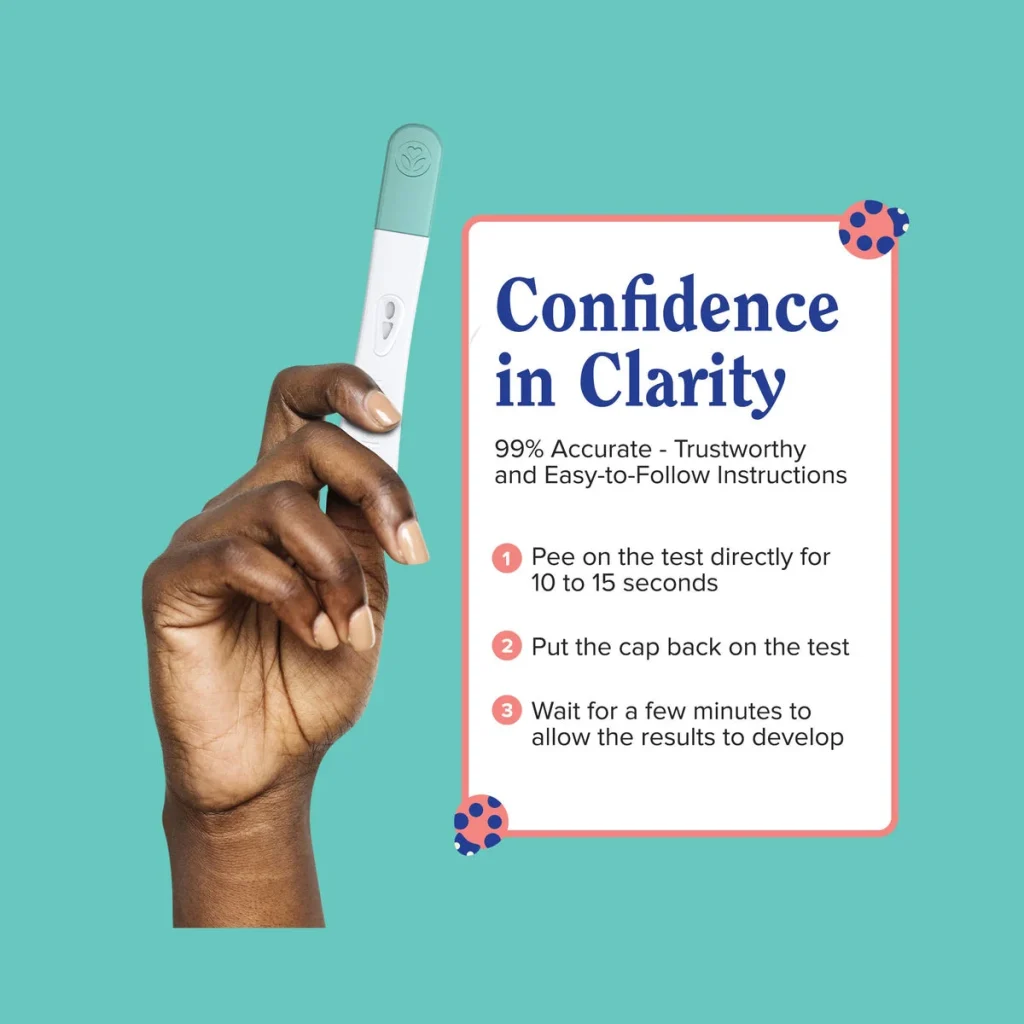
    3. Do track your ovulation cycle: Timing is crucial when it comes to non-invasive insemination. It is essential to track your ovulation cycle carefully to determine the most fertile days for insemination. This can be done through tracking basal body temperature, using ovulation predictor kits, or monitoring cervical mucus changes. Having sex or undergoing insemination during the most fertile window increases the chances of success.

    4. Do follow the instructions: Whether you are using at-home insemination kits or undergoing the procedure at a clinic, it is crucial to follow the instructions provided. This includes properly preparing the sperm, using the correct insertion method, and timing insemination accurately. Failure to follow instructions can lead to a failed insemination or other complications.

    illustration comparing standard and Mosie syringe openings with text highlighting design benefits for home insemination

    The Dos and Don'ts of Non-Invasive Insemination

    5. Do take care of yourself: Non-invasive insemination can be a physically and emotionally taxing process. It is essential to take care of yourself during this time. Get enough rest, eat a healthy and balanced diet, and engage in stress-reducing activities such as yoga or meditation. Taking care of your overall well-being can improve your chances of a successful insemination.

    Don’ts:

    1. Don’t use unregulated sperm: It may be tempting to use sperm from a known donor or a friend, but it is not recommended. Unregulated sperm carries a high risk of transmitting sexually transmitted infections or genetic diseases. Using sperm from a regulated sperm bank ensures the safety and quality of the sperm used for insemination.

    2. Don’t expect immediate results: Non-invasive insemination may not be successful on the first try. It often takes multiple attempts before a successful pregnancy occurs. It is essential to manage your expectations and be prepared for the possibility of multiple insemination cycles.

    3. Don’t ignore potential complications: While non-invasive insemination is generally safe, there is a risk of complications, such as infection, bleeding, or allergic reactions. If you experience any unusual symptoms after insemination, it is crucial to seek medical attention immediately.

    4. Don’t neglect your partner’s feelings: Non-invasive insemination can be a stressful and emotional process for both partners involved. It is essential to communicate openly and support each other throughout the journey. Consider seeking counseling or joining a support group to navigate any emotional challenges together.

    5. Don’t give up hope: Fertility struggles can be disheartening, and it is easy to lose hope. However, it is essential to remember that each person’s journey is unique, and success is possible. Stay positive and seek support from your partner, loved ones, and medical professionals.

    In conclusion, non-invasive insemination can be an effective option for couples struggling with fertility issues. By following the dos and don’ts outlined in this blog post, individuals can make informed decisions and increase their chances of a successful insemination. Remember to always consult with a fertility specialist, choose a reputable sperm bank, track your ovulation cycle, follow instructions, and take care of yourself physically and emotionally throughout the process. And most importantly, don’t give up hope.