Tag: Menstrual Cycle

  • Cervical Mucus and Stress: Understanding the Effects on Ovulation

    Cervical mucus and stress are two factors that play a crucial role in a woman’s ovulation cycle. While cervical mucus helps in determining the most fertile days for conception, stress can have a significant impact on the ovulation process. In this blog post, we will delve into the relationship between cervical mucus and stress, and how they affect ovulation.

    Understanding Cervical Mucus

    Cervical mucus is a fluid produced by the cervix that plays a vital role in a woman’s reproductive system. Its consistency and texture change throughout the menstrual cycle, indicating the stage of ovulation. During the initial days of the cycle, the mucus is thick and sticky, making it difficult for the sperm to swim through. As ovulation approaches, the mucus becomes more watery and stretchy, creating a favorable environment for the sperm to reach the egg.

    The Role of Stress in Ovulation

    Stress is known to disrupt many bodily functions, and ovulation is no exception. When a woman is stressed, the body produces cortisol, a hormone that can affect the production of other hormones, including those involved in ovulation. High levels of cortisol can lead to an imbalance in the reproductive hormones, causing irregular or missed periods, and in some cases, even anovulation (lack of ovulation).

    Cervical Mucus and Stress: A Complex Relationship

    The relationship between cervical mucus and stress is complex and can vary from woman to woman. In some cases, stress can cause changes in the cervical mucus, making it more hostile to sperm. This can result in difficulty in conception or even infertility. On the other hand, some women may experience an increase in fertile cervical mucus during times of stress due to an increase in estrogen levels. However, this is not the case for every woman, and it is essential to understand how stress affects your body and ovulation.

    two teal and clear syringes positioned on a white background

    Cervical Mucus and Stress: Understanding the Effects on Ovulation

    Effects of Stress on Fertility Treatments

    Stress can also have a significant impact on women undergoing fertility treatments. The stress of trying to conceive, coupled with the stress of undergoing invasive procedures and the pressure of time, can take a toll on a woman’s mental and emotional well-being. This can, in turn, affect the ovulation process and the success of fertility treatments. It is crucial for women undergoing fertility treatments to find ways to manage stress and seek support from their healthcare providers.

    Ways to Manage Stress and Promote Healthy Ovulation

    Managing stress is crucial for both women trying to conceive naturally and those undergoing fertility treatments. Here are some ways to reduce stress and promote healthy ovulation:

    1. Practice relaxation techniques like meditation, deep breathing, or yoga.
    2. Exercise regularly to release endorphins, which can help reduce stress.
    3. Get enough sleep and maintain a healthy sleep routine.
    4. Eat a healthy and balanced diet to support hormonal balance.
    5. Seek support from friends and family or join a support group.

    In addition to these methods, it is also essential to track your menstrual cycle and cervical mucus to understand your body’s patterns and identify any changes that may be caused by stress.

    Conclusion

    Cervical mucus and stress are two crucial factors that can greatly affect a woman’s ovulation cycle. While cervical mucus helps in determining the most fertile days for conception, stress can have a significant impact on the ovulation process. It is crucial for women to understand the relationship between these two factors and find ways to manage stress to promote healthy ovulation. Seeking support from healthcare providers and loved ones can also make the journey towards conception less stressful and more manageable.


  • The Impact of Chronic Stress on Cervical Mucus Health and Fertility

    Summary:

    Chronic stress is a common issue in today’s fast-paced world, and it can have a significant impact on our overall health. One area that is often overlooked when it comes to stress is cervical mucus health and fertility. Cervical mucus is a vital component of the female reproductive system, and it plays a crucial role in helping sperm reach and fertilize the egg. However, chronic stress can disrupt the delicate balance of cervical mucus, leading to fertility issues and other health problems. In this blog post, we will explore the impact of chronic stress on cervical mucus health and fertility and discuss ways to manage stress and improve overall reproductive health.

    First and foremost, it is essential to understand what cervical mucus is and why it is crucial for fertility. Cervical mucus is a fluid produced by the cervix that lines the vaginal canal. Its main purpose is to create a friendly environment for sperm to survive and reach the egg for fertilization. Cervical mucus also acts as a barrier, preventing harmful bacteria and other substances from entering the uterus. It changes in consistency and amount throughout the menstrual cycle, with the most fertile mucus being thin, clear, and stretchy, resembling egg whites.

    Chronic stress can have a severe impact on cervical mucus health. When we experience stress, our bodies release the hormone cortisol, also known as the “stress hormone.” Cortisol is necessary for our bodies to respond to stress, but chronic stress can lead to an overproduction of cortisol, which can disrupt the delicate hormonal balance in the body. This hormonal imbalance can interfere with the production and quality of cervical mucus, making it thicker and more acidic, making it difficult for sperm to survive and reach the egg. This can significantly decrease the chances of conception and increase the risk of infertility.

    Apart from affecting cervical mucus directly, chronic stress can also indirectly impact fertility. Stress can lead to unhealthy coping mechanisms such as smoking, excessive drinking, and poor diet, which can all have detrimental effects on fertility. Stress can also disrupt the menstrual cycle, causing irregular periods and even anovulation (lack of ovulation), further decreasing the chances of conceiving.

    pregnancy test kit with instructions, test device, and packaging on a white background

    The Impact of Chronic Stress on Cervical Mucus Health and Fertility

    Furthermore, chronic stress can also cause inflammation in the body, which can have adverse effects on cervical mucus health and fertility. Inflammation can thicken the mucus and make it more difficult for sperm to travel through the cervix. It can also lead to damage to the reproductive organs, making it challenging for the embryo to implant in the uterus. Chronic inflammation has also been linked to conditions like endometriosis and pelvic inflammatory disease, which can cause fertility issues.

    So, what can be done to manage chronic stress and improve cervical mucus health and fertility? The first step is to identify the sources of stress and find ways to manage them. This may include making lifestyle changes such as practicing relaxation techniques like yoga or meditation, getting regular exercise, and maintaining a healthy diet. Seeking support from a therapist or counselor can also be beneficial in managing stress and improving overall mental health.

    In addition to managing stress, there are also specific steps women can take to improve cervical mucus health. One is to track their menstrual cycle and monitor changes in cervical mucus. This can help identify any irregularities and provide valuable information for fertility tracking. Another essential step is to maintain a healthy vaginal pH balance. The vagina is naturally slightly acidic, but stress can make it more acidic, which can lead to imbalances in the vaginal microbiome and affect cervical mucus health. Using a pH-balanced vaginal wash or probiotic supplements can help maintain a healthy vaginal pH and promote good bacteria growth.

    In some cases, medical intervention may be necessary to manage chronic stress and improve cervical mucus health and fertility. Hormonal imbalances caused by stress can be treated with medication or supplements prescribed by a doctor. In cases where inflammation is a concern, anti-inflammatory medication or natural remedies like turmeric or omega-3 fatty acids can help reduce inflammation and promote a healthy reproductive system.

    In conclusion, chronic stress can have a significant impact on cervical mucus health and fertility. It can directly affect the production and quality of cervical mucus and indirectly impact fertility by causing unhealthy coping mechanisms and disrupting the menstrual cycle. It is essential to manage stress and find ways to improve cervical mucus health to increase the chances of conception. This includes making lifestyle changes, seeking support, and, if necessary, seeking medical intervention. By addressing chronic stress and taking steps to improve cervical mucus health, women can increase their chances of conceiving and have a healthier reproductive system.

  • The Connection Between Stress and Cervical Mucus Changes Throughout the Menstrual Cycle

    Blog Post:

    The menstrual cycle is a natural and essential process that most women experience every month. It involves the release of an egg from the ovaries, which can potentially lead to pregnancy. However, the menstrual cycle is not just about ovulation and pregnancy. It also involves changes in hormones, including estrogen and progesterone, which can affect a woman’s cervical mucus.

    Cervical mucus, also known as cervical fluid, is a substance produced by the cervix that helps sperm travel through the reproductive tract to reach the egg. It also acts as a protective barrier against bacteria and other harmful substances. The consistency and quality of cervical mucus can vary throughout the menstrual cycle, and stress is one factor that can significantly impact these changes.

    Stress is a natural response to challenging or threatening situations. It triggers the release of the hormone cortisol, which can affect the body in various ways. When it comes to the menstrual cycle, stress can disrupt the balance of hormones, leading to changes in cervical mucus. In this blog post, we will explore the connection between stress and cervical mucus changes throughout the menstrual cycle.

    The Menstrual Cycle and Cervical Mucus Changes:

    The menstrual cycle is divided into three phases: the follicular phase, ovulatory phase, and luteal phase. Each phase is characterized by different hormonal changes that can impact cervical mucus production.

    Follicular Phase:

    The follicular phase begins when menstruation starts and ends with ovulation. During this phase, estrogen levels begin to rise, which stimulates the production of cervical mucus. The purpose of this mucus is to create a hospitable environment for sperm to survive and travel through the reproductive tract.

    Stress and Cervical Mucus Changes in the Follicular Phase:

    Stress can affect the quality and quantity of cervical mucus during the follicular phase in various ways. High levels of stress can lead to a decrease in estrogen production, which can result in less cervical mucus being produced. As a result, the cervical mucus may become thick and sticky, making it difficult for sperm to travel through the reproductive tract.

    Additionally, stress can also change the composition of cervical mucus, making it less hospitable to sperm. Studies have shown that women who experience high levels of stress have lower levels of a protein called ZP3, which is essential for sperm binding and fertilization. This decrease in ZP3 can make it more challenging for sperm to penetrate the egg, reducing the chances of pregnancy.

    Ovulatory Phase:

    The ovulatory phase is the shortest phase of the menstrual cycle, lasting only 24 hours. During this phase, estrogen levels continue to rise, reaching their peak, which triggers the release of an egg from the ovaries. The cervical mucus during this phase is known as “fertile” mucus and is crucial for sperm survival and transport.

    at-home insemination kit by Mosie Baby, featuring syringes and containers for comfort and convenience.

    The Connection Between Stress and Cervical Mucus Changes Throughout the Menstrual Cycle

    Stress and Cervical Mucus Changes in the Ovulatory Phase:

    Stress can significantly impact the quality of cervical mucus during the ovulatory phase. High levels of stress can lead to a delay or absence of ovulation, which can result in a shorter or absent ovulatory phase. This means that there is less time for fertile cervical mucus to be produced, reducing the chances of pregnancy.

    Furthermore, stress can also affect the consistency of cervical mucus during this phase. Instead of the typical thin, watery, and stretchy texture, the mucus may become thicker and less hospitable to sperm. This can make it more challenging for sperm to reach the egg, decreasing the chances of fertilization.

    Luteal Phase:

    The luteal phase is the final phase of the menstrual cycle and lasts from ovulation until the start of the next period. During this phase, the hormone progesterone is dominant, which causes changes in cervical mucus.

    Stress and Cervical Mucus Changes in the Luteal Phase:

    High levels of stress during the luteal phase can affect the quality of cervical mucus in several ways. First, stress can cause a decrease in progesterone levels, leading to a decrease in cervical mucus production. This can result in a drier and less hospitable environment for sperm.

    Moreover, stress can also cause an increase in a hormone called prolactin, which is known to thicken cervical mucus. This can make it more challenging for sperm to travel through the reproductive tract, reducing the chances of fertilization.

    Managing Stress for Optimal Cervical Mucus:

    As we have seen, stress can significantly impact cervical mucus changes throughout the menstrual cycle, making it more challenging to conceive. Therefore, it is essential to manage stress levels for optimal cervical mucus production. Here are some tips to help reduce stress and improve cervical mucus quality:

    1. Practice relaxation techniques such as deep breathing, meditation, or yoga.
    2. Exercise regularly to release endorphins, which can help reduce stress.
    3. Get enough sleep to allow your body to rest and recover.
    4. Seek support from friends and family or a professional therapist.
    5. Make time for activities that bring you joy and relaxation.

    Summary:

    The menstrual cycle is a complex process that involves changes in hormones and cervical mucus. Stress can significantly impact these changes, leading to changes in the quality and quantity of cervical mucus. In the follicular phase, stress can reduce estrogen levels, leading to less hospitable mucus. In the ovulatory phase, stress can delay ovulation and affect the texture of cervical mucus. In the luteal phase, stress can decrease progesterone levels and increase prolactin, leading to changes in mucus consistency. Managing stress through relaxation techniques, exercise, and seeking support can help improve cervical mucus quality for optimal fertility.

  • Stressed Out? How It May Be Affecting Your Cervical Mucus

    Stress is something that affects all of us at some point in our lives. It can come from various sources such as work, relationships, financial problems, or even our own thoughts and worries. While we may often hear about the negative effects of stress on our mental health and overall well-being, one area that is often overlooked is the impact it can have on our physical health, specifically on our cervical mucus.

    Cervical mucus is a fluid secreted by the cervix that plays a crucial role in female fertility. It helps sperm travel through the reproductive tract, protects them from the acidic environment of the vagina, and nourishes them on their journey to fertilize an egg. The quality and quantity of cervical mucus can greatly affect a woman’s ability to conceive, making it an essential factor to consider for those trying to get pregnant.

    So, how does stress come into play? When we are under stress, our bodies produce a hormone called cortisol. This hormone is responsible for the “fight or flight” response, which is our body’s way of preparing for a perceived threat. While this response can be helpful in dangerous situations, prolonged levels of cortisol in the body can have negative effects on our health, including our cervical mucus.

    One of the primary ways stress affects cervical mucus is by altering its quality and quantity. Studies have shown that stress can lead to a decrease in the production of cervical mucus, making it thicker and less hospitable to sperm. This can make it more challenging for sperm to reach and fertilize an egg, reducing the chances of conception.

    Moreover, stress can also change the texture of cervical mucus, making it less stretchy and more clumpy. This can hinder sperm’s movement and decrease their chances of survival. As a result, even if sperm successfully reach an egg, the chances of fertilization are significantly reduced due to the changes in cervical mucus caused by stress.

    In addition to affecting the quality and quantity of cervical mucus, stress can also disrupt a woman’s menstrual cycle. Stress can cause irregularities in the release of hormones that are necessary for ovulation, leading to a delay or absence of ovulation altogether. This disruption can also affect the production of cervical mucus, making it difficult for sperm to survive in the reproductive tract and fertilize an egg.

    Furthermore, stress can also contribute to hormonal imbalances, which can affect the production of cervical mucus. Hormonal imbalances can lead to changes in the pH balance of the vagina, making it more acidic and hostile to sperm. This, coupled with the changes in cervical mucus, can significantly decrease a woman’s chances of conceiving.

    It is also important to note that stress can have a cyclical effect on cervical mucus. The stress of trying to conceive or worrying about infertility can lead to more stress, which can further impact the quality and quantity of cervical mucus. This can create a vicious cycle that can be challenging to break.

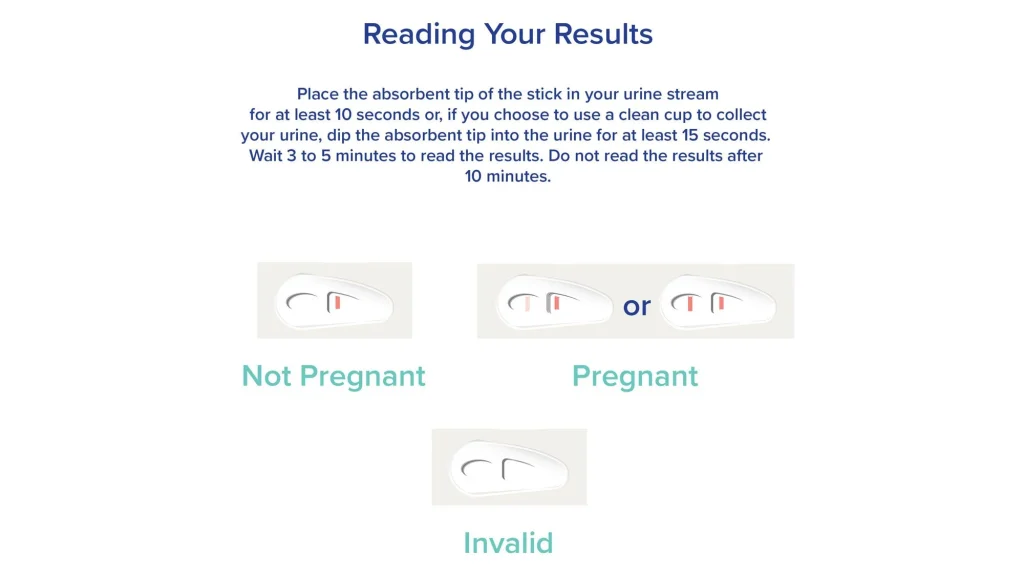
    Instructions for reading pregnancy test results with visual indicators for "Not Pregnant," "Pregnant," and "Invalid.

    Stressed Out? How It May Be Affecting Your Cervical Mucus

    Aside from its direct effects on cervical mucus, stress can also cause other issues that can indirectly affect fertility. For instance, stress can lead to changes in eating habits, sleep patterns, and overall lifestyle, all of which can have a significant impact on reproductive health.

    Moreover, stress can also affect a woman’s libido, making it more difficult to engage in sexual activity and increase the chances of conception. This can also lead to relationship strains, adding to the stress and anxiety a woman may already be experiencing.

    So, what can be done to manage stress and improve cervical mucus quality? The first step is to recognize and acknowledge the stressors in our lives. This could involve seeking external help, such as counseling or therapy, to address underlying issues and develop coping mechanisms.

    Additionally, incorporating stress-reducing activities into our daily routines can also be beneficial. This could include exercise, meditation, mindfulness techniques, or even simply taking a break from work. Finding ways to relax and unwind can help reduce cortisol levels and improve overall well-being, including cervical mucus quality.

    Furthermore, maintaining a healthy lifestyle by eating a balanced diet, getting enough sleep, and avoiding harmful substances can also contribute to reducing stress levels and improving cervical mucus production.

    In conclusion, stress can have a significant impact on cervical mucus and, therefore, fertility. It is essential to recognize and manage stress in our lives, not only for our mental health but also for our physical well-being and the ability to conceive. By taking steps to reduce stress and promote a healthy lifestyle, we can improve our chances of conception and achieve a healthier overall balance in our lives.

    Summary:

    Stress is a prevalent issue that affects our daily lives, and it can have a significant impact on our physical health, particularly on cervical mucus. Cervical mucus plays a crucial role in female fertility, and stress can affect its quality and quantity, making it more challenging to conceive. Stress can also lead to hormonal imbalances, irregular menstrual cycles, and other issues that can indirectly affect fertility. Adopting stress-reducing activities and maintaining a healthy lifestyle can help manage stress and improve cervical mucus quality, increasing the chances of conception.

  • Cervical Mucus and Stress: Understanding the Connection

    Blog Post Title: Cervical Mucus and Stress: Understanding the Connection

    Cervical mucus is a natural and important substance produced by a woman’s cervix that plays a crucial role in her reproductive health. It serves as a protective barrier, helps sperm travel to the egg, and indicates changes in fertility throughout the menstrual cycle. However, many women are unaware of the connection between cervical mucus and stress, and how stress can impact their reproductive health. In this blog post, we will dive deeper into this topic and explore the ways in which stress can affect cervical mucus and, ultimately, a woman’s fertility.

    The Basics of Cervical Mucus

    Before we dive into the connection between cervical mucus and stress, let’s first understand what cervical mucus is and its role in a woman’s reproductive system. Cervical mucus is a fluid secreted by glands in the cervix, the lower part of the uterus that connects to the vagina. Its consistency, color, and amount can change throughout a woman’s menstrual cycle, and these changes are regulated by hormones such as estrogen and progesterone.

    Cervical mucus serves as a protective barrier for the uterus, preventing bacteria and other harmful substances from entering. It also acts as a medium for sperm to travel through the cervix and into the uterus to fertilize an egg. Additionally, cervical mucus can indicate a woman’s fertility status. For example, during ovulation, when a woman is most fertile, her cervical mucus becomes thin, slippery, and stretchy, making it easier for sperm to travel to the egg. On the other hand, during non-fertile times, cervical mucus is thicker and less conducive to sperm survival.

    The Impact of Stress on Cervical Mucus

    Stress is a common and natural part of life, and our bodies have evolved to handle short-term stressors. However, chronic stress, which is prolonged and ongoing, can have a detrimental effect on our physical and mental health. When our bodies are under chronic stress, they produce high levels of the hormone cortisol, commonly known as the “stress hormone.” This hormone can disrupt the delicate balance of hormones that regulate the menstrual cycle, including estrogen and progesterone.

    One of the ways in which stress can affect the menstrual cycle is by altering the production and quality of cervical mucus. Studies have shown that women experiencing high levels of stress have lower levels of estrogen, which can result in reduced cervical mucus production. This can make it more challenging for sperm to travel through the cervix and fertilize an egg. Additionally, stress can change the consistency and quality of cervical mucus, making it less favorable for sperm survival.

    Furthermore, chronic stress can disrupt the hormones responsible for regulating ovulation, resulting in irregular or absent ovulation. This, in turn, can lead to changes in cervical mucus production and quality. For example, women with polycystic ovary syndrome (PCOS), a condition characterized by irregular ovulation, often have thicker and stickier cervical mucus, making it harder for sperm to reach the egg.

    Stress and Fertility Treatments

    Informative card introducing the Mosie Baby Kit and its mission for at-home insemination.

    Cervical Mucus and Stress: Understanding the Connection

    For women undergoing fertility treatments, understanding the connection between stress and cervical mucus is crucial. Stress can not only impact the quality and quantity of cervical mucus but also interfere with the success of fertility treatments. A study published in the journal Fertility and Sterility found that women undergoing in vitro fertilization (IVF) had higher pregnancy rates when they reported lower levels of stress.

    Furthermore, the use of certain fertility medications can also affect cervical mucus. For example, some medications used to stimulate ovulation can result in thicker and less favorable cervical mucus. In such cases, managing stress levels becomes even more critical to counteract the impact of medication on cervical mucus and improve the chances of conception.

    Ways to Manage Stress and Improve Cervical Mucus

    Now that we understand the connection between stress and cervical mucus, it’s essential to explore ways to manage stress and improve cervical mucus production and quality. Here are some tips that can help:

    1. Practice Relaxation Techniques: Engage in activities that help you relax, such as yoga, meditation, or deep breathing exercises. These techniques can help reduce cortisol levels and promote a sense of calm.

    2. Exercise Regularly: Physical activity is a great way to relieve stress and promote overall well-being. Aim for at least 30 minutes of moderate exercise daily.

    3. Get Enough Sleep: Lack of sleep can contribute to stress, so make sure you get enough rest each night. Aim for 7-9 hours of sleep per night.

    4. Eat a Healthy Diet: A balanced and nutritious diet can help reduce stress levels and support reproductive health. Include plenty of fruits, vegetables, lean proteins, and whole grains in your meals.

    5. Seek Support: Talking to a therapist, joining a support group, or confiding in a trusted friend or family member can help you manage stress and improve your overall well-being.

    Summary:

    Cervical mucus is a vital component of a woman’s reproductive health, playing a crucial role in fertility and indicating changes in fertility throughout the menstrual cycle. However, stress can significantly impact cervical mucus production and quality, making it more challenging for sperm to travel to the egg and leading to irregular ovulation. For women undergoing fertility treatments, managing stress is essential to improve the chances of conception. Practicing relaxation techniques, exercising regularly, getting enough sleep, and seeking support are some ways to manage stress and improve cervical mucus production and quality.

  • The Billings Ovulation Method: A Comprehensive Guide to Understanding Cervical Mucus and Fertility

    The Billings Ovulation Method: A Comprehensive Guide to Understanding Cervical Mucus and Fertility

    When it comes to fertility awareness, there are several methods that women can use to track their menstrual cycle and determine their most fertile days. One popular method is the Billings Ovulation Method, also known as the Billings Method or the Ovulation Method. This method relies on observing changes in cervical mucus to identify when ovulation is occurring. In this comprehensive guide, we will explore what the Billings Ovulation Method is, how it works, and how you can use it to understand your fertility and plan for pregnancy.

    What is the Billings Ovulation Method?

    The Billings Ovulation Method was developed in the 1950s by Drs. John and Evelyn Billings, a husband and wife team of medical researchers from Australia. They observed that cervical mucus changes throughout the menstrual cycle and can be used to predict when ovulation is about to occur. This method is based on the idea that cervical mucus is influenced by hormones and can therefore provide insight into a woman’s fertility.

    How Does the Billings Ovulation Method Work?

    The Billings Ovulation Method is based on the observation and interpretation of cervical mucus changes. During the menstrual cycle, a woman’s body produces different types of cervical mucus that serve different purposes. These types of mucus are classified as either infertile or fertile based on their consistency, color, and texture. By observing these changes, women can identify when they are most fertile and take appropriate action to either avoid or achieve pregnancy.

    Infertile Cervical Mucus

    Infertile cervical mucus is typically thick, sticky, and cloudy in appearance. It is not conducive to sperm survival and therefore serves as a natural barrier to pregnancy. This type of mucus is produced by the cervix in the days following menstruation and before ovulation. The presence of infertile cervical mucus indicates that the body is not yet preparing for ovulation and that pregnancy is unlikely to occur.

    Fertile Cervical Mucus

    Fertile cervical mucus is clear, stretchy, and slippery, resembling raw egg whites. It is produced by the cervix as ovulation approaches and is designed to help sperm travel through the reproductive tract and reach the egg. This type of mucus is necessary for conception to occur, and its presence indicates that ovulation is likely to happen soon.

    How to Use the Billings Ovulation Method

    mosie baby logo featuring a heart and leaves in blue, pink, and green colors.

    The Billings Ovulation Method: A Comprehensive Guide to Understanding Cervical Mucus and Fertility

    To use the Billings Ovulation Method, you will need to observe your cervical mucus every day and record your findings on a chart or in a fertility tracking app. You can do this by checking your underwear or using a clean finger to collect a sample of mucus from the opening of the vagina. You should also note any other changes in your body, such as cramping or breast tenderness, as these can also be signs of ovulation.

    As you track your cervical mucus, you will notice a pattern of changes throughout your cycle. The first day of your period is considered Day 1 of your cycle. In the days following your period, you will likely have infertile cervical mucus. As you approach ovulation, you will see an increase in the amount of mucus, and it will become clear, stretchy, and slippery. This is your most fertile time. After ovulation, the mucus will become thick and cloudy again, indicating that your fertile window has closed.

    Benefits of the Billings Ovulation Method

    The Billings Ovulation Method has several benefits for women who are looking to track their fertility. These include:

    1. No need for expensive equipment or tests – The Billings Method only requires a woman’s observation and recording of her cervical mucus. This makes it a cost-effective option for women who want to track their fertility.

    2. Can be used to either avoid or achieve pregnancy – By identifying your most fertile days, you can either use the Billings Method to avoid pregnancy by abstaining from intercourse or use it to plan for pregnancy by having intercourse during your fertile window.

    3. Non-invasive – Unlike some other fertility tracking methods that require invasive procedures, the Billings Method is non-invasive and does not require any internal exams or tests.

    4. Can be used throughout a woman’s reproductive years – The Billings Method can be used by women of all ages, regardless of whether they have regular or irregular cycles.

    5. Promotes body awareness – By tracking changes in cervical mucus, women can become more in tune with their bodies and learn more about their menstrual cycle and fertility.

    Conclusion

    The Billings Ovulation Method is a natural and effective way for women to track their fertility. By observing changes in cervical mucus, women can identify their most fertile days and use this information to either avoid or achieve pregnancy. This method is easy to learn, non-invasive, and can be used throughout a woman’s reproductive years. If you are interested in fertility awareness, the Billings Method is definitely worth considering.

  • Fertility Tracking Simplified: Using the Billings Ovulation Method

    Fertility Tracking Simplified: Using the Billings Ovulation Method

    Fertility tracking has become increasingly popular among women who are trying to conceive or those who want to track their menstrual cycles for health purposes. With the advancement of technology, there are now various methods and tools available for tracking fertility, making it easier for women to understand their bodies and their cycles. However, with so many options available, it can be overwhelming and confusing to choose the best method. In this blog post, we will discuss the Billings Ovulation Method and how it simplifies fertility tracking for women.

    The Billings Ovulation Method, also known as the cervical mucus method, is a natural and scientifically proven way to track fertility. It was developed by Drs. John and Evelyn Billings in the 1950s and has been used by millions of women worldwide since then. The method is based on observing and charting changes in cervical mucus to determine the fertile and infertile phases of a woman’s menstrual cycle.

    How does the Billings Ovulation Method work?

    The Billings Ovulation Method is based on the fact that a woman’s cervical mucus changes throughout her menstrual cycle due to hormonal fluctuations. This mucus acts as a natural fertility indicator, allowing women to identify when they are most likely to conceive. By observing the changes in cervical mucus, women can identify their fertile window – the time when they are most likely to get pregnant.

    The method involves tracking the following types of cervical mucus:

    1. Dry: This is the mucus seen immediately after a woman’s period ends, and it indicates the beginning of the cycle. This mucus is not conducive to sperm survival, making it an infertile phase.

    2. Sticky: As the cycle progresses, the mucus changes to a sticky, cloudy, and tacky consistency. This mucus also does not support sperm survival and is considered an infertile phase.

    3. Creamy: As ovulation approaches, the mucus becomes creamy and white, indicating the body’s preparation for ovulation. This mucus is still considered infertile, but it can help women identify their fertile window’s early stages.

    4. Egg white: This is the most fertile type of mucus. It is clear, stretchy, and resembles raw egg whites. This mucus helps sperm travel to the egg and is a sign that ovulation is imminent. This is the most fertile phase of the cycle, and women should have intercourse during this time if they are trying to conceive.

    5. Watery: After ovulation, the mucus becomes watery and slippery. This type of mucus facilitates sperm survival and is still considered fertile. However, it is not as conducive to fertilization as egg white mucus.

    6. Dry: As the cycle comes to an end, the mucus becomes dry again, indicating the start of a new cycle. This is considered an infertile phase.

    By tracking these changes in mucus, women can determine when they are most likely to conceive, making it easier for them to plan for pregnancy. It is also a helpful tool for those trying to avoid pregnancy, as intercourse can be avoided during the fertile window.

    At-home insemination kit with ovulation and pregnancy tests, promoting fertility and family planning.

    Fertility Tracking Simplified: Using the Billings Ovulation Method

    Benefits of using the Billings Ovulation Method

    1. Natural and non-invasive: Unlike other fertility tracking methods, the Billings Ovulation Method is natural and does not involve any invasive procedures or devices. It only requires women to observe and chart changes in their cervical mucus, making it a non-invasive way to track fertility.

    2. Cost-effective: The method only requires a pen and paper to chart changes in mucus, making it a cost-effective option for fertility tracking.

    3. No side effects: Since the Billings Ovulation Method is natural and does not involve any medication, there are no side effects associated with using this method.

    4. Accurate and reliable: The Billings Ovulation Method has been scientifically proven to be 99.5% effective in avoiding pregnancy when used correctly. It is also an accurate way to track fertility and can help women identify any potential issues with their menstrual cycle.

    5. Useful for all women: The method can be used by women of all ages, regardless of their menstrual cycle regularity, breastfeeding status, or whether they are on hormonal birth control. It is also suitable for women with conditions such as polycystic ovary syndrome (PCOS) or endometriosis, making it a versatile option for fertility tracking.

    How to use the Billings Ovulation Method

    To start using the Billings Ovulation Method, women should first attend a class or consult with a certified instructor. These classes are usually offered by fertility awareness organizations and can be found online or through local healthcare providers.

    During the class, women will learn how to observe and chart their cervical mucus changes accurately. They will also learn about the different types of mucus and how to interpret their observations to determine their fertile window.

    Once women have completed the class, they can start tracking their cycle by checking their cervical mucus every day and recording their observations on a chart. The chart can be a simple table or a specially designed chart for the Billings Ovulation Method, which can be downloaded from various sources online.

    It is essential to track cervical mucus changes every day to get an accurate understanding of the cycle. It is also recommended to track other factors like basal body temperature and changes in the cervix, which can further enhance the method’s accuracy.

    Summary:

    Fertility tracking has become popular among women, and the Billings Ovulation Method offers a natural and reliable way to track fertility. The method is based on observing and charting changes in cervical mucus, which can help women determine their fertile window and plan for pregnancy. It is a non-invasive, cost-effective, and accurate method that can be used by women of all ages and health conditions. To use the method correctly, women should attend a class or consult with a certified instructor, track their cervical mucus daily, and record their observations on a chart.

  • Empowering Women’s Health: How the Billings Ovulation Method Puts Women in Control

    Empowering Women’s Health: How the Billings Ovulation Method Puts Women in Control

    Women’s health has always been a topic of great importance, but unfortunately, it has often been overlooked and neglected in many societies. However, with the rise of the feminist movement, there has been a significant shift towards empowering women and giving them control over their own bodies and health. One method that has been gaining popularity in recent years is the Billings Ovulation Method, which not only promotes natural and holistic approaches to women’s health but also puts women in control of their reproductive health. In this blog post, we will explore the Billings Ovulation Method and how it empowers women to take charge of their health and well-being.

    What is the Billings Ovulation Method?

    The Billings Ovulation Method is a natural and scientifically proven method of fertility management. It was developed by Drs. John and Evelyn Billings in the 1950s and has been continually refined and improved over the years. Unlike other methods of birth control, this method relies on a woman’s natural fertility signs to determine her fertile and infertile phases. It involves tracking changes in cervical mucus, which is a reliable indicator of a woman’s fertility. This method can be used both for achieving and avoiding pregnancy, making it a versatile tool for women to take control of their reproductive health.

    How does the Billings Ovulation Method empower women?

    1. Promotes self-awareness and body literacy

    One of the most significant benefits of the Billings Ovulation Method is that it encourages women to be more in tune with their bodies. By tracking their fertility signs, women become more aware of their menstrual cycles and learn to recognize patterns and changes. This self-awareness and body literacy can help women make informed decisions about their health and fertility without relying on external factors or medications.

    2. Provides a natural and non-invasive approach to fertility management

    mosie baby logo featuring a heart and leaves in blue, pink, and green colors.

    Empowering Women's Health: How the Billings Ovulation Method Puts Women in Control

    Unlike hormonal birth control methods or invasive procedures like IUDs, the Billings Ovulation Method is entirely natural and non-invasive. It does not require any medication or devices and has no side effects. This aspect of the method is especially empowering for women who may have concerns about the long-term effects of hormonal birth control or those who are looking for a more holistic approach to their health.

    3. Encourages communication and collaboration in relationships

    The Billings Ovulation Method involves tracking fertility signs with a partner, which can promote open communication and collaboration in relationships. It allows couples to work together to make decisions about their reproductive health and plan their family according to their needs and preferences. This method also encourages men to become more involved in the process of fertility management, promoting equality and shared responsibility in relationships.

    4. Puts women in control of their reproductive health

    Perhaps the most significant benefit of the Billings Ovulation Method is that it puts women in control of their reproductive health. Unlike other methods of birth control, where women often have to rely on external factors or medications, the Billings Ovulation Method allows women to take charge of their fertility. By learning to track their fertility signs and understand their bodies, women can make informed decisions about their health and fertility without needing to seek permission or approval from others.

    5. Can be used throughout a woman’s reproductive life

    Another empowering aspect of the Billings Ovulation Method is that it can be used throughout a woman’s reproductive life. It is not limited to just preventing or achieving pregnancy but can also be used to monitor and track menstrual cycles, detect ovulation problems, and identify potential health issues. This method allows women to have a deeper understanding of their bodies and take a proactive approach to their reproductive health at any stage of life.

    In conclusion, the Billings Ovulation Method is a powerful tool for women’s empowerment and puts them in control of their reproductive health. By promoting self-awareness, providing a natural approach to fertility management, encouraging communication in relationships, and giving women control over their bodies, this method is revolutionizing the way women think about their health. It is time for women to take charge of their bodies and embrace the power of the Billings Ovulation Method.

  • The Billings Ovulation Method: A Tool for Achieving Pregnancy or Avoiding It

    Blog Post:

    The decision to start a family or to prevent pregnancy is one that many couples face. With all the different birth control methods available, it can be overwhelming to decide which one is best for you. Some couples may prefer natural methods, while others may choose hormonal or barrier methods. One natural method that has been gaining popularity in recent years is the Billings Ovulation Method.

    The Billings Ovulation Method, also known as the Billings Method or the Ovulation Method, is a natural fertility awareness method that helps women track their menstrual cycle in order to achieve or avoid pregnancy. Unlike other methods that rely on devices or hormones, the Billings Method is based on observing and recording changes in cervical mucus to determine when a woman is fertile.

    Originating in the 1950s in Australia, the Billings Method was developed by Drs. John and Evelyn Billings. They noticed a correlation between a woman’s cervical mucus and her fertility, and began teaching women how to use this method to either achieve or avoid pregnancy. Since then, the method has been taught and used around the world by millions of women.

    How does the Billings Method work?

    The first step in using the Billings Method is to understand the menstrual cycle. A woman’s cycle is divided into two phases – the follicular phase and the luteal phase. The follicular phase starts on the first day of menstruation and ends with ovulation. The luteal phase begins after ovulation and ends with the start of the next period.

    During the follicular phase, the body produces estrogen, which helps to thicken the lining of the uterus in preparation for a potential pregnancy. As ovulation approaches, the body produces more estrogen, causing changes in cervical mucus. This mucus becomes thin, slippery, and stretchy – similar to raw egg whites – which helps sperm to travel through the cervix to fertilize an egg.

    The Billings Method teaches women to observe and record changes in their cervical mucus on a daily basis. By doing this, women can determine when they are fertile and when they are not. During the fertile phase, couples can choose to either try to conceive or use a barrier method of birth control. Once the woman has ovulated, her fertile window is closed, and she can no longer get pregnant until the start of her next cycle.

    Benefits of the Billings Method

    Mosie Baby Kit features a syringe and container, highlighting safety and usability tests on a blue background.

    The Billings Ovulation Method: A Tool for Achieving Pregnancy or Avoiding It

    One of the main benefits of the Billings Method is that it is a natural, hormone-free method of birth control. This can be appealing to women who are looking for alternatives to hormonal birth control, which can have side effects. The method is also free and can be used at any stage of a woman’s reproductive life, whether she is trying to conceive, breastfeeding, or approaching menopause.

    Another benefit of the Billings Method is that it can also help women understand their bodies and their menstrual cycle better. By observing and recording changes in cervical mucus, women can become more in tune with their fertility and understand when their body is functioning normally or when they may need to seek medical advice.

    The Billings Method can also be used to help couples achieve pregnancy. By tracking changes in cervical mucus, women can determine the best time to try to conceive. This can be especially helpful for couples who may have irregular cycles or are struggling with fertility issues.

    Challenges and Limitations

    As with any birth control method, the Billings Method has its challenges and limitations. One of the main challenges is that it requires a high level of commitment and diligence. Women must remember to observe and record changes in their cervical mucus every day, and any missed or incorrect observations can affect the effectiveness of the method.

    The Billings Method also relies on couples to abstain from sex or use a barrier method during the fertile phase. This can be difficult for some couples, especially if they have different levels of libido or are not comfortable with using barrier methods.

    Additionally, the Billings Method may not be suitable for all women. It may be less effective for those with irregular cycles or those who have difficulty distinguishing changes in cervical mucus. It also may not be recommended for women with certain health conditions, such as polycystic ovary syndrome (PCOS) or endometriosis.

    Conclusion

    The Billings Ovulation Method can be a useful tool for couples who are looking for a natural and hormone-free method of birth control or who are trying to conceive. It requires dedication and commitment, but it can also provide women with a better understanding of their bodies and fertility. As with any birth control method, it is important for couples to discuss their options and make an informed decision based on their individual needs and preferences.

    In summary, the Billings Ovulation Method is a natural fertility awareness method that helps women track their menstrual cycle by observing and recording changes in cervical mucus. It can be used to either achieve or avoid pregnancy and has benefits such as being hormone-free and helping women understand their bodies better. However, it also has its challenges and may not be suitable for everyone.

  • Understanding the Changes in Cervical Mucus Throughout the Menstrual Cycle

    Understanding the Changes in Cervical Mucus Throughout the Menstrual Cycle

    Cervical mucus, also known as cervical fluid, is a natural and important part of a woman’s reproductive system. It is produced by the cells lining the cervix and plays a crucial role in fertility and conception. Throughout the menstrual cycle, the amount, color, and consistency of cervical mucus undergo significant changes, which can provide valuable information about a woman’s reproductive health. In this blog post, we will explore the changes in cervical mucus throughout the menstrual cycle and what they can tell us about our bodies.

    Menstrual Cycle and Hormones

    Before diving into the changes in cervical mucus, it is essential to understand the menstrual cycle and the role of hormones in it. The menstrual cycle is the monthly process that prepares a woman’s body for pregnancy. It is controlled by a complex interplay of hormones, including estrogen, progesterone, follicle-stimulating hormone (FSH), and luteinizing hormone (LH).

    The menstrual cycle consists of three phases: the follicular phase, ovulation, and the luteal phase. The follicular phase begins on the first day of menstruation and lasts for about 14 days. During this phase, FSH and estrogen levels rise, stimulating the growth of a follicle in one of the ovaries. As the follicle grows, it produces estrogen, which causes the uterine lining to thicken in preparation for a potential pregnancy.

    Ovulation occurs around day 14 of the cycle, when the levels of LH surge, causing the follicle to burst and release an egg. If the egg is fertilized, it will implant in the thickened uterine lining. If not, the uterine lining will shed, and menstruation will occur.

    The luteal phase begins after ovulation and lasts for around 14 days. During this phase, the ruptured follicle turns into the corpus luteum, which produces progesterone. Progesterone helps to maintain the thickened uterine lining and prepares the body for pregnancy. If pregnancy does not occur, the corpus luteum will shrink, and progesterone levels will drop, leading to menstruation and the start of a new cycle.

    Changes in Cervical Mucus

    Now that we have a basic understanding of the menstrual cycle and hormones, let’s explore how they affect cervical mucus throughout each phase.

    at-home insemination kit by Mosie Baby, featuring syringes and containers for comfort and convenience.

    Understanding the Changes in Cervical Mucus Throughout the Menstrual Cycle

    Menstruation: During menstruation, the levels of estrogen and progesterone are low, and the uterine lining is shedding. This leads to a decrease in cervical mucus production, and the mucus may appear thick, sticky, and cloudy in color. This type of mucus is not suitable for sperm survival, and the cervix is typically closed to prevent any foreign substances from entering the uterus.

    Follicular Phase: As estrogen levels rise during the follicular phase, the cervical mucus becomes thinner, clearer, and more abundant. This type of mucus is known as “fertile” cervical mucus and is crucial for sperm survival and transport. It also helps the sperm to navigate through the cervix and into the uterus. As ovulation approaches, the cervical mucus will become stretchy, similar to egg whites, and allows sperm to swim freely.

    Ovulation: Ovulation is the most critical phase in the menstrual cycle for fertility. During this phase, the cervix opens slightly, and the cervical mucus becomes extremely stretchy and slippery, making it easier for sperm to reach the egg. This type of mucus is called “egg white cervical mucus” and is a clear sign of fertility. It is important to note that not all women will experience this type of mucus, so tracking other fertility signs, such as basal body temperature, can also be helpful.

    Luteal Phase: After ovulation, progesterone levels rise, causing the cervical mucus to become thicker and stickier once again. The cervix also closes to prevent any foreign substances from entering the uterus, making it difficult for sperm to survive. This type of mucus is known as “infertile” cervical mucus and is a sign that ovulation has occurred.

    Tracking Cervical Mucus for Fertility

    Understanding the changes in cervical mucus throughout the menstrual cycle can be helpful for women trying to conceive. By tracking the color, consistency, and amount of cervical mucus, women can determine when they are most fertile and increase their chances of conception. Additionally, tracking cervical mucus can also provide valuable information about hormonal imbalances or other reproductive issues.

    It is essential to note that every woman’s cervical mucus may vary, and it is essential to track patterns over a few cycles to determine what is “normal” for you. It is also crucial to pay attention to any changes in cervical mucus, such as a sudden increase or decrease in production, changes in color, or a foul odor, as these could be signs of an underlying issue that requires medical attention.

    In conclusion, cervical mucus plays a vital role in a woman’s fertility and overall reproductive health. By understanding the changes in cervical mucus throughout the menstrual cycle, women can gain insight into their bodies and make informed decisions about their reproductive health. By tracking cervical mucus, women can increase their chances of conception and detect any potential issues early on. So, pay attention to your cervical mucus and use it as a tool to better understand your body.

    Summary:

    Cervical mucus is a natural and important part of a woman’s reproductive system, produced by the cells lining the cervix. It undergoes significant changes throughout the menstrual cycle, which can provide valuable information about a woman’s reproductive health. The menstrual cycle consists of three phases: the follicular phase, ovulation, and the luteal phase, each with distinct changes in cervical mucus. Tracking cervical mucus can be helpful for women trying to conceive and can provide insights into hormonal imbalances or other reproductive issues. It is essential to track patterns and pay attention to any changes in cervical mucus for a better understanding of one’s body.