Blog post:
In vitro fertilization (IVF) has become a popular method for couples struggling with fertility to conceive a child. However, this medical procedure can be expensive, emotionally taxing, and often comes with a host of side effects. As a result, many couples are turning to alternative methods, such as home insemination, to achieve pregnancy. Home insemination is a natural and cost-effective option that allows couples to bypass the traditional medical route and conceive a child in the comfort of their own home. In this blog post, we will dive into the concept of home insemination, its benefits, and how to properly perform the procedure.
What is Home Insemination?
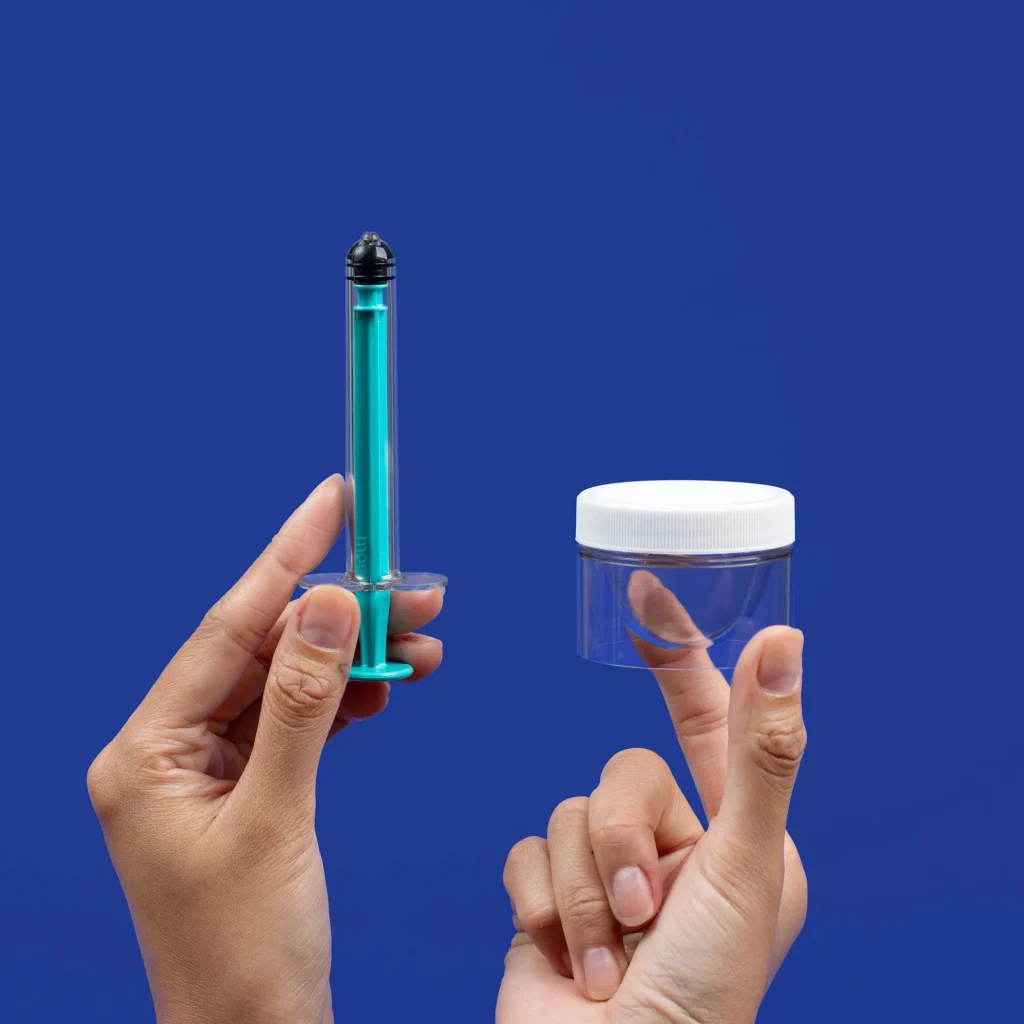
Home insemination, also known as self-insemination, is the process of manually inserting sperm into the female reproductive tract in order to achieve pregnancy. This method can be used by same-sex couples, single women, and heterosexual couples who are facing fertility issues. The procedure can be done at home using a home insemination kit or with the help of a fertility specialist.
Benefits of Home Insemination
1. Cost-effective
One of the biggest benefits of home insemination is its affordability. IVF can cost thousands of dollars, making it out of reach for many couples. On the other hand, home insemination kits can cost as little as $50, making it a more accessible option for couples who are struggling with fertility.
2. Privacy
For many couples, the thought of undergoing a medical procedure can be intimidating and overwhelming. Home insemination allows couples to maintain their privacy and perform the procedure in the comfort of their own home.
3. Natural and non-invasive
IVF involves a series of hormone injections, blood tests, and invasive procedures. Home insemination, on the other hand, is a natural and non-invasive method that does not require any medication or medical intervention. This makes it a more appealing option for couples who prefer a more natural approach to conception.
4. Control over timing
With IVF, couples have to follow a strict timeline and schedule for the procedure. However, with home insemination, couples have more control over the timing of the procedure. This can be helpful for couples who have busy schedules or those who want to try multiple times in one cycle.

Home Insemination: A Natural Alternative to IVF
How to Perform Home Insemination
1. Preparation
Before performing home insemination, it is important to prepare the sperm sample. This can be done by collecting semen from a partner or by purchasing donor sperm from a sperm bank. The sperm sample should be kept at room temperature and used within an hour of collection.
2. Positioning
The woman should lie on her back with her hips slightly elevated on a pillow. This position allows for easier insertion of the sperm and increases the chances of conception.
3. Insertion
Using a sterile syringe or a soft cup, the sperm sample is inserted into the vagina. The woman should remain in the same position for at least 20 minutes to allow the sperm to travel towards the cervix.
4. Timing
For best results, home insemination should be done around the time of ovulation, which is when the woman is most fertile. This can be determined by tracking ovulation symptoms or by using an ovulation predictor kit.
5. Repeat if necessary
Home insemination can be repeated multiple times in one cycle to increase the chances of pregnancy. However, it is important to give the woman’s body time to rest and recover between attempts.
Is Home Insemination Right for You?
While home insemination has its benefits, it is not the right option for everyone. It is important to consult with a fertility specialist to determine if home insemination is the best option for you. It is also important to note that home insemination does not guarantee a successful pregnancy and may not be effective for certain fertility issues.
In conclusion, home insemination offers a natural and cost-effective alternative to IVF for couples struggling with fertility. It allows couples to have more control and privacy over the process, and can be done in the comfort of their own home. However, it is important to consult with a fertility specialist and understand the potential risks and limitations before choosing this method.