Tag: cervical mucus

  • The Surprising Ways Dehydration Can Affect Cervical Mucus and Fertility

    Our bodies are made up of approximately 60% water, making hydration essential for our overall health and well-being. However, most people do not realize that dehydration can also have a significant impact on our reproductive health, specifically on cervical mucus and fertility. Cervical mucus plays a crucial role in the reproductive process, and any changes in its quality or quantity can affect a woman’s ability to conceive. In this blog post, we will explore the surprising ways dehydration can affect cervical mucus and fertility.

    What is Cervical Mucus?

    Cervical mucus is a fluid produced by the cervix, the entrance to the uterus, and plays a vital role in the reproductive process. It is a clear or slightly cloudy substance that changes in consistency and quantity throughout a woman’s menstrual cycle. Cervical mucus is responsible for keeping the vagina clean, providing nutrients and protection to sperm, and facilitating their journey to the egg for fertilization.

    The Importance of Cervical Mucus for Fertility

    Cervical mucus is essential for fertility as it provides an optimal environment for sperm to survive and thrive. During ovulation, the mucus becomes more abundant, thinner, and stretchy, resembling the consistency of egg whites. This type of mucus is called fertile cervical mucus and is the most conducive to sperm survival and movement. It helps sperm travel through the cervix and into the uterus, increasing the chances of fertilization.

    Dehydration and Cervical Mucus

    Now that we understand the importance of cervical mucus for fertility let’s explore how dehydration can impact it. Dehydration occurs when the body loses more water than it takes in, leading to an imbalance of fluids in the body. As a result, the body tries to conserve water by reducing the secretion of fluids, including cervical mucus. This can lead to changes in the quantity and quality of cervical mucus, affecting a woman’s fertility.

    1. Changes in Quantity

    Dehydration can cause a decrease in cervical mucus production, leading to a decrease in the amount of fertile cervical mucus. This can make it more challenging for sperm to survive and travel through the cervix, reducing the chances of fertilization. Adequate hydration is crucial for maintaining optimal levels of cervical mucus, especially during the fertile window.

    2. Changes in Quality

    Dehydration can also affect the quality of cervical mucus, making it thicker and stickier. This type of mucus can act as a barrier for sperm, making it difficult for them to reach the egg for fertilization. Additionally, thick and sticky mucus can also trap bacteria and increase the risk of infections, which can further impact fertility.

    3. Impact on Ovulation

    Dehydration can also affect ovulation, which is the release of an egg from the ovary. When the body is dehydrated, it can lead to hormonal imbalances, which can affect the timing and quality of ovulation. This can result in a shorter fertile window, making it more challenging to conceive.

    4. Increased Risk of Miscarriage

    home insemination kit components: a syringe and a collection container against a blue background.

    The Surprising Ways Dehydration Can Affect Cervical Mucus and Fertility

    Dehydration can also increase the risk of miscarriage. The body needs adequate hydration to maintain a healthy pregnancy, and dehydration can cause complications. It can lead to contractions of the uterus, increasing the risk of early labor and miscarriage.

    5. Difficulty in Detecting Ovulation

    Tracking changes in cervical mucus is one of the most effective ways to determine when ovulation is occurring. However, dehydration can make it challenging to accurately track these changes. This can make it more difficult for women to identify their fertile window, reducing their chances of conception.

    Importance of Hydration for Fertility

    As we have seen, dehydration can have a significant impact on cervical mucus and fertility. Therefore, it is crucial for women who are trying to conceive to stay adequately hydrated. Drinking enough water and fluids can help maintain optimal levels of cervical mucus, making it easier for sperm to reach the egg for fertilization. It can also help regulate ovulation and reduce the risk of miscarriage.

    Tips for Staying Hydrated

    Here are some tips for staying hydrated and maintaining optimal cervical mucus for fertility:

    1. Drink at least eight glasses of water per day.

    2. Increase fluid intake during ovulation to support the production of fertile cervical mucus.

    3. Avoid dehydrating beverages such as caffeine and alcohol.

    4. Eat water-rich fruits and vegetables, such as watermelon, cucumbers, and celery.

    5. Use a fertility-friendly lubricant to support sperm survival and movement.

    In conclusion, dehydration can have a significant impact on cervical mucus and fertility. It can lead to changes in the quantity and quality of cervical mucus, making it more challenging for sperm to reach the egg for fertilization. Therefore, it is crucial for women who are trying to conceive to stay adequately hydrated. By following the tips mentioned above, women can maintain optimal levels of cervical mucus and increase their chances of conception.

    Summary:

    Dehydration can have surprising effects on cervical mucus and fertility. Cervical mucus is a fluid produced by the cervix that plays a crucial role in the reproductive process. Dehydration can lead to changes in the quantity and quality of cervical mucus, making it difficult for sperm to survive and reach the egg for fertilization. It can also affect ovulation, increase the risk of miscarriage, and make it challenging to track changes in cervical mucus. Staying hydrated is essential for maintaining optimal levels of cervical mucus and increasing the chances of conception. Tips for staying hydrated include drinking enough water, avoiding dehydrating beverages, and eating water-rich fruits and vegetables.


  • Why Proper Hydration is Crucial for Cervical Mucus Production

    Proper hydration is crucial for our overall health and well-being, but did you know that it also plays a vital role in cervical mucus production? Cervical mucus is a fluid secreted by the cervix that helps sperm reach the egg for fertilization. It also provides a protective barrier against bacteria and other harmful substances. In this blog post, we will explore the importance of proper hydration for cervical mucus production and how it can affect fertility and overall reproductive health.

    The Connection Between Hydration and Cervical Mucus

    Before we dive into the specifics of how hydration affects cervical mucus, let’s first understand the role of cervical mucus in the reproductive process. Cervical mucus is produced by the cervix, the lower part of the uterus that connects to the vagina. Its consistency and quantity change throughout a woman’s menstrual cycle, and these changes are directly influenced by the levels of estrogen and progesterone in the body.

    During the early stages of the menstrual cycle, estrogen levels rise, causing the cervical mucus to become thin and watery. This type of mucus is known as “fertile mucus” as it helps sperm travel through the cervix and into the uterus. As ovulation approaches, progesterone levels increase, causing the cervical mucus to become thicker and stickier, creating a barrier that prevents sperm from entering the uterus. This type of mucus is referred to as “infertile mucus.”

    Now, how does hydration play a role in this process? Our bodies need water to function properly, and the cervix is no exception. When we are dehydrated, the body tries to conserve water by reducing the amount of fluid it produces, including cervical mucus. This can lead to a decrease in fertile mucus, making it difficult for sperm to reach the egg and decreasing the chances of conception.

    Dehydration can also cause the cervical mucus to become thicker and stickier than it should be, making it difficult for sperm to swim through. This can happen even during the fertile phase of a woman’s menstrual cycle, further decreasing the chances of fertilization. Additionally, the lack of hydration can also lead to a decrease in cervical mucus production overall, affecting the body’s natural ability to protect the reproductive organs from infections and other harmful substances.

    Impact on Fertility and Reproductive Health

    Proper hydration is crucial for fertility and reproductive health. When there is not enough cervical mucus present, sperm cannot reach the egg, and fertilization cannot occur. This can lead to difficulties in conceiving and can be a major source of frustration and disappointment for couples trying to conceive.

    In addition to its role in fertility, cervical mucus also plays a critical role in maintaining the health of the reproductive organs. It helps keep the vagina clean and moist, preventing infections and irritation. It also acts as a protective barrier against harmful substances, such as bacteria, that can cause damage to the reproductive system.

    Furthermore, dehydration can also affect the menstrual cycle itself. When the body is dehydrated, it can cause hormonal imbalances, leading to irregular periods. This can make it challenging to track ovulation and time intercourse for conception. Dehydration can also cause other symptoms like headaches, fatigue, and dry skin, which can all impact a woman’s overall well-being and affect her reproductive health.

    at-home insemination kit by Mosie Baby, featuring syringes, collection cups, and instructions on a pink background.

    Why Proper Hydration is Crucial for Cervical Mucus Production

    Tips for Proper Hydration

    Now that we understand the importance of proper hydration for cervical mucus production and overall reproductive health, here are some tips to help you stay hydrated:

    1. Drink plenty of water: The simplest and most effective way to stay hydrated is to drink plenty of water throughout the day. Aim for at least eight glasses of water daily, and more if you are physically active or live in a hot climate.

    2. Eat water-rich foods: In addition to drinking water, you can also increase your hydration levels by consuming water-rich foods like fruits and vegetables. Watermelon, cucumber, and celery are excellent options, as they are over 90% water.

    3. Avoid dehydrating beverages: Beverages like alcohol and caffeine can have a dehydrating effect on the body, so it’s essential to limit your intake of these drinks and balance them out with plenty of water.

    4. Monitor your urine color: A good way to gauge your hydration levels is by monitoring the color of your urine. Pale or clear urine indicates proper hydration, while dark yellow urine is a sign of dehydration.

    5. Use a fertility-friendly lubricant: If you are trying to conceive, it’s essential to use a fertility-friendly lubricant that does not interfere with cervical mucus production. Look for a product that is water-based and free of harsh chemicals and additives.

    Conclusion

    Proper hydration is crucial for cervical mucus production and overall reproductive health. It is essential to stay hydrated throughout the day to ensure that your body is producing enough fertile mucus to aid in conception and maintain a healthy reproductive system. By following the tips mentioned above, you can support your body’s natural processes and improve your chances of conceiving.

    In summary, proper hydration is crucial for cervical mucus production as it affects the quantity and quality of cervical mucus. Dehydration can lead to a decrease in fertile mucus, making it difficult for sperm to reach the egg, and can also affect the overall health of the reproductive organs. By staying hydrated through drinking water, eating water-rich foods, and avoiding dehydrating beverages, you can support your reproductive health and increase your chances of conceiving.

  • Dehydration and Cervical Mucus: Common Causes and Solutions

    Dehydration and Cervical Mucus: Common Causes and Solutions

    Dehydration is a condition that occurs when the body does not have enough water to function properly. It can affect various parts of the body, including the reproductive system. One of the most common effects of dehydration on women’s health is changes in cervical mucus. Cervical mucus plays a vital role in reproductive health, and any changes in its quality can affect a woman’s fertility. In this blog post, we will discuss the relationship between dehydration and cervical mucus, common causes, and potential solutions.

    Understanding Cervical Mucus

    Cervical mucus is a fluid produced by the cervix that helps to keep the vagina clean and moist. It also plays a crucial role in fertility by helping sperm travel through the cervix to reach the egg. The quality and quantity of cervical mucus change throughout a woman’s menstrual cycle, depending on hormones. During ovulation, cervical mucus becomes thin, clear, and stretchy, making it easier for sperm to reach the egg. After ovulation, the mucus becomes thicker, forming a barrier to prevent bacteria from entering the uterus.

    Dehydration and Cervical Mucus

    Dehydration can affect cervical mucus in several ways. One of the most common effects is a decrease in the quantity of mucus. When the body is dehydrated, it conserves water by reducing the production of fluids, including cervical mucus. This can make it difficult for sperm to reach the egg, reducing a woman’s chances of getting pregnant.

    Dehydration can also affect the quality of cervical mucus. When the body is dehydrated, it produces less clear and stretchy mucus, making it harder for sperm to swim through and reach the egg. This can also lead to an increase in the number of hostile mucus cells, which can prevent sperm from fertilizing the egg.

    Common Causes of Dehydration

    There are various reasons why a person may become dehydrated. Some of the most common causes include not drinking enough water, excessive sweating, vomiting, and diarrhea. Certain medical conditions such as diabetes, kidney disease, and thyroid disorders can also contribute to dehydration. In addition, lifestyle factors such as excessive alcohol consumption and certain medications can also cause dehydration.

    Mosie Baby Kit with a syringe and container, highlighting safety and usability features on a blue background.

    Dehydration and Cervical Mucus: Common Causes and Solutions

    Solutions to Dehydration and Cervical Mucus Changes

    The most effective solution to dehydration is to increase fluid intake. It is recommended to drink at least eight glasses of water a day to avoid dehydration. In addition to water, other fluids such as fruit juices, herbal teas, and coconut water can also help to rehydrate the body.

    During ovulation, it is crucial to ensure that you are well hydrated to maintain the quality and quantity of cervical mucus. Drinking plenty of water and other fluids can help to thin out the mucus, making it easier for sperm to reach the egg.

    In cases where dehydration is caused by vomiting or diarrhea, it is important to replenish electrolytes as well. Electrolytes are essential minerals that regulate the body’s fluid balance. Consuming electrolyte-rich drinks such as sports drinks or coconut water can help to restore the body’s electrolyte levels.

    Preventing Dehydration

    The best way to prevent dehydration is to ensure that you are drinking enough water throughout the day. It is recommended to drink water before, during, and after physical activity, and to carry a water bottle with you at all times. Eating water-rich foods such as fruits and vegetables can also help to keep the body hydrated.

    In addition, it is essential to pay attention to your body’s thirst signals and to drink water whenever you feel thirsty. It is also important to avoid excessive alcohol consumption and to limit the intake of caffeinated and sugary beverages, as they can contribute to dehydration.

    Conclusion

    Dehydration can have a significant impact on cervical mucus, which can affect a woman’s fertility. It is crucial to stay hydrated to maintain the quantity and quality of cervical mucus, especially during ovulation. Drinking enough water and other fluids, replenishing electrolytes, and preventing dehydration by listening to your body’s thirst signals are some of the key solutions to maintain optimal cervical mucus production.

    In summary, dehydration can cause changes in cervical mucus, which can affect a woman’s fertility. It is crucial to stay hydrated by drinking enough water and other fluids, replenishing electrolytes, and preventing dehydration by listening to your body’s thirst signals. Following these solutions can help to maintain the quality and quantity of cervical mucus, promoting overall reproductive health.

  • Staying Hydrated for Better Cervical Mucus and Ovulation

    Staying hydrated is important for overall health, but did you know it can also have a significant impact on your cervical mucus and ovulation? Cervical mucus plays a crucial role in fertility and ovulation, and its quality and quantity can be affected by hydration levels. In this blog post, we will discuss how staying hydrated can improve your cervical mucus and increase your chances of ovulation.

    What is Cervical Mucus?

    Cervical mucus, also known as cervical fluid, is a clear or white fluid produced by the cervix. It plays a vital role in the reproductive process by helping sperm reach and fertilize the egg. The consistency and texture of the cervical mucus changes throughout the menstrual cycle under the influence of hormones. In the days leading up to ovulation, cervical mucus becomes thin, watery, and stretchy, creating an ideal environment for sperm to swim through and reach the egg.

    Importance of Cervical Mucus in Ovulation

    Cervical mucus is essential for ovulation to occur. Without enough quality cervical mucus, sperm may not be able to survive long enough to fertilize the egg. Additionally, the consistency of cervical mucus can indicate where a woman is in her menstrual cycle. This information can help women track their most fertile days and increase their chances of getting pregnant.

    How Hydration Affects Cervical Mucus

    Dehydration can cause a decrease in cervical mucus production, making it thicker and more difficult for sperm to swim through. This can lead to difficulties in conception, especially for couples trying to get pregnant. When the body is dehydrated, it tries to preserve water by reducing the production of non-essential fluids, including cervical mucus.

    On the other hand, staying hydrated can increase the quantity and improve the quality of cervical mucus. Drinking enough water ensures that the body has enough fluids to produce an ideal environment for sperm to survive and thrive. Proper hydration also helps maintain the pH balance of cervical mucus, making it more hospitable to sperm.

    Tips for Staying Hydrated

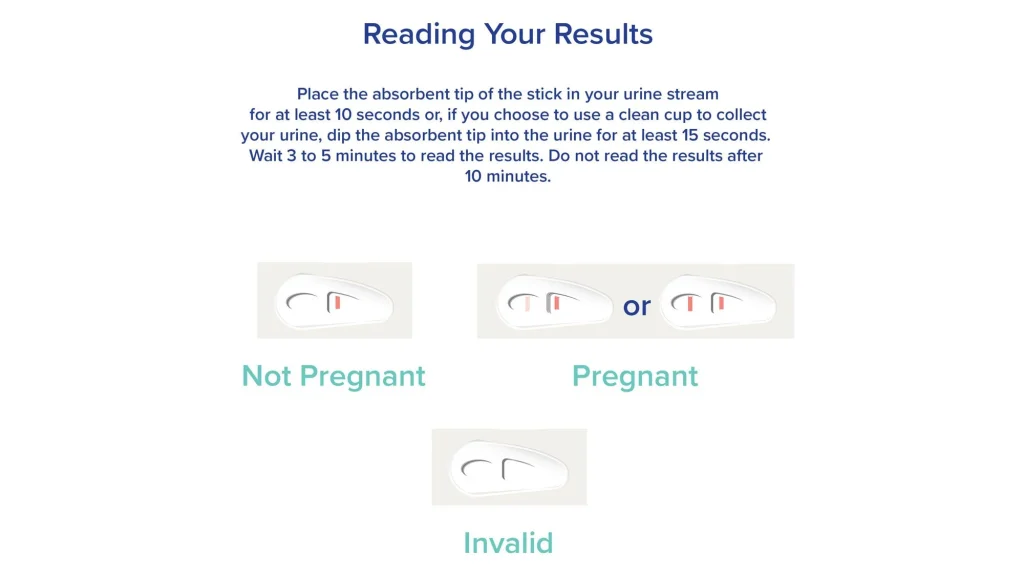
    Instructions for reading pregnancy test results with visual indicators for "Not Pregnant," "Pregnant," and "Invalid.

    Staying Hydrated for Better Cervical Mucus and Ovulation

    Now that we know how hydration can affect cervical mucus and ovulation, let’s discuss some practical tips to help you stay hydrated throughout the day.

    1. Drink Plenty of Water: The most obvious way to stay hydrated is by drinking plenty of water. The recommended daily intake of water is eight 8-ounce glasses, but this can vary depending on your activity level and climate. Remember to drink water throughout the day, not just when you feel thirsty.

    2. Eat Water-Rich Foods: In addition to water, you can also increase your fluid intake by eating water-rich foods such as fruits and vegetables. Cucumbers, watermelon, strawberries, and lettuce are some examples of water-rich foods that can help you stay hydrated.

    3. Avoid Dehydrating Drinks: Some beverages, such as caffeinated and alcoholic drinks, can dehydrate the body. Limit your intake of these drinks and opt for water or other hydrating fluids instead.

    4. Use a Hydration App: There are many hydration apps available that can help you track your water intake and remind you to drink water throughout the day. Some even allow you to set personalized goals based on your weight, activity level, and climate.

    5. Infuse Your Water: If you find plain water boring, you can infuse it with fruits, herbs, or vegetables to add some flavor. Not only does this make drinking water more enjoyable, but it also adds extra nutrients to your water.

    Conclusion

    Staying hydrated is essential for overall health, but it can also have a significant impact on your cervical mucus and ovulation. Adequate hydration can increase the quantity and improve the quality of cervical mucus, making it easier for sperm to reach and fertilize the egg. Keep these tips in mind and make sure to drink enough water to support your reproductive health.

    In summary, staying hydrated is crucial for optimal cervical mucus production and ovulation. Dehydration can lead to a decrease in cervical mucus and make it difficult for sperm to reach the egg. On the other hand, proper hydration can increase the quantity and improve the quality of cervical mucus, increasing your chances of conception. Remember to drink plenty of water, eat water-rich foods, and avoid dehydrating drinks to support your reproductive health.

  • Dehydration and Its Impact on Cervical Mucus: What Every Woman Should Know

    Dehydration and Its Impact on Cervical Mucus: What Every Woman Should Know

    Cervical mucus is an essential part of a woman’s reproductive system. It plays a crucial role in fertility, pregnancy, and overall vaginal health. However, many women may not be aware of the impact dehydration can have on their cervical mucus. Dehydration can cause changes in the consistency and amount of cervical mucus, which can affect fertility and even lead to various health issues. In this blog post, we will discuss the importance of cervical mucus, how dehydration affects it, and what every woman should know to maintain healthy cervical mucus levels.

    Understanding Cervical Mucus

    Cervical mucus is a fluid produced by the cervix, the lower part of the uterus that connects to the vagina. It plays a vital role in the reproductive process by providing a conducive environment for sperm to travel and fertilize an egg. Cervical mucus also acts as a protective barrier against bacteria and infections, keeping the vagina clean and healthy.

    The consistency and amount of cervical mucus change throughout a woman’s menstrual cycle due to hormonal fluctuations. During the first half of the cycle, estrogen levels increase, causing the cervical mucus to become thin, clear, and stretchy, resembling egg whites. This type of mucus is known as fertile cervical mucus and indicates the best time for conception. As the cycle progresses, progesterone levels rise, causing the mucus to become thicker and stickier, creating a barrier to prevent sperm from entering the uterus during non-fertile times.

    The Impact of Dehydration on Cervical Mucus

    Dehydration occurs when the body loses more fluids than it takes in, which can happen due to various reasons such as excessive sweating, diarrhea, vomiting, or not drinking enough fluids. When the body is dehydrated, it prioritizes vital organs, such as the heart and brain, over reproductive functions. As a result, the body may reduce the production of cervical mucus, making it thicker and less abundant. This can make it difficult for sperm to travel through the cervix and reach the egg, decreasing the chances of conception.

    Dehydration can also affect the quality of cervical mucus. When the body is dehydrated, it produces less saliva and tears, which are essential for keeping the mucus membranes in the body moist. This lack of moisture can also extend to the cervix, causing the mucus to become dry and sticky, making it difficult for sperm to survive and travel. Additionally, dehydration can lead to vaginal dryness, which can cause discomfort, pain, and even tears during intercourse, making it challenging to conceive.

    Health Issues Related to Dehydration and Cervical Mucus

    Baby wearing a blue shirt with "made with Love" text, surrounded by colorful floral and butterfly designs.

    Dehydration and Its Impact on Cervical Mucus: What Every Woman Should Know

    Dehydration can also have other implications on cervical mucus and overall vaginal health. Without enough fluids, the body may produce less mucus, leading to a decrease in lubrication. This can make sexual intercourse uncomfortable and even painful, causing a decrease in libido and impacting sexual health.

    Furthermore, dehydration can also increase the risk of urinary tract infections (UTIs) and other vaginal infections. Cervical mucus acts as a protective barrier against bacteria, but when there is a decrease in mucus production due to dehydration, the vagina becomes more vulnerable to infections. UTIs and other infections can cause discomfort, pain, and even lead to fertility issues if left untreated.

    Tips to Maintain Healthy Cervical Mucus Levels

    To maintain healthy cervical mucus levels, it is crucial to stay hydrated. Drinking enough water and fluids can help keep the body hydrated and ensure the production of adequate cervical mucus. It is recommended to drink at least eight glasses of water a day and increase fluid intake during hot weather or when engaging in physical activity.

    In addition to staying hydrated, consuming a well-balanced diet can also help maintain healthy cervical mucus levels. Foods rich in essential fatty acids, such as avocados, nuts, and fatty fish, can help improve the quality of cervical mucus. Eating foods high in vitamin C, such as citrus fruits and leafy greens, can also aid in the production of fertile cervical mucus.

    It is also important to avoid dehydration triggers, such as excessive alcohol consumption, caffeine, and sugary drinks. These substances can dehydrate the body and affect the production of cervical mucus. It is best to limit their intake or opt for healthier alternatives, such as herbal teas or infused water.

    Conclusion

    Cervical mucus plays a vital role in a woman’s reproductive health, and dehydration can have a significant impact on its production and quality. It can affect fertility, increase the risk of health issues, and impact sexual health. By staying hydrated, consuming a healthy diet, and avoiding dehydration triggers, women can maintain healthy cervical mucus levels and support their overall vaginal health. It is essential to prioritize hydration and take care of the body to ensure optimal reproductive health.

    Summary:

    Cervical mucus is a fluid produced by the cervix and plays a crucial role in fertility and overall vaginal health. Dehydration can affect the production and quality of cervical mucus, leading to difficulties in conception, increased risk of infections, and discomfort during sex. To maintain healthy cervical mucus levels, it is important to stay hydrated, consume a well-balanced diet, and avoid dehydration triggers. Prioritizing hydration and taking care of the body is crucial for optimal reproductive health.

  • The Role of Water Intake in Improving Cervical Mucus Quality

    Water is an essential element for our bodies to function properly. It plays a crucial role in maintaining our overall health, but did you know that it also has a significant impact on our fertility? In particular, water intake has been found to improve cervical mucus quality, which is vital for successful conception. In this blog post, we will discuss the role of water intake in improving cervical mucus quality and how it can help couples struggling with fertility issues.

    What is Cervical Mucus and Why is it Important?

    Cervical mucus is a fluid produced by the cervix, the lower part of the uterus, that helps sperm travel to the egg for fertilization. It is a crucial component of the female reproductive system and plays a significant role in fertility. The consistency and quality of cervical mucus change throughout a woman’s menstrual cycle and can be used as an indicator of fertility. During ovulation, the cervical mucus becomes thinner and more slippery, allowing sperm to pass through easily. Without enough high-quality cervical mucus, sperm may have difficulty reaching the egg, resulting in fertility problems.

    The Link Between Water Intake and Cervical Mucus Quality

    Dehydration can have a significant impact on cervical mucus quality. When the body is dehydrated, it tries to conserve water, leading to a decrease in cervical mucus production. This can result in thicker and stickier mucus, making it difficult for sperm to swim through. Drinking enough water is crucial to maintain the right consistency and quantity of cervical mucus.

    Water also helps to increase the volume of cervical mucus, making it easier for sperm to travel to the egg. Additionally, water aids in the production of electrolytes, which play a vital role in the composition of cervical mucus. Electrolytes help to regulate the pH levels of cervical mucus, making it more hospitable for sperm.

    The Importance of Hydration for Fertility

    Staying hydrated is essential for overall health, but it is especially crucial for couples trying to conceive. Studies have shown that dehydration can lead to irregular menstrual cycles, which can affect fertility. Dehydration can also impact the quality of cervical mucus, making it difficult for sperm to reach the egg.

    Moreover, dehydration can also affect male fertility. Studies have found that dehydration can lead to a decrease in semen volume and sperm concentration, making it more challenging to achieve pregnancy. Therefore, it is crucial for both partners to stay hydrated for optimal fertility.

    How to Increase Water Intake for Better Cervical Mucus Quality

    The recommended daily water intake is around 8-10 cups, but this may vary depending on factors such as physical activity, climate, and health conditions. Here are some tips to help you increase your water intake for better cervical mucus quality:

    At-home insemination kit with syringes and collection cups on a teal background.

    The Role of Water Intake in Improving Cervical Mucus Quality

    1. Keep a water bottle with you at all times: Having a water bottle with you wherever you go can serve as a reminder to drink more water throughout the day.

    2. Set reminders: Set reminders on your phone or watch to drink water at regular intervals.

    3. Infuse your water: Adding fruits, vegetables, or herbs to your water can make it more appealing and flavorful, encouraging you to drink more.

    4. Eat water-rich foods: Foods such as watermelon, cucumber, and celery have a high water content and can contribute to your overall water intake.

    5. Use a water tracking app: There are many apps available that can help you track your water intake and remind you to drink more.

    Other Ways to Improve Cervical Mucus Quality

    Aside from staying hydrated, there are other ways to improve cervical mucus quality, such as:

    1. Taking fertility supplements: Certain vitamins and minerals, such as vitamin C and zinc, have been found to improve cervical mucus quality. Consult with your doctor before taking any supplements.

    2. Avoiding certain foods: Foods high in sugar, caffeine, and processed foods have been found to decrease cervical mucus production. It is best to limit or avoid these foods when trying to conceive.

    3. Using a fertility-friendly lubricant: Regular lubricants can be harmful to sperm and decrease sperm motility. Using a fertility-friendly lubricant can help maintain the right consistency of cervical mucus and support sperm movement.

    Conclusion

    In conclusion, water intake plays a crucial role in improving cervical mucus quality and, ultimately, fertility. Staying hydrated ensures that the body can produce enough high-quality cervical mucus, making it easier for sperm to reach the egg. Along with proper hydration, incorporating other healthy habits, such as taking fertility supplements and avoiding harmful foods, can also contribute to better cervical mucus quality. If you and your partner are struggling with fertility issues, it is essential to consult with a fertility specialist to determine the best course of action. Remember, staying hydrated is not only essential for fertility but also for overall health and well-being.

  • Dehydration and Cervical Mucus: Tips for Maintaining a Healthy Balance

    Summary:

    Dehydration and cervical mucus may seem like two unrelated topics, but they are actually closely connected. Cervical mucus plays a crucial role in female fertility, and dehydration can greatly impact its quality and quantity. In this blog post, we will discuss the importance of cervical mucus, the effects of dehydration, and tips for maintaining a healthy balance between the two. By following these tips, women can optimize their chances of conceiving and maintaining a healthy reproductive system.

    The Importance of Cervical Mucus:

    Cervical mucus is the fluid produced by cells in the cervix, the narrow passage between the uterus and the vagina. Its consistency and texture change throughout a woman’s menstrual cycle, and these changes are influenced by hormonal fluctuations. Cervical mucus plays a crucial role in female fertility by helping sperm travel through the cervix and into the uterus. It also nourishes and protects sperm, and serves as a barrier against harmful bacteria. Additionally, cervical mucus can indicate where a woman is in her cycle and can help predict ovulation.

    The Effects of Dehydration:

    Dehydration occurs when the body does not have enough water to function properly. When a woman is dehydrated, her body will prioritize other bodily functions over producing cervical mucus. This can lead to a decrease in the quantity and quality of cervical mucus, making it more difficult for sperm to reach the egg. Dehydration can also cause the cervical mucus to become thicker and stickier, making it harder for sperm to swim through. Furthermore, dehydration can affect the overall health of a woman’s reproductive system, potentially causing irregular periods or even infertility.

    Tips for Maintaining a Healthy Balance:

    At-home insemination kit with ovulation and pregnancy tests, promoting fertility and family planning.

    Dehydration and Cervical Mucus: Tips for Maintaining a Healthy Balance

    1. Stay Hydrated: The most important tip for maintaining a healthy balance between dehydration and cervical mucus is to stay hydrated. Doctors recommend drinking at least 8 glasses of water per day, but this amount may vary depending on a woman’s activity level and overall health. It is also important to remember to drink water throughout the day, not just when feeling thirsty.

    2. Pay Attention to Cervical Mucus Changes: To better understand your body’s fertility, it is important to pay attention to changes in cervical mucus. By tracking the consistency and texture of cervical mucus, women can identify when they are most fertile and plan for conception accordingly. This can also help identify any potential issues with cervical mucus quality.

    3. Limit Dehydrating Beverages: Some beverages, such as alcohol, caffeine, and sugary drinks, can lead to dehydration. It is important to limit or avoid these drinks, especially during the fertile window. Instead, opt for water or other hydrating options like herbal tea or coconut water.

    4. Eat Hydrating Foods: In addition to drinking water, eating hydrating foods can also help maintain a healthy balance between dehydration and cervical mucus. Foods with high water content, such as fruits and vegetables, can provide the body with essential hydration. Some examples include watermelon, cucumber, and lettuce.

    5. Consider Supplements: Some women may benefit from taking supplements to improve cervical mucus quality. These supplements can contain ingredients like evening primrose oil or L-arginine, which can help increase cervical mucus production and improve its quality.

    6. Seek Medical Advice: If you are experiencing chronic dehydration or concerns about your cervical mucus, it is important to seek medical advice. A doctor can help determine the root cause of dehydration and provide personalized recommendations for improving cervical mucus health.

    In conclusion, maintaining a healthy balance between dehydration and cervical mucus is crucial for female fertility and reproductive health. By staying hydrated, paying attention to cervical mucus changes, and making lifestyle changes, women can optimize their chances of conceiving and maintaining a healthy reproductive system.

  • Hydration and Cervical Mucus: Why It Matters for Women’s Health

    Hydration and Cervical Mucus: Why It Matters for Women’s Health

    Water is an essential element for our bodies, and it plays a crucial role in maintaining our overall health. One area where hydration is particularly important is in the production of cervical mucus in women. Cervical mucus is a natural fluid secreted by the cervix that helps protect and nourish sperm, making it essential for fertility and reproductive health. In this blog post, we will delve into the importance of hydration for cervical mucus production and how it affects women’s health.

    Cervical mucus is a fluid that is secreted by the cervix throughout a woman’s menstrual cycle. It plays a vital role in the reproductive process by creating a hospitable environment for sperm to travel through the vagina and into the uterus. The consistency and amount of cervical mucus can vary depending on where a woman is in her cycle, and this is due in large part to hydration levels.

    When a woman is well-hydrated, the cervical mucus is typically clear, thin, and stretchy. This type of mucus is known as “fertile” mucus because it allows sperm to easily travel through the cervix and into the uterus. On the other hand, when a woman is dehydrated, her cervical mucus may become thick, sticky, and cloudy, making it difficult for sperm to survive and travel to the egg.

    This is why hydration is crucial for women who are trying to conceive. Without enough water in the body, the cervical mucus becomes less hospitable to sperm, which can hinder conception. In fact, research has shown that dehydration can decrease sperm survival and motility, making it more challenging for them to reach the egg.

    But the importance of hydration for cervical mucus production goes beyond fertility. Cervical mucus also plays a vital role in maintaining a healthy vaginal environment. It helps to flush out bacteria and other harmful substances, preventing infections and maintaining a balanced pH level. When a woman is dehydrated, her cervical mucus may not be able to perform this function effectively, leaving her more susceptible to vaginal infections.

    at-home insemination kit by Mosie Baby, featuring syringes and containers for comfort and convenience.

    Hydration and Cervical Mucus: Why It Matters for Women's Health

    Moreover, cervical mucus can also act as a barrier against sexually transmitted infections (STIs). When a woman is well-hydrated, her cervical mucus creates a thick barrier that can help prevent bacteria and viruses from entering the uterus. This is particularly important for women who are sexually active and at risk of contracting STIs.

    In addition to its role in reproductive and vaginal health, cervical mucus can also provide valuable insights into a woman’s overall health. Changes in the consistency and amount of cervical mucus can be an indication of hormonal imbalances, stress, and other health issues. For example, women who are dehydrated may experience a decrease in cervical mucus production, which can be a sign of an underlying health issue.

    So, how much water should a woman drink to ensure optimal cervical mucus production? The recommended daily intake for women is around 2.7 liters, which can come from a combination of water, other beverages, and foods with high water content. However, the exact amount may vary depending on factors such as body weight, activity level, and climate. The key is to listen to your body and make sure you are drinking enough water throughout the day to stay adequately hydrated.

    In addition to drinking enough water, certain lifestyle factors can also affect cervical mucus production and hydration levels. For example, smoking, alcohol consumption, and caffeine can all dehydrate the body and affect cervical mucus quality. On the other hand, eating a balanced diet rich in fruits and vegetables can provide the body with essential nutrients and water to support cervical mucus production.

    In conclusion, hydration is crucial for the production of cervical mucus and plays a significant role in women’s reproductive and overall health. Maintaining adequate hydration levels can help improve fertility, prevent vaginal infections, and provide valuable insights into a woman’s health. So, make sure to stay hydrated and listen to your body’s needs to ensure optimal cervical mucus production and support your overall well-being.

    In summary, hydration is crucial for women’s health, particularly in the production of cervical mucus. Adequate hydration levels support fertility, prevent vaginal infections, and provide insights into overall health. Women should aim to drink around 2.7 liters of water per day and maintain a healthy lifestyle to support optimal cervical mucus production.

  • The Surprising Effects of Dehydration on Cervical Mucus and Conception

    Dehydration is a common issue that affects many people, especially during hot summer months or after intense physical activity. While most of us know that dehydration can cause symptoms like thirst, fatigue, and headaches, many are unaware of the surprising ways it can impact cervical mucus and, ultimately, conception.

    In this blog post, we will explore the unexpected effects of dehydration on cervical mucus and how it can impact a woman’s ability to conceive. From understanding the role of cervical mucus in fertility to the ways dehydration can alter its quality, we will dive into this important topic and provide tips for maintaining healthy cervical mucus for optimal fertility.

    The Role of Cervical Mucus in Conception

    Before we delve into the effects of dehydration on cervical mucus, it’s essential to understand its role in conception. Cervical mucus is a fluid secreted by the cervix that helps sperm travel through the reproductive tract to reach and fertilize an egg. It also provides nourishment and protection for sperm, creating an ideal environment for fertilization to occur.

    Throughout a woman’s menstrual cycle, the quality and quantity of cervical mucus change, thanks to hormonal fluctuations. During the fertile window, which typically occurs around ovulation, cervical mucus becomes thin, slippery, and stretchy, resembling the texture of egg whites. This type of cervical mucus is essential for sperm survival and mobility, making it easier for them to reach the egg and fertilize it.

    The Surprising Effects of Dehydration on Cervical Mucus

    Now that we understand the importance of cervical mucus in conception, let’s explore how dehydration can impact it. When the body is dehydrated, it lacks the necessary fluids to produce an adequate amount of cervical mucus. This can lead to a decrease in cervical mucus production, making it difficult for sperm to reach the egg.

    Moreover, dehydration can also alter the quality of cervical mucus. When the body is dehydrated, cervical mucus becomes thicker and stickier, creating a hostile environment for sperm. This type of cervical mucus can act as a barrier, preventing sperm from traveling through the reproductive tract and reaching the egg. It can also decrease sperm mobility, making it harder for them to reach the egg and fertilize it.

    In addition to these effects, dehydration can also lead to changes in the pH balance of cervical mucus. Normally, cervical mucus has a slightly alkaline pH, which is beneficial for sperm survival. However, when the body is dehydrated, the pH of cervical mucus becomes more acidic, making it harder for sperm to survive and fertilize the egg.

    at-home insemination kit by Mosie Baby, featuring syringes, collection cups, and instructions on a pink background.

    The Surprising Effects of Dehydration on Cervical Mucus and Conception

    Impact on Fertility and Conception

    As we can see, dehydration can significantly impact cervical mucus, which can ultimately affect a woman’s fertility and ability to conceive. When cervical mucus is not of optimal quality or quantity, it becomes more challenging for sperm to reach and fertilize the egg, leading to difficulties in conception.

    Moreover, dehydration can also affect the overall health and function of the reproductive system. When the body is dehydrated, it can disrupt hormonal balance, leading to irregular menstrual cycles and ovulation. This can make it harder for women to track their fertile window and increase the chances of missing the most optimal time for conception.

    Tips for Maintaining Healthy Cervical Mucus

    The good news is that there are steps women can take to maintain healthy cervical mucus, even when dehydrated. The most crucial step is to stay hydrated by drinking plenty of water and fluids throughout the day. This will ensure that the body has enough fluids to produce an adequate amount of cervical mucus.

    In addition to staying hydrated, there are also natural supplements and foods that can help increase cervical mucus production and improve its quality. These include evening primrose oil, flaxseed oil, and foods rich in vitamin C, such as citrus fruits, strawberries, and bell peppers.

    It’s also essential to avoid substances that can dehydrate the body, such as caffeine, alcohol, and sugary drinks. These can all contribute to dehydration and have a negative impact on cervical mucus and fertility.

    In some cases, women may need medical intervention, such as fertility treatments, to address issues with cervical mucus and improve their chances of conception. However, for most women, staying hydrated and making healthy lifestyle choices can significantly improve the quality and quantity of cervical mucus.

    In conclusion, dehydration can have surprising and detrimental effects on cervical mucus and, ultimately, fertility and conception. By understanding the role of cervical mucus in conception and taking steps to stay hydrated and make healthy lifestyle choices, women can improve their chances of conceiving and starting a family.

    SEO metadata:

  • Dehydration and Cervical Mucus: How to Stay Hydrated for Optimal Fertility

    Blog Post:

    Dehydration and Cervical Mucus: How to Stay Hydrated for Optimal Fertility

    Dehydration is a common issue that affects many people, especially during the hot summer months. But did you know that dehydration can also have a significant impact on your fertility? Cervical mucus plays a crucial role in the fertility process, and when the body is dehydrated, it can have a negative effect on the quality and quantity of cervical mucus. In this blog post, we will explore the connection between dehydration and cervical mucus, and provide tips on how to stay hydrated for optimal fertility.

    Understanding Cervical Mucus and Its Role in Fertility

    Cervical mucus is a fluid produced by the cervix that plays a vital role in the fertility process. It acts as a protective barrier for sperm, helping them to survive and travel through the cervix to fertilize an egg. Cervical mucus also provides nutrients and energy to sperm, and helps to filter out any abnormal or unhealthy sperm.

    The consistency and quality of cervical mucus changes throughout a woman’s menstrual cycle, under the influence of hormones. During the non-fertile phase of the cycle, cervical mucus is thick and sticky, making it difficult for sperm to pass through. However, as a woman approaches ovulation, the hormone estrogen causes the cervical mucus to become thin and stretchy, creating a more hospitable environment for sperm to travel through and reach the egg.

    The Connection Between Dehydration and Cervical Mucus

    When the body is dehydrated, it means that there is not enough water in the body to carry out its essential functions. This includes the production of cervical mucus. When the body is dehydrated, it will try to conserve water by reducing the amount of fluids it produces. As a result, cervical mucus may become thicker and less stretchy, making it harder for sperm to swim through and reach the egg.

    Furthermore, dehydration can also affect the quality of cervical mucus. Lack of hydration can cause the mucus to become more acidic, which can be harmful to sperm. It can also lead to a decrease in the amount of cervical mucus produced, making it more difficult for sperm to survive and reach the egg.

    illustration of Mosie Baby home insemination kit highlighting seamless transfer and size features

    Dehydration and Cervical Mucus: How to Stay Hydrated for Optimal Fertility

    Tips for Staying Hydrated for Optimal Fertility

    The good news is that staying hydrated is a simple and effective way to improve the quality and quantity of cervical mucus and optimize fertility. Here are some tips to help you stay hydrated:

    1. Drink Plenty of Water: The most obvious and effective way to stay hydrated is to drink plenty of water throughout the day. Aim for at least 8-10 glasses of water per day, and more if you are physically active or in hot weather.

    2. Eat Water-Rich Foods: In addition to drinking water, you can also increase your fluid intake by eating foods that have a high water content, such as fruits and vegetables. Examples include watermelon, cucumber, celery, and lettuce.

    3. Avoid Dehydrating Drinks: Some drinks, such as alcohol, caffeinated beverages, and sugary drinks, can actually dehydrate the body. Limit your intake of these drinks and opt for water or herbal teas instead.

    4. Use a Humidifier: Dry air can also contribute to dehydration. Using a humidifier in your home can help to add moisture to the air and keep you hydrated.

    5. Monitor Your Urine: A simple way to check if you are well-hydrated is to monitor the color of your urine. If it is pale yellow or clear, it is a good indication that you are getting enough fluids. Dark-colored urine is a sign of dehydration.

    6. Listen to Your Body: Pay attention to your body’s signals and drink water when you feel thirsty. Thirst is a sign that your body needs more fluids, so don’t ignore it.

    Staying hydrated is not only important for optimal fertility, but it also has numerous other health benefits. By following these tips, you can ensure that your body has enough fluids to produce the right quality and quantity of cervical mucus, and increase your chances of conceiving.

    In summary, dehydration can have a negative impact on cervical mucus, which plays an essential role in the fertility process. By staying hydrated and following the tips mentioned above, you can improve the quality and quantity of cervical mucus and increase your chances of conception.