Tag: cervical mucus

  • Is Your Drinking Affecting Your Cervical Mucus Quality and Your Ability to Get Pregnant?

    Are you and your partner trying to conceive, but having difficulty getting pregnant? You may have tried tracking your ovulation and timing intercourse, but have you considered the quality of your cervical mucus? Many women don’t realize that their drinking habits can have a significant impact on their cervical mucus quality and fertility. In this blog post, we will discuss the relationship between drinking and cervical mucus quality, and how it can affect your ability to get pregnant.

    Cervical mucus is a fluid produced by the cervix that plays a crucial role in fertility and conception. Its main function is to provide a safe and nourishing environment for sperm to survive and travel to the egg. It also helps to filter out abnormal or unhealthy sperm. The quality of your cervical mucus can greatly influence your chances of getting pregnant, as it can either facilitate or hinder sperm movement.

    But how does drinking affect cervical mucus quality? Alcohol is a known diuretic, which means it increases the production of urine and can lead to dehydration. This dehydration can also affect your cervical mucus, making it thicker and more difficult for sperm to swim through. When cervical mucus is too thick, it can create a barrier that prevents sperm from reaching the egg, thus reducing the chances of conception.

    Moreover, excessive drinking can also affect the production of estrogen, a hormone that plays a crucial role in the production of cervical mucus. Estrogen helps to thin out the mucus, making it easier for sperm to travel through. However, when alcohol consumption interferes with estrogen production, it can lead to a decrease in cervical mucus quantity and quality, making it difficult for sperm to survive and reach the egg.

    But it’s not just the quantity and quality of cervical mucus that can be affected by drinking. Studies have also shown that alcohol consumption can have a negative impact on ovulation. Ovulation is the release of an egg from the ovary, and it is necessary for conception to occur. When alcohol intake is high, it can disrupt the delicate balance of hormones involved in ovulation, leading to irregular or missed periods, making it more challenging to time intercourse accurately.
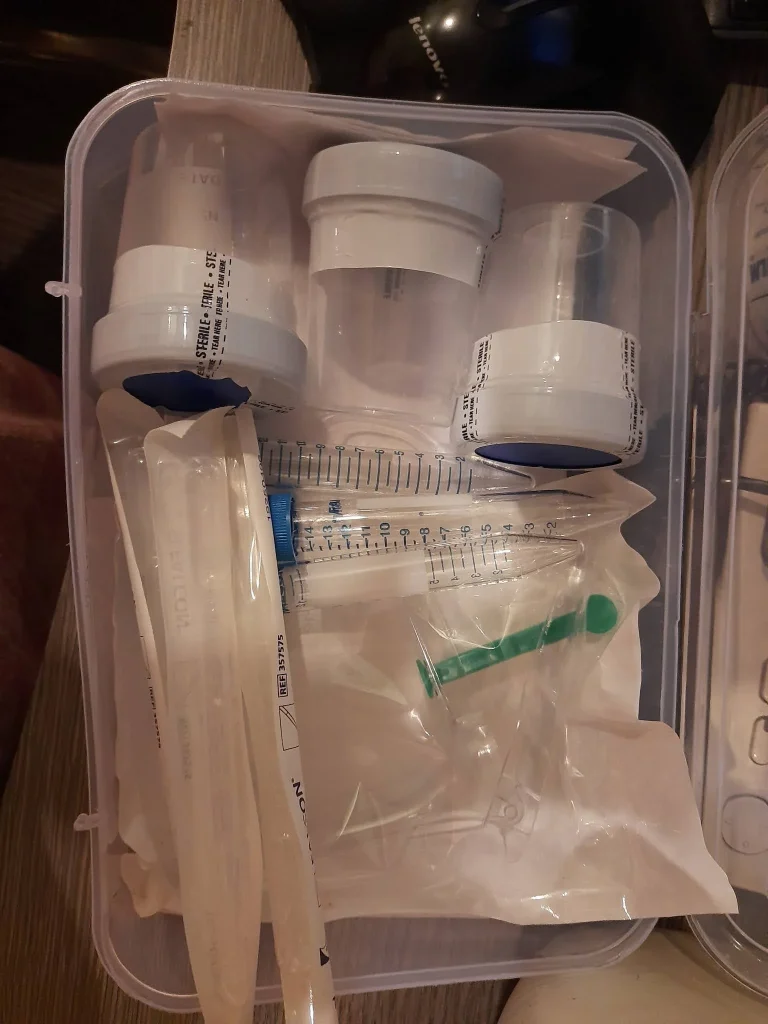
    various medical supplies and containers organized in a clear plastic box on a wooden surface

    Is Your Drinking Affecting Your Cervical Mucus Quality and Your Ability to Get Pregnant?

    Furthermore, drinking can also affect the health of your reproductive system. Alcohol can damage the liver, which plays a crucial role in metabolizing hormones and removing toxins from the body. When the liver is not functioning properly, it can lead to hormonal imbalances that can affect ovulation and cervical mucus production.

    It’s not just women who should be concerned about their drinking habits when trying to conceive. Studies have also shown that excessive alcohol consumption in men can lead to poor semen quality, including a decrease in sperm count, motility, and abnormal sperm shape. This can make it challenging for sperm to travel through the cervical mucus and reach the egg.

    Now that we have established the impact of drinking on cervical mucus quality and fertility, you may be wondering how much is too much? There is no clear answer to this question, as everyone’s body responds differently to alcohol. However, it is generally recommended to limit alcohol intake to no more than one drink per day for women trying to conceive. It’s also essential to remember that alcohol can stay in your system for up to 24 hours, so it’s crucial to be mindful of your alcohol consumption even in the days leading up to ovulation.

    So, what can you do to improve your cervical mucus quality and increase your chances of getting pregnant? The first step is to cut back on or eliminate alcohol consumption altogether, at least until you have successfully conceived. You can also try staying hydrated by drinking plenty of water and consuming foods rich in omega-3 fatty acids, such as salmon and avocados, which can help improve the quality of cervical mucus. Additionally, certain fertility supplements, such as evening primrose oil, can also help to thin out cervical mucus.

    In conclusion, drinking can have a significant impact on your cervical mucus quality and fertility. If you and your partner are trying to conceive, it’s essential to be mindful of your alcohol consumption and make necessary changes to increase your chances of getting pregnant. Remember to stay hydrated, eat a healthy and balanced diet, and consider fertility supplements to support your reproductive health. With these changes, you can improve your cervical mucus quality and increase your chances of conceiving a healthy baby.


  • Understanding the Link Between Alcohol and Cervical Mucus Changes

    Understanding the Link Between Alcohol and Cervical Mucus Changes

    Alcohol consumption is a common and socially accepted activity, but it can also have significant effects on our bodies. One area that is often overlooked is the link between alcohol and cervical mucus changes. Cervical mucus plays a crucial role in female reproductive health, and any changes to it can have an impact on fertility and overall health. In this blog post, we will dive deeper into the connection between alcohol consumption and cervical mucus changes and discuss the potential implications for women’s reproductive health.

    Cervical mucus is a fluid produced by the cervix that helps to keep the reproductive system functioning properly. Its primary role is to facilitate the movement of sperm towards the egg during ovulation, and it also acts as a protective barrier against infections. The texture, color, and amount of cervical mucus can change throughout a woman’s menstrual cycle, and these changes are closely tied to her fertility.

    One of the main ways alcohol consumption affects cervical mucus is by altering its texture and consistency. Normally, cervical mucus is thin and watery, making it easier for sperm to swim through. However, alcohol can cause it to become thicker and stickier, making it more difficult for sperm to reach the egg. This can lower a woman’s chances of conception, even if she is actively trying to get pregnant.

    Moreover, alcohol can also have an impact on the amount of cervical mucus produced. Excessive alcohol consumption can lead to dehydration, which can result in a decrease in overall cervical mucus production. This can further hinder sperm movement and reduce the chances of fertilization.

    In addition to changes in texture and quantity, alcohol can also affect the pH balance of cervical mucus. A healthy pH balance is crucial for maintaining a favorable environment for sperm survival and movement. However, alcohol consumption can alter the pH of cervical mucus, making it more acidic. This can make it difficult for sperm to survive and reach the egg, reducing the chances of pregnancy.

    two teal and clear syringes positioned on a white background

    Understanding the Link Between Alcohol and Cervical Mucus Changes

    Furthermore, alcohol can also impair the function of the cervix, which can have a direct impact on cervical mucus. The cervix plays a vital role in regulating the flow of cervical mucus and is responsible for releasing it during ovulation. Alcohol consumption can cause the cervix to become less responsive, leading to inadequate production and release of cervical mucus. This can significantly decrease a woman’s chances of conceiving.

    It is not just the texture and production of cervical mucus that can be affected by alcohol consumption. The timing of ovulation can also be impacted. Alcohol can disrupt the hormonal balance in the body, causing irregularities in ovulation. This can lead to a delay or absence of ovulation, making it difficult for women to accurately track their fertile window and plan for conception.

    Moreover, excessive alcohol consumption has been linked to several reproductive health issues in women, such as irregular menstrual cycles, hormonal imbalances, and even infertility. These issues can all have a direct impact on cervical mucus and its ability to support fertilization.

    It is essential to note that the effects of alcohol on cervical mucus can vary from person to person. Factors such as the amount and frequency of alcohol consumption, overall health, and genetics can all play a role. However, it is crucial to understand that even moderate alcohol consumption can have adverse effects on cervical mucus and fertility.

    So, what can women do to minimize the impact of alcohol on cervical mucus and fertility? The most obvious solution is to limit or eliminate alcohol consumption altogether. This is especially important for women who are actively trying to conceive or are experiencing fertility issues.

    In addition to reducing alcohol consumption, maintaining a healthy lifestyle can also positively impact cervical mucus. This includes staying hydrated, eating a balanced diet, and exercising regularly. These habits can help regulate hormones and promote the production of healthy cervical mucus.

    In summary, there is a clear link between alcohol consumption and cervical mucus changes. Alcohol can alter the texture, quantity, pH balance, and timing of ovulation, all of which can have a significant impact on fertility. It is crucial for women to be aware of these effects and make informed decisions about their alcohol consumption to maintain optimal reproductive health.

  • The Impact of Alcohol on Cervical Mucus and Its Role in Fertility

    Title: The Impact of Alcohol on Cervical Mucus and Its Role in Fertility

    Introduction:

    Alcohol consumption has become a common part of social gatherings, celebrations, and even regular daily life for many people. While moderate alcohol consumption may not have a significant impact on overall health, it can have detrimental effects on fertility. In particular, alcohol consumption has been linked to changes in cervical mucus, which plays a crucial role in fertility. In this blog post, we will delve into the impact of alcohol on cervical mucus and its role in fertility.

    What is Cervical Mucus?

    Before we discuss the impact of alcohol on cervical mucus, it is essential to understand what cervical mucus is and its role in fertility. Cervical mucus is a fluid secreted by the cervix that helps sperm travel through the reproductive tract to reach and fertilize an egg. It also acts as a protective barrier, preventing bacteria and other harmful substances from entering the uterus.

    The Role of Cervical Mucus in Fertility:

    Cervical mucus plays a vital role in fertility. It provides a nourishing environment for sperm, keeping them alive and mobile for up to five days. It also serves as a medium for sperm to travel through the cervix and into the uterus. During ovulation, cervical mucus becomes thinner, clearer, and stretchier, creating a pathway for sperm to reach the egg in the fallopian tubes. Without adequate cervical mucus, sperm may not be able to survive or reach the egg, leading to infertility.

    The Impact of Alcohol on Cervical Mucus:

    Alcohol consumption has been found to have a significant impact on cervical mucus. Studies have shown that alcohol can alter the composition and quality of cervical mucus, making it less hospitable to sperm. Chronic alcohol consumption can lead to dehydration, which can cause a decrease in cervical mucus production. This lack of cervical mucus can make it challenging for sperm to survive and reach the egg.

    Smiling baby in a blue onesie with "made with Love" text, lying on a light blue crocheted blanket.

    The Impact of Alcohol on Cervical Mucus and Its Role in Fertility

    Furthermore, alcohol has been found to increase the acidity of cervical mucus, making it hostile to sperm. The ideal pH for cervical mucus is around 7, which is slightly alkaline. However, alcohol can lower the pH level, creating an acidic environment that is inhospitable to sperm. This change in pH can also affect the sperm’s ability to swim and reach the egg.

    In addition to altering the composition and pH level of cervical mucus, alcohol consumption can also affect its texture. Normally, cervical mucus becomes thin and stretchy during ovulation, allowing sperm to travel easily through the cervix. However, alcohol can make cervical mucus thicker and stickier, making it difficult for sperm to pass through. This can significantly decrease the chances of fertilization.

    The Link Between Alcohol Consumption and Infertility:

    The impact of alcohol on cervical mucus is closely linked to infertility. As mentioned earlier, cervical mucus plays a crucial role in fertility by providing a suitable environment for sperm to reach and fertilize an egg. Any changes in cervical mucus, such as those caused by alcohol consumption, can make it difficult for sperm to survive, swim, and reach the egg, leading to infertility.

    Furthermore, chronic alcohol consumption has been linked to hormone imbalances, which can also affect fertility. Alcohol can disrupt the delicate balance of hormones that regulate the menstrual cycle, ovulation, and fertility. This disruption can lead to irregular or absent ovulation, making it difficult for women to conceive.

    Conclusion:

    In conclusion, alcohol consumption can have a significant impact on cervical mucus and fertility. It can alter the composition, pH level, and texture of cervical mucus, making it difficult for sperm to survive and reach the egg. Chronic alcohol consumption can also disrupt the delicate balance of hormones that regulate fertility. Therefore, for couples trying to conceive, it is essential to limit or avoid alcohol consumption to improve their chances of getting pregnant.

    Summary:

    In this blog post, we discussed the impact of alcohol on cervical mucus and its role in fertility. Cervical mucus plays a crucial role in fertility by providing a nourishing environment for sperm to survive and swim to reach the egg. However, alcohol consumption can alter the composition, pH level, and texture of cervical mucus, making it difficult for sperm to survive and reach the egg. Chronic alcohol consumption can also lead to hormone imbalances, which can affect fertility. Therefore, for couples trying to conceive, it is essential to limit or avoid alcohol consumption to improve their chances of getting pregnant.

  • How Alcohol Consumption Can Negatively Affect Cervical Mucus Quality and Fertility

    Blog Post:

    When it comes to trying to conceive, many couples may not consider the impact of alcohol on fertility. While moderate alcohol consumption may not seem like a big deal, it can actually have a negative effect on cervical mucus quality and overall fertility in women. In this blog post, we will explore the link between alcohol consumption and cervical mucus quality, and how it can impact a woman’s ability to become pregnant.

    What is Cervical Mucus?

    Before we delve into the effects of alcohol on cervical mucus and fertility, it’s important to understand what cervical mucus is and its role in the reproductive system. Cervical mucus is a fluid produced by the cervix that helps sperm reach and fertilize an egg. It also serves as a protective barrier against bacteria and other harmful substances that may enter the vagina. Throughout a woman’s menstrual cycle, the amount and consistency of cervical mucus changes, and this can indicate the most fertile days for conception.

    How Alcohol Consumption Affects Cervical Mucus Quality

    Alcohol is a known diuretic, which means it can cause the body to lose fluids through increased urination. This can lead to dehydration, which can directly affect the quality of cervical mucus. When a woman is dehydrated, the cervical mucus becomes thicker and less abundant, making it more difficult for sperm to travel through the cervix and reach the egg. This can significantly decrease the chances of conception, as the sperm may not be able to survive long enough to fertilize the egg.

    In addition to dehydration, alcohol consumption can also disrupt the delicate balance of hormones in the body. This can lead to irregular menstrual cycles and anovulation (lack of ovulation), which can further impact fertility. Hormonal imbalances can also affect the quality and quantity of cervical mucus, making it difficult for sperm to survive and fertilize an egg.

    Other Negative Effects of Alcohol on Fertility

    Aside from its direct impact on cervical mucus quality, alcohol consumption can have other negative effects on fertility. Studies have shown that excessive alcohol consumption can lower estrogen levels, which is a crucial hormone for reproductive health. Low estrogen levels can lead to irregular menstrual cycles, anovulation, and other fertility issues.

    logo featuring a pink heart above two teal leaves on a blue circular background

    How Alcohol Consumption Can Negatively Affect Cervical Mucus Quality and Fertility

    Alcohol can also affect the production of progesterone, another important hormone for fertility. Progesterone is responsible for preparing the uterine lining for implantation and maintaining a healthy pregnancy. Low levels of progesterone can lead to difficulty in achieving and maintaining a pregnancy.

    Furthermore, alcohol consumption can also affect the quality and quantity of a woman’s eggs. Studies have shown that excessive alcohol consumption can lead to chromosomal abnormalities in eggs, which can result in miscarriage or birth defects. This can also decrease the chances of a successful pregnancy.

    How to Improve Cervical Mucus Quality and Fertility

    The good news is that the negative effects of alcohol on cervical mucus quality and fertility can be reversed. The first step is to limit or avoid alcohol consumption altogether. For women who are trying to conceive, it’s recommended to completely abstain from alcohol. This will allow the body to rehydrate and restore hormonal balance.

    In addition to avoiding alcohol, there are other ways to improve cervical mucus quality and increase fertility. Staying hydrated by drinking plenty of water and consuming foods rich in water, such as fruits and vegetables, can help improve cervical mucus consistency. Eating a healthy and balanced diet, exercising regularly, and managing stress levels can also contribute to better cervical mucus quality and overall fertility.

    Conclusion

    In conclusion, alcohol consumption can have a negative impact on cervical mucus quality and fertility. Dehydration, hormonal imbalances, and other negative effects on the reproductive system can significantly decrease a woman’s chances of conceiving. By limiting or avoiding alcohol consumption, maintaining a healthy lifestyle, and seeking medical advice if needed, women can improve their cervical mucus quality and increase their chances of achieving a successful pregnancy.

    Summary:

    Alcohol consumption can have a detrimental effect on cervical mucus quality and fertility. It can cause dehydration, disrupt hormonal balance, and impact the production of important reproductive hormones. This can lead to irregular menstrual cycles, anovulation, and difficulty in achieving and maintaining a pregnancy. However, by limiting or avoiding alcohol consumption, staying hydrated, and maintaining a healthy lifestyle, women can improve their cervical mucus quality and increase their chances of conceiving.

  • Alcohol and Cervical Mucus: What Every Woman Trying to Conceive Needs to Know

    Blog Post:

    Alcohol consumption is a common part of social gatherings and celebrations, but for women trying to conceive, it can have a significant impact on their fertility. One aspect that is often overlooked is the effect of alcohol on cervical mucus. Cervical mucus plays a crucial role in the conception process, and understanding how alcohol affects it is essential for women who are trying to get pregnant. In this blog post, we will explore the relationship between alcohol and cervical mucus and provide important information for women trying to conceive.

    What is Cervical Mucus?

    Cervical mucus, also known as cervical fluid, is a substance produced by the cervix that plays a vital role in the reproductive system. It is a natural fluid that changes in consistency, color, and amount throughout a woman’s menstrual cycle. Cervical mucus acts as a protective barrier for sperm, filters out abnormal sperm, and provides nourishment and guidance for sperm to reach the egg. The quality and quantity of cervical mucus can significantly impact the chances of conception.

    How Does Alcohol Affect Cervical Mucus?

    Alcohol consumption can affect cervical mucus in various ways, including:

    1. Dehydration: Alcohol is a diuretic, meaning it causes the body to lose more water, leading to dehydration. Dehydration can affect the production and quality of cervical mucus, making it thick and sticky, hindering sperm’s movement.

    2. Changes in pH level: Cervical mucus has a specific pH level that is crucial for sperm survival. Excessive alcohol consumption can alter the body’s pH level, making the cervical mucus more acidic, which can be harmful to sperm.

    3. Disrupts hormonal balance: Alcohol consumption can disrupt the hormonal balance in the body, affecting the production of estrogen and progesterone, which play a key role in the production of cervical mucus. This disruption can lead to a decrease in the quality and quantity of cervical mucus.

    4. Impairs sperm function: Studies have shown that alcohol consumption can impair sperm function, making it difficult for sperm to penetrate the cervical mucus and reach the egg.

    How Does Cervical Mucus Change Throughout the Menstrual Cycle?

    To understand the impact of alcohol on cervical mucus, it is essential to know how it changes throughout the menstrual cycle. The menstrual cycle is divided into three phases – the follicular phase, ovulatory phase, and luteal phase.

    1. Follicular Phase: This phase begins on the first day of menstruation and lasts until ovulation. Estrogen levels rise during this phase, causing the cervical mucus to become thin, stretchy, and clear, making it easier for sperm to swim through.

    2. Ovulatory Phase: This phase is when the egg is released from the ovary. The cervical mucus is at its peak during this phase, with a high amount of clear, stretchy mucus, providing the best environment for sperm to reach the egg.

    3. Luteal Phase: After ovulation, the cervical mucus becomes thicker, stickier, and less abundant, creating a barrier to sperm.

    At-home insemination kit with ovulation and pregnancy tests, promoting fertility and family planning.

    Alcohol and Cervical Mucus: What Every Woman Trying to Conceive Needs to Know

    How Can Alcohol Affect Fertility?

    Alcohol consumption can affect fertility in various ways, including:

    1. Irregular menstrual cycle: Alcohol consumption can disrupt the menstrual cycle, making it challenging to predict ovulation.

    2. Decreased ovulation: Studies have shown that alcohol consumption can decrease the chances of ovulation, making it difficult to get pregnant.

    3. Increased risk of miscarriage: Excessive alcohol consumption during pregnancy can increase the risk of miscarriage and birth defects.

    4. Decreased sperm count and quality: Alcohol consumption can affect sperm count, motility, and morphology, reducing the chances of conception.

    What Can Women Trying to Conceive Do?

    If you are trying to conceive, it is essential to avoid or limit alcohol consumption. Here are some tips that can help:

    1. Limit alcohol consumption: It is recommended to limit alcohol consumption to no more than one drink per day if you are trying to conceive.

    2. Stay hydrated: Make sure to drink plenty of water to avoid dehydration, which can affect cervical mucus.

    3. Track your menstrual cycle: Keeping track of your menstrual cycle can help you determine your fertile window and increase your chances of conception.

    4. Consider alternative options: If you and your partner struggle with fertility, it might be best to avoid alcohol completely to increase your chances of conceiving.

    In conclusion, alcohol consumption can have a significant impact on cervical mucus, which affects fertility. Women trying to conceive should be aware of the changes in their cervical mucus throughout their menstrual cycle and limit or avoid alcohol consumption to increase their chances of conception. By following these tips, women can take control of their fertility journey and increase their chances of getting pregnant.

    Summary:

    Alcohol consumption can have a significant impact on cervical mucus, which plays a crucial role in the conception process. It can lead to dehydration, changes in pH levels, hormonal imbalances, and impaired sperm function, making it difficult for sperm to reach the egg. Cervical mucus changes throughout the menstrual cycle, and alcohol can affect fertility by causing irregular menstrual cycles, decreased ovulation, and increased risk of miscarriage. To increase the chances of conception, it is essential to limit alcohol consumption, stay hydrated, track the menstrual cycle, and consider alternative options if struggling with fertility.

  • The Relationship Between Alcohol and Changes in Cervical Mucus

    The Relationship Between Alcohol and Changes in Cervical Mucus: Exploring the Impact on Fertility

    Alcohol consumption has been a part of human culture for centuries, and its effects on the body have been well-documented. While most people are aware of the potential harm that excessive alcohol intake can have on the liver and other organs, many are unaware of its impact on reproductive health. In particular, research has shown that alcohol consumption can lead to changes in cervical mucus, which can have a significant impact on fertility. In this blog post, we will explore the relationship between alcohol and changes in cervical mucus, and how it can affect a woman’s ability to conceive.

    What is Cervical Mucus?

    Before we dive into the relationship between alcohol and cervical mucus, it’s important to understand what cervical mucus is and its role in fertility. Cervical mucus is a fluid secreted by the cervix, the narrow passage between the uterus and the vagina. It plays an essential role in the reproductive process by creating a hospitable environment for sperm to travel through and fertilize an egg.

    Throughout a woman’s menstrual cycle, the consistency and quality of cervical mucus change. During the first few days of the cycle, the mucus is typically thick and prevents sperm from entering the uterus. As ovulation approaches, the mucus becomes thinner, clearer, and more stretchy, creating a favorable environment for sperm to swim through and reach the egg. After ovulation, the mucus thickens again, acting as a barrier to prevent any additional sperm from entering the uterus.

    The Impact of Alcohol on Cervical Mucus

    When it comes to fertility, the consistency and quality of cervical mucus are crucial. Unfortunately, alcohol consumption can lead to changes in cervical mucus, making it less conducive to sperm travel and fertilization. Studies have shown that alcohol can decrease the amount of cervical mucus produced, making it thicker and stickier than it should be. This can make it difficult for sperm to swim through it and reach the egg, thus reducing the chances of conception.

    Additionally, alcohol can also affect the pH level of cervical mucus. Normally, the mucus is slightly acidic, which helps to protect sperm from harmful bacteria. However, alcohol can increase the acidity of cervical mucus, making it more difficult for sperm to survive and reach the egg.

    mosie baby logo featuring a heart and leaves in blue, pink, and green colors.

    The Relationship Between Alcohol and Changes in Cervical Mucus

    Alcohol’s Impact on Ovulation and Fertility

    In addition to changes in cervical mucus, alcohol consumption can also affect ovulation and fertility in other ways. Studies have shown that alcohol can disrupt the hormonal balance in the body, leading to irregular or absent ovulation. This can make it more challenging to predict when ovulation will occur, making it harder for couples trying to conceive to time intercourse correctly.

    Moreover, excessive alcohol consumption has been linked to an increased risk of infertility. Research has shown that women who consume more than four drinks per week have a higher risk of infertility compared to those who consume less than one drink per week. This is because alcohol can interfere with the delicate hormonal balance necessary for ovulation and fertility.

    The Impact of Alcohol on Male Fertility

    While this blog post focuses primarily on the impact of alcohol on female fertility, it’s essential to mention that excessive alcohol consumption can also harm male fertility. Studies have shown that alcohol can decrease sperm count, motility, and morphology, making it more difficult to conceive. Furthermore, excessive alcohol consumption can also lead to erectile dysfunction, which can make it challenging for couples to conceive.

    The Importance of Moderation

    It’s essential to note that not all women who consume alcohol will experience changes in cervical mucus or have difficulty conceiving. Some women may be more sensitive to the effects of alcohol, while others may not be affected at all. However, it’s vital to understand the potential impact of alcohol on fertility and make informed decisions about alcohol consumption when trying to conceive.

    The key is moderation. The occasional glass of wine or beer is unlikely to have a significant impact on fertility. However, excessive alcohol consumption, defined as more than one drink per day, can lead to changes in cervical mucus and other fertility issues.

    In summary, alcohol consumption can lead to changes in cervical mucus, which can affect a woman’s ability to conceive. It can also disrupt ovulation and have a negative impact on male fertility. While the occasional drink is unlikely to have a significant impact on fertility, excessive alcohol consumption should be avoided when trying to conceive. It’s crucial to make informed decisions about alcohol consumption and prioritize moderation to optimize fertility.

  • Is Your Drinking Habits Affecting Your Cervical Mucus and Your Chances of Getting Pregnant?

    Blog Post:

    Cervical mucus plays a crucial role in the female reproductive system. It helps sperm reach the egg and provides a hospitable environment for fertilization to occur. However, many women may not realize that their drinking habits can affect their cervical mucus and ultimately impact their chances of getting pregnant. In this blog post, we will discuss how alcohol consumption can impact cervical mucus and what it means for women trying to conceive.

    What is cervical mucus?

    Cervical mucus is a fluid produced by the cervix, the lower part of the uterus. It is a natural and essential part of the female reproductive system. Cervical mucus changes in consistency, color, and amount throughout the menstrual cycle, and these changes are closely tied to a woman’s fertility. It is thicker and stickier during the beginning and end of the menstrual cycle, acting as a barrier to prevent sperm from entering the uterus. However, during ovulation, cervical mucus becomes thinner and more stretchy, creating a pathway for sperm to travel through to reach the egg.

    How does alcohol consumption affect cervical mucus?

    Alcohol consumption can have various effects on the body, including on cervical mucus. Studies have shown that alcohol can change the quality and quantity of cervical mucus, making it more difficult for sperm to reach the egg. This is because alcohol can cause dehydration, which leads to a decrease in cervical mucus production. Without enough cervical mucus, sperm may not survive long enough to fertilize an egg.

    Additionally, alcohol can also alter the consistency of cervical mucus, making it thicker and stickier. This can make it challenging for sperm to swim through and reach the egg. As a result, even if a woman is ovulating, the chances of fertilization are significantly reduced.

    The impact of alcohol on fertility

    Alcohol consumption can also have a direct impact on fertility by disrupting the hormonal balance in the body. Alcohol is known to increase estrogen levels and decrease progesterone levels, which can disrupt the menstrual cycle and make it difficult for a woman to ovulate regularly. This can significantly impact a woman’s chances of getting pregnant, as ovulation is necessary for conception to occur.

    Furthermore, heavy alcohol consumption has been linked to an increased risk of infertility and miscarriage. It can also negatively affect the quality of a woman’s eggs and increase the risk of birth defects if conception does occur.

    What about moderate alcohol consumption?

    Smiling baby in a blue onesie with "made with Love" text, lying on a light blue crocheted blanket.

    Is Your Drinking Habits Affecting Your Cervical Mucus and Your Chances of Getting Pregnant?

    While heavy alcohol consumption has clear negative impacts on fertility, what about moderate alcohol consumption? It is a common misconception that moderate alcohol consumption does not affect fertility. However, studies have shown that even moderate alcohol consumption can have a negative impact on cervical mucus and fertility.

    One study found that women who consumed as little as one alcoholic drink per week had a 26% lower chance of conceiving compared to women who did not drink at all. Another study showed that women who drank five or more glasses of alcohol per week had a 50% reduction in their chances of getting pregnant.

    The bottom line is that any amount of alcohol consumption can affect cervical mucus and fertility. Therefore, it is best to avoid alcohol altogether when trying to conceive.

    Other ways alcohol can impact fertility

    Aside from affecting cervical mucus, alcohol consumption can also affect fertility in other ways. For example, it can disrupt the menstrual cycle, leading to irregular periods or even amenorrhea (lack of periods). It can also increase the risk of conditions such as endometriosis and polycystic ovary syndrome (PCOS), which can make it difficult for women to conceive.

    Moreover, alcohol can also affect male fertility. Studies have shown that it can decrease sperm count, motility, and morphology, making it more challenging for couples to get pregnant.

    Tips for improving cervical mucus and fertility

    If you are trying to conceive, here are some tips to help improve your cervical mucus and fertility:

    1. Limit or avoid alcohol consumption altogether.
    2. Stay hydrated by drinking plenty of water.
    3. Eat a healthy and balanced diet, including foods rich in vitamins and minerals.
    4. Consider taking fertility supplements containing key nutrients such as folic acid, iron, and vitamin D.
    5. Use fertility-friendly lubricants during intercourse.
    6. Quit smoking, as it can also negatively affect cervical mucus and fertility.

    Summary:

    Cervical mucus plays a crucial role in the female reproductive system, and alcohol consumption can have a significant impact on its quality and quantity. Alcohol can cause dehydration, alter the consistency of cervical mucus, and disrupt the hormonal balance, all of which can make it difficult for sperm to reach the egg and for a woman to get pregnant. Even moderate alcohol consumption can have a negative impact on fertility. Therefore, it is best to limit or avoid alcohol consumption altogether when trying to conceive. Other ways to improve cervical mucus and fertility include staying hydrated, eating a healthy diet, and quitting smoking.

  • The Importance of Cervical Mucus Quality for Conception and How Alcohol Can Interfere

    Cervical mucus is a vital component in the process of conception. Many couples trying to conceive may not fully understand the importance of cervical mucus quality and how it can affect their chances of pregnancy. In addition, some lifestyle factors, such as alcohol consumption, can have a significant impact on cervical mucus quality and ultimately, conception. In this blog post, we will discuss the role of cervical mucus in conception and how alcohol can interfere with its quality.

    Cervical mucus is a fluid secreted by the cervix that helps sperm travel through the reproductive tract to reach and fertilize the egg. Its consistency, texture, and volume change throughout a woman’s menstrual cycle, depending on hormonal fluctuations. During ovulation, when an egg is released from the ovary, cervical mucus becomes thin, slippery, and stretchy, resembling the consistency of egg whites. This type of mucus is known as fertile cervical mucus and is essential for conception.

    The quality of cervical mucus is crucial for successful conception because it helps sperm survive and reach the egg. Without fertile cervical mucus, sperm may not be able to survive in the acidic environment of the vagina and may not have the necessary nutrients to make the journey to the egg. Therefore, understanding and monitoring cervical mucus can greatly increase the chances of conception.

    One of the factors that can affect cervical mucus quality is alcohol consumption. Alcohol is a known reproductive toxin that can interfere with the body’s hormonal balance. It can also dehydrate the body, including the cervical mucus, making it thicker and less hospitable to sperm. In addition, alcohol can also impair the function of the cilia, tiny hair-like structures in the reproductive tract that help move the sperm towards the egg. This can significantly reduce the chances of sperm reaching the egg and fertilizing it.

    Moreover, alcohol consumption can affect the production of estrogen, a hormone responsible for the changes in cervical mucus during ovulation. A decrease in estrogen levels can lead to a lack of fertile cervical mucus, making it difficult for sperm to survive and reach the egg. This can severely impact a couple’s chances of conception, especially if they are relying on timing intercourse with ovulation.

    Informative card introducing the Mosie Baby Kit and its mission for at-home insemination.

    The Importance of Cervical Mucus Quality for Conception and How Alcohol Can Interfere

    Aside from affecting cervical mucus quality, alcohol consumption can also have other negative effects on fertility. It can disrupt the regularity of menstrual cycles and decrease the chances of ovulation. In men, alcohol consumption can decrease sperm production and quality, leading to male infertility. Therefore, it is essential for both partners to limit alcohol intake when trying to conceive.

    Some may argue that moderate alcohol consumption may not have a significant impact on fertility. However, research has shown that even moderate consumption can affect fertility in both men and women. A study published in the journal Obstetrics and Gynecology found that even moderate alcohol consumption was associated with a longer time to pregnancy in women. The study also showed that women who consumed alcohol had a higher risk of infertility compared to non-drinkers.

    It is also worth noting that alcohol consumption during pregnancy can have severe consequences for the developing baby. Fetal Alcohol Spectrum Disorder (FASD) is a group of conditions that can occur in a baby whose mother consumed alcohol during pregnancy. These conditions can lead to intellectual disabilities, behavioral problems, and physical abnormalities. Therefore, it is crucial for women to avoid alcohol completely when trying to conceive, and throughout pregnancy.

    In addition to alcohol, other lifestyle factors can also affect cervical mucus quality and fertility. These include smoking, poor nutrition, and stress. It is essential for couples to be aware of these factors and make necessary lifestyle changes to optimize their chances of conception.

    In summary, cervical mucus is a vital component of conception, and its quality plays a significant role in the success of pregnancy. Alcohol consumption can have a detrimental effect on cervical mucus quality and overall fertility in both men and women. Therefore, it is crucial for couples trying to conceive to limit or avoid alcohol consumption and make other lifestyle changes to improve their chances of conceiving.

  • The Surprising Ways Alcohol Can Disrupt Your Cervical Mucus and Fertility

    Alcohol consumption is a common part of social events and celebrations, but many people are unaware of the potential impact it can have on their fertility. While most know about the negative effects of alcohol on overall health, specifically on the liver and brain, few consider its impact on reproductive health. In particular, alcohol can disrupt cervical mucus production, which can greatly affect a woman’s fertility. In this blog post, we will explore the surprising ways alcohol can disrupt cervical mucus and fertility, and why it is important to be aware of its effects on reproductive health.

    Cervical mucus is a fluid produced by the cervix that plays a crucial role in the reproductive process. It helps to nourish and protect sperm as it travels through the reproductive tract, and also serves as a pathway for sperm to reach the egg. Additionally, cervical mucus changes consistency throughout a woman’s menstrual cycle, becoming thinner and more stretchy during ovulation to facilitate sperm movement. However, alcohol consumption can interfere with this process in several ways.

    Firstly, alcohol is a diuretic, meaning it increases the production of urine and leads to dehydration. This can have a direct impact on cervical mucus production, as the body needs to be well-hydrated for the cervix to produce an adequate amount of cervical mucus. Dehydration can cause the cervical mucus to become thicker and stickier, making it difficult for sperm to travel through the reproductive tract and reach the egg.

    Moreover, alcohol can also affect the quality of cervical mucus. Studies have shown that chronic alcohol consumption can lead to changes in the composition of cervical mucus, making it less hospitable to sperm. This is due to the fact that alcohol can decrease the levels of certain nutrients and hormones in the body, such as zinc, vitamin B6, and estrogen, which are all crucial for cervical mucus production and sperm survival.

    Furthermore, alcohol consumption can also disrupt the timing of ovulation and alter the consistency of cervical mucus during the fertile window. The fertile window refers to the days leading up to and including ovulation when a woman is most likely to get pregnant. During this time, cervical mucus becomes thinner and more stretchy to help sperm travel through the reproductive tract. However, alcohol can delay ovulation and cause cervical mucus to remain thick and hostile to sperm, reducing the chances of conception.

    home insemination kit components: a syringe and a collection container against a blue background.

    The Surprising Ways Alcohol Can Disrupt Your Cervical Mucus and Fertility

    In addition to its direct impact on cervical mucus production, alcohol can also indirectly affect fertility by disrupting hormonal balance. Alcohol can interfere with the production and release of hormones such as luteinizing hormone (LH) and follicle-stimulating hormone (FSH), which are essential for ovulation and cervical mucus production. This can lead to irregular menstrual cycles and make it difficult for women to track their fertile window accurately.

    It is also worth noting that alcohol consumption can affect male fertility as well. Studies have shown that alcohol can decrease sperm count, motility, and morphology, making it harder for sperm to fertilize an egg. Additionally, alcohol can also affect the quality of the sperm’s genetic material, potentially leading to birth defects or miscarriages.

    It is important to note that the effects of alcohol on cervical mucus and fertility can vary from person to person. Factors such as the amount and frequency of alcohol consumption, overall health, and genetics can all play a role in how alcohol affects reproductive health. However, it is clear that excessive alcohol consumption can have a significant impact on fertility and should be considered when trying to conceive.

    So, what can be done to mitigate the effects of alcohol on cervical mucus and fertility? The most obvious solution is to limit alcohol consumption or avoid it altogether. This is especially important for women who are actively trying to conceive. It is also essential to maintain a healthy and balanced diet, as certain nutrients and vitamins are crucial for cervical mucus production and hormonal balance.

    In conclusion, alcohol can disrupt cervical mucus and fertility in surprising ways. Its effects on dehydration, hormonal balance, and overall cervical mucus quality can greatly impact a woman’s ability to conceive. It is important to be aware of these effects and consider reducing or eliminating alcohol consumption when trying to conceive. By taking care of our reproductive health, we can increase our chances of conception and have a healthier pregnancy.

  • Breaking Down the Effects of Alcohol on Cervical Mucus Quality

    Breaking Down the Effects of Alcohol on Cervical Mucus Quality

    Alcohol consumption is a common part of social gatherings, celebrations, and even everyday life for many people. While moderate alcohol consumption has been shown to have some potential health benefits, excessive and long-term use can have detrimental effects on various aspects of our health. One area that is often overlooked when it comes to the effects of alcohol is its impact on cervical mucus quality. Cervical mucus plays a crucial role in fertility, and any changes in its quality can significantly affect a woman’s chances of conception. In this blog post, we will delve into the effects of alcohol on cervical mucus quality and explore how it can impact a woman’s fertility and overall reproductive health.

    Understanding Cervical Mucus and Its Role in Fertility

    Cervical mucus is a fluid produced by the cervix that lines the walls of the vagina. Its consistency and quality change throughout a woman’s menstrual cycle, with the purpose of aiding or hindering sperm movement towards the egg. During the fertile window, which is typically around 5-6 days leading up to ovulation, cervical mucus becomes thin, stretchy, and slippery, making it easier for sperm to swim through and reach the egg. This is crucial for conception to occur, as sperm can only survive for a limited time in the female reproductive tract.

    How Alcohol Affects Cervical Mucus Quality

    Alcohol consumption can negatively impact cervical mucus quality in several ways. Firstly, alcohol is a diuretic, which means it causes the body to produce more urine, leading to dehydration. Dehydration can result in a decrease in cervical mucus production, causing it to become thick, sticky, and hostile to sperm. This can make it difficult for sperm to reach the egg, hindering the chances of conception.

    Moreover, alcohol also affects the hormonal balance in the body, specifically estrogen and progesterone, which play a crucial role in regulating cervical mucus production. Excessive alcohol consumption can disrupt the normal levels of these hormones, leading to a decrease in the production of cervical mucus. This can also result in changes in the texture and consistency of cervical mucus, making it less conducive for sperm survival and movement.

    Impact on Fertility and Reproductive Health

    The negative effects of alcohol on cervical mucus quality can significantly impact a woman’s fertility and overall reproductive health. When cervical mucus is not of good quality, it becomes more difficult for sperm to reach the egg, making it less likely for a woman to conceive. This can be frustrating for couples trying to conceive and can lead to stress and strain on their relationship.

    Baby wearing a blue shirt with "made with Love" text, surrounded by colorful floral and butterfly designs.

    Breaking Down the Effects of Alcohol on Cervical Mucus Quality

    In addition, changes in cervical mucus quality can also affect a woman’s menstrual cycle. With decreased production and changes in consistency, women may experience irregular periods, making it challenging to predict ovulation and plan for conception. This can add to the frustration and difficulty of trying to conceive.

    Furthermore, excessive alcohol consumption has been linked to various reproductive health issues in women, such as menstrual disorders, hormonal imbalances, and even infertility. These issues can have a long-term impact on a woman’s reproductive health and may require medical intervention to address.

    Tips for Improving Cervical Mucus Quality

    If you are trying to conceive, it is essential to take steps to improve your cervical mucus quality. One of the most crucial steps is to reduce or eliminate alcohol consumption. Cutting back on alcohol can help improve hydration levels and restore hormonal balance, leading to an increase in cervical mucus production and improvement in its quality. Additionally, staying hydrated by drinking plenty of water and incorporating fertility-friendly foods and supplements can also help improve cervical mucus quality.

    Another tip is to track your cervical mucus changes throughout your menstrual cycle using methods such as the Billings Ovulation Method or the Creighton Model. This can help you identify any changes in cervical mucus quality and determine the best time for conception.

    It is also essential to maintain a healthy lifestyle, including a balanced diet and regular exercise, to support overall reproductive health. Avoiding other harmful substances, such as tobacco and drugs, can also help improve cervical mucus quality.

    In conclusion, alcohol consumption can have a significant impact on cervical mucus quality, which in turn can affect a woman’s fertility and reproductive health. Understanding these effects and taking steps to improve cervical mucus quality can increase the chances of conception and support overall reproductive health. By making conscious choices to limit alcohol consumption and adopt a healthy lifestyle, women can improve their chances of conceiving and have a better understanding of their reproductive health.

    Summary:

    In this blog post, we discussed the effects of alcohol on cervical mucus quality. Cervical mucus plays a crucial role in fertility, and any changes in its quality can significantly affect a woman’s chances of conception. Alcohol consumption can negatively impact cervical mucus quality by causing dehydration and disrupting hormonal balance. This can lead to difficulties in conception, irregular menstrual cycles, and other reproductive health issues. To improve cervical mucus quality, it is essential to reduce alcohol consumption, stay hydrated, and maintain a healthy lifestyle. Tracking cervical mucus changes and seeking medical advice can also help in improving fertility and overall reproductive health.