Tag: self-insemination

  • and Fertile: Exploring Insemination on Your Own Terms for Older Women

    Blog Post:

    As women age, their fertility naturally decreases. This can make it challenging for older women who are trying to conceive, whether they are in a committed relationship or single and looking to start a family on their own. Fortunately, with advancements in technology and medicine, there are now more options available for older women who want to explore insemination and start a family on their own terms. In this blog post, we will explore the process of self-insemination for older women, the challenges they may face, and the resources available to support them on their journey.

    What is Self-Insemination?

    Self-insemination, also known as self-administered artificial insemination, is the process of inserting sperm into the vagina or cervix without the assistance of a medical professional. This method is commonly used by women who are trying to conceive without a male partner, or by couples who are unable to conceive through traditional methods. It is a simple and cost-effective option for women who want to take control of their fertility and start a family on their own.

    Exploring Insemination on Your Own Terms

    For older women, self-insemination can be a powerful tool to explore their fertility and start a family on their own terms. It allows them to bypass the traditional route of finding a suitable partner and instead focus on their own desires and needs. This can be especially empowering for women who have faced societal pressure to start a family at a younger age or who have struggled with fertility issues in the past.

    Challenges for Older Women

    While self-insemination may seem like a straightforward process, there are some challenges that older women may face. As women age, their bodies go through hormonal changes that can affect their fertility. This can make it more difficult for them to conceive, even with the help of self-insemination. Additionally, older women may have a higher risk of pregnancy complications, such as high blood pressure and gestational diabetes. It is important for women to consult with a healthcare professional before embarking on the self-insemination process to ensure that they are physically and emotionally ready for pregnancy.

    Resources for Older Women

    comparison of Mosie syringe opening versus standard syringe opening with text highlighting benefits

    and Fertile: Exploring Insemination on Your Own Terms for Older Women

    Fortunately, there are many resources available to support older women who are exploring self-insemination. Online communities, such as forums and support groups, can provide a safe space for women to connect with others who are going through a similar journey. These communities can offer advice, support, and encouragement, which can be incredibly helpful for women who may feel isolated or overwhelmed. Additionally, there are many resources available for women to learn about the self-insemination process, including books, blogs, and online courses.

    Tips for Successful Self-Insemination

    If you are an older woman considering self-insemination, here are some tips to help you on your journey:

    1. Consult with a healthcare professional: Before starting the self-insemination process, it is important to consult with a healthcare professional to ensure that you are physically and emotionally ready for pregnancy. They can also provide guidance on the best techniques and timing for self-insemination.

    2. Use high-quality sperm: The quality of the sperm used for self-insemination can significantly impact your chances of conception. It is important to use high-quality sperm from a reputable sperm bank or donor.

    3. Understand your menstrual cycle: It is important to understand your menstrual cycle and track your ovulation to increase your chances of conception. There are many apps and tools available to help you track your cycle and identify your most fertile days.

    4. Be patient: The self-insemination process may take time, and it is important to be patient and not get discouraged. It may take several attempts before successfully conceiving, and it is important to stay positive and persistent.

    In conclusion, self-insemination can be a powerful tool for older women who want to explore their fertility and start a family on their own terms. While there may be challenges and risks, with the right resources and support, older women can successfully conceive and have a fulfilling experience as a mother. By taking control of their fertility and embracing their journey, older women can break societal norms and redefine what it means to be a mother.

    Summary:

    As women age, their fertility naturally decreases, making it challenging for older women who want to conceive. However, with advancements in technology and medicine, self-insemination has become a viable option for older women to explore their fertility and start a family on their own terms. This blog post explores the process of self-insemination for older women, the challenges they may face, and the resources available to support them on their journey. It also provides tips for successful self-insemination, such as consulting with a healthcare professional and understanding your menstrual cycle. By embracing self-insemination, older women can break societal norms and redefine what it means to be a mother.

  • Insemination on Your Own Terms: A Modern Solution for Modern Women

    Blog Post Title: Insemination on Your Own Terms: A Modern Solution for Modern Women

    Introduction:
    In today’s society, women are empowered to make their own choices and take control of their lives. This applies to all aspects, including the decision to start a family. With advancements in technology and medical procedures, women no longer have to rely on traditional methods of conceiving. Insemination on your own terms is a modern solution that gives women the freedom to choose when and how they want to start a family. In this blog post, we will explore the concept of insemination on your own terms and how it is empowering women to take charge of their reproductive health.

    What is Insemination on Your Own Terms?
    Insemination on your own terms, also known as self-insemination or at-home insemination, is the process of using a donor’s sperm to fertilize a woman’s egg without the involvement of a medical professional. Unlike traditional insemination methods, which require a visit to a fertility clinic, self-insemination can be done in the comfort and privacy of one’s own home.

    How Does it Work?
    The first step in self-insemination is to find a sperm donor. This can be a known donor, such as a friend or family member, or an anonymous donor from a sperm bank. Once the donor is selected, the next step is to collect the sperm sample. This can be done through a variety of methods, including using a sperm collection kit from a sperm bank, or having the donor ejaculate into a sterile cup. The sperm is then inserted into the vagina using a syringe or turkey baster during the woman’s most fertile time of the month.

    Benefits of Insemination on Your Own Terms:
    1. Control and Autonomy: Insemination on your own terms gives women complete control over the process of conceiving. They can choose the donor, the timing, and the method of insemination, giving them a sense of autonomy over their own bodies.

    2. Privacy and Comfort: Traditional insemination methods often involve multiple visits to a fertility clinic, which can be uncomfortable and invasive. Self-insemination allows women to avoid these visits and perform the procedure in the privacy and comfort of their own home.

    3. Cost-Effective: Insemination on your own terms is a more cost-effective option compared to traditional insemination methods, which can be expensive and not covered by insurance.

    4. More Natural: Many women prefer self-insemination because it is a more natural way of conceiving. It avoids the use of drugs and medical procedures, which can have side effects and potential risks.

    sperm-ready insemination kit with a syringe and container, featuring a screw top lid and non-tip safety wall

    Insemination on Your Own Terms: A Modern Solution for Modern Women

    5. Same-Sex Couples: Self-insemination is also a popular option for same-sex couples who want to start a family. It allows them to have a biological connection to their child and share in the process of conception.

    Challenges of Insemination on Your Own Terms:
    While self-insemination has many benefits, it also comes with its own set of challenges. Some of these include:

    1. Legal Issues: In some countries, self-insemination is not legal, and using a known donor can create legal complexities.

    2. Health Risks: Self-insemination does not involve medical professionals, which increases the risk of infection or other complications.

    3. Limited Success Rates: The success rates of self-insemination are lower compared to traditional methods, as it relies on natural fertilization rather than assisted reproductive techniques.

    4. Emotional Strain: The emotional strain of trying to conceive can be challenging for women, especially if they are doing so on their own.

    5. Lack of Support: Unlike traditional insemination methods, self-insemination does not come with the support and guidance of medical professionals.

    Conclusion:
    Insemination on your own terms is a modern solution for modern women who want to take control of their reproductive health and start a family on their own terms. While it has its challenges, many women have successfully conceived through self-insemination and have shared their positive experiences. It is important to do thorough research and consult with a medical professional before embarking on this journey. With the right support and guidance, self-insemination can be a viable and empowering option for women.

    In summary, insemination on your own terms is a modern solution that allows women to take control of their reproductive health and start a family on their own terms. It involves using a donor’s sperm to fertilize a woman’s egg without the involvement of a medical professional. While it has its challenges, it offers many benefits such as control, privacy, cost-effectiveness, and a more natural approach to conception. With the right support and guidance, self-insemination can be a viable option for modern women.

  • Taking Control: The Benefits of Insemination on Your Own Terms

    Taking Control: The Benefits of Insemination on Your Own Terms

    Insemination, also known as artificial insemination, is a process used to help individuals or couples conceive a child. While traditionally done in a clinical setting, more and more people are now choosing to take control of their reproductive journey by opting for self-insemination. This involves using at-home insemination kits and techniques to conceive without the involvement of a medical professional. In this blog post, we will explore the benefits of taking control of your insemination journey and why it may be a viable option for those looking to start a family.

    1. Privacy and Comfort

    One of the main reasons people choose self-insemination is for the privacy and comfort it provides. In a clinical setting, the process can feel invasive and impersonal, which can be uncomfortable for many individuals. By inseminating at home, you have the ability to create a comfortable and intimate environment that is conducive to conception. This can help reduce stress and increase the chances of success.

    2. Cost-Effective

    Insemination can be an expensive process, especially when done in a clinical setting. By opting for self-insemination, you can save a significant amount of money on medical fees and procedures. At-home insemination kits are relatively affordable and can be purchased online or at a local pharmacy. Additionally, you have the option to use fresh or frozen donor sperm, which can also help lower the overall cost.

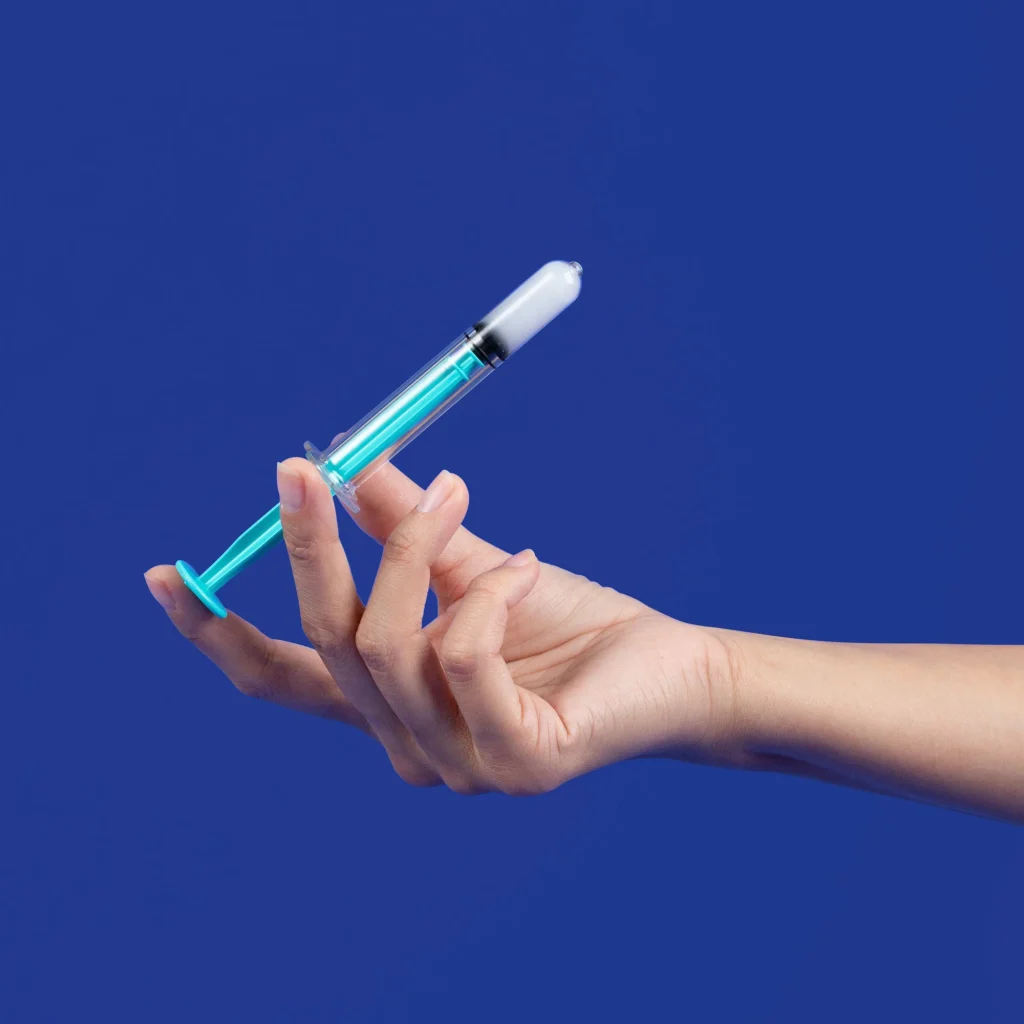
    hand holding a syringe with a blue plunger against a solid blue background

    Taking Control: The Benefits of Insemination on Your Own Terms

    3. Greater Control over Timing

    In a clinical setting, the timing of insemination may be dictated by the medical professional’s schedule. This can be frustrating for those who are trying to conceive as timing is crucial for success. With self-insemination, you have complete control over the timing of the process. You can track your ovulation cycle and inseminate at the most optimal time for conception.

    4. Flexibility in Choosing a Donor

    When undergoing insemination at a clinic, you may have limited options when it comes to selecting a donor. However, with self-insemination, you have the freedom to choose a donor that aligns with your personal preferences and values. This can include physical characteristics, medical history, and other factors that are important to you. You also have the option to use a known donor, such as a friend or family member, which can add a personal touch to the process.

    5. Empowerment and Inclusivity

    Self-insemination allows individuals and couples to take control of their reproductive journey and feel empowered in the process. It also provides inclusivity for those who may not have access to traditional medical insemination, such as same-sex couples or single individuals. By using at-home insemination kits, people of all backgrounds and orientations can have the opportunity to start a family on their own terms.

    In conclusion, self-insemination offers a range of benefits for those looking to conceive. It provides privacy, cost-effectiveness, timing control, flexibility in choosing a donor, and empowerment for individuals and couples. While it may not be the right option for everyone, it offers an alternative to traditional clinical insemination that can be a viable choice for many. If you are considering self-insemination, it is essential to research and consult with a medical professional for guidance and support.

  • Breaking Down Barriers: Home Insemination with a Starter Kit

    Breaking Down Barriers: Home Insemination with a Starter Kit

    In recent years, the topic of home insemination has gained more attention as an alternative option for individuals or couples who are having difficulty conceiving through traditional methods. While the idea of inseminating at home may seem daunting, advancements in technology and the availability of starter kits have made the process much more accessible and user-friendly. In this blog post, we will discuss the concept of home insemination, the benefits of using a starter kit, and the barriers that may have previously prevented individuals from considering this option.

    What is Home Insemination?

    Home insemination, also known as self-insemination, is the process of using a syringe or other devices to introduce semen into the vagina in order to achieve pregnancy. This method can be used by individuals or couples who are trying to conceive without medical intervention, or those who are utilizing donor sperm.

    Benefits of Using a Starter Kit

    One of the biggest benefits of using a starter kit for home insemination is convenience. These kits typically come with all the necessary supplies, such as syringes, collection cups, and instructions, making the process much easier and less time-consuming. Additionally, starter kits often include ovulation predictors or pregnancy tests, which can be helpful for tracking fertility and determining the best time for insemination.

    Another advantage of using a starter kit is the cost-savings. Traditional fertility treatments can be expensive, and while home insemination may not be covered by insurance, it is generally more affordable than medical procedures. By using a starter kit, individuals or couples can avoid the cost of purchasing separate supplies and potentially save money in the long run.

    Breaking Down Barriers

    Despite the benefits of using a starter kit for home insemination, there are still some barriers that may have previously prevented individuals from considering this option. One of the main barriers is the lack of information and education surrounding home insemination. Many people are not aware that this is a viable option for conception and may not know where to start.

    hand holding a syringe with a blue plunger against a solid blue background

    Breaking Down Barriers: Home Insemination with a Starter Kit

    Another barrier is the stigma surrounding home insemination, particularly for single individuals or same-sex couples. There may be societal pressure to conceive through traditional methods or the fear of judgment from others. However, with more people openly discussing their experiences with home insemination, the stigma is slowly being broken down.

    Additionally, some may feel intimidated by the medical aspect of insemination and may be hesitant to perform the procedure themselves. However, starter kits come with clear instructions and are designed to make the process as simple and safe as possible.

    Tips for Using a Starter Kit

    If you are considering using a starter kit for home insemination, here are some tips to keep in mind:

    1. Research and choose a reputable starter kit: It is important to do your research and choose a reputable company for your starter kit. Look for reviews and recommendations from others who have used the kit.

    2. Follow the instructions carefully: Make sure to read and follow the instructions provided with the starter kit to ensure proper use and safety.

    3. Track your ovulation: Ovulation predictors can be helpful in determining the best time for insemination, but it is also important to track your ovulation through other methods such as monitoring your basal body temperature.

    4. Consider seeking medical advice: While home insemination can be a great option for some, it is important to consult with a healthcare professional if you have any concerns or underlying medical conditions that may affect your fertility.

    In summary, home insemination with a starter kit is a convenient, cost-effective, and stigma-free option for individuals or couples who are trying to conceive. While there may be barriers and challenges, with the right information and resources, home insemination can be a successful and empowering experience.

  • Home Insemination Made Easy: What You Need in Your Starter Kit

    Summary:

    illustration comparing standard and Mosie syringe openings with text highlighting design benefits for home insemination

    Home Insemination Made Easy: What You Need in Your Starter Kit

    Home insemination, also known as self-insemination, is a procedure that allows individuals or couples to use a donor’s sperm to conceive a child in the comfort of their own home. This method has become increasingly popular as it offers a more private and cost-effective option for those looking to start or expand their family. However, it is essential to have the right equipment and supplies in your starter kit to ensure a safe and successful insemination process. In this blog post, we will discuss the essential items needed in a home insemination starter kit and provide tips for making the process as easy and stress-free as possible.

  • Making Your Own Miracle: The Success Stories of DIY Baby-Making with a Syringe Kit

    Blog Post Title: Making Your Own Miracle: The Success Stories of DIY Baby-Making with a Syringe Kit

    Introduction:
    The journey to parenthood is different for everyone. While some couples are able to conceive naturally, others may face challenges and obstacles along the way. For those who have been struggling with fertility issues, the idea of DIY baby-making with a syringe kit may seem like an unconventional option. However, for many couples, this has been their path to parenthood and has resulted in beautiful success stories. In this blog post, we will explore the world of DIY baby-making with a syringe kit and share some inspiring success stories from couples who have made their own miracles.

    What is DIY Baby-Making with a Syringe Kit?
    DIY baby-making with a syringe kit, also known as self-insemination or at-home insemination, is the process of using a syringe to inseminate oneself or a partner at home. This method involves collecting sperm from a donor, either from a known or anonymous source, and using a syringe to insert it into the vagina or cervix. This technique is often used by same-sex couples, single women, or couples struggling with male infertility.

    Success Stories:
    1. Nick and Sarah’s Journey:
    Nick and Sarah had been trying to conceive for over two years before they decided to take matters into their own hands. After countless medical appointments and unsuccessful fertility treatments, the couple felt defeated and frustrated. That’s when they came across the idea of DIY baby-making with a syringe kit. They ordered a donor sperm kit online and followed the instructions carefully. To their surprise, Sarah became pregnant after just one try. Today, they are proud parents to a healthy baby boy and couldn’t be happier with their decision to take control of their fertility journey.

    2. Rachel and Emily’s Love Story:
    Rachel and Emily had always dreamt of starting a family together, but as a same-sex couple, they faced unique challenges. They explored various fertility options, but most were out of their budget. That’s when they discovered DIY baby-making with a syringe kit. They found a sperm donor through a reputable agency and used a syringe to inseminate Emily at home. After a few attempts, they were overjoyed to learn that Emily was pregnant. They now have two beautiful children and are grateful for the opportunity to create their own little miracles.

    3. The Journey of a Single Mother:
    Sarah always knew she wanted to be a mother, but as a single woman, she didn’t know how she would make it happen. After researching different fertility options, she stumbled upon DIY baby-making with a syringe kit. She decided to reach out to a close friend who had offered to be her sperm donor. With the help of a syringe and her friend’s donation, Sarah successfully became pregnant. She is now a proud mother to a healthy baby girl and is grateful for the bond she shares with her donor friend.

    various medical supplies and containers organized in a clear plastic box on a wooden surface

    Making Your Own Miracle: The Success Stories of DIY Baby-Making with a Syringe Kit

    Benefits of DIY Baby-Making with a Syringe Kit:
    1. Cost-Effective:
    One of the main benefits of DIY baby-making with a syringe kit is its affordability. Fertility treatments can be expensive, and not everyone has the financial means to pursue them. DIY baby-making offers a more cost-effective option for couples and individuals looking to start a family.

    2. Privacy and Control:
    For some couples, the idea of going through medical procedures and having doctors involved in their intimate moments can be uncomfortable. DIY baby-making allows couples to have more privacy and control over the process. They can choose the donor, the timing of insemination, and complete the process in the comfort of their own home.

    3. Emotional Connection:
    DIY baby-making also allows for a more emotional connection between the couple and the process of conception. Many couples feel a deeper bond and sense of accomplishment when they are actively involved in the conception of their child.

    Risks and Precautions:
    While DIY baby-making with a syringe kit may seem like a simple and safe option, it is essential to take certain precautions. It is crucial to use a sterile syringe and follow the instructions carefully to avoid any potential risks of infection. It is also recommended to use sperm from a reputable sperm bank or a known donor who has undergone proper testing to ensure the quality and safety of the sperm.

    Conclusion:
    The journey to parenthood is a unique and personal experience for everyone. While traditional methods of conception may not work for everyone, DIY baby-making with a syringe kit has proven to be a successful option for many couples and individuals. It offers a more affordable, private, and emotionally connected approach to starting a family. With proper precautions and guidance, anyone can make their own miracle and fulfill their dream of becoming a parent.

    Summary:
    DIY baby-making with a syringe kit is a method of self-insemination that involves using a syringe to insert sperm into the vagina or cervix. This technique has resulted in many success stories, including Nick and Sarah’s journey of becoming parents after struggling with infertility, Rachel and Emily’s love story of creating their own family, and Sarah’s experience as a single mother. The affordability, privacy, and emotional connection are some of the benefits of DIY baby-making, but it is crucial to take precautions and use safe and tested sperm. With this method, anyone can make their own miracle and start a family.

  • Breaking the Taboo: DIY Baby-Making with a Syringe Kit

    Breaking the Taboo: DIY Baby-Making with a Syringe Kit

    The journey to parenthood can be a long and difficult one for many couples. From fertility treatments to adoption, there are numerous options available to those who are struggling to conceive. However, for some, these options may not be financially or emotionally feasible. This has led to a growing trend of DIY baby-making, specifically with the use of a syringe kit. While this may seem unconventional and even controversial to some, it has become a viable choice for those looking to start a family on their own terms.

    In this blog post, we will discuss the taboo of DIY baby-making with a syringe kit and explore the reasons why more and more people are turning to this method. We will also address the concerns and risks associated with DIY conception and provide information on how to safely and ethically navigate this process.

    The Rise of DIY Baby-Making

    The idea of using a syringe to self-inseminate is not a new one. In fact, it has been practiced for decades by women who are unable to conceive through traditional methods. However, with the rise of social media and online forums, the concept of DIY baby-making has become more mainstream and accessible.

    One of the main reasons for the increase in DIY baby-making is the high cost of fertility treatments. In vitro fertilization (IVF) can cost tens of thousands of dollars, making it out of reach for many couples. Adoption can also be a lengthy and expensive process. DIY baby-making, on the other hand, can cost as little as a few hundred dollars for a syringe kit and donor sperm.

    Another factor driving the trend is the desire for control and autonomy over the conception process. Many people, especially women, feel that traditional methods of conception take away their agency and decision-making power. With DIY baby-making, they are able to choose the timing, method, and donor of their choice.

    The Syringe Kit: What You Need to Know

    A syringe kit, also known as an at-home insemination kit, typically includes a syringe, specimen cup, and instructions for use. These kits can be purchased online or at select pharmacies and are marketed as a safe and effective way to conceive at home.

    However, it is important to note that these kits are not regulated by the FDA and do not have to meet the same standards as medical devices. This means that the quality and safety of the syringes and other components may vary. It is crucial to do thorough research and purchase from a reputable source.

    two teal and clear syringes positioned on a white background

    Breaking the Taboo: DIY Baby-Making with a Syringe Kit

    The Risks and Concerns of DIY Baby-Making

    While DIY baby-making may seem like an appealing and cost-effective option, there are several risks and concerns to consider before embarking on this journey.

    Firstly, self-insemination does not guarantee success. The success rates of DIY baby-making are significantly lower than traditional methods, such as IVF. This is due to a number of factors, including the quality of the sperm, timing of insemination, and potential fertility issues.

    Secondly, there are potential health risks associated with using a syringe for self-insemination. If the syringe is not properly sterilized, it can lead to infections and other complications. It is important to follow the instructions carefully and take all necessary precautions to minimize the risk of infection.

    Lastly, there is the ethical concern of using a syringe kit without the involvement of a medical professional. Some argue that DIY baby-making goes against the medical and ethical standards of assisted reproduction and may potentially harm the child’s well-being in the future. It is important to consider these factors and have open and honest discussions with any potential co-parents or donors.

    Navigating the DIY Baby-Making Process

    If you have weighed the risks and decided to pursue DIY baby-making, there are certain steps you can take to ensure a safe and ethical process.

    Firstly, it is important to consult with a medical professional to rule out any potential fertility issues and to discuss the best course of action for your specific situation. They can also provide guidance on the proper use of the syringe kit and monitor your progress.

    Secondly, it is crucial to thoroughly research and choose a reputable sperm donor. This can be done through a sperm bank or through known donors, such as friends or acquaintances. It is important to have open and honest communication with the donor and to have a legal agreement in place to protect all parties involved.

    Lastly, it is important to seek support and guidance throughout the process. DIY baby-making can be emotionally and physically taxing, and having a support system in place can make a significant difference.

    In conclusion, while DIY baby-making with a syringe kit may seem unconventional and taboo, it has become a viable option for those looking to start a family on their own terms. However, it is important to educate oneself on the potential risks and concerns and to approach the process with caution and careful consideration.

  • Studies That Prove the Effectiveness of Non-Invasive Insemination

    Studies That Prove the Effectiveness of Non-Invasive Insemination

    In the world of assisted reproductive technology, there has been a growing interest in non-invasive insemination methods. These methods involve the insertion of sperm into the female reproductive tract without the need for a medical procedure such as surgery. This has been a game-changer for many couples struggling with infertility, as it offers a less invasive and more affordable option compared to traditional methods. But does non-invasive insemination really work? In this blog post, we will explore various studies that have proven the effectiveness of non-invasive insemination and shed light on its potential as a viable fertility treatment option.

    The Evolution of Non-Invasive Insemination

    Non-invasive insemination has been around since the 1970s, but it has only gained popularity in recent years. The first method, known as intracervical insemination (ICI), involved placing semen in the cervix using a syringe. This method was eventually replaced by intrauterine insemination (IUI), which involved placing the sperm directly into the uterus through a catheter. Both methods required a medical procedure and were not considered truly non-invasive.

    It wasn’t until the 1990s that a truly non-invasive method, known as intravaginal insemination (IVI), was introduced. This involved placing the sperm in the vagina using a special device, such as a soft cup or syringe with a soft catheter. IVI proved to be as effective as IUI in terms of pregnancy rates and was much more affordable and accessible for couples. However, the lack of medical supervision and potential for infection led to the development of a new method, known as intravaginal culture (IVC). This method involves inserting sperm into a culture medium and then placing it in the vagina, reducing the risk of infection and increasing the chances of sperm survival and fertilization.

    Nowadays, there are various non-invasive insemination methods available, such as home insemination kits and self-insemination techniques. These methods are gaining popularity due to their convenience and affordability, but do they really work? Let’s take a look at some studies that have explored the effectiveness of non-invasive insemination.

    Study #1: Comparison of IUI and IVI

    A study published in the Journal of Assisted Reproduction and Genetics compared the effectiveness of IUI and IVI in 146 couples undergoing fertility treatment. The results showed that both methods had similar pregnancy rates, with IUI at 12.1% and IVI at 11.8%. This suggests that IVI is a viable alternative to IUI and can be just as effective in achieving pregnancy.

    At-home insemination kit with ovulation and pregnancy tests, promoting fertility and family planning.

    Studies That Prove the Effectiveness of Non-Invasive Insemination

    Study #2: Home Insemination Kits

    In recent years, there has been an increase in the use of home insemination kits, which allow couples to perform insemination in the comfort of their own home. A study published in the journal Fertility and Sterility evaluated the effectiveness of home insemination kits in 220 couples. The results showed a pregnancy rate of 19.4%, which is comparable to the pregnancy rates of traditional insemination methods. This study suggests that home insemination kits can be a successful option for couples trying to conceive.

    Study #3: Self-Insemination

    Self-insemination is another popular non-invasive method that involves inserting sperm into the vagina using a syringe or soft cup. A study published in the journal Human Reproduction evaluated the effectiveness of self-insemination in 110 women. The results showed an overall pregnancy rate of 26%, with an even higher success rate in women who had previously conceived. This study suggests that self-insemination can be a successful option for women who are able to track their ovulation and time the insemination correctly.

    Study #4: IVC vs. IUI

    A study published in the Journal of Andrology compared the effectiveness of IVC and IUI in 83 couples undergoing fertility treatment. The results showed a higher pregnancy rate for IVC at 25% compared to IUI at 15.7%. This suggests that IVC may be a more effective option for couples struggling with infertility, but further research is needed to confirm these findings.

    Conclusion

    Overall, these studies suggest that non-invasive insemination methods can be effective in achieving pregnancy and offer a more affordable and accessible option for couples struggling with infertility. However, it is important to note that the success of these methods may vary depending on the individual’s fertility issues and the technique used. Consulting with a fertility specialist is recommended to determine the best course of action for each individual case.

    In summary, non-invasive insemination methods have evolved over the years and have been proven to be effective in achieving pregnancy. From ICI to IVC, these methods have shown comparable pregnancy rates to traditional methods and offer a less invasive and more affordable option for couples. With further research and advancements, non-invasive insemination may become an even more viable option for couples struggling with infertility.

  • The Impact of Lifestyle Choices on Home Insemination

    Blog Post:

    Home insemination, also known as self-insemination or at-home insemination, is the process of conceiving a child without medical intervention in the comfort of one’s own home. This method has become increasingly popular among couples and individuals who are unable to conceive through traditional methods, such as natural intercourse or fertility treatments. While home insemination can be a convenient and cost-effective option for starting a family, it is important to understand the impact of lifestyle choices on the success of this method.

    In this blog post, we will explore the various lifestyle factors that can affect home insemination and provide tips on how to optimize your chances of success.

    1. Diet and Nutrition

    The food we eat plays a crucial role in our overall health and fertility. A balanced and nutritious diet is essential for both partners when attempting home insemination. A diet rich in fruits, vegetables, whole grains, and lean proteins can help regulate hormones and improve reproductive health. On the other hand, processed foods, alcohol, and caffeine can have a negative impact on fertility and should be avoided or consumed in moderation.

    2. Exercise and Body Weight

    Maintaining a healthy weight is vital for fertility, as being under or overweight can disrupt hormone balance and ovulation. Regular exercise can help regulate menstrual cycles and improve overall reproductive health. However, excessive exercise or extreme weight loss can also have a negative impact on fertility. It is essential to find a balance and avoid extreme measures when trying to conceive through home insemination.

    3. Stress Management

    Stress can affect fertility in both men and women. High levels of stress can disrupt hormone production and ovulation in women, while in men, it can lead to a decrease in sperm count and quality. When attempting home insemination, it is crucial to find ways to manage stress, such as practicing relaxation techniques, yoga, or seeking therapy. Creating a calm and peaceful environment at home can also be beneficial for reducing stress levels.

    4. Smoking, Alcohol, and Drug Use

    two teal and clear syringes positioned on a white background

    The Impact of Lifestyle Choices on Home Insemination

    Smoking, excessive alcohol consumption, and drug use can have a significant impact on fertility. For women, smoking can lead to early menopause and decrease egg quality, while in men, it can affect sperm count and quality. Alcohol and drug use can also disrupt hormone production and affect the reproductive system. It is crucial to quit smoking and limit alcohol and drug use when attempting home insemination.

    5. Timing and Frequency of Insemination

    Timing and frequency of home insemination are crucial factors in achieving success. It is essential to track ovulation through methods such as ovulation predictor kits, basal body temperature charting, or monitoring cervical mucus. This will help determine the most fertile days for insemination. Additionally, it is recommended to inseminate every other day during the fertile window to improve the chances of conception.

    6. Sperm Quality and Quantity

    For home insemination to be successful, the quality and quantity of sperm are essential. It is recommended for men to ejaculate regularly to ensure a fresh and healthy supply of sperm. Furthermore, men should avoid hot tubs, saunas, and tight-fitting underwear, as these can increase scrotal temperature and affect sperm production. It is also advisable to get a semen analysis done to ensure the sperm is of good quality and quantity.

    7. Age and Fertility

    Age is a significant factor in fertility, and this applies to both men and women. As women age, the quality and quantity of eggs decrease, making it more challenging to conceive. Similarly, men over the age of 40 may experience a decline in sperm quality and quantity. When attempting home insemination, it is essential to keep age in mind and consult with a doctor if necessary.

    In conclusion, home insemination can be a successful method for starting a family, but it requires careful consideration of lifestyle choices. A healthy diet, regular exercise, stress management, avoiding harmful substances, proper timing and frequency of insemination, and maintaining good sperm quality and quantity are all crucial factors for achieving success. It is also advisable to consult with a fertility specialist if home insemination is not successful after several attempts.

    Summary:

    Home insemination is a popular method for conceiving a child without medical intervention. However, lifestyle choices can significantly impact the success of this method. Factors such as diet and nutrition, exercise and body weight, stress management, smoking and alcohol use, timing and frequency of insemination, sperm quality and quantity, and age can all affect home insemination. It is crucial to maintain a healthy lifestyle and consult with a doctor if necessary to optimize the chances of success.

  • The Emotional Rollercoaster of Home Insemination

    Blog Post:

    Home insemination, also known as self-insemination or DIY insemination, is the process of using a donor’s sperm to conceive a child without medical intervention. While this method may seem like a simple and cost-effective option for those trying to conceive, it can also be an emotional rollercoaster. The journey of home insemination is filled with highs and lows, and it’s important to understand and prepare for the emotional impact it can have.

    The Excitement of Starting the Process

    For many couples, the decision to start the home insemination process is an exciting one. It’s the beginning of a journey towards starting or expanding their family. The process often starts with researching and finding the right donor, whether it’s a known donor or a stranger from a sperm bank. This can involve reading through donor profiles, discussing options with partners, and making a decision that feels right for everyone involved.

    The anticipation of trying to conceive can also bring about feelings of excitement and hope. It’s a time where dreams of having a child start to feel more tangible. The thought of creating a life and growing a family together can be an incredibly joyous and emotional experience.

    The Frustration of Inconsistent Results

    One of the biggest challenges of home insemination is the inconsistency of results. Unlike medical procedures, there is no guarantee of success with each attempt. This can be frustrating and disheartening for couples who are eagerly trying to conceive.

    Many factors can affect the success of home insemination, such as timing, ovulation, and sperm quality. It can take multiple attempts before achieving a positive pregnancy test, and this can be emotionally taxing. Each month, there is the anticipation and hope of a positive outcome, followed by the disappointment and sadness of a negative result. This emotional rollercoaster can take a toll on individuals and their relationships.

    The Pressure of Timing

    Timing is crucial when it comes to home insemination. Unlike natural conception, there is a limited window of opportunity for sperm to fertilize an egg. This means that couples must be diligent in tracking ovulation and planning insemination accordingly.

    The pressure of timing can add stress and anxiety to the already emotional process. Couples may feel pressure to have sex or inseminate at a specific time, which can take away from the intimacy of the experience. It can also lead to feelings of disappointment and frustration if the timing doesn’t result in a pregnancy.

    The Disappointment of Failed Attempts

    mosie baby logo featuring a heart and leaves in blue, pink, and green colors.

    The Emotional Rollercoaster of Home Insemination

    Despite the best efforts and intentions, home insemination can sometimes result in failed attempts. This can be a devastating blow for couples who have invested time, energy, and emotions into the process. Each negative result can feel like a personal failure, and it’s common for individuals to blame themselves or their bodies.

    The disappointment of failed attempts can also bring up feelings of inadequacy or self-doubt. It’s important for couples to support each other and remind themselves that it’s a normal part of the process. Even with medical assistance, conception can take time, and it’s essential to have patience and perseverance.

    The Joy of a Positive Pregnancy Test

    After weeks or even months of trying, the joy of a positive pregnancy test can be overwhelming. It’s a moment of pure happiness and excitement, knowing that all the hard work and emotional ups and downs have led to this moment. The news can bring couples closer together and solidify their bond as they prepare for the journey of parenthood.

    The anxiety and fear of the unknown can also creep in with a positive pregnancy test. It’s natural to feel nervous and overwhelmed about the responsibility of bringing a child into the world. But overall, the joy and anticipation of welcoming a new life into the world often outweigh any fears or worries.

    The Fear and Uncertainty of the Pregnancy

    Pregnancy, whether achieved through home insemination or natural conception, comes with its own set of emotional challenges. For couples who have used home insemination, there may be added fears and uncertainties, such as the lack of medical supervision or the potential for complications.

    It’s common for expectant parents to worry about the health and well-being of their unborn child, and this can be heightened for those who have used home insemination. The fear of the unknown and the what-ifs can lead to a rollercoaster of emotions throughout the pregnancy.

    The Relief and Joy of a Successful Birth

    Finally, after months of anticipation and emotional ups and downs, the arrival of a healthy baby brings a sense of relief and joy. The hard work, sacrifices, and emotional journey are all worth it when holding a precious little one in your arms.

    The birth of a child can also be a time of healing and closure for couples who have faced challenges along the way. The struggles of home insemination are now a distant memory as they embark on a new journey as parents.

    Summary:

    Home insemination is an emotional rollercoaster that comes with highs and lows. The excitement of starting the process, the frustration of inconsistent results, the pressure of timing, and the disappointment of failed attempts are just some of the emotions that couples may experience. The joy of a positive pregnancy test, the fear and uncertainty of pregnancy, and the relief and joy of a successful birth are also part of the rollercoaster. It’s important for couples to support each other and prepare for the emotional impact that home insemination can have on their journey towards starting or expanding their family.




