Tag: ovulation

  • The Role of Timing in Home Insemination Success

    Blog Post:

    When it comes to home insemination, timing is key. The success of the process relies heavily on understanding and effectively tracking ovulation, as well as properly timing the insemination. While this may seem overwhelming, it is an essential aspect of the process that cannot be ignored. In this blog post, we will delve into the role of timing in home insemination success and provide tips and advice on how to increase your chances of a successful outcome.

    Understanding Ovulation:

    The first step in timing home insemination is understanding ovulation. Ovulation is the process in which a mature egg is released from the ovary and travels down the fallopian tube, where it may be fertilized by sperm. This typically occurs around day 14 of a 28-day menstrual cycle, but can vary from person to person. Tracking ovulation is crucial because it is the prime time for conception to occur.

    There are various methods to track ovulation, including using ovulation predictor kits, tracking basal body temperature, and monitoring cervical mucus. Ovulation predictor kits work by detecting the surge of luteinizing hormone (LH) in urine, which occurs 12-36 hours before ovulation. Tracking basal body temperature involves taking your temperature every morning and recording it to detect a slight rise, which indicates ovulation. Lastly, monitoring cervical mucus involves paying attention to changes in the consistency and color of vaginal discharge, which becomes thin, clear, and stretchy around ovulation.

    Timing the Insemination:

    Once ovulation has been identified, it is important to time the insemination correctly. This is because sperm can survive in the reproductive tract for up to five days, while an egg is only viable for 12-24 hours after ovulation. This means that sperm must already be present in the fallopian tubes when the egg is released to increase the chances of fertilization.

    The best time to inseminate is 24-48 hours before ovulation. This gives the sperm enough time to travel and be present in the fallopian tubes when the egg is released. It is important to note that sperm can survive for up to five days, and having sperm present too early can decrease their quality and motility. On the other hand, inseminating too close to ovulation may result in the sperm not having enough time to reach the egg.

    guide and materials for using Mosie Baby fertility kit on a textured surface

    The Role of Timing in Home Insemination Success

    Tips for Successful Timing:

    1. Chart Your Cycle: To effectively time your home insemination, it is crucial to chart your menstrual cycle. This involves tracking your periods, ovulation, and any other changes in your body, such as cervical mucus. By doing this, you can better understand your cycle and determine the best time for insemination.

    2. Use Ovulation Predictor Kits: As mentioned earlier, ovulation predictor kits are a handy tool for tracking ovulation. They are easy to use and can provide accurate results. Make sure to follow the instructions carefully and test at the same time every day for the best results.

    3. Consider Sperm Donor Timing: If you are using a sperm donor, it is important to communicate with them and plan accordingly. Make sure to coordinate with the donor to ensure the sperm is delivered or collected on time for insemination.

    4. Avoid Stress: Stress can have a significant impact on your menstrual cycle, and it is crucial to avoid it as much as possible while trying to conceive. Stress can delay ovulation or even prevent it altogether, making it difficult to time the insemination correctly.

    5. Be Patient: It is essential to remember that timing is not an exact science, and it may take a few tries to get it right. Don’t get discouraged if the first attempt is not successful. Keep tracking your cycle, and with time and practice, you will be able to time the insemination correctly.

    In conclusion, timing plays a crucial role in the success of home insemination. By understanding ovulation and using the right tools and techniques, you can increase your chances of a successful outcome. Remember to be patient and communicate with your partner or sperm donor to ensure the best possible timing. With the right approach and a little bit of luck, you can achieve your dream of starting a family through home insemination.

    Summary:

    Timing is an essential aspect of home insemination success, as it relies on understanding and tracking ovulation. Ovulation is the process in which a mature egg is released and must be fertilized by sperm within 12-24 hours. To increase the chances of fertilization, it is recommended to inseminate 24-48 hours before ovulation. Tips for successful timing include charting your cycle, using ovulation predictor kits, coordinating with a sperm donor, avoiding stress, and being patient. With the right approach, timing can play a significant role in achieving your dream of starting a family through home insemination.


  • Beyond the Basics: Advanced Techniques for Home Insemination

    Blog Post Title: Beyond the Basics: Advanced Techniques for Home Insemination

    Home insemination is a popular method for individuals or couples who are trying to conceive. It is a simple and cost-effective alternative to traditional methods such as intrauterine insemination (IUI) or in vitro fertilization (IVF). While the basic process of home insemination involves placing semen into the vagina near the cervix, there are advanced techniques that can increase the chances of success. In this blog post, we will explore some of the advanced techniques for home insemination that can help you achieve your goal of starting a family.

    1. Tracking Ovulation

    One of the key factors in successful home insemination is timing. It is important to know when you are ovulating in order to increase the chances of conception. There are several methods for tracking ovulation, such as using ovulation predictor kits, charting basal body temperature, or monitoring changes in cervical mucus. By tracking ovulation, you can plan your home insemination at the most fertile time, giving the sperm a better chance of reaching and fertilizing the egg.

    2. Intrauterine Insemination (IUI) Syringe

    While the traditional method of home insemination involves using a needleless syringe to place semen near the cervix, an IUI syringe can be a more effective option. This syringe has a longer and thinner tip, making it easier to reach the cervix and deposit sperm closer to the uterus. This can increase the chances of the sperm reaching the fallopian tubes and fertilizing the egg. IUI syringes can be purchased online or through a fertility clinic.

    3. Pre-seed Lubricant

    Traditional lubricants can be harmful to sperm and decrease their motility, making it harder for them to reach the egg. Pre-seed lubricant is a fertility-friendly lubricant that mimics the natural fluids in the vagina and provides a safe environment for sperm. It can also make the process more comfortable for both partners. Pre-seed lubricant can be purchased online or at most drugstores.

    4. Elevating Hips

    comparison of Mosie syringe opening versus standard syringe opening with text highlighting benefits

    Beyond the Basics: Advanced Techniques for Home Insemination

    After insemination, it is recommended to elevate the hips for 15-20 minutes to allow the sperm to swim towards the cervix. This can be achieved by placing a pillow under the hips or lying on your back with your legs elevated against a wall. Elevating the hips can help the sperm reach the egg faster and increase the chances of fertilization.

    5. Using a Soft Cup

    A soft cup is a flexible, disposable cup that is inserted into the vagina after insemination. It helps to keep the sperm near the cervix, making it easier for them to swim towards the egg. Soft cups can be worn for up to 12 hours and do not interfere with daily activities. They can also be used during menstruation to collect menstrual flow, making them a versatile fertility tool.

    6. Acupuncture

    Acupuncture is an ancient Chinese practice that involves inserting thin needles into specific points on the body. It has been used to treat a variety of health conditions, including infertility. Studies have shown that acupuncture can improve the chances of conceiving by increasing blood flow to the uterus and ovaries, regulating hormones, and reducing stress. Some fertility clinics offer acupuncture as part of their services, but you can also find licensed acupuncturists in your area.

    7. Supplements and Diet

    Certain supplements and a healthy diet can also improve fertility and increase the chances of conception. Omega-3 fatty acids, folic acid, and Coenzyme Q10 are some of the supplements that have been linked to improved fertility. A diet rich in fruits, vegetables, whole grains, and lean proteins can also have a positive impact on fertility. It is important to consult with a healthcare provider before starting any supplements or making significant dietary changes.

    8. Seeking Medical Advice

    While home insemination can be a successful method for conception, it is important to seek medical advice if you have been trying for a long time without success. A fertility specialist can help identify any underlying issues that may be hindering conception and provide personalized recommendations for your specific situation. They can also offer more advanced techniques such as IUI or IVF if needed.

    In conclusion, home insemination can be an effective method for conception, but using these advanced techniques can increase the chances of success. By tracking ovulation, using an IUI syringe, using pre-seed lubricant, elevating hips, using a soft cup, trying acupuncture, taking supplements, and seeking medical advice, you can optimize your chances of starting a family through home insemination. It is important to remember that every individual and situation is unique, and what works for one person may not work for another. Be patient, stay positive, and keep trying.

  • The Cost-Effective Option: Home Insemination Explained

    Blog Post Title: The Cost-Effective Option: Home Insemination Explained

    Summary: Home insemination, also known as self-insemination, is a cost-effective and less invasive alternative to traditional fertility treatments. It involves using a donor’s sperm to fertilize the egg at home, without the need for medical intervention. In this blog post, we will explore the process of home insemination, its benefits and risks, and how to increase the chances of success. We will also discuss the legal and ethical considerations surrounding home insemination.

    Home insemination is a viable option for those who are unable to afford expensive fertility treatments or for LGBTQ+ couples who want to start a family. It can also be a more comfortable and intimate experience for some individuals, as it allows them to control the process in the comfort of their own home. However, it is important to understand the risks and potential challenges associated with home insemination before embarking on this journey.

    The Process of Home Insemination:
    The process of home insemination involves collecting sperm from a donor, either through a sperm bank or through known donation, and using a syringe or cervical cap to insert the sperm into the vagina. It is important to use sterile equipment and follow proper hygiene practices to minimize the risk of infection. Timing is crucial in home insemination, as the sperm needs to be inserted during the ovulation window for fertilization to occur.

    home insemination kit components: a syringe and a collection container against a blue background.

    The Cost-Effective Option: Home Insemination Explained

    Benefits of Home Insemination:
    One of the main benefits of home insemination is the cost-effectiveness. Traditional fertility treatments can cost thousands of dollars, while home insemination can be done at a fraction of the cost. It also allows couples to have control over the process and can be a more intimate experience compared to clinical procedures. Home insemination also eliminates the need for invasive procedures and can be a less stressful option for those who may have anxiety about medical procedures.

    Risks and Challenges:
    Like any fertility method, home insemination comes with its own risks and challenges. The most significant risk is the potential for sexually transmitted infections (STIs) if proper precautions are not taken. It is crucial to ensure that the donor has been tested and is free of any STIs before proceeding with home insemination. Additionally, home insemination may not be successful on the first attempt, and multiple attempts may be needed to achieve pregnancy. It is essential to manage expectations and understand that success is not guaranteed.

    Tips for Increasing the Chances of Success:
    To increase the chances of success with home insemination, it is crucial to track ovulation accurately. This can be done through fertility tracking apps, ovulation predictor kits, or by monitoring changes in cervical mucus and basal body temperature. It is also recommended to use fresh sperm rather than frozen sperm, as it has a higher chance of survival. Both the donor and the recipient should also maintain a healthy lifestyle and avoid alcohol, smoking, and recreational drugs, as these can affect fertility.

    Legal and Ethical Considerations:
    Home insemination raises legal and ethical considerations that need to be carefully addressed. In many countries, the law does not recognize home insemination, and the donor may have parental rights. It is crucial to have a written agreement between the donor and the recipient outlining their roles and responsibilities in the child’s life. Seeking legal advice before proceeding with home insemination is highly recommended to avoid any legal complications in the future.

    In conclusion, home insemination is a cost-effective and less invasive option for those looking to start a family. However, it is essential to understand the process, risks, and challenges involved and take necessary precautions to increase the chances of success. It is also crucial to address the legal and ethical considerations and seek professional guidance when needed. With proper planning and preparation, home insemination can be a successful and fulfilling journey towards parenthood.

  • The Science Behind Home Insemination Made Simple

    Blog post:

    Home insemination is becoming an increasingly popular option for individuals and couples looking to start a family. With advancements in technology and a better understanding of the science behind it, home insemination has become a simple and accessible method for conceiving a child. In this blog post, we will explore the science behind home insemination and how it can be made simple for anyone looking to start their journey towards parenthood.

    What is Home Insemination?

    Home insemination, also known as self-insemination, is a method of conception where sperm is inserted into the cervix or uterus of a female in hopes of fertilizing an egg. This can be done at home without the assistance of a medical professional, making it a more convenient and private option for many individuals and couples. Home insemination is often used by same-sex couples, single individuals, or couples struggling with fertility issues.

    Understanding the Science Behind Home Insemination

    In order to successfully achieve pregnancy through home insemination, it is important to have a basic understanding of the science behind it. The process involves placing sperm into the female reproductive tract, where it will travel through the cervix and into the uterus to fertilize an egg. This can be done using either a syringe or a cervical cap, both of which can be obtained from a fertility clinic or purchased online.

    Timing is crucial when it comes to home insemination. The best time to attempt insemination is during ovulation, which is when the ovaries release an egg. This typically occurs around day 14 of a 28-day menstrual cycle. Tracking ovulation can be done through methods such as tracking basal body temperature or using ovulation predictor kits.

    Preparing for Home Insemination

    Before attempting home insemination, it is important to prepare the body for pregnancy. This includes maintaining a healthy diet, exercising regularly, and avoiding substances that can harm fertility, such as alcohol and tobacco. It is also recommended to take prenatal vitamins to ensure the body has all the necessary nutrients for a healthy pregnancy.

    When it comes to the sperm used for home insemination, there are a few options. The most common method is to use frozen sperm from a sperm bank, which has been thoroughly screened and tested for any potential genetic or infectious diseases. Alternatively, some individuals may choose to use fresh sperm from a known donor, but it is important to ensure that the donor has been properly screened and tested.

    at-home insemination kit featuring a syringe and container for fresh or donor sperm conception

    The Science Behind Home Insemination Made Simple

    The Process of Home Insemination

    The actual process of home insemination is straightforward and can be done in the comfort of one’s own home. The first step is to prepare the sperm by thawing it if using frozen sperm, or collecting fresh sperm from a donor. Next, the sperm is placed into a syringe or cervical cap and inserted into the cervix or uterus. It is recommended to lie down for 15-20 minutes after insemination to allow the sperm to travel towards the egg.

    Tips for a Successful Home Insemination

    While home insemination may seem simple, there are a few tips that can increase the chances of success. Firstly, it is important to use the right equipment and follow proper hygiene protocols to avoid any contamination. Secondly, timing is crucial, and it is recommended to attempt home insemination multiple times during the ovulation window to increase the chances of fertilization. Lastly, maintaining a positive and relaxed mindset can also contribute to a successful home insemination.

    The Benefits of Home Insemination

    There are numerous benefits to choosing home insemination as a method of conception. Firstly, it allows for privacy and convenience, as the process can be done at home without the need for medical appointments. This can be particularly helpful for individuals or couples who may feel uncomfortable with the idea of medical interventions or those who live in remote areas without access to fertility clinics.

    Home insemination is also a more affordable option compared to other fertility treatments. While the cost of sperm and equipment may vary, it is generally more affordable than other assisted reproduction methods, such as intrauterine insemination (IUI) or in vitro fertilization (IVF).

    In addition, home insemination allows individuals and couples to have more control over the process. They can choose the timing, location, and method of insemination that works best for them. This can be empowering for those who may feel like they have limited control over their fertility journey.

    Summary:

    Home insemination is a simple and accessible method of conception that involves placing sperm into the female reproductive tract in hopes of fertilizing an egg. Understanding the science behind home insemination and preparing the body for pregnancy are crucial for success. The process itself is straightforward and can be done at home, with tips such as proper equipment, timing, and a positive mindset increasing the chances of success. Home insemination offers privacy, convenience, and control over the fertility journey, making it a popular option for individuals and couples looking to start a family.

  • Mastering Home Insemination: Tips and Tricks

    Blog Post Title: Mastering Home Insemination: Tips and Tricks for Successful Self-Insemination

    Summary:

    In recent years, more and more individuals and couples have turned to home insemination as a way to start or grow their families. Home insemination, also known as self-insemination, is a process where sperm is manually inserted into the vagina or cervix, bypassing traditional methods such as sexual intercourse or medical procedures. While it may seem daunting at first, with the right knowledge and preparation, home insemination can be a successful and empowering experience. In this blog post, we will discuss the tips and tricks to help you master home insemination.

    1. Understand Your Cycle: The first step to successful home insemination is understanding your menstrual cycle. This will help you determine when you are most fertile and increase your chances of conception. Tracking your cycle using a fertility app or charting your basal body temperature can help you pinpoint your ovulation window and plan for insemination accordingly.

    2. Choose the Right Donor: When it comes to home insemination, choosing the right donor is crucial. Whether you are using donor sperm from a sperm bank or a known donor, it is important to ensure that they have undergone the necessary health screenings and have a good sperm count. You should also consider their physical characteristics, such as height, eye color, and hair color, to increase the chances of your child resembling you or your partner.

    Mosie Baby ovulation test kit with packaging and instructions on a pink background.

    Mastering Home Insemination: Tips and Tricks

    3. Gather the Necessary Supplies: Before attempting home insemination, make sure you have all the necessary supplies on hand. This includes a sterile syringe or insemination kit, ovulation predictor kits, and pre-seed lubricant. It is also a good idea to have a backup plan in case the insemination process doesn’t go as planned.

    4. Create a Comfortable Environment: Home insemination can be an intimate and vulnerable experience, so it is important to create a comfortable environment for yourself. This could mean dimming the lights, playing soothing music, or having your partner or a trusted friend present for emotional support.

    5. Follow Proper Insemination Techniques: There are two main techniques for home insemination – the syringe method and the cervical cap method. The syringe method involves inserting sperm into the vagina using a sterile syringe, while the cervical cap method uses a silicone cap to collect sperm and place it near the cervix. Whichever method you choose, it is important to follow proper hygiene and insertion techniques to minimize the risk of infection.

    6. Use Pre-Seed Lubricant: Pre-seed lubricant is a sperm-friendly lubricant that mimics natural cervical mucus and creates a fertile environment for sperm. Using this lubricant during home insemination can increase the chances of sperm reaching the egg and fertilizing it.

    7. Practice Patience and Persistence: It is important to remember that home insemination may not result in pregnancy on the first try. It may take multiple attempts before achieving success. Be patient and continue to track your cycle, use proper techniques, and stay positive. With persistence, you will increase your chances of a successful home insemination.

    In conclusion, mastering home insemination requires understanding your cycle, choosing the right donor, gathering necessary supplies, creating a comfortable environment, following proper techniques, and practicing patience and persistence. With these tips and tricks, you can increase your chances of successful self-insemination and start or grow your family on your own terms.

  • The Power of Precision: How a Syringe Kit Can Increase Conception Chances

    Blog Post:

    The journey to parenthood is a beautiful and exciting one, but it can also bring its fair share of challenges and obstacles. One of the most common struggles for couples trying to conceive is the difficulty in accurately timing ovulation. For many women, pinpointing the exact moment of ovulation is crucial for increasing their chances of getting pregnant. However, thanks to advancements in medical technology, there is a powerful tool that can help increase conception chances: the syringe kit.

    In this blog post, we will explore the power of precision and how a syringe kit can be a game-changer for couples trying to conceive. From understanding ovulation to the benefits of using a syringe kit, we will delve into everything you need to know about this fertility tool.

    Understanding Ovulation

    Before we dive into the specifics of a syringe kit, it’s essential to have a basic understanding of ovulation and its role in conception. Ovulation occurs when an egg is released from the ovary and travels down the fallopian tube, waiting to be fertilized by sperm. This process typically happens once a month, around the middle of a woman’s menstrual cycle.

    For couples trying to conceive, accurately timing ovulation is crucial. Sperm can survive inside a woman’s body for up to five days, but an egg has a much shorter window of around 12-24 hours. This means that if couples want to increase their chances of getting pregnant, they need to have intercourse during ovulation, when the egg is available for fertilization.

    Unfortunately, for many women, ovulation isn’t a precise science. Factors like stress, illness, and hormonal imbalances can affect the timing and regularity of ovulation. This is where a syringe kit comes into play and can make a significant difference in increasing conception chances.

    The Power of Precision with a Syringe Kit

    A syringe kit is a simple yet powerful tool that can provide couples with the precision they need to time ovulation accurately. The kit typically includes a syringe, a catheter, and a detailed instruction manual. Here’s how it works:

    Step 1: Determine Ovulation

    The first step in using a syringe kit is to determine when ovulation is likely to occur. This can be done through various methods, such as tracking basal body temperature, monitoring changes in cervical mucus, or using ovulation predictor kits.

    Step 2: Prepare the Syringe

    Once ovulation is predicted, it’s time to prepare the syringe. The syringe is typically filled with sperm from the male partner, either through ejaculation or by using a sperm donor. The sperm is collected in a sterile container and drawn into the syringe.

    Step 3: Insert the Catheter

    Next, the catheter is inserted into the cervix. The catheter is a thin, flexible tube that allows for precise placement of the sperm near the cervix, increasing the chances of fertilization.

    Baby wearing a blue shirt with "made with Love" text, surrounded by colorful floral and butterfly designs.

    The Power of Precision: How a Syringe Kit Can Increase Conception Chances

    Step 4: Release the Sperm

    Once the catheter is in place, the sperm is released into the cervix using the syringe. This process is gentle and painless, and the sperm can travel to the fallopian tube, where it can fertilize the waiting egg.

    Benefits of Using a Syringe Kit

    Now that we understand how a syringe kit works, let’s explore the benefits it can provide for couples trying to conceive.

    1. Increases Precision

    As the name suggests, a syringe kit offers precision that is not achievable through intercourse alone. By placing the sperm directly near the cervix, the sperm has a shorter distance to travel to reach the egg, increasing the chances of fertilization.

    2. Helps with Fertility Issues

    For couples struggling with fertility issues, a syringe kit can be a valuable tool. It can help bypass any potential problems, such as low sperm count or motility issues, by delivering the sperm directly to the cervix for a higher chance of fertilization.

    3. Provides Control and Privacy

    Using a syringe kit allows couples to take control of their fertility journey and have more privacy. Instead of scheduling intercourse around ovulation, the couple can use the kit in the comfort of their own home and have more control over the timing and process.

    4. Cost-Effective

    In comparison to other fertility treatments, a syringe kit is a cost-effective option. It can be purchased over-the-counter and used at home, eliminating the need for expensive medical procedures.

    In summary, a syringe kit is a powerful tool for increasing conception chances. It offers precision, helps with fertility issues, provides control and privacy, and is a cost-effective option for couples trying to conceive.

    In conclusion, the journey to parenthood can be challenging, but with the power of precision and the use of a syringe kit, couples can increase their chances of conception. By understanding the process of ovulation and utilizing the benefits of a syringe kit, couples can take a more proactive approach towards starting or expanding their family.

    SEO metadata:

  • The Syringe Kit Method: A Natural Approach to Building a Family

    The Syringe Kit Method: A Natural Approach to Building a Family

    For many couples, building a family is a journey filled with excitement, joy, and anticipation. However, for some, it can also be a long and frustrating process as they struggle with infertility. In recent years, there has been a rise in the use of assisted reproductive technologies, such as in vitro fertilization (IVF), to help couples conceive. While these methods have been successful for many, they can also be costly and invasive. That’s why more and more people are turning to natural approaches like the syringe kit method to build their families.

    What is the Syringe Kit Method?

    The syringe kit method, also known as the “turkey baster” method, is a natural and non-invasive way to conceive. It involves using a sterile syringe to collect semen from the male partner and then inserting it directly into the cervix of the female partner during ovulation. This method mimics the natural process of conception and can be done at home without the need for medical intervention.

    How Does it Work?

    The syringe kit method works by placing the collected semen as close as possible to the cervix, increasing the chances of the sperm reaching and fertilizing the egg. This method is most effective when done during the female partner’s ovulation window, which is typically around day 14 of her menstrual cycle. By tracking ovulation using methods such as basal body temperature charting or ovulation predictor kits, couples can time their attempts more accurately.

    Why Choose the Syringe Kit Method?

    There are several reasons why more and more couples are choosing the syringe kit method to build their families.

    1. It is Cost-Effective

    IVF and other assisted reproductive technologies can cost thousands of dollars, with no guarantee of success. On the other hand, the syringe kit method is relatively inexpensive, with a cost ranging from $20 to $100 per cycle, depending on the type of syringe and other supplies used.

    2. It is Non-Invasive

    Unlike IVF, which involves retrieving eggs from the female partner and fertilizing them in a laboratory, the syringe kit method is entirely non-invasive. It does not require any medical procedures or medications and can be done in the comfort of the couple’s home.

    3. It is Less Stressful

    The process of trying to conceive can be stressful, both physically and emotionally, especially for couples who have been struggling with infertility. The syringe kit method takes away the pressure of timing intercourse and eliminates the need to visit a fertility clinic, making the process less stressful and more relaxed.

    4. It Can Be Done Anywhere

    Instructions for reading pregnancy test results with visual indicators for "Not Pregnant," "Pregnant," and "Invalid.

    The Syringe Kit Method: A Natural Approach to Building a Family

    One of the biggest advantages of the syringe kit method is that it can be done anywhere, as long as there is a private and clean space available. This makes it a great option for couples who travel frequently or have busy schedules.

    5. It Can Strengthen the Bond Between Partners

    The syringe kit method involves both partners working together towards a common goal, which can strengthen their bond and bring them closer together. It also allows the male partner to play a more active role in the conception process, which can be empowering for both partners.

    Tips for Using the Syringe Kit Method

    While the syringe kit method is a natural and straightforward approach to conception, there are a few tips that can increase its effectiveness:

    1. Use a Sterile Syringe

    It is crucial to use a sterile syringe when collecting and inserting the semen. This will help prevent any infections or complications.

    2. Follow Proper Hygiene Practices

    Both partners should wash their hands thoroughly before and after the procedure. The female partner should also make sure to clean the area around her cervix with a warm, damp cloth before inserting the semen.

    3. Use a Good Quality Lubricant

    Using a lubricant can make the process more comfortable and less disruptive. However, it is essential to use only a sperm-friendly lubricant to avoid damaging the sperm.

    4. Be Patient

    While some couples may see success with the syringe kit method in the first few cycles, for others, it may take longer. It is essential to be patient and keep trying, as conception can take time.

    5. Seek Professional Help if Needed

    If after several attempts, the syringe kit method is not successful, it is essential to seek professional help. A fertility specialist can help identify any underlying issues and provide guidance on the next steps to take.

    In conclusion, the syringe kit method is a natural and cost-effective approach to building a family. While it may not be suitable for everyone, it is an option worth considering for couples who want to avoid invasive and expensive assisted reproductive technologies. With proper timing and technique, this method can be a successful way to conceive and bring a new life into the world.

  • Conception Aid in a Box: The Convenience of a Syringe Kit

    Conception Aid in a Box: The Convenience of a Syringe Kit

    For couples trying to conceive, the process can often be stressful and overwhelming. From tracking ovulation to monitoring fertility, the journey to parenthood can be a rollercoaster of emotions. This is where Conception Aid in a Box comes in – a convenient and effective syringe kit that aims to make the conception process easier for couples. In this blog post, we will explore the benefits of using a syringe kit for conception and how Conception Aid in a Box is revolutionizing the way couples approach fertility.

    Firstly, let’s understand the concept of using a syringe for conception. Traditionally, couples who are trying to conceive have to rely on timing intercourse based on ovulation and using fertility tracking methods such as basal body temperature or ovulation predictor kits. However, these methods can be imprecise and put pressure on the couple to have intercourse at a specific time, which can take away the enjoyment and spontaneity of the process. This is where using a syringe can be a game-changer.

    A syringe kit such as Conception Aid in a Box allows couples to bypass the traditional methods of tracking ovulation and timing intercourse. Instead, it enables couples to inseminate at the right time without the pressure of having to time intercourse. This not only takes away the stress and pressure of trying to conceive but also increases the chances of fertilization as the sperm is directly placed near the cervix, reducing the distance it needs to travel.

    Moreover, using a syringe for conception is also beneficial for couples who may face certain challenges such as low sperm count, low sperm motility, or vaginal dryness. In these cases, traditional methods of conception may not be as effective, but using a syringe can increase the chances of fertilization. The Conception Aid in a Box kit comes with pre-filled, sterile syringes that can be used at home, making it a convenient and discreet option for couples.

    Another advantage of using a syringe kit for conception is that it allows same-sex couples and single women to have a more straightforward and accessible way of conceiving. In the past, these couples had limited options and had to resort to expensive medical procedures such as intrauterine insemination or in-vitro fertilization. With Conception Aid in a Box, they can now have a more affordable and private option for conception.

    Mosie Baby pregnancy test kit with two tests and packaging, featuring a mint green color scheme.

    Conception Aid in a Box: The Convenience of a Syringe Kit

    One of the most significant benefits of Conception Aid in a Box is its simplicity and convenience. The kit comes with all the necessary components, including pre-filled sterile syringes, ovulation tests, and pregnancy tests, making it a one-stop-shop for couples trying to conceive. This eliminates the need for multiple trips to the pharmacy or doctor’s office, saving time and money for the couple. Additionally, the kit comes with a detailed instruction manual, making it easy for couples to use at home without any medical assistance.

    Apart from the practical benefits, using a syringe kit for conception also has emotional benefits for couples. As mentioned earlier, the traditional methods of tracking ovulation and timing intercourse can be stressful and put pressure on the couple. However, using a syringe kit removes this pressure and allows couples to enjoy the process of trying to conceive without any added stress. This can lead to a more positive and relaxed experience for the couple, which can ultimately increase their chances of conception.

    Now, let’s dive into how Conception Aid in a Box is making a difference in the conception journey for couples. Firstly, the kit is designed with the latest medical technology, ensuring the highest quality and effectiveness. The pre-filled syringes are sterile and sealed for single-use, eliminating any risk of infection or contamination. The kit also comes with ovulation tests and pregnancy tests, making it a comprehensive package for couples trying to conceive.

    Moreover, Conception Aid in a Box is committed to providing support and resources for couples on their journey to conception. The company offers a 24/7 helpline for any questions or concerns, and their website has a wealth of information and tips for couples trying to conceive. This not only adds value to the product but also shows the company’s dedication to helping couples achieve their dream of parenthood.

    In conclusion, Conception Aid in a Box is changing the game for couples trying to conceive. It offers a convenient, effective, and affordable option for couples who may face challenges in the traditional methods of conception. The kit’s simplicity and privacy make it a popular choice among couples, and its commitment to support and resources sets it apart from other products in the market. With Conception Aid in a Box, couples can take control of their conception journey and increase their chances of successfully conceiving a child.

    Summary:

    Conception Aid in a Box is a syringe kit designed for couples trying to conceive. It offers a convenient and effective alternative to traditional methods of tracking ovulation and timing intercourse. The kit comes with pre-filled sterile syringes, ovulation tests, and pregnancy tests, making it a one-stop-shop for couples. It is beneficial for couples facing challenges such as low sperm count, low sperm motility, or vaginal dryness, and also provides a more accessible option for same-sex couples and single women. The kit’s simplicity, convenience, and emotional benefits make it a popular choice among couples, and the company’s commitment to support and resources sets it apart from other products in the market.

  • The Ultimate Guide to Using a Conception Aid Syringe Kit

    Blog Post: The Ultimate Guide to Using a Conception Aid Syringe Kit

    Are you and your partner struggling to conceive? Have you considered using a conception aid syringe kit? This kit is a simple and effective tool that can greatly increase your chances of getting pregnant. In this comprehensive guide, we will explain everything you need to know about using a conception aid syringe kit and how it can help you start your journey towards parenthood.

    What is a Conception Aid Syringe Kit?

    A conception aid syringe kit is a tool designed to assist couples in conceiving. The kit usually contains a syringe, a soft cup, and sometimes a small tube. This kit is specifically designed to help during the process of intrauterine insemination (IUI). IUI is a fertility treatment where sperm is placed directly into the uterus, bypassing the cervix and increasing the chances of fertilization.

    How Does it Work?

    The conception aid syringe kit works by helping to deliver the sperm closer to the cervix and into the uterus. This increases the chances of fertilization as the sperm does not have to travel as far to reach the egg. The kit also allows for the sperm to be placed in a more controlled and precise manner, ensuring that the maximum amount of sperm reaches the uterus.

    Benefits of Using a Conception Aid Syringe Kit

    1. Increases Chances of Conception: As mentioned earlier, using a conception aid syringe kit can greatly increase your chances of conceiving. By placing the sperm directly into the uterus, it eliminates the need for the sperm to travel through the cervix, which can be a barrier for some couples.

    2. Non-Invasive: Unlike other fertility treatments, using a conception aid syringe kit is a non-invasive option. There are no injections or surgical procedures involved, making it a less daunting option for couples.

    3. Cost-Effective: In comparison to other fertility treatments, using a conception aid syringe kit is relatively affordable. It is a one-time purchase that can be used multiple times, making it a cost-effective option for couples.

    4. Can be Used at Home: One of the biggest advantages of using a conception aid syringe kit is that it can be used at home. This eliminates the need for frequent doctor visits and allows for more privacy and comfort for couples.

    How to Use a Conception Aid Syringe Kit?

    Using a conception aid syringe kit is a simple process that can easily be done at home. Here are the steps to follow:

    Step 1: Prepare the Kit

    Before using the kit, make sure to thoroughly wash your hands and the kit components with warm water and soap. This will help to prevent any bacteria from entering the uterus. After washing, let the components air dry or use a clean towel.

    Step 2: Collect the Sperm

    The sperm can be collected in a sterile cup or condom. Make sure to avoid using saliva or any other lubricants as they can harm the sperm.

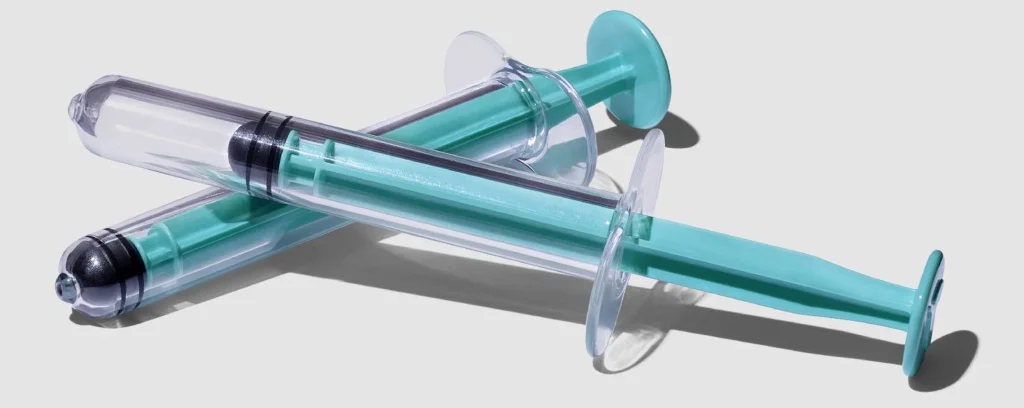
    Two transparent syringes with teal accents positioned diagonally on a light gray background.

    The Ultimate Guide to Using a Conception Aid Syringe Kit

    Step 3: Load the Syringe

    Using the syringe provided in the kit, pull back the plunger to the desired amount (usually 1-2 ml). Then carefully insert the syringe into the sperm sample and slowly push the plunger to collect the sperm.

    Step 4: Prepare the Soft Cup

    The soft cup provided in the kit is used to deposit the sperm into the uterus. Before use, make sure to fold the cup in half to make it easier to insert into the vagina.

    Step 5: Insert the Soft Cup

    Using your fingers, gently insert the folded soft cup into the vagina as far back as possible. Once inserted, release the cup and let it unfold.

    Step 6: Insert the Sperm

    Take the loaded syringe and carefully insert it into the soft cup, depositing the sperm into the cup.

    Step 7: Remove the Soft Cup

    After the sperm has been inserted, leave the soft cup in place for about 10-15 minutes. This allows the sperm to travel towards the uterus. After the time has passed, remove the soft cup and discard it.

    Step 8: Rest

    It is recommended to lay down and rest for about 30 minutes after using the conception aid syringe kit. This will allow the sperm to have a better chance of reaching the egg.

    Tips for Using a Conception Aid Syringe Kit

    – Make sure to follow the instructions provided in the kit carefully.
    – Use the kit during your ovulation window for the best chance of conceiving.
    – It is recommended to use the kit in combination with other fertility methods, such as tracking ovulation and maintaining a healthy lifestyle.
    – If you have any concerns or questions, consult with your doctor before using the kit.

    In conclusion, using a conception aid syringe kit can be a simple and effective way to increase your chances of conceiving. By following the steps and tips provided in this guide, you can easily incorporate it into your fertility journey. Remember to stay positive and keep trying, and eventually, your dream of becoming a parent will come true.

    Summary:

    A conception aid syringe kit is a tool designed to assist couples in conceiving. It works by placing the sperm closer to the cervix and into the uterus, increasing the chances of fertilization. This kit is non-invasive, cost-effective, and can be used at home. To use it, follow the steps of preparing the kit, collecting the sperm, loading the syringe, inserting the soft cup, depositing the sperm, and resting. Tips for using the kit include following instructions carefully, using it during ovulation, and combining it with other fertility methods. With this comprehensive guide, you can easily incorporate the conception aid syringe kit into your journey towards parenthood.

  • Maximize Your Chances of Conception with a Syringe Kit

    Blog Post: Maximize Your Chances of Conception with a Syringe Kit

    Are you and your partner struggling to conceive? If so, you are not alone. Many couples face challenges when trying to start a family, but there are solutions available. One option that has gained popularity in recent years is using a syringe kit for conception. In this blog post, we will explore what a syringe kit is, how it can increase your chances of conception, and how to use it effectively.

    What is a Syringe Kit?

    A syringe kit, also known as a cervical cap insemination kit, is a simple and inexpensive tool that can be used at home to aid in the process of conception. It typically includes a syringe, a cervical cap, and sometimes a sperm-friendly lubricant. The syringe is used to collect semen from the male partner, which is then carefully inserted into the cervical cap. The cap is then placed over the cervix to allow the sperm to be deposited as close to the uterus as possible.

    How Can a Syringe Kit Increase Your Chances of Conception?

    There are several ways in which a syringe kit can maximize your chances of conception:

    1. Increases Sperm Count: Using a syringe to collect and deposit the sperm directly into the cervix can increase the amount of sperm that reaches the uterus. This can be especially helpful for men with low sperm count.

    2. Allows for Timing of Ovulation: The use of a syringe kit allows for more precise timing of ovulation. By tracking your ovulation cycle, you can use the kit to deposit the sperm at the optimal time for conception.

    3. Reduces the Risk of Sperm Leakage: When using the traditional method of intercourse, some of the sperm may leak out of the vagina, decreasing the chances of conception. With a syringe kit, the sperm is directly deposited into the cervix, reducing the risk of leakage.

    4. Increases Sperm Survival Rate: The sperm-friendly lubricant that comes with some syringe kits can help increase the survival rate of the sperm. This is especially beneficial for couples who may have issues with sperm quality.

    5. Overcomes Fertility Obstacles: For couples who may have fertility obstacles, such as blocked fallopian tubes or hostile cervical mucus, a syringe kit can be a helpful alternative to traditional methods of conception.

    various medical supplies and containers organized in a clear plastic box on a wooden surface

    Maximize Your Chances of Conception with a Syringe Kit

    How to Use a Syringe Kit Effectively

    To ensure the best chances of conception, it is important to use a syringe kit correctly. Here are some tips to help you use the kit effectively:

    1. Familiarize Yourself with the Kit: Before using the kit, it is essential to read the instructions carefully and familiarize yourself with the components. This will ensure that you use the kit correctly and safely.

    2. Collect Semen in the Syringe: The male partner should ejaculate into the syringe and then slowly pull back on the plunger to collect the semen.

    3. Prepare the Cervical Cap: The cervical cap should be placed onto the syringe, and the plunger should be pushed to expel any air from the syringe.

    4. Insert the Cervical Cap: The cervical cap should be inserted into the vagina, and the syringe should be used to deposit the sperm into the cap.

    5. Place the Cervical Cap: The cervical cap should be placed over the cervix, ensuring that it is secure and snug. It is recommended to lie down for at least 30 minutes after the cap is in place to allow the sperm to reach the uterus.

    6. Repeat if Necessary: For couples who want to increase their chances of conception, it is recommended to repeat the process for a few days leading up to and during ovulation.

    In conclusion, using a syringe kit can be a simple and effective way to maximize your chances of conception. By increasing sperm count, allowing for precise timing of ovulation, reducing the risk of sperm leakage, and overcoming fertility obstacles, a syringe kit can be a helpful tool for couples trying to start a family. As with any fertility method, it is essential to consult with a doctor and discuss any concerns or questions before using a syringe kit.

    Summary:

    Maximizing your chances of conception can be a challenging and emotional journey for many couples. However, using a syringe kit, also known as a cervical cap insemination kit, can increase your chances of starting a family. This simple and inexpensive tool allows for more precise timing of ovulation, increases sperm count, reduces the risk of sperm leakage, and can help overcome fertility obstacles. By following the instructions and using the kit correctly, you can effectively use a syringe kit to maximize your chances of conceiving.