Tag: cervical mucus

  • The Impact of Stress on Cervical Mucus and Your Menstrual Cycle

    Blog Post:

    Cervical mucus, also known as cervical fluid, plays a crucial role in a woman’s menstrual cycle. It serves as a protective barrier for the reproductive system and helps in the transportation of sperm to the egg for fertilization. However, many factors can affect the quality and quantity of cervical mucus, including stress. In this blog post, we will explore the impact of stress on cervical mucus and how it can affect your menstrual cycle.

    What is Stress?

    Stress is a natural response of the body to any demand or challenge. It can be caused by various factors, including work, relationships, financial problems, or any other source of pressure. When we experience stress, our body releases stress hormones, such as cortisol and adrenaline, which prepare us for a fight or flight response. This response can be beneficial in short-term situations, but chronic stress can have adverse effects on our health, including our menstrual cycle.

    The Connection Between Stress and Cervical Mucus

    The quality and quantity of cervical mucus are controlled by the hormone estrogen, which is also responsible for regulating the menstrual cycle. When we are stressed, our body produces cortisol, which inhibits the production of estrogen. As a result, the cervical mucus becomes thicker, stickier, and less abundant. This change in the cervical mucus can make it difficult for sperm to reach the egg, leading to problems with fertility.

    Moreover, stress can also affect the pH balance of the vagina, making it more acidic. This acidic environment is not conducive for sperm survival and can further decrease the chances of fertilization. Additionally, stress can also cause inflammation in the reproductive system, leading to a decrease in the production of cervical mucus.

    Impact of Stress on Menstrual Cycle

    Stress can also have a direct impact on the length and regularity of your menstrual cycle. As mentioned earlier, stress can disrupt the production of estrogen, which is essential for regulating the menstrual cycle. When there is a decrease in estrogen levels, the menstrual cycle can become irregular, causing changes in the length of the cycle. This can lead to longer or shorter cycles, and in some cases, missed periods.

    Moreover, stress can also affect ovulation, which is necessary for pregnancy. When we are stressed, our body prioritizes survival over reproduction, and the release of the egg can be delayed or even halted. This delay in ovulation can lead to a delayed or missed period. In some cases, stress can also cause anovulation, where the ovary fails to release an egg, leading to infertility.

    at-home insemination kit with syringes, collection cups, and instructions on a pink background

    The Impact of Stress on Cervical Mucus and Your Menstrual Cycle

    How to Manage Stress for a Healthy Menstrual Cycle

    Now that we know the impact of stress on cervical mucus and the menstrual cycle let’s discuss ways to manage stress for a healthy reproductive system.

    1. Exercise: Regular physical activity can help reduce stress levels and promote the release of feel-good hormones, such as endorphins. It can also improve blood flow to the reproductive organs, promoting a healthy menstrual cycle.

    2. Practice Relaxation Techniques: Activities like yoga, meditation, and deep breathing can help relax the mind and body, reducing stress levels. These techniques also promote better sleep, which is essential for a healthy menstrual cycle.

    3. Eat a Balanced Diet: A diet rich in whole grains, fruits, vegetables, and lean proteins can help reduce stress levels and promote hormonal balance. Avoiding processed and sugary foods can also help in managing stress.

    4. Seek Support: Talking to a trusted friend, family member, or therapist can help in managing stress. It can also provide a sense of relief and comfort, reducing the impact of stress on the body.

    5. Prioritize Self-Care: Taking care of oneself is crucial in managing stress. Engage in activities that bring joy and relaxation, such as reading, listening to music, or taking a soothing bath.

    In conclusion, stress can have a significant impact on cervical mucus and the menstrual cycle. It can cause changes in the quality and quantity of cervical mucus, affect ovulation, and disrupt the regularity of the menstrual cycle. By managing stress through healthy lifestyle habits and seeking support when needed, we can promote a healthy reproductive system and a regular menstrual cycle.

    Summary:

    Stress has a significant impact on cervical mucus and the menstrual cycle. It can cause changes in the quality and quantity of cervical mucus, affect ovulation, and disrupt the regularity of the cycle. Stress hormones can inhibit the production of estrogen, leading to thicker and stickier cervical mucus, and can also cause inflammation in the reproductive system. This can result in delayed or missed periods, and in some cases, infertility. To manage stress and promote a healthy menstrual cycle, one can engage in regular exercise, practice relaxation techniques, eat a balanced diet, seek support, and prioritize self-care.


  • How to Use Cervical Mucus Changes to Plan or Avoid Pregnancy

    Blog Post:

    Cervical mucus, also known as cervical fluid, plays a crucial role in a woman’s reproductive cycle. It is the fluid produced by the cervix that helps sperm travel to the egg for fertilization. However, did you know that the consistency and quality of your cervical mucus can also be used to plan or avoid pregnancy? In this blog post, we will discuss how you can use cervical mucus changes to plan or avoid pregnancy.

    Understanding Cervical Mucus Changes:

    Before we dive into how to use cervical mucus changes, it is essential to understand the different types of cervical mucus and what they mean. Generally, there are four types of cervical mucus: dry, sticky, creamy, and egg white. Dry mucus is thick and pasty and does not allow sperm to pass through. Sticky mucus is thicker than egg white mucus and can trap sperm, preventing them from reaching the egg. Creamy mucus is thicker than egg white mucus but is more conducive to sperm survival. Egg white mucus is the most fertile type of mucus, and it resembles raw egg whites, making it easier for sperm to swim through to reach the egg.

    Using Cervical Mucus Changes to Plan Pregnancy:

    If you are trying to conceive, monitoring your cervical mucus changes can be an effective tool in determining your most fertile days. As mentioned earlier, egg white mucus is the most fertile type of mucus and indicates that you are ovulating or about to ovulate. Therefore, tracking when you have egg white mucus can help you pinpoint your most fertile days and increase your chances of conception.

    To use cervical mucus changes to plan pregnancy, you will need to track your mucus daily. The best way to do this is by checking your underwear or inserting a clean finger into your vagina to collect a sample of mucus. You can then observe the consistency and stretchiness of the mucus between your fingers. It is essential to note that every woman’s cervical mucus patterns are unique, so it may take a few cycles to understand your body’s patterns fully.

    logo featuring a pink heart above two teal leaves on a blue circular background

    How to Use Cervical Mucus Changes to Plan or Avoid Pregnancy

    Once you have identified your most fertile days based on your cervical mucus changes, you can plan to have intercourse during that time to increase your chances of getting pregnant. It is also essential to keep in mind that sperm can survive in the reproductive tract for up to five days, so having intercourse a few days before ovulation can still result in pregnancy.

    Using Cervical Mucus Changes to Avoid Pregnancy:

    On the other hand, if you are trying to avoid pregnancy, monitoring your cervical mucus changes can also be a useful tool. As mentioned earlier, dry and sticky mucus are not conducive to sperm survival, so having intercourse during those days is less likely to result in pregnancy. It is also important to note that sperm can only survive for up to five days in a woman’s reproductive tract, so having intercourse a few days before ovulation can still lead to pregnancy.

    To use cervical mucus changes to avoid pregnancy, it is crucial to track your mucus daily and avoid intercourse during your most fertile days. It is also advisable to use another form of birth control, such as condoms, during this time to ensure maximum effectiveness.

    Other Factors to Consider:

    While cervical mucus changes can be a helpful tool in planning or avoiding pregnancy, it is essential to keep in mind that other factors can affect your cervical mucus. These factors include hormonal birth control, certain medications, infections, stress, and dehydration. Therefore, it is crucial to track your mucus consistently and look for any changes or abnormalities that may indicate underlying issues.

    In addition, it is also essential to remember that tracking your cervical mucus changes should not be the only method of birth control. It is always best to use multiple methods to ensure maximum effectiveness and prevent unwanted pregnancies.

    In summary, tracking your cervical mucus changes can be a useful tool in planning or avoiding pregnancy. Understanding the different types of mucus and their meanings can help you determine your most fertile days and increase your chances of conceiving. However, it is essential to keep in mind that other factors can affect your cervical mucus, and using it as the only method of birth control is not recommended.

  • Understanding Cervical Mucus: A Key to Unlocking Your Fertility

    Understanding Cervical Mucus: A Key to Unlocking Your Fertility

    Cervical mucus, also known as cervical fluid, is a sticky, gel-like substance produced by the cervix. It plays a crucial role in fertility and can provide valuable insights into a woman’s reproductive health. By understanding cervical mucus and how it changes throughout a woman’s menstrual cycle, she can better understand her body and increase her chances of conception.

    The Importance of Cervical Mucus

    Cervical mucus is essential for fertility because it helps to protect and nourish sperm as it travels through the female reproductive system. Without cervical mucus, sperm would not be able to survive long enough to fertilize an egg. Additionally, the consistency and volume of cervical mucus can indicate when a woman is most fertile, allowing her to time intercourse for optimal chances of conception.

    Understanding the Menstrual Cycle

    In order to understand cervical mucus and its role in fertility, it’s important to have a basic understanding of the menstrual cycle. The menstrual cycle is controlled by hormones and typically lasts around 28 days. It can be divided into three phases: the follicular phase, ovulation, and the luteal phase.

    During the follicular phase, the body prepares for ovulation by producing estrogen, which causes the lining of the uterus to thicken. As ovulation approaches, cervical mucus production increases. This is the most fertile time of the cycle, as the body is preparing for potential fertilization. After ovulation, the body produces progesterone, which causes the cervical mucus to become thick and sticky, acting as a barrier to sperm.

    The Role of Cervical Mucus

    Cervical mucus plays a crucial role in fertility by providing a hospitable environment for sperm to survive and travel. It also acts as a guide, helping sperm to reach the egg by providing a clear pathway. Without cervical mucus, sperm would have a difficult time reaching the egg, reducing the chances of conception.

    mosie baby logo featuring a heart and leaves in blue, pink, and green colors.

    Understanding Cervical Mucus: A Key to Unlocking Your Fertility

    Cervical Mucus and Fertility

    Tracking cervical mucus can provide valuable insights into a woman’s fertility. By paying attention to changes in cervical mucus throughout the menstrual cycle, a woman can identify her most fertile days. As ovulation approaches, cervical mucus becomes thinner, clearer, and more stretchy, resembling the consistency of egg whites. This type of cervical mucus, known as fertile mucus, is the best environment for sperm to travel through.

    Using Cervical Mucus to Predict Ovulation

    Cervical mucus can also help to predict when ovulation will occur. As mentioned earlier, fertile mucus is a sign that ovulation is approaching. By tracking changes in cervical mucus, a woman can identify her most fertile days and time intercourse accordingly. This can be especially helpful for couples trying to conceive, as it can increase the chances of fertilization.

    Abnormal Cervical Mucus

    Changes in cervical mucus can also indicate potential fertility issues. For example, women with low levels of estrogen may produce very little cervical mucus, making it difficult for sperm to survive and reach the egg. Additionally, certain medications, hormonal imbalances, and underlying health conditions can affect cervical mucus production and consistency.

    In some cases, abnormal cervical mucus may also be a sign of an underlying fertility issue. For example, women with polycystic ovary syndrome (PCOS) may produce thick, sticky cervical mucus due to hormonal imbalances. Women with endometriosis may also experience changes in cervical mucus due to inflammation and scarring in the reproductive system.

    Consulting a healthcare provider can help to identify any potential issues and determine the best course of treatment.

    In summary, cervical mucus is a key factor in fertility and can provide valuable insights into a woman’s reproductive health. By understanding the menstrual cycle and tracking changes in cervical mucus, women can increase their chances of conception and identify potential fertility issues. Consultation with a healthcare provider is recommended for any concerns or questions regarding cervical mucus and fertility.

  • Cervical Mucus and Menstrual Health: What Your Body is Trying to Tell You

    Blog Post:

    Cervical mucus and menstrual health are important indicators of a woman’s overall reproductive health. While they may not be topics that are often discussed openly, understanding the changes in your cervical mucus and menstrual cycle can provide valuable insight into your body’s functions and any potential issues that may need to be addressed. In this blog post, we will delve into the various types of cervical mucus, what they can tell you about your menstrual health, and how to track and interpret these changes to better understand your body.

    Cervical mucus is a fluid produced by the cervix, the lower part of the uterus that connects to the vagina. The consistency, color, and amount of cervical mucus can vary throughout a woman’s menstrual cycle and can be influenced by hormones, diet, and overall health. In general, cervical mucus serves to protect and nourish sperm, making it easier for them to reach and fertilize an egg.

    One of the most common types of cervical mucus is called “egg white mucus” or “fertile mucus.” This type of mucus is thin, stretchy, and clear, resembling raw egg whites. It is typically produced around the time of ovulation and is a sign that a woman is at her most fertile. This type of mucus helps sperm to survive and travel through the cervix to reach the egg, increasing the chances of fertilization.

    On the other hand, if a woman is not ovulating, her cervical mucus may be thicker and more sticky, creating a barrier that makes it difficult for sperm to reach the egg. This type of mucus is commonly referred to as “non-fertile mucus” and is usually present during the first phase of the menstrual cycle, known as the follicular phase.

    Two transparent syringes with teal accents positioned diagonally on a light gray background.

    Cervical Mucus and Menstrual Health: What Your Body is Trying to Tell You

    Another type of cervical mucus that can indicate potential issues is “yellow or green mucus.” This type of mucus can be a sign of infection, such as a yeast infection or bacterial vaginosis. It is important to consult with a doctor if you notice any changes in the color or smell of your cervical mucus, as it could be a sign of an underlying health issue that needs to be addressed.

    In addition to tracking changes in cervical mucus, paying attention to your menstrual cycle can also provide valuable information about your reproductive health. The average menstrual cycle is 28 days long, but it can vary from person to person. The timing and duration of your menstrual cycle, as well as the amount of blood flow, can be indicators of potential issues.

    A healthy menstrual cycle typically starts with a few days of light bleeding, followed by several days of heavier flow, and ends with a few days of light bleeding. If your cycle is consistently shorter or longer than 28 days, or if you experience very heavy or very light flow, it could be a sign of hormonal imbalances or other health conditions.

    Paying attention to changes in your menstrual cycle and cervical mucus can also be helpful in predicting ovulation and fertility. By tracking these changes, you can identify your most fertile days and increase your chances of conceiving if you are trying to get pregnant. On the other hand, if you are not trying to conceive, tracking your menstrual cycle can also help you to identify potential issues, such as irregular or absent periods, which could be a sign of polycystic ovary syndrome (PCOS) or other conditions.

    In conclusion, cervical mucus and menstrual health are important indicators of a woman’s reproductive health. Changes in the consistency, color, and amount of cervical mucus can provide valuable information about ovulation and fertility, while tracking your menstrual cycle can help to identify potential issues and hormonal imbalances. It is essential to pay attention to these changes and consult with a healthcare provider if you notice any irregularities, as they could be a sign of an underlying health issue that needs to be addressed.

    In summary, understanding your body’s cervical mucus and menstrual cycle can provide valuable insights into your reproductive health. Changes in these areas can indicate potential issues and tracking them can help identify ovulation and fertility patterns. It is important to consult with a healthcare provider if you notice any irregularities, as they could be a sign of an underlying health issue.

  • The Evolution of Cervical Mucus: How It Changes as You Age

    The Evolution of Cervical Mucus: How It Changes as You Age

    Cervical mucus, also known as cervical fluid, is a vital part of a woman’s reproductive system. It plays a crucial role in fertility, as it helps sperm to travel through the cervix and into the uterus towards the egg. But what many women may not know is that cervical mucus changes in consistency and appearance as they age. In this blog post, we will explore the evolution of cervical mucus and how it changes throughout a woman’s life.

    Puberty and Adolescence

    The journey of cervical mucus begins during puberty, when a girl’s body starts to produce hormones that prepare her for fertility. During this stage, cervical mucus is typically thick, sticky, and may have a milky or cloudy appearance. This type of mucus helps to protect the cervix from bacteria and other harmful substances.

    As a girl enters adolescence, her cervical mucus continues to change. This is when the body starts to produce estrogen, which helps to thicken the cervical mucus. The mucus also becomes more elastic and stretchy, resembling the consistency of egg whites. This type of mucus is known as “fertile mucus” and is a sign that ovulation is approaching.

    Reproductive Years

    Once a woman reaches her reproductive years, her cervical mucus continues to change in response to her menstrual cycle. Before ovulation, the cervix produces more estrogen, causing the mucus to become even more stretchy and transparent. This type of mucus is ideal for sperm to travel through and helps to nourish and protect them on their journey to the egg.

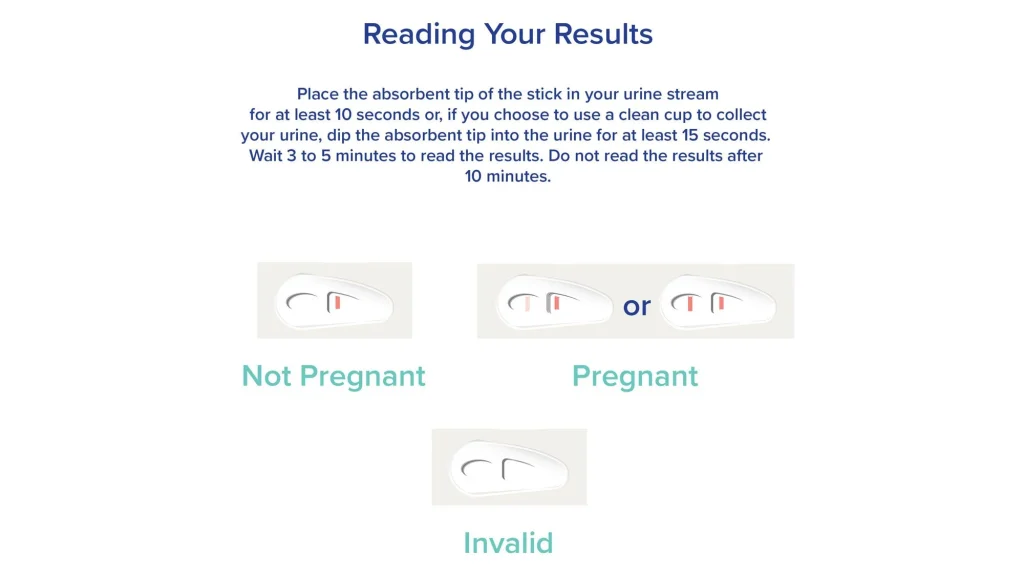
    Instructions for reading pregnancy test results with visual indicators for "Not Pregnant," "Pregnant," and "Invalid.

    The Evolution of Cervical Mucus: How It Changes as You Age

    During ovulation, cervical mucus is at its peak in terms of quantity and quality. It is clear, slippery, and has a consistency similar to raw egg whites. This type of mucus is designed to provide an optimal environment for sperm to swim through and reach the egg. It also helps to filter out weaker sperm, ensuring that only the strongest ones can make it to the egg.

    After ovulation, cervical mucus starts to change again. The body produces less estrogen and more progesterone, causing the mucus to become thicker and stickier. This type of mucus is known as “infertile mucus” as it creates a barrier that makes it difficult for sperm to travel through. This helps to prevent pregnancy from occurring during this time.

    Perimenopause and Menopause

    As a woman enters her late 30s and early 40s, her body starts to produce less estrogen, which can have an impact on cervical mucus. This can lead to a decrease in the amount of fertile mucus produced, making it more difficult for sperm to reach the egg. As a result, this may make it more challenging for women to get pregnant naturally during this stage.

    During perimenopause, which typically occurs in a woman’s late 40s, cervical mucus continues to change. Estrogen levels fluctuate, causing the mucus to become inconsistent in its appearance and quantity. Some women may experience dryness, while others may have an increase in discharge. This stage can last for several years until menopause, which marks the end of a woman’s reproductive years.

    Summary:

    Cervical mucus plays a crucial role in fertility and changes throughout a woman’s life. During puberty and adolescence, it is thick and sticky, protecting the cervix. In the reproductive years, it becomes more stretchy and transparent, aiding sperm in their journey to the egg. After ovulation, it becomes thicker and less conducive to sperm, preventing pregnancy. During perimenopause and menopause, it becomes more inconsistent and can impact fertility. Understanding these changes can help women track their fertility and plan for pregnancy.

  • Optimizing Your Chances of Pregnancy: Using Cervical Mucus as a Tool

    Optimizing Your Chances of Pregnancy: Using Cervical Mucus as a Tool

    Pregnancy is a beautiful and life-changing journey for many women. However, for some, it can be a challenging and frustrating experience, especially if they have been trying to conceive for a long time. While there are many factors that can affect fertility, one that is often overlooked is cervical mucus. Cervical mucus plays a crucial role in the fertilization process and can greatly impact a woman’s chances of getting pregnant. In this blog post, we will discuss how you can optimize your chances of pregnancy by using cervical mucus as a tool.

    What is Cervical Mucus?

    Cervical mucus is a fluid produced by the cervix, the narrow passage between the uterus and the vagina. It is a vital component of the female reproductive system and plays a crucial role in the fertilization process. The consistency and quantity of cervical mucus change throughout a woman’s menstrual cycle, and these changes can provide valuable information about her fertility.

    The Role of Cervical Mucus in Fertility

    Cervical mucus plays a crucial role in fertility by creating a conducive environment for sperm to survive and reach the egg. During ovulation, the cervix produces a type of mucus that is thin, watery, and stretchy, often compared to the consistency of egg whites. This type of cervical mucus, also known as fertile mucus, is designed to help the sperm swim through the cervix and survive in the vagina for up to five days. It also helps to nourish and protect the sperm, increasing their chances of fertilizing the egg.

    On the other hand, outside of ovulation, cervical mucus is thicker, stickier, and more acidic, making it difficult for sperm to survive. This is nature’s way of preventing sperm from reaching the egg when there is no possibility of fertilization.

    Using Cervical Mucus to Predict Ovulation

    The consistency and quantity of cervical mucus can be used as a tool to predict ovulation. By tracking your cervical mucus, you can determine the most fertile days of your menstrual cycle, which can greatly increase your chances of getting pregnant.

    Informative card introducing the Mosie Baby Kit and its mission for at-home insemination.

    Optimizing Your Chances of Pregnancy: Using Cervical Mucus as a Tool

    The first step in tracking cervical mucus is to become familiar with your body and its natural rhythms. Start by checking your cervical mucus every day, preferably at the same time. You can do this by wiping the opening of your vagina with a clean tissue or using your fingers to check the consistency and quantity of mucus.

    As you track your cervical mucus, you will notice changes in its consistency and quantity. The key is to look for mucus that is thin, watery, and stretchy, similar to the consistency of egg whites. This is a sign that your body is preparing for ovulation, and it is the best time to try to conceive. You may also notice that your cervical mucus becomes more abundant and slippery during this time.

    Optimizing Your Chances of Pregnancy with Cervical Mucus

    Now that you understand the role of cervical mucus in fertility and how to track it, let’s look at some tips for optimizing your chances of pregnancy using this valuable tool:

    1. Have sex during your most fertile days: As mentioned earlier, fertile cervical mucus indicates the best time to try to conceive. Therefore, make sure to have intercourse during this time to increase your chances of pregnancy.

    2. Use fertility-friendly lubricants: Some lubricants can affect the quality and quantity of cervical mucus, making it difficult for sperm to survive. Instead, opt for fertility-friendly lubricants that mimic the consistency of fertile cervical mucus and provide a nourishing environment for sperm.

    3. Stay hydrated: Drinking plenty of water can help to thin out cervical mucus and make it easier for sperm to swim through. Aim to drink at least eight glasses of water per day.

    4. Avoid certain foods: Some foods, such as caffeine, alcohol, and processed foods, can disrupt hormonal balance, affecting the quality of cervical mucus. Limit your intake of these foods and opt for a healthy, balanced diet to optimize your chances of getting pregnant.

    5. Consider using an ovulation predictor kit: If you have irregular cycles or find it challenging to track your cervical mucus, consider using an ovulation predictor kit. These kits can help you pinpoint your most fertile days by detecting the surge in luteinizing hormone (LH) that occurs just before ovulation.

    In conclusion, optimizing your chances of pregnancy using cervical mucus as a tool is a simple and effective method. By tracking your cervical mucus and making small lifestyle changes, you can greatly increase your chances of getting pregnant. Remember to be patient, as it may take a few cycles to get familiar with your body and its natural rhythms. But with perseverance and the right knowledge, you can make cervical mucus your ally in your journey towards motherhood.

  • Exploring the Link Between Cervical Mucus and Female Hormones

    Exploring the Link Between Cervical Mucus and Female Hormones

    Cervical mucus, also known as cervical fluid, is a natural secretion from the cervix that plays a crucial role in a woman’s reproductive health. Not only does it help protect and nourish sperm, but it also provides important clues about a woman’s fertility and overall health. In this blog post, we will dive into the link between cervical mucus and female hormones, and how understanding this connection can help women better understand their bodies.

    Understanding Cervical Mucus

    Before we delve into the link between cervical mucus and hormones, it is important to have a basic understanding of what cervical mucus is and its functions. Cervical mucus is a fluid secreted by the cervix, the narrow passage at the lower end of the uterus. The consistency, color, and amount of cervical mucus can change throughout a woman’s menstrual cycle, and these changes are influenced by hormones.

    The primary function of cervical mucus is to provide a hospitable environment for sperm to survive and swim towards the egg for fertilization. It also acts as a barrier, protecting the reproductive organs from harmful bacteria and other substances. Additionally, cervical mucus can indicate a woman’s fertility and help predict ovulation.

    Hormonal Influence on Cervical Mucus

    Hormones play a crucial role in regulating the production and quality of cervical mucus. The two main hormones involved in this process are estrogen and progesterone.

    Estrogen is responsible for stimulating the production of cervical mucus. As estrogen levels rise during the first half of the menstrual cycle, the cervix produces more mucus, and it becomes thin, clear, and stretchy. This type of mucus, commonly referred to as “fertile mucus,” is ideal for sperm to survive and swim through to reach the egg.

    As ovulation approaches, estrogen levels reach their peak, causing a sudden surge in the production of fertile mucus. This is known as the “peak day” of fertility, and it is the most fertile time of a woman’s cycle. After ovulation, estrogen levels drop, and cervical mucus becomes thicker and less hospitable to sperm.

    At-home insemination kit with ovulation and pregnancy tests, promoting fertility and family planning.

    Exploring the Link Between Cervical Mucus and Female Hormones

    After ovulation, progesterone takes over as the dominant hormone. It causes cervical mucus to become thicker and stickier, forming a barrier that prevents sperm from entering the uterus. This type of mucus is commonly referred to as “infertile mucus.”

    Understanding the changes in cervical mucus throughout the menstrual cycle can help women identify their most fertile days and increase their chances of conception. Additionally, monitoring changes in cervical mucus can also provide important insights into a woman’s overall reproductive health.

    Cervical Mucus and Ovulation Prediction

    As mentioned earlier, cervical mucus can also help predict ovulation, which is essential for women trying to conceive or avoiding pregnancy. By tracking changes in cervical mucus, women can identify their most fertile days and plan intercourse accordingly.

    One way to monitor cervical mucus is through the use of the Billings Ovulation Method, a natural family planning method that relies on the observation of cervical mucus to determine fertility. Women can also use ovulation predictor kits, which measure the levels of luteinizing hormone (LH) in urine to predict ovulation. LH levels typically surge 24-36 hours before ovulation, and this surge can be detected through a change in cervical mucus.

    Cervical Mucus and Reproductive Health

    Changes in cervical mucus can also indicate potential issues with a woman’s reproductive health. For example, a lack of fertile mucus during ovulation can be a sign of hormonal imbalances or issues with ovulation. Similarly, certain types of cervical mucus, such as thick, clumpy, or discolored mucus, can indicate infections or other underlying health conditions that may affect fertility.

    Women should pay attention to any changes in their cervical mucus and consult a healthcare provider if they notice anything abnormal or concerning. Regularly tracking changes in cervical mucus can also help healthcare providers identify potential issues and provide appropriate treatment.

    In summary, cervical mucus and hormones have a strong and interconnected relationship. Changes in hormone levels throughout the menstrual cycle directly impact the production and quality of cervical mucus, which in turn plays a crucial role in a woman’s fertility and reproductive health. By understanding this link and monitoring changes in cervical mucus, women can gain valuable insights into their bodies and take control of their reproductive health.

  • Surprising Facts About Cervical Mucus You Probably Didn’t Know

    Summary:

    Cervical mucus, also known as cervical fluid, is a natural substance produced by the cervix that plays a crucial role in a woman’s reproductive health. While many women may be familiar with cervical mucus as a sign of fertility and ovulation, there are many surprising and lesser-known facts about this substance. In this blog post, we will explore some of the most interesting and unexpected facts about cervical mucus that you probably didn’t know.

    Firstly, cervical mucus is not just a simple discharge. It is a complex and dynamic substance that changes in consistency, color, and volume throughout a woman’s menstrual cycle. It is produced by the cervix in response to hormonal changes and serves multiple purposes, including protecting and nourishing sperm, aiding in the transport of sperm to the egg, and providing a protective barrier against bacteria and other foreign particles.

    Another surprising fact about cervical mucus is that it can act as a natural fertility indicator. By observing changes in the consistency and color of cervical mucus, women can track their fertile window and increase their chances of conception. This method, known as the cervical mucus method, is a natural and effective way to track ovulation without the use of ovulation predictor kits or fertility apps.

    Moreover, the characteristics of cervical mucus can also indicate underlying health issues. For example, changes in cervical mucus consistency or color can be a sign of hormonal imbalances, infections, or other gynecological conditions. By paying attention to these changes, women can identify potential health concerns and seek medical advice.

    blue box with "mosie" logo, syringes, and informational pamphlet on a pink background

    Surprising Facts About Cervical Mucus You Probably Didn't Know

    The amount and quality of cervical mucus can also be affected by various external factors, such as stress, diet, and medications. Stress can lead to a decrease in cervical mucus production, while a nutrient-rich diet can help maintain healthy cervical mucus. Additionally, certain medications, such as antihistamines and decongestants, can dry out cervical mucus, making it difficult for sperm to survive and reach the egg.

    Furthermore, cervical mucus plays a critical role in pregnancy. After fertilization, cervical mucus forms a thick plug to seal off the cervix, preventing bacteria and other harmful substances from entering the uterus and potentially harming the developing embryo. This plug also helps to maintain a healthy environment for the growing baby and protects it from infections.

    Another interesting fact is that cervical mucus can also impact sexual pleasure. The presence of cervical mucus can increase sensitivity and lubrication during sexual intercourse, making it more enjoyable for both partners. Moreover, the consistency of cervical mucus can also play a role in the effectiveness of barrier methods of contraception, such as condoms and diaphragms. Thinner and more slippery cervical mucus can make these methods less effective in preventing pregnancy.

    Finally, cervical mucus can vary greatly from woman to woman. Some women may produce a small amount of thick and sticky cervical mucus, while others may have large amounts of thin and stretchy mucus. While the characteristics of cervical mucus can provide valuable information about a woman’s reproductive health, it is essential to remember that every woman’s body is unique, and there is no “normal” or “ideal” cervical mucus.

    In conclusion, cervical mucus is a fascinating and essential substance that plays a crucial role in a woman’s reproductive health. From aiding in fertility and pregnancy to indicating potential health issues, cervical mucus is much more than just a discharge. By understanding the various aspects of cervical mucus, women can gain valuable insights into their bodies and make informed decisions about their reproductive health.

  • Cervical Mucus and Birth Control: Understanding the Connection

    Blog Post Title: Cervical Mucus and Birth Control: Understanding the Connection

    Cervical mucus may not be a topic that comes up in everyday conversation, but it plays a crucial role in a woman’s reproductive health. The quality and consistency of cervical mucus can provide valuable insights into a woman’s fertility and menstrual cycle. Additionally, understanding the connection between cervical mucus and birth control can help women make informed decisions about their contraception options. In this blog post, we will delve into the details of cervical mucus and its relationship with birth control.

    What is Cervical Mucus?

    Cervical mucus is a fluid secreted by the cervix, the lower part of the uterus. It is a natural lubricant that helps to protect and nourish sperm as it travels through the female reproductive system. The quality and quantity of cervical mucus change throughout a woman’s menstrual cycle due to hormonal fluctuations.

    Understanding the Menstrual Cycle

    Before we dive into the connection between cervical mucus and birth control, it’s essential to understand the basics of the menstrual cycle. On average, a woman’s menstrual cycle lasts for 28 days, but it can vary from person to person. During this time, the female body goes through hormonal changes that prepare the uterus for a potential pregnancy. These changes are regulated by two main hormones, estrogen and progesterone.

    The first phase of the menstrual cycle is the follicular phase, which starts on the first day of a woman’s period. During this phase, the hormone estrogen begins to rise, stimulating the ovaries to produce follicles. These follicles contain eggs that will potentially be released during ovulation.

    The second phase is the ovulatory phase, which usually occurs around day 14 of the menstrual cycle. This is when the follicle bursts, releasing the mature egg into the fallopian tube, where it can be fertilized by sperm.

    hand holding a pregnancy test with instructions on a colorful background

    Cervical Mucus and Birth Control: Understanding the Connection

    The third phase is the luteal phase, which begins after ovulation and lasts until the start of the next period. During this phase, the hormone progesterone increases, thickening the lining of the uterus in preparation for a potential pregnancy.

    The Connection Between Cervical Mucus and Birth Control

    Now that we have a basic understanding of the menstrual cycle, let’s explore the relationship between cervical mucus and birth control. Different forms of birth control work in various ways to prevent pregnancy. For example, hormonal birth control methods such as birth control pills, patches, and shots contain synthetic versions of estrogen and progesterone, which prevent ovulation. Without ovulation, there is no egg for sperm to fertilize, and thus pregnancy is avoided.

    Another form of birth control is the barrier method, such as condoms, which physically block sperm from reaching the egg. These methods do not affect ovulation, but they can have an impact on cervical mucus. For example, spermicidal lubricants used with condoms can cause changes in cervical mucus, making it difficult for sperm to travel through the reproductive system.

    Tracking Cervical Mucus for Fertility Awareness

    For women who are not using any form of birth control, tracking cervical mucus can be a useful tool for fertility awareness. As mentioned earlier, cervical mucus changes throughout the menstrual cycle due to hormonal fluctuations. In the days leading up to ovulation, estrogen levels rise, causing cervical mucus to become thinner, clearer, and more stretchy. This type of mucus is known as “fertile” mucus and is ideal for sperm to travel through. After ovulation, progesterone levels increase, causing cervical mucus to become thicker and stickier, making it difficult for sperm to survive. This type of mucus is known as “infertile” mucus.

    By tracking the changes in cervical mucus, women can identify their fertile window, the days in their cycle when there is the highest chance of getting pregnant. This information can be helpful for couples trying to conceive or for women who want to avoid pregnancy without using hormonal birth control.

    Conclusion

    Cervical mucus and birth control may not seem like they have a connection, but they are closely intertwined. Understanding the changes in cervical mucus throughout the menstrual cycle can provide valuable insights into a woman’s fertility and help her make informed decisions about her birth control options. Whether you are trying to conceive or prevent pregnancy, being aware of your cervical mucus can be a helpful tool in managing your reproductive health.

  • The Dos and Don’ts of Cervical Mucus Tracking for Conception

    Blog Post Title: The Dos and Don’ts of Cervical Mucus Tracking for Conception

    Cervical mucus tracking, also known as cervical fluid monitoring, is a natural and effective method of tracking fertility for couples trying to conceive. By monitoring changes in the consistency and appearance of cervical mucus, women can determine their most fertile window and increase their chances of getting pregnant. However, there are some important dos and don’ts to keep in mind when using this method. In this blog post, we will discuss the dos and don’ts of cervical mucus tracking for conception.

    Dos:

    1. Track your cervical mucus consistently: The key to accurately tracking your cervical mucus is consistency. It is important to check your cervical mucus every day, ideally at the same time, to get a clear understanding of your fertility patterns. This will help you pinpoint your most fertile days and increase your chances of conceiving.

    2. Understand the different types of cervical mucus: Cervical mucus goes through different changes during a woman’s menstrual cycle. Understanding these changes is crucial for successful tracking. The most fertile type of cervical mucus is known as “egg white” mucus, which is clear, stretchy, and slippery. This type of mucus allows sperm to swim easily through the cervix and into the uterus, increasing the chances of fertilization.

    3. Use protection during non-fertile days: While tracking your cervical mucus can help you determine your most fertile days, it is not a reliable method of birth control. It is important to use protection during non-fertile days to prevent unwanted pregnancy.

    4. Consult with a healthcare professional: If you are having trouble tracking your cervical mucus or have irregular cycles, it is important to consult with a healthcare professional. They can provide guidance and help you understand your fertility patterns better.

    at-home insemination kit featuring a syringe and container for fresh or donor sperm conception

    The Dos and Don'ts of Cervical Mucus Tracking for Conception

    5. Keep track of other fertility signs: Cervical mucus tracking is just one method of fertility tracking. It is recommended to also track other signs, such as basal body temperature and cervical position, to get a more accurate understanding of your fertility.

    Don’ts:

    1. Rely solely on cervical mucus tracking: While cervical mucus tracking is a useful tool, it should not be the only method of fertility tracking. It is important to combine it with other methods to get a more accurate picture of your fertility.

    2. Use lubricants: Lubricants can interfere with the consistency of cervical mucus, making it difficult to track accurately. If you need lubrication during intercourse, make sure to use a fertility-friendly lubricant or opt for natural alternatives like coconut oil.

    3. Check your cervical mucus after intercourse: It is not recommended to check your cervical mucus immediately after intercourse, as it can be mixed with semen and give an inaccurate reading. Wait at least 8 hours before checking your cervical mucus.

    4. Panic if your cervical mucus is not consistent: It is normal for cervical mucus to vary in consistency and appearance throughout the menstrual cycle. Factors such as stress, illness, and medication can also affect cervical mucus. If you notice any changes, it is best to consult with a healthcare professional rather than panicking.

    5. Disregard your intuition: While tracking your fertility signs is important, it is also essential to listen to your body and trust your intuition. If you feel like you are ovulating, even if your fertility signs do not align, it is best to act on it and try to conceive.

    In summary, cervical mucus tracking can be a helpful tool for couples trying to conceive. However, it is important to track consistently, understand the different types of cervical mucus, use protection during non-fertile days, consult with a healthcare professional, and combine it with other fertility tracking methods. On the other hand, it is not recommended to rely solely on cervical mucus tracking, use lubricants, check cervical mucus immediately after intercourse, panic if there are inconsistencies, or disregard your intuition.