Tag: artificial insemination

  • From Concept to Reality: The Development of the Non-Invasive Insemination Kit

    From Concept to Reality: The Development of the Non-Invasive Insemination Kit

    In modern times, the field of reproductive medicine has made significant advancements, making it possible for individuals and couples to conceive in non-traditional ways. One such advancement is the development of non-invasive insemination kits, which have revolutionized the process of artificial insemination. This blog post will explore the journey of the non-invasive insemination kit from concept to reality, highlighting the key players and milestones along the way.

    The concept of artificial insemination has been around for centuries, with records of its use dating back to ancient Greece. However, it was not until the 20th century that artificial insemination became a more widely accepted and used method of conception. In the early days, the process involved a doctor manually injecting sperm into the cervix or uterus of a woman using a syringe or other medical equipment. This method was not only invasive but also had a low success rate.

    As technology and medical knowledge advanced, the process of artificial insemination evolved as well. In the 1970s, the first intrauterine insemination (IUI) procedure was performed, which involved inserting sperm directly into the uterus using a catheter. This method proved to be more successful than the previous one, but it still required a medical professional to perform the procedure.

    It was not until the late 1990s that the idea of a non-invasive insemination kit was first conceived. The idea was to create a device that would allow individuals and couples to perform the insemination process themselves, in the comfort of their own homes. This would not only save them time and money but also give them more control over their reproductive journey.

    The first prototype of a non-invasive insemination kit was developed by a team of researchers at a well-known university. The device consisted of a small, flexible tube with a syringe attached to one end. The tube was inserted into the vagina, and the syringe was used to inject the sperm into the cervical canal. This prototype was tested in a clinical trial and showed promising results, with a success rate of over 50%.

    Encouraged by the positive results, the researchers continued to refine and improve the non-invasive insemination kit. They focused on making it more user-friendly, ensuring that it could be used easily and safely by individuals or couples without any medical training. They also worked on reducing the cost of the device, making it more accessible to a wider range of people.

    Informative card introducing the Mosie Baby Kit and its mission for at-home insemination.

    From Concept to Reality: The Development of the Non-Invasive Insemination Kit

    In the early 2000s, the non-invasive insemination kit was introduced to the market, and it quickly gained popularity. The kit consisted of a sterile, disposable tube with a syringe attached, a sperm collection cup, and instructions for use. The user would collect the semen sample in the cup, attach the syringe to the tube, and then insert the tube into the vagina, pushing the plunger to release the sperm into the cervical canal.

    The success rate of the non-invasive insemination kit continued to improve, and it soon became a preferred method of artificial insemination for many individuals and couples. It was not only more affordable and convenient than traditional methods, but it also allowed for a more intimate and private experience.

    Over the years, the non-invasive insemination kit has undergone further improvements and advancements. Today, there are various types of kits available in the market, each with its own unique features and benefits. Some kits use a specially designed cap to keep the sperm in the cervical canal for a longer period, increasing the chances of fertilization. Others come with a built-in ovulation tracker, making it easier for users to time their insemination accurately.

    In recent years, the non-invasive insemination kit has also become a popular option for same-sex couples and single individuals looking to start a family. It has opened up new possibilities and opportunities for those who may not have had access to traditional methods of conception.

    The development of the non-invasive insemination kit has truly revolutionized the field of reproductive medicine. It has made artificial insemination more accessible, affordable, and private, giving individuals and couples more control over their fertility journey. The success and popularity of this device are a testament to the hard work and dedication of the researchers and innovators who turned a simple concept into a life-changing reality.

    In conclusion, the non-invasive insemination kit has come a long way since its first conception. From a basic prototype to a widely available and highly effective device, it has transformed the way we approach artificial insemination. With continued advancements and improvements, it will undoubtedly continue to play a significant role in helping individuals and couples achieve their dream of starting a family.

    Summary: The non-invasive insemination kit has revolutionized the field of reproductive medicine, making artificial insemination more accessible, affordable, and private. The concept of a home insemination device was first conceived in the late 1990s and has since undergone significant improvements, leading to its popularity and success in recent years. The kit allows for a more intimate and convenient experience, making it a preferred method for many individuals and couples. Its development is a result of the hard work and dedication of researchers and innovators, and it continues to play a crucial role in helping people achieve their dream of starting a family.


  • The Non-Invasive Insemination Kit: A Breakthrough for Single Women and Same-Sex Couples

    The Non-Invasive Insemination Kit: A Breakthrough for Single Women and Same-Sex Couples

    In the past, starting a family through artificial insemination was a complicated and expensive process that was only available to heterosexual couples. However, with the introduction of the Non-Invasive Insemination Kit, single women and same-sex couples now have an affordable and convenient option for starting a family. This breakthrough technology has opened up new possibilities for those who want to become parents without the need for a male partner or expensive medical procedures.

    What is the Non-Invasive Insemination Kit?

    The Non-Invasive Insemination Kit, or NIIM Kit, is a simple and effective at-home insemination method that is designed for single women and same-sex couples. It consists of a syringe, a cervical cap, and a special gel that mimics the natural environment of the female reproductive system. The kit is non-invasive, meaning there are no needles or medical procedures involved, making it a safe and comfortable option for individuals who may have a fear of needles or medical settings.

    How does it work?

    The NIIM Kit is designed to be used at home, without the need for a doctor or medical professional. The process is simple and can be done by a single person or with the help of a partner. The first step is to collect the semen sample using the syringe provided in the kit. The sample is then mixed with the special gel, which helps to keep the sperm alive and increase the chances of conception. The next step is to insert the cervical cap, which acts as a barrier between the semen and the vaginal walls. The cap also helps to keep the semen close to the cervix, increasing the chances of fertilization. The entire process takes less than 10 minutes and can be done in the comfort and privacy of one’s own home.

    Why is it a breakthrough for single women and same-sex couples?

    at-home insemination kit with syringes, collection cups, and instructions on a pink background

    The Non-Invasive Insemination Kit: A Breakthrough for Single Women and Same-Sex Couples

    The Non-Invasive Insemination Kit is a game-changer for single women and same-sex couples for several reasons. Firstly, it provides a more affordable option for those who want to start a family. Traditional methods of artificial insemination can cost thousands of dollars, making it out of reach for many individuals. The NIIM Kit, on the other hand, is priced at a fraction of the cost, making it accessible to a wider range of people. Additionally, the kit can be used multiple times, further reducing the overall cost.

    Secondly, the NIIM Kit offers a more convenient and comfortable option for individuals who may not be comfortable with the traditional methods of artificial insemination. It eliminates the need for invasive medical procedures and allows individuals to control the process in their own home.

    Lastly, the Non-Invasive Insemination Kit breaks down barriers for single women and same-sex couples who want to start a family. In the past, these individuals may have faced discrimination or barriers due to their marital status or sexual orientation. With the NIIM Kit, they now have a way to start a family on their own terms, without the need for a male partner or medical intervention.

    Success rates and testimonials

    The Non-Invasive Insemination Kit has been shown to have a success rate of up to 90%, which is comparable to traditional methods of artificial insemination. Many individuals have shared their success stories and positive experiences with the NIIM Kit. For example, a single woman named Sarah used the kit and successfully became pregnant on her first try. She shared, “I never thought I could have a baby on my own, but the NIIM Kit made it possible. It was so easy and affordable, and now I have a beautiful baby girl.”

    Summary

    The Non-Invasive Insemination Kit has revolutionized the way single women and same-sex couples can start a family. This breakthrough technology is affordable, convenient, and non-invasive, making it accessible to a wider range of individuals. It eliminates barriers and provides a more comfortable and empowering option for those who want to become parents. With a high success rate and positive testimonials, the NIIM Kit is changing the game for individuals who want to start a family on their own terms.

  • The Non-Invasive Insemination Kit: Taking Control of Your Fertility

    Blog Post Title: The Non-Invasive Insemination Kit: Taking Control of Your Fertility

    Summary:

    For many individuals and couples, starting a family is a dream that requires careful planning and preparation. However, traditional methods of conception may not always be possible or successful. This is where the non-invasive insemination kit comes in, offering a safe and effective way to take control of your fertility journey.

    In this blog post, we will discuss everything you need to know about the non-invasive insemination kit – what it is, how it works, its benefits, and how you can use it to increase your chances of conceiving. We will also address common concerns and misconceptions surrounding this method and provide tips for maximizing its success.

    What is a Non-Invasive Insemination Kit?

    The non-invasive insemination kit, also known as the at-home insemination kit or home insemination kit, is a fertility aid designed to help individuals and couples who are trying to conceive. It consists of a syringe, a catheter, and a collection cup, along with instructions on how to use them.

    The kit is used for artificial insemination, a process where sperm is inserted into the cervix or uterus to increase the chances of fertilization. This method eliminates the need for intercourse, making it a viable option for same-sex couples, single individuals, and couples experiencing male infertility.

    How Does it Work?

    Using a non-invasive insemination kit is a simple and straightforward process. First, the male partner will ejaculate into the collection cup provided. Then, the sperm is drawn into the syringe, which is attached to the catheter. The catheter is then inserted into the vagina, and the sperm is released near the cervix.

    Some kits come with a cervical cap, which can be used to cover the cervix after insemination, providing a better environment for sperm survival. The whole process typically takes no more than 15 minutes and can be done in the comfort of your own home.

    Benefits of Using a Non-Invasive Insemination Kit

    There are several benefits to using a non-invasive insemination kit, making it a popular option for individuals and couples trying to conceive. Here are some of the advantages of this method:

    1. Non-Invasive and Painless: As the name suggests, this method is non-invasive, meaning it does not require any surgery or medical procedures. It is also painless and does not involve any discomfort, making it a stress-free option for many.

    2. Cost-Effective: Compared to other fertility treatments, a non-invasive insemination kit is relatively affordable, making it an accessible option for those on a budget.

    3. Convenient: The kit can be used at home, eliminating the need for multiple doctor visits and saving time and money on travel and medical expenses.

    pregnancy test kit with instructions, test device, and packaging on a white background

    The Non-Invasive Insemination Kit: Taking Control of Your Fertility

    4. Increased Privacy: For some individuals and couples, the privacy and intimacy of using an at-home insemination kit can be more appealing compared to a clinical setting.

    5. Can Be Used with Donor Sperm: Using a non-invasive insemination kit allows individuals and couples to use donor sperm, providing more options and flexibility in their fertility journey.

    Tips for Success

    While using a non-invasive insemination kit is a simple process, there are a few tips that can increase its success rate:

    1. Timing is Key: The timing of insemination is crucial for success. It is recommended to track your ovulation cycle and perform insemination 24-48 hours before ovulation.

    2. Prepare Sperm Sample: It is essential to prepare the sperm sample correctly, including following abstinence guidelines and collecting the sample in the right way.

    3. Follow Instructions: Make sure to follow the instructions provided with the kit carefully. This will ensure proper placement of the catheter and increase the chances of successful insemination.

    4. Remain Lying Down: After insemination, it is recommended to remain lying down for at least 15 minutes to allow the sperm to swim towards the cervix.

    5. Have Realistic Expectations: It is essential to have realistic expectations and understand that using a non-invasive insemination kit does not guarantee pregnancy. It may take multiple attempts before achieving success.

    Common Concerns and Misconceptions

    Despite its numerous benefits, there are still some concerns and misconceptions surrounding the use of a non-invasive insemination kit. One of the most common misconceptions is that it is not as effective as clinical insemination. However, studies have shown similar success rates between at-home and clinical insemination methods.

    Another concern is the risk of infection. As long as the instructions are followed carefully, the risk of infection is minimal. It is also essential to use a sterile kit and follow proper hygiene practices.

    Conclusion

    The non-invasive insemination kit offers a safe, effective, and convenient way for individuals and couples to take control of their fertility journey. Its numerous benefits, including affordability, privacy, and convenience, make it a popular option for many. By following the tips for success and understanding common concerns and misconceptions, you can increase your chances of achieving your dream of starting a family.

    SEO metadata:

  • Non-Invasive Insemination: An Affordable and Accessible Option for Couples

    Non-Invasive Insemination: An Affordable and Accessible Option for Couples

    In today’s society, the idea of starting a family is no longer limited to traditional methods like natural conception or adoption. With advancements in medical technology, there are now various options available for couples to choose from, including non-invasive insemination. This method has gained popularity in recent years as an affordable and accessible option for couples looking to conceive. In this blog post, we will delve deeper into what non-invasive insemination is, how it works, its benefits and drawbacks, and why it may be the right choice for you and your partner.

    What is Non-Invasive Insemination?

    Non-invasive insemination, also known as artificial insemination, is a fertility treatment that involves placing sperm directly into a woman’s reproductive tract to facilitate fertilization. Unlike other assisted reproductive techniques, such as in-vitro fertilization (IVF), it does not require extensive medical procedures or surgeries. Instead, it relies on a more natural approach to conception.

    How Does it Work?

    Non-invasive insemination can be performed in two ways: intracervical insemination (ICI) and intrauterine insemination (IUI). ICI involves inserting washed sperm into the cervix, while IUI involves placing the sperm directly into the uterus. Both methods are painless and can be done in a doctor’s office or at home with a donor’s sperm.

    First, the sperm is collected and washed to remove any dead or slow-moving sperm. This process also concentrates the sperm, making it more likely to fertilize the egg. Then, a catheter is used to insert the sperm into the chosen location, either the cervix or the uterus. After the procedure, the woman may be advised to rest for a short period before resuming normal activities.

    Who is a Good Candidate for Non-Invasive Insemination?

    Non-invasive insemination is often recommended for couples who have been trying to conceive naturally for at least a year with no success. It can also be a viable option for same-sex couples and single women who wish to become pregnant. Additionally, it may be recommended for couples with male factor infertility, such as low sperm count or motility.

    Benefits of Non-Invasive Insemination

    Affordability: Compared to other assisted reproductive techniques, non-invasive insemination is the most cost-effective option. It does not involve expensive medications or surgical procedures, making it a more affordable choice for couples trying to conceive.

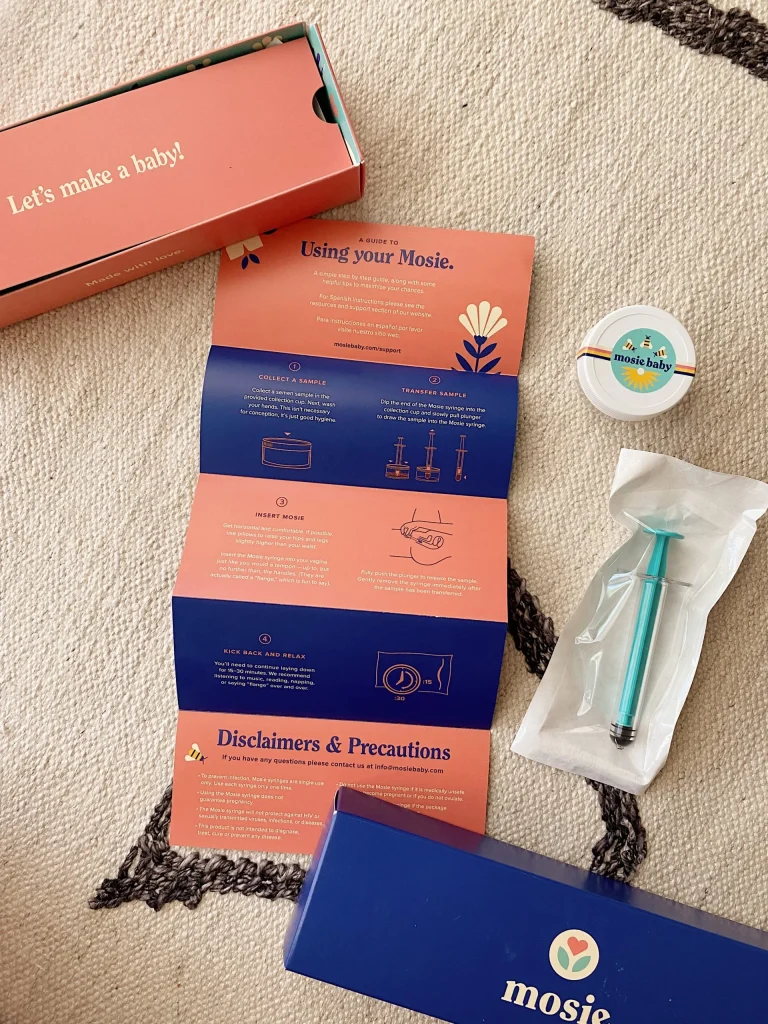
    guide and materials for using Mosie Baby fertility kit on a textured surface

    Non-Invasive Insemination: An Affordable and Accessible Option for Couples

    Convenience: Non-invasive insemination can be done in a doctor’s office or at home, making it a convenient option for busy couples. It also does not require extensive monitoring or frequent doctor visits, making it less time-consuming.

    Minimal Side Effects: The side effects of non-invasive insemination are minimal and usually include mild cramping or spotting. This is in contrast to IVF, which can cause more significant side effects due to the use of hormones.

    Accessibility: Non-invasive insemination is widely available and accessible, even in smaller towns and cities. This makes it a more feasible option for couples who do not live near specialized fertility clinics.

    Drawbacks of Non-Invasive Insemination

    Limited Success Rates: Non-invasive insemination has lower success rates compared to other assisted reproductive techniques, such as IVF. The success rates vary depending on factors such as the woman’s age and the cause of infertility.

    Risk of Multiple Pregnancies: Non-invasive insemination can increase the risk of multiple pregnancies, which can lead to complications for both the mother and the babies.

    Potential for Emotional Stress: As with any fertility treatment, non-invasive insemination can be emotionally taxing for couples, especially if they have been trying to conceive for a long time. It is essential to seek support and counseling during this process.

    Why Non-Invasive Insemination may be the Right Choice for You

    Non-invasive insemination is a suitable option for couples who are looking for a more natural approach to conception without the high costs and invasive procedures. It may also be recommended for couples with certain fertility issues or for those who have not been able to conceive through natural methods. It is essential to consult with a fertility specialist to determine if non-invasive insemination is the right choice for you and your partner.

    Conclusion

    Non-invasive insemination is a viable option for couples looking to start a family. It is a cost-effective, accessible, and less invasive method compared to other assisted reproductive techniques. However, it is essential to consider the potential drawbacks and seek professional guidance to determine if it is the right choice for your specific situation. With the advancements in medical technology, non-invasive insemination has opened up new possibilities for couples struggling with fertility, making the dream of starting a family a reality.

  • Non-Invasive Insemination vs. Traditional Methods: Which is Right for You?

    Non-invasive insemination and traditional methods are two options for individuals or couples looking to conceive a child. While both methods have the same end goal, they differ in their approach and techniques. In this blog post, we will explore the differences between non-invasive insemination and traditional methods, as well as the benefits and drawbacks of each. By the end, you will have a better understanding of which option may be right for you.

    Non-Invasive Insemination:

    Non-invasive insemination, also known as artificial insemination, is a fertility treatment that involves placing sperm into a woman’s uterus or cervix using a small tube. This can be done at a doctor’s office or at home with a donor sperm kit. The process is relatively quick and painless, and does not require any anesthesia. Non-invasive insemination is often recommended for individuals or couples who have been trying to conceive for a while but have not been successful.

    There are two types of non-invasive insemination: intrauterine insemination (IUI) and intracervical insemination (ICI). IUI involves placing sperm directly into the woman’s uterus, while ICI involves placing sperm into the cervix. IUI is usually performed by a doctor and requires monitoring of ovulation, while ICI can be done at home without any medical assistance.

    One of the major benefits of non-invasive insemination is that it is a less invasive and more affordable option compared to other fertility treatments such as in vitro fertilization (IVF). It also has a higher success rate for couples with unexplained infertility. Non-invasive insemination also allows individuals and couples to have more control over the timing and process of conception.

    However, non-invasive insemination may not be suitable for everyone. It is not recommended for individuals or couples with severe male factor infertility, blocked fallopian tubes, or certain reproductive disorders. It also has a lower success rate compared to other fertility treatments, and multiple cycles may be needed to achieve pregnancy.

    Traditional Methods:

    Traditional methods of conception involve sexual intercourse between a man and a woman. This can be done naturally or with the help of fertility tracking methods such as tracking ovulation and basal body temperature. Traditional methods are often the first option for couples trying to conceive, and they are also used by individuals who prefer a more natural approach to conception.

    mosie baby logo featuring a heart and leaves in blue, pink, and green colors.

    Non-Invasive Insemination vs. Traditional Methods: Which is Right for You?

    One of the main benefits of traditional methods is that they do not require any medical intervention or procedures, making them a more affordable option. They also have a high success rate for couples with no known fertility issues. Traditional methods also allow for a more intimate and natural experience for couples trying to conceive.

    However, traditional methods may not be suitable for everyone. They can be stressful and put pressure on couples to have sex during the most fertile days, which can have a negative impact on their relationship. Traditional methods are also not recommended for individuals or couples with fertility issues, as they may not be effective in achieving pregnancy.

    Which is Right for You?

    When deciding between non-invasive insemination and traditional methods, it is important to consider your individual needs and fertility status. If you have been trying to conceive for a while and have no known fertility issues, traditional methods may be a good option for you. However, if you have been diagnosed with fertility issues or have been unsuccessful with traditional methods, non-invasive insemination may be a better choice.

    It is also important to consult with a fertility specialist to determine which method would be most suitable for you. They can assess your fertility status and provide personalized recommendations based on your individual needs.

    In conclusion, both non-invasive insemination and traditional methods have their own set of benefits and drawbacks. It is important to weigh these factors and consider your individual needs when deciding which option is right for you. With the help of a fertility specialist, you can make a well-informed decision and increase your chances of achieving a successful pregnancy.

    Summary:

    Non-invasive insemination and traditional methods are two options for individuals or couples looking to conceive. Non-invasive insemination involves placing sperm into the woman’s uterus or cervix, and it is recommended for couples with unexplained infertility. Traditional methods involve sexual intercourse and are often the first option for couples trying to conceive. While traditional methods are more affordable and natural, non-invasive insemination may be a better choice for individuals or couples with fertility issues. It is important to consult with a fertility specialist to determine which option is right for you.

  • From Home Insemination to Non-Invasive: The Evolution of Fertility Treatments

    From Home Insemination to Non-Invasive: The Evolution of Fertility Treatments

    Fertility treatments have come a long way in the past few decades, evolving from home insemination methods to advanced non-invasive procedures. The journey of fertility treatments has been a rollercoaster ride, filled with controversies, breakthroughs, and success stories. In this blog post, we will take a closer look at the evolution of fertility treatments – from the early days of home insemination to the modern era of non-invasive procedures.

    Home Insemination – The Beginning of Fertility Treatments

    Home insemination, also known as artificial insemination, was one of the earliest methods used to treat infertility. It involved placing a sperm sample directly into the cervix or uterus of a woman to increase the chances of fertilization. This procedure was usually done at home, with the help of a partner or a donor. However, this method had a low success rate and was often considered to be a taboo subject.

    The Rise of IVF

    In the 1980s, the first successful in vitro fertilization (IVF) procedure was performed, marking a significant milestone in the world of fertility treatments. IVF involved fertilizing eggs with sperm outside the body and then transferring the resulting embryo into the uterus. This procedure offered hope to many couples struggling with infertility and became the go-to option for many.

    The Controversies Surrounding Fertility Treatments

    As IVF gained popularity, it also sparked controversies. The main concern was the ethical implications of creating and discarding embryos. This led to debates and regulations on the use of IVF and other fertility treatments. However, as technology advanced, so did the success rates of IVF, making it a widely accepted and celebrated treatment for infertility.

    Two transparent syringes with teal accents positioned diagonally on a light gray background.

    From Home Insemination to Non-Invasive: The Evolution of Fertility Treatments

    The Development of Non-Invasive Procedures

    As the demand for fertility treatments increased, so did the need for less invasive and more effective options. This led to the development of non-invasive procedures such as intrauterine insemination (IUI) and intracytoplasmic sperm injection (ICSI). IUI involves placing washed and prepared sperm directly into the uterus, while ICSI involves injecting a single sperm into an egg to achieve fertilization. These procedures are less invasive than IVF and have higher success rates.

    The Role of Technology in Fertility Treatments

    Technology has played a crucial role in the evolution of fertility treatments. With the introduction of advanced techniques such as preimplantation genetic testing (PGT), doctors can now screen embryos for genetic disorders before implantation. This has significantly reduced the risk of passing on genetic conditions to the child and increased the chances of a successful pregnancy.

    The Shift Towards Natural and Holistic Approaches

    While traditional fertility treatments continue to be popular, there has been a growing interest in natural and holistic approaches to fertility. These methods focus on improving overall health and addressing underlying issues that may be causing infertility. This includes lifestyle changes, nutritional support, and alternative therapies such as acupuncture and herbal remedies. These approaches aim to support the body’s natural fertility and can be used alongside traditional treatments for better results.

    The Future of Fertility Treatments

    As technology continues to advance, the future of fertility treatments looks promising. Researchers are exploring new techniques such as ovarian tissue freezing, where slices of ovarian tissue are removed and frozen for later use. This would allow women to preserve their fertility and have children at a later age. Another area of research is the use of artificial intelligence to analyze sperm quality and improve success rates of IVF.

    In conclusion, the evolution of fertility treatments has been a remarkable journey, from the early days of home insemination to the modern, non-invasive procedures available today. With constant advancements in technology and a growing interest in holistic approaches, the future of fertility treatments looks bright. Whether you are considering traditional methods or exploring natural options, there is hope for couples struggling with infertility.

  • A Breakthrough in Fertility: The Non-Invasive Insemination Kit

    A Breakthrough in Fertility: The Non-Invasive Insemination Kit

    Infertility affects millions of couples around the world, making it one of the most common reproductive challenges faced by people of all ages. While assisted reproductive technologies (ART) such as in-vitro fertilization (IVF) and intrauterine insemination (IUI) have greatly helped many couples struggling with infertility, they can be expensive, invasive, and emotionally draining. However, a new breakthrough in fertility has emerged in the form of a non-invasive insemination kit, offering a more affordable and less invasive option for couples trying to conceive.

    What is a Non-Invasive Insemination Kit?

    A non-invasive insemination kit is a simple, at-home device that allows couples to conduct artificial insemination in the comfort of their own home. The kit typically includes a cervical cap, which is a small, flexible cup that is placed over the cervix to collect sperm, and a syringe for insemination. The process is similar to IUI, where sperm is placed directly into the uterus, bypassing the cervix and increasing the chances of fertilization.

    How Does it Work?

    The non-invasive insemination kit works by collecting sperm from the male partner or a donor and placing it directly into the uterus through the cervix. This method is preferred over traditional insemination methods, such as intercourse or using a turkey baster, as it ensures that the sperm is placed in the optimal spot for fertilization. The kit also allows for more control over the timing of insemination, as it can be done at home without the need for a medical professional.

    Benefits of the Non-Invasive Insemination Kit

    1. Cost-effective

    One of the main advantages of the non-invasive insemination kit is its affordability. ART procedures can cost thousands of dollars, and insurance coverage for these treatments may be limited. The non-invasive insemination kit, on the other hand, can cost as little as a few hundred dollars, making it a more accessible option for couples on a budget.

    2. Non-invasive

    Unlike other ART procedures, such as IVF, the non-invasive insemination kit does not require any surgical procedures or medications. This makes it a safer and more comfortable option for couples, as it does not involve any invasive procedures or potential side effects.

    3. Privacy and Convenience

    Infertility is a sensitive and personal issue, and many couples prefer to keep their fertility treatments private. With the non-invasive insemination kit, couples can perform the insemination in the privacy of their own home, without having to visit a doctor’s office or clinic. This also allows for more convenience, as the procedure can be done at any time, without having to schedule appointments or take time off work.

    Colorful promotional image for Mosie Baby, featuring home insemination kit and encouraging text.

    A Breakthrough in Fertility: The Non-Invasive Insemination Kit

    4. Increased Chances of Success

    Since the kit places the sperm directly into the uterus, it increases the chances of fertilization. This is especially beneficial for couples with male factor infertility, where the quality or quantity of sperm may be a challenge.

    5. Can be used with Donated Sperm

    Couples who require donor sperm can also benefit from the non-invasive insemination kit. The kit allows couples to use donated sperm in the comfort of their own home, without having to visit a sperm bank or clinic.

    Who Can Use the Non-Invasive Insemination Kit?

    The non-invasive insemination kit can be used by any couple struggling with infertility, regardless of the cause. It is also a great option for same-sex couples and single women who are trying to conceive.

    Tips for Using the Non-Invasive Insemination Kit

    1. Timing is Key

    It is important to time the insemination correctly, as it needs to be done during the woman’s fertile window. This is typically around the time of ovulation, which can be tracked using methods such as ovulation predictor kits or basal body temperature tracking.

    2. Follow the Instructions Carefully

    It is crucial to read and follow the instructions provided with the kit carefully to ensure the best chances of success. Improper use of the kit can result in a failed insemination.

    3. Consider Consulting with a Fertility Specialist

    While the non-invasive insemination kit can be done at home, it is always a good idea to consult with a fertility specialist to ensure that there are no underlying fertility issues that need to be addressed.

    In conclusion, the non-invasive insemination kit offers a groundbreaking solution for couples struggling with infertility. It is a cost-effective, non-invasive, and convenient option that can greatly increase the chances of conception. With its many benefits, this breakthrough in fertility is giving hope to millions of couples worldwide.

  • Say Goodbye to Traditional Insemination: The Non-Invasive Option

    Say Goodbye to Traditional Insemination: The Non-Invasive Option

    Insemination, also known as artificial insemination, is a technique used for fertilization by inserting sperm into a female’s reproductive tract. This method has been used for decades and has helped many couples and individuals achieve their dream of parenthood. However, traditional insemination can be a daunting and invasive process for some, leading to the rise of a new, non-invasive option.

    The traditional insemination process involves injecting sperm directly into the cervix or the uterus using a catheter. This procedure requires a medical professional and can be uncomfortable for the recipient. It also has a lower success rate compared to other assisted reproductive techniques. Furthermore, traditional insemination is often associated with higher risks of infection and complications.

    The non-invasive option, on the other hand, utilizes a technique called intracervical insemination (ICI). Unlike traditional insemination, ICI does not require any medical intervention. Instead, a syringe is used to deposit sperm near the cervix, allowing it to travel naturally to the fallopian tubes for fertilization. This method can be performed at home, making it a more convenient and less stressful option for many.

    One of the main benefits of ICI is its affordability. Traditional insemination can cost thousands of dollars, while ICI only requires a fraction of the cost. This makes it a more accessible option for individuals and couples who cannot afford expensive fertility treatments. It also eliminates the need for multiple clinic visits, saving time and money.

    Another advantage of ICI is its natural approach. Since sperm is deposited near the cervix and allowed to travel naturally, it mimics the natural process of conception. This makes it a more comfortable and less intrusive option for those who prefer a more natural approach to fertility treatments.

    Hands holding a syringe and a small container against a blue background.

    Say Goodbye to Traditional Insemination: The Non-Invasive Option

    ICI is also a viable option for same-sex female couples and single women who want to conceive. It eliminates the need for donor sperm and the involvement of a male partner. This method can be used with frozen sperm from a sperm bank or from a known donor. It provides a safe and effective way for women to start a family on their own terms.

    Moreover, ICI can be used in conjunction with ovulation tracking methods such as basal body temperature monitoring and ovulation predictor kits. This allows for better timing of the insemination, increasing the chances of conception. It also gives individuals and couples more control over the process, making it a more empowering experience.

    Aside from its benefits, ICI also has a high success rate. Studies have shown that ICI has a 10-20% success rate per cycle, which is comparable to traditional insemination. However, since ICI does not require medical intervention, it can be repeated more frequently, further increasing the chances of conception.

    For those who are concerned about the safety of ICI, rest assured that it is a safe and effective method. The risk of infection is significantly lower compared to traditional insemination since there is no instrumentation involved. This makes it a more appealing option for individuals with a history of pelvic infections or those who are prone to them.

    In conclusion, the non-invasive option of intracervical insemination offers a more affordable, natural, and comfortable method of fertilization. It is a viable option for individuals and couples who are looking for a less invasive and more accessible approach to assisted reproductive techniques. With its high success rate and safety, it is definitely worth considering for those who are struggling with fertility issues.

    In summary, traditional insemination can be a daunting and invasive process for some, leading to the rise of a new, non-invasive option. Intracervical insemination (ICI) offers a more affordable, natural, and comfortable method of fertilization that can be performed at home. It is a viable option for individuals and couples who are looking for a less invasive and more accessible approach to assisted reproductive techniques. With its high success rate and safety, it is definitely worth considering for those who are struggling with fertility issues.

  • DIY Baby-Making for Beginners: Essential Steps to Get You Started

    DIY Baby-Making for Beginners: Essential Steps to Get You Started

    Bringing a new life into the world is a magical experience, and for some couples, it may require a little extra effort. Whether you are struggling with fertility issues or simply want to take a more hands-on approach to starting a family, DIY baby-making can be an empowering and fulfilling journey. While the process may seem overwhelming at first, with the right knowledge and resources, anyone can successfully embark on this path. In this blog post, we will guide you through the essential steps to get you started on your DIY baby-making journey.

    Step 1: Understand Your Fertility

    Before you begin your DIY baby-making journey, it is crucial to have a thorough understanding of your fertility. This includes knowing your menstrual cycle, ovulation patterns, and any potential fertility issues. Tracking your menstrual cycle can give you a better understanding of your fertility window, which is the time when you are most likely to conceive. There are various methods for tracking your cycle, including using an ovulation calculator or monitoring your basal body temperature. It is also essential to consult with a healthcare provider to identify any potential fertility issues and address them accordingly.

    Step 2: Create a Healthy Lifestyle

    A healthy lifestyle is key to increasing your chances of conception. This includes maintaining a well-balanced diet, exercising regularly, and reducing stress levels. Eating a nutritious diet rich in fruits, vegetables, whole grains, and lean protein can help improve your overall health and reproductive system. Regular exercise can also boost fertility by reducing stress levels and maintaining a healthy weight. Additionally, reducing stress levels is crucial, as high levels of stress can negatively impact fertility. Consider incorporating relaxation techniques such as yoga or meditation into your daily routine.

    Step 3: Consider Supplements and Natural Remedies

    Many couples turn to supplements and natural remedies to boost their fertility. While there is no guarantee that these methods will work, they may be worth trying. Some common supplements that can aid in fertility include folic acid, zinc, and vitamin D. You can also consider incorporating natural remedies such as acupuncture, herbal supplements, or essential oils. It is essential to consult with a healthcare provider before trying any supplements or natural remedies to ensure they are safe for you.

    Step 4: Understand DIY Baby-Making Methods

    logo featuring a pink heart above two teal leaves on a blue circular background

    DIY Baby-Making for Beginners: Essential Steps to Get You Started

    When it comes to DIY baby-making, there are different methods to consider. The two most common methods are artificial insemination and at-home insemination. Artificial insemination involves using a medical procedure to place sperm directly into the uterus, while at-home insemination involves using a home insemination kit to insert sperm into the vagina. Both methods have their own advantages and disadvantages, and it is crucial to research and understand them before deciding which one is right for you.

    Step 5: Choose a Sperm Donor

    If you are opting for at-home insemination, choosing a sperm donor is a crucial step. You can choose to use a known donor, such as a friend or family member, or purchase donor sperm from a sperm bank. When choosing a donor, it is essential to consider important factors such as genetics, medical history, and personal preferences. It is also crucial to have open and honest communication with the donor to ensure everyone is on the same page.

    Step 6: Gather Supplies and Prepare for Insemination

    Once you have chosen a method and sperm donor, it is time to gather your supplies and prepare for insemination. If you are using a home insemination kit, ensure that you have all the necessary items, such as a syringe, collection cup, and ovulation predictor kit. If you are using artificial insemination, schedule an appointment with a fertility specialist. It is also crucial to have a supportive partner or friend with you during the process to provide emotional support.

    Step 7: Insemination and Follow-up

    The day of insemination is an exciting and nerve-wracking time. If you are using artificial insemination, the procedure will be performed by a healthcare professional. If you are using at-home insemination, follow the instructions provided in your kit carefully. After the insemination, it is essential to give your body time to rest and recover. You can also track your ovulation and take a pregnancy test after two weeks to determine if the insemination was successful. If the first attempt is not successful, do not get discouraged as it may take multiple tries before achieving a pregnancy.

    DIY baby-making can be a rewarding and fulfilling journey, but it is essential to remember that it is not a guarantee. It is crucial to have patience, communicate openly with your partner, and seek professional help if needed. With these essential steps, you can confidently embark on your DIY baby-making journey and start growing your family.

    In summary, DIY baby-making can be an empowering and fulfilling experience for couples looking to start a family. By understanding your fertility, maintaining a healthy lifestyle, considering supplements and natural remedies, and choosing the right method and sperm donor, you can successfully embark on this journey. Remember to have patience and seek professional help if needed, and most importantly, enjoy the process of bringing a new life into the world.

  • Creating Your Own Baby: A Guide to DIY Baby-Making Essentials

    Blog post:

    Creating Your Own Baby: A Guide to DIY Baby-Making Essentials

    Having a baby is a life-changing experience, and for some, the traditional route of conception may not be an option. However, with advances in reproductive technology and the availability of resources, it is now possible to create your own baby through DIY methods. In this blog post, we will explore the essential steps and tools for creating your own baby through DIY baby-making.

    Step 1: Preparing Your Body

    Before diving into the actual process of creating a baby, it is essential to prepare your body for conception. This includes maintaining a healthy diet, exercising regularly, and getting enough rest. It is also crucial to consult with your doctor and undergo any necessary medical tests to ensure that your body is ready for pregnancy.

    Step 2: Understanding Your Fertility

    Understanding your fertility is a crucial step in DIY baby-making. This involves learning about your menstrual cycle and tracking your ovulation. There are several methods for tracking ovulation, such as using ovulation predictor kits or monitoring changes in your cervical mucus. By understanding your fertility, you can increase your chances of successful conception.

    Step 3: Choosing Your Sperm Donor

    One of the key elements of DIY baby-making is choosing your sperm donor. This can be done through a sperm bank or by finding a known donor. It is essential to do thorough research when choosing a sperm donor, including medical history, genetic testing, and personal preferences. It is also crucial to discuss any legal implications with a lawyer before proceeding with a known donor.

    Step 4: Collecting and Storing Sperm

    Once you have selected your sperm donor, the next step is to collect and store the sperm. If using a sperm bank, the sperm will already be collected and stored, ready for use. However, if using a known donor, it is essential to follow proper collection and storage procedures to ensure the sperm’s viability. It is recommended to use a sterile container and store the sperm in a cool, dark place until it is ready to be used.

    logo featuring a pink heart above two teal leaves on a blue circular background

    Creating Your Own Baby: A Guide to DIY Baby-Making Essentials

    Step 5: Artificial Insemination

    Artificial insemination is the most common DIY method for creating a baby. This involves using a syringe or turkey baster to deposit the sperm into the vagina or cervix. It is crucial to follow proper hygiene and sterilization procedures when performing artificial insemination to reduce the risk of infection. It is also recommended to have a backup plan in case the first attempt is unsuccessful.

    Step 6: Natural Insemination

    Natural insemination, also known as “sex without penetration,” involves using the same methods as artificial insemination, but without the use of a syringe or turkey baster. This method is often used by couples who are trying to conceive but are experiencing difficulties with traditional intercourse. It is essential to discuss this method with your partner and ensure that both parties are comfortable with it before proceeding.

    DIY Baby-Making Essentials

    Aside from the essential steps outlined above, there are a few other tools and resources that can aid in DIY baby-making.

    1. Fertility Tracking Apps – There are several apps available that can help track your menstrual cycle, ovulation, and fertility. These apps can also provide helpful tips and insights to increase your chances of conception.

    2. Fertility Supplements – There are various supplements on the market that claim to improve fertility and increase the chances of conception. It is essential to do thorough research and consult with a healthcare professional before taking any supplements.

    3. Artificial Insemination Kits – These kits include all the necessary tools and instructions for performing artificial insemination at home. They can be purchased online or at some pharmacies.

    4. Ovulation Predictor Kits – These kits use hormone detection to predict when ovulation is about to occur, increasing the chances of conception.

    5. Support Groups – There are many online and in-person support groups for individuals and couples going through DIY baby-making. These groups can provide valuable emotional support and advice from others who have gone through a similar experience.

    In summary, creating your own baby through DIY methods is a complex but achievable process. By following the essential steps outlined in this guide and utilizing the right tools and resources, you can increase your chances of successful conception. Remember to always consult with a healthcare professional and do thorough research before proceeding with any DIY baby-making methods.