Blog Post:
In recent years, there has been a rise in popularity of home insemination as an alternative method of conception for couples struggling with fertility issues. This method involves using a starter kit to collect and inseminate sperm in the comfort of your own home. But what exactly is home insemination and how does it work? In this blog post, we will explore the science behind home insemination and help you understand your starter kit.
What is Home Insemination?
Home insemination is the process of collecting and depositing sperm into the vagina or cervix for the purpose of fertilization. It is typically used by couples who are trying to conceive but are facing difficulties due to male infertility, same-sex couples, or single women. This method allows for a more intimate and private approach to conception as it can be done in the comfort of your own home.
Understanding Your Starter Kit:
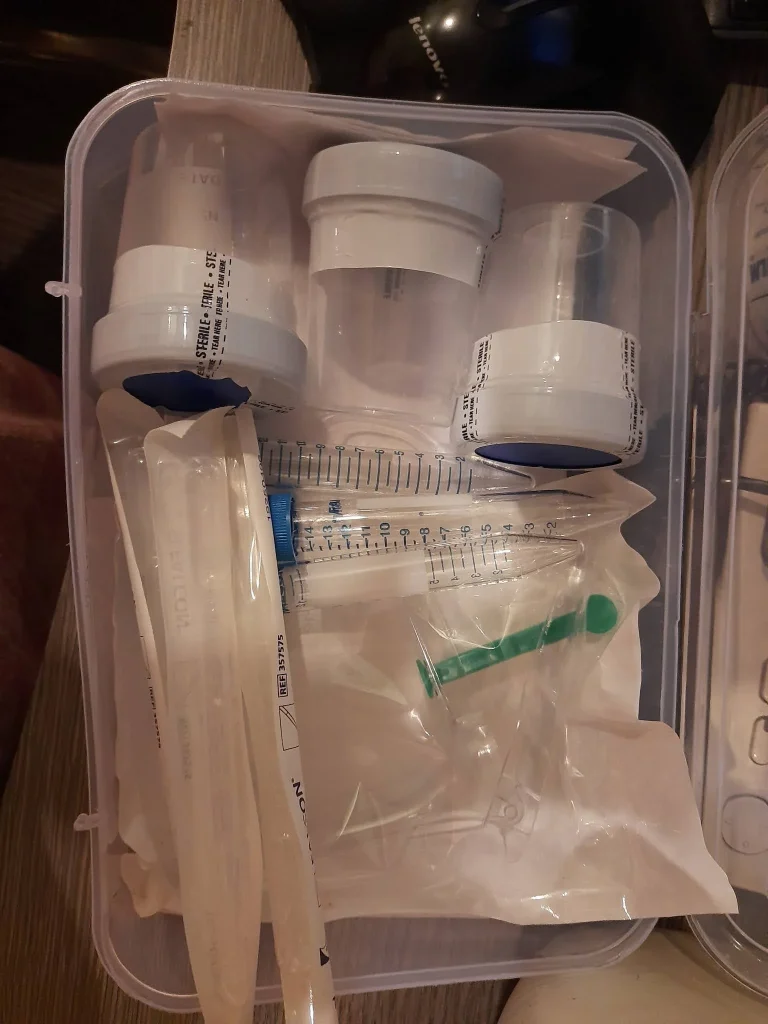
A starter kit for home insemination typically includes everything you need to successfully collect and deposit sperm. It usually contains a sterile collection cup, a syringe or applicator, and various instructions and materials. Let’s take a closer look at each component and understand their role in the process.
1. Sterile Collection Cup:
The first step in home insemination is collecting the sperm. This is where the sterile collection cup comes in. It is important to use a sterile cup to avoid any contamination that could affect the quality of the sperm. The cup should be placed in a warm and dark place, such as under your arm or between your legs, to maintain the temperature of the sperm.
2. Syringe or Applicator:
Once the sperm is collected, it needs to be deposited into the vagina or cervix. This is where the syringe or applicator comes in. The syringe is used to transfer the sperm from the collection cup into the vagina, while the applicator is inserted into the cervix for direct deposit of the sperm. Both options are effective, and it is a matter of personal preference which one to use.

The Science Behind Home Insemination: Understanding Your Starter Kit
3. Instructions and Materials:
Most starter kits also come with detailed instructions on how to use the kit, as well as other materials such as ovulation predictor kits, pregnancy tests, and fertility supplements. These materials can help you track your ovulation and increase your chances of conception.
The Science Behind Home Insemination:
Now that we understand the components of a starter kit, let’s dive into the science behind home insemination. The main goal of home insemination is to get the sperm as close to the cervix as possible, where it can easily reach and fertilize the egg. This is why timing is crucial in home insemination. It is recommended to perform the insemination during ovulation, which is when the egg is released from the ovary and travels through the fallopian tubes.
One of the major benefits of home insemination is that it eliminates the natural barriers that sperm face during intercourse, such as acidic vaginal pH, vaginal secretions, and cervical mucus. By depositing the sperm directly into the vagina or cervix, it has a higher chance of reaching the egg and fertilizing it.
Another important aspect of home insemination is sperm quality. It is crucial to use high-quality sperm for successful conception. This includes not only the number of sperm, but also their motility (ability to move) and morphology (shape and size). This is why it is important to follow the instructions of the starter kit carefully and to use fresh sperm for the best results.
Safety and Precautions:
While home insemination may seem like a simple and safe process, it is important to take certain precautions to ensure the safety of both the person inseminating and the person being inseminated. It is recommended to use sperm from a known donor who has been tested for sexually transmitted infections and to follow proper hygiene practices during the process. It is also important to note that home insemination does not provide any protection against sexually transmitted infections, so it is important to get tested regularly and practice safe sex.
In conclusion, home insemination is a scientifically-backed method of conception that offers a more private and intimate approach for couples facing fertility issues. Understanding the components of your starter kit and the science behind the process can increase your chances of successful conception. However, it is important to consult with a healthcare professional before starting home insemination to ensure it is the right method for you.
Summary:
Home insemination is a method of conception that involves using a starter kit to collect and deposit sperm in the comfort of your own home. The starter kit typically includes a sterile collection cup, a syringe or applicator, and various instructions and materials. The science behind home insemination involves timing the insemination during ovulation, eliminating barriers that sperm face during intercourse, and using high-quality sperm. It is important to take precautions and consult with a healthcare professional before starting home insemination.