Parenting Prep: The Dos and Don’ts of Using an Insemination Syringe
Parenthood is a journey that many people dream of, and for some, conceiving a child may require some extra help. Insemination syringes are a popular method for at-home insemination, but it’s important to use them correctly to increase the chances of success. In this blog post, we will discuss the dos and don’ts of using an insemination syringe for parenting prep.
Dos:
1. Do research and consult with a healthcare professional: Before using an insemination syringe, it’s crucial to do your research and understand the process. Talk to your doctor or a fertility specialist to ensure that this method is suitable for you and your partner. They can also provide guidance on how to properly use the syringe and answer any questions you may have.
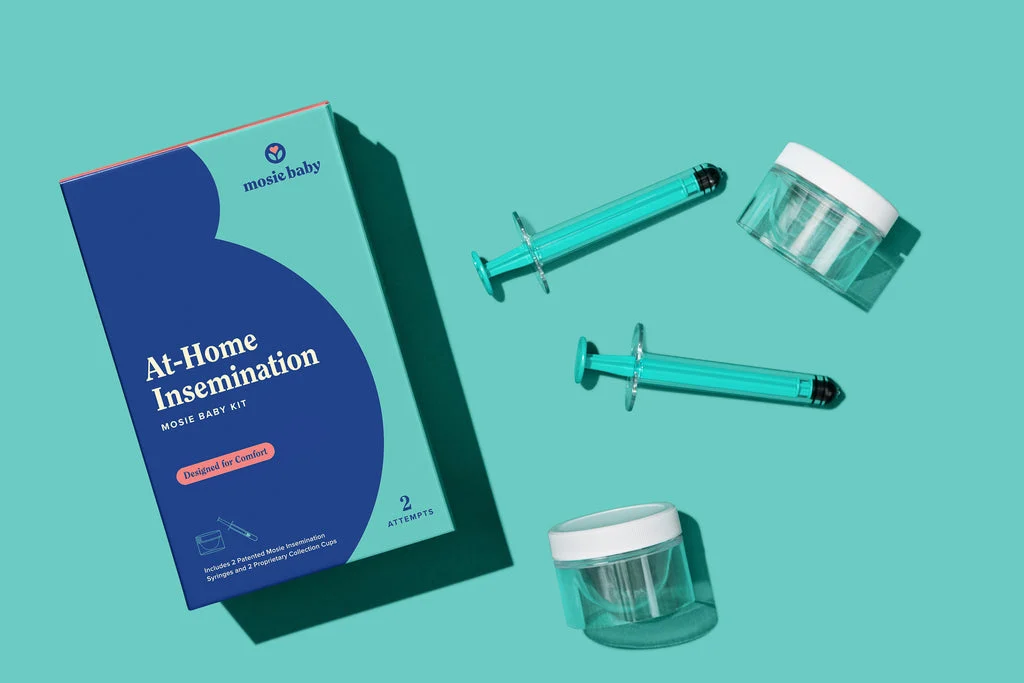
2. Do choose the right syringe: There are various types of insemination syringes available in the market, so it’s essential to choose the right one for your needs. Some syringes have a wider and shorter tip, while others have a narrow and longer tip. The size of the syringe will depend on the thickness of the semen and the length of your vaginal canal. It’s best to consult with a healthcare professional to determine the best option for you.
3. Do prepare the syringe and semen correctly: Before using the insemination syringe, make sure to read the instructions carefully. The syringe should be sterile and free of any contaminants. It’s also crucial to prepare the semen correctly, as any bacteria or debris can decrease the chances of successful insemination. Follow the recommended steps for collecting and storing the semen to ensure its quality.
4. Do use a lubricant: Using a lubricant can make the insemination process more comfortable and increase the chances of success. However, it’s essential to choose a sperm-friendly lubricant that won’t harm the sperm or decrease its motility. Avoid using petroleum-based products as they can damage the sperm.

The Dos and Don'ts of Using an Insemination Syringe for Parenthood Prep
5. Do use the syringe at the right time: Timing is crucial when using an insemination syringe. It’s best to use the syringe within 30 minutes of collecting the semen to ensure its freshness. Additionally, make sure to track your ovulation cycle and use the syringe during your most fertile days. Using the syringe at the right time can significantly increase the chances of successful insemination.
Don’ts:
1. Don’t reuse the syringe: It may be tempting to reuse the syringe to save money, but it’s essential to use a new, sterile syringe for each insemination attempt. Reusing a syringe can introduce bacteria and contaminants, decreasing the chances of success. It’s also crucial to dispose of the syringe properly after use.
2. Don’t rush the process: Insemination is a delicate process and should not be rushed. Take your time to prepare the syringe and semen correctly, and make sure to follow the recommended steps carefully. Rushing the process can lead to mistakes and decrease the chances of successful insemination.
3. Don’t stress: Trying to conceive can be a stressful and emotional journey, but it’s crucial to keep stress levels in check. Stress can affect fertility and decrease the chances of successful insemination. Take the time to relax and stay positive throughout the process.
4. Don’t rely solely on an insemination syringe: While insemination syringes can be an effective method for at-home insemination, it’s essential to keep in mind that it may not work for everyone. If after a few attempts, you are not successful, consider consulting with a fertility specialist for alternative options.
5. Don’t forget about your partner: Insemination can be a physically and emotionally draining process for both partners. It’s crucial to communicate and support each other throughout the journey. Make sure to involve your partner in the process and seek their support and understanding.
In summary, using an insemination syringe for parenting prep can be a useful method for couples trying to conceive. However, it’s important to do proper research, choose the right syringe, and prepare it and the semen correctly. Timing, using a sperm-friendly lubricant, and avoiding common mistakes can significantly increase the chances of successful insemination. Remember to consult with a healthcare professional and involve your partner in the process for the best results.