Summary:
Conceiving a child can be a challenging and emotional journey for many couples. Traditional methods of conception, such as in vitro fertilization (IVF) or intrauterine insemination (IUI), can be expensive, time-consuming, and have a low success rate. However, a new approach to conception is gaining popularity – the Syringe Kit Solution. This revolutionary method combines at-home insemination with the use of a specially designed syringe kit, making it a more accessible, affordable, and efficient option for couples trying to conceive.
In this blog post, we will discuss the Syringe Kit Solution and how it works, the benefits and drawbacks of this approach, and the growing trend of at-home insemination.
What is the Syringe Kit Solution?
The Syringe Kit Solution is a method of conception that involves using a specially designed syringe kit to perform at-home insemination. This kit typically includes a syringe, a catheter, and a semen collection cup. The process involves collecting semen from the male partner, placing it into the syringe, and using the catheter to insert it into the female partner’s cervix. This method can be used for both heterosexual and same-sex couples.
The Benefits of the Syringe Kit Solution
One of the main benefits of the Syringe Kit Solution is its affordability. Traditional methods of conception, such as IVF and IUI, can cost thousands of dollars, making them out of reach for many couples. The Syringe Kit Solution, on the other hand, can cost as little as $50, making it a more accessible option for those on a budget.
Another advantage of the Syringe Kit Solution is its convenience. Unlike traditional methods that require multiple visits to a fertility clinic, the Syringe Kit Solution can be done in the comfort of one’s own home. This eliminates the need for time off work and reduces the stress and pressure associated with fertility treatments.

The Syringe Kit Solution: A Revolutionary Approach to Conception
The Syringe Kit Solution also gives couples more control over the process. With traditional methods, couples often have to rely on the expertise and timing of a fertility specialist. However, with the Syringe Kit Solution, couples can perform the insemination themselves and choose the timing that works best for them.
Drawbacks of the Syringe Kit Solution
While the Syringe Kit Solution has many benefits, it is not without its drawbacks. One of the main concerns with this method is the lack of medical supervision. Without a fertility specialist overseeing the process, there is a risk of incorrect insemination or the use of contaminated equipment, which could lead to infections or other complications.
Another potential drawback is the success rate of the Syringe Kit Solution. While this method has been successful for many couples, it may not be as effective as traditional methods. The success rate of at-home insemination varies, but it is generally lower than that of IVF or IUI. This could be due to various factors, such as improper technique or underlying fertility issues.
The Growing Trend of At-Home Insemination
Despite the potential drawbacks, the trend of at-home insemination is on the rise. With the increasing availability of information and resources online, more and more couples are turning to this method as a more affordable and convenient option for conception.
The Syringe Kit Solution is also gaining popularity among same-sex couples. For lesbian couples, this method allows them to have a more active role in the conception process, rather than relying on a sperm donor or a fertility clinic. For gay male couples, the Syringe Kit Solution offers a way for one partner to inseminate the other, making it a more intimate and personal experience.
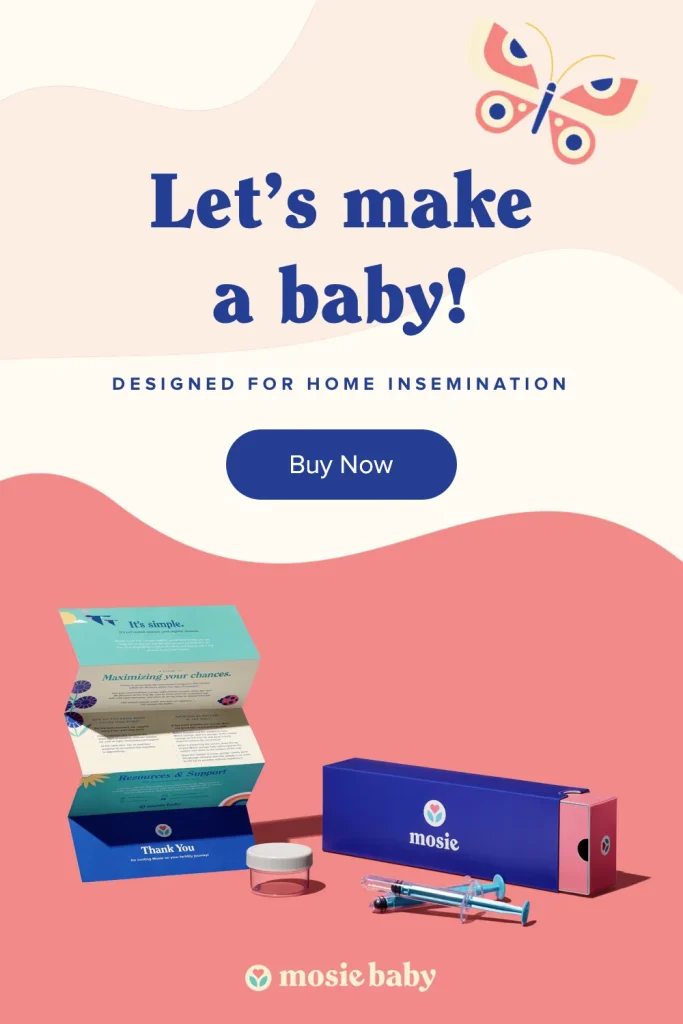
In addition to the Syringe Kit Solution, there are also other at-home insemination methods gaining traction, such as the Soft Cup method and the Mosie Baby Insemination Kit. These methods offer alternative options for couples looking to conceive at home.
In conclusion, the Syringe Kit Solution is a revolutionary approach to conception that is gaining popularity among couples. Its affordability, convenience, and ability to give couples more control over the process make it an attractive option for those struggling with traditional methods of conception. However, it is essential to consider the potential drawbacks and consult with a fertility specialist before deciding on this method. With the growing trend of at-home insemination, it is clear that more and more couples are looking for alternative and accessible options for starting a family.