Exploring Non-Invasive Insemination Options for Single Women: A Comprehensive Guide
In today’s society, more and more women are choosing to delay marriage and starting a family. With advancements in technology and changing societal norms, women are now able to take control of their fertility and start a family on their own terms. For single women who are ready to become mothers, but don’t have a partner, non-invasive insemination options can be a viable solution. In this blog post, we will explore the different non-invasive insemination options available for single women and provide a comprehensive guide for those who are considering this route to parenthood.
What is Non-Invasive Insemination?
Non-invasive insemination, also known as artificial insemination, is a method of achieving pregnancy without sexual intercourse. It involves the placement of sperm into the reproductive tract of a woman in order to fertilize an egg. This can be done through different techniques depending on the individual’s needs and preferences.
Types of Non-Invasive Insemination
1. Intrauterine Insemination (IUI)
IUI is the most common form of non-invasive insemination and involves the placement of sperm into the uterus using a catheter. This procedure is typically performed in a doctor’s office and is relatively painless. The sperm used for IUI can come from a donor or a partner’s sperm.
2. Intracervical Insemination (ICI)
ICI is a similar procedure to IUI, but instead of placing the sperm into the uterus, it is placed near the cervix. This method is often used by women who prefer a more natural approach to insemination. It can also be done at home with the use of a special device called a cervical cap.
3. Intravaginal Insemination (IVI)
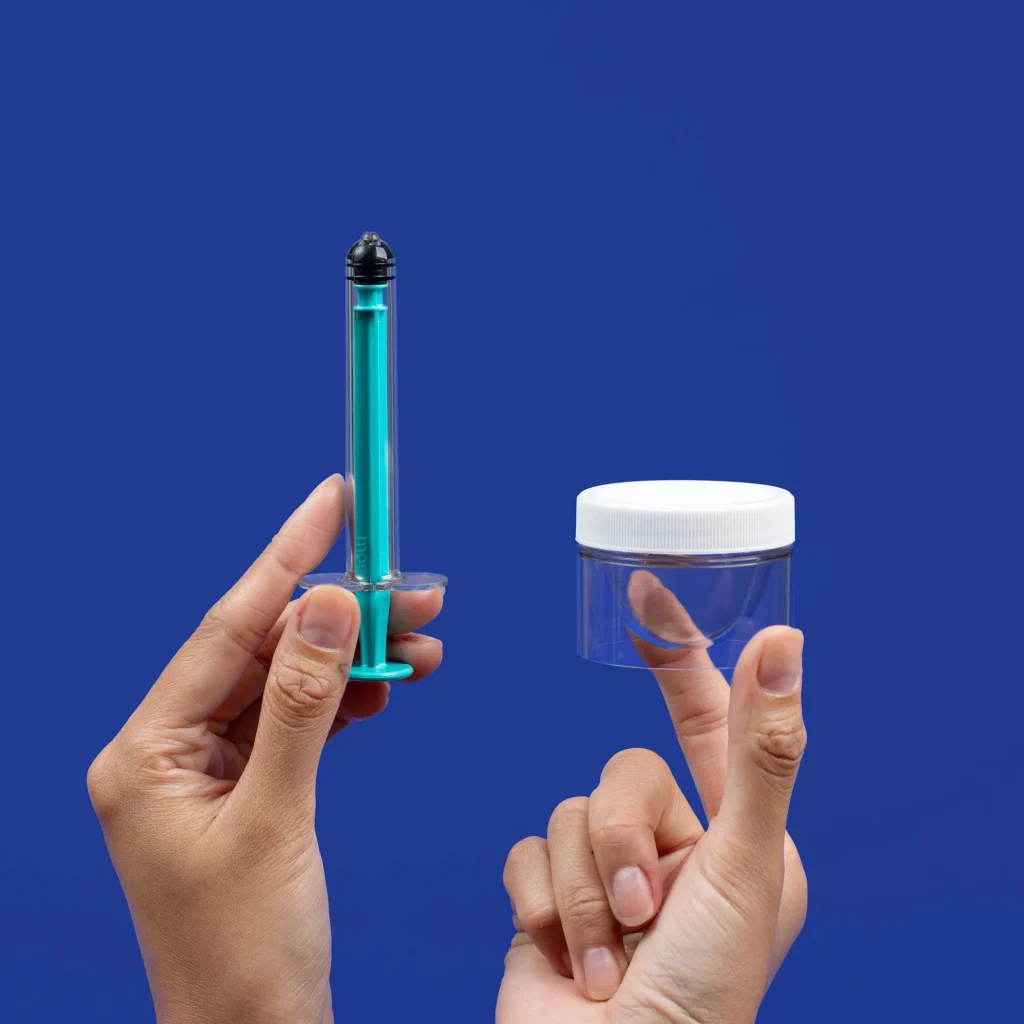
IVI is the least invasive form of insemination and involves the placement of sperm into the vagina using a syringe or a soft cup. This method is often used by women who prefer to do the insemination themselves at home.
Choosing a Donor
For single women, choosing a sperm donor is a crucial step in the insemination process. There are various options available when it comes to selecting a donor, including using a known donor, a sperm bank, or a fertility clinic.

Exploring Non-Invasive Insemination Options for Single Women
A known donor is someone the woman knows personally, such as a friend or family member. This option may be more appealing to some women as it allows them to have a connection with the donor and potentially have more information about their medical history.
Using a sperm bank or fertility clinic allows for a wider selection of donors, as well as the option to choose specific characteristics such as physical appearance, education level, and medical history. However, this option can be more expensive and may involve more paperwork and legal agreements.
The Legal Aspect
When choosing to use non-invasive insemination, it is important to consider the legal aspects involved. In some countries, laws and regulations surrounding insemination differ, and it is important to consult with a lawyer familiar with reproductive law to ensure all legal requirements are met.
In addition, it is important to have a legal agreement in place with the sperm donor, whether it is a known donor or a donor from a sperm bank. This agreement should outline the rights and responsibilities of both parties, including any financial obligations.
Risks and Success Rates
As with any medical procedure, there are potential risks involved with non-invasive insemination. These may include infection, discomfort, and potential side effects from fertility medications. It is important to discuss these risks with a doctor before proceeding with insemination.
The success rates of non-invasive insemination vary depending on factors such as age, health, and the method used. On average, the success rate for IUI is around 10-20% per cycle, while ICI and IVI have slightly lower success rates.
Support and Resources
Deciding to become a single mother through non-invasive insemination can be a challenging and emotional journey. Therefore, it is important to seek support and resources to help guide you through the process.
There are numerous support groups and online communities for single women who are considering or have gone through non-invasive insemination. These groups provide a safe space for women to share their experiences, ask questions, and receive support from others who are going through a similar journey.
Additionally, it is important to have a strong support system of family and friends who can provide emotional and practical support during this time.
In conclusion, non-invasive insemination offers single women the opportunity to become mothers and start a family on their own terms. With different options available and resources to guide them through the process, single women can confidently explore this route to parenthood. However, it is important to carefully consider all aspects, including the legal and emotional aspects, before making a decision. With the right support and resources, non-invasive insemination can be a fulfilling and rewarding journey for single women.