Creating a Support Network for Home Insemination: Tips and Resources for Success
Home insemination is a method of conception that involves using a donor sperm to fertilize an egg at home. While it may seem like a daunting process, with the right support network in place, it can be a successful and fulfilling journey for anyone looking to start a family. In this blog post, we will discuss the importance of creating a support network for home insemination and provide tips and resources for building one.
Why a Support Network is Essential for Home Insemination
The decision to undergo home insemination is a significant one, and it is essential to have a strong support system in place to help you through the process. Here are some reasons why a support network is crucial for home insemination:
1. Emotional Support: Home insemination can be an emotional rollercoaster, filled with highs and lows. Having a support network can provide a listening ear, offer words of encouragement, and help you navigate any challenges that may arise.
2. Practical Support: From purchasing and storing donor sperm to tracking ovulation and performing the insemination, there are many practical aspects of home insemination that can be overwhelming. Having a support system can help ease the burden and ensure that everything goes smoothly.
3. Sharing Experiences: Going through home insemination can feel isolating at times, but having a support network can connect you with others who are on a similar journey. Sharing experiences and tips can be helpful in navigating the process and creating a sense of community.
Tips for Building a Support Network for Home Insemination
1. Reach Out to Friends and Family: Your friends and family can be a great source of support during home insemination. Be open and honest about your journey and ask for their support. Some may even offer to help with practical tasks, such as tracking ovulation or performing the insemination.
2. Join Online Communities: The internet has made it easier than ever to connect with others who are going through similar experiences. Joining online communities or forums for home insemination can provide a wealth of knowledge and support.

Creating a Support Network for Home Insemination
3. Consult with a Fertility Specialist: A fertility specialist can be an invaluable resource in your home insemination journey. They can provide medical advice, monitor your progress, and offer emotional support throughout the process.
4. Seek Out Support Groups: Many cities and towns have support groups for individuals or couples going through fertility treatments. These groups can offer a safe and supportive space to share experiences and connect with others going through similar experiences.
5. Consider Therapy: Going through home insemination can bring up a range of emotions, and it may be helpful to speak with a therapist to process these feelings. A therapist can also provide tools and strategies to help you manage stress and anxiety during the process.
Resources for Home Insemination
1. Donor Sperm Banks: Purchasing donor sperm can be a daunting task, but working with a reputable sperm bank can make the process smoother. Some well-known sperm banks include Xytex, Fairfax Cryobank, and California Cryobank.
2. Ovulation Tracking Apps: Tracking your ovulation is crucial for successful home insemination. There are many apps available, such as Ovia Fertility, Glow, and Clue, that can help you track your cycle and predict your fertile window.
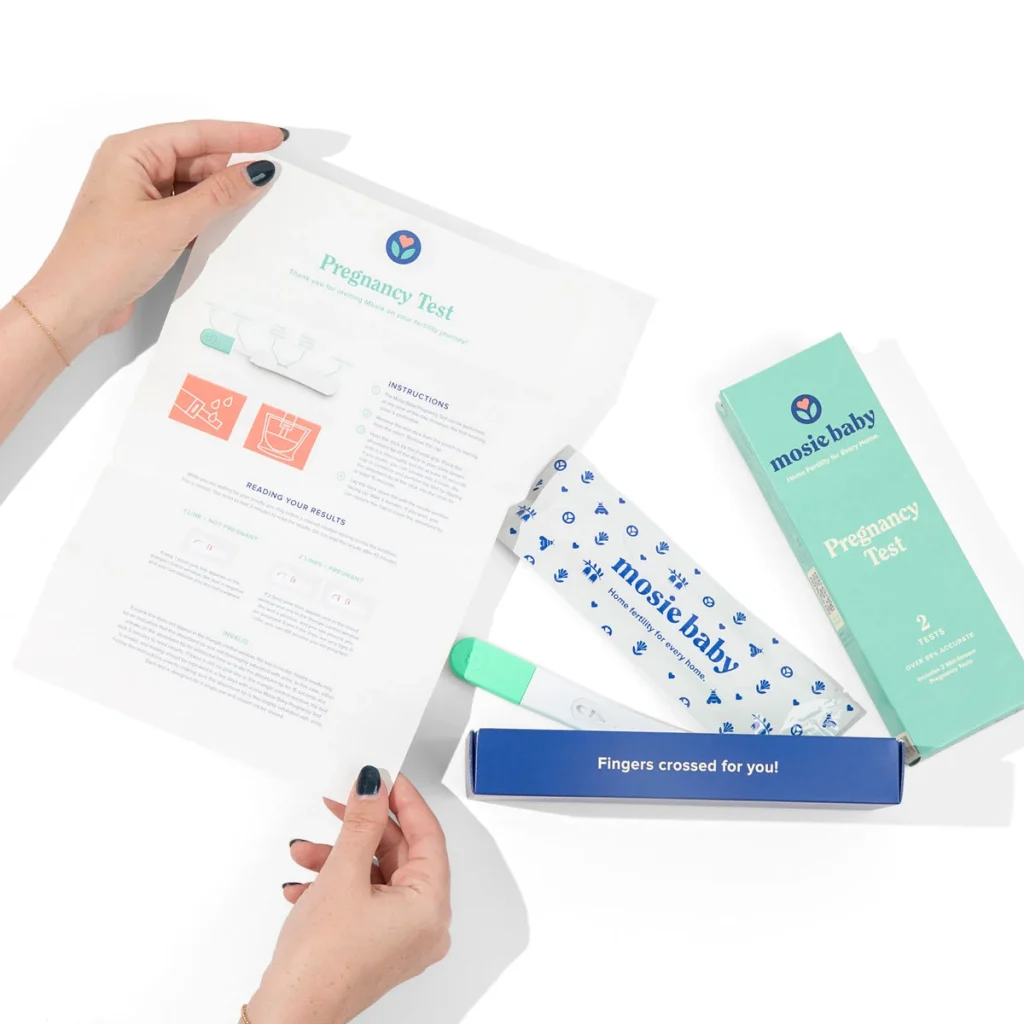
3. Insemination Kits: Insemination kits contain all the necessary tools for performing the insemination at home, such as a syringe, sterile cups, and a specimen container. Some popular kits include Mosie Baby, Conception Kit, and Pride Angel.
4. Fertility Clinics: While home insemination can be done without the assistance of a fertility clinic, some people may prefer to work with a clinic for monitoring and support. Fertility clinics can also provide guidance on the insemination process and offer alternative fertility treatments if needed.
5. Legal Services: It is essential to consult with a lawyer before starting home insemination to ensure that all legal aspects are taken care of. They can help you navigate legal issues related to donor agreements, parentage, and other legalities.
In conclusion, creating a support network for home insemination is crucial for a successful and positive experience. Reach out to friends and family, join online communities, and seek out professional support to help you through the process. With the right resources and support, home insemination can be a fulfilling and joyous journey towards starting a family.