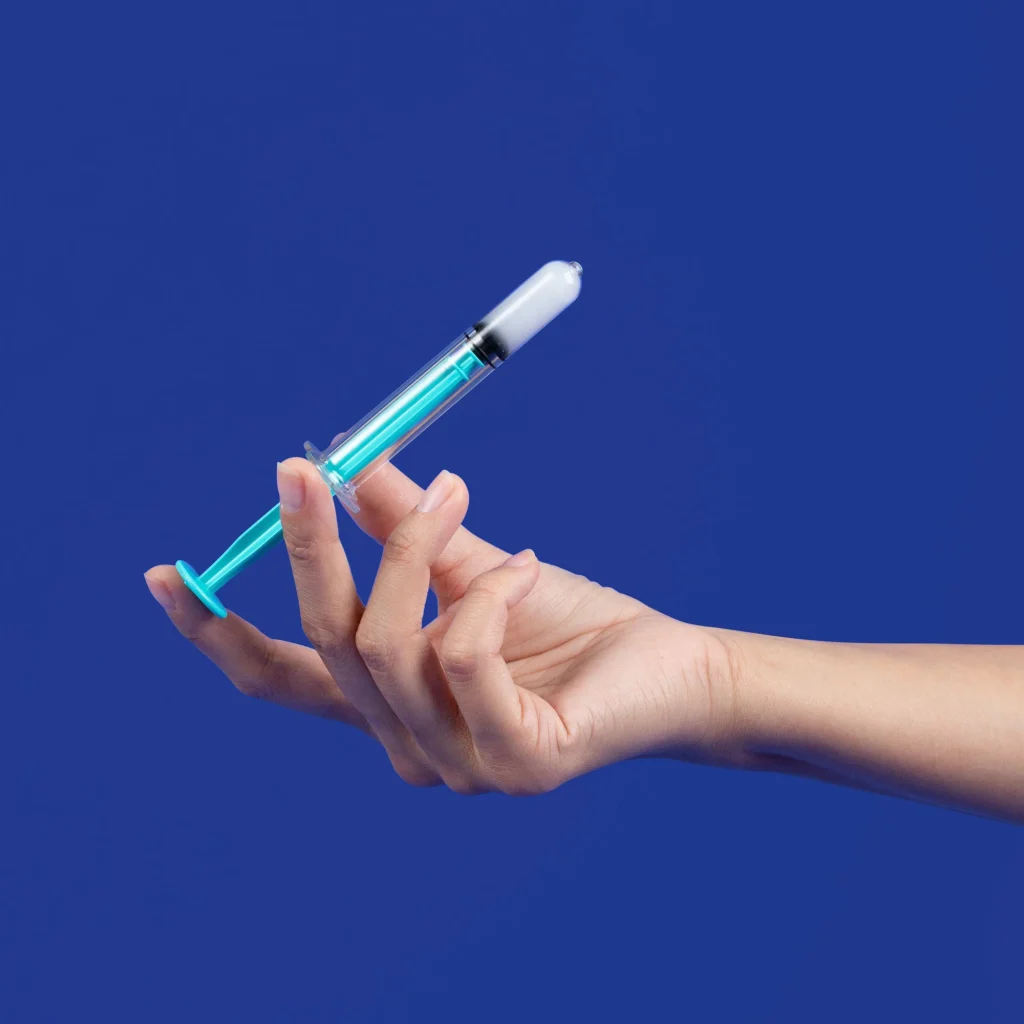
Navigating the Emotional Rollercoaster of Syringe Insemination
Syringe insemination, also known as home insemination, is a method of assisted reproduction where sperm is inserted into the uterus using a syringe instead of through sexual intercourse. This procedure is often used by LGBTQ+ couples, single individuals, or couples struggling with fertility issues. While it can be an effective way to achieve pregnancy, it also comes with its own set of emotional challenges. For those embarking on the journey of syringe insemination, it is important to be aware of and prepared for the emotional rollercoaster that may come with it.
The initial decision to pursue syringe insemination can be a difficult one. It may be the result of years of struggling with fertility issues or a desire to start a family as a same-sex couple or single individual. Whatever the reason may be, the decision to pursue syringe insemination is a big one and can bring about a range of emotions, from excitement and hope to fear and uncertainty.
One of the biggest emotional challenges of syringe insemination is the constant waiting. Unlike other assisted reproduction methods, such as in vitro fertilization (IVF), syringe insemination does not have a specific cycle or timeline. This means that there is a lot of uncertainty and waiting involved. From waiting for the right time in the ovulation cycle to waiting for a positive pregnancy test, the process can be emotionally draining and can cause feelings of anxiety and impatience.
In addition to the waiting, there is also the added pressure of timing. Unlike sexual intercourse, where the timing may not be as crucial, syringe insemination requires precise timing in order to increase the chances of success. This can be extremely stressful for couples, as they may feel like they have only one shot each month to achieve pregnancy. This pressure can lead to feelings of disappointment and frustration if the attempt is unsuccessful.
Another emotional challenge of syringe insemination is the lack of control. With most assisted reproduction methods, the procedure is done by medical professionals in a clinical setting. However, with syringe insemination, the couple or individual is responsible for the procedure themselves. This lack of control can be intimidating and can cause feelings of anxiety and self-doubt. It is important for individuals to have a support system in place, whether it be a partner, friend, or therapist, to help navigate these emotions and provide reassurance and encouragement.

Navigating the Emotional Rollercoaster of Syringe Insemination
The physical aspect of syringe insemination can also bring about a range of emotions. For some, the process of collecting and inserting sperm can be an intimate and emotional experience. It may bring up feelings of vulnerability and can be a reminder of the challenges and struggles that led to this method of conception. It is important for individuals to take care of their emotional well-being during this process and to communicate openly with their partner or support system about any feelings or concerns that may arise.
The emotional challenges of syringe insemination do not end once pregnancy is achieved. In fact, they may continue throughout the entire pregnancy. For LGBTQ+ couples or single individuals, there may be feelings of insecurity or worry about society’s views and reactions to their non-traditional method of conception. For couples struggling with fertility issues, there may be fears and anxieties about the health and viability of the pregnancy. It is important for individuals to acknowledge and address these emotions, and to seek support and guidance when needed.
Despite all of the emotional challenges, syringe insemination can also bring about a sense of empowerment and hope. For many, this method of assisted reproduction allows them to take control of their fertility journey and create the family they have always dreamed of. It can also bring about a deeper connection and bond between partners as they embark on this journey together.
In order to navigate the emotional rollercoaster of syringe insemination, it is important to have a strong support system in place. This can include a partner, friends and family, or a therapist who can provide emotional support and guidance. It is also important to practice self-care and to find healthy ways to cope with the range of emotions that may arise.
In conclusion, syringe insemination can be a challenging and emotionally taxing journey, but it is also one filled with hope and possibility. It is important for individuals to be aware of the potential emotional challenges and to have a support system in place to help navigate them. With the right support and mindset, syringe insemination can be a journey towards building the family of one’s dreams.
Summary:
Syringe insemination, also known as home insemination, is a method of assisted reproduction that can be emotionally challenging for couples and individuals. The decision to pursue this method can bring about a range of emotions, and the waiting and timing involved can cause stress and anxiety. The lack of control and physical aspects of the procedure can also be emotionally challenging. These challenges may continue throughout pregnancy, but syringe insemination can also bring about a sense of empowerment and hope. It is important to have a strong support system and practice self-care to navigate the emotional rollercoaster of syringe insemination.