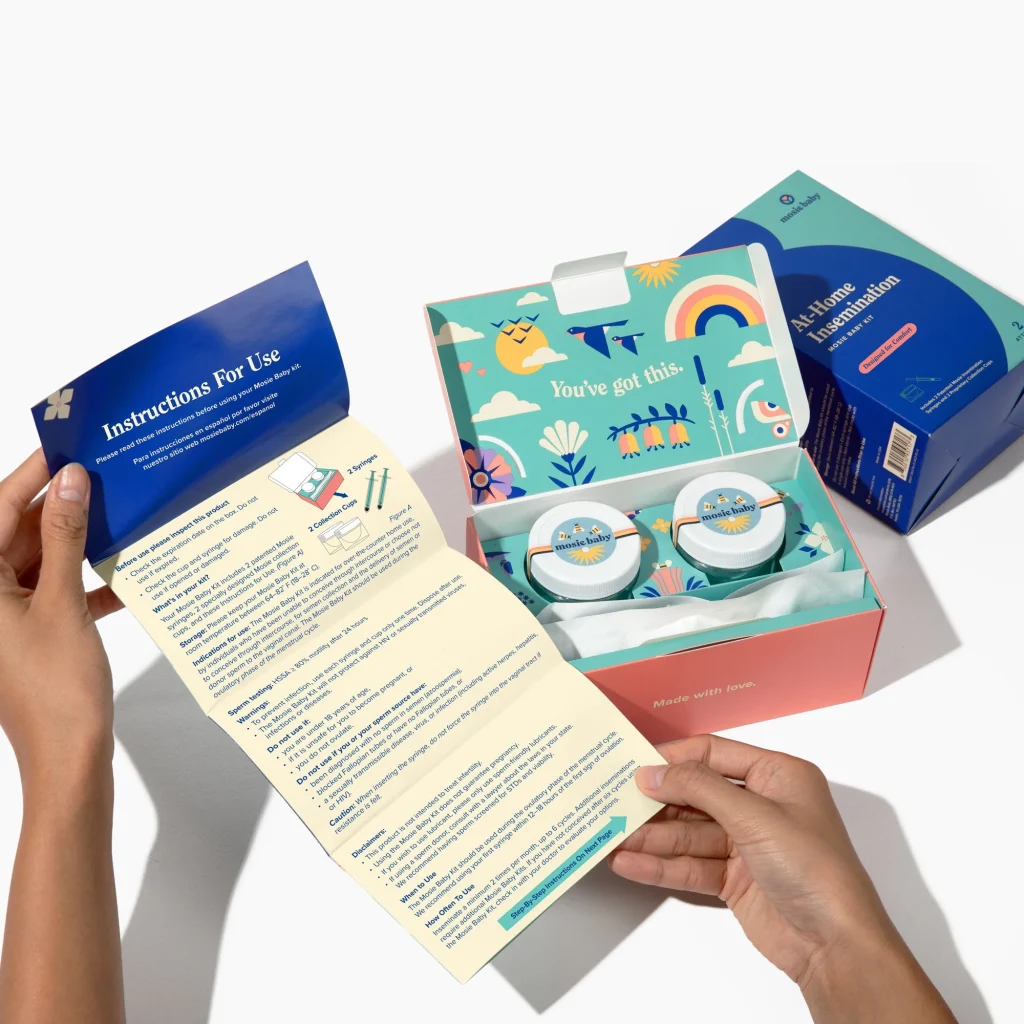
Expert Tips for Using a Syringe Kit in Insemination
Insemination is a method used to fertilize eggs artificially, often in cases of fertility issues or same-sex couples. While there are various techniques for insemination, one common method is using a syringe kit. A syringe kit allows for accurate and precise delivery of sperm into the cervix, increasing the chances of conception. However, using a syringe kit for insemination can be tricky and may require some expert tips. In this blog post, we will discuss some expert tips for using a syringe kit in insemination.
Tip #1: Choose the Right Syringe Kit
The first and most crucial tip for using a syringe kit in insemination is to choose the right one. There are various syringe kits available in the market, and not all are suitable for insemination. The most recommended type of syringe kit for insemination is a sterile and disposable one with a luer lock tip. This type of syringe ensures the cleanliness and safety of the procedure, as well as allows for secure attachment of the catheter.
Tip #2: Familiarize Yourself with the Kit
Before using the syringe kit for insemination, it is essential to familiarize yourself with its components and how they work. This includes understanding the markings on the syringe, the luer lock tip, and the catheter. It is also crucial to know how to properly attach and detach the catheter to the syringe to avoid any mishaps during the procedure.
Tip #3: Use the Right Position
When using a syringe kit for insemination, it is crucial to use the right position to ensure maximum effectiveness. The recommended position for insemination is lying down with the hips slightly elevated. This position allows for gravity to assist with the sperm reaching the cervix and increases the chances of conception.
Tip #4: Prepare the Sperm

Expert Tips for Using a Syringe Kit in Insemination
Proper preparation of the sperm is vital for successful insemination. Before using the syringe kit, thaw the sperm sample (if using frozen sperm) and let it reach room temperature. It is also recommended to use a sperm-friendly lubricant to make the catheter insertion easier and more comfortable.
Tip #5: Load the Syringe Correctly
Loading the syringe correctly is crucial for accurate delivery of the sperm. To load the syringe, first, attach the catheter to the luer lock tip. Then, pull the plunger of the syringe back to the desired amount, making sure to avoid any air bubbles. Next, insert the catheter into the sperm sample and slowly push the plunger to load the syringe with the sperm.
Tip #6: Use Gentle Pressure
When using the syringe kit for insemination, it is essential to use gentle pressure to deliver the sperm. Applying too much pressure can cause discomfort for the person receiving the insemination and may result in the sperm being pushed out of the cervix. Slowly and gently push the plunger to release the sperm into the cervix.
Tip #7: Stay in Position
After insemination, it is crucial to stay in the recommended position for at least 10-15 minutes. This allows for the sperm to travel towards the cervix and increases the chances of conception. It is also recommended to avoid any physical activity during this time to prevent the sperm from leaking out.
Tip #8: Dispose of the Kit Properly
Once the procedure is complete, it is essential to dispose of the syringe kit properly. Since it is a single-use, disposable kit, it should be discarded immediately after use. Make sure to properly dispose of the catheter and syringe in a biohazard bag or container to ensure the safety of others.
In conclusion, using a syringe kit for insemination can be a useful and effective method for fertilization. However, it is crucial to follow these expert tips to ensure the safety and success of the procedure. Remember to choose the right syringe kit, familiarize yourself with its components, use the right position, prepare the sperm properly, load the syringe correctly, use gentle pressure, stay in position, and dispose of the kit properly. By following these tips, you can increase your chances of successful insemination and conception.