Blog Post: The Science of Home Insemination: Understanding the Process
Home insemination, also known as artificial insemination or at-home insemination, is the process of placing sperm into a woman’s reproductive tract in order to achieve pregnancy. While it may seem like a daunting and complex process, home insemination is actually a simple and effective method for couples or individuals looking to start a family. In this blog post, we will delve into the science of home insemination and help you understand the process better.
What is Home Insemination?
Home insemination is a form of assisted reproductive technology (ART) that does not require the assistance of a medical professional. It involves the placement of sperm into the vagina, cervix, or uterus of a woman in order to fertilize an egg and achieve pregnancy. This technique can be used by heterosexual couples, single women, or same-sex couples.
Types of Home Insemination
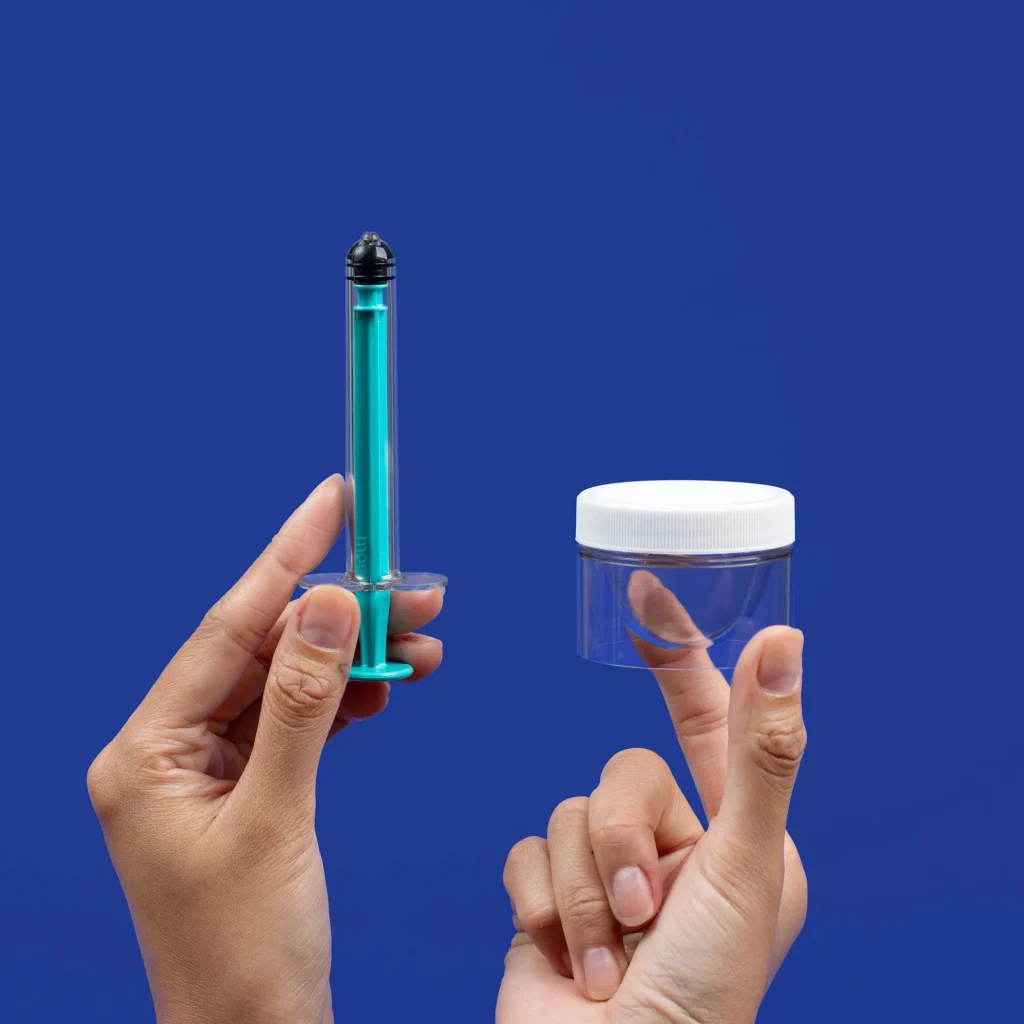
There are two main types of home insemination: intracervical insemination (ICI) and intrauterine insemination (IUI). In ICI, sperm is placed in the cervix using a syringe or soft cup. This method is less invasive and can be done at home without any assistance. On the other hand, IUI involves placing sperm directly into the uterus using a catheter. This method is more invasive and usually requires the help of a healthcare provider.
Preparing for Home Insemination
Before attempting home insemination, it is important to prepare the sperm and the body for the process. For the sperm, it is crucial to select high-quality sperm from a donor or partner. This can be done through a sperm bank or by collecting semen from a partner. The sperm should then be washed and prepared to increase the chances of successful fertilization.
For the body, it is important to track ovulation and time the insemination accordingly. This can be done through ovulation predictor kits or by monitoring changes in cervical mucus. It is also recommended to have a pelvic exam or ultrasound to ensure that the reproductive organs are healthy and ready for insemination.
Steps of Home Insemination
The process of home insemination can vary depending on the type of insemination chosen. However, there are some general steps that apply to both ICI and IUI methods.

The Science of Home Insemination: Understanding the Process
1. Collect the semen: If using donor sperm, follow the instructions from the sperm bank on how to collect and transport the sperm. If using a partner’s sperm, it can be collected through ejaculation into a sterile container.
2. Prepare the sperm: Once the sperm is collected, it should be washed and prepared according to the instructions provided by the sperm bank or healthcare provider.
3. Insert the sperm: Using a syringe or soft cup, the sperm is inserted into the vagina for ICI or into the cervix or uterus for IUI. The sperm should be placed as close to the cervix as possible to increase the chances of fertilization.
4. Relax and rest: After insemination, it is important to relax and rest for at least 15 minutes to allow the sperm to travel towards the egg.
5. Monitor for pregnancy: It is recommended to monitor for pregnancy symptoms and take a pregnancy test after two weeks to confirm if the insemination was successful.
Risks and Success Rate of Home Insemination
Home insemination is considered a safe and effective method for achieving pregnancy. However, there are some risks involved, such as infection or allergic reactions to sperm or sperm preparation materials. It is important to follow proper hygiene practices and use sterile materials to minimize these risks.
The success rate of home insemination varies depending on factors such as the timing of insemination, the quality of sperm, and the health of the reproductive organs. On average, the success rate for home insemination is around 10-15%, which is comparable to the success rate of natural conception.
Conclusion
Home insemination is a simple and accessible method for couples or individuals looking to start a family. By understanding the process and following the necessary steps, it can be a successful way to achieve pregnancy. However, it is important to consult with a healthcare provider and follow proper hygiene practices to ensure safety and increase the chances of success.
Summary:
Home insemination is a form of assisted reproductive technology that involves placing sperm into a woman’s reproductive tract to achieve pregnancy. There are two main types of home insemination: intracervical insemination (ICI) and intrauterine insemination (IUI). Before attempting home insemination, it is important to prepare the sperm and the body. The process involves collecting and preparing the sperm, inserting it into the vagina, cervix, or uterus, and monitoring for pregnancy. While it is considered safe and effective, there are some risks involved, and the success rate varies depending on various factors.