The Key to Conceiving: Exploring the Effectiveness of Fertility Insemination Kits
For many couples struggling to conceive, the idea of starting a family can be an emotionally and physically taxing journey. In recent years, fertility insemination kits have become a popular option for those looking to increase their chances of getting pregnant. But how effective are these kits, and what are the key factors to consider when using them?
In this blog post, we will explore the ins and outs of fertility insemination kits, from how they work to their success rates and potential drawbacks. We will also provide tips and recommendations for those considering using these kits as part of their fertility journey.
Understanding Fertility Insemination Kits
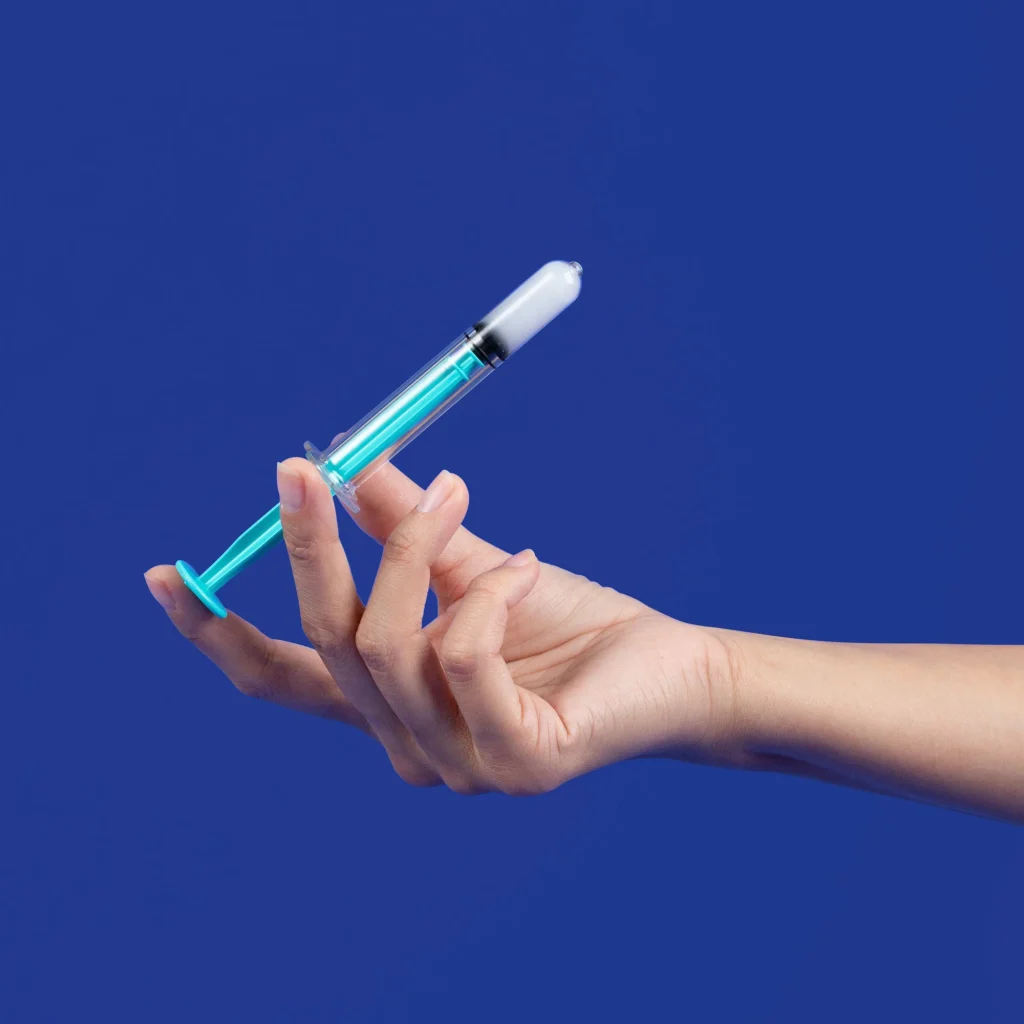
First, let’s define what fertility insemination kits are. These kits typically include a syringe or applicator, a collection cup, and sometimes ovulation predictor kits. They are designed to aid in the process of intrauterine insemination (IUI), where sperm is placed directly into the uterus during ovulation to increase the chances of fertilization.
Fertility insemination kits can be used by heterosexual couples, same-sex couples, and single women who are trying to conceive. They are often seen as a more affordable and less invasive option compared to medical procedures like in vitro fertilization (IVF).
Effectiveness of Fertility Insemination Kits
One of the most common questions people have about fertility insemination kits is, “Do they work?” The answer is not a straightforward yes or no. The effectiveness of these kits depends on various factors, including the cause of infertility, the age of the woman, and the quality of the sperm used.
According to a study published in the Journal of Assisted Reproduction and Genetics, the pregnancy rates for women using fertility insemination kits range from 3.4% to 32.3%, depending on the factors mentioned above. While these rates may seem low, they are comparable to those of IUI procedures done in a clinical setting.
Tips for Using Fertility Insemination Kits

The Key to Conceiving: Exploring the Effectiveness of Fertility Insemination Kits
If you are considering using a fertility insemination kit, here are some tips to keep in mind:
1. Consult with a fertility specialist: Before starting any fertility treatment, it’s essential to speak with a doctor or specialist. They can help identify any underlying issues and recommend the best course of action for your specific situation.
2. Track ovulation: Fertility insemination kits are most effective when used during the ovulation period. Therefore, it’s crucial to track your ovulation using methods like ovulation predictor kits or tracking your basal body temperature.
3. Follow instructions carefully: Fertility insemination kits come with detailed instructions on how to use them properly. It’s crucial to follow these instructions to ensure the best chances of success.
4. Consider using fresh sperm: While some fertility insemination kits come with frozen sperm, using fresh sperm may increase the chances of success. This is because fresh sperm has a higher motility rate, making it more likely to fertilize an egg.
Potential Drawbacks of Fertility Insemination Kits
While fertility insemination kits can be a useful tool for couples trying to conceive, there are also some drawbacks to consider.
1. No medical supervision: Unlike IUI procedures done in a clinical setting, using a fertility insemination kit does not involve any medical supervision. This means that there is no one monitoring the process or providing guidance on potential issues.
2. Low success rates for certain factors: As mentioned earlier, the effectiveness of fertility insemination kits can vary depending on factors like age and sperm quality. For some couples, these kits may not be as effective as other fertility treatments.
3. Potential for infection: If not used properly, fertility insemination kits can pose a risk of infection. It’s crucial to follow sterile techniques and dispose of the equipment properly to avoid any potential infections.
In conclusion, fertility insemination kits can be an effective option for couples trying to conceive. However, it’s essential to understand their limitations and follow proper guidelines for the best chances of success. Consulting with a fertility specialist and tracking ovulation are crucial steps in the process.