Blog Post:
Male infertility is a common issue that affects approximately 8-12% of couples trying to conceive. While there are many different factors that can contribute to male infertility, one of the most common is a low sperm count or poor sperm quality. For many couples, this can be a devastating diagnosis, as it can greatly reduce their chances of conceiving naturally. However, thanks to advancements in reproductive technology, there are now solutions available for male infertility, including non-invasive insemination.
What is Male Infertility?
Male infertility is defined as the inability to impregnate a female partner after one year of unprotected sexual intercourse. This can be caused by a variety of factors, including low sperm count, poor sperm motility (movement), or abnormal sperm morphology (shape). Other potential causes of male infertility include hormonal imbalances, genetic disorders, and physical blockages in the reproductive tract.
Dealing with Male Infertility
Being diagnosed with male infertility can be a difficult and emotional experience for both partners. Many men may feel a sense of shame or inadequacy, while women may struggle with feelings of guilt or disappointment. However, it’s important to remember that male infertility is a medical condition and there are solutions available to help couples conceive.
The first step in dealing with male infertility is to seek out a professional evaluation from a fertility specialist. The specialist will conduct a thorough physical examination and take a detailed medical history to determine the cause of the infertility. They may also order additional tests, such as a semen analysis, to assess sperm count, motility, and morphology.
Non-Invasive Insemination
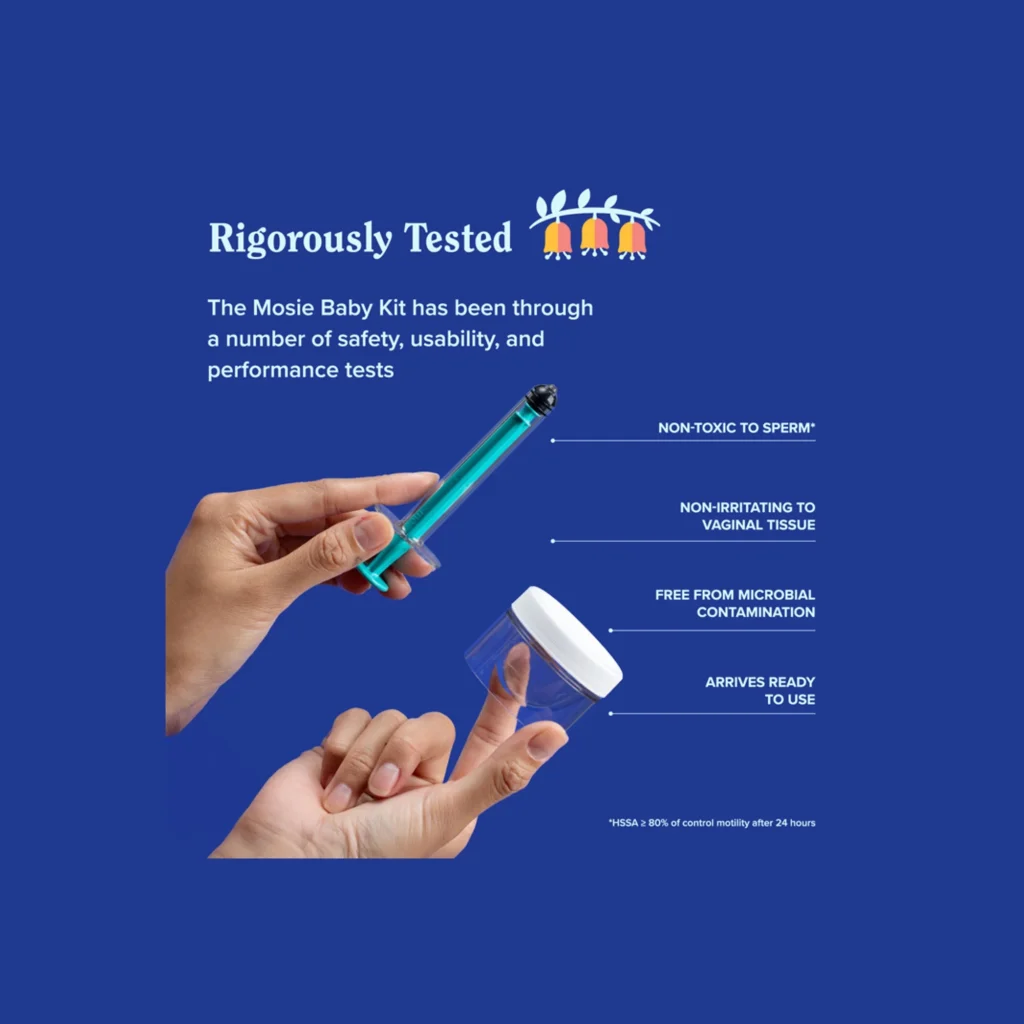
For couples struggling with male infertility, non-invasive insemination offers a less invasive and more affordable option compared to other fertility treatments such as in vitro fertilization (IVF). Non-invasive insemination involves placing washed and concentrated sperm into the female partner’s uterus near the time of ovulation. This can be done through intrauterine insemination (IUI) or intracervical insemination (ICI) methods.

and Dealing with Male Infertility? Non-Invasive Insemination Offers a Solution
IUI is the most common form of non-invasive insemination and involves inserting a thin catheter through the cervix and into the uterus to deposit the sperm. This method is often recommended for couples with male infertility due to low sperm count or poor sperm motility. On the other hand, ICI involves placing the sperm near the cervix, allowing it to swim into the uterus on its own. This method is typically used for couples with unexplained infertility or mild male infertility.
Benefits of Non-Invasive Insemination
Non-invasive insemination offers several benefits for couples struggling with male infertility. Firstly, it is a less invasive and less expensive treatment option compared to other fertility treatments. IUI and ICI can be done in a doctor’s office without the need for anesthesia or surgery, making it a more comfortable experience for both partners.
Additionally, non-invasive insemination can be combined with fertility drugs to increase the chances of success. These drugs can help stimulate ovulation and thicken the lining of the uterus, providing a more favorable environment for the sperm to fertilize the egg.
Success Rates of Non-Invasive Insemination
The success rates of non-invasive insemination vary depending on the cause of male infertility and other factors such as age and overall health. On average, IUI has a success rate of 10-20% per cycle, while ICI has a success rate of 5-10% per cycle. However, the success rates can increase significantly when combined with fertility drugs and multiple cycles of insemination.
In cases where non-invasive insemination is not successful, couples can explore other options such as IVF or donor sperm. However, non-invasive insemination can be a great starting point for couples with male infertility, as it is less invasive and less expensive.
In conclusion, male infertility can be a challenging and emotional experience for couples trying to conceive. However, non-invasive insemination offers a solution that is less invasive, more affordable, and can greatly increase the chances of pregnancy. If you are struggling with male infertility, don’t lose hope. Seek professional help and explore the option of non-invasive insemination.
Summary:
Male infertility affects 8-12% of couples trying to conceive and is often caused by low sperm count, poor sperm quality, or physical blockages. Dealing with this diagnosis can be emotional, but non-invasive insemination offers a solution that is less invasive, more affordable, and can greatly increase the chances of pregnancy. This method involves placing washed and concentrated sperm into the female partner’s uterus through IUI or ICI. Non-invasive insemination can be combined with fertility drugs and has a success rate of 10-20% per cycle. If this method is not successful, couples can explore other options such as IVF or donor sperm.