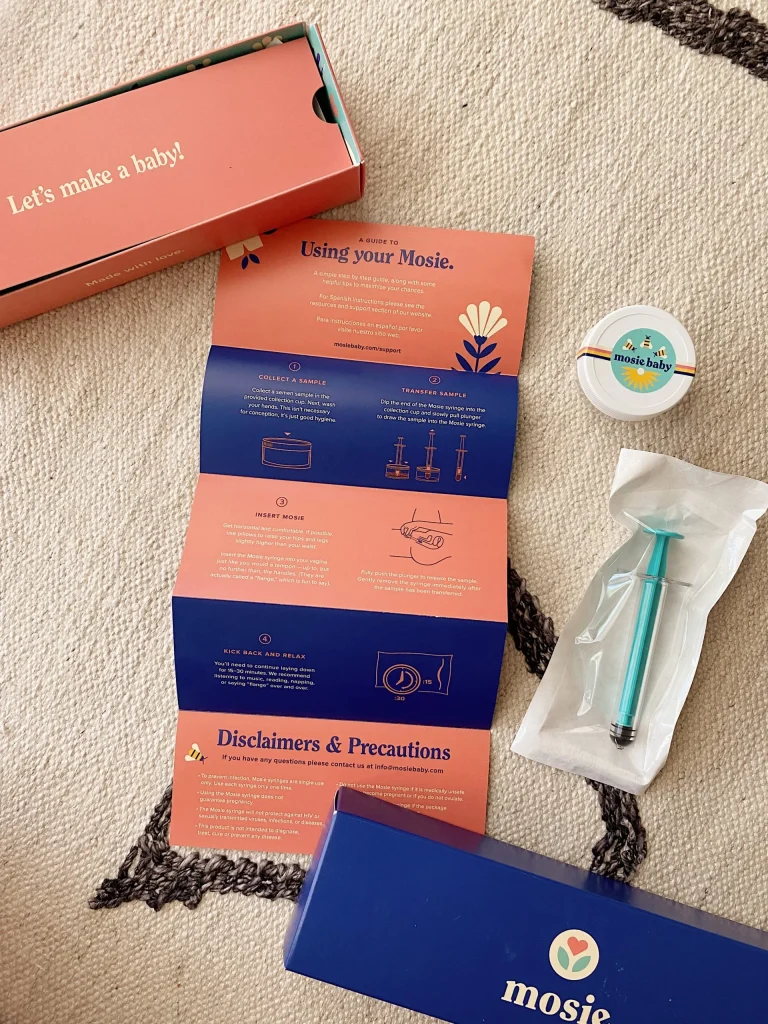
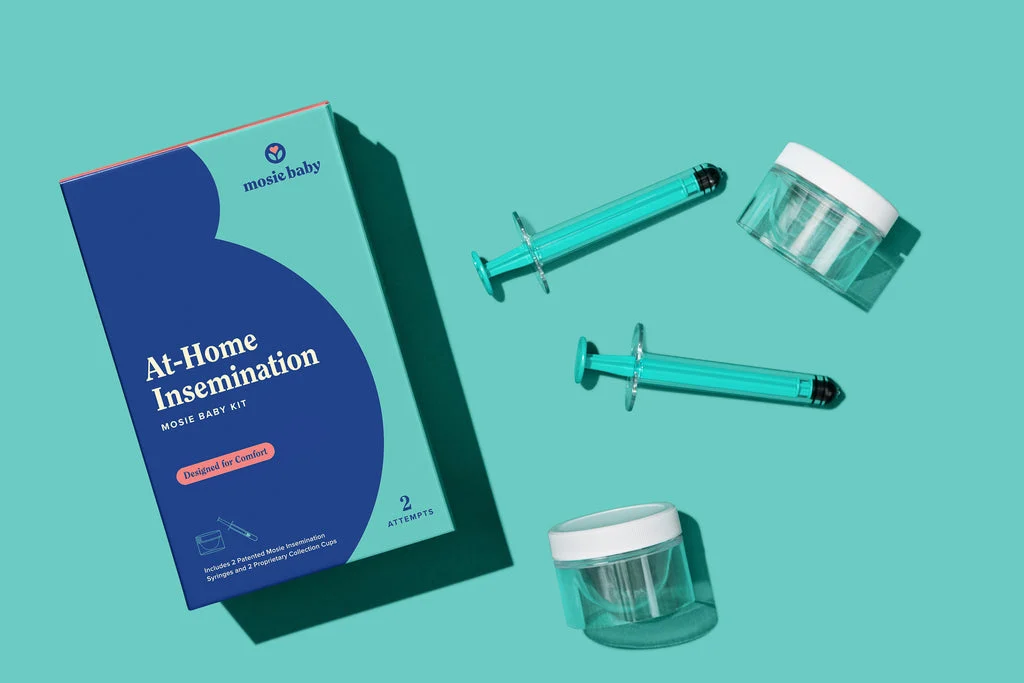
Blog Post: A Step-by-Step Guide to Using a Syringe Kit for DIY Conception
The journey to starting a family can be a challenging and emotional one, especially for those who are struggling with infertility. While there are many medical procedures and options available for conception, some couples prefer to take a more natural approach and try DIY conception methods. One method that has gained popularity in recent years is using a syringe kit for DIY conception. In this blog post, we will provide a step-by-step guide on how to use a syringe kit for DIY conception, as well as some tips and precautions to keep in mind.
Step 1: Gather Your Supplies
The first step in using a syringe kit for DIY conception is to gather all the necessary supplies. These include a syringe, a sterile cup, ovulation predictor kits, and a high-quality sperm donor. It is crucial to use a sterile syringe to minimize the risk of infection. You can purchase syringe kits specifically designed for DIY conception online or from a pharmacy.
Step 2: Timing is Everything
Timing is crucial when it comes to conception, so it is essential to track your ovulation cycle. You can use an ovulation predictor kit to determine when you are most fertile. These kits detect the surge in luteinizing hormone (LH), which occurs 24-36 hours before ovulation. It is recommended to have intercourse within 12-24 hours of the LH surge to maximize your chances of conception.
Step 3: Preparing the Sperm
Once you have determined your ovulation window, it is time to prepare the sperm. If you have a sperm donor, you can collect the sperm sample in a sterile cup. It is crucial to keep the sample at room temperature and use it within 30 minutes to ensure the viability of the sperm. If you are using frozen sperm, follow the instructions provided by the sperm bank for thawing and preparing the sample.
Step 4: Preparing the Syringe
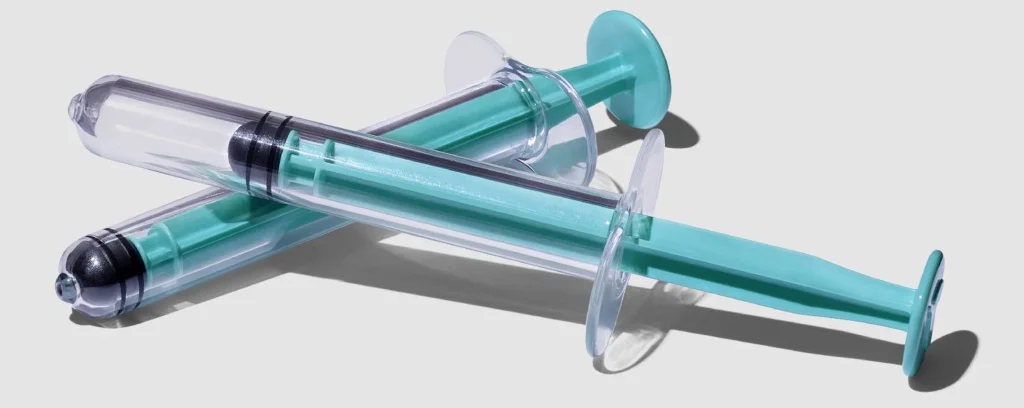
A Step-by-Step Guide to Using a Syringe Kit for DIY Conception
Before using the syringe, make sure it is clean and sterile. You can sterilize it by boiling it in hot water for 10 minutes or using a sterile solution. Once the syringe is sterile, remove the plunger and place the sperm sample into the syringe using a sterile spoon or dropper.
Step 5: Insemination
Now it is time for insemination. Lie down on your back with your hips elevated using a pillow or rolled-up towel. This position helps the sperm reach the cervix and increases the chances of conception. Slowly insert the syringe into the vagina, aiming towards the cervix. Once the syringe is in place, slowly push the plunger to release the sperm.
Step 6: Post-Insemination
After insemination, it is essential to remain in the elevated position for at least 15-20 minutes to allow the sperm to travel towards the cervix. You can also use a menstrual cup to hold the sperm in place and increase the chances of conception. It is recommended to stay in this position for a few hours to ensure the sperm has reached the fallopian tubes.
Safety Precautions and Tips
– Always use sterile equipment and follow proper hygiene practices to reduce the risk of infection.
– It is essential to use high-quality sperm from a reputable donor or sperm bank.
– Do not use a syringe that has been used before.
– It is recommended to consult with a healthcare provider before trying DIY conception methods.
– Keep track of your ovulation cycle to ensure accurate timing.
– It may take multiple attempts before achieving successful conception, so do not get discouraged and keep trying.
In conclusion, using a syringe kit for DIY conception can be an effective and affordable way for couples to start a family. By following these simple steps and precautions, you can increase your chances of successful conception. However, if you are struggling with infertility, it is always best to consult with a healthcare provider for personalized advice and guidance.
Summary:
DIY conception methods have gained popularity in recent years, and one method that has proven to be effective is using a syringe kit. This step-by-step guide provides all the necessary information and precautions for using a syringe kit for DIY conception. It includes gathering supplies, tracking ovulation, preparing the sperm and syringe, insemination, and post-insemination tips. It is crucial to use sterile equipment, high-quality sperm, and consult with a healthcare provider before attempting DIY conception. With patience and proper timing, this method can be an affordable and effective way for couples to start a family.