Summary:
Syringe insemination, also known as intrauterine insemination (IUI), is a fertility treatment that can be used to help couples who are struggling with male infertility. This procedure involves inserting sperm directly into the woman’s uterus, bypassing any potential barriers that may be preventing pregnancy. In this blog post, we will take a closer look at male infertility, how syringe insemination works, and how it can help couples successfully conceive.
Male infertility is a common issue that affects many couples trying to start a family. It is estimated that about 15% of couples have difficulty conceiving, and in about 30% of these cases, male infertility is the sole cause or a contributing factor. Male infertility can be caused by various factors such as low sperm count, poor sperm motility, and abnormal sperm shape. Other underlying medical conditions, such as hormonal imbalances, infections, or genetic disorders, can also contribute to male infertility.
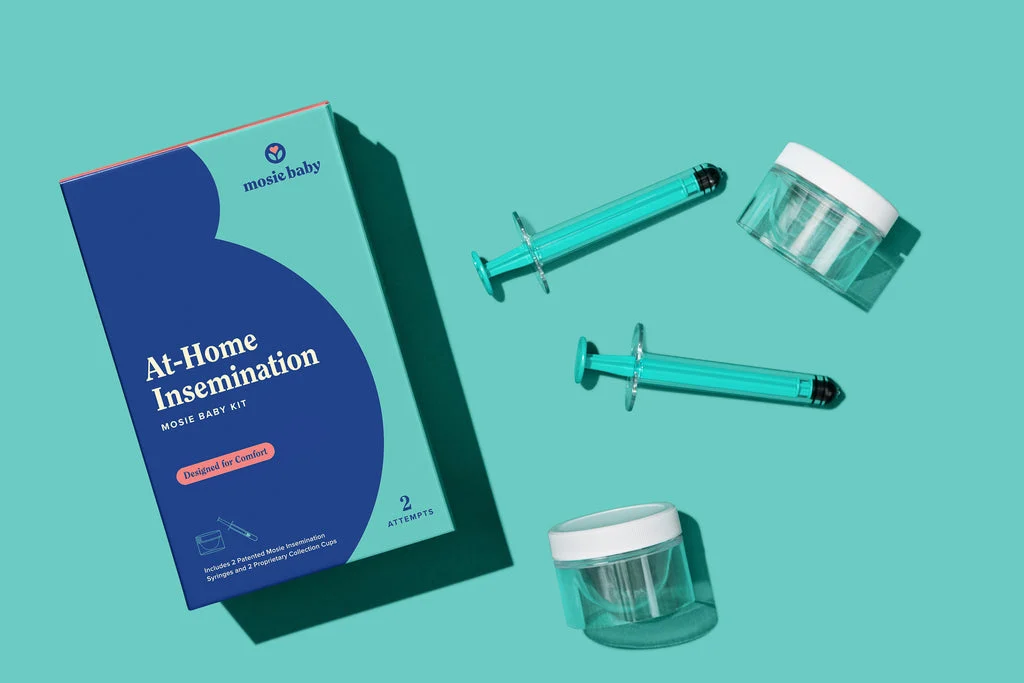
Syringe insemination involves the use of a thin, flexible catheter to insert sperm directly into the uterus. This method is often used in conjunction with fertility drugs to stimulate ovulation and increase the chances of pregnancy. The sperm used for syringe insemination can come from the male partner or a sperm donor, depending on the couple’s situation. The procedure is typically performed in a doctor’s office and does not require any anesthesia.

Syringe Insemination and Male Infertility: How It Can Help Couples Conceive
One of the main advantages of syringe insemination is that it bypasses any potential barriers that may be preventing the sperm from reaching the egg. For example, if a man has a low sperm count or poor sperm motility, the sperm may not be able to swim through the cervix and reach the egg on its own. With syringe insemination, the sperm is placed directly into the uterus, increasing the chances of successful fertilization. Additionally, syringe insemination can also be helpful for couples where the male partner has a physical disability or injury that affects their ability to ejaculate.
The success rate of syringe insemination varies depending on the cause of male infertility and other factors. Generally, it has a success rate of 10-20% per cycle, which may increase with multiple attempts. This procedure also has a lower cost compared to other fertility treatments, making it a more accessible option for couples.
However, syringe insemination may not be suitable for all couples. It is not recommended for couples with severe male infertility or conditions that affect the quality of the sperm. It is also not effective in cases where the woman has blocked fallopian tubes, as the sperm would not be able to reach the egg for fertilization. In such cases, other fertility treatments such as in vitro fertilization (IVF) may be more appropriate.
Before undergoing syringe insemination, both partners will undergo fertility testing to determine the cause of infertility and ensure that this procedure is the right option for them. This may include hormone testing, semen analysis, and a pelvic exam for the woman. The doctor may also recommend lifestyle changes and supplements to improve sperm quality and increase the chances of success.
In conclusion, syringe insemination is a fertility treatment that can help couples struggling with male infertility to conceive. It is a simple and relatively non-invasive procedure that can increase the chances of successful fertilization. However, it may not be suitable for all couples, and it is important to consult with a fertility specialist to determine the best course of action. With advances in technology and medical knowledge, there is hope for couples facing male infertility, and syringe insemination is just one of the many options available to help them achieve their dream of starting a family.