Summary:
Traditional paths to conception, such as heterosexual intercourse and in vitro fertilization (IVF), have long been the norm for couples wanting to start a family. However, in recent years, more and more people are breaking away from these traditional methods and embracing non-traditional paths to conception. These alternative paths include same-sex couples, single individuals, and those struggling with fertility issues. By breaking the mold and embracing these non-traditional paths, individuals and couples are finding fulfillment and joy in becoming parents.
One of the main reasons for the rise in non-traditional paths to conception is the increase in acceptance and visibility of the LGBTQ+ community. Same-sex couples have long been denied the opportunity to conceive through traditional means, but with advancements in reproductive technology and a shift towards more inclusive laws and policies, they now have more options available to them. From using a sperm or egg donor to surrogacy, same-sex couples can now create their own families and experience the joys of parenthood.
Another group of individuals who are embracing non-traditional paths to conception are single individuals. With the rise in singlehood and the delay of marriage and starting a family, more and more people are choosing to become parents on their own. These individuals may use a sperm or egg donor, adopt, or even choose to co-parent with a friend or family member. While it may not be the traditional route, these individuals are finding fulfillment in creating their own families and breaking the societal mold of what a family should look like.

Breaking the Mold: Embracing Non-Traditional Paths to Conception
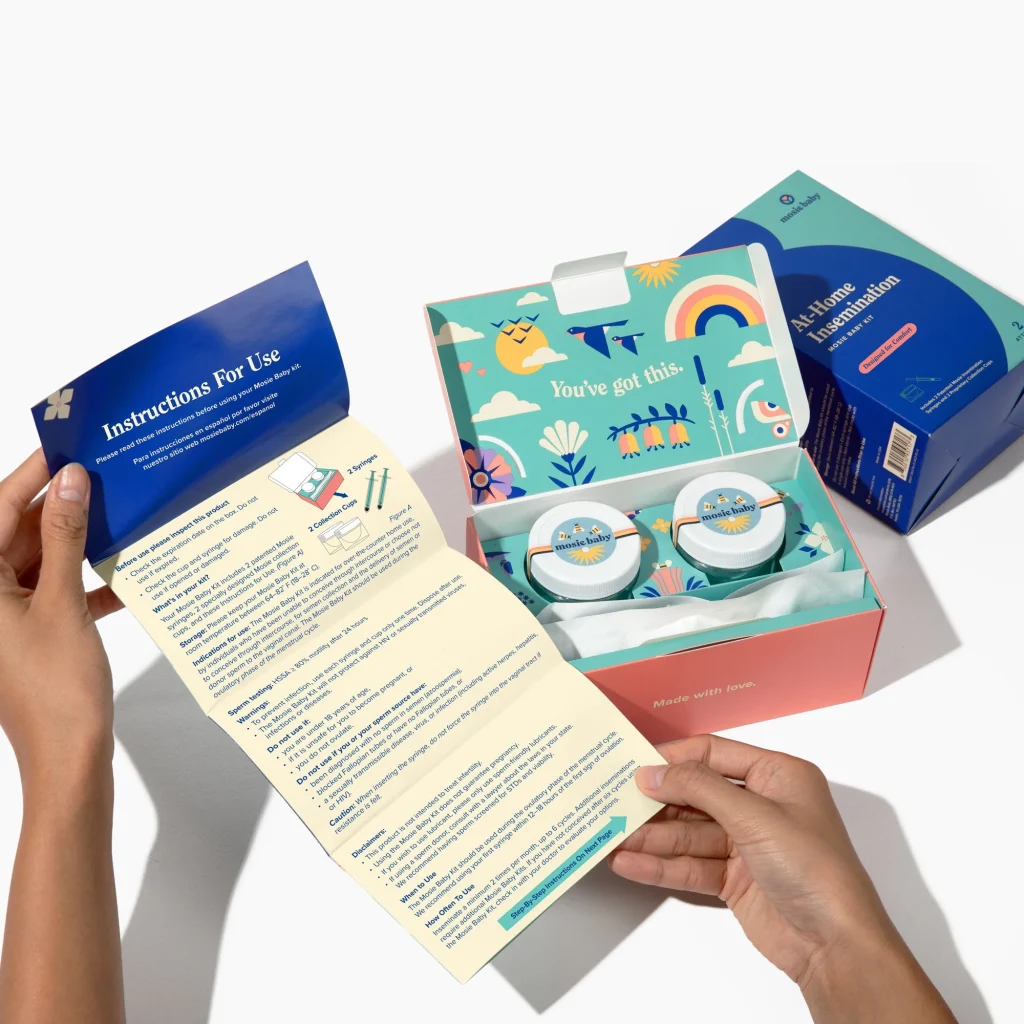
In addition, many couples and individuals are turning to non-traditional paths to conception due to struggles with fertility. In vitro fertilization (IVF) has long been the go-to method for those struggling with fertility, but it can be expensive and emotionally draining. As a result, many are turning to alternative methods such as intrauterine insemination (IUI), surrogacy, and adoption. These methods may not be the “traditional” way of becoming a parent, but they offer hope and opportunity for those who may have otherwise been unable to conceive.
Breaking the mold and embracing non-traditional paths to conception also challenges societal norms and expectations. It allows individuals and couples to create their own definition of family and to not be limited by traditional roles and expectations. This can be empowering for those who have felt confined by societal norms and opens up new possibilities for creating a family that truly reflects their values and desires.
It is important to note that while these alternative paths to conception may challenge traditional norms, they are still valid and should be celebrated. The journey to parenthood is unique for everyone and it should not be limited by societal expectations or perceived norms. Every person has the right to choose their own path to creating a family and should not be judged for their choices.
Furthermore, breaking the mold and embracing non-traditional paths to conception also highlights the importance of inclusivity and diversity in the realm of parenthood. By acknowledging and supporting these alternative paths, we are creating a more inclusive and welcoming society for all individuals and families. It allows for a greater acceptance and understanding of different family structures and promotes a more compassionate and open-minded society.
In conclusion, while traditional paths to conception may still be the norm, it is important to recognize and celebrate the rise of non-traditional paths to parenthood. By breaking the mold and embracing these alternative methods, individuals and couples are finding fulfillment and joy in creating their own families. It also promotes inclusivity and diversity, challenging societal norms and expectations. Let us continue to support and celebrate all paths to parenthood, as every journey is unique and valid in its own way.