Summary:
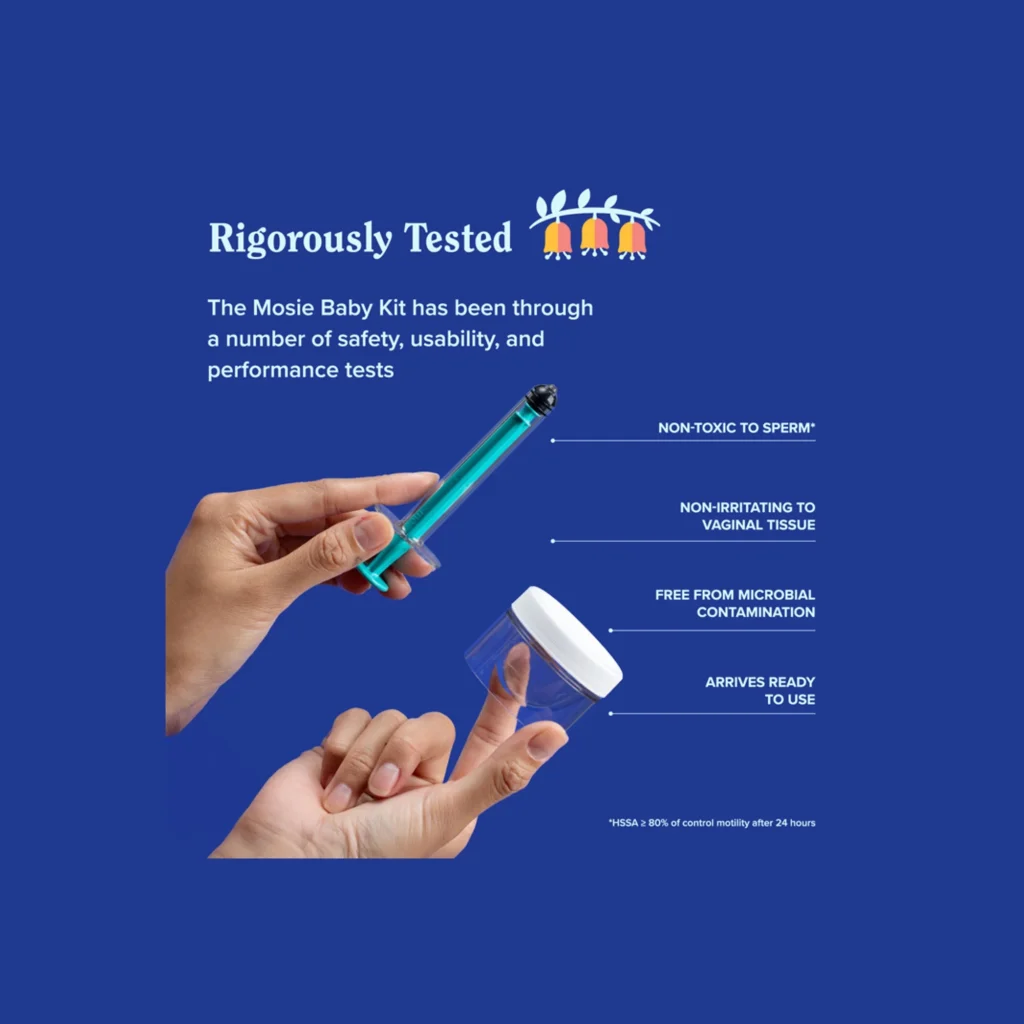
At-home insemination with the syringe method is an alternative option for individuals and couples who are looking to conceive without the use of traditional medical procedures. This method involves manually inserting sperm into the vagina using a syringe, and while it may seem unconventional, it has been found to be effective and safe for many families. In this blog post, we will explore some surprising facts about at-home insemination with the syringe method, including its success rates, benefits, and potential challenges. We hope that this information will help individuals and couples make informed decisions about their family planning journey.
Fact 1: The Success Rates are Similar to Medical Procedures
One of the most surprising facts about at-home insemination with the syringe method is that it has similar success rates to traditional medical procedures. Studies have found that the success rates for at-home insemination range from 10-15% per cycle, which is comparable to the success rates of intrauterine insemination (IUI) and in vitro fertilization (IVF). This is good news for individuals and couples who are looking for a more affordable and less invasive option for conception.
Fact 2: It Can Be Done With or Without a Partner
Another surprising fact about at-home insemination with the syringe method is that it can be done with or without a partner. While many couples choose to do the procedure together, it is also a great option for single individuals or same-sex couples who may not have a male partner. In these cases, sperm can be obtained from a sperm bank or a known donor, and the procedure can be done at home with the help of a friend or a fertility specialist.
Fact 3: Timing is Crucial for Success
Timing is crucial for any method of conception, and the same goes for at-home insemination with the syringe method. In order for sperm to have the best chance of fertilizing an egg, it needs to be inserted into the vagina as close to ovulation as possible. This means tracking ovulation using methods such as basal body temperature charting or ovulation predictor kits. It is recommended to do the procedure within 12-24 hours of ovulation for the best chances of success.

Surprising Facts About At-Home Insemination with the Syringe Method
Fact 4: It Can Be Done With Fresh or Frozen Sperm
Another surprising fact about at-home insemination with the syringe method is that it can be done with either fresh or frozen sperm. Fresh sperm can be obtained from a known donor or a fertility clinic, while frozen sperm can be purchased from a sperm bank. Both options have been found to be effective, but frozen sperm may have a slightly lower success rate due to the freezing and thawing process. It is important to discuss the pros and cons of each option with a fertility specialist before making a decision.
Fact 5: It Can Be More Affordable Than Traditional Medical Procedures
One of the biggest benefits of at-home insemination with the syringe method is that it can be more affordable than traditional medical procedures. While the cost of sperm and fertility supplies may add up, it is still significantly less expensive than IUI or IVF. This makes it a more accessible option for individuals and couples who may not have the financial means to undergo traditional medical procedures.
Fact 6: It Can Be More Private and Comfortable
Another surprising fact about at-home insemination with the syringe method is that it can be a more private and comfortable experience for individuals and couples. Some people may feel uncomfortable with the idea of undergoing medical procedures for conception, and at-home insemination allows for a more intimate and private experience. This can also be beneficial for individuals or couples who may have experienced trauma or discomfort in medical settings.
Fact 7: It May Not Be Suitable for Everyone
While at-home insemination with the syringe method can be a great option for many families, it may not be suitable for everyone. It is important to consult with a fertility specialist or reproductive endocrinologist to determine if this method is a good fit for your specific situation. Factors such as fertility issues, underlying medical conditions, and age may impact the success rates of at-home insemination.
In conclusion, at-home insemination with the syringe method is a viable and effective option for individuals and couples who are looking to conceive. Its success rates, affordability, and comfort make it an attractive alternative to traditional medical procedures. However, it is important to do thorough research and consult with a fertility specialist before embarking on this journey. With the right information and support, at-home insemination can be a successful and fulfilling path to parenthood.