The Future of At-Home Insemination: Innovations and Possibilities
The traditional method of insemination, where a couple would visit a fertility clinic for assisted reproduction, has become increasingly expensive and limiting for many people. As a result, more and more individuals and couples are turning to at-home insemination as a viable option for starting or expanding their families. With advancements in technology and a growing interest in alternative family planning methods, the future of at-home insemination is filled with exciting innovations and possibilities.
In this blog post, we will explore the current state of at-home insemination, the challenges it presents, and the potential for future developments in this field.
The Evolution of At-Home Insemination
Insemination at home has been around for decades, but it was primarily used by lesbian couples or single women who wanted to conceive without a male partner. However, with the rising cost of fertility treatments and the increasing acceptance of non-traditional families, at-home insemination has gained popularity among heterosexual couples as well.
The basic process of at-home insemination involves using a syringe or a cervical cap to deposit sperm into the vagina or cervix, respectively. This method is often referred to as the “turkey baster” method, as it mimics the process of inseminating a turkey with a baster. While this method can be effective, it also has its limitations.
Challenges of At-Home Insemination
One of the main challenges of at-home insemination is the lack of medical supervision. Unlike in a fertility clinic, there is no trained medical professional to guide the couple through the process, monitor the woman’s ovulation, or ensure the sperm is of good quality.
Another challenge is the cost and availability of sperm. While some couples may opt to use a known donor, others may need to purchase sperm from a sperm bank, which can be expensive and may have limited options.

The Future of At-Home Insemination: Innovations and Possibilities
Innovations in At-Home Insemination
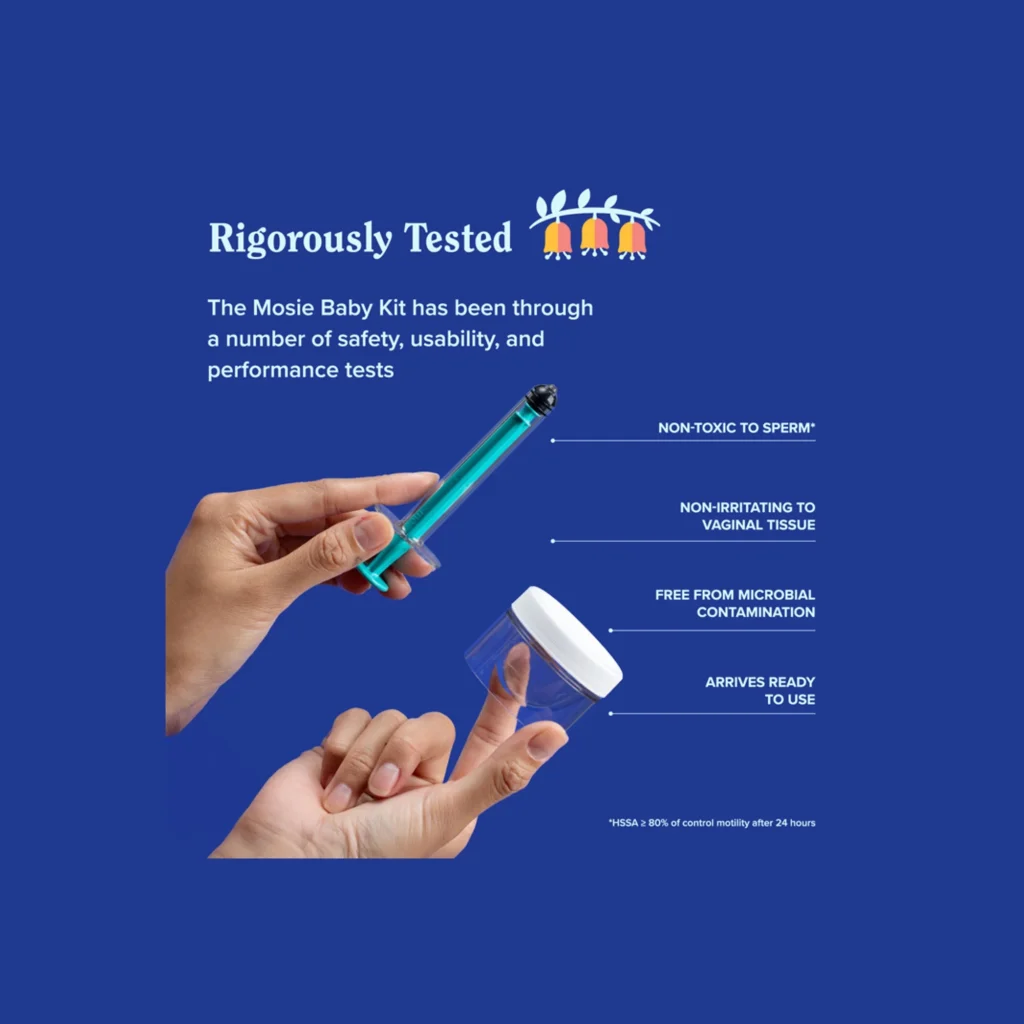
Despite these challenges, there have been significant developments in at-home insemination that have improved its effectiveness and accessibility. One such innovation is the use of home insemination kits. These kits typically include a collection cup, syringe, and instructions for use. They also often come with ovulation tests, which can help couples time their insemination more accurately.
Another innovation is the use of fertility tracking apps. These apps use data such as basal body temperature, cervical mucus, and period dates to help women track their ovulation and increase their chances of conceiving. Some apps even offer personalized recommendations for at-home insemination based on the user’s data.
The Future of At-Home Insemination
The future of at-home insemination is bright, with many possibilities for further advancements and improvements. One potential development is the use of telemedicine for at-home insemination. This would allow couples to consult with a fertility specialist remotely, providing them with professional guidance and support throughout the process.
Another possibility is the use of artificial insemination devices. These devices, currently in development, would allow for more precise and controlled insemination at home. They could also potentially eliminate the need for sperm banks, as they would use the male partner’s sperm to create a concentrated sample for insemination.
The Future of Family Planning
The rise of at-home insemination is just one example of the changing landscape of family planning. As society becomes more accepting of non-traditional families, there is a growing demand for alternative methods of conception. At-home insemination is not only a more affordable option for many people, but it also allows them to take control of their reproductive choices.
Despite its challenges, at-home insemination has proven to be a viable and empowering option for many individuals and couples. With continued advancements and innovations, the future of at-home insemination looks promising, and it is likely to become an even more popular choice for family planning in the years to come.
In summary, at-home insemination has come a long way and has the potential to continue evolving and improving in the future. Innovations such as home insemination kits, fertility tracking apps, and potential developments in telemedicine and artificial insemination devices offer promising possibilities for at-home insemination. This method of conception is not only more affordable but also allows for greater control and flexibility in family planning.