At-Home Insemination: A Viable Option for Couples Struggling to Conceive
Infertility is a common struggle for many couples, with approximately 1 in 8 couples facing difficulties in conceiving. While there are various medical treatments available, they can be expensive and emotionally draining. This has led many couples to explore alternative options, such as at-home insemination. In this blog post, we will discuss what at-home insemination is, how it works, and its effectiveness as a viable option for couples struggling to conceive.
What is At-Home Insemination?
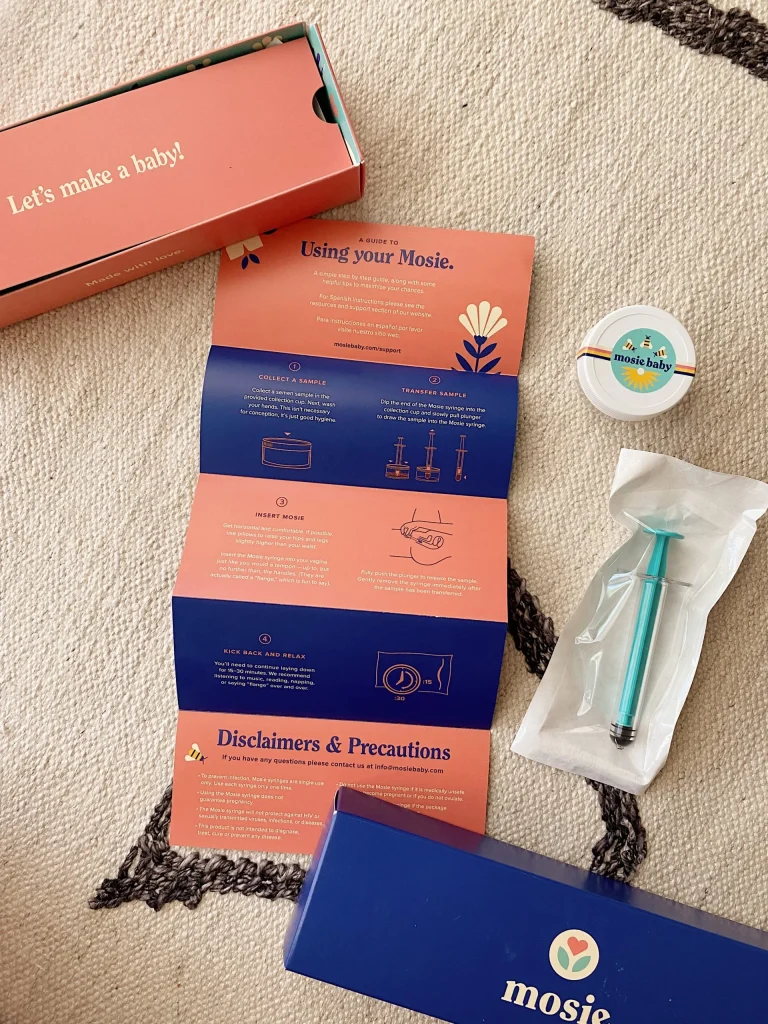
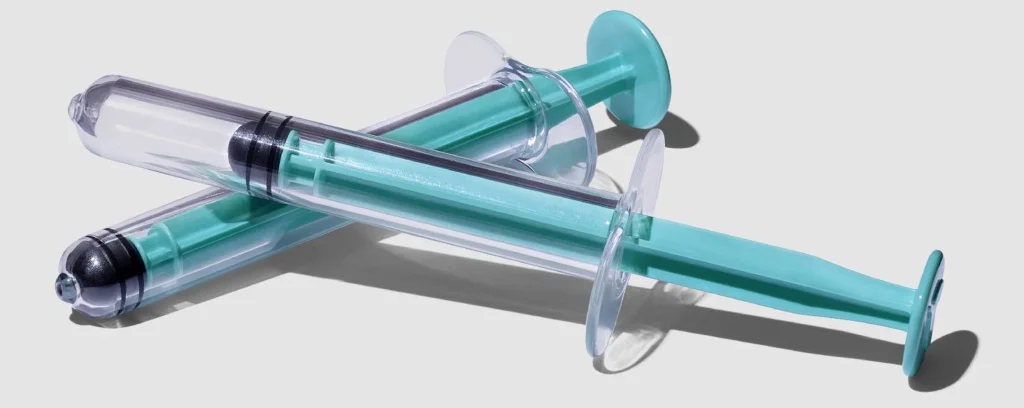
At-home insemination, also known as self-insemination, is a fertility treatment method where the sperm is manually inserted into the woman’s reproductive tract, usually through the use of a syringe or a soft cup. It is a non-invasive and less expensive alternative to medical treatments like intrauterine insemination (IUI) or in vitro fertilization (IVF). At-home insemination can be done without the involvement of a medical professional, making it a more private and intimate experience for couples.
How Does At-Home Insemination Work?
The first step in at-home insemination is to obtain the sperm. This can be done through a sperm bank, where the sperm is frozen and shipped to your home, or through a known donor, such as a friend or family member. It is essential to ensure that the sperm is healthy and free from any sexually transmitted infections (STIs). The next step is to prepare the sperm for insemination, which involves thawing and washing it to increase its chances of survival and fertilization.
Once the sperm is prepared, it is inserted into the woman’s reproductive tract through the use of a syringe or a soft cup. The best time to perform at-home insemination is during the woman’s ovulation period, which is when the egg is released from the ovary and ready for fertilization. This can be tracked through ovulation predictor kits or by tracking your basal body temperature. After the insemination, the woman is advised to lie down for 20-30 minutes to allow the sperm to travel towards the egg.

At-Home Insemination: A Viable Option for Couples Struggling to Conceive
Is At-Home Insemination Effective?
The effectiveness of at-home insemination depends on various factors, such as the quality of the sperm, the timing of the insemination, and the overall health of the woman. Studies have shown that the success rate of at-home insemination is between 10-15%, which is similar to the success rates of IUI. However, it is essential to note that at-home insemination does not guarantee pregnancy and may require multiple attempts.
Benefits of At-Home Insemination
There are several benefits of at-home insemination that make it a popular choice for couples struggling to conceive. Firstly, it is a more affordable option compared to medical treatments, which can cost thousands of dollars. At-home insemination also allows couples to have more control over the process and make it a more intimate experience. It is also a less invasive option, which can be less stressful and emotionally draining for couples.
Things to Consider Before Trying At-Home Insemination
While at-home insemination may seem like an attractive option, there are a few things that couples should consider before trying it. Firstly, it is essential to consult with a doctor to rule out any underlying fertility issues that may require medical treatment. It is also crucial to do thorough research and follow proper procedures to ensure the safety and effectiveness of the process. Additionally, it is essential to have open and honest communication with your partner and any known donor involved in the process.
In conclusion, at-home insemination can be a viable option for couples struggling to conceive. It is a non-invasive, affordable, and intimate alternative to medical treatments. However, it is essential to consider all factors and consult with a doctor before trying it. With proper research and preparation, at-home insemination can be a successful and fulfilling journey towards parenthood.