Tag: Parenthood

  • The Impact of Non-Invasive Insemination on Traditional Family Dynamics

    Blog Post Title: The Evolution of Family Dynamics: The Impact of Non-Invasive Insemination

    Family dynamics have always been an integral part of society, shaping the way we view relationships, gender roles, and parenthood. However, with the advancements in technology and medical science, traditional family dynamics are slowly evolving. One major factor contributing to this change is non-invasive insemination, a method of conception that does not involve sexual intercourse. In this blog post, we will explore the impact of non-invasive insemination on traditional family dynamics and how it is reshaping the modern concept of family.

    First, let’s understand what non-invasive insemination is. Also known as artificial insemination, it is a fertility treatment that involves placing sperm directly into a woman’s reproductive tract in order to facilitate pregnancy. This method has been in practice for decades and was initially used to treat infertility in heterosexual couples. However, with the advancement of technology, non-invasive insemination is now being used by same-sex couples and single individuals to start their own families.

    One significant impact of non-invasive insemination on traditional family dynamics is the breakdown of the traditional nuclear family structure. The traditional nuclear family, consisting of a mother, father, and their biological children, has been the societal norm for decades. However, with non-invasive insemination, individuals and couples can now have children without the need for a partner of the opposite sex. This has led to the formation of diverse family structures, such as single-parent families, same-sex parent families, and co-parenting arrangements.

    Moreover, non-invasive insemination has also challenged the traditional gender roles within families. In traditional families, the father is seen as the breadwinner and head of the household, while the mother is responsible for childcare and household duties. However, with the use of non-invasive insemination, the role of the father is no longer limited to biological parenthood. This has given rise to the concept of “social fathers,” where a male figure plays a significant role in the child’s life, even though he may not be the biological father. This shift in gender roles has brought about a more equal distribution of responsibilities within families, breaking away from the traditional patriarchal structure.

    illustration comparing standard and Mosie syringe openings with text highlighting design benefits for home insemination

    The Impact of Non-Invasive Insemination on Traditional Family Dynamics

    Furthermore, non-invasive insemination has also impacted the concept of parenthood. In traditional families, parenthood is solely based on biological ties. However, with non-invasive insemination, parenthood can now be established through legal means, regardless of biological connections. This has given rise to the idea of “intentional parenthood,” where individuals or couples intentionally choose to become parents through non-invasive insemination, rather than it being a result of natural conception.

    In addition to changing family structures and gender roles, non-invasive insemination has also brought about a shift in the definition of family. With the ability to have children without traditional biological ties, individuals and couples are now able to create their own definition of family. This has led to a more inclusive and diverse understanding of family, challenging the traditional notion of what constitutes a family.

    However, with these changes also come challenges and controversies. Non-invasive insemination has raised ethical concerns, particularly regarding the involvement of third-party donors. In traditional families, the biological parents are responsible for the child’s upbringing and well-being. But in cases of non-invasive insemination, there may be a third-party donor involved, which can complicate the concept of parenthood and the child’s identity.

    Moreover, non-invasive insemination has also raised questions about the importance of a child’s genetic heritage. In traditional families, children are biologically related to both parents, but with non-invasive insemination, this may not always be the case. This can lead to identity issues for the child and may also affect their relationship with their non-biological parent.

    In conclusion, non-invasive insemination has undoubtedly had a significant impact on traditional family dynamics. It has challenged the traditional nuclear family structure, gender roles, and the concept of parenthood. While it may have its controversies and challenges, it has also opened up new possibilities for individuals and couples to start their own families. With the continuous advancements in technology and medical science, it is likely that the impact of non-invasive insemination on traditional family dynamics will continue to evolve in the future.

    SEO metadata:
  • DIY Baby-Making Assistance: A Journey of Hope and Determination

    Blog Post Title: DIY Baby-Making Assistance: A Journey of Hope and Determination

    Summary:

    For many couples who are struggling with fertility issues, the journey to parenthood can be a long and challenging one. The high costs of infertility treatments, the emotional toll of multiple failed attempts, and the pressure from society to have children can all make the process even more difficult.

    This is where DIY baby-making assistance comes in. More and more couples are turning to at-home methods and natural remedies to increase their chances of conceiving. In this blog post, we will explore the world of DIY baby-making assistance and how it has given hope to many couples on their journey to parenthood.

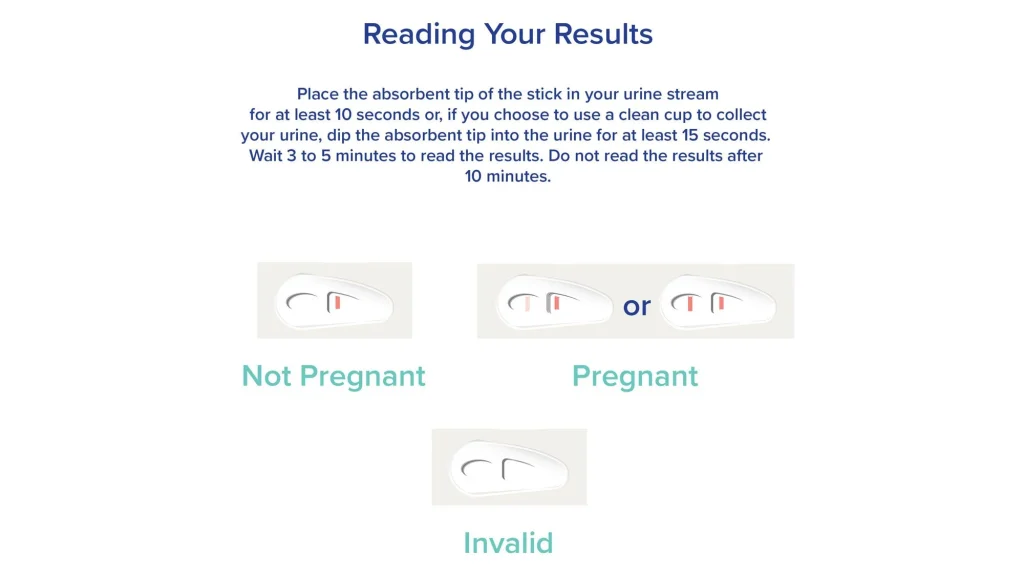
    Instructions for reading pregnancy test results with visual indicators for "Not Pregnant," "Pregnant," and "Invalid.

    DIY Baby-Making Assistance: A Journey of Hope and Determination

    We will start by discussing the reasons why couples may opt for DIY methods, including financial constraints and a desire for a more natural approach. We will then delve into the various DIY methods available, such as tracking ovulation, using fertility-friendly lubricants, and trying alternative therapies like acupuncture and herbal supplements.

    Next, we will hear from couples who have successfully conceived through DIY methods and how it has changed their lives. They will share their struggles with infertility, the decision to try DIY methods, and the joy of finally becoming parents.

    However, as with any medical issue, it is essential to consult with a healthcare professional before trying any DIY baby-making assistance. We will discuss the importance of seeking medical advice and the potential risks involved in using at-home methods.

    Lastly, we will address the stigma surrounding DIY baby-making assistance and how it is often seen as a last resort for couples who cannot afford traditional fertility treatments. We will challenge this perception and highlight the empowering aspect of taking control of one’s fertility journey.

    In conclusion, DIY baby-making assistance is a viable option for couples who are trying to conceive. It provides a sense of hope and determination for those who are facing fertility challenges and allows them to take an active role in their journey to parenthood.

  • DIY Baby-Making Assistance: A Supportive Community

    DIY Baby-Making Assistance: A Supportive Community

    Bringing a new life into this world is an incredible journey that many couples dream of. However, for some, starting a family may not be as easy as they had hoped. Many couples struggle with infertility, while others may face financial barriers when it comes to fertility treatments. This is where DIY baby-making assistance and a supportive community can make all the difference.

    DIY baby-making assistance refers to the various methods and techniques that couples can try at home to increase their chances of conceiving. These methods can range from tracking ovulation and using fertility-friendly lubricants to trying out different sexual positions and incorporating certain foods into their diet. While there is no guarantee that these methods will work, many couples have found success through DIY baby-making assistance.

    One of the biggest advantages of DIY baby-making assistance is that it is affordable. Fertility treatments can be incredibly expensive, and for some couples, it may not be an option due to financial constraints. DIY methods, on the other hand, are relatively inexpensive and can be done in the comfort of one’s own home. This allows couples to take control of their journey towards parenthood without breaking the bank.

    Another crucial aspect of DIY baby-making assistance is the supportive community that surrounds it. With the rise of social media, couples struggling with infertility can connect with others going through a similar experience. Online forums, support groups, and social media platforms have provided a safe and supportive space for couples to share their stories, offer advice and seek comfort from others who understand their struggles.

    Instructions for reading pregnancy test results with visual indicators for "Not Pregnant," "Pregnant," and "Invalid.

    DIY Baby-Making Assistance: A Supportive Community

    The DIY baby-making community is a diverse and inclusive one, with people from all walks of life coming together to support each other. Age, sexual orientation, race, or religion does not matter in this community; what matters is the common goal of starting a family. This inclusive environment allows couples to feel less alone and more supported in their journey towards parenthood.

    Apart from emotional support, the DIY baby-making community also offers a wealth of knowledge and resources. Couples can learn about different fertility methods, share tips and tricks, and access a range of helpful resources such as ovulation trackers and fertility calendars. This information can be invaluable for couples who are just starting their journey and are unsure of where to begin.

    However, it is essential to note that while the DIY baby-making community can be a great source of support and information, it is not a substitute for medical advice. Couples should always consult with a doctor if they have been trying to conceive for an extended period without success. Infertility can often be a medical issue that requires professional help, and it is essential to seek proper medical guidance.

    In addition to the online community, there are also many offline resources available for couples seeking DIY baby-making assistance. Many fertility clinics and healthcare centers offer workshops and classes on fertility awareness and DIY methods. These resources not only provide valuable information but also allow couples to connect with others in person and build a support system.

    While the journey towards parenthood can be challenging, DIY baby-making assistance and a supportive community can make it a little easier. The community provides a safe and inclusive space for couples to share their struggles, seek advice, and connect with others who understand their journey. With the wealth of knowledge and support available, couples can take control of their fertility journey and increase their chances of starting a family.

    In conclusion, DIY baby-making assistance and a supportive community have become a lifeline for many couples struggling with infertility. It offers an affordable and accessible alternative to traditional fertility treatments and provides a supportive environment for couples to connect and learn from each other. With the help of this community, couples can navigate the challenges of starting a family and find comfort and hope in their journey.

  • DIY Baby-Making Assistance: A Journey of Self-Discovery

    Blog post:

    For many couples, the journey to parenthood may not be as straightforward as they had hoped. Infertility issues, financial constraints, and other challenges can make the process of conceiving a child seem impossible. However, with the rise of do-it-yourself (DIY) methods, more and more couples are taking matters into their own hands and embarking on a journey of self-discovery to create their own little miracle. In this blog post, we will explore the world of DIY baby-making assistance and how it can be a journey of self-discovery for couples.

    The Rise of DIY Baby-Making Assistance

    In recent years, the concept of DIY baby-making assistance has gained popularity as more couples look for alternative ways to conceive a child. With the high costs of traditional fertility treatments, many couples are turning to DIY methods as a more affordable and accessible option. These methods include at-home insemination, fertility yoga, and dietary changes, among others.

    While some may argue that DIY methods may not be as effective as traditional medical treatments, many couples have found success and have welcomed healthy babies into their lives through these methods. But beyond the physical aspect of conceiving a child, the journey of DIY baby-making assistance can also be a journey of self-discovery for couples.

    Empowerment Through Knowledge

    One of the first steps in embarking on the journey of DIY baby-making assistance is educating oneself about fertility and the various methods available. This process of learning can be empowering for couples as they take control of their own fertility and make informed decisions about their journey to parenthood.

    Couples can research different techniques, consult with experts, and even connect with other couples who have gone through similar experiences. This knowledge can help them understand their bodies better and make necessary changes to increase their chances of conceiving.

    Building a Stronger Connection

    The process of trying to conceive a child can be stressful and emotionally taxing for couples. However, by going through the journey of DIY baby-making assistance together, couples can build a stronger connection and deepen their bond.

    The need for teamwork and communication is crucial in this journey. Couples must work together to track fertility cycles, perform fertility rituals, and support each other through the ups and downs of the process. This can bring them closer and strengthen their relationship, making them better prepared for the challenges of parenthood.

    logo of mosie baby featuring a heart and leaf design in blue, pink, and green colors

    DIY Baby-Making Assistance: A Journey of Self-Discovery

    Exploring Alternative Methods

    One of the most significant benefits of DIY baby-making assistance is the opportunity to explore alternative methods that may not be available through traditional medical treatments. These methods may include natural fertility remedies, acupuncture, and even spiritual practices.

    Couples can try different methods and see what works best for them. This process of exploration can open up new perspectives and help couples understand their bodies and fertility in a whole new way. It can also be a journey of self-discovery as couples learn to trust their instincts and intuition.

    Overcoming Stigma and Taboos

    For some couples, the decision to go through the journey of DIY baby-making assistance may come with a sense of stigma or taboo. However, by taking control of their fertility and making informed decisions, couples can break free from these societal pressures and expectations.

    This journey can be a way for couples to challenge the traditional notions of parenthood and redefine what it means to create a family. It can also be a journey of self-discovery as couples learn to embrace their unique path to parenthood.

    The Joy of Success

    After months of trying, the joy of seeing a positive pregnancy test or hearing a baby’s heartbeat can be overwhelming for couples who have gone through the journey of DIY baby-making assistance. This success can bring a sense of fulfillment and pride, knowing that they have taken control of their fertility and made their dream of parenthood a reality.

    The journey of DIY baby-making assistance may not be easy, and it may not work for everyone. But for those who have experienced success, it can be a journey of self-discovery, empowerment, and ultimately, the joy of creating a family.

    In conclusion, the rise of DIY baby-making assistance has given couples a new perspective on their journey to parenthood. Beyond the physical aspects of conceiving a child, it can also be a journey of self-discovery, empowerment, and building a stronger connection as a couple. By taking control of their fertility and exploring alternative methods, couples can break free from societal stigmas and taboos and create their own unique path to parenthood.

    SEO metadata:

  • DIY Baby-Making Assistance: Exploring Alternative Methods

    Blog Post Title: DIY Baby-Making Assistance: Exploring Alternative Methods

    Becoming a parent is a dream that many people have. However, for some, the traditional method of conception may not be an option due to various reasons such as fertility issues, same-sex couples, or single parenthood. In such cases, alternative methods of baby-making assistance have become increasingly popular. These methods allow individuals or couples to take control of their own journey towards parenthood and can often be more affordable than traditional methods. In this blog post, we will explore some of the alternative methods of baby-making assistance that you can consider trying out at home.

    1. Artificial Insemination

    Also known as intrauterine insemination (IUI), artificial insemination is a simple and non-invasive method of baby-making assistance. This process involves placing washed and concentrated sperm directly into the uterus during a woman’s ovulation period. It can be done at home using a sperm donor or with the help of a fertility clinic. The success rate of this method varies, but it can be a great option for couples who are looking for a less expensive way to conceive.

    2. Fertility Tracking

    Tracking your menstrual cycle and ovulation can be a helpful tool in trying to conceive. By monitoring your basal body temperature, cervical mucus, and using ovulation predictor kits, you can determine the most fertile days of your cycle. This method is natural and can be done at home without any medical assistance. However, it may take some time to accurately track your ovulation, and it may not be suitable for those with irregular cycles.

    3. Home Insemination Kits

    Home insemination kits are a popular and convenient option for those looking to conceive at home. These kits come with everything you need, including a syringe, a sterile container, and instructions. The process involves collecting semen from a donor or partner, placing it in the syringe, and then inserting it into the vagina near the cervix. This method is relatively easy and can be done in the comfort of your own home, but it may not be as effective as other methods.

    4. Fertility Supplements

    Mosie Baby kit with two jars, a syringe, and a supportive message card inside a colorful box.

    DIY Baby-Making Assistance: Exploring Alternative Methods

    There are various fertility supplements available on the market that claim to improve sperm quality and increase chances of conception. These supplements typically contain vitamins, minerals, and herbs that are believed to boost fertility. While there is limited scientific evidence to support their effectiveness, many couples have reported success in using fertility supplements. However, it is always important to consult with a healthcare professional before trying any new supplements.

    5. Donor Sperm

    For same-sex couples or single women, using donor sperm is a viable option for conceiving a child. The process involves purchasing sperm from a sperm bank or using a known donor. However, it is essential to work with a reputable sperm bank or have a legal agreement in place with a known donor to ensure the safety and wellbeing of all parties involved.

    6. Surrogacy

    Surrogacy is a method of baby-making assistance where a woman carries and gives birth to a child for someone else. This can be a great option for couples who are unable to carry a child due to medical reasons. The process involves finding a surrogate mother, going through legal agreements, and then using either the intended parents’ sperm and egg or a donor’s sperm and egg for fertilization. Surrogacy can be an expensive and lengthy process, but it can bring the joy of parenthood to those who may not have been able to experience it otherwise.

    7. In Vitro Fertilization (IVF)

    In vitro fertilization (IVF) is a popular method of assisted reproductive technology that involves retrieving eggs from a woman’s ovaries and fertilizing them with sperm in a laboratory. The fertilized eggs are then transferred into the woman’s uterus, and if successful, can result in pregnancy. This method can be expensive and often requires multiple rounds to achieve success, but it has a higher success rate compared to other methods of baby-making assistance.

    In conclusion, there are various alternative methods of baby-making assistance that individuals or couples can consider trying at home. These methods offer more control over the journey towards parenthood and can be more affordable than traditional methods. However, it is essential to consult with a healthcare professional before trying any of these methods and to understand the potential risks and success rates associated with each one. With determination and the right support, anyone can achieve their dream of becoming a parent, regardless of the obstacles they may face.

    Summary:

    Becoming a parent is a dream for many, but traditional methods of conception may not be an option for some. In such cases, alternative methods of baby-making assistance have become increasingly popular. These methods can be done at home and offer more control over the journey towards parenthood. Some of the methods explored in this blog post include artificial insemination, fertility tracking, home insemination kits, fertility supplements, donor sperm, surrogacy, and in vitro fertilization (IVF). While each method has its own risks and success rates, with determination and the right support, anyone can achieve their dream of becoming a parent.

  • The Emotional Side of DIY Baby-Making Assistance

    Parenthood is a dream for many couples, and for those who struggle with fertility, the journey to have a baby can be emotionally draining. In recent years, the rise of do-it-yourself (DIY) baby-making assistance has gained popularity as a more affordable and accessible alternative to traditional fertility treatments. While DIY methods may seem like a practical solution on the surface, the emotional toll it takes on couples should not be overlooked.

    The decision to seek help in conceiving a child can be a difficult one, as it often comes with feelings of shame, disappointment, and even guilt. For some, turning to DIY methods may alleviate some of these emotions, as it allows them to take control of their fertility journey. However, the emotional rollercoaster of DIY baby-making assistance can still be overwhelming, especially when faced with challenges and setbacks.

    One of the most significant emotional factors in DIY baby-making is the lack of medical support and guidance. Unlike traditional fertility treatments, where couples have the support of medical professionals throughout the process, DIY methods involve self-administering treatments and relying on online resources for guidance. This can cause added stress and anxiety, as couples are left to navigate the process on their own.

    Another crucial aspect of the emotional side of DIY baby-making assistance is the financial burden it can bring. While DIY methods may be more affordable compared to traditional treatments, the costs can still add up quickly. From purchasing ovulation kits and fertility supplements to paying for shipping fees for donor sperm or fertility drugs, the financial strain can further add to the pressure and stress of trying to conceive.

    Moreover, DIY baby-making assistance also brings with it a unique set of challenges for couples. In traditional fertility treatments, couples have access to a network of support, including doctors, nurses, and support groups, who understand the emotional journey of trying to conceive. With DIY methods, couples may not have the same level of support, making it more challenging to find a sense of community and understanding.

    Mosie Baby pregnancy test kit with two tests and packaging, featuring a mint green color scheme.

    The Emotional Side of DIY Baby-Making Assistance

    DIY methods can also lead to feelings of isolation, as couples may feel like they have to keep their journey a secret from others. The stigma surrounding fertility struggles can make it challenging for couples to open up to family and friends, leading to feelings of loneliness and isolation. This lack of support can be emotionally taxing, especially during a time when couples need it the most.

    Furthermore, the success rates of DIY baby-making assistance are often lower compared to traditional fertility treatments. This can be devastating for couples who have invested time, money, and emotional energy into the process. The constant disappointment and uncertainty of whether their efforts will result in a successful pregnancy can take a toll on their mental well-being, leading to feelings of hopelessness and despair.

    On the other hand, DIY baby-making assistance can also bring a sense of empowerment and hope for couples. The ability to take control of their fertility journey and try various methods and techniques can give couples a sense of hope and optimism. It can also be a way for couples to bond and strengthen their relationship as they work together towards a common goal.

    In conclusion, the emotional side of DIY baby-making assistance should not be overlooked. While it may seem like a practical and affordable option, the lack of support, financial burden, and challenges can take a toll on couples. It is essential for couples to acknowledge and address these emotions and seek support when needed. Whether it be through online communities, support groups, or counseling, having a support system can make a significant difference in the emotional journey of DIY baby-making assistance.

    In summary, DIY baby-making assistance has gained popularity as a more accessible and affordable option for couples struggling with fertility. However, the emotional side of this journey should not be underestimated. The lack of medical support, financial burden, challenges, and isolation can take a toll on couples, making it essential to seek support and address these emotions. With proper support and guidance, couples can navigate the emotional journey of DIY baby-making assistance and hopefully achieve their dream of becoming parents.

  • Managing the Financial Burden of Conception: Tips for Budgeting and Saving Money

    Managing the Financial Burden of Conception: Tips for Budgeting and Saving Money

    Conceiving a child is a beautiful and life-changing experience, but it can also bring about a significant financial burden. From fertility treatments to prenatal care, childbirth, and raising a child, the costs can quickly add up and put a strain on your budget. However, with proper planning and budgeting, you can manage the financial burden of conception and still enjoy the journey of parenthood. In this blog post, we will discuss some essential tips for budgeting and saving money while trying to conceive and during pregnancy.

    1. Start with a budget plan
    The first step in managing the financial burden of conception is to create a budget plan. This will help you understand your current financial situation and identify areas where you can cut costs. Start by listing all your sources of income and expenses, including rent/mortgage, utility bills, groceries, transportation, etc. Then, allocate a portion of your income towards savings for conception and pregnancy-related expenses.

    2. Research your insurance coverage
    Before you start trying to conceive, it is essential to research your health insurance coverage. Some insurance plans cover fertility treatments, prenatal care, and childbirth, while others may not. Understanding your coverage will help you plan and budget accordingly. If your insurance does not cover certain expenses, you may need to consider alternative options such as applying for government programs or seeking financial assistance from non-profit organizations.

    3. Consider your fertility options
    Fertility treatments can be costly, and it is essential to consider your options before making a decision. Talk to your doctor about the most cost-effective options for your specific situation. In some cases, simple lifestyle changes can increase your chances of conceiving naturally, reducing the need for expensive treatments. It is also worth exploring clinics that offer payment plans or discounts for multiple treatments.

    4. Cut unnecessary expenses
    When trying to conceive, it is crucial to prioritize your expenses and cut back on unnecessary purchases. This could mean giving up your daily coffee run, cooking at home instead of eating out, or canceling subscriptions you rarely use. Every little bit of savings can add up and help you manage the financial burden of conception.

    logo featuring a pink heart above two teal leaves on a blue circular background

    Managing the Financial Burden of Conception: Tips for Budgeting and Saving Money

    5. Shop smart for prenatal care
    Once you become pregnant, prenatal care is essential for the health of both you and your baby. However, the cost of prenatal visits, tests, and medications can quickly add up. To save money, consider shopping around for a healthcare provider that offers affordable rates. You can also ask for generic versions of medications, which are often cheaper than brand-name ones.

    6. Create a baby registry
    A great way to save money on baby essentials is to create a baby registry. This will allow your family and friends to gift you with items you need, reducing the amount you need to spend. Be mindful of your registry and focus on necessities rather than luxury items. You can also look for gently used items or borrow from friends and family to save even more money.

    7. Prepare for maternity leave
    Before your baby arrives, it is crucial to have a plan for maternity leave. This could mean saving up enough money to cover your expenses during the leave or researching your company’s maternity leave policies. You can also consider finding ways to earn additional income during your pregnancy, such as freelancing or selling items you no longer need.

    8. Look for free or low-cost resources
    There are many free or low-cost resources available for expectant parents, such as prenatal classes, support groups, and parenting classes. Take advantage of these resources to learn more about pregnancy, childbirth, and parenting while also saving money.

    9. Start saving for college early
    It may seem too early to think about college when you are preparing for a baby, but starting to save early can make a significant difference in the long run. Consider opening a savings account specifically for your child’s education and contribute to it regularly.

    In summary, managing the financial burden of conception requires careful planning, budgeting, and smart decision-making. By creating a budget plan, researching insurance coverage, cutting unnecessary expenses, and utilizing resources, you can save money while trying to conceive and during pregnancy. Remember to prioritize your expenses and focus on what is essential for the health and well-being of you and your baby. With these tips, you can navigate the financial challenges of conception and enjoy the journey of parenthood without unnecessary financial stress.

  • Preparing Your Relationship for Parenthood: Advice for Couples

    Blog post:

    Parenthood is an exciting and life-changing journey that many couples dream of. However, with all the joy and excitement, there are also challenges and adjustments that come with it. As a couple, it’s important to prepare your relationship for parenthood to ensure a smooth transition into this new phase of your lives. Here are some practical and helpful tips for couples who are expecting a baby or planning to start a family.

    1. Communicate openly and regularly

    Communication is the key to a healthy relationship, and it becomes even more crucial when preparing for parenthood. As a couple, it’s important to have open and honest discussions about your expectations, fears, and concerns about becoming parents. This will help you understand each other’s perspective and work together to address any issues that may arise.

    It’s also essential to communicate regularly, not just about baby-related topics, but also about your relationship. Make time for each other and have meaningful conversations to strengthen your bond as a couple. This will not only help to prepare you for parenthood but also ensure that you maintain a strong and healthy relationship after the baby arrives.

    2. Discuss roles and responsibilities

    Becoming parents means taking on new roles and responsibilities. It’s essential to discuss and allocate these roles and responsibilities between you and your partner to avoid any conflicts or misunderstandings. This includes tasks such as taking care of the baby, household chores, and financial responsibilities.

    It’s also important to be flexible and willing to make changes as you navigate through parenthood. Remember, it’s a team effort, and dividing tasks and responsibilities can help alleviate the stress and workload on one partner.

    3. Spend quality time together

    With the arrival of a new baby, your time as a couple may become limited. It’s crucial to make the most of the time you have before the baby arrives by spending quality time together. Go on dates, take a weekend getaway, or simply enjoy each other’s company at home.

    It’s also important to continue this practice after the baby arrives. Make time for each other, even if it’s just a few minutes each day. This will help you stay connected and maintain a strong bond as a couple amidst the chaos of parenthood.

    4. Discuss your parenting styles

    As individuals, we all have different parenting styles, and it’s essential to discuss and understand each other’s approach to parenting. This includes discipline, communication, and values you want to instill in your child.

    mosie baby logo featuring a heart and leaves in blue, pink, and green colors.

    Preparing Your Relationship for Parenthood: Advice for Couples

    It’s also important to be open to compromise and find a middle ground that works for both of you. Remember, you are a team, and it’s important to support each other’s parenting decisions.

    5. Attend parenting classes together

    Parenting classes are not just for first-time parents. They can be beneficial for all couples who are expecting a child or planning to have one. These classes provide valuable information and advice on various aspects of parenthood, such as childbirth, breastfeeding, and infant care.

    Attending these classes together as a couple can help you learn and prepare for parenthood as a team. It’s also a great way to meet other expecting couples and build a support system.

    6. Discuss your finances

    Having a baby comes with many expenses, and it’s essential to discuss your finances as a couple. This includes creating a budget, saving for future expenses, and discussing any changes that may need to be made to accommodate the new addition to your family.

    It’s also important to be open and honest about any financial concerns or challenges you may face. This will help you work together to find solutions and ensure that you are financially prepared for parenthood.

    7. Support each other

    Becoming parents can be overwhelming and stressful, and it’s important to support each other through this journey. Be understanding and patient with your partner, especially during the early days when both of you may be adjusting to a new routine and sleepless nights.

    It’s also essential to be there for each other emotionally. Pregnancy and childbirth can bring about a range of emotions, and it’s important to have a supportive partner to lean on during this time.

    In conclusion, preparing your relationship for parenthood is just as important as preparing for the arrival of your baby. By communicating openly, discussing roles and responsibilities, spending quality time together, attending parenting classes, and supporting each other, you can strengthen your bond as a couple and be better equipped to handle the challenges of parenthood together.

    Summary:

    Parenthood is an exciting journey, but it also comes with challenges and adjustments. To prepare your relationship for parenthood, it’s important to communicate openly, discuss roles and responsibilities, spend quality time together, attend parenting classes, and support each other. It’s also crucial to discuss finances and have open and honest conversations about your expectations and fears. By working together as a team, you can strengthen your bond as a couple and be better prepared for the journey of parenthood.

  • Creating a Conception Plan: Step-by-Step Guide

    Creating a Conception Plan: Step-by-Step Guide

    Conceiving a child is a life-changing decision that requires careful planning and preparation. A conception plan can help you and your partner to be physically, mentally, and emotionally ready for the journey of parenthood. In this blog post, we will provide a step-by-step guide to creating a comprehensive conception plan.

    Step 1: Talk to Your Partner

    The first step in creating a conception plan is to have an open and honest conversation with your partner. Discuss your thoughts and feelings about starting a family, your financial stability, and your readiness to take on the responsibilities of parenthood. This conversation will help you both to understand each other’s expectations and concerns, and make a joint decision about when and how to start trying for a baby.

    Step 2: Get a Check-Up

    Before trying to conceive, it is important to ensure that both you and your partner are in good health. Schedule a preconception check-up with your doctor to discuss any health concerns and to get the necessary tests and screenings done. This will help to identify and address any potential issues that could affect your ability to conceive or have a healthy pregnancy.

    Step 3: Eat a Healthy Diet

    A healthy diet is crucial for both partners when trying to conceive. Make sure to eat a well-balanced diet that includes plenty of fruits, vegetables, whole grains, and lean protein sources. Avoid consuming processed foods, excessive caffeine, and alcohol, as they can decrease fertility in both men and women. It is also recommended to start taking a prenatal vitamin to ensure that your body has all the necessary nutrients for a healthy pregnancy.

    Step 4: Track Your Ovulation

    Knowing your ovulation cycle is essential for increasing your chances of conceiving. There are various methods to track ovulation, such as using ovulation predictor kits, tracking your basal body temperature, or monitoring your cervical mucus. By tracking your ovulation, you can time intercourse when you are most fertile, which can increase your chances of getting pregnant.

    at-home insemination kit by Mosie Baby, featuring syringes and containers for comfort and convenience.

    Creating a Conception Plan: Step-by-Step Guide

    Step 5: Consider Your Finances

    Having a baby comes with significant financial responsibilities. It is crucial to consider your finances before trying to conceive. Discuss with your partner about your current financial situation and how you plan to support a child. If needed, start saving money and make a budget to prepare for the expenses of having a baby.

    Step 6: Create a Support System

    Having a support system in place can make a significant difference during the journey of parenthood. Talk to your friends and family about your plans to conceive and ask for their support. You can also join a support group for prospective parents or seek advice from other parents to prepare yourself for the challenges and joys of having a baby.

    Step 7: Consider Your Work-Life Balance

    Having a baby can greatly affect your work-life balance. It is essential to discuss with your partner about how you plan to balance your career and family life. Consider your options for childcare and talk to your employer about any maternity or paternity leave policies. It is important to have a plan in place to ensure that both partners can share the responsibilities of raising a child while also maintaining their careers.

    Step 8: Be Patient

    Conceiving a child can take time, and it is essential to be patient during this journey. Do not get discouraged if you do not get pregnant right away. Understand that it is a process and stay positive. Focus on maintaining a healthy lifestyle and continue to track your ovulation to increase your chances of conceiving.

    In conclusion, creating a conception plan is an important step before starting a family. By following these steps, you and your partner can prepare yourselves physically, mentally, and emotionally for parenthood. Remember to be patient and stay positive, and with time, you will be able to achieve your dream of starting a family.

    Summary:

    Creating a conception plan is crucial for couples who are planning to start a family. This step-by-step guide includes having an open conversation with your partner, getting a check-up, eating a healthy diet, tracking ovulation, considering finances and work-life balance, and being patient. By following these steps, couples can prepare themselves physically, mentally, and emotionally for the journey of parenthood.

  • The Emotional Rollercoaster of Trying to Conceive: How to Cope

    The Emotional Rollercoaster of Trying to Conceive: How to Cope

    Trying to conceive can be an incredibly emotional journey, filled with highs and lows, hope and disappointment, and a rollercoaster of emotions. For many couples, the process of trying to get pregnant can take a toll on their mental and emotional well-being. In this blog post, we will explore the different stages of the emotional rollercoaster of trying to conceive and provide tips on how to cope with the challenges that come with it.

    Stage 1: Hope and Excitement

    The journey of trying to conceive often starts with a sense of hope and excitement. Couples may feel eager to start a family and have dreams of a happy and healthy pregnancy. It’s a time filled with optimism and anticipation for the future. However, this stage can quickly turn into disappointment if conception does not happen as quickly as expected.

    Tip: While it’s important to stay positive, it’s also crucial to manage expectations. Remember that getting pregnant can take time, and it’s not uncommon for it to take several months or even longer.

    Stage 2: Frustration and Disappointment

    As the months go by without a positive pregnancy test, frustration and disappointment may start to set in. This can be a challenging time for couples as they may start to question their fertility and feel like they are failing at something that should come naturally. It’s also common for this stage to be accompanied by feelings of guilt, shame, and even jealousy towards others who seem to get pregnant effortlessly.

    Tip: It’s essential to communicate openly with your partner and acknowledge each other’s emotions. Remember that it’s okay to feel frustrated and disappointed, but don’t let it consume you. Seek support from friends, family, or a therapist if needed.

    Stage 3: Anxiety and Stress

    Mosie Baby Kit features a syringe and container, highlighting safety and usability tests on a blue background.

    The Emotional Rollercoaster of Trying to Conceive: How to Cope

    As more time passes without a positive pregnancy test, anxiety and stress can start to take over. Couples may start to worry that something is wrong, and the pressure to conceive can put a strain on their relationship. It’s also common for women to experience anxiety and stress around ovulation and their menstrual cycle, constantly wondering if this is the month they will finally get pregnant.

    Tip: Find healthy ways to manage stress, such as exercise, meditation, or journaling. It’s also crucial to take breaks from trying to conceive and focus on other aspects of your life that bring you joy and fulfillment.

    Stage 4: Despair and Grief

    For some couples, the emotional rollercoaster of trying to conceive can lead to feelings of despair and grief. As more time passes without a positive pregnancy test, the realization that having a baby may not be as easy as expected can be devastating. This stage can also be triggered by pregnancy announcements from friends and family or attending baby showers, which can serve as a painful reminder of what you are struggling to achieve.

    Tip: Allow yourself to grieve and process your emotions. It’s essential to have a support system during this time, whether it’s your partner, a friend, or a therapist. Remember that it’s okay to take a break from baby-related activities and focus on self-care instead.

    Stage 5: Acceptance and Moving Forward

    After going through the ups and downs of trying to conceive, many couples eventually reach a stage of acceptance and moving forward. This doesn’t necessarily mean giving up on the dream of having a baby, but rather coming to terms with the fact that the process may be more challenging than anticipated. This stage can also involve exploring other options, such as fertility treatments or adoption.

    Tip: Be open to alternative paths to parenthood and don’t be afraid to seek professional help. Remember that your journey to start a family may look different than someone else’s, and that’s okay.

    Summary:

    Trying to conceive can be an emotional rollercoaster, with stages of hope, frustration, anxiety, despair, and ultimately acceptance. It’s essential to manage expectations, communicate with your partner, and seek support when needed. Finding healthy ways to cope with stress and taking breaks from trying to conceive can also be beneficial. Remember that every journey to parenthood is unique, and it’s okay to explore alternative options if needed.