Tag: communication.

  • Building Blocks for Baby: DIY Essentials for Conception

    Building Blocks for Baby: DIY Essentials for Conception

    Conceiving a child is a special and exciting journey for any couple. However, for some, it may not come as easily as expected. In such cases, trying to conceive can become a stressful and frustrating experience. Fortunately, there are various ways to increase the chances of conceiving, and one of them is through DIY essentials. These are simple, natural, and cost-effective methods that can help boost fertility and increase the chances of conception. In this blog post, we will discuss the key building blocks for baby – DIY essentials for conception.

    1. Nutrition and Diet
    One of the most important building blocks for conception is proper nutrition and a healthy diet. A well-balanced and nutrient-rich diet can help regulate hormones, improve egg and sperm quality, and boost overall reproductive health. Some essential nutrients for fertility include folic acid, iron, zinc, and omega-3 fatty acids. Foods such as leafy greens, berries, nuts, and whole grains are great sources of these nutrients. Additionally, it is recommended to limit or avoid foods that can negatively affect fertility, such as processed foods, trans fats, and excessive caffeine and alcohol.

    2. Exercise and Activity
    Regular exercise and physical activity are not only essential for a healthy body but also for fertility. Regular exercise helps maintain a healthy weight, which is crucial for fertility, as being underweight or overweight can affect hormone levels and ovulation. Exercise also helps reduce stress and improve blood circulation, which can have a positive impact on fertility. However, it is important to avoid excessive exercise, which can also negatively affect fertility.

    3. Stress Management
    Stress can have a significant impact on fertility. It can disrupt hormone levels, affect ovulation, and decrease sperm count. Therefore, managing stress is crucial for increasing the chances of conception. There are various stress management techniques, such as meditation, yoga, deep breathing, and mindfulness, that can help reduce stress and promote relaxation.

    4. Herbal Remedies
    There are various herbs and supplements that are believed to have fertility-boosting properties. Some of the most popular ones include maca root, chasteberry, and red raspberry leaf. These herbs are believed to regulate hormones, improve egg quality, and increase sperm count. However, it is important to consult a healthcare professional before taking any herbal remedies, as they can interact with medications or have side effects.
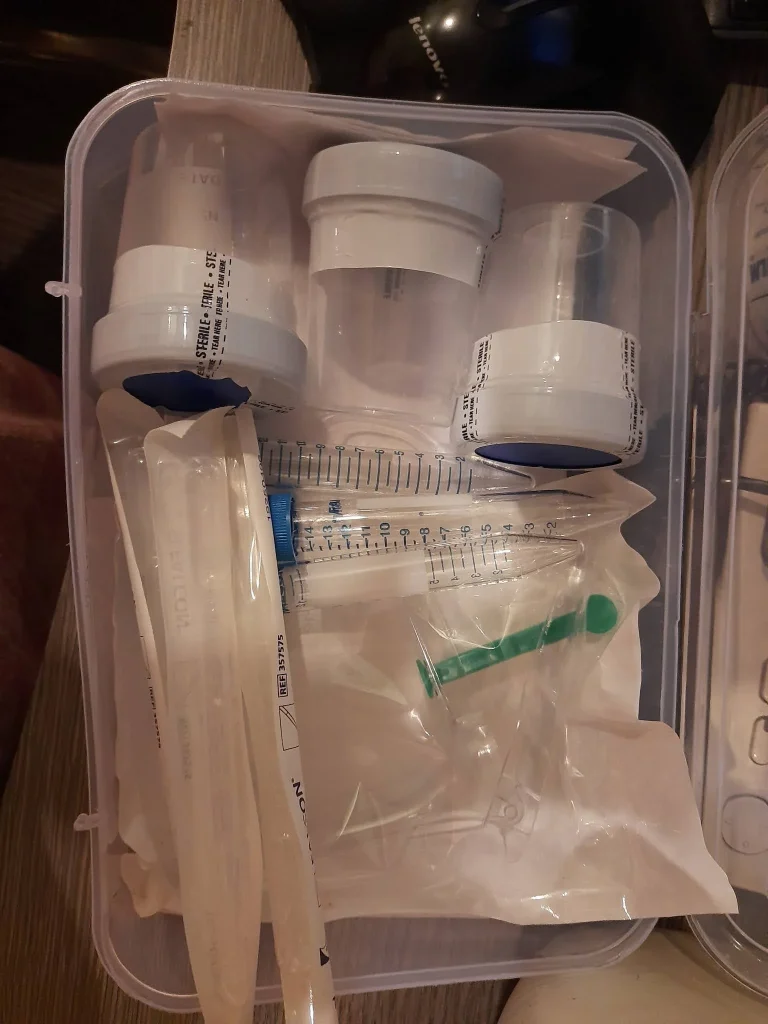
    various medical supplies and containers organized in a clear plastic box on a wooden surface

    Building Blocks for Baby: DIY Essentials for Conception

    5. Essential Oils
    Essential oils have gained popularity in recent years for their numerous health benefits. Some essential oils are believed to have fertility-boosting properties, such as clary sage, geranium, and rose. These oils can be used in aromatherapy, massage, or added to a bath. However, it is important to use high-quality, pure essential oils and to consult a healthcare professional before use, especially if you are pregnant or have any health conditions.

    6. Fertility Massage
    Fertility massage is a gentle and non-invasive technique that aims to improve blood flow to the reproductive organs, regulate hormones, and reduce stress. It involves specific massage techniques on the abdomen, lower back, and hips. Fertility massage can be done at home with the help of instructional videos or by a certified massage therapist.

    7. Acupuncture
    Acupuncture is an ancient Chinese practice that involves inserting thin needles into specific points on the body. It is believed to help regulate hormones, improve blood flow, and reduce stress, all of which can have a positive impact on fertility. Acupuncture can be done by a certified practitioner and can also be combined with herbal remedies for best results.

    8. Tracking Ovulation
    Knowing when you ovulate is crucial for increasing the chances of conception. There are various methods to track ovulation, such as using ovulation predictor kits, tracking basal body temperature, and monitoring cervical mucus. These methods can help determine the most fertile days of the menstrual cycle and can be done at home.

    9. Sexual Health and Hygiene
    Maintaining good sexual health and hygiene is essential for conception. It is recommended to practice safe sex to prevent sexually transmitted infections, which can affect fertility. Additionally, it is important to avoid using products that can disrupt the pH balance of the vagina, such as scented soaps, douches, and lubricants.

    10. Patience and Communication
    Lastly, it is important to have patience and open communication with your partner throughout the journey of trying to conceive. It can be a stressful and emotional process, and it is crucial to support each other and communicate openly about any concerns or feelings. Remember that conception may take time, and it is essential to stay positive and patient.

    In conclusion, conceiving a child is a beautiful and life-changing experience, and DIY essentials can help increase the chances of conception. However, it is important to remember that every couple’s journey is unique, and it is essential to consult a healthcare professional for personalized advice and guidance.


  • The Role of Male Partners in Home Insemination

    Blog Post: The Role of Male Partners in Home Insemination

    Home insemination, also known as self-insemination, is becoming an increasingly popular method for couples and individuals to conceive a child. This process involves using a sperm donor and performing the insemination at home, without the assistance of a medical professional. While the focus is often on the role of the female partner in home insemination, the role of the male partner is equally important. In this blog post, we will discuss the role of male partners in home insemination, including their emotional and physical support, as well as their legal rights and responsibilities.

    Emotional Support

    One of the most crucial roles of a male partner in home insemination is providing emotional support to their female partner. Trying to conceive a child can be a stressful and emotional journey, and having a supportive partner can make all the difference. Male partners can offer a listening ear, provide encouragement, and be there to offer physical and emotional comfort during the insemination process.

    Communication is also key in home insemination, and male partners can play a vital role in maintaining open and honest communication with their female partners. This includes discussing any concerns or fears, as well as being involved in the decision-making process. By being involved and supportive, male partners can help alleviate some of the stress and anxiety that their female partners may be feeling.

    Physical Support

    Male partners can also provide physical support during the home insemination process. This may include helping with the preparation and set-up of the insemination kit, as well as assisting with the actual insemination procedure. Some male partners may feel uncomfortable with the physical aspects of home insemination, but it’s essential to remember that this is a team effort, and both partners play a crucial role in the process.

    illustration comparing standard and Mosie syringe openings with text highlighting design benefits for home insemination

    The Role of Male Partners in Home Insemination

    Furthermore, male partners can also support their female partners by taking on additional household tasks and responsibilities during the insemination process. This can help reduce stress and give the female partner time to rest and focus on her own well-being.

    Legal Rights and Responsibilities

    While home insemination may seem like a straightforward and private process, it’s essential to understand the legal rights and responsibilities of both partners involved. It’s crucial for male partners to have a clear understanding of their legal rights and responsibilities as a sperm donor and potential father.

    In most cases, if a male partner is using his sperm to inseminate his female partner, he will be considered the legal father of any resulting child. This means that he will have legal and financial obligations to the child, including child support. It’s crucial for male partners to discuss these potential legal implications with their female partners and consider seeking legal advice before starting the home insemination process.

    Alternative Options for Male Partners

    For male partners who may not be comfortable with the physical aspects of home insemination, or for those who are facing fertility issues, there are alternative options available. These may include using a sperm donor or seeking medical assistance, such as intrauterine insemination (IUI) or in vitro fertilization (IVF). It’s essential for male partners to have open and honest communication with their female partners and to explore all available options together.

    In Conclusion

    In summary, male partners play a crucial role in home insemination. They provide emotional and physical support to their female partners, as well as understanding their legal rights and responsibilities. Home insemination is a team effort, and both partners should be actively involved in the process and decision-making. Communication, support, and understanding are key to a successful home insemination journey.

  • The Importance of Communication in Home Insemination Partnerships

    The process of home insemination, also known as self-insemination, has become increasingly popular among couples and individuals looking to start or expand their families. This method of conception involves using donor sperm to fertilize an egg at home, without the assistance of a medical professional. While it may seem like a simple and straightforward process, successful home insemination requires a strong foundation of communication between partners. In this blog post, we will discuss the importance of communication in home insemination partnerships and how it can contribute to a positive and successful experience.

    One of the main reasons why communication is crucial in home insemination partnerships is because it involves multiple individuals with different roles and responsibilities. Unlike traditional conception methods, home insemination requires the participation of both partners, as well as a donor (if using non-partner sperm). This means that clear and open communication is necessary to ensure that everyone is on the same page and working towards the same goal.

    In addition, home insemination can bring up a variety of emotions and discussions that may not arise in other fertility journeys. For LGBTQ+ couples or single individuals, it may involve discussions about donor selection, legal considerations, and future parenting roles. For heterosexual couples, it may involve discussions about fertility issues, timing, and financial considerations. All of these topics require honest and effective communication to navigate and make informed decisions.

    Moreover, communication in home insemination partnerships is not limited to just the planning and decision-making process. It also plays a crucial role during the actual insemination process. This can be a vulnerable and intimate experience, and effective communication between partners can help create a safe and comfortable environment. It can also help alleviate any anxiety or stress that may arise during the process.

    Furthermore, communication is essential for tracking and monitoring the home insemination process. Unlike traditional conception methods, home insemination does not involve a doctor or fertility specialist who can provide guidance and monitor the progress. This responsibility falls on the partners, and clear communication is necessary to keep track of important factors such as ovulation timing, sperm quality, and any potential complications.

    In addition to the practical aspects, communication also plays a vital role in the emotional support and well-being of partners during the home insemination journey. As with any fertility journey, it can be an emotionally taxing experience, and having a strong support system and open lines of communication can help partners navigate any challenges or setbacks.

    guide and materials for using Mosie Baby fertility kit on a textured surface

    The Importance of Communication in Home Insemination Partnerships

    So, how can partners ensure effective communication in their home insemination journey? Here are some tips:

    1. Set clear expectations and boundaries: Before embarking on the home insemination process, partners should have a discussion about their expectations, boundaries, and goals. This can include topics such as the number of insemination attempts, donor selection criteria, and plans for future parenthood.

    2. Create a communication plan: It can be helpful to establish a communication plan for tracking and monitoring the home insemination process. This can include regular check-ins, updates on ovulation timing, and any potential side effects or concerns.

    3. Be open and honest: As with any relationship, honesty is key. Partners should feel comfortable sharing their thoughts, feelings, and concerns throughout the home insemination journey. This can help build trust and strengthen the partnership.

    4. Seek outside support: It can also be beneficial for partners to seek outside support from a therapist, counselor, or support group. This can provide a safe space to discuss any challenges or emotions that may arise during the home insemination journey.

    In conclusion, effective communication is essential in home insemination partnerships. It not only helps with the practical aspects of the process but also plays a crucial role in emotional support and well-being. By setting clear expectations, creating a communication plan, and being open and honest, partners can ensure a positive and successful home insemination experience.

    SEO metadata:

  • The Power of Teamwork: Using an At-Home Conception Aid Kit with Your Partner

    The Power of Teamwork: Using an At-Home Conception Aid Kit with Your Partner

    When it comes to trying to conceive a child, many couples may feel overwhelmed or stressed out about the process. However, one way to alleviate some of this stress and increase your chances of success is by using an at-home conception aid kit with your partner. Not only does this allow you to take control of your fertility journey, but it also strengthens your bond as a couple through teamwork and communication. In this blog post, we will explore the power of teamwork when using an at-home conception aid kit and how it can benefit your relationship and fertility journey.

    1. What is an At-Home Conception Aid Kit?

    Before we dive into the benefits of using an at-home conception aid kit with your partner, let’s first understand what it is. An at-home conception aid kit is a collection of tools and products designed to help couples who are trying to conceive. These kits typically include items such as ovulation predictor kits, fertility-friendly lubricants, basal body temperature thermometers, and pregnancy tests. They are a convenient and affordable option for couples who want to take a more proactive approach to their fertility journey.

    2. Teamwork Makes the Dream Work

    One of the main benefits of using an at-home conception aid kit with your partner is the sense of teamwork it creates. Trying to conceive can be a stressful and emotional journey, and having your partner by your side can make all the difference. By working together to track ovulation, use fertility-friendly lubricants, and take pregnancy tests, you and your partner are actively involved in the process. This sense of teamwork can bring you closer together and strengthen your relationship.

    3. Communication and Understanding

    Using an at-home conception aid kit can also improve communication between you and your partner. It requires open and honest communication about your wants, needs, and expectations. This allows you to better understand each other’s feelings and concerns about the fertility journey. By discussing and using the tools in the kit together, you are both on the same page and can support each other throughout the process.

    4. Taking Control of Your Fertility Journey

    hand holding a syringe with a blue plunger against a solid blue background

    The Power of Teamwork: Using an At-Home Conception Aid Kit with Your Partner

    Many couples may feel like they have little control over their fertility journey, especially if they have been trying to conceive for a while without success. However, by using an at-home conception aid kit, you and your partner can take control of the process. This can provide a sense of empowerment and reduce feelings of helplessness or frustration. You can actively track ovulation, use fertility-friendly lubricants, and take pregnancy tests at home, giving you more control over your fertility journey.

    5. Cost-Effective Option

    Another advantage of using an at-home conception aid kit is that it is a cost-effective option. Fertility treatments can be expensive, and not all couples have the resources to pursue them. By using an at-home conception aid kit, you and your partner can save money while still taking a proactive approach to your fertility journey. These kits are also readily available and can be purchased online or at most drugstores.

    6. Ease and Convenience

    Using an at-home conception aid kit is also incredibly convenient. Many couples may find it challenging to schedule appointments and visit fertility clinics regularly. By using an at-home kit, you can track ovulation, use fertility-friendly lubricants, and take pregnancy tests at your own convenience and in the comfort of your own home. This can reduce stress and make the process more manageable for both you and your partner.

    7. Strengthening Your Relationship

    Finally, using an at-home conception aid kit with your partner can strengthen your relationship. As you work together towards a common goal, you will learn to support and rely on each other. This experience can bring you closer and deepen your bond, making your relationship even stronger.

    In Conclusion,

    The journey to parenthood can be challenging, but using an at-home conception aid kit with your partner can make it a more positive and empowering experience. Through teamwork, communication, and taking control of your fertility journey, you and your partner can strengthen your relationship while increasing your chances of success. So if you are trying to conceive, consider using an at-home conception aid kit and enjoy the power of teamwork with your partner.

  • Navigating Infertility: DIY Support Tools for Couples

    Navigating Infertility: DIY Support Tools for Couples

    Infertility can be a difficult and emotionally taxing journey for couples. It can take a toll on their relationship, mental health, and overall well-being. While seeking professional help is important, there are also DIY support tools and techniques that couples can use to navigate this challenging experience together. In this blog post, we will discuss some of these tools and how they can help couples cope with infertility.

    1. Communication is Key
    One of the most important aspects of any relationship is communication, and this becomes even more crucial when dealing with infertility. It is important for couples to openly communicate with each other about their feelings, fears, and concerns regarding infertility. This can help them to better understand each other’s perspective and provide much-needed support and comfort. It is also important for couples to communicate their needs and boundaries when it comes to infertility treatments and decisions. This open and honest communication can help to strengthen the bond between partners and make the journey of infertility a little less daunting.

    2. Journaling
    Infertility can bring about a rollercoaster of emotions for couples, and it can be overwhelming to try and process all of these feelings. Journaling can be a helpful tool for couples to express their emotions, thoughts, and experiences in a safe and private space. It allows them to reflect on their journey and identify patterns or triggers that may be causing them distress. Couples can also use journaling as a way to communicate with each other by writing letters to each other or sharing their journals with one another. This can help to foster a deeper understanding and connection between partners during this difficult time.

    3. Mindfulness and Meditation
    The stress and anxiety surrounding infertility can take a toll on both physical and mental health. Mindfulness and meditation can be powerful tools for couples to manage their stress levels and promote a sense of calm. These techniques involve focusing on the present moment and being aware of one’s thoughts and emotions without judgment. By practicing mindfulness and meditation, couples can learn to let go of negative thoughts and emotions and find inner peace and acceptance.

    comparison of Mosie syringe opening versus standard syringe opening with text highlighting benefits

    Navigating Infertility: DIY Support Tools for Couples

    4. Exercise and Self-Care
    Taking care of one’s physical health is just as important as taking care of mental health during the infertility journey. Engaging in regular exercise can help to reduce stress and improve overall well-being. Couples can also use exercise as a way to bond and support each other. Self-care activities such as taking a relaxing bath, getting a massage, or going for a walk can also help to alleviate stress and promote self-love and self-compassion during this difficult time.

    5. Support Groups
    Feeling isolated and alone is a common experience for couples going through infertility. Joining a support group can provide a sense of community and understanding as couples connect with others who are going through a similar experience. These groups can offer valuable emotional support and practical advice, as well as a safe space for couples to share their feelings and experiences without fear of judgment. This sense of belonging and support can help couples to feel less alone and more empowered to navigate their infertility journey.

    6. Creative Outlets
    Art therapy, music therapy, and other creative outlets can be beneficial for couples dealing with infertility. These activities allow couples to express themselves and their emotions in a non-verbal way, which can be especially helpful for those who struggle to communicate their feelings. Creating art or music together can also be a fun and bonding experience for couples and provide a much-needed distraction from the stress of infertility.

    7. Setting Boundaries
    It is important for couples to set boundaries and know when to take a break from the infertility journey. This can include setting limits on the number of treatments or appointments, taking breaks from discussing infertility, or setting aside specific times to focus on their relationship and other aspects of their lives. This can help to prevent burnout and allow couples to prioritize their mental and emotional well-being.

    8. Celebrating Non-Traditional Milestones
    While the end goal of infertility treatment is often to have a baby, it is important for couples to celebrate non-traditional milestones as well. This can include celebrating a negative pregnancy test as a sign of progress, or celebrating the strength and resilience that the couple has shown throughout their journey. These milestones may not be what couples initially hoped for, but they are still worth acknowledging and celebrating.

    In conclusion, navigating infertility can be a difficult and overwhelming experience for couples. However, by utilizing these DIY support tools and techniques, couples can strengthen their relationship and cope with the challenges of infertility together. It is important for couples to remember that they are not alone and that there are resources and support available to help them through this journey.

  • DIY Fertility: Tools for Enhancing Your Relationship with Your Partner

    Blog Post:

    Fertility is a complex and deeply personal journey for many couples. While there are many medical interventions available to help couples conceive, there are also natural and DIY methods that can enhance a couple’s relationship and increase their chances of conception. In this blog post, we will explore some helpful tools for enhancing your relationship with your partner while trying to conceive.

    1. Open Communication
    The first and most important tool for enhancing your relationship with your partner during this journey is open communication. It’s essential to be open and honest with your partner about your thoughts, feelings, and concerns. Many couples struggle to conceive, and it can be a stressful and emotional time. By communicating openly and effectively, you can support each other and navigate this journey together.

    2. Mindfulness and Meditation
    Mindfulness and meditation are powerful tools for reducing stress and anxiety, which can negatively impact fertility. By taking the time to be present and calm your mind, you can improve your overall well-being and increase your chances of conception. Consider practicing mindfulness and meditation together as a couple, or individually, to enhance your relationship and improve your fertility.

    3. Nutrition and Exercise
    A healthy lifestyle is crucial for fertility, and it’s best to embark on this journey as a team. By improving your diet and exercise habits together, you can support each other and make positive changes for your fertility. Consider meal prepping together, trying new healthy recipes, and incorporating regular exercise into your routine as a couple.

    4. Acupuncture
    Acupuncture has been used for centuries to treat various health conditions, including fertility. Studies have shown that acupuncture can help regulate hormones, improve blood flow to the reproductive organs, and reduce stress. Consider trying acupuncture as a couple to enhance your fertility and deepen your connection with your partner.

    Baby with blue eyes wearing a light blue onesie that says "made with Love" on a soft white background.

    DIY Fertility: Tools for Enhancing Your Relationship with Your Partner

    5. Yoga
    Yoga is another beneficial practice for improving fertility and enhancing your relationship with your partner. Certain poses and breathing techniques can help improve blood flow to the reproductive organs, reduce stress, and promote relaxation. Consider taking a yoga class together or practicing at home to support each other on your fertility journey.

    6. Massage
    Massage is a fantastic way to relax and reduce stress, which can help improve fertility. Consider getting a couple’s massage or learning some massage techniques to use on each other at home. This can be a great way to connect with your partner and support each other during this challenging time.

    7. Intimacy and Sex
    It’s essential to continue to nurture your physical relationship with your partner while trying to conceive. While it can be tempting to focus solely on timing and tracking ovulation, it’s crucial to maintain intimacy and connection with your partner. Try to set aside time for date nights and focus on pleasure and intimacy rather than solely on conception.

    8. Journaling
    Journaling is an excellent way to release emotions, process thoughts, and reflect on your journey. Consider journaling together as a couple, sharing your thoughts and feelings, and supporting each other through the ups and downs of trying to conceive. This can be a powerful tool for enhancing your relationship and promoting emotional well-being.

    9. Support Groups
    Trying to conceive can feel isolating and overwhelming, but you don’t have to go through it alone. Consider joining a support group for couples struggling with fertility. Connecting with others who understand your journey can provide much-needed support and comfort. You can also consider starting a support group with other couples you know who are trying to conceive.

    Summary:
    Fertility is a personal and challenging journey for many couples, but there are DIY tools that can help enhance your relationship with your partner and improve your chances of conception. Open communication, mindfulness and meditation, nutrition and exercise, acupuncture, yoga, massage, intimacy and sex, journaling, and support groups are all helpful tools for couples trying to conceive.

  • Fertility at Home: DIY Tools for Taking Charge of Your Journey

    Blog Post Title: Fertility at Home: DIY Tools for Taking Charge of Your Journey

    Summary:

    The journey to parenthood can be a challenging one, especially for those struggling with fertility issues. While seeking professional help is always recommended, there are also various DIY tools and methods that can be used at home to take charge of your fertility journey. In this blog post, we will discuss some of these tools and how they can be used to increase your chances of conceiving.

    First, let’s talk about tracking your menstrual cycle. Knowing your cycle is crucial when trying to conceive, as it helps you determine when you are most fertile. There are various apps and online tools available that can help you track your cycle, such as Flo, Clue, and Ovia. These apps allow you to log your period, track your ovulation, and even record your symptoms and moods. They also provide valuable insights into your fertility health and can even predict your most fertile days.

    Another important aspect of fertility at home is understanding your body’s signs and cues. This includes learning how to check your cervical mucus and basal body temperature (BBT). Cervical mucus changes throughout your cycle, becoming thinner and more stretchy around ovulation. BBT, on the other hand, is your body’s resting temperature, which rises slightly after ovulation. By tracking these changes, you can pinpoint your most fertile days and time intercourse accordingly.

    logo featuring a pink heart above two teal leaves on a blue circular background

    Fertility at Home: DIY Tools for Taking Charge of Your Journey

    In addition to tracking your cycle, there are also various supplements and vitamins that can aid in fertility. CoQ10, for example, is a powerful antioxidant that has been shown to improve egg quality in women. Omega-3 fatty acids have also been linked to improved fertility, as they help regulate hormones and reduce inflammation in the body. Other supplements that may be beneficial include vitamin D, vitamin C, and folic acid.

    Stress can also play a significant role in fertility, so it’s essential to find ways to relax and de-stress. This could include practicing yoga or meditation, taking a warm bath, or indulging in a hobby you enjoy. There are also fertility-specific relaxation techniques, such as acupuncture, which has been shown to improve chances of conception. By reducing stress, you can also improve your overall well-being and increase your chances of conceiving.

    Another DIY tool for fertility at home is optimizing your diet. Eating a balanced and nutrient-rich diet can help regulate hormones, improve egg quality, and boost your overall fertility. It’s essential to focus on whole foods, including fruits, vegetables, lean proteins, and healthy fats. Avoid processed and sugary foods, as they can negatively impact your fertility. It’s also important to stay hydrated and limit your caffeine and alcohol intake, as they can affect your fertility.

    Aside from diet, exercise is also crucial for fertility. Regular physical activity can help regulate hormones and improve blood flow to the reproductive organs. However, it’s important not to overdo it – excessive exercise can also have a negative impact on fertility. Aim for moderate exercise, such as walking, jogging, or yoga, for at least 30 minutes a day.

    Finally, communication with your partner is key. Fertility struggles can take a toll on a relationship, so it’s essential to keep the lines of communication open and support each other throughout the journey. It’s also helpful to involve your partner in the process – have them track your cycle with you, try relaxation techniques together, and make healthy lifestyle changes as a team.

    In conclusion, while seeking professional help is crucial when struggling with fertility, there are also various DIY tools and methods that can be used at home to increase your chances of conceiving. Tracking your cycle, understanding your body’s signs, taking supplements, reducing stress, optimizing your diet and exercise, and communicating with your partner are all important aspects of fertility at home. By using these tools and methods, you can take charge of your fertility journey and increase your chances of achieving your dream of parenthood.

  • Taking Control of Your Fertility: How a Syringe Kit Can Help with DIY Baby-Making

    Blog post:

    Taking Control of Your Fertility: How a Syringe Kit Can Help with DIY Baby-Making

    For many couples, starting a family is a natural and exciting step in their relationship. However, for some, the journey to parenthood may not be as smooth as they hoped. For those struggling with fertility issues, the process of conceiving a child can be overwhelming, expensive, and emotionally draining. In recent years, more and more couples have turned to do-it-yourself (DIY) methods of conception, using at-home insemination kits to take control of their fertility. In this blog post, we will discuss how a syringe kit can help with DIY baby-making and give you the information you need to make an informed decision about your own fertility journey.

    Understanding Fertility and the Importance of Timing

    Before we dive into how a syringe kit can aid in DIY baby-making, it’s important to have a basic understanding of fertility and the importance of timing. A woman’s fertility is determined by her menstrual cycle, which typically lasts 28 days. During this cycle, a woman releases an egg from her ovaries, which travels through the fallopian tubes to the uterus. If the egg is fertilized by sperm during this time, pregnancy occurs. However, the window for fertilization is relatively small, as the egg is only viable for 12-24 hours after ovulation. This means that timing is crucial when trying to conceive.

    The Role of At-Home Insemination Kits

    At-home insemination kits have become increasingly popular among couples trying to conceive. These kits typically include a syringe, a specimen cup for the sperm, and sometimes a cervical cap or softcup to aid in the process. The syringe is used to collect the sperm from the specimen cup and then insert it into the woman’s cervix or vagina, depending on the instructions provided with the kit.

    Why Use a Syringe Kit?

    Using a syringe kit for at-home insemination offers several benefits. First and foremost, it allows couples to take control of their fertility journey from the comfort of their own home. This can be particularly beneficial for those who may feel uncomfortable or anxious about the clinical environment of a fertility clinic. DIY insemination also eliminates the need for timed intercourse, which can add stress and pressure to a couple’s sex life.

    pregnancy test kit features labeled for comfort and confidence on a teal background

    Taking Control of Your Fertility: How a Syringe Kit Can Help with DIY Baby-Making

    In addition to the emotional benefits, using a syringe kit can also be more cost-effective than traditional fertility treatments. Fertility treatments such as intrauterine insemination (IUI) and in vitro fertilization (IVF) can be expensive and may not be covered by insurance. By using a syringe kit, couples can save money on appointments, procedures, and medications.

    Tips for Using a Syringe Kit

    While using a syringe kit for DIY insemination may seem straightforward, there are a few tips to keep in mind to ensure the best chances of success. First, it’s important to carefully read and follow the instructions provided with the kit. This will ensure that you are using the kit correctly and at the optimal time during your menstrual cycle. It’s also recommended to track your ovulation using methods such as ovulation predictor kits or basal body temperature (BBT) tracking. This will help you determine the best time to use the kit and increase the chances of conception.

    It’s also important to note that a syringe kit should not be used as a replacement for professional medical advice. If you have been struggling with fertility issues, it’s important to consult with a fertility specialist who can provide personalized guidance and treatment options.

    Considerations Before Using a Syringe Kit

    While using a syringe kit for at-home insemination can be a great option for many couples, there are a few considerations to keep in mind before making the decision to use one. First, it’s important to have open and honest communication with your partner. Discussing the potential challenges and emotions that may arise during the process can help strengthen your relationship and make the journey more manageable.

    It’s also important to understand that using a syringe kit does not guarantee pregnancy. The success rate of at-home insemination varies and can be affected by factors such as sperm quality and timing. If you have been trying to conceive for an extended period of time without success, it may be time to seek professional medical help.

    Summary:

    Taking control of your fertility journey can be empowering and rewarding. For couples struggling with fertility issues, using a syringe kit for at-home insemination can offer several benefits, including cost-effectiveness and the ability to take control of the process from the comfort of your own home. However, it’s important to have a basic understanding of fertility and the importance of timing, as well as carefully following the instructions provided with the kit and tracking ovulation. It’s also essential to have open communication with your partner, and to seek professional medical help if needed. By using a syringe kit, couples can take control of their fertility journey and increase their chances of starting a family on their own terms.

  • Ready, Set, Grow: The Benefits of an At-Home Conception Support Kit

    Blog Post Title: Ready, Set, Grow: The Benefits of an At-Home Conception Support Kit

    Summary:

    Having a baby is one of the most exciting and life-changing events for many couples. However, trying to conceive can also be a stressful and emotional journey. With the rise of infertility rates and the increasing number of couples turning to fertility treatments, it’s no surprise that more and more people are seeking ways to boost their chances of getting pregnant.

    One tool that has gained popularity in recent years is the at-home conception support kit. This kit contains a combination of natural supplements, ovulation tests, and other fertility aids to help couples increase their chances of conceiving. In this blog post, we will explore the benefits of using an at-home conception support kit and how it can help you on your journey to parenthood.

    1. Convenient and Private

    One of the biggest advantages of using an at-home conception support kit is the convenience and privacy it offers. Many couples who are trying to conceive may feel uncomfortable discussing their fertility struggles with others. By using an at-home kit, they can avoid the stress and embarrassment of visiting a doctor or fertility clinic. The kit can be discreetly delivered to your doorstep, and you can use it in the comfort of your own home, without having to share your personal information with anyone else.

    2. Personalized Approach

    Another benefit of using an at-home conception support kit is that it offers a personalized approach to fertility. Every couple is different, and what works for one may not work for another. With an at-home kit, you can tailor the supplements and fertility aids to your specific needs. For example, if you have irregular periods, you can use ovulation tests to determine your most fertile days. If you have a nutrient deficiency, you can choose supplements that target that specific deficiency. This personalized approach can help increase the effectiveness of the kit and improve your chances of conceiving.

    logo featuring a pink heart above two teal leaves on a blue circular background

    Ready, Set, Grow: The Benefits of an At-Home Conception Support Kit

    3. All-Natural Supplements

    Many at-home conception support kits contain all-natural supplements that are designed to support reproductive health. These supplements are made from natural ingredients such as herbs, vitamins, and minerals that have been proven to have a positive impact on fertility. Unlike prescription medications, these supplements have little to no side effects, making them a safer option for couples trying to conceive. Additionally, natural supplements can help balance hormones, regulate ovulation, and improve sperm quality, all of which are essential for conception.

    4. Cost-Effective

    Fertility treatments can be expensive, and not all couples can afford them. At-home conception support kits, on the other hand, are a more affordable option. They are typically less expensive than fertility treatments and can be a good starting point for couples who are just beginning their journey to parenthood. Moreover, since the kit is personalized, you only pay for what you need, making it a cost-effective solution for couples looking to boost their fertility.

    5. Encourages a Healthier Lifestyle

    Using an at-home conception support kit not only focuses on fertility but also encourages a healthier lifestyle. Many kits contain supplements that not only support reproductive health but also overall wellbeing. These supplements may include antioxidants, which can help boost the immune system and improve overall health. Additionally, the kit may also include a guide to healthy eating and exercise, which are essential for fertility. By promoting a healthier lifestyle, the kit can help prepare your body for pregnancy and support a healthy pregnancy as well.

    6. Promotes Communication and Bonding

    Trying to conceive can be a stressful and emotional journey, and it’s essential for couples to communicate and support each other during this time. Using an at-home conception support kit can promote communication and bonding between partners. Couples can work together to track ovulation, take supplements, and make lifestyle changes, creating a sense of teamwork and support. This can help reduce stress and strengthen the relationship, making the journey to parenthood a more positive experience.

    In conclusion, an at-home conception support kit can offer many benefits for couples trying to conceive. It provides convenience, privacy, and a personalized approach to fertility. With all-natural supplements, a cost-effective solution, and a focus on promoting a healthier lifestyle, an at-home kit can be a valuable tool in your journey to parenthood. And most importantly, it can bring couples closer together and create a more positive and supportive environment during this exciting time.

  • Increasing Your Odds: The Importance of an At-Home Conception Kit

    Summary:

    Conceiving a child is a life-changing decision that requires careful planning and preparation. While many couples turn to fertility clinics and medical procedures, there is a growing trend towards using at-home conception kits to increase their chances of success. These kits offer a convenient and affordable option for couples who are trying to conceive, and they have been shown to have a high success rate. In this blog post, we will discuss the importance of at-home conception kits and how they can increase your odds of getting pregnant.

    Firstly, we will explore the various components of an at-home conception kit. These kits typically include ovulation prediction tests, sperm-friendly lubricants, basal body temperature charts, and pregnancy tests. Each of these components plays a crucial role in helping couples track their ovulation and determine the best time to have intercourse for conception. By using these tools, couples can identify their most fertile days and increase their chances of getting pregnant.

    Next, we will delve into the benefits of using an at-home conception kit. One of the biggest advantages of these kits is their convenience. Unlike fertility clinics, which may require multiple appointments and procedures, at-home kits can be used in the comfort and privacy of your own home. This not only saves time and money but also eliminates any potential stress or discomfort associated with medical procedures. Additionally, these kits are much more affordable than fertility treatments, making them accessible to a wider range of couples.

    Smiling baby in a blue onesie with "made with Love" text, lying on a light blue crocheted blanket.

    Increasing Your Odds: The Importance of an At-Home Conception Kit

    Furthermore, at-home conception kits can also improve communication and intimacy between partners. By tracking ovulation and planning intercourse, couples can work together towards their goal of conceiving a child. This can strengthen their relationship and create a deeper emotional connection, which can ultimately increase their chances of success. The use of sperm-friendly lubricants also adds to the pleasure and comfort of intercourse, making the process more enjoyable for both partners.

    Moreover, at-home conception kits have been shown to have a high success rate. Studies have found that these kits can increase the chances of conception by up to 50%. This is due to the fact that they help couples identify their most fertile days and time intercourse accordingly. Additionally, these kits come with detailed instructions and support, ensuring that couples are using them correctly and maximizing their chances of success.

    It is also important to note that at-home conception kits are not just for couples struggling with fertility issues. They can also be used by couples who are simply trying to plan their pregnancy and want to increase their chances of success. These kits can be particularly beneficial for couples with irregular cycles or those who have been trying to conceive for a while without success.

    In addition to all the above benefits, at-home conception kits also offer the advantage of privacy. For some couples, the process of conceiving can be very personal and they may not want to share it with others. At-home kits allow them to maintain their privacy and avoid any potential judgment or unwanted questions from others. This can also reduce stress and anxiety, which can have a positive impact on fertility.

    In conclusion, at-home conception kits are a valuable tool for couples who are trying to conceive. They offer convenience, affordability, privacy, and a high success rate, making them a popular choice among couples. By using these kits, couples can track ovulation, improve communication and intimacy, and increase their chances of getting pregnant. If you and your partner are trying to conceive, consider using an at-home conception kit to increase your odds of success.