Blog Post: At-Home Conception and the LGBTQ+ Community: Finding Support and Resources
The journey to parenthood can be a challenging and emotional one for anyone, but for the LGBTQ+ community, it can be especially complicated. Same-sex couples, transgender individuals, and non-binary individuals often face unique obstacles when it comes to starting a family, including limited access to fertility treatments and discrimination from healthcare providers. However, with the rise of at-home conception methods and the increasing visibility and acceptance of the LGBTQ+ community, there are now more options and resources available for those seeking to become parents. In this blog post, we will explore the world of at-home conception for the LGBTQ+ community, and how to find support and resources to make the journey to parenthood a little easier.
The Rise of At-Home Conception
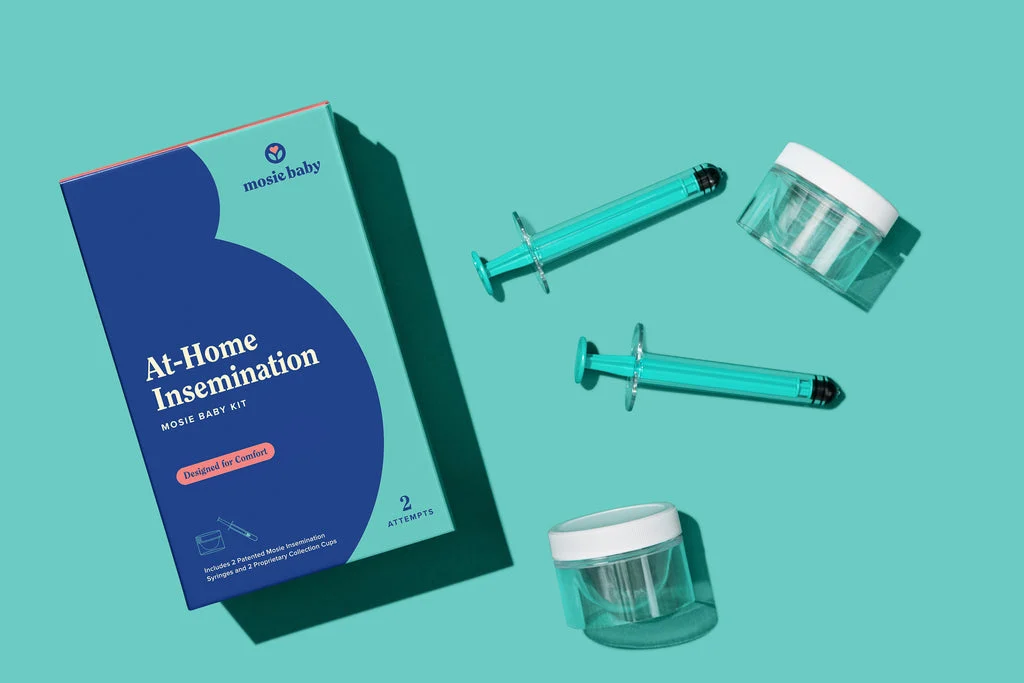
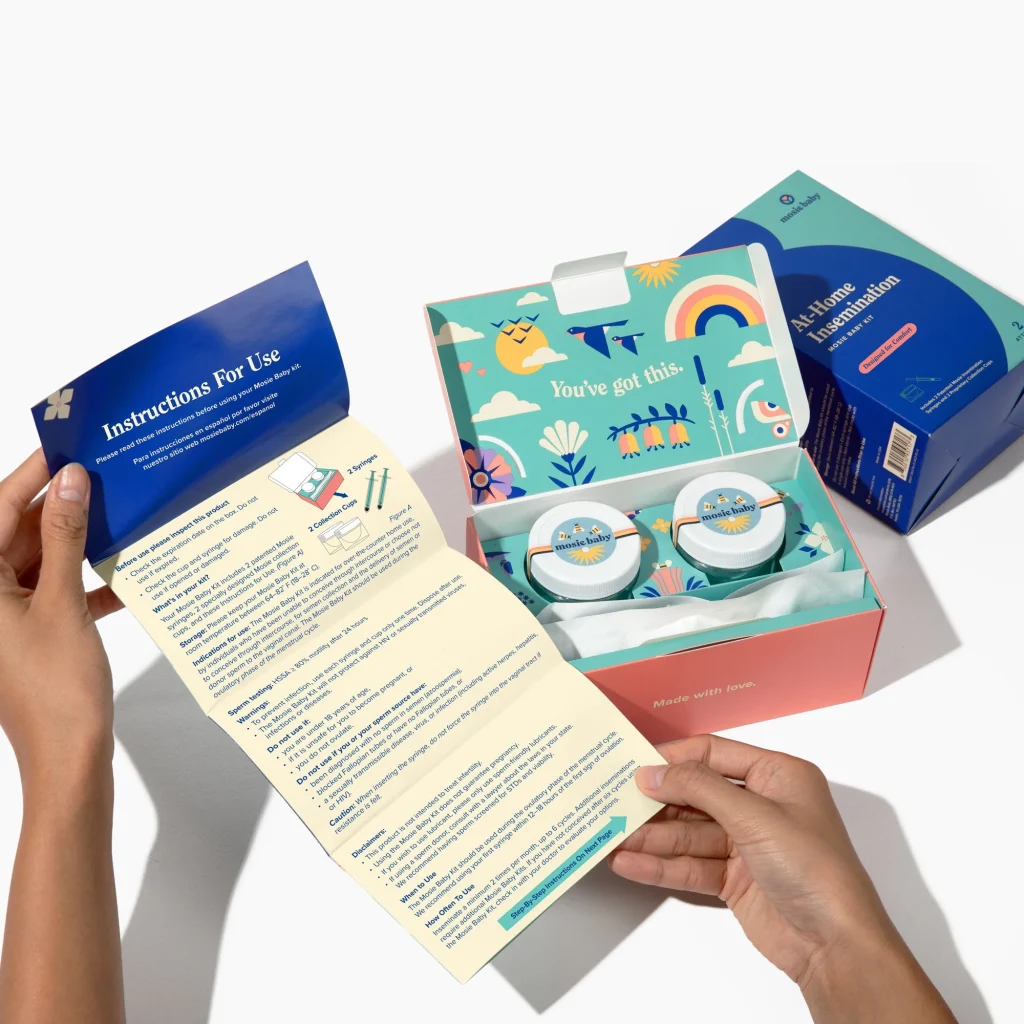
In recent years, at-home conception methods have become increasingly popular among the LGBTQ+ community. These methods include self-insemination, using a known sperm or egg donor, and in vitro fertilization (IVF) with a surrogate. At-home conception offers a more affordable and accessible alternative to traditional fertility treatments, which can be expensive and often not covered by insurance for LGBTQ+ individuals. It also allows individuals and couples to have more control over the conception process and to create a family in a way that feels authentic to them.
Finding Support and Resources
While at-home conception may offer a more accessible option for starting a family, it can still be a daunting and overwhelming process. The good news is that there are many resources available to support and guide the LGBTQ+ community on their journey to parenthood.
1. LGBTQ+ Support Groups
One of the best ways to find support and guidance on at-home conception is through LGBTQ+ support groups. These groups provide a safe and inclusive space for individuals and couples to connect with others who are going through a similar experience. They often offer resources and information on at-home conception methods, as well as emotional support and advice from those who have gone through the process themselves.
2. Fertility Clinics and Providers
At-Home Conception and the LGBTQ+ Community: Finding Support and Resources
While discrimination against the LGBTQ+ community in healthcare is still a prevalent issue, there are fertility clinics and providers who are dedicated to providing inclusive and supportive care. These clinics and providers have experience working with LGBTQ+ individuals and couples and can offer tailored treatment plans and guidance on at-home conception methods. It is essential to research and find a reputable and LGBTQ+-friendly provider to ensure a positive and comfortable experience.
3. Online Communities and Forums
The internet has made it easier than ever to connect with others and find information on any topic, including at-home conception. There are many online communities and forums specifically for the LGBTQ+ community and those looking to start a family through at-home conception. These platforms provide a safe and anonymous space to ask questions, share experiences, and find support and resources from a diverse group of people.
4. Legal Support
At-home conception can also bring up legal concerns and questions, especially for same-sex couples and individuals using a known donor. It is crucial to seek legal advice from an attorney who has experience with LGBTQ+ family law to ensure that all legal aspects are properly addressed and protected.
5. LGBTQ+ Family Planning Organizations
There are now organizations dedicated to supporting and advocating for LGBTQ+ family planning and at-home conception. These organizations offer resources, information, and support for LGBTQ+ individuals and couples, as well as educational materials for healthcare providers to improve the quality of care for the LGBTQ+ community.
In Summary
At-home conception has opened up new possibilities for the LGBTQ+ community to start a family on their terms. With the support and resources available, individuals and couples can navigate the journey to parenthood with more confidence and ease. LGBTQ+ support groups, inclusive fertility clinics and providers, online communities, legal support, and LGBTQ+ family planning organizations are all valuable resources for those looking to start a family through at-home conception. Together, we can continue to create a more inclusive and accepting environment for all individuals and couples wanting to become parents.