Tag: ovulation

  • The Science Behind Cervical Mucus and Its Effect on Pregnancy

    The Science Behind Cervical Mucus and Its Effect on Pregnancy

    Cervical mucus is a natural secretion produced by the cervix, the lower part of the uterus, and plays a crucial role in fertility and pregnancy. It may not seem like an important bodily function, but cervical mucus is actually a key factor in helping sperm reach and fertilize the egg. In this blog post, we will delve into the science behind cervical mucus and how it affects pregnancy.

    What is Cervical Mucus?

    Cervical mucus is a fluid that is secreted by the cells of the cervix. It is a clear or slightly cloudy, slippery, and stretchy fluid that changes in consistency and texture throughout a woman’s menstrual cycle. The amount, color, and texture of cervical mucus can indicate where a woman is in her cycle and whether or not she is fertile.

    Changes in Cervical Mucus Throughout the Menstrual Cycle

    The menstrual cycle is divided into two phases: the follicular phase and the luteal phase. During the follicular phase, which starts on the first day of menstruation, the body prepares for ovulation. Estrogen levels rise, causing the cervical mucus to become thin, watery, and stretchy. This type of mucus is often referred to as “fertile” or “egg-white” cervical mucus as it resembles raw egg whites in consistency.

    The purpose of this type of mucus is to create a hospitable environment for sperm to travel through the cervix and reach the egg. It also helps to filter out any abnormal sperm and protect the sperm from the acidic environment of the vagina.

    As ovulation approaches, estrogen levels peak, and the mucus becomes even thinner and more stretchy, allowing sperm to swim more easily through the cervix. This is the most fertile time of a woman’s cycle, and the chances of getting pregnant are highest during this phase.

    After ovulation, the body enters the luteal phase, where the hormone progesterone takes over. Progesterone causes the cervical mucus to become thicker, cloudier, and less stretchy. This type of mucus is referred to as “infertile” cervical mucus as it makes it difficult for sperm to reach the egg. It also creates a barrier to prevent any bacteria or other foreign substances from entering the uterus.

    mosie baby logo featuring a heart and leaves in blue, pink, and green colors.

    The Science Behind Cervical Mucus and Its Effect on Pregnancy

    The Role of Cervical Mucus in Pregnancy

    Cervical mucus plays a vital role in pregnancy by helping sperm reach the egg and providing a safe and protective environment for the developing embryo.

    During ovulation, the egg is released from the ovary and travels down the fallopian tube. The cervical mucus helps to guide and nourish the sperm as they make their way through the cervix and into the fallopian tubes. Once the sperm reaches the egg, fertilization occurs, and the resulting embryo starts to grow and develop.

    After fertilization, the cervical mucus continues to play a role in pregnancy. It creates a plug at the opening of the cervix, which helps to seal the uterus and protect the developing embryo from any harmful bacteria or substances that may enter the vagina. This plug also prevents the sperm from entering the cervix, ensuring that only one sperm fertilizes the egg.

    As the pregnancy progresses, the cervical mucus will change in consistency once again. It may become thicker and more abundant to help protect the growing baby and provide a barrier against any infections.

    Tracking Cervical Mucus for Fertility and Pregnancy

    Many women who are trying to conceive use cervical mucus tracking as a way to determine when they are most fertile. By monitoring the changes in their cervical mucus, women can identify their most fertile days and time intercourse accordingly.

    In addition, tracking cervical mucus can also be used as a natural method of birth control. By avoiding intercourse during the fertile phase, couples can prevent pregnancy without the use of hormonal birth control methods.

    Cervical mucus can also be a useful indicator of pregnancy. After ovulation, the cervical mucus may remain thick and abundant, or it may become thinner and more watery. Some women may also experience a small amount of bleeding or spotting, known as implantation bleeding, when the fertilized egg implants in the uterus. These changes in cervical mucus can be early signs of pregnancy.

    In summary, cervical mucus plays a significant role in fertility and pregnancy. It helps to create a hospitable environment for sperm, protects the developing embryo, and can be used to track fertility and pregnancy. By understanding the science behind cervical mucus, women can better understand their bodies and increase their chances of conceiving.


  • Cervical Mucus and Pregnancy: The Hidden Link You Need to Know About

    Cervical mucus is a commonly overlooked aspect of pregnancy, but it plays a crucial role in conception and overall reproductive health. Many women may not even be aware of its existence or importance, but understanding cervical mucus can provide valuable insights into fertility and potential issues in the reproductive system. In this blog post, we will dive into the hidden link between cervical mucus and pregnancy and why it’s essential to pay attention to this often overlooked bodily fluid.

    Firstly, let’s define what cervical mucus is and what its purpose is in the female reproductive system. Cervical mucus is a fluid produced by the cells in the cervix, the lower part of the uterus. It serves as a protective barrier against bacteria and other foreign substances entering the reproductive tract. Additionally, cervical mucus also plays a vital role in fertility by providing a hospitable environment for sperm to travel through and survive in.

    One of the significant functions of cervical mucus is to aid in the transportation of sperm to the egg. During ovulation, the cervix produces more mucus, which is thin and slippery, making it easier for sperm to swim through the cervix and reach the egg. This type of mucus, known as “fertile mucus,” is clear and stretchy, resembling raw egg whites. It creates a more alkaline environment in the vagina, which is optimal for sperm survival.

    On the other hand, outside of the fertile window, cervical mucus is thicker and less hospitable to sperm. This thicker mucus forms a barrier to prevent any bacteria or sperm from entering the uterus and potentially causing an infection. It also serves as a barrier to prevent sperm from entering the uterus during non-fertile times, reducing the risk of unwanted pregnancies.

    Understanding the changes in cervical mucus throughout the menstrual cycle is crucial for women who are trying to conceive. Tracking these changes can help pinpoint the most fertile days and increase the chances of pregnancy. By monitoring the consistency and color of cervical mucus, women can determine when they are ovulating and when it is the best time to have intercourse for conception.

    hand holding a pregnancy test with instructions on a colorful background

    Cervical Mucus and Pregnancy: The Hidden Link You Need to Know About

    Apart from aiding in conception, cervical mucus can also provide valuable information about overall reproductive health. Changes in the texture, color, or amount of cervical mucus can indicate underlying issues such as hormonal imbalances, infections, or even pregnancy. For example, a sudden increase in cervical mucus after ovulation can be a sign of pregnancy.

    In some cases, abnormal cervical mucus can also be a barrier to conception. If the mucus is too thick or hostile to sperm, it can hinder their ability to reach and fertilize the egg. This can be caused by hormonal imbalances, infections, or other underlying health issues. Therefore, tracking cervical mucus can help identify potential fertility issues and allow women to seek medical help sooner.

    Furthermore, the presence of cervical mucus can also affect the accuracy of at-home pregnancy tests. As mentioned earlier, an increase in mucus can be a sign of pregnancy. However, some pregnancy tests rely on detecting the presence of the hormone hCG in urine. Cervical mucus can dilute urine, potentially affecting the accuracy of the test. It is recommended to wait a few days after the missed period to take a pregnancy test or to use an early detection test that is more sensitive to low levels of hCG.

    In addition to its role in fertility and pregnancy, cervical mucus can also provide insights into the menstrual cycle. By monitoring changes in mucus consistency and color, women can track their cycles and identify any irregularities or potential issues. For example, a lack of cervical mucus may indicate a lack of ovulation, which can affect fertility.

    In conclusion, cervical mucus is a crucial aspect of pregnancy and reproductive health that often goes unnoticed. Its role in aiding conception, providing information about overall reproductive health, and affecting the accuracy of pregnancy tests makes it an essential factor to pay attention to. By understanding the changes in cervical mucus throughout the menstrual cycle, women can gain valuable insights into their fertility and overall reproductive health.

    In summary, cervical mucus is a fluid produced by the cervix that plays a vital role in fertility, pregnancy, and overall reproductive health. Its function in aiding sperm transportation, providing information about hormonal imbalances and infections, and affecting the accuracy of pregnancy tests makes it an essential factor to consider for women trying to conceive. By tracking changes in cervical mucus, women can gain valuable insights into their menstrual cycle and seek medical help if needed.

  • The Connection Between Cervical Mucus and Pregnancy Loss

    Cervical mucus, also known as cervical fluid, is a natural substance produced by the cervix that plays a crucial role in a woman’s fertility and reproductive health. It is often overlooked, but the quality and quantity of cervical mucus can have a significant impact on a woman’s ability to conceive and maintain a healthy pregnancy. In fact, research has shown a strong connection between cervical mucus and pregnancy loss. In this blog post, we will explore the link between cervical mucus and pregnancy loss and how understanding this connection can help women improve their chances of a successful pregnancy.

    The Role of Cervical Mucus in Fertility

    Before delving into the connection between cervical mucus and pregnancy loss, it is important to understand the role of cervical mucus in fertility. Cervical mucus is a fluid that is produced by the cervix throughout a woman’s menstrual cycle. It serves as a protective barrier for the reproductive organs, preventing harmful bacteria from entering and protecting sperm as they make their way to the egg.

    The consistency and quality of cervical mucus changes throughout a woman’s cycle, influenced by hormones such as estrogen and progesterone. During the first phase of the menstrual cycle, called the follicular phase, estrogen levels rise, causing the cervical mucus to become more watery and stretchy. This type of mucus, known as “fertile” cervical mucus, helps sperm travel more easily through the cervix and into the uterus.

    As a woman approaches ovulation, the cervical mucus becomes even more stretchy and clear, resembling the consistency of egg whites. This type of mucus is the most fertile and indicates that ovulation is about to occur. After ovulation, the mucus becomes thicker and less stretchy, making it harder for sperm to reach the egg. This is known as the luteal phase of the menstrual cycle.

    The Connection Between Cervical Mucus and Pregnancy Loss

    Now that we understand the role of cervical mucus in fertility, let’s explore the link between cervical mucus and pregnancy loss. When a woman is trying to conceive, the quality and quantity of her cervical mucus can greatly affect her chances of becoming pregnant. If there is not enough fertile cervical mucus, sperm may not be able to reach the egg, making it difficult for fertilization to occur. Additionally, if the cervical mucus is too thick or hostile, it may hinder the sperm’s ability to reach and fertilize the egg.

    But what about pregnancy loss? Research has shown that a lack of fertile cervical mucus can also contribute to an increased risk of pregnancy loss. This is because fertile cervical mucus not only helps sperm reach the egg, but it also provides a conducive environment for the fertilized egg to implant and develop.

    pregnancy test kit features labeled for comfort and confidence on a teal background

    The Connection Between Cervical Mucus and Pregnancy Loss

    Studies have also found that women with certain types of cervical mucus may be at a higher risk for pregnancy loss. For example, women who have a high concentration of white blood cells in their cervical mucus may have a higher risk of miscarriage. These white blood cells are part of the body’s immune response and can sometimes mistake the fertilized egg as a foreign object, leading to a miscarriage.

    Additionally, women who have a condition called cervical insufficiency, where the cervix is weak and unable to hold the weight of a growing baby, may also experience recurrent pregnancy loss. This is because the cervical mucus may not be strong enough to provide support for the growing baby, leading to preterm labor or miscarriage.

    Improving Cervical Mucus for a Healthy Pregnancy

    Understanding the connection between cervical mucus and pregnancy loss can help women take proactive steps to improve their chances of a successful pregnancy. One way to improve cervical mucus is by tracking it throughout the menstrual cycle. By monitoring changes in cervical mucus consistency, women can determine their most fertile days and time intercourse accordingly.

    Certain lifestyle factors can also impact cervical mucus. For example, dehydration can lead to thicker mucus, making it harder for sperm to reach the egg. Staying hydrated and maintaining a healthy diet can help improve the quality of cervical mucus.

    If a woman has a condition that affects her cervical mucus, such as cervical insufficiency, seeking medical treatment may be necessary to prevent pregnancy loss. Treatments such as cerclage, which involves stitching the cervix closed to prevent preterm labor, may be recommended.

    In conclusion, cervical mucus plays a crucial role in a woman’s fertility and can also be a significant factor in pregnancy loss. By understanding the connection between cervical mucus and pregnancy loss, women can take proactive steps to improve their chances of a healthy pregnancy. Tracking cervical mucus, maintaining a healthy lifestyle, and seeking medical treatment when necessary can all help improve the quality and quantity of cervical mucus, increasing the chances of a successful pregnancy.

    SEO metadata:

  • Cervical Mucus and Pregnancy: What You Need to Know for a Smooth Journey

    Blog Post:

    Cervical mucus is a vital component of a woman’s reproductive system and plays a crucial role in fertility and pregnancy. It is a fluid secreted by the cervix that changes in consistency and appearance throughout a woman’s menstrual cycle. Understanding cervical mucus and its changes can help women track their ovulation and increase their chances of getting pregnant. In this blog post, we will delve into everything you need to know about cervical mucus and pregnancy for a smooth journey towards motherhood.

    What is Cervical Mucus?

    Cervical mucus, also known as cervical fluid, is a clear or whitish sticky fluid secreted by the cells lining the cervix. It is produced by the cervix in response to hormonal changes in a woman’s body. The consistency, texture, and amount of cervical mucus vary based on the stage of the menstrual cycle. During the beginning of the cycle, when estrogen levels are low, the mucus is thick, sticky, and opaque, making it difficult for sperm to travel through. As ovulation approaches, estrogen levels rise, causing the mucus to become thinner, clearer, and stretchy, creating a more hospitable environment for sperm to survive and swim towards the egg.

    Cervical Mucus and Ovulation

    Cervical mucus plays a crucial role in ovulation, which is the process of releasing an egg from the ovary. As mentioned earlier, as ovulation approaches, the mucus changes in consistency and appearance to aid the sperm’s journey to the egg. This fertile cervical mucus, also known as egg white cervical mucus (EWCM), is a clear, stretchy, and slippery fluid that resembles raw egg whites. It provides a safe and nourishing environment for sperm to survive and travel through the cervix and into the uterus. This is the best time for a woman to have intercourse if she is trying to conceive.

    Tracking Cervical Mucus for Ovulation

    Cervical mucus can be a useful tool in tracking ovulation and planning for pregnancy. By observing and charting changes in cervical mucus throughout the menstrual cycle, a woman can determine her most fertile days and time intercourse accordingly. To track cervical mucus, women can use their fingers to check for changes in consistency and appearance. Another method is to use a fertility tracking device, such as an ovulation predictor kit, which measures the levels of luteinizing hormone (LH) in the urine. LH levels surge 12-36 hours before ovulation, and the presence of EWCM confirms that ovulation is about to occur.

    Cervical Mucus and Pregnancy

    After ovulation, the cervical mucus returns to its thick and sticky state, making it difficult for sperm to survive. However, if fertilization occurs, the cervical mucus will thicken and form a mucus plug, which seals the cervix and prevents any additional sperm from entering the uterus. The mucus plug also helps protect the developing embryo and provides a barrier against infection. As pregnancy progresses, the cervix will produce more mucus, and it may be mixed with small amounts of blood, creating a thick and sticky discharge known as the “bloody show.”

    Cervical Mucus Changes in Early Pregnancy

    blue box with "mosie" logo, syringes, and informational pamphlet on a pink background

    Cervical Mucus and Pregnancy: What You Need to Know for a Smooth Journey

    In early pregnancy, cervical mucus may change in consistency and color due to hormonal changes. Many women experience an increase in cervical mucus, which may be thick and milky or thin and watery. Some women may also notice a pink or brown tinge in their mucus due to implantation bleeding. It is also common to experience an increase in vaginal discharge during pregnancy, which is usually harmless. However, if the discharge is foul-smelling, itchy, or accompanied by pain or discomfort, it may be a sign of infection, and medical attention should be sought.

    Tips for Maintaining Healthy Cervical Mucus

    For women trying to conceive, it is essential to maintain healthy cervical mucus for optimal fertility. Here are some tips to help you achieve this:

    1. Stay hydrated: Drinking plenty of water can help keep your cervical mucus thin and fluid, making it easier for sperm to travel.

    2. Avoid douching: Douching can disrupt the natural balance of bacteria and acidity in the vagina, affecting the quality and quantity of cervical mucus.

    3. Limit caffeine and alcohol intake: Both caffeine and alcohol can dehydrate the body, leading to thicker and less hospitable cervical mucus.

    4. Take fertility supplements: Certain supplements, such as evening primrose oil and mucolytics, can help improve the quality and quantity of cervical mucus.

    5. Avoid using lubricants: Many lubricants can hinder sperm movement and damage sperm cells. If lubrication is needed, use a fertility-friendly lubricant or try using your fertile cervical mucus.

    In conclusion, cervical mucus plays a vital role in fertility and pregnancy. By understanding its changes and tracking it, women can increase their chances of conceiving and have a smooth journey towards motherhood. Keeping a healthy lifestyle and taking care of your reproductive health can also help maintain optimal cervical mucus. If you have any concerns about your cervical mucus or are having trouble conceiving, consult your healthcare provider for personalized guidance.

    Summary:

    Cervical mucus is a clear or whitish fluid secreted by the cervix that changes in consistency and appearance throughout a woman’s menstrual cycle. It plays a crucial role in ovulation, as the changes in mucus aid the sperm’s journey to the egg. Tracking cervical mucus can help women determine their most fertile days and increase their chances of getting pregnant. In early pregnancy, cervical mucus may change in consistency and color due to hormonal changes. Maintaining a healthy lifestyle and taking care of reproductive health can help maintain optimal cervical mucus. If you have any concerns, consult your healthcare provider for personalized guidance.

  • The Surprising Ways Cervical Mucus Can Affect Male Fertility and Pregnancy

    Cervical mucus is a natural fluid produced by the cervix that plays a crucial role in a woman’s reproductive health. It helps to keep the reproductive system clean and healthy, and also plays a key role in sperm survival, fertility, and pregnancy. While cervical mucus is commonly associated with female fertility, it also has surprising effects on male fertility and pregnancy. In this blog post, we will explore the various ways in which cervical mucus can affect male fertility and pregnancy.

    1. Sperm Survival and Transport

    One of the primary functions of cervical mucus is to provide a hospitable environment for sperm survival and transport. The consistency and quality of cervical mucus can greatly impact the survival rate of sperm. A healthy and fertile cervical mucus is thin, slippery, and stretchy, allowing sperm to swim easily through the cervix and on their journey to fertilize an egg. On the other hand, thick or hostile cervical mucus can hinder sperm movement and decrease their chances of reaching the egg.

    2. Fertility Tracking

    Cervical mucus can also serve as a useful tool for tracking female fertility. As a woman approaches ovulation, her cervical mucus changes in consistency and appearance. By monitoring these changes, couples can time intercourse for the most fertile days of a woman’s cycle. However, this method can also be beneficial for men. If a man is experiencing fertility issues, tracking a woman’s cervical mucus can provide insights into his own fertility health. If the woman’s cervical mucus is not conducive to sperm survival, it could be an indicator of male fertility problems.

    3. Quality of Sperm

    The quality of cervical mucus can also have an impact on the quality of the sperm. Studies have shown that cervical mucus can act as a barrier, filtering out unhealthy or damaged sperm. This is important because the quality of sperm can greatly impact fertility and the chances of a successful pregnancy. A healthy and fertile cervical mucus can help to ensure that only the strongest and healthiest sperm have the chance to fertilize an egg.

    4. Hormonal Imbalances

    Hormonal imbalances can affect both male and female fertility. In women, hormonal imbalances can lead to changes in cervical mucus production that can impact fertility. However, these imbalances can also affect male fertility. The presence of certain hormones can alter the consistency and quality of cervical mucus, making it more hostile to sperm. Furthermore, hormonal imbalances in men can also lead to a decrease in sperm count and quality, making it more difficult to achieve pregnancy.

    at-home insemination kit by Mosie Baby, featuring syringes and containers for comfort and convenience.

    The Surprising Ways Cervical Mucus Can Affect Male Fertility and Pregnancy

    5. Infections and Inflammation

    Cervical mucus serves as a protective barrier against infections and inflammation in the reproductive system. However, if the mucus becomes compromised, it can leave both men and women vulnerable to infections and inflammation. These conditions can have a significant impact on fertility and can also affect the quality of sperm. Inflammation in the reproductive system can interfere with sperm production and function, leading to fertility problems.

    6. Impact on Pregnancy

    Cervical mucus also plays a role in pregnancy. In the early stages of pregnancy, the mucus helps to protect and nourish the developing embryo. It also acts as a barrier against any harmful bacteria that may enter the reproductive system. In addition, the consistency and quality of cervical mucus can affect the success of in vitro fertilization (IVF) procedures. Thick or hostile cervical mucus can make it difficult for the fertilized egg to implant in the uterus, leading to implantation failure and unsuccessful pregnancies.

    7. The Role of Diet and Lifestyle

    The quality of cervical mucus can also be affected by diet and lifestyle factors. A healthy diet and lifestyle can contribute to the production of a fertile and hospitable cervical mucus. On the other hand, a poor diet and unhealthy habits, such as smoking and excessive alcohol consumption, can negatively impact cervical mucus production and quality. This, in turn, can affect male fertility and the chances of pregnancy.

    In summary, cervical mucus plays a crucial role in male fertility and pregnancy. Its impact on sperm survival, transport, and quality can greatly affect a couple’s ability to conceive. Cervical mucus can also serve as a useful tool for fertility tracking and identifying potential issues with male fertility. Hormonal imbalances, infections, and lifestyle factors can all impact the quality of cervical mucus and ultimately, fertility and pregnancy. Therefore, it is important for both men and women to pay attention to their cervical mucus and take steps to maintain a healthy and fertile reproductive system.

    In conclusion, understanding the surprising ways in which cervical mucus can affect male fertility and pregnancy is crucial for couples trying to conceive. By recognizing the importance of cervical mucus and taking steps to improve its quality, couples can increase their chances of conception and a successful pregnancy.

    SEO metadata:

  • How Cervical Mucus Can Help You Achieve a Quicker Pregnancy

    As couples embark on their journey towards parenthood, the process of trying to conceive can sometimes feel overwhelming and stressful. For many women, the process of getting pregnant can take longer than expected, leading to frustration and disappointment. However, there is a simple and natural way to help increase your chances of achieving a quicker pregnancy – paying attention to your cervical mucus.

    Cervical mucus, also known as vaginal discharge, is a clear or white fluid produced by the cervix. It plays a crucial role in the reproductive process and can offer valuable insights into a woman’s fertility. By observing and understanding changes in your cervical mucus throughout your menstrual cycle, you can identify your most fertile days and optimize your chances of conceiving. In this blog post, we will delve deeper into how cervical mucus can help you achieve a quicker pregnancy.

    Understanding Your Menstrual Cycle

    Before we dive into the role of cervical mucus in achieving a quicker pregnancy, it’s essential to have a basic understanding of the menstrual cycle. The menstrual cycle is the monthly process that a woman’s body goes through in preparation for pregnancy. On average, a woman’s menstrual cycle lasts 28 days, but it can range from 21 to 35 days. The cycle is divided into three phases – the follicular phase, ovulation, and the luteal phase.

    During the follicular phase, which typically lasts 10-14 days, the body prepares for ovulation by producing estrogen, which helps thicken the uterine lining. Ovulation occurs when an egg is released from the ovary and travels down the fallopian tube towards the uterus. This process is triggered by a surge of luteinizing hormone (LH). After ovulation, during the luteal phase, the body produces progesterone, which helps maintain the uterine lining and prepare it for potential pregnancy. If the egg is not fertilized, the uterine lining sheds, and the menstrual cycle begins again.

    The Role of Cervical Mucus in Achieving a Quicker Pregnancy

    Cervical mucus plays a crucial role in the menstrual cycle and fertility. It is produced by the cervix and changes in consistency, texture, and color throughout the menstrual cycle, reflecting changes in hormone levels. By paying attention to these changes, women can determine their most fertile days and increase their chances of achieving a quicker pregnancy.

    During the follicular phase, the cervical mucus is usually thick, sticky, and opaque, acting as a barrier to sperm. As ovulation approaches, estrogen levels rise, causing the cervical mucus to become thinner, clearer, and more stretchy, similar to the consistency of egg whites. This type of mucus is known as “fertile” cervical mucus and is ideal for sperm to swim through and reach the egg. It also helps nourish and protect the sperm, increasing their chances of survival.

    After ovulation, the body produces progesterone, which causes the cervical mucus to become thicker and more hostile to sperm. This change in cervical mucus is known as the “infertile” phase, and it acts as a natural barrier to prevent sperm from entering the uterus and fertilizing an egg. By tracking changes in cervical mucus, women can determine their most fertile days, usually the days leading up to and including ovulation, and increase their chances of achieving a quicker pregnancy.

    hands using a blue syringe to extract contents from a clear container for a home insemination kit

    How Cervical Mucus Can Help You Achieve a Quicker Pregnancy

    How to Track Changes in Cervical Mucus

    Now that we understand the importance of cervical mucus in achieving a quicker pregnancy, let’s look at how to track changes in this fluid. The most effective way to track cervical mucus is by using the “fertility awareness method” or “FAM.” FAM involves observing and recording changes in cervical mucus, along with other fertility signs, such as basal body temperature and cervical position.

    To track your cervical mucus, start by checking your underwear or toilet paper for any discharge. Record the color, consistency, and texture of the mucus on a fertility chart. Some women may also choose to collect a sample of their cervical mucus by inserting a clean finger into the vagina and observing the mucus on their finger. It’s essential to wash your hands before and after this process to prevent any infections.

    It’s also essential to note that factors such as illness, stress, and certain medications can affect the quality and quantity of cervical mucus. Therefore, it’s crucial to track changes in cervical mucus over a few menstrual cycles to get an accurate understanding of your fertility pattern.

    Other Ways to Improve Fertility

    While tracking changes in cervical mucus can significantly increase your chances of achieving a quicker pregnancy, there are other ways to improve fertility. Maintaining a healthy lifestyle, including a balanced diet, regular exercise, and managing stress levels, can all contribute to increased fertility. Additionally, certain supplements and herbs, such as folic acid, vitamin D, and evening primrose oil, have been shown to improve fertility in women.

    It’s also essential to ensure that both partners are healthy and have no underlying fertility issues. If you have been trying to conceive for a year or more without success, it’s essential to consult with a fertility specialist to rule out any potential issues.

    In conclusion, cervical mucus can be a valuable tool in helping you achieve a quicker pregnancy. By tracking changes in this fluid throughout your menstrual cycle, you can identify your most fertile days and increase your chances of conceiving. However, it’s essential to remember that every woman’s body is unique, and it may take some time to understand your fertility pattern fully. Be patient and persistent, and with the help of cervical mucus tracking and a healthy lifestyle, you will be one step closer to achieving your dream of parenthood.

    In summary, paying attention to changes in cervical mucus can help women identify their most fertile days and increase their chances of achieving a quicker pregnancy. By tracking these changes using the fertility awareness method, women can determine their most fertile days, typically leading up to and including ovulation. Other factors such as a healthy lifestyle and consulting with a fertility specialist can also contribute to improved fertility.

  • The Role of Cervical Mucus in Supporting a Viable Pregnancy

    Blog Post Title: The Importance of Cervical Mucus in Ensuring a Successful Pregnancy

    Cervical mucus, also known as cervical fluid, is a natural substance produced by the cervix that plays a crucial role in supporting a viable pregnancy. It may not be something that women often think about, but the quality and quantity of cervical mucus can greatly impact their fertility and chances of conceiving. In this blog post, we will discuss the role of cervical mucus in pregnancy and how to optimize it for better chances of a successful conception.

    What is Cervical Mucus?

    Cervical mucus is a fluid secreted by the cells of the cervix, the lower part of the uterus that connects to the vagina. It is made up of water, proteins, electrolytes, and other substances that are essential for the survival and transport of sperm. The consistency and thickness of cervical mucus change throughout the menstrual cycle, which is influenced by hormones such as estrogen and progesterone.

    The Role of Cervical Mucus in Pregnancy

    Cervical mucus serves multiple important purposes in supporting a viable pregnancy:

    1. Facilitates Sperm Transport

    One of the key roles of cervical mucus is to provide a hospitable environment for sperm to travel through the female reproductive system. During ovulation, the consistency of cervical mucus becomes thinner and stretchier, creating a pathway for sperm to swim through and reach the egg. Without this cervical mucus, sperm would not be able to survive and reach the egg for fertilization.

    2. Protects Sperm from the Vaginal Environment

    The vagina has an acidic environment that can be harmful to sperm, but cervical mucus acts as a protective barrier. It has a higher pH level, which helps neutralize the acidity of the vagina and creates a more suitable environment for sperm survival. This is especially important for couples trying to conceive through intercourse as it increases the chances of sperm reaching the egg successfully.

    3. Nourishes Sperm

    Cervical mucus also contains nutrients and ions that nourish and sustain sperm. These nutrients are crucial for sperm survival and motility, enabling them to reach the egg and fertilize it. Without these nutrients, sperm may not be able to survive long enough to fertilize the egg.

    4. Indicates Fertile Window

    The quality and consistency of cervical mucus can also act as an indicator of a woman’s fertile window. As mentioned earlier, cervical mucus becomes thinner and stretchier during ovulation, which is the most fertile time of the menstrual cycle. By tracking changes in cervical mucus, women can predict their most fertile days and increase their chances of conception.

    5. Supports Implantation

    pregnancy test kit with instructions, test device, and packaging on a white background

    The Role of Cervical Mucus in Supporting a Viable Pregnancy

    After fertilization, the fertilized egg travels down the fallopian tubes and implants itself in the lining of the uterus. Cervical mucus plays a crucial role in this process by providing a nourishing and supportive environment for the fertilized egg to implant and grow. Without enough cervical mucus, the fertilized egg may not be able to attach to the uterine lining, resulting in a failed pregnancy.

    How to Optimize Cervical Mucus for Pregnancy

    Now that we understand the importance of cervical mucus in supporting a viable pregnancy, here are some tips to optimize it for better chances of conception:

    1. Stay Hydrated

    Cervical mucus is made up of mostly water, so it is essential to stay hydrated to ensure there is enough mucus production. Women should aim to drink at least 8-10 glasses of water a day to maintain proper hydration levels.

    2. Avoid Certain Medications

    Some medications, such as antihistamines and decongestants, can dry up cervical mucus. If you are trying to conceive, it is best to avoid these medications or consult with your doctor for alternatives.

    3. Use Pre-Seed Lubricant

    Regular lubricants can interfere with the sperm’s ability to swim through cervical mucus. Pre-Seed lubricant is specifically designed to mimic the consistency of cervical mucus and create a more sperm-friendly environment.

    4. Consider Fertility Supplements

    Certain supplements, such as evening primrose oil and guaifenesin, can help improve the quality and quantity of cervical mucus. However, it is essential to consult with your doctor before taking any supplements.

    5. Track Changes in Cervical Mucus

    By tracking changes in cervical mucus, women can determine their most fertile days and time intercourse accordingly. There are various methods for tracking cervical mucus, including observing changes in its consistency and using ovulation predictor kits.

    In conclusion, cervical mucus plays a vital role in supporting a viable pregnancy. By understanding its functions and learning how to optimize it, women can increase their chances of conceiving and starting a family. Remember to consult with your doctor if you have any concerns about your cervical mucus or fertility.

    Summary:

    Cervical mucus, a fluid produced by the cervix, plays a crucial role in supporting a viable pregnancy. It facilitates sperm transport, protects sperm from the vaginal environment, nourishes sperm, indicates the fertile window, and supports implantation. To optimize cervical mucus for pregnancy, women should stay hydrated, avoid certain medications, use Pre-Seed lubricant, consider fertility supplements, and track changes in cervical mucus. Consult with a doctor for any concerns about cervical mucus or fertility.

  • The Impact of Cervical Mucus on Pregnancy Success Rates

    Blog Post: The Impact of Cervical Mucus on Pregnancy Success Rates

    Cervical mucus is a fluid secreted by the cervix, the lower part of the uterus that connects to the vagina. It plays a crucial role in the female reproductive system and can have a significant impact on pregnancy success rates. Understanding the role of cervical mucus in pregnancy is essential for couples trying to conceive and for those undergoing fertility treatments. In this blog post, we will delve into the importance of cervical mucus and its impact on pregnancy success rates.

    What is Cervical Mucus?

    Cervical mucus is a clear or milky fluid that is produced by the cervical glands. The amount, color, and texture of cervical mucus change throughout a woman’s menstrual cycle, influenced by hormones such as estrogen and progesterone. It serves various functions, including keeping the vagina clean, protecting sperm, and helping sperm reach the egg.

    Role of Cervical Mucus in Pregnancy

    One of the most crucial roles of cervical mucus is to help sperm reach the egg for fertilization. During ovulation, the cervix produces a large amount of thin, watery, and stretchy mucus, often referred to as “fertile” or “egg-white” mucus. This type of mucus provides the ideal environment for sperm to survive and swim through to reach the egg. Without fertile cervical mucus, sperm would not be able to survive long enough to fertilize the egg.

    Cervical Mucus and Fertility

    For couples trying to conceive, knowing the characteristics of cervical mucus can be helpful in determining the most fertile days of the menstrual cycle. Fertile cervical mucus is a sign that ovulation is approaching or has occurred, indicating the best time to try to conceive. Tracking cervical mucus changes is a natural and cost-effective way to increase the chances of getting pregnant.

    Mosie Baby At-Home Insemination Kit instructions and storage guidelines on a blue background.

    The Impact of Cervical Mucus on Pregnancy Success Rates

    Impact of Cervical Mucus on Pregnancy Success Rates

    Cervical mucus also plays a significant role in the success rates of pregnancy, whether it occurs naturally or through assisted reproductive techniques such as intrauterine insemination (IUI) or in vitro fertilization (IVF). Thick, sticky, or absent cervical mucus can hinder sperm from reaching the egg, reducing the chances of fertilization. Additionally, changes in cervical mucus throughout the menstrual cycle can affect the success of fertility treatments.

    Studies have shown that the presence of fertile cervical mucus at the time of ovulation can significantly increase the chances of pregnancy. According to a study published in the journal Obstetrics and Gynecology, women with a higher amount of fertile cervical mucus were twice as likely to get pregnant compared to those with low or no fertile cervical mucus. This reinforces the importance of fertile cervical mucus in pregnancy success rates.

    Cervical Mucus and Infertility

    Infertility is a common problem that affects millions of couples worldwide. It is defined as the inability to conceive after one year of trying to get pregnant. Cervical mucus can play a role in infertility, as it can provide valuable information about a woman’s reproductive health. Thick, sticky, or absent cervical mucus can be a sign of hormonal imbalances, infections, or other underlying conditions that can affect fertility.

    Cervical Mucus and Fertility Treatments

    For couples undergoing fertility treatments, monitoring cervical mucus can help doctors determine the best time for procedures such as IUI or IVF. Fertile cervical mucus increases the chances of pregnancy, making it crucial to have the right amount and quality of mucus for successful fertilization. In some cases, doctors may prescribe medications to improve cervical mucus production or recommend alternative fertility treatments if cervical mucus issues are present.

    In summary, cervical mucus plays a vital role in pregnancy success rates. It helps sperm reach the egg, increases the chances of fertilization, and provides valuable information about a woman’s reproductive health. For couples trying to conceive, tracking cervical mucus changes can be a helpful tool in determining the most fertile days of the menstrual cycle. For those undergoing fertility treatments, it is essential to address any issues with cervical mucus to increase the chances of successful pregnancy.

    In conclusion, understanding the impact of cervical mucus on pregnancy success rates is crucial for couples trying to conceive and for those undergoing fertility treatments. Cervical mucus is not just a fluid; it is a key player in the reproductive system and can make all the difference in achieving a successful pregnancy. So, pay attention to your cervical mucus, and if you have any concerns, consult with your doctor for further evaluation and treatment options.

  • How Cervical Mucus Can Indicate a Healthy Pregnancy

    Cervical mucus is a natural bodily fluid produced by the cervix, the lower part of the uterus, which plays a crucial role in the female reproductive system. It helps sperm travel through the reproductive tract to fertilize an egg, and also acts as a protective barrier against bacteria and other harmful substances. However, cervical mucus can also serve as a powerful indicator of a healthy pregnancy. In this blog post, we will explore the different types of cervical mucus and how they can indicate a healthy pregnancy.

    Types of Cervical Mucus

    Cervical mucus goes through various changes throughout the menstrual cycle, and these changes are closely linked to fertility and pregnancy. The consistency, color, and amount of cervical mucus can vary from woman to woman, but there are generally four main types:

    1. Dry or Sticky Mucus: This type of mucus is typically thick and sticky, making it difficult for sperm to swim through. It is often present in the days following menstruation and indicates a low fertility window.

    2. Creamy Mucus: Creamy mucus is thicker and slightly more opaque than dry mucus. It is a sign that ovulation is approaching and can be a fertile window for conception.

    3. Egg White Mucus: This type of mucus is the most fertile and is often described as clear and stretchy, similar to raw egg whites. It allows sperm to easily travel through the cervix and into the uterus, increasing the chances of fertilization.

    4. Watery Mucus: Watery mucus is clear and runny, and it is a sign that ovulation has occurred. It is also a fertile window for conception, as sperm can easily swim through it.

    Cervical Mucus and Healthy Pregnancy

    The changes in cervical mucus during pregnancy can provide valuable insights into the health and progression of a pregnancy. Here are some ways in which cervical mucus can indicate a healthy pregnancy:

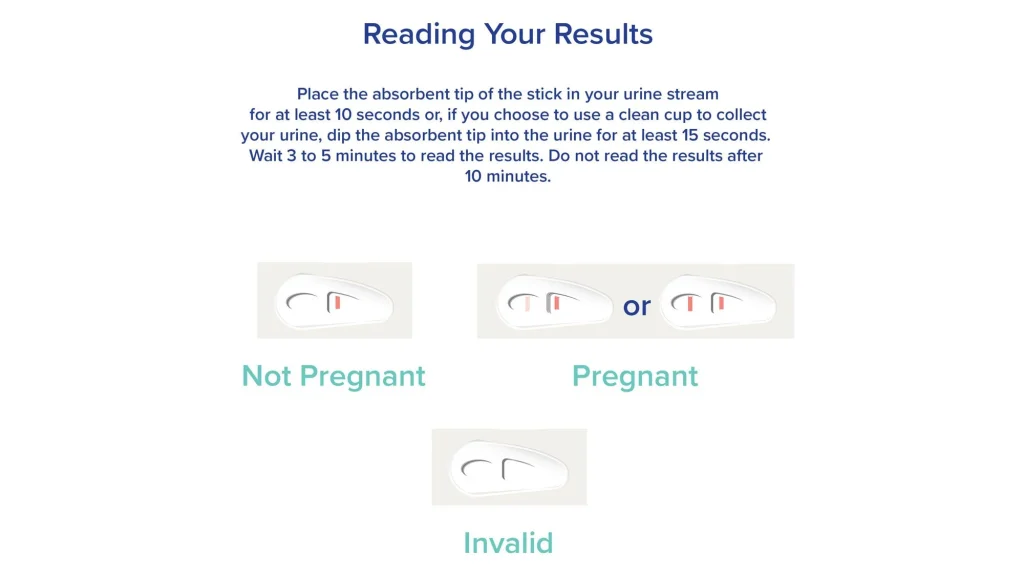
    Instructions for reading pregnancy test results with visual indicators for "Not Pregnant," "Pregnant," and "Invalid.

    How Cervical Mucus Can Indicate a Healthy Pregnancy

    1. Increased Cervical Mucus: During early pregnancy, the body produces increased levels of estrogen and progesterone, which can lead to an increase in cervical mucus. This is often one of the first signs of pregnancy, and the mucus may appear thicker and more abundant than usual.

    2. Changes in Color: The color of cervical mucus can also change during pregnancy. It may appear milky, creamy, or yellowish, which is completely normal. However, if the mucus is pink or red, it could be a sign of implantation bleeding, which occurs when the fertilized egg implants into the uterine lining.

    3. Consistency and Texture: As the pregnancy progresses, cervical mucus may become thicker and more gel-like. This is known as the mucus plug, and it helps to seal the cervix and protect the developing baby from bacteria and other harmful substances.

    4. Changes in Amount: Pregnant women may also notice an increase in the amount of cervical mucus they produce. This is due to the increased blood flow to the cervix and can also be a sign of a healthy pregnancy.

    5. Lack of Cervical Mucus: On the other hand, a decrease in cervical mucus may also indicate a healthy pregnancy. This is because the hormone progesterone, which is essential for maintaining a pregnancy, can cause the cervix to produce less mucus.

    6. Changes in Cervical Mucus after Pregnancy: After giving birth, the body goes through many changes, including hormonal fluctuations. This can cause changes in the consistency and amount of cervical mucus. It is common for women to experience a dry or sticky mucus in the first few weeks postpartum, as the body adjusts to its non-pregnant state.

    7. Monitoring Cervical Mucus for Ovulation: In addition to indicating a healthy pregnancy, cervical mucus can also be helpful in tracking ovulation and fertility. By monitoring changes in cervical mucus, women can determine their most fertile days and increase their chances of conception.

    Conclusion

    In conclusion, cervical mucus is an essential part of a woman’s reproductive system, and it can serve as a valuable indicator of a healthy pregnancy. By understanding the different types of cervical mucus and their changes during pregnancy, women can gain insights into the health and progression of their pregnancy. It is always important to consult with a healthcare provider if there are any concerns about the quality or amount of cervical mucus during pregnancy.

  • Tracking Cervical Mucus for Natural Conception and a Healthy Pregnancy

    Tracking Cervical Mucus for Natural Conception and a Healthy Pregnancy

    Cervical mucus, also known as vaginal discharge, is a natural fluid produced by the cervix that plays a crucial role in fertility and pregnancy. It may not be a topic that is commonly discussed, but understanding and monitoring your cervical mucus can greatly increase your chances of conceiving naturally and having a healthy pregnancy. In this blog post, we will explore the importance of cervical mucus, how to track it, and what changes in mucus can indicate about your fertility and pregnancy.

    What is Cervical Mucus?

    Cervical mucus is a clear or white fluid that is produced by the cells in the cervix, the narrow passage between the vagina and the uterus. It is also known as vaginal discharge and is a normal and healthy part of the female reproductive system. The consistency, texture, and amount of cervical mucus changes throughout the menstrual cycle, and these changes play a crucial role in fertility and pregnancy.

    Importance of Cervical Mucus in Fertility

    Cervical mucus plays a crucial role in fertility as it helps to keep the sperm alive and transport it to the egg. During ovulation, the cervix produces a large amount of clear, stretchy and slippery mucus, which is often described as similar to raw egg whites. This type of mucus is called fertile cervical mucus and is the most conducive for sperm survival and motility. It creates an ideal environment for sperm to swim through the cervix and make their way to the fallopian tubes where fertilization occurs.

    Tracking Cervical Mucus for Natural Conception

    Tracking cervical mucus can help you determine your most fertile days, making it an effective method for natural conception. By monitoring the changes in your cervical mucus, you can identify when you are ovulating and plan intercourse accordingly. The best way to track cervical mucus is to observe it daily and record the changes in a fertility chart. This can be done by checking the mucus at the opening of the vagina with clean fingers or by using a tissue or toilet paper. You can also use a fertility tracking device or app to make the process easier and more accurate.

    Types of Cervical Mucus

    As mentioned earlier, cervical mucus changes throughout the menstrual cycle. The following are the different types of cervical mucus and what they indicate about your fertility:

    1. Dry or Sticky Mucus: This type of mucus is usually present in the first few days after your period ends and indicates the least fertile time of your cycle.

    Informative card introducing the Mosie Baby Kit and its mission for at-home insemination.

    Tracking Cervical Mucus for Natural Conception and a Healthy Pregnancy

    2. Creamy Mucus: As the estrogen levels begin to rise, you may notice a creamy, lotion-like discharge. This type of mucus is not as fertile as egg white mucus but still indicates a fertile time in your cycle.

    3. Egg White Mucus: This is the most fertile type of cervical mucus and is usually present a few days before and during ovulation. It is clear, slippery, and stretchy, and allows the sperm to swim easily through the cervix.

    4. Watery Mucus: This type of mucus may appear in the days leading up to ovulation and is also considered fertile. It is similar in consistency to egg white mucus but not as stretchy.

    5. Sticky or Gummy Mucus: After ovulation, the cervical mucus will become sticky and thick, making it difficult for sperm to swim through. This type of mucus indicates the end of your fertile window.

    Changes in Cervical Mucus During Pregnancy

    Once you become pregnant, your cervical mucus will undergo some changes due to hormonal shifts. In the early stages of pregnancy, you may experience an increase in cervical mucus, which is often described as a thick, white discharge. This is completely normal and is caused by an increase in estrogen production. As your pregnancy progresses, you may also notice an increase in vaginal discharge, which is your body’s way of keeping the vagina clean and preventing infections.

    When to Seek Medical Help

    While changes in cervical mucus are a normal part of the menstrual cycle and pregnancy, it is important to pay attention to any abnormal or unusual changes. If you notice a foul odor, unusual color, or itching and burning along with your discharge, it could be a sign of infection and should be brought to the attention of your healthcare provider.

    In conclusion, tracking cervical mucus is a simple and effective way to increase your chances of conceiving naturally and having a healthy pregnancy. By understanding the changes in your cervical mucus, you can plan intercourse during your most fertile days and identify any potential issues. Remember to always consult with your healthcare provider if you have any concerns about your cervical mucus or fertility.

    Summary:

    Cervical mucus is a natural fluid produced by the cervix that plays a crucial role in fertility and pregnancy. It helps to keep sperm alive and transport it to the egg. By tracking cervical mucus, you can determine your most fertile days and increase your chances of natural conception. There are different types of cervical mucus, each indicating a different stage in your menstrual cycle. Changes in cervical mucus during pregnancy are also normal, but it is important to seek medical help if you notice any abnormal changes. Monitoring your cervical mucus is a simple and effective way to promote natural conception and a healthy pregnancy.