Tag: ovulation

  • Breaking a Sweat for Better Fertility: The Exercise-Mucus Link

    Blog Post:

    When it comes to fertility, many couples are willing to try anything to increase their chances of conceiving. From tracking ovulation cycles to taking supplements, there are a variety of methods that people believe can improve fertility. However, one often overlooked factor in fertility is exercise.

    Breaking a sweat through regular physical activity may have a direct impact on fertility for both men and women. In particular, exercise has been linked to improved cervical mucus, which plays a crucial role in the fertility process. In this blog post, we will explore the exercise-mucus link and how breaking a sweat can lead to better fertility.

    The Importance of Cervical Mucus

    Before diving into the connection between exercise and cervical mucus, it’s important to understand the role that cervical mucus plays in fertility. Cervical mucus is a fluid secreted by the cervix that changes in consistency and volume throughout a woman’s menstrual cycle.

    During ovulation, the consistency of cervical mucus changes to become more thin, slippery, and stretchy. This type of mucus, known as “fertile” cervical mucus, helps sperm travel through the cervix and into the uterus, increasing the chances of conception. In contrast, “infertile” cervical mucus, which is thicker and less conducive to sperm survival, can make it difficult for sperm to reach the egg.

    The Exercise-Mucus Link

    Now that we understand the importance of cervical mucus in fertility, let’s explore how exercise can impact its quality. Research has shown that regular exercise can lead to changes in cervical mucus, making it more favorable for sperm survival and transport.

    One study published in the Journal of Ovarian Research found that women who engaged in moderate to high-intensity exercise had higher levels of fertile cervical mucus compared to those who were sedentary. Additionally, another study published in the Journal of Obstetrics and Gynaecology found that women who exercised regularly had more fertile cervical mucus and a shorter time to conception compared to those who were inactive.

    The exact mechanism behind this exercise-mucus link is still being studied. However, it is believed that physical activity increases blood flow to the reproductive organs, promoting the production of fertile cervical mucus. Additionally, exercise can also help regulate hormonal balance, which can also impact the quality of cervical mucus.

    Exercise for Both Men and Women

    comparison of Mosie syringe opening versus standard syringe opening with text highlighting benefits

    Breaking a Sweat for Better Fertility: The Exercise-Mucus Link

    While most of the research on the exercise-mucus link has focused on women, exercise can also have a positive impact on male fertility. Regular physical activity has been shown to improve sperm count, motility, and morphology in men. This means that not only can exercise improve the quality of cervical mucus in women, but it can also increase the chances of fertilization in men.

    Best Types of Exercise for Fertility

    Now that we understand the benefits of exercise for fertility, you may be wondering what types of exercise are best for improving cervical mucus. The good news is that any type of moderate to high-intensity workout can have a positive impact on fertility.

    Cardiovascular exercises such as running, cycling, and swimming can increase blood flow to the reproductive organs, while strength training can help regulate hormone levels. Yoga and Pilates, which focus on breathing and relaxation techniques, can also be beneficial for fertility. It’s important to find a form of exercise that you enjoy and can stick to in the long term.

    Tips for Incorporating Exercise into Your Routine

    If you’re looking to improve your fertility through exercise, here are a few tips to help you get started:

    1. Consult with Your Doctor: Before starting any exercise routine, it’s important to consult with your doctor, especially if you have any underlying health conditions that may affect your ability to exercise.

    2. Start Slowly: If you’re new to exercise, start slow and gradually increase the intensity and duration of your workouts. This will help prevent injury and burnout.

    3. Stay Hydrated: Drinking plenty of water is crucial for maintaining fertile cervical mucus. Make sure to stay hydrated before, during, and after your workouts.

    4. Listen to Your Body: Pay attention to how your body feels during and after exercise. If you experience any discomfort or pain, take a break or modify your workout.

    5. Be Consistent: Consistency is key when it comes to reaping the benefits of exercise for fertility. Aim for at least 30 minutes of moderate to high-intensity exercise at least three times a week.

    In summary, breaking a sweat through regular exercise can have a positive impact on fertility by improving the quality of cervical mucus. Whether you’re trying to conceive or just looking to improve your overall health, incorporating physical activity into your routine can have numerous benefits. Consult with your doctor, start slow, and be consistent to see the best results.


  • Natural Conception and Exercise: The Importance of Cervical Mucus

    Natural Conception and Exercise: The Importance of Cervical Mucus

    When it comes to trying to conceive a baby, there are many factors that come into play. From tracking ovulation to maintaining a healthy lifestyle, there are a lot of things that can influence the chances of successfully conceiving. One factor that is often overlooked is the role of cervical mucus in natural conception. Cervical mucus, also known as cervical fluid, plays a crucial role in the journey of sperm to meet the egg and fertilize it. In this blog post, we will discuss the importance of cervical mucus in natural conception and how exercise can affect its production and quality.

    Understanding Cervical Mucus

    Cervical mucus is a fluid produced by glands in the cervix, the narrow passage that connects the vagina to the uterus. Its consistency and amount vary throughout a woman’s menstrual cycle, depending on the levels of hormones, particularly estrogen, in her body. During the first phase of the menstrual cycle, also known as the follicular phase, cervical mucus is usually thick and sticky, making it difficult for sperm to penetrate. As ovulation approaches, the levels of estrogen increase, causing the cervical mucus to become thinner, clearer, and more slippery, creating an ideal environment for sperm to swim through and reach the egg.

    Importance of Cervical Mucus in Natural Conception

    Cervical mucus plays a crucial role in natural conception as it provides a protective and nourishing environment for sperm to survive and travel through to reach the egg. Without the presence of cervical mucus, the journey of sperm would be much more difficult, and the chances of successful fertilization would decrease significantly. Additionally, cervical mucus also acts as a filter, ensuring that only healthy and viable sperm can reach the egg, increasing the chances of a healthy pregnancy.

    Effect of Exercise on Cervical Mucus

    Mosie Baby ovulation test kit with packaging and instructions on a pink background.

    Natural Conception and Exercise: The Importance of Cervical Mucus

    Regular exercise is essential for maintaining overall health and wellness, and it can also have a positive impact on fertility. However, intense or excessive exercise can affect the production and quality of cervical mucus, which can ultimately affect the chances of natural conception. Exercise increases blood flow to the reproductive organs, including the cervix, which can improve the production of cervical mucus. However, excessive exercise can also lead to an increase in cortisol, the stress hormone, which can affect hormone levels and decrease the production of cervical mucus.

    Furthermore, dehydration, which can be caused by excessive exercise, can also lead to thick and hostile cervical mucus, making it difficult for sperm to survive and reach the egg. It is important to strike a balance and maintain a moderate level of exercise to optimize cervical mucus production and quality.

    Tips for Improving Cervical Mucus Production

    There are a few simple steps that women can take to improve their cervical mucus production and quality. Staying hydrated is crucial, as it helps to thin out the mucus and make it more conducive for sperm. Additionally, taking a daily prenatal vitamin that contains folic acid can also help improve cervical mucus production. Folic acid is essential for reproductive health and can improve the quality of cervical mucus. Eating a balanced diet rich in fruits, vegetables, and healthy fats can also contribute to healthy cervical mucus production.

    Conclusion

    Cervical mucus is often overlooked when it comes to natural conception, but its importance cannot be underestimated. It plays a crucial role in creating a favorable environment for sperm to reach the egg and fertilize it. Regular exercise is important for overall health and fertility, but it is important to strike a balance and not overdo it, as it can affect cervical mucus production and quality. By following a healthy lifestyle and incorporating the tips mentioned above, women can improve their chances of conceiving naturally by optimizing cervical mucus production.

    In summary, cervical mucus is an essential factor in natural conception, providing a protective and nourishing environment for sperm to reach the egg. Exercise can have a positive impact on cervical mucus production, but it is important to maintain a moderate level to avoid any negative effects. By staying hydrated, taking a prenatal vitamin, and eating a balanced diet, women can improve their cervical mucus production and increase their chances of conceiving naturally.

  • The Exercise-Cervical Mucus Connection: What You Need to Know

    Blog Post:

    Cervical mucus is an essential component of a woman’s reproductive system. It plays a crucial role in fertility and conception by providing a hospitable environment for sperm to travel through and fertilize an egg. However, cervical mucus can also give valuable insights into a woman’s overall reproductive health. The consistency, color, and amount of cervical mucus can indicate different stages of the menstrual cycle and can even be an indicator of certain health conditions. In recent years, there has been a growing interest in the connection between cervical mucus and exercise. In this blog post, we will explore the exercise-cervical mucus connection and what you need to know.

    Understanding Cervical Mucus:

    Before delving into the exercise-cervical mucus connection, it is essential to understand what cervical mucus is and its role in a woman’s reproductive health. Cervical mucus is a fluid produced by the cervix, which is the opening to the uterus. The mucus is responsible for keeping the reproductive tract clean and free from bacteria and other harmful substances. It also serves as a gateway for sperm to enter the uterus and reach the egg for fertilization.

    The consistency and amount of cervical mucus vary throughout a woman’s menstrual cycle. During the beginning of the cycle, the mucus is thick and sticky, making it difficult for sperm to travel through. As ovulation approaches, the mucus becomes thinner and stretchy, creating a more hospitable environment for sperm. This change in cervical mucus is a crucial indicator of fertility and can help women track their ovulation and increase their chances of conceiving.

    The Exercise-Cervical Mucus Connection:

    Exercise has numerous benefits for overall health and well-being, including improved cardiovascular health, weight management, and stress reduction. However, many women wonder about the impact of exercise on their reproductive health and, specifically, their cervical mucus. Research suggests that regular exercise can have a positive effect on cervical mucus and overall reproductive health.

    1. Improved Blood Flow:

    Exercise increases blood flow to all parts of the body, including the reproductive organs. This increase in blood flow can help improve the health of the cervix, leading to the production of healthier and more fertile cervical mucus. Improved blood flow can also help in the transportation of sperm, increasing the chances of fertilization.

    2. Hormonal Balance:

    illustration comparing standard and Mosie syringe openings with text highlighting design benefits for home insemination

    The Exercise-Cervical Mucus Connection: What You Need to Know

    Regular exercise helps regulate hormonal levels in the body, which can have a significant impact on cervical mucus. Hormonal imbalances can lead to changes in the consistency and amount of cervical mucus, making it more difficult for sperm to reach the egg. By maintaining a healthy level of hormones through exercise, women can ensure that their cervical mucus is optimal for conception.

    3. Reduced Stress:

    Stress can have a negative impact on reproductive health, including cervical mucus production. High levels of stress can disrupt hormonal balance and decrease blood flow to the reproductive organs. Regular exercise has been shown to reduce stress levels and promote relaxation, thereby improving the quality of cervical mucus.

    4. Weight Management:

    Obesity has been linked to various reproductive health issues, including irregular menstrual cycles and hormonal imbalances. Regular exercise can help manage weight and reduce the risk of these issues, leading to healthier cervical mucus production.

    5. Improved Overall Health:

    Exercise has a positive impact on overall health, including reproductive health. By promoting a healthy lifestyle, exercise can help maintain optimal reproductive function, leading to improved cervical mucus production.

    What You Need to Know:

    While exercise can have a positive impact on cervical mucus, it is essential to keep in mind that too much exercise can have the opposite effect. Overexercising can lead to hormonal imbalances and decreased blood flow to the reproductive organs, which can affect cervical mucus production. It is crucial to find a balance and listen to your body’s needs when it comes to exercise.

    Additionally, it is essential to note that cervical mucus production can also be affected by certain health conditions and medications. If you are experiencing abnormal changes in your cervical mucus, it is always best to consult with your healthcare provider for further evaluation and guidance.

    In summary, cervical mucus is an important aspect of a woman’s reproductive health, and regular exercise can have a positive impact on its production. Exercise can improve blood flow, hormonal balance, reduce stress, and promote overall health, all of which can contribute to healthier and more fertile cervical mucus. However, it is important to find a balance and consult with a healthcare provider if any abnormal changes are noticed.

  • The Role of Exercise in Maintaining Optimal Cervical Mucus Production

    The Role of Exercise in Maintaining Optimal Cervical Mucus Production

    When it comes to reproductive health, women often focus on their menstrual cycle and ovulation. However, there is another important factor that plays a crucial role in fertility – cervical mucus. Cervical mucus is a fluid produced by the cervix that helps sperm reach the egg during ovulation. It also provides a nourishing environment for the sperm, allowing them to survive and swim towards the egg. Therefore, maintaining optimal cervical mucus production is essential for a woman’s fertility. In this blog post, we will explore the role of exercise in promoting and maintaining healthy cervical mucus production.

    What is Cervical Mucus?

    Before delving into the effects of exercise on cervical mucus, let us first understand what it is and how it functions. Cervical mucus is a clear or milky-white fluid produced by the cervix, the lower part of the uterus. It is primarily composed of water, electrolytes, and glycoproteins. The amount, consistency, and color of cervical mucus change throughout the menstrual cycle due to hormonal fluctuations.

    During the first half of the menstrual cycle, when estrogen levels are high, the cervix produces a type of mucus known as fertile cervical mucus. This mucus is thin, slippery, and stretchy, resembling raw egg whites. It serves as a perfect medium for sperm to travel through the cervix and into the fallopian tubes where fertilization can occur. As ovulation approaches, the amount of fertile cervical mucus increases, indicating that it is the most fertile time of the cycle. After ovulation, when progesterone levels rise, the mucus becomes thicker, stickier, and less hospitable to sperm.

    The Role of Exercise in Cervical Mucus Production

    Exercise is known to have numerous health benefits, but its effects on cervical mucus production are often overlooked. However, research has shown that regular physical activity can significantly impact the quantity and quality of cervical mucus, thus improving a woman’s fertility. Let us take a closer look at how exercise affects cervical mucus production.

    1. Increased Blood Flow to the Reproductive Organs

    Exercise increases blood flow to all parts of the body, including the reproductive organs. This increased blood flow brings more oxygen and nutrients to the cervix, which helps to maintain a healthy environment for cervical mucus production. It also helps in the removal of toxins and waste products, which can hinder mucus production.

    2. Hormonal Balance

    hands using a blue syringe to extract contents from a clear container for a home insemination kit

    The Role of Exercise in Maintaining Optimal Cervical Mucus Production

    Hormonal imbalances can affect the consistency and amount of cervical mucus. Regular exercise helps to regulate hormonal levels, particularly estrogen and progesterone, which are crucial for the production of fertile cervical mucus. Studies have shown that women who are physically active have a more regular menstrual cycle and higher levels of estrogen, leading to increased cervical mucus production.

    3. Improved Immune Function

    The cervix is an essential part of the immune system, protecting the reproductive organs from infections and foreign invaders. Regular exercise has been shown to improve immune function, making the cervix more efficient in producing healthy cervical mucus. This not only promotes fertility but also reduces the risk of infections that can affect cervical mucus production.

    4. Stress Reduction

    Stress is a significant factor that can affect fertility by disrupting the hormonal balance and suppressing ovulation. Exercise is a proven stress-relieving activity that can help regulate the stress hormone cortisol. By reducing stress levels, exercise can help maintain the proper hormonal balance necessary for optimal cervical mucus production.

    5. Body Weight Management

    Maintaining a healthy body weight is essential for fertility. Being either underweight or overweight can affect hormone levels and disrupt the menstrual cycle, leading to irregular or absent ovulation. Regular exercise can help in managing body weight, thus promoting a healthy menstrual cycle and optimal cervical mucus production.

    In summary, exercise plays a vital role in maintaining optimal cervical mucus production. By increasing blood flow to the reproductive organs, balancing hormones, improving immune function, reducing stress, and managing body weight, exercise can promote the production of healthy and fertile cervical mucus. This, in turn, can improve a woman’s fertility and increase her chances of conceiving.

    In conclusion, while there are many factors that can affect cervical mucus production, regular exercise is a simple and effective way to promote and maintain optimal cervical mucus. However, it is essential to note that excessive exercise or intense physical activity can have the opposite effect and disrupt the menstrual cycle. Therefore, it is crucial to find a balance and engage in moderate exercise to reap its benefits for cervical mucus production and overall reproductive health.

    SEO metadata:

  • Breaking a Sweat for Better Cervical Mucus: The Exercise Connection

    Are you trying to conceive or simply looking to improve your reproductive health? Then it’s time to break a sweat! Exercise has long been touted as a key component of a healthy lifestyle, but did you know that it can also have a significant impact on your cervical mucus? In this blog post, we’ll dive into the science behind how exercise affects cervical mucus and how it can ultimately improve your fertility and overall reproductive health.

    First, it’s important to understand what cervical mucus is and its role in fertility. Cervical mucus is a fluid produced by the cervix that helps sperm travel through the reproductive tract to reach the egg. It also provides a hospitable environment for sperm to survive and fertilize the egg. The quality and quantity of cervical mucus can greatly affect a woman’s ability to conceive as well as her overall reproductive health.

    Now, let’s explore the connection between exercise and cervical mucus. Regular physical activity has been shown to have a positive effect on hormones, particularly estrogen and progesterone, which play a crucial role in the menstrual cycle and fertility. These hormones not only regulate ovulation but also impact the production and quality of cervical mucus.

    Estrogen is responsible for the production of cervical mucus, and exercise can help regulate its levels in the body. A study published in the Journal of Women’s Health found that women who engaged in moderate to high levels of physical activity had higher levels of estrogen and a thicker layer of cervical mucus compared to sedentary women. This thicker mucus is more conducive to sperm survival and movement, making it easier for them to reach the egg.

    On the other hand, progesterone, which is produced after ovulation, also plays a vital role in cervical mucus. It helps to thicken the mucus, creating a barrier that prevents sperm from entering the cervix at the wrong time of the menstrual cycle. Exercise has been shown to improve progesterone levels in the body, leading to a more robust and healthy cervical mucus barrier.

    logo of mosie baby featuring a heart and leaf design in blue, pink, and green colors

    Breaking a Sweat for Better Cervical Mucus: The Exercise Connection

    Moreover, regular exercise can also improve blood circulation, leading to better oxygenation and nutrient delivery to the reproductive organs. This, in turn, can promote the growth of cervical cells and improve the quality of the mucus. Additionally, exercise also helps to reduce stress and boost mood, which can have a positive impact on hormonal balance and overall reproductive health.

    While any form of physical activity can have a positive effect on cervical mucus, certain types of exercises may be more beneficial than others. High-intensity interval training (HIIT) and strength training have been shown to have a more significant impact on estrogen levels than moderate-intensity exercises like walking or cycling. This is because these types of exercises put more stress on the body, leading to a higher release of estrogen to help repair and strengthen muscles.

    However, it’s essential to note that too much exercise can have the opposite effect on cervical mucus. Over-exercising or intense physical activity can lead to hormonal imbalances and disrupt the menstrual cycle, resulting in a decrease in estrogen levels and a thinner layer of cervical mucus. Therefore, it’s essential to find a balance and not overdo it when it comes to exercise.

    In addition to its direct impact on cervical mucus, exercise also has many other benefits for women’s reproductive health. It can help to regulate menstrual cycles and reduce the risk of conditions such as polycystic ovary syndrome (PCOS) and endometriosis, which can affect fertility. Exercise also helps to maintain a healthy body weight, which is crucial for fertility and overall reproductive health.

    In conclusion, there is a strong connection between exercise and cervical mucus, and incorporating regular physical activity into your routine can have a significant impact on your reproductive health. Not only does exercise promote hormonal balance and improve the production and quality of cervical mucus, but it also has many other benefits for fertility and overall well-being. So, lace up those sneakers and break a sweat for better cervical mucus and better reproductive health.

  • The Surprising Link Between Exercise and Cervical Mucus Changes

    As women, we are often told about the many benefits of exercise for our physical and mental health. But did you know that exercise can also have a surprising impact on our reproductive health? Specifically, research has shown that exercise can affect the quality and quantity of cervical mucus, which plays a crucial role in fertility. In this blog post, we will explore the link between exercise and cervical mucus changes, and how understanding this connection can benefit women trying to conceive.

    The cervix is the lower part of the uterus that connects to the vagina, and at the top of the cervix is a small opening called the cervical os. This opening is usually filled with cervical mucus, which serves as a protective barrier against foreign substances and bacteria. But cervical mucus also plays a significant role in fertility, as it helps sperm travel through the cervix and into the uterus to fertilize the egg.

    Cervical mucus undergoes changes throughout a woman’s menstrual cycle, and these changes are closely linked to hormonal fluctuations. During the first part of the menstrual cycle, known as the follicular phase, estrogen levels rise, causing the cervix to produce a clear and slippery type of mucus that is favorable for sperm survival. As a woman approaches ovulation, estrogen levels peak, and the cervical mucus becomes even more slippery, stretchy, and abundant, which helps sperm reach the egg. After ovulation, during the luteal phase, progesterone levels increase, causing the cervical mucus to become thicker and less hospitable to sperm.

    Now, where does exercise come into play? It turns out that physical activity can influence the hormonal balance in the body, which, in turn, can impact cervical mucus production. Studies have shown that women who engage in regular moderate to vigorous exercise have higher levels of estrogen and progesterone, which can lead to changes in cervical mucus. This means that women who exercise regularly may experience changes in the quantity, consistency, and quality of their cervical mucus throughout their menstrual cycle.

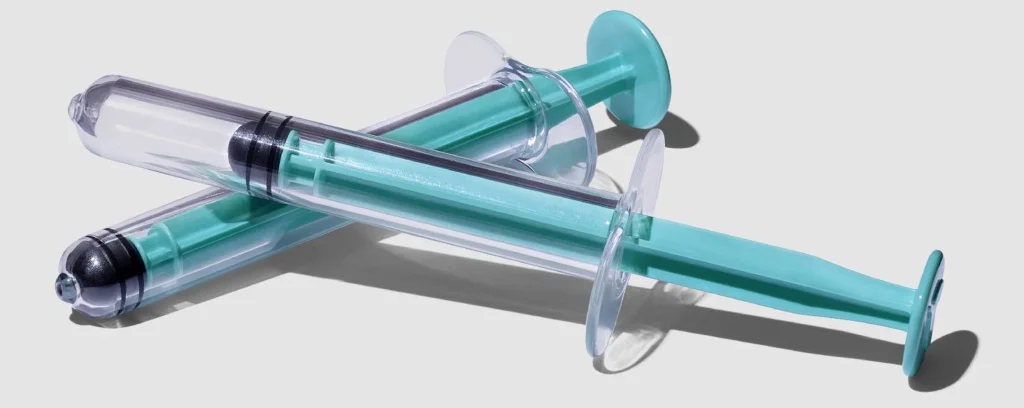
    Two transparent syringes with teal accents positioned diagonally on a light gray background.

    The Surprising Link Between Exercise and Cervical Mucus Changes

    One study published in the Journal of Human Reproduction found that women who exercised for more than seven hours per week had significantly higher levels of estrogen and progesterone, as well as thicker and more abundant cervical mucus compared to women who exercised for less than three hours per week. This suggests that the intensity and duration of exercise may play a role in cervical mucus changes. However, it’s worth noting that excessive exercise, especially when combined with low body fat, can actually lead to irregular periods and even infertility due to disrupted hormone levels.

    Another factor to consider is the type of exercise. While any physical activity can have positive effects on overall health and hormone balance, some types of exercise may have a more significant impact on cervical mucus changes. One study showed that women who engaged in high-intensity interval training had a higher concentration of estrogen and thicker cervical mucus compared to women who did moderate-intensity continuous exercise. This may be due to the short bursts of intense activity followed by rest periods, which can mimic the hormonal fluctuations that occur during the menstrual cycle.

    So, what does this mean for women trying to conceive? First, it’s essential to maintain a healthy level of physical activity to support overall health and hormone balance. However, it’s also crucial to listen to your body and not overdo it, as excessive exercise can have adverse effects on fertility. Additionally, understanding the changes in cervical mucus throughout the menstrual cycle can help women identify the most fertile days for conception. By tracking changes in cervical mucus, women can better predict ovulation and time intercourse during their most fertile window.

    In conclusion, there is a surprising link between exercise and cervical mucus changes. Regular physical activity can affect the quantity, consistency, and quality of cervical mucus, which plays a crucial role in fertility. However, it’s essential to maintain a healthy balance and not overdo it, as excessive exercise can have adverse effects on hormone levels and fertility. By understanding this connection and tracking changes in cervical mucus, women can optimize their chances of conception. So, next time you lace up your running shoes or hit the gym, remember the potential impact on your reproductive health.

  • Fertility Fitness: How Exercise Can Enhance Cervical Mucus Production

    Blog Post:

    Fertility Fitness: How Exercise Can Enhance Cervical Mucus Production

    When it comes to trying to conceive, couples often focus on timing intercourse and tracking ovulation. However, there is another important factor that plays a crucial role in fertility – cervical mucus. Cervical mucus is a fluid produced by the cervix that helps sperm reach the egg and plays a vital role in successful conception. For women struggling with infertility, improving cervical mucus production can significantly increase their chances of getting pregnant. And one way to enhance cervical mucus production is through exercise.

    Exercise and Fertility

    Exercise has long been known to have numerous benefits for our physical and mental health. But when it comes to fertility, exercise can also have a significant impact. Studies have shown that women who are physically active are more likely to conceive compared to those who are sedentary. Regular exercise can improve overall health, regulate hormones, and boost fertility. And one of the ways it does so is by enhancing cervical mucus production.

    How Exercise Enhances Cervical Mucus Production

    Cervical mucus production is influenced by estrogen levels. Estrogen is a hormone that plays a crucial role in reproductive health, including the production of cervical mucus. When estrogen levels are too low, the production of cervical mucus can be affected, making it difficult for sperm to reach the egg. Exercise can help regulate estrogen levels in the body, which in turn can improve cervical mucus production.

    Another way exercise enhances cervical mucus production is by increasing blood flow to the reproductive organs. When we exercise, our heart rate increases, and blood is pumped to different parts of the body, including the reproductive organs. This increased blood flow can help nourish the reproductive organs and improve their function, including the production of cervical mucus.

    In addition, exercise can also help regulate weight, which can have a significant impact on fertility. Being overweight or underweight can affect hormone levels and disrupt the menstrual cycle, leading to irregular ovulation and decreased cervical mucus production. Regular exercise, paired with a healthy diet, can help maintain a healthy weight, which can improve fertility and enhance cervical mucus production.

    Best Exercises for Cervical Mucus Production

    While any form of exercise can have a positive impact on fertility, some exercises are particularly beneficial for enhancing cervical mucus production. These include:

    1. Yoga: Yoga is a low-impact exercise that focuses on stretching, breathing, and relaxation. It can help reduce stress, which is known to negatively affect fertility, and improve blood flow to the reproductive organs.

    hand holding a syringe with a blue plunger against a solid blue background

    Fertility Fitness: How Exercise Can Enhance Cervical Mucus Production

    2. Pilates: Pilates is another low-impact exercise that focuses on core strength and flexibility. It can help improve posture, reduce stress, and increase blood flow to the reproductive organs.

    3. Cardio: Cardio exercises such as running, swimming, or cycling can help increase blood flow to the reproductive organs and regulate hormone levels. However, it is essential to avoid over-exercising, as it can have a negative impact on fertility.

    4. Kegels: Kegel exercises can help strengthen the pelvic floor muscles, which support the reproductive organs and can improve blood flow to the area.

    5. Dancing: Dancing is a fun and effective way to get your heart rate up and increase blood flow to the reproductive organs. It can also be a great stress-reliever, making it beneficial for fertility.

    Tips for Incorporating Exercise into Your Fertility Journey

    If you are trying to conceive and want to incorporate exercise into your fertility journey, here are some tips to keep in mind:

    1. Consult with your doctor: Before starting any new exercise routine, it is essential to consult with your doctor, especially if you have any pre-existing medical conditions or are on any medication.

    2. Start slow: When it comes to exercise, it is essential to start slow and gradually increase the intensity and duration. Pushing yourself too hard can have a negative impact on your fertility.

    3. Listen to your body: Pay attention to how your body feels during and after exercise. If you experience any pain or discomfort, stop and consult with your doctor.

    4. Be consistent: Consistency is key when it comes to exercise. Try to find a routine that works for you and stick to it.

    5. Avoid over-exercising: It is important to find a balance when it comes to exercise. Over-exercising can lead to hormonal imbalances and disrupt ovulation, negatively impacting fertility.

    In summary, exercise can have a positive impact on fertility by enhancing cervical mucus production. Through regulating hormone levels, increasing blood flow to the reproductive organs, and maintaining a healthy weight, exercise can improve overall reproductive health and increase the chances of successful conception.

  • Exercise and Cervical Mucus: The Key to Natural Conception

    Exercise and Cervical Mucus: The Key to Natural Conception

    For many couples trying to conceive, the process can be filled with a rollercoaster of emotions. From ovulation tracking to fertility treatments, the journey to parenthood can be overwhelming and stressful. However, one aspect of fertility that often gets overlooked is the importance of exercise and its impact on cervical mucus. Yes, you read that right – exercise and cervical mucus can play a crucial role in natural conception. In this blog post, we’ll delve into the connection between exercise and cervical mucus and how it can boost your chances of getting pregnant.

    What is Cervical Mucus?

    Before we dive into the relationship between exercise and cervical mucus, let’s first understand what cervical mucus is. Cervical mucus, also known as cervical fluid, is a natural secretion from the cervix that helps sperm travel through the female reproductive system to reach the egg. It also acts as a protective barrier, preventing harmful bacteria from entering the uterus and affecting fertility. The consistency and amount of cervical mucus can vary throughout a woman’s menstrual cycle, depending on hormonal changes.

    How Does Exercise Affect Cervical Mucus?

    Exercise has numerous health benefits, and its impact on fertility is no exception. When we exercise, our bodies release endorphins, which can help regulate hormones and improve overall reproductive health. Regular physical activity also increases blood flow to the pelvic region, which can improve the quality and quantity of cervical mucus.

    Research has shown that women who engage in moderate to high-intensity exercise have higher levels of estrogen, which can lead to improved cervical mucus quality. Additionally, exercise can also help regulate insulin levels, which can impact hormone levels and cervical mucus production.

    The Connection Between Ovulation and Cervical Mucus

    Ovulation is the process of releasing an egg from the ovary, and it typically occurs around day 14 of a 28-day menstrual cycle. During ovulation, hormonal changes cause the cervix to produce more cervical mucus, making it easier for sperm to reach the egg. The consistency of cervical mucus also changes during this time, becoming more stretchy and slippery, which is known as “fertile” cervical mucus.

    Studies have shown that regular exercise can help regulate ovulation and improve the quality of cervical mucus. When we engage in physical activity, our bodies produce more luteinizing hormone (LH), which is responsible for triggering ovulation. This increase in LH can lead to a more predictable and timely ovulation, increasing the chances of conception.

    Best Types of Exercise for Fertility

    While any form of physical activity can have a positive impact on fertility, some exercises are more beneficial than others. Here are some of the best types of exercise for boosting fertility and improving cervical mucus quality:

    Informative card introducing the Mosie Baby Kit and its mission for at-home insemination.

    Exercise and Cervical Mucus: The Key to Natural Conception

    1. Cardiovascular Exercise: Activities such as running, cycling, swimming, and dancing can improve blood flow to the pelvic region and help regulate hormones.

    2. Yoga: The combination of stretching, breathing, and relaxation in yoga can reduce stress levels and improve reproductive health.

    3. Strength Training: Building muscle mass through weightlifting or resistance exercises can help regulate insulin levels and improve hormonal balance.

    4. Pilates: This low-impact exercise can improve core strength and increase blood flow to the pelvic region.

    5. Walking: A brisk walk can be a great form of cardiovascular exercise and can be easily incorporated into daily routines.

    It’s important to note that while exercise can be beneficial for fertility, excessive or intense exercise can have the opposite effect. Overtraining can lead to hormonal imbalances and disrupt menstrual cycles, leading to a decrease in cervical mucus production.

    Incorporating Exercise into Your Fertility Journey

    If you and your partner are trying to conceive, it may be beneficial to incorporate regular exercise into your routine. However, it’s essential to consult with your doctor before starting any new exercise regimen, especially if you have any underlying health conditions that may affect fertility.

    Aim for at least 30 minutes of moderate to high-intensity exercise three to five times a week. It’s also crucial to listen to your body and adjust your exercise routine as needed. If you experience any pain or discomfort, it’s best to take a break and consult with your doctor.

    Additionally, tracking your menstrual cycle and cervical mucus can help you understand your body’s patterns and determine the best time to engage in physical activity for optimal fertility.

    In conclusion, exercise and cervical mucus are two factors that are often overlooked when it comes to natural conception. However, research has shown that incorporating regular physical activity into your routine can have a significant impact on cervical mucus quality, ovulation, and overall reproductive health. So, lace up your sneakers and get moving for a healthier and more fertile future.

    SEO Metadata:

  • Maximizing Fertility: The Role of Exercise in Cervical Mucus Production

    Blog Post Title: Maximizing Fertility: The Role of Exercise in Cervical Mucus Production

    Summary:

    Cervical mucus is a crucial factor in fertility, as it helps sperm travel through the female reproductive system and fertilize an egg. However, many women struggle with producing enough cervical mucus, which can make it difficult to conceive. While there are various factors that can affect cervical mucus production, exercise has been shown to play a significant role. In this blog post, we will explore the link between exercise and cervical mucus production and how women can use exercise to maximize their fertility.

    First, we will discuss the science behind cervical mucus and its role in fertility. Cervical mucus is a fluid produced by the cervix that changes in consistency and quantity throughout a woman’s menstrual cycle. During ovulation, it becomes thin and stretchy, creating an optimal environment for sperm to travel through. However, some women may have low levels of cervical mucus, making it harder for sperm to reach the egg. This is where exercise comes into play.

    Studies have shown that regular exercise can increase cervical mucus production. One study found that women who engaged in moderate exercise had significantly higher levels of cervical mucus compared to those who were sedentary. The reason behind this is that exercise helps to increase blood flow to the reproductive organs, including the cervix. This increased blood flow brings more nutrients and oxygen to the cervix, promoting the production of cervical mucus.

    Mosie Baby pregnancy test kit with two tests and packaging, featuring a mint green color scheme.

    Maximizing Fertility: The Role of Exercise in Cervical Mucus Production

    Additionally, exercise can help regulate hormones that play a role in cervical mucus production. Hormones such as estrogen and progesterone can affect the consistency and quantity of cervical mucus. Regular exercise can help balance these hormones, leading to improved cervical mucus production. This is particularly beneficial for women with hormonal imbalances or conditions such as PCOS that can affect fertility.

    However, it’s essential to find a balance when it comes to exercise and fertility. While regular exercise can help improve cervical mucus production, excessive or intense exercise can have the opposite effect. Too much exercise can lead to an increase in stress hormones, which can disrupt hormone production and reduce cervical mucus. It’s crucial to listen to your body and find a moderate exercise routine that works for you.

    In addition to promoting cervical mucus production, exercise also has other benefits for fertility. It can help maintain a healthy body weight, which is essential for reproductive health. Being either underweight or overweight can affect hormone levels and disrupt the menstrual cycle, leading to irregular ovulation and decreased fertility. Exercise can also help reduce stress and improve overall mental and emotional well-being, which can positively impact fertility.

    So, what types of exercise are best for promoting cervical mucus production? While any physical activity is beneficial, some exercises have shown to be particularly helpful for fertility. These include yoga, Pilates, and walking, which not only increase blood flow to the reproductive organs but also help reduce stress. Swimming is also an excellent form of exercise for fertility, as it is low-impact and promotes relaxation.

    It’s important to note that it’s not just about exercise but also maintaining a healthy lifestyle overall. A well-balanced diet, adequate sleep, and managing stress are also crucial for promoting fertility and maintaining a healthy reproductive system. Combining exercise with these healthy habits can have a significant impact on cervical mucus production and overall fertility.

    In conclusion, exercise plays a vital role in promoting cervical mucus production and maximizing fertility. It helps increase blood flow to the reproductive organs, balances hormones, and reduces stress, all of which are essential for optimal fertility. However, it’s important to find a balance and not overdo it with exercise, as this can have a negative impact. By incorporating regular exercise into a healthy lifestyle, women can improve their chances of conceiving and achieve their dreams of starting a family.

  • Boosting Fertility: How Exercise Affects Cervical Mucus Production

    Boosting Fertility: How Exercise Affects Cervical Mucus Production

    Fertility is a major concern for many couples who are trying to conceive. While there are various factors that can affect fertility, one often overlooked aspect is exercise and its impact on cervical mucus production. Cervical mucus, also known as cervical fluid, plays a crucial role in the process of conception as it helps sperm reach the egg and provides a nourishing environment for them. In this blog post, we will explore the connection between exercise and cervical mucus production and how it can impact fertility.

    Understanding Cervical Mucus

    Before we dive into the relationship between exercise and cervical mucus production, it’s important to understand what cervical mucus is and how it changes throughout a woman’s menstrual cycle. Cervical mucus is a fluid that is produced by the cervix, the opening of the uterus. Its consistency, color, and amount can vary depending on where a woman is in her cycle.

    During the beginning of the menstrual cycle, when a woman is not ovulating, cervical mucus is thick, sticky, and opaque. This type of mucus acts as a barrier, preventing sperm from entering the uterus. As a woman approaches ovulation, the amount of cervical mucus increases, and it becomes more thin, watery, and clear. This type of mucus is known as fertile cervical mucus as it helps sperm travel through the cervix and into the fallopian tubes to fertilize an egg.

    The Role of Exercise in Cervical Mucus Production

    Research has shown that regular exercise can have a positive impact on cervical mucus production. One study found that women who engaged in moderate to vigorous exercise had a higher volume of fertile cervical mucus compared to those who were sedentary. This is because exercise increases blood flow to the reproductive organs, including the cervix, which can stimulate the production of cervical mucus.

    Additionally, exercise can also help regulate hormones, which play a crucial role in cervical mucus production. Hormones like estrogen and progesterone are responsible for the changes in cervical mucus throughout a woman’s cycle. Regular exercise can help balance these hormones, leading to a healthier and more fertile cervical mucus.

    The Type of Exercise Matters

    Informative card introducing the Mosie Baby Kit and its mission for at-home insemination.

    Boosting Fertility: How Exercise Affects Cervical Mucus Production

    While exercise can have a positive impact on cervical mucus production, it’s important to note that not all types of exercise are beneficial. High-intensity exercises, such as running or weightlifting, can actually have a negative effect on cervical mucus production. This is because these types of exercises can put stress on the body, leading to an increase in cortisol levels, which can disrupt hormone balance.

    On the other hand, low to moderate intensity exercises, like yoga or walking, have been found to have a positive impact on cervical mucus production. These types of exercises can help reduce stress and promote relaxation, which can lead to healthier hormone balance and increased cervical mucus production.

    Timing is Key

    In addition to the type of exercise, the timing of exercise in relation to ovulation is also important. It’s recommended to avoid intense exercise during the fertile window, which is typically 3-5 days leading up to ovulation. This is because high-intensity exercise can cause changes in cervical mucus, making it less hospitable for sperm. Instead, focusing on low to moderate intensity exercises during this time can help promote a healthy environment for sperm to survive and thrive.

    Other Factors to Consider

    While exercise can have a positive impact on cervical mucus production, it’s important to note that it’s not the only factor that can affect fertility. Other lifestyle factors, such as diet, stress, and age, can also play a role. It’s important to maintain a balanced and healthy lifestyle overall to optimize fertility.

    In some cases, fertility issues may be caused by underlying medical conditions, such as polycystic ovary syndrome (PCOS) or endometriosis. If you are struggling with fertility, it’s important to consult with a healthcare professional to rule out any underlying issues.

    In Conclusion

    Exercise can have a positive impact on cervical mucus production, which in turn can increase fertility. However, the type and timing of exercise are crucial, and it’s important to maintain a healthy lifestyle overall. If you are struggling with fertility, it’s important to consult with a healthcare professional to explore all potential factors and to find the best course of action for your individual situation.

    In summary, regular exercise can improve fertility by promoting a healthy production of cervical mucus. Low to moderate intensity exercises, such as yoga and walking, are recommended, while high-intensity exercises should be avoided during the fertile window. Overall, maintaining a healthy lifestyle and consulting with a healthcare professional are crucial for optimizing fertility.