Tag: ovulation

  • Cervical Mucus and Vaginal pH: A Vital Part of Your Reproductive Health

    Blog Post Title: Cervical Mucus and Vaginal pH: A Vital Part of Your Reproductive Health

    Summary:

    Cervical mucus and vaginal pH are two important factors that play a crucial role in a woman’s reproductive health. They are often overlooked but are essential in maintaining a healthy and balanced vaginal environment. In this blog post, we will discuss what cervical mucus and vaginal pH are, their roles, and how they can affect fertility and overall reproductive health.

    Cervical mucus, also known as cervical fluid, is a natural substance produced by the cervix. Its main function is to keep the vagina moist and lubricated, making sexual intercourse more comfortable and preventing any infections. But beyond that, cervical mucus also plays a significant role in fertility. It can act as a barrier, preventing sperm from entering the uterus during certain times of the menstrual cycle. On the other hand, it also serves as a medium for sperm to travel through and reach the egg during ovulation.

    The consistency and appearance of cervical mucus can change throughout the menstrual cycle, depending on the woman’s hormonal levels. Right after menstruation, the cervical mucus is usually thick and cloudy, acting as a protective barrier. As ovulation approaches, the estrogen levels increase, making the mucus thinner and clearer, allowing sperm to pass through more easily. After ovulation, the mucus becomes thicker again, providing a protective barrier until the next cycle.
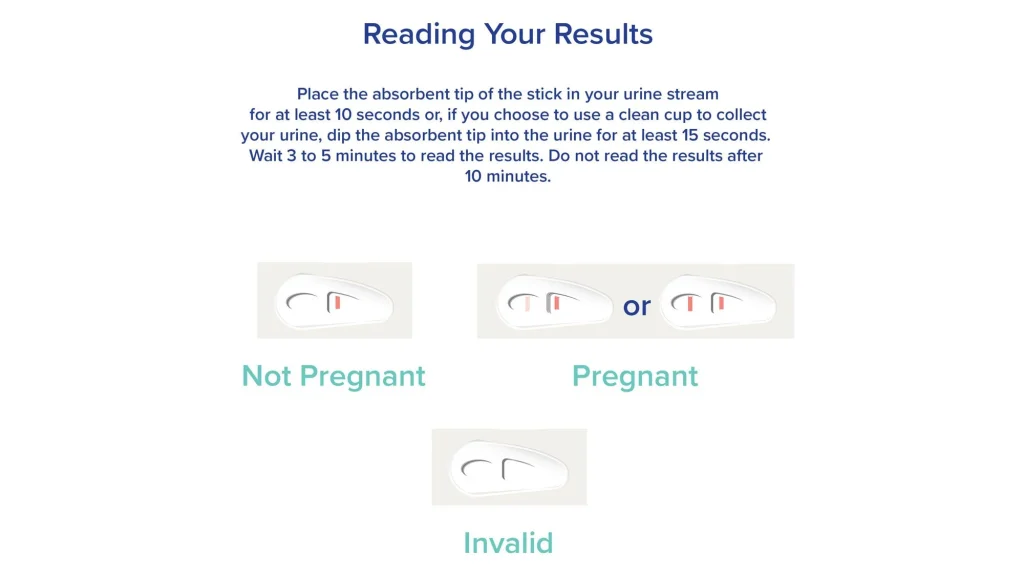
    Instructions for reading pregnancy test results with visual indicators for "Not Pregnant," "Pregnant," and "Invalid.

    Cervical Mucus and Vaginal pH: A Vital Part of Your Reproductive Health

    Aside from cervical mucus, vaginal pH also plays a crucial role in a woman’s reproductive health. Vaginal pH refers to the level of acidity or alkalinity of the vaginal environment. The vagina is naturally acidic, with a pH level of 3.8 to 4.5, which helps maintain a healthy balance of good and bad bacteria. However, certain factors can affect the vaginal pH, such as hormonal changes, sexual activity, hygiene practices, and the use of certain products.

    An imbalanced vaginal pH can lead to various issues, such as bacterial vaginosis, yeast infections, and urinary tract infections. It can also affect fertility by creating an inhospitable environment for sperm to survive. A healthy vaginal pH is essential for maintaining a healthy vaginal ecosystem and preventing infections.

    So, how can you ensure that your cervical mucus and vaginal pH are in check? The first step is to pay attention to your body and monitor any changes in your cervical mucus and vaginal discharge. Keeping track of your menstrual cycle can also help you determine when you are most fertile and when your cervical mucus is at its peak quality for conception.

    Another essential factor is maintaining good hygiene practices. Avoid using harsh soaps and douches, as they can disrupt the natural balance of your vaginal pH. Opt for mild and unscented products specifically made for the intimate area. Also, avoid wearing tight-fitting clothes and underwear made of non-breathable fabrics, as they can trap moisture and disrupt the vaginal environment.

    If you are trying to conceive, it is recommended to have intercourse during the days when your cervical mucus is thin and clear, as this indicates peak fertility. You can also use ovulation predictor kits to determine your most fertile days accurately.

    In conclusion, cervical mucus and vaginal pH are vital aspects of a woman’s reproductive health. They play significant roles in fertility and maintaining a healthy vaginal environment. By paying attention to your body, practicing good hygiene, and understanding your menstrual cycle, you can ensure that your cervical mucus and vaginal pH are at their optimal levels, promoting overall reproductive health.


  • Using Cervical Mucus and Vaginal pH to Enhance Your Fertility Journey

    Title: Using Cervical Mucus and Vaginal pH to Enhance Your Fertility Journey

    If you are trying to conceive, you may have heard of using cervical mucus and vaginal pH to enhance your fertility journey. These two factors play a crucial role in your reproductive health and can greatly impact your chances of getting pregnant.

    In this blog post, we will discuss the importance of cervical mucus and vaginal pH in fertility, how to track and monitor them, and ways to enhance your fertility using this information.

    Understanding Cervical Mucus and Vaginal pH

    Cervical mucus is a fluid produced by the cervix that plays a vital role in fertility. It serves as a transportation system for sperm, helping them to survive and swim towards the egg. Cervical mucus also contains important nutrients and antibodies that protect sperm and provide an optimal environment for fertilization.

    The consistency and quality of cervical mucus change throughout a woman’s menstrual cycle. Right after menstruation, the cervical mucus is typically dry and sticky, making it difficult for sperm to survive. As ovulation approaches, the mucus becomes more watery and stretchy, known as “egg white” cervical mucus. This type of mucus is the most fertile and aids in sperm transport and survival.

    Vaginal pH, on the other hand, refers to the acidity or alkalinity of the vagina. The ideal pH level for conception is between 6.5 and 7.5. A lower pH level can be harmful to sperm, making it difficult for them to survive and reach the egg. An overly acidic environment can also increase the risk of bacterial and yeast infections, which can further hinder fertility.

    Tracking and Monitoring Cervical Mucus and Vaginal pH

    To enhance your fertility journey, it is essential to track and monitor your cervical mucus and vaginal pH throughout your menstrual cycle. This can be done through various methods, including:

    1. Cervical Mucus Observation: The most common way to track cervical mucus is through observation. You can check the texture and consistency of your cervical mucus by wiping with toilet paper or using clean fingers. Record your observations in a fertility chart to track changes throughout your cycle.

    two teal and clear syringes positioned on a white background

    Using Cervical Mucus and Vaginal pH to Enhance Your Fertility Journey

    2. Ovulation Predictor Kits: These kits measure the levels of luteinizing hormone (LH) in your urine, which surges right before ovulation. As ovulation approaches, the LH levels increase, causing changes in cervical mucus. By using ovulation predictor kits, you can determine the most fertile days of your cycle.

    3. Vaginal pH Testing: You can also monitor your vaginal pH levels by using specialized pH testing strips that can be inserted into the vagina. These strips change color based on the pH level, giving you an idea of your vaginal environment.

    Enhancing Fertility Using Cervical Mucus and Vaginal pH

    Now that you understand the importance of cervical mucus and vaginal pH in fertility let’s discuss ways to enhance your fertility journey using this information.

    1. Time Intercourse: Tracking your cervical mucus and vaginal pH can help you determine the most fertile days of your cycle. Having intercourse during this time increases your chances of conception.

    2. Use Pre-Seed or Other Sperm-Friendly Lubricants: If you have a low amount of cervical mucus or have a hostile vaginal environment, using a sperm-friendly lubricant like Pre-Seed can aid in sperm survival and transport.

    3. Address pH Imbalance: If you have a high or low vaginal pH, it is essential to address it to improve your chances of conception. This can be done through diet changes, supplements, or medication prescribed by your doctor.

    4. Consult with a Fertility Specialist: If you have been tracking your cervical mucus and vaginal pH for several months and have not been able to conceive, it may be time to consult with a fertility specialist. They can help identify any underlying issues and provide you with personalized recommendations to enhance your fertility.

    In conclusion, using cervical mucus and vaginal pH to enhance your fertility journey can greatly increase your chances of conception. By tracking and monitoring these factors, you can determine the most fertile days of your cycle and make necessary changes to optimize your reproductive health.

    Remember to be patient and consistent in your monitoring, and always consult with a healthcare professional if you have any concerns or difficulties with conception.

  • Using Cervical Mucus and Vaginal pH to Identify Gynecological Issues

    Using Cervical Mucus and Vaginal pH to Identify Gynecological Issues

    The human body has its own ways of communicating with us, especially when it comes to our reproductive health. One of the most important indicators of gynecological health is cervical mucus and vaginal pH. These natural substances can tell us a lot about the state of our reproductive organs, and can even help identify potential gynecological issues before they become serious problems. In this blog post, we will explore the importance of cervical mucus and vaginal pH in identifying gynecological issues and how we can use them as tools for maintaining our reproductive health.

    Understanding Cervical Mucus

    Cervical mucus is a natural fluid produced by the cervix, the lower part of the uterus that connects to the vagina. This fluid plays a crucial role in fertility and overall gynecological health. The consistency, color, and amount of cervical mucus can change throughout a woman’s menstrual cycle, and these changes can provide valuable information about her reproductive health.

    During the first phase of the menstrual cycle, also known as the follicular phase, estrogen levels rise, causing the cervix to produce more mucus. This mucus is typically clear, thin, and stretchy, similar to the consistency of egg whites. This type of mucus is ideal for sperm to swim through and reach the egg, making it the most fertile type of cervical mucus.

    As ovulation approaches, the amount of cervical mucus increases, and it becomes even more stretchy and slippery. This is the body’s way of preparing for fertilization. After ovulation, during the luteal phase, the mucus becomes thicker and less abundant due to decreased estrogen levels.

    Using Cervical Mucus to Identify Gynecological Issues

    By tracking changes in cervical mucus, women can gain insight into their reproductive health and identify potential gynecological issues. For example, if a woman consistently experiences dry or sticky cervical mucus throughout her cycle, it could indicate issues with ovulation or hormonal imbalances. On the other hand, excessive or thick cervical mucus could be a sign of infection or blockages in the reproductive tract.

    If a woman notices abnormal changes in her cervical mucus, it is essential to consult a gynecologist for further evaluation. They may recommend further testing, such as hormone level checks or imaging tests, to identify the underlying cause and provide appropriate treatment.

    Understanding Vaginal pH

    At-home insemination kit with syringes and collection cups on a teal background.

    Using Cervical Mucus and Vaginal pH to Identify Gynecological Issues

    Vaginal pH is a measure of the acidity or alkalinity of the vagina. The pH scale ranges from 0 to 14, with 0 being the most acidic and 14 being the most alkaline. A healthy vaginal pH falls between 3.8 and 4.5, which is slightly acidic. This acidity is necessary to maintain the balance of good and bad bacteria in the vagina, known as the vaginal microbiome.

    The vaginal pH can change throughout a woman’s menstrual cycle, influenced by hormonal fluctuations. During ovulation, the pH becomes more alkaline, which helps sperm survive in the vagina. After ovulation, the pH returns to its acidic state, creating an inhospitable environment for sperm.

    Using Vaginal pH to Identify Gynecological Issues

    Changes in vaginal pH can be an indicator of potential gynecological issues. A consistently high or low pH can disrupt the balance of good and bad bacteria in the vagina, leading to infections or other gynecological problems. For example, a high pH can indicate bacterial vaginosis, an overgrowth of harmful bacteria in the vagina. On the other hand, a low pH can indicate a yeast infection, caused by an overgrowth of yeast in the vagina.

    Regularly monitoring vaginal pH can help women identify these issues early on and seek appropriate treatment. It is essential to note that factors such as sexual activity, menstrual products, and hygiene practices can also affect vaginal pH. Therefore, it is crucial to consult a healthcare provider if there are any concerns about changes in vaginal pH.

    Maintaining Reproductive Health

    In addition to using cervical mucus and vaginal pH to identify potential gynecological issues, there are other steps women can take to maintain their reproductive health. These include practicing safe sex, maintaining good hygiene, and getting regular gynecological check-ups.

    Safe sex not only prevents unwanted pregnancies but also reduces the risk of sexually transmitted infections (STIs). STIs can cause serious damage to reproductive organs if left untreated, so it is essential to always use protection and get tested regularly.

    Good hygiene practices, such as wearing breathable underwear and avoiding harsh soaps and douching, can help maintain the natural balance of the vaginal microbiome and prevent infections.

    Lastly, regular gynecological check-ups are crucial in maintaining reproductive health. A gynecologist can perform necessary tests and screenings, such as pap smears, to detect any potential issues early on and provide appropriate treatment.

    In conclusion, cervical mucus and vaginal pH are essential indicators of gynecological health. By understanding the changes in these natural substances and using them as tools, women can identify potential gynecological issues and take necessary steps to maintain their reproductive health. Regular gynecological check-ups, safe sex practices, and good hygiene can also play a crucial role in preventing and addressing gynecological issues.

  • The Surprising Benefits of Monitoring Cervical Mucus and Vaginal pH

    Cervical mucus and vaginal pH are two aspects of a woman’s reproductive health that are often overlooked or misunderstood. However, monitoring these two factors can provide surprising benefits and insights into a woman’s overall health and fertility. In this blog post, we will explore the reasons why monitoring cervical mucus and vaginal pH is important and how it can benefit women in various ways.

    Firstly, let’s understand what cervical mucus and vaginal pH are. Cervical mucus is a fluid secreted by the cervix that plays a crucial role in the reproductive process. Its consistency, color, and amount can change throughout a woman’s menstrual cycle and can indicate important information about her fertility. On the other hand, vaginal pH is the measure of acidity or alkalinity in the vagina. A healthy vaginal pH should be slightly acidic, around 3.5-4.5, to maintain a balanced environment and prevent infections.

    Now, let’s delve into the surprising benefits of monitoring these two factors.

    1. Understanding Your Menstrual Cycle

    The menstrual cycle is not just about getting your period every month. It is a complex process that involves hormonal changes and various bodily functions. Monitoring cervical mucus and vaginal pH can help women understand their menstrual cycle better. As mentioned earlier, cervical mucus changes throughout the cycle, and its consistency can indicate where a woman is in her cycle. For example, during the fertile window, the cervical mucus becomes thin, clear, and stretchy to help sperm reach the egg. By monitoring these changes, women can pinpoint their most fertile days and increase their chances of conceiving.

    2. Identifying Ovulation

    Ovulation is the release of an egg from the ovary, which is essential for fertilization to occur. Monitoring cervical mucus and vaginal pH can help women identify when they are ovulating. As ovulation approaches, the cervical mucus becomes more abundant and has a texture similar to egg whites. Additionally, the vaginal pH increases and becomes more alkaline to create a hospitable environment for sperm. By tracking these changes, women can know when they are most likely to conceive or avoid pregnancy.

    Informative card introducing the Mosie Baby Kit and its mission for at-home insemination.

    The Surprising Benefits of Monitoring Cervical Mucus and Vaginal pH

    3. Tracking Fertility

    Monitoring cervical mucus and vaginal pH can also help women track their fertility. If a woman is trying to conceive, tracking these factors can help her determine the best time to have intercourse. On the other hand, if a woman is trying to avoid pregnancy, monitoring cervical mucus and vaginal pH can help her identify her safe days where the chances of conceiving are lower. This method, known as the fertility awareness method, is a natural and effective way of birth control.

    4. Detecting Hormonal Imbalances

    Changes in cervical mucus and vaginal pH can also indicate hormonal imbalances in a woman’s body. For instance, if a woman is not producing enough estrogen, she may not have fertile cervical mucus or may have a consistently high vaginal pH. On the other hand, high levels of estrogen can cause the cervical mucus to be watery and abundant, indicating a potential hormonal imbalance. By monitoring these changes, women can identify underlying issues and seek appropriate medical treatment.

    5. Identifying Infections

    Unusual changes in cervical mucus and vaginal pH can also indicate infections. For instance, a yeast infection can cause the cervical mucus to be thick, white, and clumpy, while bacterial vaginosis can cause a fishy odor and an increase in vaginal pH. By monitoring these factors, women can detect infections early on and seek proper treatment. It is essential to consult a healthcare provider if you notice any unusual changes in your cervical mucus and vaginal pH.

    In conclusion, monitoring cervical mucus and vaginal pH can provide women with valuable insights into their reproductive health. It can help them understand their menstrual cycle, identify ovulation, track fertility, detect hormonal imbalances, and identify infections. By paying attention to these two factors, women can take charge of their reproductive health and make informed decisions about their fertility and overall well-being.

    In summary, monitoring cervical mucus and vaginal pH is crucial for understanding a woman’s reproductive health and fertility. It can help identify ovulation, track fertility, detect hormonal imbalances, and identify infections. By paying attention to these two factors, women can take control of their reproductive health and make informed decisions about their fertility and overall well-being.

  • The Role of Cervical Mucus and Vaginal pH in Conception and Pregnancy

    Blog Post: The Role of Cervical Mucus and Vaginal pH in Conception and Pregnancy

    Cervical mucus and vaginal pH are two important factors that play a crucial role in conception and pregnancy. While many couples may think that getting pregnant is as simple as having unprotected sex, the truth is that there are several other factors at play, including the quality and quantity of cervical mucus and the acidity level of the vagina. In this blog post, we will dive deeper into the role of cervical mucus and vaginal pH in conception and pregnancy.

    Understanding Cervical Mucus

    Cervical mucus is a fluid produced by the cervix, the narrow passage connecting the vagina to the uterus. It plays an essential role in the reproductive process by helping sperm travel through the female reproductive tract to reach the egg. The consistency of cervical mucus changes throughout the menstrual cycle due to hormonal fluctuations.

    During the first part of the menstrual cycle, known as the follicular phase, estrogen levels rise, causing the cervix to produce thin and watery mucus. This type of mucus is ideal for sperm to swim through and survive in. As ovulation approaches, the levels of estrogen in the body increase, causing the cervical mucus to become thicker and more stretchy, similar to the consistency of egg whites. This type of mucus is the most fertile and provides the perfect environment for sperm to survive and swim towards the egg.

    After ovulation, the body starts producing progesterone, which causes the cervical mucus to become sticky and thick, creating a barrier that makes it difficult for sperm to reach the egg. If fertilization does not occur, the cervical mucus will dry up and become less noticeable until the next menstrual cycle begins.

    The Role of Cervical Mucus in Conception

    Cervical mucus plays a crucial role in conception by providing a hospitable environment for sperm to survive and swim towards the egg. Without the right type of cervical mucus, sperm will have a harder time reaching the egg, reducing the chances of fertilization.

    The quality and quantity of cervical mucus can also affect the success rate of fertility treatments such as intrauterine insemination (IUI) and in vitro fertilization (IVF). In these procedures, sperm is directly inserted into the uterus or the egg is fertilized outside the body. The presence of fertile cervical mucus can increase the chances of successful implantation and pregnancy.

    Tracking Cervical Mucus for Conception

    Mosie Baby ovulation test kit with packaging and instructions on a pink background.

    The Role of Cervical Mucus and Vaginal pH in Conception and Pregnancy

    Many women use the consistency of cervical mucus as a way to track their ovulation and determine their most fertile days. By monitoring the changes in cervical mucus throughout their cycle, women can pinpoint the most fertile days for trying to conceive. This method is known as the Billings Ovulation Method and has been found to be almost 99% effective in predicting ovulation.

    Understanding Vaginal pH

    Vaginal pH refers to the level of acidity or alkalinity in the vagina. A healthy vaginal pH is slightly acidic, ranging from 3.8 to 4.5. This acidity helps maintain a balance of good and bad bacteria, preventing infections and promoting overall vaginal health.

    The Role of Vaginal pH in Conception

    The acidity of the vagina is essential for conception and pregnancy. Sperm can only survive and fertilize an egg in an environment with a pH level of 7.0 or less, which is slightly acidic. If the vaginal pH becomes too alkaline, it can kill off sperm and make it difficult for them to reach the egg.

    Additionally, an imbalance in vaginal pH can also increase the risk of vaginal infections, which can negatively impact fertility and overall reproductive health.

    Maintaining a Healthy Vaginal pH for Conception

    Maintaining a healthy vaginal pH is crucial for conception and pregnancy. Some steps that can help maintain a healthy pH level include avoiding harsh chemicals and scented products that can disrupt the natural balance of the vagina, using a condom during sex to prevent the introduction of foreign bacteria, and consuming a balanced diet that supports a healthy pH level.

    It is also important to note that certain medications, such as antibiotics, can disrupt the natural balance of vaginal pH. If you are trying to conceive, it is essential to consult with your doctor before taking any medication.

    Summary

    Cervical mucus and vaginal pH play a crucial role in conception and pregnancy. Cervical mucus provides a hospitable environment for sperm to survive and swim towards the egg, while vaginal pH helps maintain a healthy balance of bacteria and supports the survival of sperm. Tracking cervical mucus and maintaining a healthy vaginal pH can increase the chances of conception and promote overall reproductive health.

  • How to Use Cervical Mucus and Vaginal pH to Optimize Your Menstrual Cycle

    Blog Post Title: How to Use Cervical Mucus and Vaginal pH to Optimize Your Menstrual Cycle

    Summary:
    Understanding your menstrual cycle is crucial for maintaining reproductive health and fertility. One aspect that often gets overlooked is the role of cervical mucus and vaginal pH in the menstrual cycle. Cervical mucus is a fluid that is secreted by the cervix throughout the cycle, and its consistency and pH levels can provide important clues about ovulation and overall reproductive health. In this blog post, we will discuss how to track and interpret your cervical mucus and vaginal pH to optimize your menstrual cycle.

    First, it is important to understand the role of cervical mucus in the menstrual cycle. The cervix produces different types of mucus throughout the cycle, which can be categorized as dry, sticky, creamy, watery, or egg white. Dry and sticky mucus is typically produced in the early and late phases of the cycle, while creamy and watery mucus is more common during the fertile window. Egg white mucus, also known as fertile cervical mucus, is the most fertile type of mucus and indicates the time of ovulation.

    Tracking your cervical mucus can be done through a few methods. The most common is by checking for mucus on toilet paper or your underwear. You can also insert a clean finger into your vagina to check for mucus, making note of its consistency and color. Some women also use a fertility tracking app to record their cervical mucus observations.

    The next step is to understand the changes in your cervical mucus and how they correlate with your menstrual cycle. As mentioned earlier, dry and sticky mucus is typically seen in the early and late phases of the cycle. Creamy mucus may be present during the follicular phase, while watery mucus is more common during the fertile window. As ovulation approaches, egg white mucus will be the most prominent type of mucus. After ovulation, cervical mucus may become sticky or dry again.

    Colorful promotional image for Mosie Baby, featuring home insemination kit and encouraging text.

    How to Use Cervical Mucus and Vaginal pH to Optimize Your Menstrual Cycle

    It is important to note that every woman’s cervical mucus pattern may vary, so it is essential to track your own patterns and understand what is normal for you. Additionally, certain factors such as hormonal imbalances, medications, and infections can affect cervical mucus production and consistency. If you notice any unusual changes in your cervical mucus, it is best to consult with your healthcare provider.

    In addition to tracking cervical mucus, monitoring vaginal pH can also provide valuable insights into your menstrual cycle. Vaginal pH refers to the acidity level of the vagina, and it can affect sperm survival, bacterial growth, and overall vaginal health. A normal vaginal pH is slightly acidic, between 3.8 and 4.5. During ovulation, the pH level increases, becoming more alkaline to support sperm survival. After ovulation, the pH level returns to its acidic state.

    You can track your vaginal pH using pH strips or a digital pH meter specifically designed for vaginal use. By monitoring your vaginal pH throughout your cycle, you can determine when your body is most hospitable for sperm and potentially increase your chances of conception.

    In addition to fertility tracking, understanding your cervical mucus and vaginal pH can also help you identify any underlying reproductive health issues. For example, consistently dry or absent cervical mucus may indicate a lack of ovulation, while consistently high vaginal pH may be a sign of bacterial vaginosis or other infections. If you notice any concerning patterns, it is important to consult with your healthcare provider for further evaluation and treatment.

    In conclusion, tracking and understanding your cervical mucus and vaginal pH can provide important insights into your menstrual cycle and overall reproductive health. By paying attention to the changes in your cervical mucus and vaginal pH, you can determine your most fertile days and potentially increase your chances of conception. Additionally, monitoring these factors can also help identify any underlying reproductive health issues that may require medical attention. Remember to consult with your healthcare provider if you have any concerns or questions about your cervical mucus or vaginal pH.

  • Understanding the Link Between Cervical Mucus and Vaginal pH for Fertility

    Understanding the Link Between Cervical Mucus and Vaginal pH for Fertility

    Cervical mucus and vaginal pH may not be topics that are often discussed, but they play crucial roles in a woman’s fertility. Many women who are trying to conceive may not be aware of the importance of these factors and how they can affect their chances of getting pregnant. In this blog post, we will delve into the link between cervical mucus and vaginal pH for fertility and provide a better understanding of how they work together to help or hinder conception.

    What is Cervical Mucus?

    Cervical mucus is a fluid produced by glands in the cervix, the opening of the uterus. This fluid is present throughout a woman’s menstrual cycle, and its consistency, texture, and color can change depending on where a woman is in her cycle. During ovulation, the body produces more estrogen, which causes the cervical mucus to become thin, stretchy, and clear. This type of mucus is often referred to as “egg white cervical mucus” (EWCM) and is the most fertile type of cervical mucus. It helps sperm travel through the cervix and into the uterus more easily, increasing the chances of fertilization.

    How Does Cervical Mucus Affect Fertility?

    The quality and quantity of cervical mucus can greatly impact a woman’s fertility. If a woman is not producing enough cervical mucus, it can make it difficult for sperm to reach the egg, resulting in a lower chance of conception. Conversely, if the cervical mucus is too thick or hostile, it can hinder sperm movement and even kill off sperm, making it nearly impossible for fertilization to occur.

    Tracking Cervical Mucus for Fertility

    Many women who are trying to conceive may use various methods to track their ovulation, such as tracking their basal body temperature or using ovulation predictor kits. However, tracking cervical mucus is also a reliable and straightforward method that can provide valuable insights into a woman’s fertility. By monitoring the changes in the consistency and amount of cervical mucus, a woman can determine when she is most fertile and have intercourse during that time to increase her chances of conception.

    Understanding Vaginal pH

    Informative card introducing the Mosie Baby Kit and its mission for at-home insemination.

    Understanding the Link Between Cervical Mucus and Vaginal pH for Fertility

    Vaginal pH is a measure of the acidity or alkalinity of the vagina. The vagina has a delicate balance of good and bad bacteria, and the pH level plays a significant role in maintaining this balance. The ideal pH level for the vagina is slightly acidic, between 3.8 and 4.5. This acidity helps to prevent the growth of harmful bacteria and maintain a healthy vaginal environment.

    How Does Vaginal pH Affect Fertility?

    Just like cervical mucus, vaginal pH also plays a crucial role in fertility. The vaginal environment is naturally more acidic, which is hostile to sperm. However, as ovulation approaches, the vaginal pH becomes more alkaline, creating a more sperm-friendly environment for fertilization to occur. If a woman’s vaginal pH is too acidic, it can kill off sperm and make it difficult for conception to happen. On the other hand, if the pH is too alkaline, it can also hinder sperm movement and reduce a woman’s chances of getting pregnant.

    Maintaining a Healthy Vaginal pH for Fertility

    Maintaining a healthy vaginal pH is essential for fertility. A woman’s body naturally keeps the vaginal pH balanced, but certain factors can disrupt this balance. Some of these factors include:

    – Douching: Douching can disrupt the natural balance of good and bad bacteria in the vagina, leading to an imbalance in pH levels.
    – Antibiotics: Antibiotics can kill off the good bacteria in the vagina, allowing harmful bacteria to thrive and disrupt the pH balance.
    – Hormonal changes: Fluctuations in hormone levels, such as those that occur during menopause, can affect vaginal pH levels.
    – Diet: An unhealthy diet high in sugars and refined carbohydrates can create an environment for bad bacteria to thrive, leading to an imbalance in pH levels.

    To maintain a healthy vaginal pH, it is essential to avoid douching, take probiotics, and eat a well-balanced diet. In some cases, a doctor may prescribe a medication or suppository to help restore the vaginal pH balance.

    The Importance of Understanding the Link Between Cervical Mucus and Vaginal pH for Fertility

    Understanding the link between cervical mucus and vaginal pH is crucial for women who are trying to conceive. By tracking cervical mucus and maintaining a healthy vaginal pH, a woman can increase her chances of getting pregnant. It is also essential to note that these factors can also affect a woman’s overall reproductive health, so it is crucial to pay attention to them even if she is not actively trying to conceive.

    In summary, cervical mucus and vaginal pH are important factors in a woman’s fertility. Cervical mucus helps sperm reach the egg, while vaginal pH creates a more sperm-friendly environment for fertilization to occur. It is crucial to track changes in cervical mucus and maintain a healthy vaginal pH to increase the chances of conception. By understanding and paying attention to these factors, women can take control of their fertility and work towards their goal of starting a family.

  • Improving Fertility with Cervical Mucus and Vaginal pH Awareness

    Summary:

    Cervical mucus and vaginal pH are two important factors when it comes to fertility. Understanding and monitoring these can greatly improve your chances of conception. In this blog post, we will explore the role of cervical mucus and vaginal pH in fertility and discuss ways to improve them for a successful pregnancy.

    Firstly, let’s understand what cervical mucus is and its role in fertility. Cervical mucus is a fluid produced by the cervix that helps sperm travel through the reproductive tract to reach the egg. It also acts as a protective barrier against bacteria and other harmful substances. The consistency and amount of cervical mucus change throughout the menstrual cycle, and these changes can indicate the most fertile days for a woman.

    The quality of cervical mucus is influenced by hormones, particularly estrogen and progesterone. During ovulation, estrogen levels rise, causing the mucus to become thin, watery, and stretchy, allowing sperm to easily swim through. After ovulation, progesterone levels increase, making the mucus thick and sticky, making it difficult for sperm to pass through. Therefore, tracking changes in cervical mucus can help determine the most fertile days for a woman to try to conceive.

    Now, let’s move on to vaginal pH and its impact on fertility. Vaginal pH refers to the level of acidity or alkalinity in the vagina. The vagina has a naturally acidic environment, which helps maintain a healthy balance of bacteria and prevent infections. However, changes in vaginal pH can affect fertility. A pH level that is too high or too low can create an inhospitable environment for sperm, making it difficult for them to survive and reach the egg.

    Several factors can influence vaginal pH, such as diet, sexual activity, hormonal changes, and the use of certain medications. Keeping a healthy diet, avoiding douching, and managing stress levels can help maintain a healthy vaginal pH. Additionally, some women may have naturally higher or lower vaginal pH levels, and it is essential to understand your body’s normal range.

    So, how can you improve cervical mucus and vaginal pH for better fertility? Here are some tips to consider:

    Informative card introducing the Mosie Baby Kit and its mission for at-home insemination.

    Improving Fertility with Cervical Mucus and Vaginal pH Awareness

    1. Stay hydrated: Drinking plenty of water can help maintain the consistency and amount of cervical mucus. It also helps keep the vaginal pH balanced.

    2. Eat a healthy diet: A diet rich in fruits and vegetables can help regulate hormones and maintain a healthy vaginal pH.

    3. Avoid douching and scented products: Douching and using scented products in the vaginal area can disrupt the natural balance of bacteria and pH levels.

    4. Track your menstrual cycle: Keeping track of your menstrual cycle and changes in cervical mucus can help determine your most fertile days for conception.

    5. Use a fertility-friendly lubricant: Some lubricants can affect sperm motility and survival. It is best to use a fertility-friendly lubricant or try natural alternatives like coconut oil.

    6. Consult a doctor: If you have concerns about your cervical mucus or vaginal pH, it is best to consult a doctor for further evaluation.

    In conclusion, understanding and monitoring cervical mucus and vaginal pH can greatly improve fertility. By making simple lifestyle changes and tracking changes in these factors, women can increase their chances of conceiving. However, it is essential to remember that every woman’s body is different, and what works for one may not work for another. Consult a doctor for personalized advice and guidance on improving fertility with cervical mucus and vaginal pH awareness.

  • The Science Behind Cervical Mucus and Vaginal pH

    The Science Behind Cervical Mucus and Vaginal pH

    When it comes to reproductive health, there are many factors that can affect a woman’s fertility. One of the key players in this process is cervical mucus, a fluid secreted by the cervix that changes in consistency and texture throughout a woman’s menstrual cycle. Along with vaginal pH, cervical mucus plays a crucial role in maintaining a healthy and balanced environment for sperm to survive and reach the egg. In this blog post, we will dive into the science behind cervical mucus and vaginal pH, and how they work together to support fertility and overall reproductive health.

    Understanding Cervical Mucus

    Cervical mucus is a fluid produced by the cervix, the lower part of the uterus that connects to the vagina. It is made up of water, proteins, sugars, and electrolytes, and is secreted by special cells called crypts. The consistency and texture of cervical mucus changes throughout a woman’s menstrual cycle, which is regulated by the hormones estrogen and progesterone.

    During the first few days of a woman’s cycle, when she is experiencing her period, cervical mucus is usually thick and sticky, acting as a barrier to protect the uterus from bacteria. As a woman approaches ovulation, her estrogen levels increase and cause the cervical mucus to become thinner and more watery. This type of mucus is ideal for sperm to swim through, and it helps to nourish and protect them as they make their way to the egg.

    After ovulation, when the egg has been released, progesterone levels rise and the cervical mucus becomes thick and sticky once again. This change in consistency helps to create a plug, preventing bacteria from entering the uterus and potentially causing infection.

    The Role of Vaginal pH

    Vaginal pH is a measure of the acidity or alkalinity of the vagina. The ideal pH for a healthy vagina is slightly acidic, between 3.8 and 4.5. This level of acidity helps to maintain a balance of good and bad bacteria, preventing infections and keeping the vaginal environment healthy.

    The vagina has its own ecosystem, known as the vaginal microbiome, which is made up of different types of bacteria. Lactobacilli, a type of good bacteria, are the dominant species in a healthy vaginal microbiome. They help to maintain the acidic pH, produce hydrogen peroxide to fight off bad bacteria, and also produce nutrients that support the growth and survival of sperm.

    How Cervical Mucus and Vaginal pH Work Together

    at-home insemination kit with syringes, collection cups, and instructions on a pink background

    The Science Behind Cervical Mucus and Vaginal pH

    Cervical mucus and vaginal pH work together in a delicate balance to support fertility. As mentioned earlier, cervical mucus changes in consistency and texture throughout a woman’s cycle, becoming thin and watery around ovulation. This type of mucus provides a hospitable environment for sperm, allowing them to swim freely and survive for longer periods of time.

    At the same time, the slightly acidic pH of the vagina helps to create a hostile environment for bad bacteria, preventing infections that could potentially harm sperm and fertility. When the balance of good and bad bacteria is disrupted, it can lead to an increase in vaginal pH and a decrease in the survival of sperm.

    The Role of Cervical Mucus and Vaginal pH in Fertility

    Cervical mucus and vaginal pH play a crucial role in fertility. As sperm travel through the cervix and into the uterus, the watery mucus helps to nourish and protect them while the acidic pH prevents harmful bacteria from causing infections. This allows the sperm to reach the egg and fertilize it, leading to pregnancy.

    However, if there are issues with cervical mucus or vaginal pH, it can affect fertility. For example, if a woman has a condition called “hostile cervical mucus,” where the mucus is too thick or acidic, it can make it difficult for sperm to reach the egg. Similarly, a disruption in the vaginal pH balance can lead to an overgrowth of bad bacteria, causing infections and affecting fertility.

    Maintaining a Healthy Cervical Mucus and Vaginal pH

    There are several ways to maintain a healthy cervical mucus and vaginal pH. Eating a balanced diet, staying hydrated, and avoiding douching or using harsh chemicals in the vaginal area can help to promote a healthy vaginal microbiome and support a balanced pH. Certain supplements, such as probiotics, can also help to maintain a healthy balance of good bacteria in the vagina.

    In some cases, medical conditions or hormonal imbalances may affect cervical mucus and vaginal pH. If you are experiencing issues with fertility, it is important to consult with a healthcare professional to determine the underlying cause and develop a treatment plan.

    In Summary

    Cervical mucus and vaginal pH are two important factors in maintaining a healthy and fertile reproductive system. The changes in cervical mucus throughout a woman’s cycle, along with the slightly acidic pH of the vagina, work together to support the survival and transport of sperm to the egg. By understanding the science behind cervical mucus and vaginal pH, women can take steps to promote a healthy reproductive environment and support their fertility.

  • Understanding the Link: Cervical Mucus and Vaginal pH

    Understanding the Link: Cervical Mucus and Vaginal pH

    Cervical mucus and vaginal pH are two important factors that play a significant role in a woman’s reproductive health. While both may seem like separate entities, they are actually closely linked and can provide valuable insights into a woman’s fertility and overall vaginal health. In this blog post, we will delve deeper into the connection between cervical mucus and vaginal pH and how understanding this link can help women better understand their bodies.

    Cervical Mucus: The Basics

    Cervical mucus, also known as cervical fluid, is a natural substance produced by the cervix. Its main function is to provide a protective barrier for the reproductive organs and to aid in the transport of sperm towards the egg during ovulation. It also plays a crucial role in the fertilization process, as it helps to nourish and protect the sperm as it travels through the reproductive tract.

    Throughout the menstrual cycle, the amount and consistency of cervical mucus can vary, and this is due to hormonal changes. During the first half of the cycle, when estrogen levels are high, the cervical mucus becomes thin, clear, and stretchy, resembling the consistency of egg whites. This type of mucus is known as fertile cervical mucus and is considered to be the most conducive for sperm survival and movement.

    As ovulation approaches, the cervical mucus becomes thicker and stickier, making it difficult for sperm to penetrate. After ovulation, the mucus becomes thicker and more acidic, acting as a barrier to prevent any bacteria or other pathogens from entering the uterus.

    Vaginal pH: What You Need to Know

    Vaginal pH refers to the level of acidity or alkalinity in the vagina. The pH scale ranges from 0 to 14, with 0 being the most acidic and 14 being the most alkaline. In a healthy vagina, the pH level is slightly acidic, ranging from 3.8 to 4.5.

    The vagina is home to a variety of bacteria, both good and bad. The good bacteria, known as lactobacilli, help to maintain a healthy acidic environment by producing lactic acid. This acidic environment is crucial in preventing the growth of harmful bacteria and maintaining a healthy balance of microorganisms.

    sperm-ready insemination kit with a syringe and container, featuring a screw top lid and non-tip safety wall

    Understanding the Link: Cervical Mucus and Vaginal pH

    The Link Between Cervical Mucus and Vaginal pH

    The link between cervical mucus and vaginal pH is essential to understanding a woman’s fertility and vaginal health. As mentioned earlier, fertile cervical mucus is thin and watery, making it easier for sperm to travel towards the egg. This type of mucus is also more alkaline, creating a more hospitable environment for sperm to survive and thrive.

    On the other hand, after ovulation, the cervical mucus becomes thicker and more acidic. This change in pH levels makes it difficult for sperm to survive, ultimately acting as a natural contraceptive. The acidic environment also helps to prevent any harmful bacteria from entering the uterus, thus maintaining vaginal health.

    Monitoring Cervical Mucus and Vaginal pH

    Understanding the link between cervical mucus and vaginal pH can be beneficial for women who are trying to conceive or those who want to maintain optimal vaginal health. By tracking changes in cervical mucus and vaginal pH, women can better understand their menstrual cycle and identify their most fertile days.

    One way to track cervical mucus is through the use of ovulation predictor kits (OPKs). These kits detect the surge in luteinizing hormone (LH) that occurs 24-36 hours before ovulation and can help identify the most fertile days of a woman’s cycle. Additionally, monitoring vaginal pH levels can also provide valuable information about a woman’s fertility and vaginal health. A pH-balanced vaginal wash or a simple pH test strip can be used to monitor changes in pH levels.

    Maintaining a Healthy Vaginal pH

    Maintaining a healthy vaginal pH is crucial for overall vaginal health. Imbalances in vaginal pH can lead to various issues such as bacterial vaginosis, yeast infections, and urinary tract infections. To keep the vaginal pH balanced, it is essential to maintain good hygiene, avoid using harsh chemicals or scented products in the vaginal area, and eat a healthy diet rich in probiotics.

    Summary:

    Cervical mucus and vaginal pH are closely linked and play a crucial role in a woman’s reproductive health. Cervical mucus changes throughout the menstrual cycle, becoming thin and watery during ovulation and thicker and more acidic after ovulation. Vaginal pH is also affected by hormonal changes and is essential in maintaining a healthy balance of microorganisms. Understanding the link between cervical mucus and vaginal pH can help women better understand their fertility and vaginal health. Monitoring changes in cervical mucus and vaginal pH can also aid in tracking ovulation and maintaining optimal vaginal health. By maintaining a healthy vaginal pH, women can prevent various vaginal health issues and ensure overall well-being.




