Tag: ovulation

  • Cervical Mucus and Ovulation: How to Tell the Difference Between Fertile and Infertile Mucus

    Cervical mucus and ovulation are two key factors in a woman’s fertility and understanding the difference between fertile and infertile mucus can greatly increase the chances of conception. In this blog post, we will delve into the role of cervical mucus in the ovulation process and how to identify the changes in mucus that indicate the most fertile time of the month.

    First, let’s understand what cervical mucus is and why it is important. Cervical mucus is a fluid produced by the cervix that plays a crucial role in the reproductive process. It acts as a protective barrier for the sperm, nourishes them, and helps them reach the egg for fertilization. The consistency and quality of cervical mucus change throughout the menstrual cycle, with the most significant changes occurring during ovulation.

    During the first half of the menstrual cycle, known as the follicular phase, the body prepares for ovulation by producing estrogen. This hormone stimulates the cervix to produce fertile mucus, also known as egg white cervical mucus (EWCM), which is clear, slippery, and stretchy. EWCM is the most fertile type of cervical mucus as it allows sperm to swim easily through the cervix and into the uterus.

    As ovulation approaches, the amount of EWCM increases and reaches its peak on the day of ovulation. This is the best time to try to conceive as the egg is released from the ovary and can be fertilized for about 12-24 hours. After ovulation, the body starts producing progesterone, which causes a shift in the type of cervical mucus.

    During the luteal phase, the second half of the menstrual cycle, the cervix produces infertile mucus that is thick, sticky, and not favorable for sperm survival. This change in mucus is to prevent any other sperm from entering the uterus and potentially fertilizing the egg. If fertilization does not occur, the uterus sheds its lining, and menstruation occurs, starting a new cycle.

    Home insemination kit by Mosie Baby with instructions and colorful packaging.

    Cervical Mucus and Ovulation: How to Tell the Difference Between Fertile and Infertile Mucus

    Now that we understand the role of cervical mucus in ovulation, let’s discuss how to tell the difference between fertile and infertile mucus. The best way to determine fertile mucus is through observation and touch. Checking the cervical mucus daily and noting its appearance and consistency can help identify the fertile window.

    To check cervical mucus, you can either use clean fingers or tissue paper. Insert your index or middle finger into your vagina and gently reach towards your cervix. Then, check the color, texture, and stretchiness of the mucus by rubbing it between your fingers. Note the changes in mucus from day to day to determine when you are most fertile.

    Fertile mucus is usually clear, slippery, and stretchy, resembling raw egg whites. It can stretch up to an inch without breaking and feels wet to the touch. On the other hand, infertile mucus is thick, cloudy, and sticky, making it difficult for sperm to pass through. It may also be white or yellow in color and does not stretch.

    Another way to confirm the presence of fertile mucus is through a fertility tracking method called the Billings Ovulation Method. This method involves checking and recording the changes in cervical mucus daily and monitoring other signs such as changes in vaginal sensation and the position of the cervix. By combining these observations, you can accurately determine the most fertile days of your cycle.

    In addition to checking cervical mucus, ovulation predictor kits (OPKs) can also help identify the fertile window. These kits detect the surge in luteinizing hormone (LH) that occurs 24-48 hours before ovulation. However, it is important to note that OPKs do not confirm ovulation and should be used in conjunction with other methods.

    In summary, cervical mucus plays a vital role in the ovulation process, and understanding the changes in mucus can help determine the most fertile time of the month. Fertile mucus, also known as EWCM, is clear, slippery, and stretchy, while infertile mucus is thick and sticky. By tracking these changes and using other methods, such as the Billings Ovulation Method and OPKs, women can increase their chances of conceiving by timing intercourse during their most fertile days.


  • The Connection Between Cervical Mucus and Conception

    Blog Post: The Connection Between Cervical Mucus and Conception

    When it comes to trying to conceive, there are many factors that can affect a woman’s chances of getting pregnant. From tracking ovulation to maintaining a healthy lifestyle, there are numerous steps that can be taken to increase the likelihood of conception. One crucial aspect that is often overlooked is the role of cervical mucus in the process. In this blog post, we will explore the connection between cervical mucus and conception and how understanding this relationship can help couples on their journey to starting a family.

    What is Cervical Mucus?

    Before delving into the connection between cervical mucus and conception, it is essential to understand what cervical mucus is and its purpose. Cervical mucus is a fluid produced by the cervix, the lower part of the uterus that connects to the vagina. It plays a vital role in the reproductive system as it helps facilitate sperm transport and protects and nourishes sperm on their journey to the egg. The consistency and quality of cervical mucus can vary throughout a woman’s menstrual cycle, and these changes are closely linked to fertility.

    The Importance of Cervical Mucus in Conception

    Cervical mucus plays a crucial role in the process of conception by creating a hospitable environment for sperm to survive and thrive. The mucus acts as a barrier, preventing harmful bacteria and viruses from entering the uterus and protecting sperm from the acidic environment of the vagina. Additionally, the mucus provides nutrients and lubrication for the sperm, helping them reach the egg for fertilization.

    Understanding the Changes in Cervical Mucus

    As mentioned earlier, the consistency and quality of cervical mucus change throughout a woman’s menstrual cycle. This is due to hormonal fluctuations that occur during ovulation. At the beginning of the menstrual cycle, the mucus is usually thick and sticky, making it difficult for sperm to penetrate. As ovulation approaches, the mucus becomes thinner and more stretchy, creating a more hospitable environment for sperm. This type of mucus is often referred to as “egg white cervical mucus” due to its appearance and texture, and it is the most fertile type of cervical mucus.

    Colorful promotional image for Mosie Baby, featuring home insemination kit and encouraging text.

    The Connection Between Cervical Mucus and Conception

    Timing Intercourse with Cervical Mucus

    Understanding the changes in cervical mucus can help couples time intercourse to increase their chances of conception. Since sperm can survive in the reproductive tract for up to five days, having intercourse during the days leading up to ovulation can increase the likelihood of fertilization. Additionally, since egg white cervical mucus is a sign of ovulation, tracking its changes can help pinpoint the most fertile days of a woman’s cycle. By using methods such as tracking basal body temperature, noting changes in cervical mucus, and using ovulation predictor kits, couples can optimize their chances of conception.

    Other Factors Affecting Cervical Mucus

    While cervical mucus is a crucial factor in conception, there are other factors that can affect its quality and quantity. Certain medications, such as antihistamines and birth control pills, can dry up cervical mucus, making it difficult for sperm to survive. Vaginal infections and sexually transmitted infections can also alter the mucus’s pH balance and consistency, making it less conducive to sperm survival. Additionally, lifestyle factors such as smoking, excessive alcohol consumption, and poor diet can also impact cervical mucus production and quality.

    The Role of Cervical Mucus in Infertility

    Infertility is defined as the inability to conceive after one year of unprotected intercourse for women under 35, and six months for women over 35. While there are many causes of infertility, issues with cervical mucus can be a contributing factor. For example, some women may have a condition called hostile cervical mucus, where the mucus is too acidic and not hospitable to sperm. This can make it challenging for sperm to survive and reach the egg for fertilization. In these cases, fertility treatments such as intrauterine insemination (IUI) or in vitro fertilization (IVF) may be recommended to bypass the cervical mucus barrier.

    In Summary

    Cervical mucus plays a vital role in the process of conception. Its quality and consistency change throughout a woman’s menstrual cycle, and understanding these changes can help couples time intercourse and increase their chances of conceiving. Factors such as hormonal fluctuations, medication, infections, and lifestyle choices can all affect cervical mucus production and quality, which can impact fertility. In cases of infertility, issues with cervical mucus can be a contributing factor, and fertility treatments may be recommended to overcome this barrier.

    In conclusion, the connection between cervical mucus and conception is a crucial factor that should not be overlooked when trying to conceive. By understanding the role of cervical mucus and how it changes throughout the menstrual cycle, couples can optimize their chances of pregnancy and potentially overcome issues with infertility.

  • Cervical Mucus vs. Ovulation Predictor Kits: Which is More Accurate?

    Blog Post:

    When it comes to trying to conceive, there are many methods and tools available to help women track their ovulation cycle and identify the best time to try for a baby. Two of the most commonly used methods are tracking cervical mucus and using ovulation predictor kits (OPKs). Both of these methods rely on changes in the body to determine when a woman is most fertile, but which one is more accurate? In this blog post, we will compare cervical mucus and OPKs to determine which method may be more reliable for predicting ovulation.

    What is Cervical Mucus?

    Cervical mucus is a fluid produced by the cervix that plays an important role in the fertility process. Throughout the menstrual cycle, the consistency and amount of cervical mucus changes, providing clues about where a woman is in her cycle. Cervical mucus is typically dry and sticky after a woman’s period ends, but as the body prepares for ovulation, the mucus becomes wetter, thinner, and more stretchy. This type of mucus is often referred to as “egg white cervical mucus” because of its appearance.

    Using Cervical Mucus to Predict Ovulation

    The changes in cervical mucus can be used to predict when ovulation is approaching. As the body prepares to release an egg, the amount of cervical mucus increases, making it easier for sperm to travel to the egg. This type of mucus also provides a hospitable environment for sperm, helping them survive longer. Therefore, the presence of egg white cervical mucus is a good indication that ovulation is about to occur. However, it is important to note that cervical mucus alone cannot pinpoint the exact day of ovulation, as it can vary from woman to woman.

    Pros of Using Cervical Mucus for Ovulation Prediction

    One of the main benefits of using cervical mucus to predict ovulation is that it is a natural and non-invasive method. Women do not need to purchase any special tools or kits, and the process simply involves tracking changes in their body. Additionally, cervical mucus can provide valuable information about the quality of a woman’s cervical fluid, which can be helpful for identifying potential fertility issues.

    What are Ovulation Predictor Kits?

    mosie baby logo featuring a heart and leaves in blue, pink, and green colors.

    Cervical Mucus vs. Ovulation Predictor Kits: Which is More Accurate?

    Ovulation predictor kits, also known as ovulation test strips, are another popular method for predicting ovulation. These kits work by detecting the presence of luteinizing hormone (LH) in the urine. LH is a hormone that surges just before ovulation, indicating that the egg is about to be released. Ovulation predictor kits come in various forms, including urine test strips, digital tests, and saliva tests.

    Using Ovulation Predictor Kits to Predict Ovulation

    To use an ovulation predictor kit, a woman will collect a urine sample and then use the kit to test for the presence of LH. If the LH surge is detected, it means that ovulation is likely to occur within the next 12-36 hours. This method can be helpful for women who have irregular cycles or have difficulty tracking cervical mucus changes.

    Pros of Using Ovulation Predictor Kits for Ovulation Prediction

    One of the main advantages of using ovulation predictor kits is that they can pinpoint the precise day of ovulation, which can be helpful for timing intercourse. Additionally, these kits are widely available and relatively easy to use. Some digital test kits also come with a tracking app, making it easier for women to keep track of their fertility journey.

    Which is More Accurate: Cervical Mucus or Ovulation Predictor Kits?

    Both cervical mucus and ovulation predictor kits have their benefits and limitations when it comes to predicting ovulation. Cervical mucus is a natural and non-invasive method that can provide valuable information about a woman’s fertility, but it can be difficult to accurately track and may not work for all women. On the other hand, ovulation predictor kits can pinpoint the exact day of ovulation, but they can be expensive and may not be as reliable for women with irregular cycles.

    In the end, the accuracy of these methods may vary from woman to woman. Some women may find that tracking their cervical mucus is enough to successfully predict ovulation, while others may need the help of OPKs. It is also worth noting that these methods can be used together for more accurate results. For example, a woman can track her cervical mucus and use an OPK to confirm when ovulation is about to occur.

    Summary:

    In conclusion, both cervical mucus and ovulation predictor kits can be helpful in predicting ovulation, but they have their own strengths and limitations. Cervical mucus is a natural and non-invasive method that can provide valuable information about a woman’s fertility, while ovulation predictor kits can pinpoint the exact day of ovulation. The best approach may be to use these methods together for more accurate results.

  • From Dry to Wet: The Evolution of Cervical Mucus During Ovulation

    From Dry to Wet: The Evolution of Cervical Mucus During Ovulation

    Cervical mucus, also known as cervical fluid, is a natural substance produced by the cervix that plays a vital role in a woman’s reproductive health. It is often referred to as the “gatekeeper” of the uterus, as it helps protect and nourish sperm as they make their way to the egg. However, not many people are aware of the significant changes that occur in cervical mucus during a woman’s ovulation cycle. In this blog post, we will explore the evolution of cervical mucus from dry to wet and how it affects a woman’s fertility.

    What is Cervical Mucus?

    Before we dive into the changes that occur during ovulation, it is essential to understand what cervical mucus is and its purpose in the female reproductive system. Cervical mucus is a substance produced by the cervix that lines the inside of the vagina. It is a mix of water, proteins, and electrolytes and can vary in consistency, color, and amount throughout a woman’s menstrual cycle.

    The Role of Cervical Mucus in Fertility

    Cervical mucus plays a crucial role in a woman’s fertility by creating a suitable environment for sperm to survive and reach the egg. During a woman’s non-fertile days, cervical mucus is thick and serves as a barrier to prevent sperm from entering the uterus. However, during ovulation, the mucus changes to a thin, watery consistency, making it easier for sperm to swim through and reach the egg.

    The Evolution of Cervical Mucus During Ovulation

    The changes in cervical mucus during ovulation can be divided into three stages: dry, sticky, and wet. Let’s take a closer look at each stage and the role it plays in a woman’s fertility.

    Dry Stage:

    In the first stage of the ovulation cycle, the cervix produces almost no mucus. The vagina may feel dry, and the mucus may be thick and sticky, making it difficult for sperm to survive and reach the egg. The lack of mucus at this stage acts as a natural barrier and helps to prevent pregnancy.

    Sticky Stage:

    As a woman approaches ovulation, the cervix begins to produce sticky, cloudy mucus. This mucus is thicker and is not as hospitable to sperm as the mucus during the wet stage. The sticky stage is an indication that ovulation is approaching, and women may experience a slight increase in libido due to the presence of estrogen in the mucus.

    home insemination kit components: a syringe and a collection container against a blue background.

    From Dry to Wet: The Evolution of Cervical Mucus During Ovulation

    Wet Stage:

    The wet stage is when ovulation occurs, and the cervix produces the most fertile type of mucus. This mucus is clear, slippery, and stretchy, resembling the consistency of egg whites. It provides an optimal environment for sperm to survive and swim through to reach the egg. The wet stage usually lasts for around 3-4 days, and it is the best time for a woman to conceive.

    Factors That Affect Cervical Mucus

    Several factors can affect the production and quality of cervical mucus, including hormonal imbalances, certain medications, and underlying health conditions. For example, women who are taking birth control pills may experience drier cervical mucus as the hormones in the pill suppress ovulation. Similarly, women with polycystic ovary syndrome (PCOS) may have thick, sticky mucus due to hormonal imbalances.

    Tracking Cervical Mucus for Fertility

    Cervical mucus can be a useful tool for women who are trying to conceive or even those who are trying to avoid pregnancy. By tracking the changes in cervical mucus throughout the ovulation cycle, women can determine their most fertile days and plan intercourse accordingly. This method, known as the cervical mucus method, is a natural and cost-effective way to track fertility.

    How to Track Cervical Mucus

    To track cervical mucus, women should start by observing the mucus daily, either by checking the toilet paper after wiping or by inserting a clean finger into the vagina. They should note the color, consistency, and amount of mucus and track it on a fertility chart. By doing this every day, women can identify patterns in their cervical mucus and determine their most fertile days.

    In Conclusion

    Cervical mucus is a natural and essential part of a woman’s reproductive health. Its changes during ovulation play a crucial role in fertility and can be tracked to determine the most fertile days. By understanding the evolution of cervical mucus from dry to wet, women can take charge of their reproductive health and use this knowledge to aid in their journey towards pregnancy.

    Summary:

    Cervical mucus is a natural substance produced by the cervix that plays a vital role in a woman’s reproductive health. It changes in consistency, color, and amount throughout a woman’s menstrual cycle and helps create a suitable environment for sperm to reach the egg. During ovulation, cervical mucus evolves from dry to wet in three stages: dry, sticky, and wet. Factors such as hormonal imbalances and certain medications can affect cervical mucus, and tracking it can be a useful tool for women trying to conceive. By understanding the changes in cervical mucus during ovulation, women can take control of their fertility and use this knowledge to aid in their journey towards pregnancy.

  • The Role of Hormones in Cervical Mucus Changes Throughout the Cycle

    Cervical mucus is a substance secreted by the cervix, the lower part of the uterus, and plays an important role in the female reproductive system. It helps to regulate the movement of sperm, protects the uterus from infections, and provides nourishment to the sperm. The consistency and amount of cervical mucus changes throughout the menstrual cycle, which is influenced by various hormones in the body. In this blog post, we will delve into the role of hormones in cervical mucus changes throughout the cycle and how it affects a woman’s fertility.

    Hormones are chemical messengers in the body that regulate various bodily functions, including the reproductive system. The main hormones involved in cervical mucus changes are estrogen, progesterone, and luteinizing hormone (LH). These hormones work together to create an optimal environment for conception.

    During the first phase of the menstrual cycle, known as the follicular phase, estrogen levels rise. Estrogen stimulates the cervix to produce thin, watery cervical mucus. This type of mucus allows sperm to travel easily through the cervix and into the uterus. It also helps to keep the vagina moist and healthy. As estrogen levels continue to rise, the mucus becomes more abundant and stretchy, resembling raw egg whites. This type of mucus is known as fertile cervical mucus and is the most conducive for sperm survival and movement.

    As the body prepares for ovulation, there is a surge in luteinizing hormone (LH). This surge triggers the release of an egg from the ovary, known as ovulation. The rise in LH also causes a change in cervical mucus. The mucus becomes even more abundant, slippery, and stretchy. This is the peak of fertility, and the perfect time for sperm to reach the egg.

    After ovulation, the body starts to produce progesterone. This hormone causes the cervical mucus to thicken and become less stretchy. The mucus may also become cloudy or creamy in appearance. This type of mucus acts as a barrier to sperm, making it difficult for them to reach the egg. This change in cervical mucus is known as the luteal phase and can last for about 10-14 days.

    comparison of Mosie syringe opening versus standard syringe opening with text highlighting benefits

    The Role of Hormones in Cervical Mucus Changes Throughout the Cycle

    If fertilization does not occur, hormone levels drop, and the thickened mucus is shed along with the uterine lining during menstruation. This marks the start of a new menstrual cycle, and the process starts all over again.

    Understanding the changes in cervical mucus throughout the menstrual cycle can help women track their fertility and increase their chances of conception. By monitoring the consistency and amount of cervical mucus, women can determine when they are most fertile and plan intercourse accordingly.

    There are various methods for tracking cervical mucus, including the Billings Ovulation Method, Creighton Model FertilityCare System, and the TwoDay Method. These methods involve observing the appearance and feel of the mucus, as well as logging the changes in a fertility chart. By doing so, women can identify patterns in their cervical mucus and determine their most fertile days.

    Apart from fertility tracking, changes in cervical mucus can also indicate underlying health issues. For example, if a woman experiences a sudden change in her cervical mucus, it could be a sign of an infection or hormonal imbalance. In such cases, it is important to consult a doctor for proper diagnosis and treatment.

    In conclusion, hormones play a crucial role in the changes of cervical mucus throughout the menstrual cycle. Estrogen, LH, and progesterone work together to create an optimal environment for conception. By understanding these hormonal changes and tracking cervical mucus, women can have a better understanding of their fertility and plan for pregnancy. It is also important to pay attention to any sudden changes in cervical mucus, as it could be an indication of an underlying health issue. By taking care of our bodies and understanding its natural processes, we can optimize our chances of conception and maintain overall reproductive health.

    SEO metadata:

  • Ovulation on the Horizon: How Cervical Mucus Can Help You Prepare

    Blog Post:

    Ovulation is a crucial part of a woman’s menstrual cycle, as it is the time when an egg is released from the ovary and is ready to be fertilized. However, many women struggle with identifying when they are about to ovulate, which can make it difficult to plan for conception or avoid pregnancy. This is where cervical mucus comes into play.

    Cervical mucus, also known as cervical fluid, is a fluid produced by the cervix that plays an essential role in fertility. It changes in consistency and appearance throughout the menstrual cycle, and by paying attention to these changes, women can better understand their ovulation patterns and prepare for it.

    In this blog post, we will explore the importance of cervical mucus and how it can help you prepare for ovulation.

    Understanding Your Cervical Mucus:

    The cervix is the lower part of the uterus that connects to the vagina. It produces mucus throughout the menstrual cycle, and the appearance and consistency of this mucus are influenced by the hormones estrogen and progesterone.

    During the first half of the menstrual cycle, known as the follicular phase, estrogen levels rise, causing the cervix to produce more mucus. This mucus is usually thick, cloudy, and sticky, making it difficult for sperm to swim through.

    As ovulation approaches, estrogen levels peak, causing a change in the cervical mucus. It becomes thinner, clearer, and more stretchy, resembling the consistency of raw egg whites. This type of mucus, known as fertile cervical mucus, helps sperm travel through the cervix and into the uterus, increasing the chances of fertilization.

    After ovulation, estrogen levels decrease, and progesterone levels rise. This causes the cervical mucus to become thicker and stickier again, making it less conducive for sperm movement. If fertilization does not occur, the mucus will dry up and eventually be shed with the uterine lining during menstruation.

    Using Cervical Mucus to Predict Ovulation:

    By observing the changes in cervical mucus, women can track their fertile window, which is the time when they are most likely to conceive. This window usually lasts for about 5-6 days, with ovulation occurring on the last day.

    logo featuring a pink heart above two teal leaves on a blue circular background

    Ovulation on the Horizon: How Cervical Mucus Can Help You Prepare

    Tracking cervical mucus can be done by checking the mucus on toilet paper after wiping, or by collecting it from the entrance of the vagina. It is essential to pay attention to the consistency, color, and stretchiness of the mucus to determine its quality.

    Some women may also use ovulation predictor kits (OPKs) to detect the surge in luteinizing hormone (LH) that occurs right before ovulation. This surge causes the release of the egg from the ovary and also leads to an increase in cervical mucus. Using OPKs in conjunction with tracking cervical mucus can provide a more accurate prediction of ovulation.

    Preparing for Ovulation:

    Knowing when ovulation is approaching can be beneficial for women who are trying to conceive or those who want to avoid pregnancy. By tracking cervical mucus, women can time intercourse during their fertile window to increase the chances of fertilization.

    On the other hand, for women who do not want to get pregnant, avoiding intercourse during the fertile window can be an effective form of natural birth control. However, it is essential to note that sperm can survive in the fertile cervical mucus for up to five days, so it is crucial to use additional contraception methods during this time.

    In addition to fertility and birth control purposes, tracking cervical mucus can also help women understand their menstrual cycle and identify any irregularities. Changes in the quality and quantity of cervical mucus can indicate hormonal imbalances or potential fertility issues that may need medical attention.

    Final Thoughts:

    Cervical mucus is a vital indicator of a woman’s fertility and is often overlooked. By paying attention to the changes in cervical mucus, women can better understand their ovulation patterns and prepare for it accordingly. Tracking cervical mucus can also be a useful tool for natural family planning and identifying any potential reproductive health issues.

    So, the next time you notice changes in your cervical mucus, pay attention and use it to your advantage. It could be the key to helping you achieve your reproductive goals.

    Summary:

    Ovulation is an essential part of a woman’s menstrual cycle, and tracking cervical mucus can help women identify when they are about to ovulate. Cervical mucus changes in consistency and appearance throughout the cycle, and observing these changes can help women predict their fertile window. This information can be useful for women trying to conceive or avoiding pregnancy, as well as identifying any potential reproductive health issues. By understanding the role of cervical mucus in ovulation, women can take control of their fertility and reproductive health.

  • Fertile and Ready: How to Identify Peak Cervical Mucus

    Blog Post:

    Fertile and Ready: How to Identify Peak Cervical Mucus

    The female reproductive system is a complex and intricate system that goes through various changes throughout the menstrual cycle. One of the key indicators of fertility is the quality and quantity of cervical mucus. Understanding how to identify peak cervical mucus can greatly increase the chances of conception and help women track their ovulation. In this blog post, we will explore what cervical mucus is, why it is important, and how to identify peak cervical mucus to maximize your chances of getting pregnant.

    What is Cervical Mucus?

    Cervical mucus is a fluid secreted by the cells in the cervix, the lower part of the uterus that connects to the vagina. It is a natural lubricant that helps sperm travel through the reproductive tract to reach the egg. The consistency and quality of cervical mucus change throughout the menstrual cycle, reflecting the different stages of ovulation and fertility.

    Why is Cervical Mucus Important?

    Cervical mucus plays a crucial role in conception as it helps sperm survive and reach the egg. During the fertile window, the cervix produces a type of cervical mucus that is thin, slippery, and stretchy. This type of mucus is often referred to as “fertile cervical mucus” and is the most hospitable environment for sperm to swim through. Without fertile cervical mucus, sperm may not be able to survive long enough to fertilize an egg.

    Identifying Peak Cervical Mucus:

    To identify peak cervical mucus, it is essential to understand the different types of cervical mucus and how they change throughout the menstrual cycle. Here are the four main types of cervical mucus:

    1. Dry: This type of mucus is typically found after menstruation and before the fertile window. It is thick, sticky, and does not stretch.

    2. Sticky: As the body prepares for ovulation, the cervix starts to produce a sticky type of mucus. It is cloudy, thick, and not very stretchy. It may also be slightly yellowish in color.

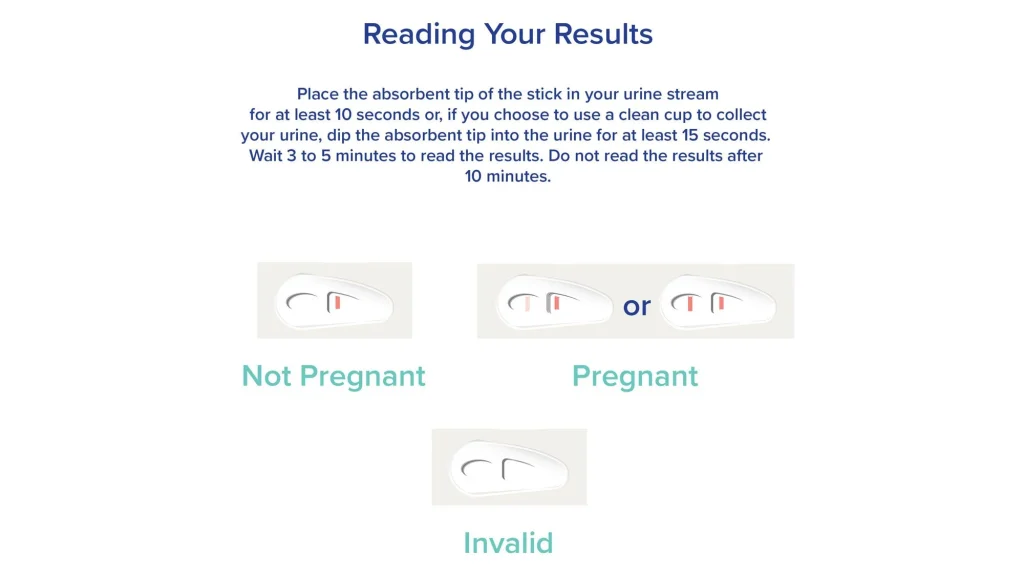
    Instructions for reading pregnancy test results with visual indicators for "Not Pregnant," "Pregnant," and "Invalid.

    Fertile and Ready: How to Identify Peak Cervical Mucus

    3. Creamy: This type of mucus is a sign that ovulation is approaching. It is white or creamy in color, but still not very stretchy.

    4. Egg white: This is the most fertile type of cervical mucus. It is clear, slippery, and can be stretched between the fingers without breaking. It is often described as resembling raw egg white, hence the name.

    To identify peak cervical mucus, you need to look for the egg white type of mucus. This usually occurs around the time of ovulation, which is typically day 14 in a 28-day cycle. However, it can vary from woman to woman, and some may ovulate earlier or later in their cycle. It is crucial to track your menstrual cycle and ovulation to identify your most fertile days accurately.

    Tips for Identifying Peak Cervical Mucus:

    1. Check daily: To accurately track your cervical mucus, you need to check it daily. It is best to check it at the same time each day, preferably after a bowel movement.

    2. Use your fingers: The best way to check cervical mucus is to use your fingers. Wash your hands thoroughly and reach into your vagina to collect a sample of mucus. Then, stretch it between your fingers to see its consistency.

    3. Record your findings: Keep track of your cervical mucus changes in a fertility chart. This will help you identify patterns and determine your most fertile days.

    4. Pay attention to color and smell: While cervical mucus is generally clear, it can also have a slight yellowish tint. However, if it is green, it may indicate an infection. Similarly, if it has a foul odor, it could be a sign of an infection, and you should consult your doctor.

    5. Stay hydrated: Drinking plenty of water can help improve the quality and quantity of cervical mucus. Aim to drink at least eight glasses of water a day.

    Final Thoughts:

    Identifying peak cervical mucus is a crucial part of understanding your fertility and maximizing your chances of getting pregnant. By learning how to recognize the different types of cervical mucus and tracking your menstrual cycle, you can pinpoint your most fertile days accurately. If you are having trouble identifying your peak cervical mucus or are experiencing irregularities in your menstrual cycle, it is best to consult your doctor for further guidance.

    In summary, cervical mucus is a natural lubricant that changes throughout the menstrual cycle. The most fertile type of cervical mucus is the egg white type, which is clear, slippery, and stretchy. By checking your cervical mucus daily, recording your findings, and paying attention to color and smell, you can identify peak cervical mucus and determine your most fertile days. Staying hydrated and consulting your doctor if you experience any irregularities can also help in tracking your fertility.

  • Decoding Your Body’s Signals: Using Cervical Mucus to Get Pregnant

    Decoding Your Body’s Signals: Using Cervical Mucus to Get Pregnant

    One of the most common struggles for couples trying to conceive is understanding and tracking the woman’s menstrual cycle. While there are many methods and tools available to help predict ovulation, one often overlooked and misunderstood indicator is cervical mucus. Cervical mucus is a natural secretion produced by the cervix that plays a crucial role in fertility. Learning to decode its signals can greatly increase your chances of getting pregnant. In this blog post, we will explore the importance of cervical mucus in fertility and how to use it to your advantage.

    Understanding Cervical Mucus

    Cervical mucus, also known as cervical fluid or vaginal discharge, is a clear or white substance that is produced by the cells in the cervix. It serves as a protective barrier for the reproductive system, preventing bacteria and other harmful substances from entering the uterus. The consistency and amount of cervical mucus changes throughout a woman’s menstrual cycle due to hormonal fluctuations.

    During the first few days of a woman’s cycle, the presence of estrogen causes the cervix to produce little to no mucus. As ovulation approaches, estrogen levels rise, and the cervix starts to produce more mucus. This mucus is thin, watery, and stretchy, making it easier for sperm to swim through the cervix and reach the egg. After ovulation, the levels of estrogen decrease, and the mucus becomes thicker and stickier, forming a natural barrier to prevent sperm from entering the uterus.

    Tracking Cervical Mucus to Predict Ovulation

    Cervical mucus is an essential part of a woman’s fertility because it provides valuable information about her menstrual cycle. By tracking changes in cervical mucus, women can determine when they are most fertile and increase their chances of getting pregnant.

    To track cervical mucus, you will need to check it daily by wiping the opening of the vagina with a clean tissue or your clean fingers. You can also collect a sample of the mucus by inserting a clean finger into the vagina and then rubbing it between your fingers. It is essential to check the mucus at the same time each day, preferably in the morning before getting out of bed.

    The Different Types of Cervical Mucus

    Cervical mucus goes through several changes during a woman’s menstrual cycle, and it is crucial to understand these changes to use it as a fertility tool effectively. Here are the different types of cervical mucus and what they mean for your fertility:

    1. Dry and Sticky: This type of mucus is present during the first few days of the menstrual cycle when estrogen levels are low. It is white or yellowish in color and feels dry and sticky. It is not conducive to sperm survival, so it is unlikely that you will get pregnant during this time.

    two teal and clear syringes positioned on a white background

    Decoding Your Body's Signals: Using Cervical Mucus to Get Pregnant

    2. Creamy: As estrogen levels begin to rise, the mucus becomes creamier and more abundant. It may appear slightly cloudy or milky and feels wetter than the dry and sticky type. While sperm can survive in this type of mucus, it is still not the most fertile type.

    3. Watery: As ovulation approaches, the mucus becomes thinner, clearer, and more slippery. This is the most fertile type of cervical mucus and is often referred to as “egg white” mucus due to its resemblance to raw egg whites. It is stretchy and allows sperm to swim through easily, increasing the chances of fertilization.

    4. Sticky: After ovulation, estrogen levels decrease, and the mucus becomes sticky and tacky. It may appear cloudy and is not conducive to sperm survival, making it unlikely to get pregnant during this time.

    5. Dry: As the menstrual cycle comes to an end, the mucus dries up, and the cycle starts again.

    Using Cervical Mucus to Get Pregnant

    Now that you understand the different types of cervical mucus and their significance, here are some tips for using it to get pregnant:

    1. Track your mucus daily and chart it on a fertility app or calendar. This will help you identify patterns and determine your most fertile days.

    2. Have sex when you notice egg white mucus. This type of mucus indicates that you are about to ovulate, so having sex during this time increases your chances of getting pregnant.

    3. Use a fertility-friendly lubricant. Some lubricants can hinder sperm movement and reduce the chances of getting pregnant. Look for lubricants that are specifically designed for use during conception, such as Pre-Seed.

    4. Consider using ovulation predictor kits. These kits measure the levels of luteinizing hormone (LH) in your urine, which surges just before ovulation. When used in combination with tracking cervical mucus, they can help you pinpoint your most fertile days.

    5. Consult with a fertility specialist if you have been tracking your cervical mucus for several months and have not been able to conceive. They can help determine if there are any underlying issues and provide guidance on the next steps.

    In conclusion, cervical mucus is a vital indicator of a woman’s fertility and can greatly enhance the chances of getting pregnant. By understanding the different types of mucus and learning to track and interpret its changes, women can take control of their reproductive health and increase their chances of conceiving.

  • The Science Behind Cervical Mucus and Ovulation Prediction

    For many women, understanding their menstrual cycle and predicting ovulation is a crucial aspect of trying to conceive or avoiding pregnancy. While there are various methods and tools available for ovulation prediction, one of the most natural and reliable indicators is cervical mucus. In this blog post, we will dive into the science behind cervical mucus and how it can help predict ovulation.

    The cervix is the narrow passage that connects the uterus to the vagina. At the opening of the cervix is the cervical mucus, a fluid produced by the cervix glands. The consistency and quality of cervical mucus change throughout the menstrual cycle due to hormonal fluctuations. Understanding these changes can help women predict when they are most fertile.

    The Role of Estrogen

    The menstrual cycle begins on the first day of menstruation and lasts an average of 28 days. During this time, the levels of estrogen and progesterone, two key reproductive hormones, rise and fall in a cyclical pattern. Estrogen is the dominant hormone in the first half of the cycle, responsible for thickening the uterine lining and stimulating the growth of follicles in the ovaries.

    As estrogen levels rise, the cervix glands start producing cervical mucus. This mucus is usually thick, sticky, and opaque, acting as a barrier to sperm. The presence of this type of mucus makes it difficult for sperm to enter the uterus and reach the egg. However, as ovulation approaches, estrogen levels continue to rise, causing a change in the quality of cervical mucus.

    The Ovulatory Shift

    About a week before ovulation, there is a significant increase in estrogen levels, known as the “estrogen surge.” This surge triggers a series of events, including the release of the egg from the ovary, also known as ovulation. During this time, the quality of cervical mucus changes dramatically.

    The increase in estrogen causes the cervix glands to produce a larger amount of mucus. This mucus is now thin, watery, and transparent, resembling the consistency of raw egg whites. It also becomes more alkaline, which creates a more hospitable environment for sperm to survive and swim through. This type of mucus is often referred to as “fertile mucus” and is a clear indication that ovulation is near.

    Predicting Ovulation with Cervical Mucus

    at-home insemination kit by Mosie Baby, featuring syringes, collection cups, and instructions on a pink background.

    The Science Behind Cervical Mucus and Ovulation Prediction

    By tracking the changes in cervical mucus, women can predict their most fertile days. The presence of thick, sticky mucus in the first half of the cycle indicates that the estrogen levels are rising, and ovulation is still a few days away. As the mucus becomes thinner and more transparent, it is a sign that ovulation is approaching.

    Typically, the most fertile days are the two to three days leading up to ovulation and the day of ovulation itself. Once ovulation has occurred, estrogen levels drop, and the mucus becomes thick and sticky again, closing off the cervix and making it difficult for sperm to enter.

    Tools for Tracking Cervical Mucus

    Tracking cervical mucus can be done using various methods. One of the most common ways is by observing the mucus on toilet paper after wiping or by inserting a clean finger into the vagina and checking the consistency of the mucus. Some women also use fertility tracking apps to record their observations and predict their fertile days.

    Another helpful tool is fertility monitors, which use technology to track hormonal changes in the body and predict ovulation. Some monitors also measure the electrolyte levels in saliva, which can indicate the presence of fertile mucus.

    Factors Affecting Cervical Mucus

    Several factors can affect the quality and consistency of cervical mucus. One of the most significant factors is hormonal birth control, which can prevent ovulation and, therefore, the production of fertile mucus. Certain medications, such as antihistamines and antidepressants, can also impact cervical mucus production.

    Other factors, such as stress, illness, and dehydration, can also affect the amount and quality of cervical mucus. Therefore, it is essential to track cervical mucus consistently over a few cycles to get a better understanding of your body’s patterns and distinguish normal changes from abnormal ones.

    In conclusion, cervical mucus is a natural and reliable indicator of ovulation. By understanding the changes in cervical mucus throughout the menstrual cycle, women can predict their most fertile days and increase their chances of conception or avoid pregnancy. However, it is essential to note that cervical mucus tracking should be used in conjunction with other methods of ovulation prediction for the most accurate results.

  • Cervical Mucus: A Natural Indicator of Fertility

    Cervical mucus is a topic that is often overlooked or misunderstood, but it is actually a crucial indicator of fertility in women. This natural substance, produced by the cervix, undergoes changes throughout the menstrual cycle and can provide important insights into a woman’s reproductive health. In this blog post, we will explore the role of cervical mucus in fertility and how it can be used as a tool for tracking ovulation and optimizing chances of conception.

    To understand the significance of cervical mucus, we must first understand its purpose. The cervix, which is the lower part of the uterus, produces mucus to protect and nourish the sperm as it travels through the reproductive tract. This mucus acts as a barrier against bacteria and other harmful substances, and also helps guide and support the sperm on its journey towards the egg.

    Throughout the menstrual cycle, the consistency, color, and amount of cervical mucus changes in response to hormonal fluctuations. During the first phase of the cycle, known as the follicular phase, estrogen levels rise and stimulate the production of cervical mucus. This mucus is typically thicker and more opaque, serving as a barrier to prevent sperm from entering the cervix.

    As ovulation approaches, estrogen levels peak and trigger a sudden change in the cervical mucus. The mucus becomes more watery and slippery, allowing sperm to easily swim through and reach the egg. This fertile mucus is often referred to as “egg white mucus” due to its resemblance to raw egg whites. It is the most fertile type of cervical mucus and indicates that ovulation is near.

    After ovulation, the body starts to produce progesterone, which causes the cervical mucus to become thicker and more sticky. This serves as a barrier again, preventing sperm from entering the cervix and protecting the uterus from infection. If fertilization does not occur, the body will shed the thickened mucus along with the uterine lining during menstruation.

    Mosie Baby pregnancy test kit with two tests and packaging, featuring a mint green color scheme.

    Cervical Mucus: A Natural Indicator of Fertility

    By tracking changes in cervical mucus, women can use this natural indicator to pinpoint their most fertile days and increase their chances of conception. One way to track cervical mucus is through the use of fertility awareness methods, which involve observing and recording changes in mucus consistency and other fertility signs such as basal body temperature and cervical position. These methods can be used to identify the fertile window, which is the time frame when conception is most likely to occur.

    Another method of tracking cervical mucus is through the use of ovulation predictor kits. These kits detect the surge of luteinizing hormone (LH) in urine, which typically occurs 24-36 hours before ovulation. When used in conjunction with observations of cervical mucus, these kits can provide a more accurate prediction of ovulation and fertile days.

    Aside from tracking fertility, cervical mucus can also provide insights into a woman’s overall reproductive health. Changes in the amount, consistency, and color of cervical mucus can be indicative of hormonal imbalances, infections, or other issues that may affect fertility. For example, a lack of fertile cervical mucus may indicate a problem with ovulation, while a thick, white mucus could be a sign of a yeast infection. It is important for women to pay attention to these changes and consult with their healthcare provider if they have any concerns.

    In addition to fertility and reproductive health, cervical mucus can also play a role in contraception. When used correctly and consistently, the fertility awareness method can be an effective form of natural birth control. By avoiding intercourse during the fertile window, couples can prevent pregnancy without the use of hormonal methods or devices.

    In summary, cervical mucus is a natural indicator of fertility that undergoes changes throughout the menstrual cycle. By tracking these changes, women can identify their most fertile days and increase their chances of conception. It can also provide insights into overall reproductive health and be used as a form of natural birth control. Understanding the role of cervical mucus can empower women to take control of their fertility and make informed decisions about their reproductive health.