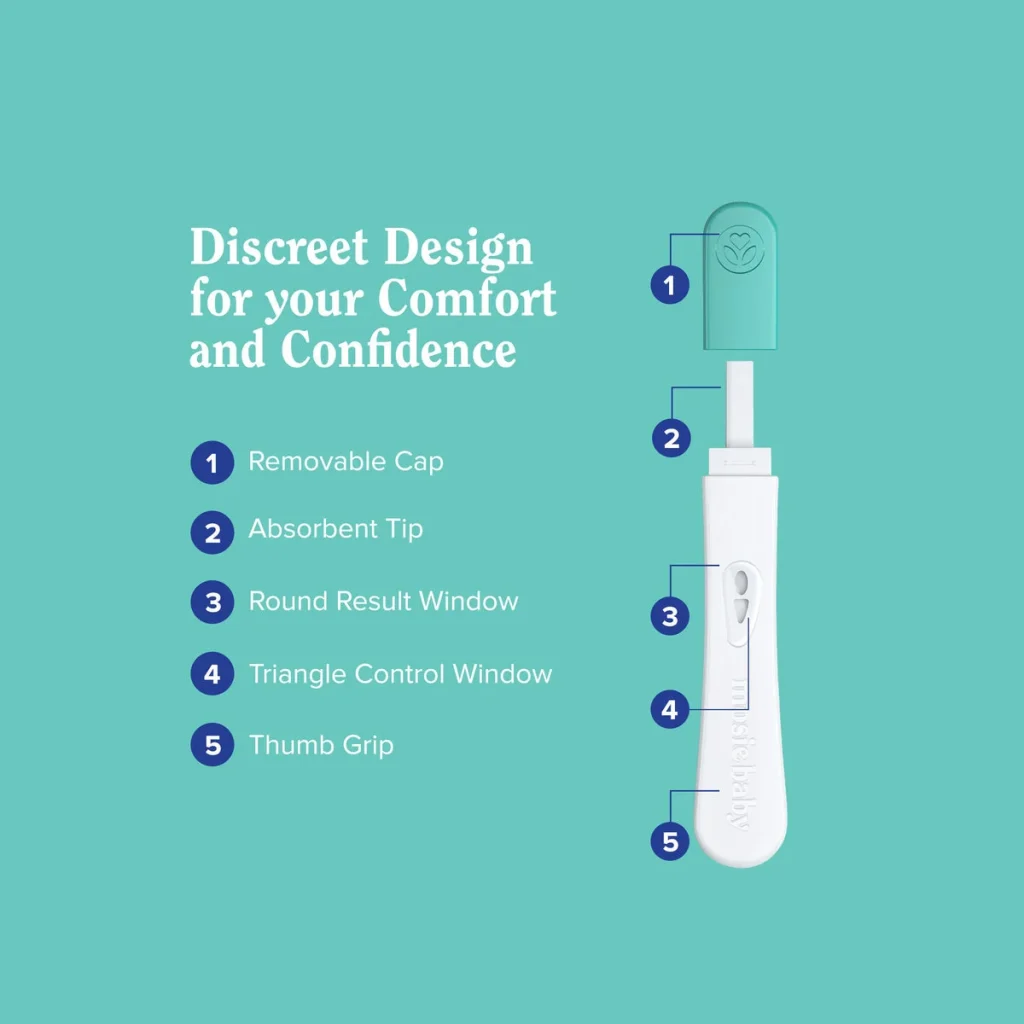
Non-invasive insemination, also known as natural insemination or artificial insemination, is a procedure that involves placing sperm directly into the reproductive tract of a woman in order to facilitate fertilization. Unlike In Vitro Fertilization (IVF), which involves the fertilization of eggs outside the body, non-invasive insemination offers a safer and more natural alternative for couples struggling with fertility issues. In this blog post, we will take a closer look at non-invasive insemination, its benefits, and how it compares to IVF.
Non-invasive insemination has been around for centuries, with the first recorded attempts dating back to the late 18th century. However, advancements in technology and medical procedures have made it a more viable option for couples in recent years. The procedure involves collecting sperm from the male partner and inserting it into the female partner’s reproductive tract, either through the cervix or directly into the uterus. This process can be done at a fertility clinic or at home with the use of a specially designed insemination kit.
One of the main benefits of non-invasive insemination is that it is a much less invasive procedure compared to IVF. With IVF, a woman must undergo hormone injections and surgical procedures to retrieve and fertilize her eggs. This can be physically and emotionally taxing for the woman, and it also comes with a higher risk of complications. Non-invasive insemination, on the other hand, does not involve any major medical procedures, making it a safer and more comfortable option for women.
Another advantage of non-invasive insemination is that it is a more affordable option for couples. IVF can cost tens of thousands of dollars, and it is often not covered by insurance. In contrast, non-invasive insemination can cost a few hundred dollars per cycle, making it a more accessible option for couples who may not have the financial means to pursue IVF.

Non-Invasive Insemination: A Safer and More Natural Alternative to IVF
Moreover, non-invasive insemination offers a more natural approach to conception. During IVF, eggs are fertilized and embryos are created in a laboratory setting. This can sometimes feel disconnected from the natural process of conception and pregnancy. Non-invasive insemination, on the other hand, allows for fertilization to occur within the woman’s body, which can feel more organic and intimate for the couple.
Non-invasive insemination also has a high success rate, with some studies showing a success rate of up to 30% per cycle. This is comparable to the success rate of IVF and can be even higher for couples who have no known fertility issues. Additionally, non-invasive insemination can be used with donor sperm, making it a viable option for same-sex couples or single women who wish to have children.
Of course, non-invasive insemination is not without its limitations. It may not be suitable for couples with severe fertility issues, such as blocked fallopian tubes or low sperm count. In these cases, IVF may still be the best option. Additionally, non-invasive insemination does not guarantee a successful pregnancy, and multiple cycles may be needed to achieve a pregnancy.
In conclusion, non-invasive insemination offers a safer, more natural, and more affordable alternative to IVF. It can be a suitable option for couples who want to avoid the more invasive procedures and high costs of IVF. However, it is important for couples to consult with a fertility specialist to determine if non-invasive insemination is the best option for their specific situation.
In summary, non-invasive insemination is a procedure that involves placing sperm directly into a woman’s reproductive tract to facilitate fertilization. It is a safer, more natural, and more affordable alternative to IVF. Non-invasive insemination offers a more organic approach to conception and can be used with donor sperm. However, it may not be suitable for couples with severe fertility issues, and it is important to consult with a fertility specialist before pursuing this option.