Tag: Syringe Method

  • From Infertility to Pregnancy: The Success of the Syringe Method

    From Infertility to Pregnancy: The Success of the Syringe Method

    Infertility is a difficult and often heartbreaking journey for many couples. It can be a long and expensive process, with no guarantees of success. Many couples turn to assisted reproductive techniques, such as in vitro fertilization (IVF), to try and conceive. However, there is one method that has been gaining popularity and success in recent years – the syringe method.

    The syringe method, also known as the cervical insemination or home insemination method, involves using a syringe to deposit sperm directly into the cervix. This technique has been used for decades by fertility clinics, but recently, more and more couples are trying it at home with great success. In this blog post, we will explore the ins and outs of the syringe method and how it has helped many couples overcome infertility and achieve their dream of pregnancy.

    Understanding Infertility

    Before diving into the syringe method, it is essential to understand infertility and its causes. Infertility is defined as the inability to conceive after one year of regular, unprotected intercourse. According to the Centers for Disease Control and Prevention (CDC), about 6.1 million women in the United States have trouble getting pregnant or staying pregnant. Infertility can be caused by a variety of factors, including ovulation disorders, hormonal imbalances, and structural problems in the reproductive organs.

    The most common treatment for infertility is IVF, a process in which a woman’s eggs are fertilized with sperm in a laboratory and then placed back into the uterus. However, IVF can be a costly and emotionally draining process, with success rates varying from 20-40% per cycle. This is where the syringe method comes in as an alternative and more affordable option.

    The Syringe Method Explained

    The syringe method involves using a syringe to deposit sperm directly into the cervix, bypassing the vagina and improving the chances of conception. This method can be done at home, making it a more convenient and cost-effective option for many couples. Here’s how it works:

    1. Prepare the syringe: The syringe used for this method should be sterile and have a bulb at the end, which will help to push the sperm through the cervix.

    2. Collect the semen: The semen can be collected in a sterile cup or condom. It is essential to collect the semen close to the time of insemination, as sperm motility decreases the longer it is outside of the body.

    3. Prepare the sperm: In some cases, the sperm may need to be washed or prepared to remove any substances that may be harmful to the cervix.

    4. Insert the syringe: The woman should lie on her back with her legs elevated, and the syringe should be inserted gently into the cervix.

    5. Deposit the sperm: Slowly push the plunger of the syringe to deposit the sperm into the cervix.

    6. Remain lying down: After depositing the sperm, the woman should remain lying down for 10-15 minutes to allow the sperm to swim towards the egg.

    The syringe method can be done at home with the help of a partner or a fertility coach. Many couples prefer this method as it allows them to have more control over the process and the timing of insemination.

    Why the Syringe Method Works
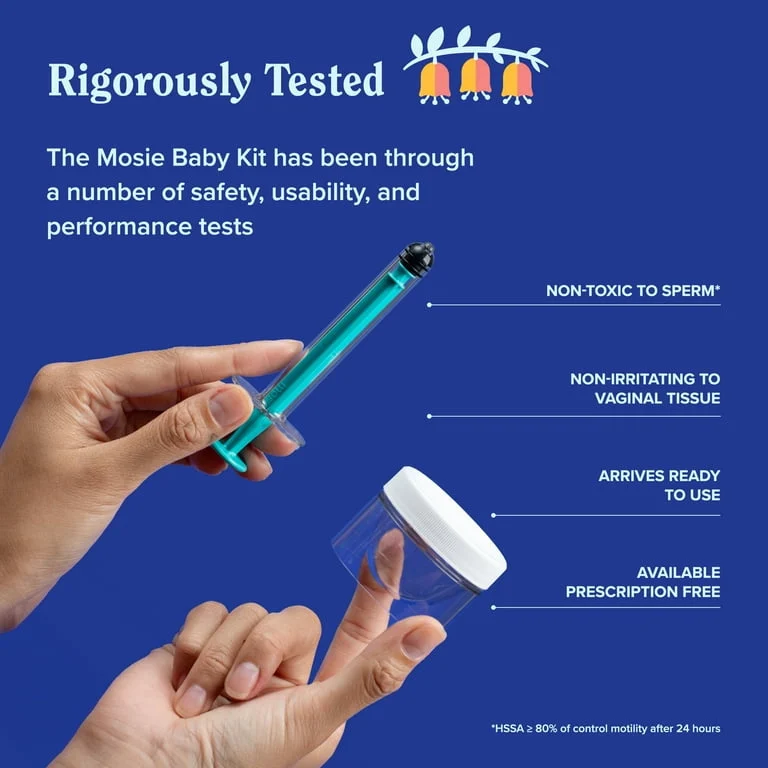
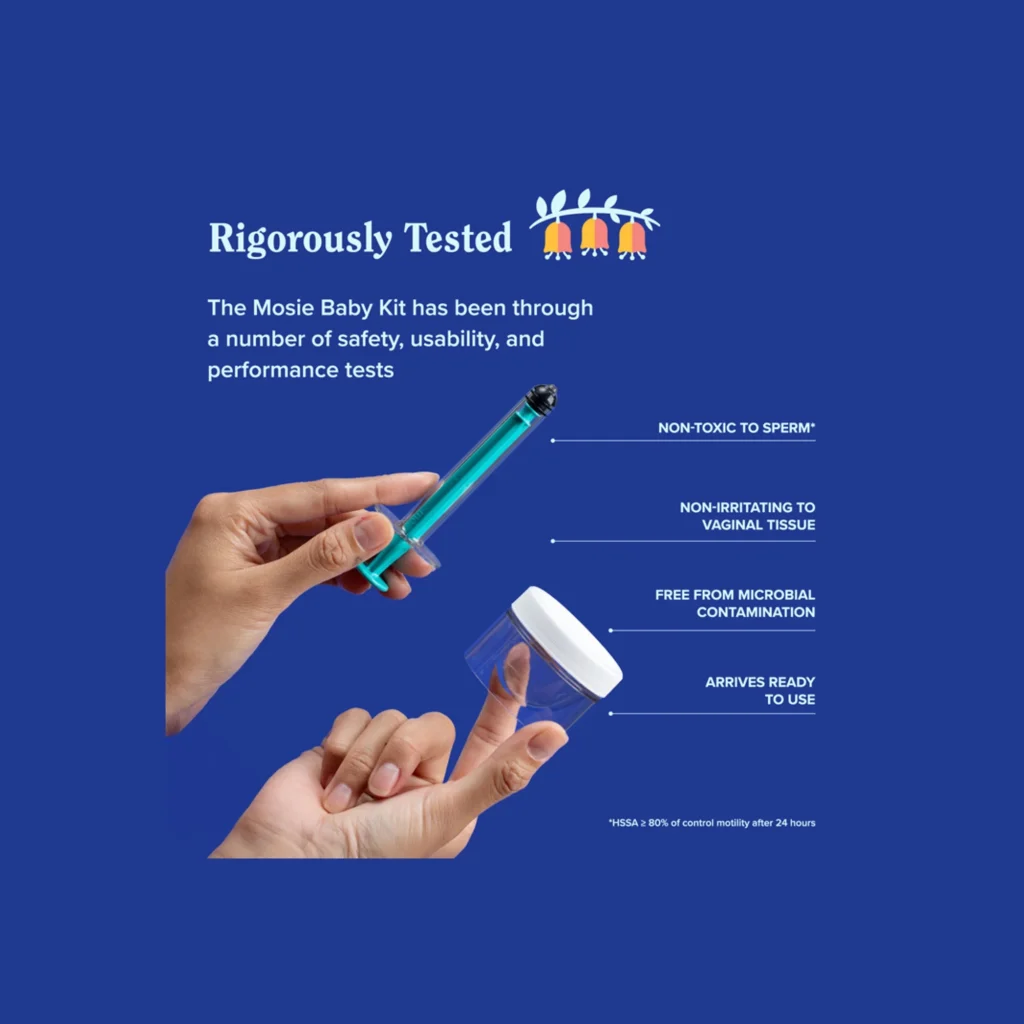
    Mosie Baby Kit with a syringe and container, highlighting safety and usability features on a blue background.

    From Infertility to Pregnancy: The Success of the Syringe Method

    The syringe method has a higher success rate compared to other at-home insemination techniques. There are a few reasons why this method may be more effective:

    1. Direct deposit: By depositing the sperm directly into the cervix, the sperm does not have to swim through the acidic environment of the vagina, increasing its chances of reaching the egg.

    2. Timing: The syringe method allows for more precise timing of insemination, which can be crucial for those with ovulation disorders or irregular cycles.

    3. Cost-effective: The syringe method is much more affordable than other assisted reproductive techniques, making it accessible to more couples.

    Success Stories of the Syringe Method

    Many couples have found success with the syringe method and have shared their stories online. One couple, who had been trying to conceive for over a year, tried the syringe method and got pregnant on their first attempt. Another couple with unexplained infertility tried the method for six months and were able to conceive their first child.

    The syringe method has also been successful for same-sex couples and single women who want to start a family. With donor sperm and the syringe method, they can achieve pregnancy without the need for a sperm bank or fertility clinic.

    Important Considerations

    Although the syringe method has a high success rate and has helped many couples conceive, there are a few things to keep in mind when considering this method:

    1. Consult with a fertility specialist: Before trying the syringe method, it is essential to consult with a fertility specialist to determine if it is a suitable option for you. They can also provide guidance on timing and other important factors.

    2. Use fresh sperm: The success rate of the syringe method decreases with frozen sperm, so it is best to use fresh sperm if possible.

    3. Be patient: As with any assisted reproductive technique, it may take multiple attempts to achieve pregnancy. It is essential to be patient and continue trying if the first few attempts are unsuccessful.

    4. Have realistic expectations: The syringe method is not a guarantee of pregnancy, and success rates may vary depending on individual factors such as age and fertility issues.

    In Summary

    The syringe method is a home insemination technique that has helped many couples overcome infertility and achieve pregnancy. By depositing sperm directly into the cervix, this method increases the chances of conception and is more affordable and convenient than other assisted reproductive techniques. With proper timing and patience, couples can have a higher success rate with the syringe method, making it a viable option for those struggling with infertility.

    SEO metadata:

  • How to Use the Syringe Method for Optimal Fertility Support

    Blog Post:

    Fertility is a topic that affects many individuals and couples, and the journey towards conception can be a challenging one. With the rise in fertility issues, many people are seeking alternative methods for enhancing their chances of getting pregnant. One such method is the syringe method, also known as the “turkey baster” method. In this blog post, we will discuss what the syringe method is and how it can be used for optimal fertility support.

    The syringe method involves using a sterile syringe to insert semen into the vagina, bypassing the cervix and depositing it directly into the uterus. This technique is often used in intrauterine insemination (IUI) procedures, but it can also be done at home as a DIY fertility support method. Here are the steps to using the syringe method for optimal fertility support:

    1. Understand Your Menstrual Cycle

    Before attempting the syringe method, it is crucial to understand your menstrual cycle. The most fertile time for a woman is when she is ovulating, which occurs around day 14 of a regular 28-day cycle. However, this can vary from person to person, so it is essential to track your menstrual cycle to determine when you are most likely to ovulate.

    2. Collect Semen

    The first step in the syringe method is to collect semen from the male partner. It is crucial to use sterile equipment, such as a sterile cup or condom, to collect the semen. It is best to collect the semen during or immediately after ejaculation to ensure its viability.

    3. Prepare the Syringe

    Next, prepare the syringe for insertion. It is essential to use a sterile syringe, which can be purchased at a pharmacy or online. Remove the plunger from the syringe and attach a sterile catheter to the end. The catheter should be around 6-8 inches long and no more than 0.5 cm in diameter.

    4. Insert the Syringe

    With the syringe prepared, carefully insert it into the vagina and aim towards the cervix. It is best to do this while lying down, with hips elevated to help the sperm travel towards the cervix. Slowly push the plunger to release the semen into the vagina. It is crucial to be gentle and avoid any discomfort or pain.

    5. Remain Lying Down

    After the semen has been deposited into the vagina, it is essential to remain lying down for 15-20 minutes. This will help the sperm travel towards the cervix and increase the chances of conception. It is also recommended to keep the hips elevated during this time.

    6. Repeat if Needed

    If you are trying the syringe method at home, it may be necessary to repeat the process every 12-24 hours during your most fertile days. This will increase the chances of sperm reaching the egg and fertilizing it.

    Mosie Baby kit with two jars, a syringe, and a supportive message card inside a colorful box.

    How to Use the Syringe Method for Optimal Fertility Support

    7. Practice Safe Hygiene

    It is crucial to maintain safe hygiene practices when using the syringe method. Make sure to wash your hands and any equipment used before and after the procedure. It is also essential to dispose of any used materials properly.

    Benefits of the Syringe Method for Fertility Support

    Now that we have discussed the steps to using the syringe method let’s look at some of its benefits for fertility support.

    1. Low Cost

    Compared to other fertility treatments, the syringe method is relatively low cost. The equipment needed, such as the syringe and catheter, can be purchased for a reasonable price, and the procedure can be done at home without the need for expensive medical procedures.

    2. Non-Invasive

    The syringe method is a non-invasive procedure, which means it does not require any surgical intervention. This makes it a less intimidating option for those who are uncomfortable with medical procedures.

    3. Can Be Done at Home

    One of the most significant advantages of the syringe method is that it can be done in the comfort of your own home. This can be more convenient for individuals or couples who do not have easy access to fertility clinics.

    4. Increased Chances of Conception

    By bypassing the cervix and depositing sperm directly into the uterus, the syringe method can increase the chances of conception. This is especially beneficial for couples with fertility issues, as it can help overcome any potential obstacles.

    In Conclusion

    The syringe method is a simple and cost-effective way to support fertility. However, it is essential to remember that it may not be suitable for everyone, and it is always best to consult with a medical professional before trying any new fertility methods. With proper understanding and practice, the syringe method can be an effective tool for couples on their journey towards conception.

    Summary:

    Fertility can be a challenging journey, and many individuals are seeking alternative methods to enhance their chances of conception. The syringe method, also known as the “turkey baster” method, is a DIY fertility support method that involves using a sterile syringe to deposit semen directly into the uterus. The steps to using this method include understanding your menstrual cycle, collecting semen, preparing the syringe, insertion, remaining lying down, and practicing safe hygiene. The syringe method has benefits such as being low cost, non-invasive, convenient, and increasing the chances of conception. However, it is essential to consult with a medical professional before trying this method.

  • Demystifying the Syringe Method for Fertility Support

    Demystifying the Syringe Method for Fertility Support: A Step-by-Step Guide

    When it comes to trying to conceive, many couples turn to various methods to improve their chances of success. One method that has gained popularity in recent years is the syringe method for fertility support. This technique involves manually depositing sperm into the vagina, bypassing the cervix and improving the chances of fertilization. However, the syringe method can be confusing and intimidating for those who are new to it. In this blog post, we will demystify the syringe method for fertility support and provide a step-by-step guide for those who are interested in trying it.

    Understanding the Syringe Method

    The syringe method, also known as the cervical cap insemination method, involves using a syringe or a cervical cap to deposit sperm directly into the vagina. This method is often recommended for couples who have been trying to conceive for a long time or for those who have issues with sperm quality or quantity. By bypassing the cervix, the sperm has a better chance of reaching the fallopian tubes and fertilizing an egg.

    Step-by-Step Guide to the Syringe Method

    1. Purchase the necessary supplies: The first step in trying the syringe method is to gather all the necessary supplies. You will need a clean, sterile syringe or a cervical cap, a soft cup, and a cup or container to collect the semen.

    2. Collect the semen: The next step is to collect the semen from the male partner. This can be done through masturbation or by using a special collection condom during intercourse. Make sure to use a clean container to collect the semen.

    3. Prepare the syringe or cervical cap: If you are using a syringe, make sure that it is clean and sterile. You can do this by boiling it in water for 10 minutes or by using a sterile, single-use syringe. If you are using a cervical cap, make sure that it is clean and free of any debris.

    4. Load the syringe or cervical cap: Once the semen has been collected, use the syringe or cervical cap to draw it up. Make sure to remove any air bubbles in the syringe before proceeding.

    guide and materials for using Mosie Baby fertility kit on a textured surface

    Demystifying the Syringe Method for Fertility Support

    5. Position yourself: The next step is to get into a comfortable position. Many women find it helpful to elevate their hips with a pillow or to lie down with their legs up against the wall.

    6. Insert the syringe or cervical cap: Using the syringe or cervical cap, gently insert the sperm into the vagina as close to the cervix as possible. If you are using a cervical cap, make sure to follow the instructions for proper insertion.

    7. Use a soft cup: After depositing the sperm, use a soft cup to keep it in place. This will help to prevent leakage and improve the chances of fertilization.

    8. Relax and stay in position: It is important to relax and stay in the same position for at least 20 minutes to allow the sperm to travel towards the fallopian tubes. This will increase the chances of successful fertilization.

    9. Repeat if necessary: If you have a large amount of semen, you may need to repeat the process a few times to ensure that all the sperm is deposited.

    10. Clean up: Once you are done, make sure to clean up any spills or mess and dispose of any used materials properly.

    Possible Risks and Precautions

    As with any fertility method, there are some risks and precautions to consider when trying the syringe method. It is important to always use sterile equipment and to avoid any unnecessary contact with the vagina to prevent infection. If you have any concerns or pre-existing medical conditions, it is best to consult with a healthcare provider before trying this method.

    In summary, the syringe method for fertility support can be an effective option for couples struggling to conceive. By understanding the process and following the step-by-step guide, you can increase your chances of successful fertilization. However, it is always recommended to consult with a healthcare provider before trying any fertility methods.

  • Fertility Support for Couples: The Syringe Method Explained

    Blog Post: Fertility Support for Couples: The Syringe Method Explained

    Infertility affects millions of couples around the world, causing immense emotional and physical stress. While there are various fertility treatments available, they can be expensive and invasive. This is where the syringe method comes in, offering a simple and cost-effective fertility support option for couples. In this blog post, we will explore the syringe method in detail and how it can help couples struggling with infertility.

    What is the Syringe Method?

    The syringe method, also known as intrauterine insemination (IUI), is a fertility support technique where sperm is placed directly into the uterus using a syringe. This method is often used in combination with fertility drugs to increase the chances of conception. It is a less invasive and more affordable option compared to other fertility treatments such as in vitro fertilization (IVF).

    How Does It Work?

    The syringe method involves a series of steps, beginning with fertility drugs to stimulate the ovaries and increase the number of eggs produced. This is followed by monitoring the woman’s ovulation cycle to determine the best time for insemination. Once the eggs are ready, the male partner provides a semen sample, which is then washed and prepared in a laboratory. The washed sperm is then loaded into a syringe and inserted into the uterus through the cervix. This process is usually painless and takes only a few minutes.

    Benefits of the Syringe Method

    1. Non-invasive: Unlike other fertility treatments, the syringe method does not require any surgical procedures. It is a simple and painless process that can be done in a doctor’s office.

    2. Cost-effective: The cost of the syringe method is significantly lower compared to other fertility treatments, making it a more accessible option for couples struggling with infertility.

    3. High success rate: The success rate of the syringe method depends on various factors such as age and the cause of infertility. However, on average, it has a success rate of 10-20% per cycle, which is comparable to IVF.

    4. Can be used with donor sperm: The syringe method can also be used with donor sperm, making it a viable option for same-sex couples or single women who want to conceive.

    5. Less stressful: The syringe method is a less stressful option compared to other fertility treatments. It does not involve multiple injections or daily monitoring, making it a more comfortable experience for couples.

    pregnancy test kit features labeled for comfort and confidence on a teal background

    Fertility Support for Couples: The Syringe Method Explained

    Who Can Benefit from the Syringe Method?

    The syringe method is often recommended for couples who have unexplained infertility, low sperm count, mild endometriosis, or ovulation disorders. It can also be used for couples who have difficulty conceiving due to sexual dysfunction or cervical issues. This method is not suitable for couples with severe male factor infertility or blocked fallopian tubes.

    Risks and Side Effects

    The syringe method is generally considered a safe and low-risk procedure. However, like any medical procedure, there are some risks and side effects that couples should be aware of. These include:

    1. Multiple pregnancies: Fertility drugs used in combination with the syringe method can increase the chances of multiple pregnancies. This can lead to a higher risk of complications for both the mother and babies.

    2. Cramping and spotting: Some women may experience mild cramping and spotting after the procedure, which is a normal side effect.

    3. Infection: There is a small risk of infection with the syringe method, but this can be minimized by following proper hygiene and sterilization procedures.

    4. Ovarian hyperstimulation syndrome (OHSS): In rare cases, fertility drugs used in the syringe method can cause OHSS, a condition where the ovaries become swollen and painful.

    5. Allergic reactions: Some women may have an allergic reaction to the fertility drugs used in the syringe method.

    It is essential to discuss these risks with your doctor before undergoing the syringe method.

    In conclusion, the syringe method is a simple and affordable fertility support option for couples struggling with infertility. It offers a less invasive alternative to other fertility treatments and has a high success rate. However, it is crucial to consult with a fertility specialist to determine if this method is suitable for you and your partner. With the right support and guidance, the syringe method can help many couples fulfill their dream of starting a family.

    Summary: The syringe method, also known as intrauterine insemination (IUI), is a fertility support technique that involves placing sperm directly into the uterus using a syringe. It is a non-invasive and cost-effective option for couples struggling with infertility. This method has a high success rate and can be used with donor sperm. However, there are some risks and side effects associated with it, and couples should consult with a fertility specialist before undergoing the procedure.

  • Boosting Fertility Naturally with the Syringe Method

    Boosting Fertility Naturally with the Syringe Method: A Holistic Approach to Conception

    Are you and your partner struggling to conceive? You’re not alone. Infertility affects about 12% of couples in the United States, and the numbers are rising. While there are many medical interventions available, some couples are turning to natural methods to boost their fertility. One such method is the syringe method, which has gained popularity in recent years. In this blog post, we’ll discuss what the syringe method is, how it works, and how it can help increase your chances of conceiving.

    What is the Syringe Method?

    The syringe method, also known as the “turkey baster” method, is a natural way to increase fertility. It involves using a syringe to deposit sperm directly into the cervix, bypassing the vagina and increasing the chances of fertilization. This method is often used by same-sex couples and single women looking to conceive without medical assistance.

    How Does it Work?

    The syringe method works by depositing sperm closer to the cervix, which is the opening of the uterus. This increases the chances of the sperm reaching the egg and fertilizing it. In traditional intercourse, sperm must travel through the vagina, which can be hostile to sperm due to its acidic environment. By bypassing the vagina, the sperm has a better chance of reaching the egg and fertilizing it.

    How to Use the Syringe Method

    Before attempting the syringe method, it’s essential to track your ovulation cycle. This can be done through various methods such as using ovulation predictor kits or tracking your basal body temperature. Once you have determined your most fertile days, it’s time to prepare for the syringe method.

    Step 1: Gather Supplies

    To perform the syringe method, you will need a sterile syringe, a cup, and a clean container with a lid. It’s crucial to use a new and sterile syringe to avoid any potential infections.

    Step 2: Collect Sperm

    Collect the sperm in the cup using a clean container. If you are using donor sperm, make sure it has been properly screened and is from a reputable source. It’s also essential to check the expiration date on the sperm to ensure its viability.

    Step 3: Load the Syringe

    Once you have collected the sperm, draw it into the syringe. You can use the syringe plunger or a turkey baster to suction the sperm.

    Step 4: Insert the Syringe

    Lie on your back with your hips slightly elevated. Using the syringe, insert the sperm into the cervix, as close to the opening as possible. Slowly depress the plunger to deposit the sperm.

    Step 5: Relax

    Mosie Baby Kit features a syringe and container, highlighting safety and usability tests on a blue background.

    Boosting Fertility Naturally with the Syringe Method

    After depositing the sperm, it’s essential to relax for at least 15 minutes to allow the sperm to travel to the egg. You can elevate your hips by placing a pillow under your buttocks to help the sperm reach the cervix.

    Step 6: Repeat if Necessary

    If you have a large amount of sperm, you can repeat the process to increase your chances of fertilization. However, it’s crucial not to use too much sperm, as it can create a hostile environment for the sperm.

    Benefits of the Syringe Method

    The syringe method offers many benefits for those looking to boost their fertility naturally. Here are a few reasons why it may be a good option for you and your partner:

    1. No Medical Intervention: The syringe method is a natural way to increase fertility without the use of medical interventions such as fertility drugs or artificial insemination.

    2. Cost-Effective: Compared to medical interventions, the syringe method is relatively inexpensive, making it a more accessible option for many couples.

    3. Can Be Done at Home: The syringe method can be done in the comfort of your own home, making it a more private and intimate experience.

    4. Increases Chances of Conception: By depositing sperm directly into the cervix, the syringe method increases the chances of fertilization and conception.

    5. Inclusive for Same-Sex Couples and Single Women: The syringe method allows same-sex couples and single women to conceive without the need for a sperm donor or medical intervention.

    Tips for Maximizing Success with the Syringe Method

    While the syringe method can be an effective way to boost fertility, there are a few things you can do to increase your chances of success:

    1. Track Your Ovulation Cycle: It’s crucial to track your ovulation cycle accurately to determine your most fertile days. This will increase the chances of sperm meeting the egg.

    2. Use Fresh Sperm: If using donated sperm, make sure it is fresh and within its expiration date.

    3. Be Mindful of Sperm Quantity: Using too much sperm can create a hostile environment for the sperm, so it’s essential to use the recommended amount.

    4. Relax: It’s crucial to relax after depositing the sperm to allow it to reach the egg. Stress can hinder conception, so taking some time to relax can increase your chances of success.

    5. Seek Professional Help: If you have been trying to conceive for a significant amount of time without success, it may be time to seek professional help. A fertility specialist can help assess your fertility and provide guidance on the best course of action.

    In conclusion, the syringe method can be an effective and natural way to boost fertility and increase your chances of conception. It’s essential to track your ovulation cycle accurately, use fresh sperm, and relax during the process. While it may not work for everyone, it’s worth considering as an option for those looking for a more holistic approach to conception.

  • The Syringe Method: A Natural Alternative to Fertility Medications

    Blog Post:

    Fertility issues can be a challenging and emotional journey for many couples. In addition to the physical toll, the financial burden of fertility treatments can add even more stress to an already difficult situation. Fortunately, there are natural alternatives that can help increase fertility without having to rely on expensive medications. One such method is known as the Syringe Method, which has gained popularity in recent years as a gentle and effective approach to boosting fertility.

    The Syringe Method is a natural alternative to fertility medications that involves using a syringe to insert a mixture of natural substances directly into the cervix. This method is based on the principle of cervical self-treatment, where the woman takes control of her own fertility and uses natural substances to improve her chances of conception. The Syringe Method is simple, affordable, and non-invasive, making it an attractive option for couples trying to conceive.

    So, what exactly is the Syringe Method and how does it work? Let’s dive deeper into the details.

    Understanding the Syringe Method:

    The Syringe Method is based on the premise that the cervix plays a crucial role in conception. During the fertile window, the cervix produces cervical mucus to help sperm travel through the reproductive tract to reach the egg. However, factors such as stress, hormonal imbalances, and certain medications can affect the quality and quantity of cervical mucus, making it difficult for sperm to survive and fertilize the egg.

    The Syringe Method aims to improve the conditions of the cervix by inserting a mixture of natural substances directly into the cervix. This mixture, also known as “fertility drops,” is made up of various natural ingredients known for their fertility-boosting properties. Some common ingredients used in fertility drops include evening primrose oil, sperm-friendly lubricants, and essential oils such as lavender and rosemary.

    How to Perform the Syringe Method:

    Performing the Syringe Method is relatively simple and can be done in the comfort of your own home. Here is a step-by-step guide to help you get started:

    1. Purchase a sterile syringe: You can find sterile syringes at your local pharmacy or online. It is essential to use a sterile syringe to avoid any potential infections.

    2. Prepare the fertility drops: Prepare the fertility drops by mixing the desired ingredients in a sterile container. Make sure to follow the recommended doses and avoid using any ingredients that you may be allergic to.

    3. Find a comfortable position: You can either lay down on your back with your legs up or stand and squat over the toilet. Choose a position that is most comfortable for you.

    4. Insert the syringe into the cervix: Gently insert the syringe into the cervix, aiming towards the back of the vagina. Slowly push the plunger to release the fertility drops into the cervix.

    two teal and clear syringes positioned on a white background

    The Syringe Method: A Natural Alternative to Fertility Medications

    5. Stay in the same position for a few minutes: After inserting the drops, remain in the same position for a few minutes to allow the drops to spread and absorb into the cervix.

    6. Repeat the process as needed: The Syringe Method can be done daily during the fertile window or as recommended by your healthcare provider.

    Benefits of the Syringe Method:

    1. Non-invasive: Unlike fertility medications, the Syringe Method is a non-invasive procedure that does not require any injections or surgeries.

    2. Affordable: Fertility medications can be costly, and the expenses can add up over time. The Syringe Method, on the other hand, is relatively inexpensive, making it a more affordable option for couples trying to conceive.

    3. Natural: The Syringe Method uses natural ingredients, making it a safer and gentler alternative to fertility medications.

    4. Can be done at home: You can perform the Syringe Method at home, eliminating the need for frequent visits to a healthcare provider.

    5. Minimal side effects: Fertility medications can cause various side effects, such as bloating, headaches, and mood swings. The Syringe Method, on the other hand, has minimal to no side effects.

    Is the Syringe Method Right for You?

    The Syringe Method may not be suitable for everyone, and it is always best to consult with a healthcare provider before trying any new fertility treatments. It is also essential to note that the Syringe Method does not guarantee pregnancy, and it may take several attempts before seeing results.

    However, many couples have reported success with the Syringe Method, and it has become a popular natural alternative to traditional fertility medications. It is a gentle and accessible approach that empowers women to take control of their fertility journey and increase their chances of conception.

    In conclusion, fertility medications can be expensive, invasive, and come with various side effects. The Syringe Method offers a natural and affordable alternative that can improve the conditions of the cervix and increase the chances of conception. As with any fertility treatment, it is essential to consult with a healthcare provider and listen to your body’s needs before trying the Syringe Method.

    SEO metadata:

  • Say Goodbye to Expensive Fertility Treatments: Try the Syringe Method

    Say Goodbye to Expensive Fertility Treatments: Try the Syringe Method

    Infertility affects millions of couples worldwide, causing emotional, physical, and financial strain. Traditional fertility treatments, such as in vitro fertilization (IVF), can cost tens of thousands of dollars and come with no guarantee of success. These expensive and invasive procedures often leave couples feeling frustrated and hopeless. However, there is a lesser-known method that has been gaining popularity among couples struggling with infertility – the syringe method. In this blog post, we will explore what the syringe method is, how it works, and why it may be a more affordable and effective alternative to traditional fertility treatments.

    What is the Syringe Method?

    The syringe method, also known as the “turkey baster method,” is a form of at-home artificial insemination. It involves using a sterile syringe to inject semen directly into the cervix, bypassing the vagina and increasing the chances of fertilization. This method is often used by same-sex couples or individuals who are trying to conceive without a partner, but it can also be used by heterosexual couples struggling with male infertility.

    How Does it Work?

    The syringe method works by mimicking the process of natural conception. During intercourse, semen is deposited near the cervix, where it can swim up to the fallopian tubes and fertilize the egg. However, in cases of male infertility, the sperm may not be able to reach the cervix naturally. By using a syringe to inject the semen directly into the cervix, the sperm has a better chance of reaching the egg and fertilizing it.

    The process of the syringe method is relatively simple. The couple or individual collects the semen in a sterile container, either through intercourse or masturbation. The semen is then drawn into a sterile syringe and inserted into the cervix. Some couples prefer to use a menstrual cup or soft cup to hold the semen close to the cervix for a longer period, increasing the chances of fertilization.

    Why Choose the Syringe Method?

    1. Cost-Effective

    One of the primary reasons couples choose the syringe method is that it is significantly more affordable than traditional fertility treatments. Traditional treatments such as IVF can cost tens of thousands of dollars per cycle, with no guarantee of success. On the other hand, the syringe method only requires the cost of a sterile syringe and possibly a menstrual cup, making it a much more cost-effective option.

    2. Convenient and Private

    logo of mosie baby featuring a heart and leaf design in blue, pink, and green colors

    Say Goodbye to Expensive Fertility Treatments: Try the Syringe Method

    The syringe method can be done in the comfort and privacy of your own home. This is especially beneficial for couples who may feel uncomfortable with the invasive nature of traditional fertility treatments. It also allows couples to try multiple times without the added stress and pressure of appointments and clinic visits.

    3. No Medication or Hormone Injections

    Traditional fertility treatments often involve the use of medications and hormone injections, which can come with unpleasant side effects. The syringe method does not require any medication, making it a more natural and less invasive option.

    4. Positive Success Rates

    While there is limited research on the success rates of the syringe method, many couples have reported positive results. Some studies have shown success rates of up to 40%, which is comparable to the success rates of traditional fertility treatments.

    Things to Consider

    Before trying the syringe method, it is essential to consult with a medical professional, especially if you have underlying medical conditions or a history of fertility issues. They can provide guidance and ensure that you are using the method safely and effectively.

    It is also crucial to note that the syringe method may not be suitable for everyone. It may not be as effective for couples with severe male infertility or other underlying fertility issues. In these cases, traditional fertility treatments may still be the best option.

    In Conclusion

    Infertility can be a challenging and emotional journey for couples, but the syringe method offers a more affordable and accessible option for those struggling to conceive. While it may not be suitable for everyone, it is worth considering for those looking for a less invasive and more natural approach to fertility treatments. Consult with a medical professional and do your research to determine if the syringe method is the right choice for you.

    In summary, the syringe method is an at-home artificial insemination technique that involves using a sterile syringe to inject semen directly into the cervix. It is more affordable, convenient, and less invasive than traditional fertility treatments, making it an attractive option for couples struggling with infertility. However, it is essential to consult with a medical professional and consider individual circumstances before trying the syringe method.

  • Fertility on a Budget: How the Syringe Method Can Help

    Blog Post Title: Fertility on a Budget: How the Syringe Method Can Help

    Introduction:
    For many couples struggling with infertility, the cost of fertility treatments can be a major barrier. Traditional methods such as intrauterine insemination (IUI) and in vitro fertilization (IVF) can be extremely expensive and not always covered by insurance. However, there is a more affordable and accessible option – the syringe method. In this blog post, we will explore what the syringe method is and how it can help couples achieve their dream of starting a family without breaking the bank.

    What is the Syringe Method?
    The syringe method, also known as the cervical cap insemination method, is a simple and cost-effective way of inseminating at home. It involves using a sterile syringe to collect semen from the male partner and then inserting it into the female partner’s cervix. This method can be done at home and does not require any medical intervention, making it a popular choice for couples on a budget.

    How Does it Work?
    To start, the male partner will ejaculate into a sterile cup or condom. Then, using a sterile syringe without a needle, the semen is drawn up. The female partner can then lie down with her hips elevated to make insertion easier. The syringe is placed at the opening of the cervix, and the semen is slowly injected. Afterward, the female partner can remain lying down for 10-15 minutes to allow the sperm to travel towards the fallopian tubes.

    Benefits of the Syringe Method:
    One of the main benefits of the syringe method is its affordability. Traditional fertility treatments can cost thousands of dollars, but the syringe method only requires the purchase of a few sterile syringes, which can be found at most pharmacies for a low cost. This makes it a viable option for couples who are on a tight budget or do not have insurance coverage for fertility treatments.

    Another advantage of the syringe method is that it can be done at home, eliminating the need for frequent visits to a fertility clinic. This can save couples time and money, as well as provide them with more privacy and control over the process. Additionally, since the procedure can be done in the comfort of one’s own home, it can help reduce the stress and anxiety that often comes with trying to conceive.

    Is it Effective?
    While the syringe method may not have the same success rates as traditional fertility treatments, it can still be an effective option for many couples. Studies have shown that the success rate of the syringe method can range from 10-20%, which is comparable to the success rates of IUI. However, the success rate can increase with proper timing and tracking of ovulation, as well as using fertility-friendly lubricants.

    Instructions for reading pregnancy test results with visual indicators for "Not Pregnant," "Pregnant," and "Invalid.

    Fertility on a Budget: How the Syringe Method Can Help

    Tips for Using the Syringe Method:
    If you and your partner are considering trying the syringe method, here are some tips to keep in mind:

    1. Use fertility-friendly lubricants: Regular lubricants can harm sperm and make it more difficult for them to reach the egg. Opt for fertility-friendly lubricants or use egg whites as a natural lubricant.

    2. Keep everything sterile: It’s crucial to maintain a sterile environment when performing the syringe method to reduce the risk of infection. Make sure to use sterile syringes and to wash your hands thoroughly before and after the procedure.

    3. Time it right: Timing is essential when it comes to the syringe method. It’s crucial to track ovulation to ensure that the sperm is being inserted at the most fertile time. There are various apps and ovulation predictor kits available to help with this.

    4. Be patient: Like any fertility treatment, it may take several attempts before achieving a successful pregnancy. It’s important to be patient and not get discouraged if it doesn’t work the first time.

    Conclusion:
    Starting a family can be a costly and emotionally taxing journey, especially for those struggling with infertility. However, the syringe method offers a more affordable and accessible option for couples looking to conceive. While it may not be suitable for everyone, it can be a helpful tool for those on a budget. If you and your partner are considering trying the syringe method, make sure to research and consult with a healthcare professional to determine if it’s the right option for you.

    Summary:
    The syringe method, also known as the cervical cap insemination method, is a simple and affordable way of inseminating at home. It involves using a sterile syringe to collect semen from the male partner and then inserting it into the female partner’s cervix. This method can be done at home and does not require any medical intervention, making it a popular choice for couples on a budget. While it may not have the same success rates as traditional fertility treatments, it can still be an effective option for many couples. Overall, the syringe method offers a more accessible and affordable option for couples struggling with infertility.

  • Understanding the Syringe Method for Fertility Support

    Blog Post: Understanding the Syringe Method for Fertility Support

    Infertility is a growing concern for many couples around the world. According to the World Health Organization, approximately 15% of couples worldwide are affected by infertility. This can be a challenging and emotional journey for those struggling to conceive. Fortunately, there are various fertility treatment options available, and one of them is the Syringe Method.

    The Syringe Method is a fertility support technique that has gained popularity in recent years. It involves using a syringe to introduce semen into the vagina during ovulation. This method is also known as the “turkey baster method” or “artificial insemination at home.” In this blog post, we will delve deeper into the Syringe Method and understand how it can help couples struggling with infertility.

    What is the Syringe Method?

    The Syringe Method is a simple and non-invasive fertility support technique that can be done at home. It involves using a syringe to introduce semen into the vagina during the woman’s fertile window. This method can be used for both artificial insemination with donated semen and for couples where the male partner has a low sperm count.

    How does it work?

    Before attempting the Syringe Method, it is essential to track the woman’s menstrual cycle to determine the fertile window accurately. This can be done by using ovulation predictor kits or tracking basal body temperature. The fertile window is the time when a woman is most likely to conceive, and it usually occurs around 12-16 days before the next period.

    Once the fertile window is identified, the next step is to collect semen from the male partner or use donated semen. The semen is then transferred into a sterile syringe, and the air is pushed out to avoid any air bubbles. The woman then lies down with her legs up, and the syringe is inserted into the vagina, aiming towards the cervix. The plunger is pushed slowly to release the semen into the vagina, and the syringe is removed after a few seconds.

    Why choose the Syringe Method?

    The Syringe Method is a popular choice for couples trying to conceive because it is relatively simple, cost-effective, and can be done at home. Unlike other fertility treatments, it does not involve any medical procedures or medications. It also allows couples to be actively involved in the conception process, which can be a significant emotional boost for many.

    Baby wearing a blue shirt with "made with Love" text, surrounded by colorful floral and butterfly designs.

    Understanding the Syringe Method for Fertility Support

    Additionally, the Syringe Method is a viable option for couples where the male partner has a low sperm count or has difficulty ejaculating during intercourse. It also eliminates the need for sperm to travel through the cervix, which can be a barrier for some couples.

    Precautions and tips for using the Syringe Method

    While the Syringe Method is generally considered safe, there are some precautions and tips to keep in mind:

    1. Use a sterile syringe: It is essential to use a new, sterile syringe for each attempt to avoid any risk of infection.

    2. Timing is crucial: It is crucial to time the insemination correctly during the fertile window to increase the chances of conception.

    3. Elevate hips: After insemination, it is recommended to elevate the hips for 15-20 minutes to allow the sperm to travel towards the cervix.

    4. Avoid lubricants: Lubricants can be harmful to sperm, so it is best to avoid using them during the Syringe Method.

    5. Seek medical advice: If you have been trying to conceive for more than a year without success, it is best to seek medical advice for further fertility support options.

    Summarizing the Syringe Method

    The Syringe Method is a simple and effective fertility support technique that can be done at home. It involves using a syringe to introduce semen into the vagina during the woman’s fertile window. This method is suitable for couples where the male partner has a low sperm count or difficulty ejaculating during intercourse. It is also a popular choice because it is non-invasive, cost-effective, and allows couples to be actively involved in the conception process.

    However, it is essential to keep in mind that the Syringe Method may not work for everyone, and seeking medical advice is recommended if you have been trying to conceive for more than a year. With that said, the Syringe Method has helped many couples achieve their dream of starting a family, and it may be the right choice for you.

  • Syringe Method vs Traditional Fertility Treatments: Which is Better?

    When it comes to starting a family, many couples face difficulties with infertility. In fact, according to the Centers for Disease Control and Prevention, about 6.1 million women in the United States struggle with infertility. This has led to the rise of various fertility treatments and methods, with traditional methods such as in vitro fertilization (IVF) being the most commonly used. However, there has been a recent buzz surrounding the “syringe method” as an alternative to traditional fertility treatments. In this blog post, we will delve into the differences between the two and discuss which may be the better option for couples struggling with infertility.

    Traditional fertility treatments, such as IVF, have been around for decades and have helped countless couples achieve their dream of starting a family. This method involves retrieving eggs from a woman’s ovaries and fertilizing them with sperm in a laboratory. The resulting embryos are then transferred to the woman’s uterus in hopes of a successful pregnancy. While IVF has a high success rate, it can also be expensive and physically and emotionally taxing for couples.

    On the other hand, the syringe method, also known as the “baby in a syringe” or “syringe baby” method, is a relatively new approach to fertility treatment. This method involves placing a mixture of sperm and an egg into a syringe and injecting it into the woman’s cervix. The idea behind this method is that by bypassing the uterus and directly injecting the sperm and egg into the fallopian tubes, it increases the chances of fertilization and implantation. This method has gained popularity due to its simplicity and lower cost compared to traditional fertility treatments.

    So, which method is better? The answer is not a straightforward one as it ultimately depends on each couple’s individual situation. Let’s take a closer look at the pros and cons of each method to help you make an informed decision.

    Cost

    One of the main factors that can influence a couple’s decision between the syringe method and traditional fertility treatments is the cost. Traditional methods such as IVF can cost thousands of dollars, with some couples needing multiple rounds of treatment before achieving success. On the other hand, the syringe method is significantly cheaper, with some clinics offering it for as low as a few hundred dollars.

    Effectiveness

    When it comes to effectiveness, traditional fertility treatments have a higher success rate compared to the syringe method. IVF has a success rate of up to 50%, while the syringe method has a success rate of around 20%. However, it is important to note that success rates can vary depending on factors such as age, underlying health issues, and the quality of the sperm and egg.

    at-home insemination kit featuring a syringe and container for fresh or donor sperm conception

    Syringe Method vs Traditional Fertility Treatments: Which is Better?

    Physical and Emotional Impact

    Traditional fertility treatments can be physically and emotionally taxing for couples. The process involves hormone injections, frequent doctor appointments, and the possibility of multiple failed attempts. This can take a toll on a couple’s mental and emotional well-being. However, the syringe method is a less invasive option, with no hormone injections or surgical procedures involved. This can make it a more attractive option for couples who are looking for a less stressful approach to fertility treatment.

    Risks and Side Effects

    Like any medical procedure, both traditional fertility treatments and the syringe method have their own set of risks and side effects. Traditional treatments such as IVF carry a higher risk of ovarian hyperstimulation syndrome and multiple pregnancies. On the other hand, the syringe method has a lower risk of these complications but does carry a slight risk of infection or injury during the insertion of the syringe.

    Alternative Medicine

    One of the main selling points of the syringe method is that it falls under the category of “alternative medicine.” This means that it is seen as a more natural and holistic approach to fertility treatment. However, it is important to note that there is limited scientific evidence to support the effectiveness of this method, and it should not be seen as a replacement for traditional medical treatments.

    In conclusion, both traditional fertility treatments and the syringe method have their own set of advantages and drawbacks. Ultimately, the best approach for each couple will depend on factors such as cost, effectiveness, and personal preferences. It is essential to consult with a fertility specialist to determine the most suitable treatment option for your individual situation.

    In summary, while traditional fertility treatments such as IVF have been the go-to option for couples struggling with infertility, the syringe method has emerged as a more affordable and less invasive alternative. Both methods have their own set of pros and cons, and the decision ultimately depends on each couple’s unique situation. It is essential to weigh the factors discussed in this blog post and consult with a fertility specialist to determine the best treatment option for you.