Tag: ovulation

  • Enhancing Fertility: How Cervical Mucus Affects Sperm Motility

    Summary:

    When it comes to fertility and conception, many factors play a role in the success of pregnancy. One key factor that is often overlooked is cervical mucus and its effect on sperm motility. Cervical mucus is a fluid produced by the cervix that plays a vital role in the journey of sperm to fertilize an egg. In this blog post, we will explore the importance of cervical mucus in enhancing fertility and how it affects sperm motility.

    The Role of Cervical Mucus:

    Cervical mucus is a fluid that is secreted by the cervix throughout a woman’s menstrual cycle. Its main function is to help sperm travel through the female reproductive system and reach the egg. The consistency and amount of cervical mucus change throughout the menstrual cycle, thanks to the hormones estrogen and progesterone. During ovulation, when a woman is most fertile, the cervical mucus becomes thin and stretchy, creating an optimal environment for sperm to swim through. This is known as fertile cervical mucus and is essential for conception to occur.

    Effects on Sperm Motility:

    Sperm motility refers to the ability of sperm to swim and move through the female reproductive tract. It is a crucial factor in fertility, as sperm need to travel a long distance to reach and fertilize the egg. Cervical mucus plays a significant role in enhancing sperm motility by providing a favorable environment for sperm to swim through. The thin and stretchy consistency of fertile cervical mucus allows sperm to move quickly and efficiently towards the egg. On the other hand, thick or hostile cervical mucus can hinder sperm motility, making it difficult for sperm to reach the egg.

    Factors Affecting Cervical Mucus:

    Several factors can influence the production and quality of cervical mucus. One of the most significant factors is the levels of estrogen and progesterone in the body. These hormones are responsible for changing the consistency of cervical mucus throughout the menstrual cycle. Other factors that can affect cervical mucus include medications, infections, and lifestyle factors such as smoking and diet. It is essential to have a healthy and balanced lifestyle to ensure optimal cervical mucus production.

    at-home insemination kit by Mosie Baby, featuring syringes and containers for comfort and convenience.

    Enhancing Fertility: How Cervical Mucus Affects Sperm Motility

    Ways to Enhance Fertility by Improving Cervical Mucus:

    If you are trying to conceive, there are several ways to improve your cervical mucus and enhance fertility. Some of these methods include:

    1. Stay hydrated: Drinking plenty of water helps maintain a healthy level of cervical mucus. Dehydration can lead to thick and hostile cervical mucus, which can hinder sperm motility.

    2. Increase intake of fertile foods: Foods rich in omega-3 fatty acids, such as salmon and avocados, can help improve the quality of cervical mucus. Other foods that can promote fertile cervical mucus include eggs, leafy greens, and whole grains.

    3. Avoid certain medications: Some medications, such as antihistamines and decongestants, can dry up cervical mucus. If you are trying to conceive, it is best to avoid these medications or consult your doctor for alternatives.

    4. Use fertility-friendly lubricants: Some lubricants can be harmful to sperm and reduce sperm motility. It is crucial to use fertility-friendly lubricants that are specifically designed to support sperm health and movement.

    5. Consider fertility treatments: In some cases, couples may struggle with fertility due to poor sperm motility caused by thick or hostile cervical mucus. In such cases, fertility treatments such as intrauterine insemination (IUI) or in vitro fertilization (IVF) can help bypass the cervical mucus barrier and increase the chances of conception.

    Conclusion:

    Cervical mucus plays a vital role in enhancing fertility by affecting sperm motility. It is essential to understand the changes in cervical mucus throughout the menstrual cycle and take steps to improve its quality. By promoting fertile cervical mucus, couples can increase their chances of conception and achieve their dream of starting a family.


  • Unlocking the Secrets of Cervical Mucus and Its Effect on Sperm Motility

    Cervical mucus is a substance secreted by the cervix, the lower part of the uterus that connects to the vagina. This often-overlooked bodily fluid plays a crucial role in fertility and conception. In fact, cervical mucus is sometimes referred to as the “gatekeeper of fertility” as it helps to create an optimal environment for sperm to reach and fertilize an egg.

    In this blog post, we will dive deep into the secrets of cervical mucus and its effect on sperm motility. We will explore what cervical mucus is, how it changes throughout the menstrual cycle, and how it impacts sperm movement and survival. So, let’s unlock the mysteries of this vital substance and learn more about its role in the journey to conception.

    What is Cervical Mucus?

    Cervical mucus is a clear or milky-white fluid that is secreted by the cells of the cervix. It serves a variety of functions, including lubrication, protection against bacteria and other foreign particles, and most importantly, aiding in reproduction. Cervical mucus is made up of water, proteins, enzymes, sugars, and electrolytes, and its consistency and composition change throughout the menstrual cycle due to hormonal fluctuations.

    Cervical Mucus and the Menstrual Cycle

    The menstrual cycle is divided into two main phases: the follicular phase and the luteal phase. During the follicular phase, which starts on the first day of menstruation, the hormone estrogen begins to rise, causing the cervical mucus to become thin, watery, and stretchy. This type of mucus, known as fertile cervical mucus, is essential for sperm survival and movement. It provides a watery highway for sperm to travel through the vagina and into the cervix, making it easier for them to reach the egg.

    As ovulation approaches, estrogen levels continue to rise, and so does the amount of fertile cervical mucus. This is because the cervix produces more mucus to help sperm reach the egg. During this time, the mucus will become even more stretchy and slippery, similar to raw egg whites. This type of mucus is known as “peak” fertile mucus, and it’s the most optimal type for sperm survival and motility.

    After ovulation, the hormone progesterone takes over, causing the cervical mucus to become thick, sticky, and less hospitable to sperm. This type of mucus, known as infertile cervical mucus, acts as a barrier to sperm, making it difficult for them to survive and reach the egg. This change in cervical mucus consistency is one of the ways the body prevents sperm from fertilizing an egg at the wrong time in the menstrual cycle.

    blue box with "mosie" logo, syringes, and informational pamphlet on a pink background

    Unlocking the Secrets of Cervical Mucus and Its Effect on Sperm Motility

    The Role of Cervical Mucus in Sperm Motility

    Sperm motility refers to the ability of sperm to swim and move towards the egg. Without fertile cervical mucus, sperm would not survive long enough to reach the egg. The watery consistency of fertile cervical mucus helps sperm swim more freely and efficiently. Additionally, the alkaline pH of cervical mucus (around 7.5) helps to neutralize the acidic environment of the vagina, which would otherwise be harmful to sperm.

    Studies have shown that cervical mucus is not only essential for sperm survival but also plays a crucial role in sperm motility. The viscosity of cervical mucus helps sperm swim in a straight line towards the egg, and the consistency of peak fertile mucus provides the perfect environment for sperm to thrive. The presence of fertile cervical mucus also helps to filter out defective sperm, allowing only the healthiest and most motile sperm to reach the egg.

    The Effect of Cervical Mucus on Conception

    Understanding the role of cervical mucus in sperm motility and survival can greatly increase the chances of conception. For couples trying to conceive, tracking the changes in cervical mucus can help determine the most fertile days of the menstrual cycle. Having intercourse during the days of peak fertile mucus can significantly increase the chances of sperm reaching and fertilizing the egg.

    For couples having difficulty conceiving, testing the quality and quantity of cervical mucus can be beneficial. A low amount of cervical mucus or a hostile environment for sperm can be indicators of underlying fertility issues that may need medical attention. In some cases, hormonal imbalances or certain medications can affect the production and consistency of cervical mucus.

    In conclusion, cervical mucus plays a crucial role in fertility and conception. Its consistency and composition change throughout the menstrual cycle to create an optimal environment for sperm to reach and fertilize an egg. Tracking changes in cervical mucus can help increase the chances of conception and also identify potential fertility issues. So, next time you’re trying to conceive, remember to pay attention to this often overlooked but important bodily fluid.

    In summary, cervical mucus is a clear or milky-white fluid secreted by the cervix that plays a crucial role in fertility and conception. Its consistency and composition change throughout the menstrual cycle, with fertile cervical mucus being thin, watery, and stretchy, and infertile cervical mucus being thick and sticky. Cervical mucus helps to create an optimal environment for sperm to reach and fertilize an egg by aiding in sperm motility and survival. Tracking changes in cervical mucus can help increase the chances of conception and identify potential fertility issues.

  • The Dynamic Duo: Cervical Mucus and Sperm Motility

    Blog Post:

    The human body is full of incredible and fascinating processes that work together to create new life. One of the most important and dynamic duos in the reproductive system is cervical mucus and sperm motility. These two components play crucial roles in the journey of sperm towards fertilization and are essential for the success of conception. In this blog post, we will dive into the details of cervical mucus and sperm motility, and how they work together to create the perfect environment for fertilization.

    Cervical Mucus:

    Cervical mucus is a fluid produced by the cervix, the narrow passage at the lower end of the uterus. It is an essential part of the female reproductive system, as it helps to protect and nourish sperm as they travel towards the egg. Cervical mucus is produced by special glands in the cervix and is influenced by hormonal changes throughout the menstrual cycle.

    During the beginning of the menstrual cycle, the cervix produces a thick and sticky mucus that acts as a barrier, preventing sperm from entering the uterus. This is because the body is not yet ready for fertilization and wants to protect itself from any potential harm. However, as a woman approaches ovulation, the hormonal levels in her body change, causing the cervical mucus to become thinner, clearer, and more slippery. This type of mucus, known as “fertile mucus,” is designed to help sperm survive and swim towards the egg.

    The Role of Cervical Mucus in Sperm Survival:

    Cervical mucus is crucial for sperm survival because it provides a protective and nourishing environment for the sperm. The thick, sticky mucus at the beginning of the cycle blocks the sperm from entering the uterus, but the fertile mucus during ovulation allows the sperm to swim through and reach the egg. This mucus also acts as a filter, selecting the healthiest and most motile sperm to continue on their journey towards the egg.

    In addition to providing a safe passage for sperm, cervical mucus also helps to keep sperm alive and healthy. The mucus contains antibodies and enzymes that help to fight off any harmful bacteria or viruses that may be present in the vagina. It also provides nourishment for the sperm, containing sugars and proteins that help to keep them alive and active.

    Sperm Motility:

    Sperm motility refers to the ability of sperm to swim and move towards the egg. It is a crucial factor in the success of fertilization, as sperm need to be able to swim through the female reproductive tract to reach the egg. Sperm motility can be affected by various factors, including genetics, lifestyle, and overall health.

    There are two types of sperm motility: progressive and non-progressive. Progressive motility refers to sperm that are actively swimming in a straight line towards the egg. Non-progressive motility, on the other hand, refers to sperm that are moving but not in a straight line. Both types of motility are necessary for fertilization, as non-progressive sperm can still reach the egg with the help of cervical mucus.

    various medical supplies and containers organized in a clear plastic box on a wooden surface

    The Dynamic Duo: Cervical Mucus and Sperm Motility

    The Role of Sperm Motility in Fertilization:

    Sperm motility is essential for fertilization because the sperm need to be able to swim through the female reproductive tract and reach the egg. The journey is not an easy one, as the sperm need to navigate through the acidic environment of the vagina, the thick cervical mucus, and the twists and turns of the fallopian tubes. This is where progressive motility comes into play, as it allows sperm to swim efficiently towards the egg.

    Non-progressive motility is also crucial for fertilization, as it helps sperm navigate through the cervical mucus. The mucus acts as a maze, and the non-progressive sperm can move through it by tumbling and rotating, eventually reaching the egg. Without non-progressive motility, sperm would not be able to make it through the cervical mucus, and fertilization would not occur.

    The Importance of the Dynamic Duo for Conception:

    Both cervical mucus and sperm motility are essential for conception to occur successfully. Without the right type of cervical mucus, sperm would not be able to survive and reach the egg. Similarly, without healthy sperm motility, sperm would not be able to swim through the female reproductive tract and reach the egg. It is a combination of these two factors that creates the perfect environment for fertilization to take place.

    In addition to their individual roles, cervical mucus and sperm motility also work together to increase the chances of conception. During ovulation, the thin and clear fertile mucus helps to create a “sperm highway” that guides sperm towards the egg. The mucus also provides nourishment for sperm, making their journey more comfortable and increasing their chances of survival.

    The Importance of Tracking Cervical Mucus and Sperm Motility:

    For couples trying to conceive, it is crucial to track both cervical mucus and sperm motility. By monitoring changes in cervical mucus, women can determine when they are most fertile and increase their chances of conception. Additionally, men can get their sperm tested to ensure that they have healthy motility, and if not, take steps to improve it.

    In conclusion, cervical mucus and sperm motility are a dynamic duo that plays a crucial role in the journey of sperm towards fertilization. Cervical mucus provides a protective and nourishing environment for sperm, while sperm motility allows them to swim through the female reproductive tract and reach the egg. Together, these two components create the perfect environment for conception to occur successfully.

    Summary:

    Cervical mucus and sperm motility are essential components in the journey of sperm towards fertilization. Cervical mucus, produced by the cervix, helps to protect and nourish sperm, while sperm motility allows them to swim through the female reproductive tract. Both factors work together to create the perfect environment for conception to occur successfully. By tracking changes in cervical mucus and getting sperm tested, couples can increase their chances of conception.

  • Cervical Mucus: The Unsung Hero of Sperm Motility

    Cervical Mucus: The Unsung Hero of Sperm Motility

    When it comes to getting pregnant, most people are aware that the sperm needs to meet the egg for fertilization to occur. However, what many may not know is that the journey of the sperm is not an easy one. In fact, the female reproductive system is designed to make it quite challenging for the sperm to reach the egg. That’s where cervical mucus comes in as the unsung hero of sperm motility.

    In this blog post, we will explore the role of cervical mucus in sperm motility and how it is crucial for successful fertilization. We will also discuss the different types of cervical mucus and how they change throughout the menstrual cycle. By the end of this post, you will have a better understanding of the importance of cervical mucus in fertility and how to use it to your advantage when trying to conceive.

    What is Cervical Mucus?

    Cervical mucus, also known as cervical fluid, is a natural substance produced by the cervix, the opening of the uterus. Its main function is to provide a barrier against bacteria and other harmful substances, protecting the uterus and the reproductive organs. However, it also plays a vital role in fertility by helping sperm reach the egg.

    Cervical mucus is a clear or slightly cloudy substance that is constantly produced by the cervix. It can be thick or thin, stretchy or sticky, and its consistency changes throughout the menstrual cycle. This is due to the hormones estrogen and progesterone, which are responsible for controlling the production and quality of cervical mucus.

    The Role of Cervical Mucus in Sperm Motility

    Sperm motility refers to the ability of sperm to swim and move effectively. This is essential for fertilization to occur, as the sperm needs to travel through the female reproductive system to reach the egg. However, the journey is not an easy one, and the female body has many obstacles in place, making it challenging for sperm to reach their destination.

    One of these obstacles is the acidic environment of the vagina, which can be harmful to sperm. This is where cervical mucus comes in, as it acts as a protective barrier against the acidity and provides a suitable environment for sperm to survive and swim. Cervical mucus also helps to nourish and protect the sperm, maintaining their viability and increasing their chances of reaching the egg.

    The Importance of Cervical Mucus in Fertility

    Cervical mucus is crucial for fertility in several ways. Firstly, it helps to transport sperm from the vagina to the cervix and up to the fallopian tubes, where fertilization takes place. Without cervical mucus, sperm would not be able to survive in the acidic environment of the vagina, and fertilization would not occur.

    Secondly, cervical mucus helps to filter out abnormal or damaged sperm, ensuring that only the healthiest and most viable sperm reach the egg. This is essential for healthy fertilization and the development of a healthy embryo.

    Lastly, cervical mucus plays a role in timing intercourse for conception. As mentioned earlier, the consistency of cervical mucus changes throughout the menstrual cycle. By tracking these changes, a person can determine their most fertile days and have intercourse when the chances of fertilization are the highest.

    Types of Cervical Mucus

    There are several types of cervical mucus, and they can be categorized based on their appearance and consistency. These include:

    Two transparent syringes with teal accents positioned diagonally on a light gray background.

    Cervical Mucus: The Unsung Hero of Sperm Motility

    1. Dry and Sticky: This type of mucus is not conducive to sperm survival and is typically found in the first few days after menstruation.

    2. Creamy: Creamy cervical mucus is thicker and cloudier than dry mucus, and it indicates that the body is gearing up for ovulation.

    3. Egg White: This is the most fertile type of cervical mucus, and it is characterized by its stretchy and slippery consistency, similar to that of egg whites.

    4. Watery: Watery cervical mucus is clear and slippery, and it is often a sign of ovulation.

    5. Sticky: Sticky cervical mucus is thick and sticky, making it difficult for sperm to swim through.

    Tracking changes in cervical mucus can help people determine when they are most fertile and increase their chances of conception.

    Tips for Maximizing Cervical Mucus

    There are a few things that can be done to maximize the quality and quantity of cervical mucus, increasing the chances of successful fertilization. These include:

    1. Staying hydrated: Drinking plenty of water can help to keep cervical mucus thin and slippery, making it easier for sperm to swim through.

    2. Avoiding chemicals and irritants: Chemicals found in certain lubricants, douches, and perfumed soaps can disrupt the pH balance of the vagina and affect the quality of cervical mucus. It is best to avoid these products when trying to conceive.

    3. Trying fertility-friendly lubricants: If lubrication is needed, using fertility-friendly lubricants can help to maintain the pH balance of the vagina and not interfere with sperm motility.

    4. Taking fertility supplements: Some supplements, such as evening primrose oil, can help to increase the production of fertile cervical mucus.

    In conclusion, cervical mucus is the unsung hero of sperm motility. It not only protects sperm from the harsh environment of the vagina but also plays a crucial role in transporting them to the egg and filtering out abnormal or damaged sperm. Tracking changes in cervical mucus can help people determine their most fertile days and increase their chances of conception. By understanding the importance of cervical mucus and how to maximize its quality, individuals can take control of their fertility journey and increase their chances of successful fertilization.

    Summary:

    Cervical mucus, also known as cervical fluid, is a clear or slightly cloudy substance produced by the cervix. Its main function is to protect the reproductive organs and help sperm reach the egg. Cervical mucus plays a crucial role in sperm motility by providing a suitable environment for sperm to survive and swim. It also helps to filter out abnormal or damaged sperm and plays a role in timing intercourse for conception. Tracking changes in cervical mucus can help people determine their most fertile days and increase their chances of conception. To maximize cervical mucus, staying hydrated, avoiding chemicals and irritants, trying fertility-friendly lubricants, and taking fertility supplements can be beneficial. By understanding the importance of cervical mucus, individuals can take control of their fertility journey and increase their chances of successful fertilization.

  • The Role of Cervical Mucus in Fertility: Understanding Sperm Motility

    Blog Post: The Role of Cervical Mucus in Fertility: Understanding Sperm Motility

    When it comes to fertility, there are many factors that can impact a couple’s ability to conceive. One of the most important and often overlooked factors is cervical mucus. This slippery, gel-like substance plays a crucial role in fertility by providing an optimal environment for sperm to travel through the female reproductive tract and reach the egg. In this blog post, we will delve deeper into the role of cervical mucus in fertility and how it affects sperm motility.

    What is Cervical Mucus?

    Cervical mucus is a natural fluid secreted by the cells lining the cervix, the lower part of the uterus. It is produced by specialized cells known as cervical crypts and is influenced by hormones, particularly estrogen and progesterone. The consistency and amount of cervical mucus vary throughout a woman’s menstrual cycle and are closely linked to her fertility.

    The Role of Cervical Mucus in Fertility

    Cervical mucus plays a crucial role in fertility by providing a hospitable environment for sperm to survive and travel through the female reproductive tract. It acts as a natural barrier, filtering out abnormal or damaged sperm and allowing only the healthiest and most motile ones to reach the egg. Additionally, cervical mucus helps nourish and protect the sperm, prolonging their lifespan and increasing their chances of fertilizing the egg.

    Understanding Sperm Motility

    Sperm motility refers to the ability of sperm to swim and move through the female reproductive tract. It is a crucial factor in male fertility, as it determines the sperm’s ability to reach and fertilize the egg. Sperm motility is influenced by several factors, including sperm quality, quantity, and the environment in which they travel.

    How Cervical Mucus Affects Sperm Motility

    Cervical mucus plays a significant role in sperm motility by providing the ideal environment for sperm to swim and survive. During the fertile window, when a woman is most likely to conceive, the consistency of cervical mucus changes to a more watery and slippery texture. This type of mucus is known as “fertile mucus” and is essential in facilitating sperm motility. The watery consistency makes it easier for sperm to swim through, while the slippery texture allows them to navigate through the cervix and into the uterus more efficiently.

    Informative card introducing the Mosie Baby Kit and its mission for at-home insemination.

    The Role of Cervical Mucus in Fertility: Understanding Sperm Motility

    On the other hand, during non-fertile times of the menstrual cycle, cervical mucus is thicker and less hospitable to sperm. This thicker mucus acts as a barrier, making it difficult for sperm to swim through and reach the egg. This mechanism helps prevent sperm from reaching the egg at the wrong time, reducing the chances of fertilization and pregnancy.

    The Importance of Timing

    Understanding the role of cervical mucus in fertility also highlights the importance of timing when trying to conceive. As mentioned earlier, the consistency and amount of cervical mucus vary throughout a woman’s menstrual cycle. The fertile window, when a woman is most likely to conceive, occurs around the time of ovulation. This is when cervical mucus is most fertile, providing the ideal conditions for sperm to survive and swim.

    By tracking changes in cervical mucus, women can determine when they are most fertile and time intercourse accordingly. This method, known as the cervical mucus method, can be used as a natural form of birth control or to increase the chances of conception.

    Factors That Can Affect Cervical Mucus and Sperm Motility

    Several factors can affect cervical mucus and sperm motility, including hormonal imbalances, certain medications, and lifestyle habits. Hormonal imbalances, particularly low levels of estrogen or progesterone, can lead to changes in cervical mucus consistency, making it less hospitable to sperm. Certain medications, such as antihistamines, can also dry out cervical mucus, reducing its ability to facilitate sperm motility.

    Lifestyle habits, such as smoking and excessive alcohol consumption, can also have a negative impact on cervical mucus and sperm motility. Both smoking and alcohol have been linked to reduced sperm quality and quantity, as well as changes in cervical mucus consistency.

    In conclusion, cervical mucus plays a crucial role in fertility by providing the optimal environment for sperm to swim and reach the egg. Understanding how cervical mucus affects sperm motility can help couples increase their chances of conception by timing intercourse during the fertile window. It is essential to pay attention to changes in cervical mucus and address any underlying issues that may be affecting fertility. By doing so, couples can increase their chances of starting a family and fulfilling their dream of parenthood.

    Summary:

    Cervical mucus is a natural fluid secreted by the cervix that plays a crucial role in fertility. It provides a hospitable environment for sperm to survive and travel through the female reproductive tract, and its consistency changes throughout the menstrual cycle. Cervical mucus affects sperm motility by making it easier for sperm to swim and navigate through the female reproductive tract. Timing intercourse during the fertile window, when cervical mucus is most fertile, can increase the chances of conception. Several factors can affect cervical mucus and sperm motility, including hormonal imbalances, certain medications, and lifestyle habits. Understanding the role of cervical mucus in fertility can help couples increase their chances of conceiving and starting a family.

  • Understanding the Link Between Dehydration and Cervical Mucus Production

    Understanding the Link Between Dehydration and Cervical Mucus Production

    Cervical mucus is a natural fluid produced by the cervix that plays a crucial role in female fertility. It helps to nourish and protect sperm as they make their way through the female reproductive system to fertilize an egg. However, many women may not realize that their cervical mucus production is also closely linked to their hydration levels. In this blog post, we will explore the connection between dehydration and cervical mucus production and how it can impact fertility.

    What is Cervical Mucus and How is it Produced?

    Before we dive into the link between dehydration and cervical mucus production, let’s first understand what cervical mucus is and how it is produced. Cervical mucus is a fluid secreted by cells in the cervix, the lower part of the uterus that connects to the vagina. It is a mixture of water, proteins, electrolytes, and other components that help to keep the reproductive system clean and healthy.

    The production of cervical mucus is influenced by hormones, particularly estrogen. As a woman’s menstrual cycle progresses, estrogen levels rise, causing the cervix to produce more mucus. The consistency and amount of cervical mucus also change throughout the menstrual cycle. During ovulation, when a woman is most fertile, the mucus becomes thinner, clearer, and more stretchy, making it easier for sperm to swim through.

    The Link Between Dehydration and Cervical Mucus Production

    Now that we understand what cervical mucus is and how it is produced, let’s explore the link between dehydration and cervical mucus production. Dehydration occurs when the body does not have enough fluid to function properly. This can happen due to various reasons, such as not drinking enough water, excessive sweating, vomiting, or diarrhea.

    When a woman is dehydrated, her body prioritizes the use of the available fluids for essential functions, such as regulating body temperature and maintaining blood pressure. As a result, other bodily functions, such as cervical mucus production, may be affected.

    Dehydration can cause the cervical mucus to become thicker and stickier, making it difficult for sperm to swim through. This can hinder fertilization and decrease the chances of conception. In severe cases of dehydration, the cervical mucus may dry up completely, preventing sperm from reaching the egg altogether.

    How Dehydration Affects Fertility

    Dehydration can have a significant impact on fertility in women. As mentioned earlier, dehydration can cause changes in the consistency and amount of cervical mucus, making it difficult for sperm to reach the egg. This can decrease the chances of conception and lead to infertility.

    illustration of Mosie Baby home insemination kit highlighting seamless transfer and size features

    Understanding the Link Between Dehydration and Cervical Mucus Production

    Moreover, dehydration can also affect the quality of cervical mucus. When the body is dehydrated, it produces less cervical mucus, and what is produced may be of poor quality. This can make it difficult for the sperm to survive and reach the egg, further reducing the chances of conception.

    In addition to affecting cervical mucus production, dehydration can also cause hormonal imbalances. As we know, hormones play a crucial role in regulating the menstrual cycle and fertility. When the body is dehydrated, it may produce less estrogen, leading to irregular menstrual cycles and ovulation problems.

    How to Stay Hydrated for Optimal Cervical Mucus Production

    Now that we understand the link between dehydration and cervical mucus production let’s discuss some ways to stay hydrated for optimal cervical mucus production and fertility.

    1. Drink Enough Water: The most obvious way to stay hydrated is to drink enough water. The general recommendation is to drink 8-10 glasses of water per day, but this may vary depending on factors such as activity level, climate, and overall health.

    2. Eat Hydrating Foods: In addition to water, you can also consume foods with high water content, such as fruits and vegetables. Some examples include watermelon, cucumbers, tomatoes, and celery.

    3. Limit Caffeine and Alcohol Intake: Caffeine and alcohol are diuretics, meaning they can cause the body to lose more water through urine. Limiting their intake can help to prevent dehydration.

    4. Monitor Hydration Levels: It’s essential to pay attention to your body’s signals and monitor your hydration levels. If you feel thirsty, it’s a sign that your body needs more water. Other signs of dehydration include fatigue, dizziness, and dark-colored urine.

    5. Stay Hydrated During Exercise: When you exercise, your body loses water through sweat. Make sure to drink water before, during, and after your workout to maintain hydration levels.

    Conclusion

    Cervical mucus production is closely linked to hydration levels. Dehydration can affect the consistency, amount, and quality of cervical mucus, which can hinder fertility and lead to infertility. Therefore, it’s essential to stay hydrated for optimal cervical mucus production and overall reproductive health. By following the tips mentioned above, you can ensure that your body has enough fluids to support fertility and increase your chances of conception.

    In summary, dehydration can significantly impact cervical mucus production and fertility. It can cause changes in the consistency and amount of cervical mucus, decrease the quality of cervical mucus, and even lead to hormonal imbalances. To maintain optimal cervical mucus production and fertility, it’s crucial to stay hydrated by drinking enough water, eating hydrating foods, and limiting caffeine and alcohol intake.

  • The Surprising Ways Dehydration Can Affect Cervical Mucus and Your Fertility Journey

    Summary:

    Dehydration is a condition that occurs when the body loses more fluids than it takes in. While many people are aware of the common symptoms of dehydration, such as thirst, dry mouth, and fatigue, they may not realize the impact it can have on their cervical mucus and fertility journey. Cervical mucus is a key component of a woman’s reproductive system, and any changes in its quality or quantity can significantly affect her chances of getting pregnant. In this blog post, we will explore the surprising ways dehydration can affect cervical mucus and ultimately impact a woman’s fertility journey.

    Firstly, we will delve into the role of cervical mucus in a woman’s body and how it changes throughout her menstrual cycle. Cervical mucus is a fluid produced by the cervix that helps sperm travel through the reproductive tract to reach the egg. It also serves as a protective barrier against bacteria and viruses. The quality and consistency of cervical mucus can vary depending on where a woman is in her cycle. During ovulation, the mucus becomes clear, slippery, and stretchy, resembling the consistency of egg whites. This fertile cervical mucus creates an optimal environment for sperm to survive and reach the egg. However, dehydration can disrupt this delicate balance and lead to changes in cervical mucus.

    Dehydration can affect cervical mucus in several ways. Firstly, it can cause a decrease in overall cervical mucus production. When the body is dehydrated, it tries to conserve water, leading to a reduction in the amount of fluid produced by the cervix. This can result in less fertile cervical mucus, making it harder for sperm to survive and reach the egg. Furthermore, dehydration can also affect the quality of cervical mucus. Without enough water, the mucus can become thicker and stickier, making it difficult for sperm to penetrate and swim through. As a result, even if a woman is ovulating, the lack of fertile cervical mucus can significantly decrease her chances of conceiving.

    Mosie Baby pregnancy test kit with two tests and packaging, featuring a mint green color scheme.

    The Surprising Ways Dehydration Can Affect Cervical Mucus and Your Fertility Journey

    Dehydration can also have a negative impact on the overall health of the reproductive system. The cervix needs to be well-hydrated to function correctly and produce sufficient amounts of cervical mucus. When dehydrated, the cervix can become dry and inflamed, leading to a condition called cervicitis. Cervicitis can cause discomfort, pain, and even affect a woman’s ability to conceive. Additionally, dehydration can also lead to other reproductive issues such as vaginal dryness, which can make sexual intercourse uncomfortable and decrease the chances of conception.

    Apart from affecting cervical mucus, dehydration can also have a direct impact on a woman’s menstrual cycle. Dehydration can cause hormonal imbalances, specifically a decrease in estrogen levels. Estrogen is a crucial hormone that regulates the menstrual cycle and plays a crucial role in ovulation. When estrogen levels are low, it can lead to irregular or missed periods, making it difficult for a woman to track her ovulation and plan for pregnancy. Furthermore, dehydration can also cause changes in body temperature, which can affect the accuracy of methods like basal body temperature tracking, used to determine the most fertile days of a woman’s cycle.

    Moreover, dehydration can also impact male fertility. Sperm production and quality are highly dependent on adequate hydration levels. When a man is dehydrated, it can lead to a decrease in sperm count and motility, making it harder for the sperm to reach and fertilize the egg. This can significantly decrease a couple’s chances of conceiving and add to the challenges of their fertility journey.

    So, how can you ensure that dehydration does not affect your cervical mucus and fertility journey? The key is to stay hydrated by drinking enough water throughout the day. The recommended daily intake of water is around 8-10 glasses, but this may vary depending on individual factors such as age, weight, and physical activity. It is essential to listen to your body’s needs and drink water whenever you feel thirsty. Additionally, it is also crucial to avoid dehydrating substances such as caffeine and alcohol, which can further contribute to dehydration.

    In conclusion, dehydration is a condition that can have surprising and significant effects on cervical mucus and a woman’s fertility journey. It can cause changes in the quantity and quality of cervical mucus, disrupt the menstrual cycle, and even impact male fertility. Therefore, it is crucial for women and couples trying to conceive to stay hydrated and take care of their overall reproductive health. By making simple lifestyle changes and staying hydrated, women can improve their cervical mucus and increase their chances of conceiving.

  • Why Proper Hydration is Essential for Cervical Mucus and Conception

    Proper hydration is essential for many aspects of our overall health, but it is especially important for cervical mucus and conception. Cervical mucus plays a crucial role in fertility and conception, and its quality and quantity can be greatly affected by hydration levels. In this blog post, we will explore the connection between hydration and cervical mucus, and why it is vital for those trying to conceive to stay properly hydrated.

    First, let’s understand what cervical mucus is and its role in conception. Cervical mucus is a fluid produced by the cells of the cervix, the lower part of the uterus. It acts as a protective barrier, keeping the cervix moist and preventing harmful bacteria from entering the uterus. Cervical mucus also plays a vital role in fertility and conception by helping the sperm reach and fertilize the egg.

    The quality and quantity of cervical mucus can vary throughout a woman’s menstrual cycle. During ovulation, when an egg is released from the ovary, the cervical mucus becomes thinner, clearer, and more stretchy, resembling the consistency of raw egg whites. This type of cervical mucus, known as fertile mucus, is ideal for sperm to swim through and reach the egg.

    Now, let’s explore the connection between hydration and cervical mucus. When we are dehydrated, our bodies try to conserve water by reducing the production of bodily fluids, including cervical mucus. This can result in a decrease in the quantity and quality of cervical mucus, making it harder for sperm to reach the egg and decreasing the chances of conception.

    On the other hand, when we are properly hydrated, our bodies are able to produce an adequate amount of cervical mucus, making it easier for sperm to travel through the reproductive tract. Additionally, proper hydration ensures that the cervical mucus is of good quality, with the right consistency and pH level, creating a more hospitable environment for sperm to survive and reach the egg.

    Apart from affecting cervical mucus, dehydration can also impact the thickness of the uterine lining. The uterine lining is where the fertilized egg implants and grows into a baby. When we are dehydrated, the uterine lining can become thinner, making it difficult for the fertilized egg to implant, and increasing the risk of miscarriage.

    At-home insemination kit with syringes and collection cups on a teal background.

    Why Proper Hydration is Essential for Cervical Mucus and Conception

    Furthermore, dehydration can also affect the ovaries and their ability to produce healthy eggs. Inadequate hydration can lead to a decrease in blood flow to the ovaries, affecting their function and the production of eggs. This can result in irregular ovulation or a decrease in the quality of eggs, making it harder to conceive.

    So, how much water should one drink to stay properly hydrated? The general rule is to drink 8-10 glasses of water per day, but this can vary depending on factors such as activity level, climate, and overall health. Pregnant women or those trying to conceive may need to increase their water intake to ensure adequate hydration.

    Apart from water, other fluids such as herbal teas, coconut water, and fresh fruit juices can also help keep the body hydrated. However, it is important to avoid or limit the intake of caffeine and alcohol, as these can have a dehydrating effect on the body.

    In addition to staying properly hydrated, there are other ways to improve cervical mucus and increase the chances of conception. These include maintaining a healthy diet, managing stress levels, and tracking ovulation. Eating a balanced diet rich in nutrients such as zinc, folic acid, and vitamin C can help improve the quality and quantity of cervical mucus. Stress can also affect hormone levels, which in turn can impact cervical mucus production. Practicing relaxation techniques like yoga, meditation, or deep breathing can help reduce stress levels and improve overall fertility.

    Tracking ovulation is also crucial for those trying to conceive. Knowing when you are most fertile can help you time intercourse for optimal chances of conception. There are various methods for tracking ovulation, such as using ovulation predictor kits, tracking basal body temperature, or monitoring changes in cervical mucus.

    In conclusion, proper hydration is essential for cervical mucus and conception. Dehydration can negatively impact the quantity and quality of cervical mucus, making it harder for sperm to reach the egg and decreasing the chances of conception. Staying properly hydrated, along with maintaining a healthy diet, managing stress levels, and tracking ovulation, can help improve cervical mucus and increase the chances of conception. So, drink up and stay hydrated for a healthy and successful journey to conception.

  • Staying Hydrated for Improved Cervical Mucus and Ovulation

    Staying Hydrated for Improved Cervical Mucus and Ovulation

    As women, we are constantly bombarded with information about our reproductive health and how to optimize it. From monitoring our menstrual cycles to taking prenatal vitamins, there are many steps we can take to support our fertility. However, one often overlooked aspect of reproductive health is hydration. Keeping our bodies well-hydrated can have a significant impact on our cervical mucus and ovulation, ultimately improving our chances of conception. In this blog post, we will explore the importance of staying hydrated for improved cervical mucus and ovulation, and provide tips on how to increase our daily water intake for optimal fertility.

    The Connection Between Hydration and Cervical Mucus

    Cervical mucus is a fluid produced by the cervix that plays a crucial role in fertility. It provides a hospitable environment for sperm, helping them swim towards the egg for fertilization. Cervical mucus also acts as a barrier, preventing bacteria and other harmful substances from entering the uterus. In order for this mucus to function properly, it needs to have the right consistency and pH level. This is where hydration comes into play.

    When our bodies are dehydrated, the cervical mucus can become thick, sticky, and difficult for sperm to penetrate. This can greatly hinder our chances of conception. On the other hand, when we are well-hydrated, our cervical mucus becomes thin, watery, and more alkaline, creating an ideal environment for sperm to thrive in. As a result, staying hydrated can greatly improve the quality and quantity of cervical mucus, increasing our chances of ovulation and pregnancy.

    The Impact of Hydration on Ovulation

    Ovulation is the process in which a mature egg is released from the ovary and travels down the fallopian tube, waiting for fertilization. The timing and regularity of ovulation are crucial for conception. However, dehydration can disrupt this process and affect our fertility. When we are dehydrated, our bodies produce higher levels of a hormone called vasopressin, which can suppress ovulation. This means that even if we are tracking our cycles and timing intercourse correctly, dehydration can interfere with the release of an egg, making it difficult to conceive.

    Furthermore, dehydration can also affect the thickness of the uterine lining, making it less hospitable for a fertilized egg to implant and grow. This can result in early miscarriage or failed implantation, further highlighting the importance of hydration for fertility.

    Tips for Staying Hydrated

    At-home insemination kit with ovulation and pregnancy tests, promoting fertility and family planning.

    Staying Hydrated for Improved Cervical Mucus and Ovulation

    Now that we understand the crucial role of hydration in cervical mucus and ovulation, let’s explore some practical tips for increasing our daily water intake.

    1. Track your water intake: The first step towards staying hydrated is to know how much water you’re currently drinking. Keep track of your daily water intake and aim for at least 8 glasses (64 ounces) of water per day. You can use a water tracking app or simply keep a water bottle with you and refill it throughout the day.

    2. Spice up your water: If plain water is not appealing to you, try adding some flavor to it. You can infuse your water with fruits like lemon, strawberries, or cucumber, or add some herbs like mint or basil for a refreshing twist.

    3. Eat hydrating foods: In addition to drinking water, we can also increase our hydration by consuming foods with high water content. Some examples include watermelon, cucumber, celery, and lettuce.

    4. Set reminders: It’s easy to get caught up in our daily routines and forget to drink enough water. Set reminders on your phone or use a water tracking app to remind you to drink water throughout the day.

    5. Keep a water bottle with you: Having a water bottle with you at all times can serve as a constant reminder to stay hydrated. Choose a bottle that you like and keep it with you wherever you go.

    Conclusion

    Staying hydrated is crucial for our overall health, but it is especially important for our reproductive health. Adequate hydration can greatly improve the quality of cervical mucus and support ovulation, increasing our chances of conception. By tracking our water intake, spicing up our water, consuming hydrating foods, and setting reminders, we can ensure that we are staying well-hydrated for optimal fertility.

    In summary, staying hydrated is essential for improved cervical mucus and ovulation. Dehydration can lead to thick and hostile cervical mucus, as well as disrupt the ovulation process. By tracking our water intake and implementing simple tips such as adding flavor to our water and setting reminders, we can support our reproductive health and increase our chances of conception.

  • Staying Hydrated for Better Cervical Mucus and Ovulation

    Staying hydrated is important for overall health, but did you know it can also have a significant impact on your cervical mucus and ovulation? Cervical mucus plays a crucial role in fertility and ovulation, and its quality and quantity can be affected by hydration levels. In this blog post, we will discuss how staying hydrated can improve your cervical mucus and increase your chances of ovulation.

    What is Cervical Mucus?

    Cervical mucus, also known as cervical fluid, is a clear or white fluid produced by the cervix. It plays a vital role in the reproductive process by helping sperm reach and fertilize the egg. The consistency and texture of the cervical mucus changes throughout the menstrual cycle under the influence of hormones. In the days leading up to ovulation, cervical mucus becomes thin, watery, and stretchy, creating an ideal environment for sperm to swim through and reach the egg.

    Importance of Cervical Mucus in Ovulation

    Cervical mucus is essential for ovulation to occur. Without enough quality cervical mucus, sperm may not be able to survive long enough to fertilize the egg. Additionally, the consistency of cervical mucus can indicate where a woman is in her menstrual cycle. This information can help women track their most fertile days and increase their chances of getting pregnant.

    How Hydration Affects Cervical Mucus

    Dehydration can cause a decrease in cervical mucus production, making it thicker and more difficult for sperm to swim through. This can lead to difficulties in conception, especially for couples trying to get pregnant. When the body is dehydrated, it tries to preserve water by reducing the production of non-essential fluids, including cervical mucus.

    On the other hand, staying hydrated can increase the quantity and improve the quality of cervical mucus. Drinking enough water ensures that the body has enough fluids to produce an ideal environment for sperm to survive and thrive. Proper hydration also helps maintain the pH balance of cervical mucus, making it more hospitable to sperm.

    Tips for Staying Hydrated

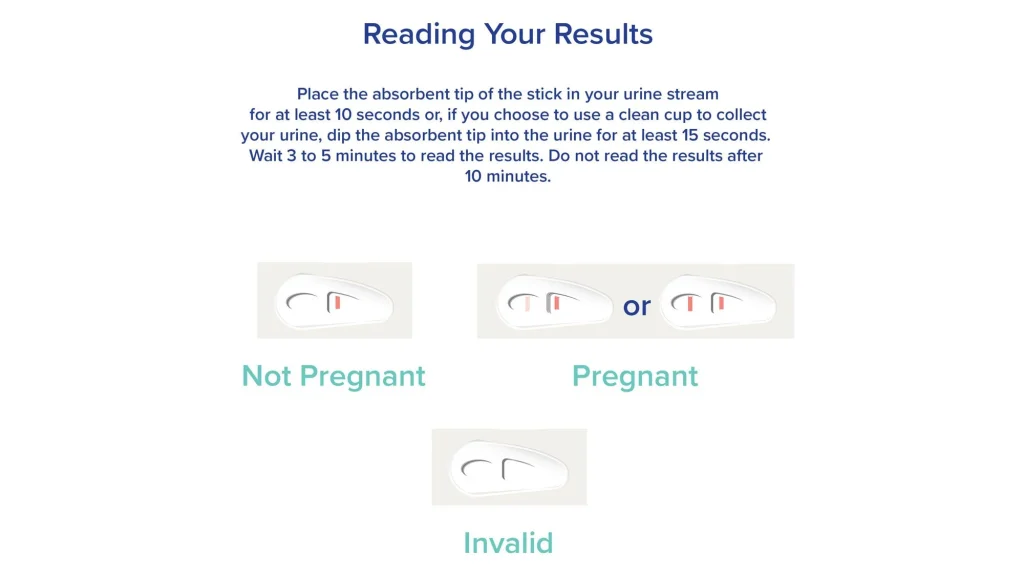
    Instructions for reading pregnancy test results with visual indicators for "Not Pregnant," "Pregnant," and "Invalid.

    Staying Hydrated for Better Cervical Mucus and Ovulation

    Now that we know how hydration can affect cervical mucus and ovulation, let’s discuss some practical tips to help you stay hydrated throughout the day.

    1. Drink Plenty of Water: The most obvious way to stay hydrated is by drinking plenty of water. The recommended daily intake of water is eight 8-ounce glasses, but this can vary depending on your activity level and climate. Remember to drink water throughout the day, not just when you feel thirsty.

    2. Eat Water-Rich Foods: In addition to water, you can also increase your fluid intake by eating water-rich foods such as fruits and vegetables. Cucumbers, watermelon, strawberries, and lettuce are some examples of water-rich foods that can help you stay hydrated.

    3. Avoid Dehydrating Drinks: Some beverages, such as caffeinated and alcoholic drinks, can dehydrate the body. Limit your intake of these drinks and opt for water or other hydrating fluids instead.

    4. Use a Hydration App: There are many hydration apps available that can help you track your water intake and remind you to drink water throughout the day. Some even allow you to set personalized goals based on your weight, activity level, and climate.

    5. Infuse Your Water: If you find plain water boring, you can infuse it with fruits, herbs, or vegetables to add some flavor. Not only does this make drinking water more enjoyable, but it also adds extra nutrients to your water.

    Conclusion

    Staying hydrated is essential for overall health, but it can also have a significant impact on your cervical mucus and ovulation. Adequate hydration can increase the quantity and improve the quality of cervical mucus, making it easier for sperm to reach and fertilize the egg. Keep these tips in mind and make sure to drink enough water to support your reproductive health.

    In summary, staying hydrated is crucial for optimal cervical mucus production and ovulation. Dehydration can lead to a decrease in cervical mucus and make it difficult for sperm to reach the egg. On the other hand, proper hydration can increase the quantity and improve the quality of cervical mucus, increasing your chances of conception. Remember to drink plenty of water, eat water-rich foods, and avoid dehydrating drinks to support your reproductive health.