Tag: ovulation

  • Dehydration and Cervical Mucus: How to Stay Hydrated for Optimal Fertility

    Blog Post:

    Dehydration and Cervical Mucus: How to Stay Hydrated for Optimal Fertility

    Dehydration is a common issue that affects many people, especially during the hot summer months. But did you know that dehydration can also have a significant impact on your fertility? Cervical mucus plays a crucial role in the fertility process, and when the body is dehydrated, it can have a negative effect on the quality and quantity of cervical mucus. In this blog post, we will explore the connection between dehydration and cervical mucus, and provide tips on how to stay hydrated for optimal fertility.

    Understanding Cervical Mucus and Its Role in Fertility

    Cervical mucus is a fluid produced by the cervix that plays a vital role in the fertility process. It acts as a protective barrier for sperm, helping them to survive and travel through the cervix to fertilize an egg. Cervical mucus also provides nutrients and energy to sperm, and helps to filter out any abnormal or unhealthy sperm.

    The consistency and quality of cervical mucus changes throughout a woman’s menstrual cycle, under the influence of hormones. During the non-fertile phase of the cycle, cervical mucus is thick and sticky, making it difficult for sperm to pass through. However, as a woman approaches ovulation, the hormone estrogen causes the cervical mucus to become thin and stretchy, creating a more hospitable environment for sperm to travel through and reach the egg.

    The Connection Between Dehydration and Cervical Mucus

    When the body is dehydrated, it means that there is not enough water in the body to carry out its essential functions. This includes the production of cervical mucus. When the body is dehydrated, it will try to conserve water by reducing the amount of fluids it produces. As a result, cervical mucus may become thicker and less stretchy, making it harder for sperm to swim through and reach the egg.

    Furthermore, dehydration can also affect the quality of cervical mucus. Lack of hydration can cause the mucus to become more acidic, which can be harmful to sperm. It can also lead to a decrease in the amount of cervical mucus produced, making it more difficult for sperm to survive and reach the egg.

    illustration of Mosie Baby home insemination kit highlighting seamless transfer and size features

    Dehydration and Cervical Mucus: How to Stay Hydrated for Optimal Fertility

    Tips for Staying Hydrated for Optimal Fertility

    The good news is that staying hydrated is a simple and effective way to improve the quality and quantity of cervical mucus and optimize fertility. Here are some tips to help you stay hydrated:

    1. Drink Plenty of Water: The most obvious and effective way to stay hydrated is to drink plenty of water throughout the day. Aim for at least 8-10 glasses of water per day, and more if you are physically active or in hot weather.

    2. Eat Water-Rich Foods: In addition to drinking water, you can also increase your fluid intake by eating foods that have a high water content, such as fruits and vegetables. Examples include watermelon, cucumber, celery, and lettuce.

    3. Avoid Dehydrating Drinks: Some drinks, such as alcohol, caffeinated beverages, and sugary drinks, can actually dehydrate the body. Limit your intake of these drinks and opt for water or herbal teas instead.

    4. Use a Humidifier: Dry air can also contribute to dehydration. Using a humidifier in your home can help to add moisture to the air and keep you hydrated.

    5. Monitor Your Urine: A simple way to check if you are well-hydrated is to monitor the color of your urine. If it is pale yellow or clear, it is a good indication that you are getting enough fluids. Dark-colored urine is a sign of dehydration.

    6. Listen to Your Body: Pay attention to your body’s signals and drink water when you feel thirsty. Thirst is a sign that your body needs more fluids, so don’t ignore it.

    Staying hydrated is not only important for optimal fertility, but it also has numerous other health benefits. By following these tips, you can ensure that your body has enough fluids to produce the right quality and quantity of cervical mucus, and increase your chances of conceiving.

    In summary, dehydration can have a negative impact on cervical mucus, which plays an essential role in the fertility process. By staying hydrated and following the tips mentioned above, you can improve the quality and quantity of cervical mucus and increase your chances of conception.


  • The Importance of Hydration for Cervical Mucus and Pregnancy

    The human body is an intricate and complex system, with each part playing a crucial role in maintaining overall health and wellness. One important aspect that often gets overlooked is hydration. Adequate hydration is essential for many bodily functions, including the production and quality of cervical mucus. This is especially important for women who are trying to conceive, as cervical mucus plays a significant role in fertility and pregnancy.

    Cervical mucus is a fluid produced by the cervix, the lower part of the uterus. It serves several purposes, such as helping sperm travel through the cervix and into the uterus, providing a protective barrier for the uterus, and indicating fertility. The amount, consistency, and quality of cervical mucus can change throughout a woman’s menstrual cycle, and it is affected by various factors, including hydration.

    When a woman is properly hydrated, her body can produce more cervical mucus, which is essential for fertility. During ovulation, the body produces a large amount of thin, watery cervical mucus, which helps sperm reach and fertilize the egg. In contrast, when a woman is dehydrated, her body may not produce enough cervical mucus, which can hinder sperm’s ability to reach the egg, making it more challenging to conceive.

    Furthermore, adequate hydration is crucial for the quality of cervical mucus. The consistency of cervical mucus can vary from thick and sticky to thin and watery, depending on the stage of the menstrual cycle. The ideal consistency for fertility is thin and watery, as it allows sperm to move freely and reach the egg. Dehydration can cause cervical mucus to become thick and sticky, making it difficult for sperm to travel and decreasing the chances of fertilization.

    Hydration also plays a vital role in the overall health of the cervix. The cervix is a muscle that needs to be well-hydrated to function correctly. When a woman is not adequately hydrated, the cervix may become dry and less elastic, making it difficult for sperm to pass through. Additionally, dehydration can cause the cervix to become inflamed, which can lead to cervical mucus production issues and hinder fertility.

    at-home insemination kit by Mosie Baby, featuring syringes, collection cups, and instructions on a pink background.

    The Importance of Hydration for Cervical Mucus and Pregnancy

    Furthermore, staying hydrated is essential for a healthy pregnancy. As soon as a woman becomes pregnant, her body begins producing more blood and fluids to support the developing baby. This increase in fluid volume can lead to dehydration if a woman is not drinking enough water. Dehydration during pregnancy can cause several complications, such as preterm labor, low amniotic fluid levels, and even birth defects. It can also increase the risk of developing conditions like preeclampsia, which can be dangerous for both the mother and the baby.

    In addition to its impact on cervical mucus and pregnancy, hydration is crucial for overall reproductive health. Proper hydration helps regulate the menstrual cycle and hormonal balance, which are essential for fertility. It also aids in the production of cervical fluid, which can help prevent vaginal dryness and discomfort during intercourse. Staying hydrated can also help reduce the risk of urinary tract infections, which can cause complications during pregnancy.

    So, how much water should a woman drink to stay hydrated for optimal cervical mucus production and fertility? The recommended daily intake of water for women is about 2.7 liters, which may vary depending on factors such as activity level, climate, and overall health. However, it’s essential to listen to your body and drink enough water to stay hydrated throughout the day. A good indicator of adequate hydration is the color of urine, which should be pale yellow or clear. Darker urine may be a sign of dehydration, and it’s essential to increase water intake.

    In addition to drinking water, it’s also essential to consume foods with high water content, such as fruits and vegetables. These foods not only provide hydration but also essential nutrients that support reproductive health and fertility.

    In conclusion, hydration is essential for the production and quality of cervical mucus, which plays a vital role in fertility and pregnancy. A well-hydrated body can produce the ideal consistency of cervical mucus, making it easier for sperm to reach the egg and increasing the chances of conception. Adequate hydration is also crucial for the health of the cervix and overall reproductive health. Additionally, staying hydrated during pregnancy is essential for the development and well-being of the baby. Therefore, it’s crucial for women to prioritize hydration in their daily routine for optimal reproductive health.

  • The Importance of Cervical Mucus in Supporting a Healthy Pregnancy Journey

    Summary:

    hand holding a pregnancy test with instructions on a colorful background

    The Importance of Cervical Mucus in Supporting a Healthy Pregnancy Journey

    Cervical mucus is a vital part of a woman’s reproductive system and plays a crucial role in supporting a healthy pregnancy journey. This clear or milky fluid, produced by the cervix, helps to facilitate the sperm’s journey to the egg and provides an ideal environment for fertilization. Additionally, cervical mucus can serve as an indicator of ovulation and fertility, making it an essential tool for women trying to conceive. Throughout pregnancy, changes in cervical mucus can also provide information about the health of the pregnancy and the baby’s development. In this blog post, we will delve into the importance of cervical mucus in supporting a healthy pregnancy journey and how to monitor and maintain optimal cervical mucus levels.

  • Cervical Mucus: A Guide to Understanding Your Body’s Signals During Pregnancy

    Blog Post:

    Cervical mucus is a natural and important part of a woman’s reproductive system that plays a crucial role in fertility and pregnancy. It is often overlooked or misunderstood, but understanding cervical mucus can help women better understand their bodies and maximize their chances of conceiving.

    But first, let’s understand what cervical mucus actually is. Cervical mucus is a fluid produced by the cells in the cervix, the lower part of the uterus that connects to the vagina. The consistency and amount of cervical mucus can vary throughout a woman’s menstrual cycle, and can also be influenced by factors such as hormonal changes, medications, and sexual arousal.

    During pregnancy, cervical mucus takes on a new role as a sign of fertility and a key indicator of hormonal changes in the body. In this blog post, we’ll take a closer look at cervical mucus during pregnancy and how it can provide valuable insights into a woman’s reproductive health.

    Signs of Ovulation

    Before we dive into cervical mucus during pregnancy, it’s important to understand its role in ovulation. Throughout a woman’s menstrual cycle, the consistency and amount of cervical mucus changes, with the most fertile mucus occurring around ovulation. This fertile mucus is typically clear, stretchy, and slippery, resembling the texture of raw egg whites.

    This type of mucus helps sperm travel through the cervix and into the uterus, increasing the chances of fertilization. Therefore, tracking changes in cervical mucus can be a useful tool for women who are trying to conceive.

    Cervical Mucus during Pregnancy

    Once a woman becomes pregnant, her cervical mucus continues to change, reflecting the hormonal changes in her body. In the early stages of pregnancy, cervical mucus may become thicker and more abundant, creating a mucus plug that seals off the cervix and protects the developing fetus.

    guide and materials for using Mosie Baby fertility kit on a textured surface

    Cervical Mucus: A Guide to Understanding Your Body's Signals During Pregnancy

    As pregnancy progresses, cervical mucus may become even thicker and may also take on a pink or brownish color. This is known as “bloody show” and is a sign that the cervix is beginning to thin and dilate in preparation for labor.

    Monitoring Cervical Mucus during Pregnancy

    Paying attention to changes in cervical mucus during pregnancy can provide valuable information about a woman’s reproductive health. It can also help identify potential problems or complications that may arise.

    For example, if a woman experiences a sudden change in the consistency or color of her cervical mucus, it could be a sign of infection or other health issue that needs to be addressed by a healthcare provider. Additionally, if a woman notices a decrease in cervical mucus during pregnancy, it could indicate a potential issue with the cervical mucus plug.

    It’s important to note that every woman’s body is different, so there is no one-size-fits-all approach to monitoring cervical mucus during pregnancy. However, keeping track of changes and discussing them with a healthcare provider can help ensure a healthy pregnancy.

    Conclusion

    Cervical mucus is an important aspect of a woman’s reproductive system, and its changes can provide valuable information about fertility and pregnancy. Understanding the role of cervical mucus and paying attention to its changes can help women better understand their bodies and identify potential issues during pregnancy.

    If you are trying to conceive or are already pregnant, it’s important to pay attention to changes in your cervical mucus and discuss them with your healthcare provider. By understanding and monitoring cervical mucus, you can be more in tune with your body and make informed decisions about your reproductive health.

    Summary:

    Cervical mucus is a fluid produced by the cervix that plays a crucial role in fertility and pregnancy. It changes throughout a woman’s menstrual cycle, with the most fertile mucus occurring around ovulation. During pregnancy, cervical mucus continues to change and can provide valuable insights into a woman’s reproductive health. Changes in cervical mucus can indicate potential issues and should be discussed with a healthcare provider. By understanding and monitoring cervical mucus, women can better understand their bodies and make informed decisions about their reproductive health.

  • Using Cervical Mucus Changes to Confirm Pregnancy and Track Your Baby’s Development

    Blog Post:

    Pregnancy is a life-changing experience for women, and tracking its progress is essential for both the health of the mother and the baby. One way to monitor pregnancy is through cervical mucus changes. This natural bodily function can provide valuable information about a woman’s fertility, ovulation, and even confirm pregnancy. In this blog post, we will explore how cervical mucus changes can be used to confirm pregnancy and track the development of your baby.

    What is Cervical Mucus?

    Cervical mucus is a fluid secreted by the cervix, the entrance to the uterus. It plays a vital role in the reproductive system, especially in pregnancy. The consistency and amount of cervical mucus change throughout a woman’s menstrual cycle due to hormonal fluctuations.

    During the first half of the menstrual cycle, the cervix produces thicker mucus that prevents the sperm from entering the uterus. As ovulation approaches, the cervical mucus becomes thinner and more elastic, creating a favorable environment for sperm to travel through and fertilize the egg. After ovulation, the mucus thickens again, acting as a barrier to prevent further sperm from entering.

    Using Cervical Mucus Changes to Confirm Pregnancy

    Cervical mucus changes can be a useful tool in confirming pregnancy. After fertilization, the egg implants itself in the uterine lining, triggering the production of the hormone human chorionic gonadotropin (hCG). This hormone stimulates the cervix to produce more mucus, which can be noticed by a woman as a thicker, more abundant discharge.

    To track cervical mucus changes, a woman can perform a daily self-check by using her fingers to observe the consistency and color of the mucus. In early pregnancy, the cervical mucus may appear creamy or milky white and may have a slightly sweet smell.

    Another method to confirm pregnancy through cervical mucus changes is the “stretch test.” This involves gently pulling a small amount of cervical mucus between the fingers. If the mucus stretches without breaking and has a slippery, egg-white consistency, it could be a sign of early pregnancy.

    Tracking Your Baby’s Development with Cervical Mucus Changes

    Aside from confirming pregnancy, cervical mucus changes can also provide valuable information about the development of the baby. As the pregnancy progresses, the amount and consistency of cervical mucus continue to change.

    sperm-ready insemination kit with a syringe and container, featuring a screw top lid and non-tip safety wall

    Using Cervical Mucus Changes to Confirm Pregnancy and Track Your Baby's Development

    In the first trimester, the cervical mucus may increase in quantity and become thicker due to the increased production of estrogen. This is also the time when the cervix begins to soften and open in preparation for labor.

    During the second trimester, the cervical mucus may decrease in quantity due to the increased blood flow to the cervix. However, it may still be present in smaller amounts and have a thicker consistency.

    In the third trimester, the cervical mucus may return to a thinner, more elastic state as the body prepares for labor. The mucus plug, which serves as a protective barrier for the baby, may also be released during this time.

    By tracking the changes in cervical mucus, women can get an idea of how their baby is developing and prepare for the changes that come with each trimester.

    Other Benefits of Tracking Cervical Mucus Changes

    Aside from confirming pregnancy and tracking your baby’s development, there are other benefits to tracking cervical mucus changes. It can also help in predicting ovulation, which is essential for couples trying to conceive. By monitoring the changes in cervical mucus, women can determine the most fertile days of their menstrual cycle and increase their chances of getting pregnant.

    Moreover, tracking cervical mucus changes can also help in identifying any potential issues with fertility. If a woman notices a significant decrease in cervical mucus or a change in its consistency, it could be a sign of hormonal imbalances or other underlying conditions that may affect fertility.

    In some cases, women may also notice changes in cervical mucus during early pregnancy that may indicate a potential problem, such as a miscarriage or infection. By paying attention to these changes, women can seek medical help early on and prevent any complications.

    In conclusion, tracking cervical mucus changes can provide valuable information about pregnancy and the development of the baby. It is a natural and simple method that can be done at home, making it an accessible tool for all women. By understanding the changes in cervical mucus and how to use it to confirm pregnancy and track your baby’s development, women can have a better understanding of their bodies and ensure a healthy pregnancy.

    Summary:

    Cervical mucus changes can be used to confirm pregnancy and track the development of your baby. This natural bodily function is affected by hormonal fluctuations and can provide valuable information about fertility, ovulation, and any potential issues during pregnancy. By monitoring the changes in cervical mucus, women can confirm pregnancy, predict ovulation, and identify any potential problems. It is a simple and accessible tool that can provide a better understanding of one’s body and ensure a healthy pregnancy.

  • The Impact of Stress on Cervical Mucus Changes During Pregnancy

    Blog Post:

    Pregnancy is a beautiful and transformative experience for women, but it also comes with its fair share of challenges and changes. One aspect that is often overlooked is the impact of stress on cervical mucus changes during pregnancy. Cervical mucus is a vital component of fertility and plays a crucial role in conception and pregnancy. In this blog post, we will discuss the connection between stress and cervical mucus changes during pregnancy and its potential implications.

    Understanding Cervical Mucus and Its Role in Pregnancy

    Before we dive into the impact of stress on cervical mucus changes during pregnancy, it’s essential to understand what cervical mucus is and its role in pregnancy. Cervical mucus is a fluid produced by the cervix that helps sperm travel through the reproductive tract to reach the egg. It also helps to nourish and protect sperm and plays a vital role in the fertilization process.

    During pregnancy, cervical mucus also changes to create a plug that seals the opening of the cervix, protecting the developing baby from harmful bacteria and infections. It also helps to keep the uterus and cervix moist and lubricated, making it easier for the baby to move through the birth canal during delivery.

    The Impact of Stress on Cervical Mucus Changes During Pregnancy

    Pregnancy is a time of significant changes for a woman’s body, both physically and emotionally. Stress is a common part of life, but during pregnancy, it can have a more significant impact due to the hormonal changes and increased demands on the body. Stress can affect the body in various ways, and one of those ways is by altering cervical mucus production and quality.

    Stress can cause the body to produce more cortisol, a hormone that can disrupt the delicate balance of hormones responsible for cervical mucus production. Cortisol can also lead to inflammation in the cervix, which can affect the quality and quantity of cervical mucus. It can also make the mucus thicker and stickier, making it more difficult for sperm to reach the egg.

    Furthermore, stress can also affect the timing of ovulation, which can impact the quality of cervical mucus. Ovulation is the release of an egg from the ovary, which is necessary for conception. Stress can delay or even prevent ovulation, which can lead to changes in cervical mucus production and quality.

    Implications of Stress-Induced Cervical Mucus Changes During Pregnancy

    Baby wearing a blue shirt with "made with Love" text, surrounded by colorful floral and butterfly designs.

    The Impact of Stress on Cervical Mucus Changes During Pregnancy

    The changes in cervical mucus due to stress can have implications for women trying to conceive and their overall pregnancy experience. If the mucus is thicker and stickier, it can make it more challenging for sperm to reach the egg, reducing the chances of conception. Additionally, inflammation in the cervix can make it more difficult for the fertilized egg to implant in the uterus, leading to a higher risk of miscarriage.

    Moreover, stress-induced changes in cervical mucus can affect the timing of ovulation, making it difficult to track the most fertile days for conception. This can lead to frustration and disappointment for women trying to conceive. It can also have implications for the accuracy of fertility tracking methods, such as basal body temperature and ovulation predictor kits.

    How to Reduce Stress During Pregnancy

    Reducing stress during pregnancy is essential for both the mother and the developing baby. While it’s not possible to eliminate all stress, there are ways to manage and reduce it. Here are some tips for reducing stress during pregnancy:

    1. Practice relaxation techniques: Deep breathing, meditation, and yoga can help to calm the mind and body.

    2. Get enough rest: Pregnancy can be tiring, so it’s essential to get enough rest and sleep to recharge.

    3. Eat a healthy diet: A well-balanced diet can provide the necessary nutrients to support the body during pregnancy and reduce stress.

    4. Exercise: Regular physical activity can help to reduce stress and improve overall well-being.

    5. Seek support: Talking to loved ones, joining a support group, or seeking professional help can provide emotional support and guidance during pregnancy.

    In summary, stress can have a significant impact on cervical mucus changes during pregnancy. It can lead to changes in the quantity and quality of cervical mucus, affecting fertility and the overall pregnancy experience. It’s crucial for pregnant women to find ways to manage and reduce stress to support their physical and emotional well-being.

  • The Link Between Cervical Mucus and Pregnancy Hormones

    Blog Post:

    For many couples trying to conceive, understanding the link between cervical mucus and pregnancy hormones is crucial. Cervical mucus, also known as cervical fluid, is a natural bodily fluid produced by the cervix. It plays a vital role in the reproductive process and can provide valuable insights into a woman’s fertility. In this blog post, we will explore the connection between cervical mucus and pregnancy hormones and how it affects a woman’s chances of getting pregnant.

    Cervical mucus is not a stranger to most women. It is the sticky or slippery discharge that can be found in the vagina throughout the menstrual cycle. It is produced by the cervix in response to the changing levels of hormones in a woman’s body. The cervix is the lower part of the uterus that connects to the vagina, and it acts as the gateway between the two. Cervical mucus is responsible for creating a hospitable environment for sperm to reach and fertilize the egg.

    During the menstrual cycle, a woman’s body goes through many changes, including fluctuations in hormone levels. These hormones include estrogen, progesterone, follicle-stimulating hormone (FSH), and luteinizing hormone (LH). Each of these hormones plays a crucial role in preparing the body for pregnancy. As the levels of these hormones change, they also affect the production and quality of cervical mucus.

    At the beginning of the menstrual cycle, just after a woman finishes her period, estrogen levels start to rise. This increase in estrogen stimulates the cervix to produce more cervical mucus. The mucus is typically thick, sticky, and not very hospitable to sperm. As the estrogen levels continue to rise, the mucus starts to become more watery and stretchy, creating a more fertile environment for sperm to survive and travel through.

    mosie baby logo featuring a heart and leaves in blue, pink, and green colors.

    The Link Between Cervical Mucus and Pregnancy Hormones

    Around the time of ovulation, the levels of estrogen peak, and the cervix produces the most fertile type of cervical mucus. This type of mucus is known as “egg white” cervical mucus due to its appearance. It is clear, slippery, and stretchy, with a consistency similar to raw egg whites. This type of mucus is ideal for sperm to travel through and can help them survive for up to five days inside the reproductive tract.

    After ovulation, estrogen levels decrease, and progesterone levels start to rise. This shift in hormones causes the cervical mucus to change again. The mucus becomes thicker, stickier, and less hospitable to sperm, creating a barrier that prevents them from reaching the egg. This change in cervical mucus is one of the reasons why it is more challenging to get pregnant during this stage of the menstrual cycle.

    If fertilization does not occur, the levels of estrogen and progesterone drop, and the thick mucus is shed along with the uterus lining during menstruation. However, if fertilization does occur, progesterone levels continue to rise, and the mucus remains thick, creating a plug that seals the cervix and protects the developing embryo from harmful bacteria.

    Aside from its role in fertility, monitoring cervical mucus can also provide valuable insights into a woman’s reproductive health. Changes in the amount, color, and consistency of cervical mucus can be signs of hormonal imbalances or underlying health issues that may affect fertility. For example, women with polycystic ovary syndrome (PCOS) may produce less cervical mucus due to imbalances in their levels of estrogen and progesterone.

    In addition to monitoring cervical mucus, tracking basal body temperature and using ovulation predictor kits can also help women determine their most fertile days. However, understanding the connection between cervical mucus and pregnancy hormones is a natural and cost-effective way to increase the chances of getting pregnant.

    In summary, cervical mucus and pregnancy hormones are closely linked, and changes in mucus consistency can provide valuable information about a woman’s fertility. Estrogen and progesterone play crucial roles in the production and quality of cervical mucus, and monitoring these changes can help women determine their most fertile days. By understanding the connection between cervical mucus and pregnancy hormones, couples can increase their chances of conceiving and embark on the journey towards parenthood.

  • How to Use Cervical Mucus Changes to Predict Your Most Fertile Days

    Summary:

    Cervical mucus changes are a natural and reliable way to predict your most fertile days and increase your chances of getting pregnant. By understanding the different types of cervical mucus and how they correspond to your menstrual cycle, you can track your fertility window and plan for conception. In this blog post, we will discuss the importance of cervical mucus, how to identify the different types, and how to use this knowledge to predict your most fertile days.

    Firstly, it is essential to understand what cervical mucus is and its purpose in the female reproductive system. Cervical mucus is a fluid produced by the cervix that helps sperm travel through the reproductive tract to reach the egg. It also acts as a protective barrier against bacteria and other harmful substances. When a woman is not ovulating, her cervical mucus is thicker and prevents sperm from entering the uterus. However, as ovulation approaches, the mucus becomes thinner and more conducive to sperm survival and movement.

    There are four main types of cervical mucus: dry, sticky, creamy, and egg white. Dry and sticky mucus are considered non-fertile as they do not allow sperm to pass through. Creamy mucus is a sign that ovulation may be approaching, but it is still not conducive to sperm survival. The most fertile type of cervical mucus is egg white mucus, which has a clear and slippery consistency, similar to raw egg whites. This type of mucus indicates that ovulation is approaching, and it is the ideal environment for sperm to survive and travel to the egg.

    pregnancy test kit with instructions, test device, and packaging on a white background

    How to Use Cervical Mucus Changes to Predict Your Most Fertile Days

    Now that you know the different types of cervical mucus, the next step is to track and observe changes in your mucus throughout your menstrual cycle. It is best to start tracking from the first day of your period and continue until the next period begins. You can use a fertility tracking app, a fertility chart, or simply observe your mucus on a daily basis. The most fertile days are the days leading up to and including the day of egg white mucus. This is known as the “fertile window,” and it typically lasts for about six days, with the highest chance of conception occurring on the day of egg white mucus.

    It is important to note that every woman’s body is different, and the length of the fertile window may vary from person to person. Factors such as stress, illness, and certain medications can also affect the quality and quantity of cervical mucus. It is crucial to pay attention to your body and track any changes in your mucus to get a better understanding of your unique fertility pattern.

    In addition to tracking cervical mucus changes, there are other methods you can use to confirm ovulation and maximize your chances of getting pregnant. These include tracking basal body temperature, using ovulation predictor kits, and monitoring changes in the position and firmness of the cervix. Combining these methods with cervical mucus tracking can provide a more accurate prediction of ovulation and increase the chances of conception.

    In conclusion, understanding and tracking cervical mucus changes can be a helpful and natural way to predict your most fertile days and increase your chances of getting pregnant. It is crucial to remember that fertility tracking is not an exact science, and there may be variations in your cycle from month to month. However, by paying attention to your body and using the knowledge of cervical mucus changes, you can better plan for conception and take control of your fertility journey.

  • Cervical Mucus: A Window into Your Fertility and Pregnancy Health

    Cervical mucus is a natural and important substance produced by the cervix that plays a crucial role in fertility and pregnancy health. Often overlooked and misunderstood, cervical mucus is a valuable tool for tracking ovulation and identifying potential issues with fertility or pregnancy. In this blog post, we will explore the importance of cervical mucus, how it changes throughout the menstrual cycle, and how it can provide insight into a woman’s reproductive health.

    Cervical mucus, also known as cervical fluid, is a gel-like substance produced by glands in the cervix. It serves as a protective barrier for the uterus and acts as a transportation system for sperm to reach the egg. Cervical mucus also provides necessary nutrients and creates an environment that is conducive to fertilization. Without the presence of fertile cervical mucus, sperm may not survive long enough to reach the egg, hindering the chances of conception.

    The consistency and amount of cervical mucus changes throughout a woman’s menstrual cycle, with the most significant changes occurring during ovulation. At the beginning of the cycle, after menstruation, the cervix produces very little mucus, which is thick, sticky, and may appear cloudy or white. This type of mucus is not conducive to pregnancy as it can trap sperm and hinder their movement. As ovulation approaches, estrogen levels increase, causing the cervix to produce more mucus. This fertile cervical mucus is thin, slippery, and stretchy, resembling the consistency of egg whites. It is designed to aid sperm in their journey to the egg and can keep them alive for up to five days.

    Tracking changes in cervical mucus can help women identify their fertile window, the time when they are most likely to conceive. By monitoring the consistency and amount of cervical mucus, women can pinpoint the best time to have intercourse for optimal chances of pregnancy. Additionally, tracking cervical mucus can also help identify potential fertility issues. For example, women with low levels of fertile cervical mucus may have difficulty conceiving due to insufficient lubrication for sperm to reach the egg.

    Cervical mucus also plays a vital role in pregnancy health. After conception, the cervix starts producing a thick, sticky mucus plug that seals the entrance of the uterus. This mucus plug protects the developing embryo from infections and foreign substances. As pregnancy progresses, the cervix continues to produce mucus, which forms a protective barrier between the baby and the outside world.

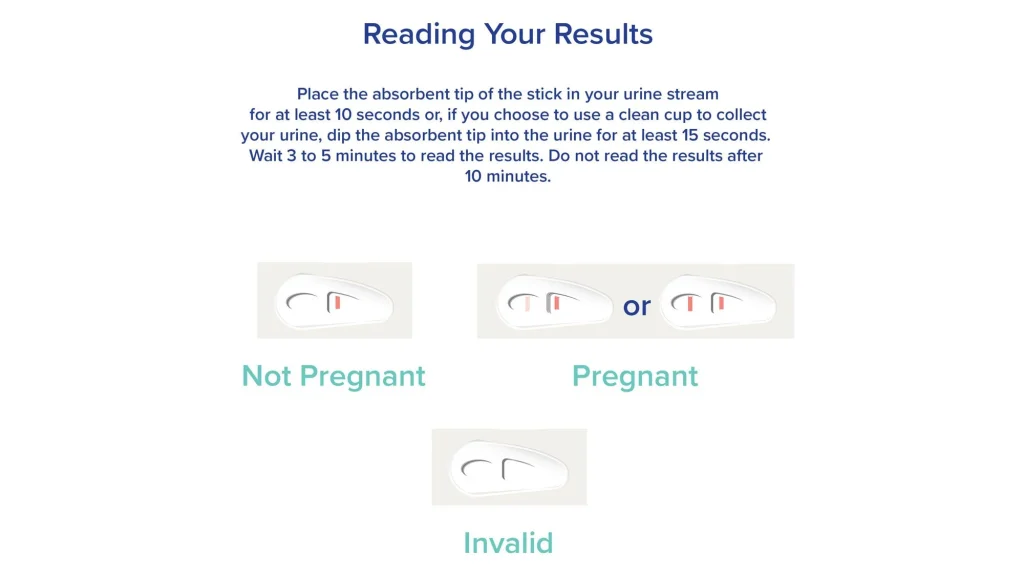
    Instructions for reading pregnancy test results with visual indicators for "Not Pregnant," "Pregnant," and "Invalid.

    Cervical Mucus: A Window into Your Fertility and Pregnancy Health

    The color and consistency of cervical mucus can also provide valuable insights into a woman’s pregnancy health. For instance, if the mucus appears yellow or green, it could be a sign of an infection. If the mucus is pink or red, it could indicate signs of cervical irritation or bleeding, which should be evaluated by a healthcare provider. It is essential to pay attention to any changes in cervical mucus during pregnancy and report them to a doctor if necessary.

    In addition to tracking changes in cervical mucus, women can also use other methods to monitor their fertility and pregnancy health. One common method is basal body temperature (BBT) charting, which involves tracking daily basal body temperature to identify the fertile window. Women can also use ovulation predictor kits (OPKs) to detect the surge in luteinizing hormone (LH) that occurs just before ovulation. However, these methods are not always accurate, and tracking cervical mucus can provide a more reliable and natural approach.

    In conclusion, cervical mucus is an essential indicator of fertility and pregnancy health. By tracking changes in cervical mucus, women can identify their fertile window, pinpoint potential fertility issues, and monitor their pregnancy health. It is crucial to pay attention to any changes in cervical mucus and consult a healthcare provider if necessary. With a better understanding of the role of cervical mucus, women can take charge of their reproductive health and increase their chances of conceiving and maintaining a healthy pregnancy.

    Summary:

    Cervical mucus is a gel-like substance produced by the cervix that plays a crucial role in fertility and pregnancy health. It serves as a protective barrier for the uterus, aids in sperm transportation, and provides necessary nutrients for fertilization. The consistency and amount of cervical mucus change throughout the menstrual cycle, with the most significant changes occurring during ovulation. Tracking changes in cervical mucus can help women identify their fertile window, pinpoint potential fertility issues, and monitor pregnancy health. It is crucial to pay attention to any changes in cervical mucus and consult a healthcare provider if necessary for a better understanding of reproductive health.

  • Tracking Cervical Mucus for a Successful Pregnancy Journey

    Tracking Cervical Mucus for a Successful Pregnancy Journey

    Pregnancy is a journey filled with excitement and anticipation, but it can also be a journey filled with challenges and uncertainties. For couples trying to conceive, the process can be overwhelming and stressful. However, one simple yet effective way to increase the chances of a successful pregnancy journey is by tracking cervical mucus.

    Cervical mucus, also known as cervical fluid, is a secretion produced by the cells in the cervix. It plays a vital role in the process of conception by helping sperm reach and fertilize the egg. By tracking changes in cervical mucus, women can gain valuable insights into their fertility and optimize their chances of getting pregnant.

    In this blog post, we will explore the importance of tracking cervical mucus for a successful pregnancy journey, how to do it effectively, and what to expect during different phases of the menstrual cycle.

    Why is Tracking Cervical Mucus Important?

    Cervical mucus is a crucial indicator of a woman’s fertility. It changes throughout the menstrual cycle, responding to hormonal fluctuations. By tracking these changes, women can determine their most fertile days and time intercourse accordingly. This can significantly increase the chances of conception.

    Furthermore, tracking cervical mucus can also help identify any potential fertility issues. For example, if a woman does not produce enough fertile mucus, it could indicate a problem with ovulation or a hormonal imbalance. By identifying these issues, women can seek medical assistance and improve their chances of getting pregnant.

    How to Track Cervical Mucus?

    The best way to track cervical mucus is by using the observation method. This involves checking the appearance and consistency of cervical mucus on a daily basis and recording it in a fertility chart. Here’s how to do it:

    1. Wash your hands thoroughly before checking for cervical mucus.

    2. Check for cervical mucus by inserting a clean finger into the vagina and swiping it along the walls of the vagina.

    3. Observe the color, texture, and consistency of the mucus. During the most fertile days of the cycle, cervical mucus is typically clear, stretchy, and resembles raw egg whites.

    4. Record your observations in a fertility chart. You can use a paper chart or an app to track your cervical mucus.

    hands using a blue syringe to extract contents from a clear container for a home insemination kit

    Tracking Cervical Mucus for a Successful Pregnancy Journey

    What to Expect During Different Phases of the Menstrual Cycle?

    The menstrual cycle consists of two phases: the follicular phase and the luteal phase. The follicular phase starts on the first day of the menstrual cycle and ends with ovulation, while the luteal phase starts after ovulation and ends with the start of the next period.

    Follicular Phase: During this phase, estrogen levels rise, stimulating the production of cervical mucus. The mucus will be sticky and white, gradually becoming clearer and stretchier as ovulation approaches.

    Ovulation: This is the most fertile time of the menstrual cycle. Cervical mucus will be clear, stretchy, and slippery, making it easier for sperm to swim through and fertilize the egg.

    Luteal Phase: After ovulation, progesterone levels increase, causing cervical mucus to become thick and sticky. This mucus acts as a barrier to prevent sperm from entering the cervix.

    What are the Different Types of Cervical Mucus?

    Throughout the menstrual cycle, cervical mucus can vary in appearance and consistency. Here are the different types of cervical mucus and what they mean:

    1. Dry or Sticky: This type of mucus is not fertile and indicates that ovulation is not imminent.

    2. Creamy: This type of mucus is thicker than dry or sticky mucus and is a sign that ovulation is approaching.

    3. Watery: This type of mucus is more fluid and fertile than creamy mucus but not as stretchy as egg white mucus. It indicates that ovulation is near.

    4. Egg White: This type of mucus is the most fertile and resembles raw egg whites. It is stretchy, slippery, and clear, making it easier for sperm to reach the egg.

    5. Brown or Pink: This type of mucus can occur at any time during the menstrual cycle and may indicate implantation bleeding, ovulation spotting, or the start of your period.

    In conclusion, tracking cervical mucus is a simple yet effective way to increase the chances of a successful pregnancy journey. By understanding the changes in cervical mucus throughout the menstrual cycle, women can determine their most fertile days and optimize their chances of conceiving. If you are trying to get pregnant, start tracking your cervical mucus today and embark on your journey towards parenthood with confidence.