Tag: syringe insemination

  • Syringe Insemination and the Role of Ovulation Tracking: What You Need to Know

    Syringe Insemination and the Role of Ovulation Tracking: What You Need to Know

    Syringe insemination, also known as artificial insemination, is a method of assisted reproduction that involves inserting sperm directly into the cervix or uterus of a woman in order to facilitate fertilization. This technique has been used for decades and has helped many couples to successfully conceive a child. However, in recent years, there has been a growing interest in using syringe insemination for women who are trying to conceive without a partner or who are part of same-sex relationships. In order to increase the chances of success, many people are also turning to ovulation tracking as a way to optimize the timing of the insemination. In this blog post, we will explore the ins and outs of syringe insemination, the role of ovulation tracking, and what you need to know if you are considering this method for starting or growing your family.

    Understanding Syringe Insemination

    Syringe insemination is a relatively simple and non-invasive procedure that can be performed at home or in a medical setting. The process involves collecting semen from a partner or a sperm donor and using a syringe to insert it into the cervix or uterus of the woman. It is important to note that the semen used for syringe insemination needs to be processed and prepared in a laboratory first, in order to remove any impurities or dead sperm. This process is known as washing the sperm and it helps to increase the chances of fertilization.

    The success rate of syringe insemination varies depending on various factors such as the age and health of the woman, the quality of the sperm, and the timing of the insemination. On average, the success rate is around 20% per cycle, which is slightly lower than other assisted reproductive techniques such as intrauterine insemination (IUI) or in vitro fertilization (IVF). However, this method is still a popular choice for many couples due to its simplicity and affordability.

    Who Can Benefit from Syringe Insemination?

    Syringe insemination is most commonly used by couples who are struggling with male infertility, such as low sperm count or poor sperm motility. It can also be a viable option for single women or same-sex couples who are looking to start a family. For these individuals, syringe insemination can offer a way to conceive without having to go through expensive and invasive fertility treatments.

    Additionally, syringe insemination can also be a good option for women who have irregular or absent ovulation. By inserting the sperm directly into the uterus, it bypasses the need for the sperm to swim through the cervix and increases the chances of fertilization. This makes it a popular choice for women with conditions such as polycystic ovary syndrome (PCOS) or endometriosis.

    The Role of Ovulation Tracking

    Hands holding a syringe and a small container against a blue background.

    Syringe Insemination and the Role of Ovulation Tracking: What You Need to Know

    Ovulation tracking, also known as fertility tracking or ovulation prediction, is the process of monitoring a woman’s menstrual cycle in order to determine the most fertile days for conception. This can be done through various methods such as tracking basal body temperature, monitoring changes in cervical mucus, or using ovulation predictor kits.

    For women who are using syringe insemination, ovulation tracking is crucial in order to optimize the timing of the insemination. Unlike natural conception, where sperm can survive in the reproductive tract for up to 5 days, the lifespan of sperm used in syringe insemination is much shorter. Therefore, it is important to accurately predict ovulation and perform the insemination at the right time for the best chances of success.

    Ovulation tracking can also be beneficial for women who have irregular cycles or who are not sure when they ovulate. By tracking their cycles, they can identify any potential issues or irregularities that may require medical intervention. In some cases, ovulation-inducing medications may be prescribed to help regulate ovulation and increase the chances of successful insemination.

    Things to Consider Before Choosing Syringe Insemination

    While syringe insemination can be a great option for many couples, there are a few things to consider before choosing this method of assisted reproduction. Firstly, it is important to understand that syringe insemination does not guarantee pregnancy and may require multiple attempts before success is achieved. It is also important to have realistic expectations and be prepared for any potential emotional and financial challenges that may arise.

    It is also important to seek professional guidance and support when considering syringe insemination. Consulting with a fertility specialist can help to identify any potential issues and ensure that the process is done safely and effectively. Additionally, seeking emotional support from a therapist or support group can also be beneficial, especially for couples who may be dealing with the stress and emotions of infertility.

    In conclusion, syringe insemination is a viable option for many couples and individuals who are trying to conceive. When combined with ovulation tracking, it can increase the chances of success and offer a less invasive and more affordable alternative to other assisted reproductive techniques. However, it is important to carefully consider all aspects and consult with a medical professional before making a decision. With the right support and guidance, syringe insemination can be a step towards fulfilling the dream of starting or growing a family.

    Summary:

    Syringe insemination, also known as artificial insemination, is a method of assisted reproduction that involves inserting sperm directly into the cervix or uterus of a woman. It is commonly used by couples struggling with male infertility, single women, and same-sex couples. Ovulation tracking is crucial for optimizing the timing of the insemination, and it can also be beneficial for women with irregular cycles. However, there are important factors to consider before choosing syringe insemination, such as success rates, realistic expectations, and seeking professional guidance and emotional support. With the right support, this method can be a viable option for starting or growing a family.


  • The Emotional Journey of Using a Syringe Insemination Collection

    The Emotional Journey of Using a Syringe Insemination Collection:

    The process of trying to conceive can be a rollercoaster of emotions for couples. Whether they are struggling with infertility or simply wanting to expand their family, the journey can be overwhelming and unpredictable. One option for conception is using a syringe insemination collection, also known as intrauterine insemination (IUI). This procedure can have a significant emotional impact on both the individual undergoing the procedure and their partner. In this blog post, we will explore the emotional journey of using a syringe insemination collection and how to cope with the ups and downs.

    The initial decision to undergo a syringe insemination collection can be a daunting and emotional one. For many couples, this is not their first choice for conception and may come after months or even years of trying to conceive naturally. It can be a difficult decision to make, as it involves medical intervention and can come with a hefty price tag. The process of choosing a donor, whether it is a known or anonymous donor, can also bring up a range of emotions. Couples may feel a sense of loss or disappointment that they are not able to conceive with their partner’s genetic material. This decision can also bring up questions about identity and family dynamics.

    As the procedure approaches, individuals may experience a mix of excitement and anxiety. The hope of finally becoming pregnant can be overwhelming, but the fear of potential disappointment can also be present. It is important for couples to communicate their feelings and support each other through this emotional time. Seeking support from friends, family, or a therapist can also be helpful in managing these emotions.

    The day of the procedure can be filled with a mix of nerves and anticipation. The actual process of collecting the sperm with a syringe can be uncomfortable and even painful for some individuals. This can bring up feelings of vulnerability and helplessness. It is important for individuals to communicate any discomfort or concerns with their healthcare provider to ensure that the procedure is as comfortable as possible. Partners can also play a crucial role in providing emotional support during this process.

    Mosie Baby At-Home Insemination Kit instructions and storage guidelines on a blue background.

    The Emotional Journey of Using a Syringe Insemination Collection

    After the procedure, couples may experience a range of emotions as they wait for the results. The two-week wait, as it is commonly referred to, can be a time of intense emotions. The hope of finally becoming pregnant can be mixed with the fear of another negative result. It is common for individuals to experience anxiety, sadness, and even anger during this time. Partners can once again play a crucial role in providing emotional support and understanding during this waiting period.

    If the procedure is successful and the individual becomes pregnant, it can bring a wave of joy and relief. However, this can also be a time of uncertainty and worry. The first trimester of pregnancy is a critical time, and individuals may experience anxiety about the health of the pregnancy. It is important for couples to continue to communicate and support each other during this time. Seeking support from a therapist or joining a support group for individuals going through similar experiences can also be beneficial.

    If the procedure is unsuccessful, it can be a devastating blow for couples. The emotional toll of infertility and failed attempts at conception can be overwhelming. It is important for individuals to allow themselves to grieve and process these emotions. Seeking support from a therapist or joining a support group can be helpful in managing these emotions and finding ways to cope with the disappointment.

    In conclusion, the emotional journey of using a syringe insemination collection is a complex and challenging one. It involves making difficult decisions, undergoing medical procedures, and facing the uncertainties of conception. It is important for couples to communicate, seek support, and be patient with each other during this process. With the right support and coping mechanisms, couples can navigate this emotional journey and hopefully, achieve their goal of starting a family.

    Summary:

    Using a syringe insemination collection for conception can be an emotionally charged journey for couples. From the initial decision to undergo the procedure to the two-week wait for results, individuals may experience a range of emotions such as excitement, anxiety, and disappointment. Partners can play a crucial role in providing emotional support during this process, and seeking support from friends, family, or a therapist can also be helpful. Whether the procedure is successful or not, it is important for couples to communicate and be patient with each other as they navigate this emotional journey.

  • Tips for Choosing the Right Syringe Insemination Kit for Your Needs

    Blog Post:

    Syringe insemination is a process commonly used in fertility treatments and artificial insemination. It involves using a syringe and a catheter to deposit semen into the cervix or uterus, bypassing the vaginal canal. This method has been proven to be effective in increasing the chances of pregnancy in couples struggling with infertility. However, choosing the right syringe insemination kit is crucial to ensure the success of the procedure. In this blog post, we will discuss some tips for choosing the right syringe insemination kit for your needs.

    1. Consider Your Fertility Needs

    The first step in choosing the right syringe insemination kit is to understand your fertility needs. Different kits are designed for specific fertility issues, and it is essential to choose one that addresses your specific needs. For example, if you are using donor sperm, you will need a kit with a larger syringe and catheter to ensure that enough sperm is deposited into the cervix or uterus. On the other hand, if you are using your partner’s sperm, a smaller syringe may be sufficient.

    2. Quality and Sterility

    When it comes to fertility treatments, quality and sterility are of utmost importance. It is crucial to choose a syringe insemination kit that is made of high-quality materials and is sterile. The kit should be manufactured in a clean and controlled environment to prevent any contamination. It is also advisable to check for any certifications or approvals from regulatory bodies to ensure that the kit meets the necessary standards.

    3. Ease of Use

    Syringe insemination kits come in various designs and styles, and it is crucial to choose one that is easy to use. The kit should come with clear instructions and should be user-friendly. It is also helpful to look for kits with pre-filled syringes, as they are more convenient and eliminate the risk of incorrect measurements. Additionally, consider the size and shape of the syringe and catheter, as they can affect the ease of use.

    hand holding a syringe with a blue plunger against a solid blue background

    Tips for Choosing the Right Syringe Insemination Kit for Your Needs

    4. Compatibility

    Compatibility is another crucial factor to consider when choosing a syringe insemination kit. The kit should be compatible with the type of sperm you are using, whether it is fresh, frozen, or donor sperm. It should also be compatible with your partner’s anatomy. For example, if your partner has a tilted uterus, you will need a kit with a longer catheter to reach the cervix. It is essential to read the product description and specifications carefully to ensure compatibility.

    5. Cost

    The cost of syringe insemination kits can vary significantly, and it is essential to consider your budget when making a decision. However, it is crucial not to compromise on quality for a lower price. It is better to invest in a high-quality kit that may be more expensive but has a higher chance of success than opting for a cheaper one that may not be as effective. It is also helpful to compare prices from different brands and retailers to find the best deal.

    6. Customer Reviews

    One of the best ways to gauge the effectiveness of a syringe insemination kit is by reading customer reviews. Look for reviews from couples who have used the kit and their success rates. It is also helpful to check for any negative reviews and how the company responded to them. This will give you an idea of the level of customer service and support provided by the company, which is crucial during a fertility treatment.

    7. Seek Professional Advice

    Lastly, it is always advisable to seek professional advice when choosing a syringe insemination kit. Consulting with a fertility specialist or your healthcare provider can help you make an informed decision. They can provide recommendations based on your specific fertility needs and guide you in choosing the right kit for your situation.

    In summary, choosing the right syringe insemination kit is crucial for the success of your fertility treatment. Consider your fertility needs, quality and sterility, ease of use, compatibility, cost, customer reviews, and seek professional advice before making a decision. With these tips in mind, you can find a kit that meets your needs and increases your chances of a successful pregnancy.

  • Why Syringe Insemination Collection is a Game-Changer for LGBTQ+ Couples

    Blog Post Title: Why Syringe Insemination Collection is a Game-Changer for LGBTQ+ Couples

    Summary:

    In the past, starting a family for LGBTQ+ couples has been a complicated and often expensive process. However, with the advancement of technology, the options for LGBTQ+ couples to conceive a child have expanded. One of these groundbreaking options is syringe insemination collection, a process that allows same-sex couples to conceive a child without the need for traditional sexual intercourse. In this blog post, we will explore the benefits of syringe insemination collection and how it has become a game-changer for LGBTQ+ couples.

    First and foremost, syringe insemination collection allows LGBTQ+ couples to have a biological connection to their child. For many couples, this is a crucial factor in starting a family. In the past, adoption or surrogacy were the only options for same-sex couples to have a biological child. However, these options can be expensive and often have long waiting lists. With syringe insemination collection, couples have the opportunity to have a child that shares their DNA, making the process more personal and fulfilling.

    Another significant advantage of syringe insemination collection is that it eliminates the need for a sperm donor. Many LGBTQ+ couples find it challenging to find a suitable sperm donor, and the process can be emotionally challenging. With syringe insemination collection, couples can use sperm from their partner, eliminating the need to involve a third party. This not only simplifies the process but also strengthens the bond between the couple as they both have a biological connection to their child.

    at-home insemination kit by Mosie Baby, featuring syringes, collection cups, and instructions on a pink background.

    Why Syringe Insemination Collection is a Game-Changer for LGBTQ+ Couples

    Syringe insemination collection also offers more control and privacy for LGBTQ+ couples. Traditional methods of insemination, such as intrauterine insemination (IUI) or in vitro fertilization (IVF), often require multiple visits to a fertility clinic and are more invasive. With syringe insemination collection, couples can collect and inseminate sperm in the comfort of their own home, making the process more discreet and less intrusive. This allows couples to maintain their privacy and control over their family planning journey.

    Moreover, syringe insemination collection is a more affordable option for LGBTQ+ couples. The cost of traditional methods of insemination can add up, with multiple visits to a fertility clinic and expensive procedures. On the other hand, syringe insemination collection is a one-time cost for the necessary equipment and supplies. This makes it a more accessible option for couples who may not have the financial means for other methods of conception.

    Aside from the practical benefits, syringe insemination collection also has emotional benefits for LGBTQ+ couples. For many same-sex couples, starting a family can be a long and challenging process, often fraught with discrimination and stigma. Syringe insemination collection allows couples to take control of their family planning journey and removes some of the barriers that they may face in the traditional methods of conception. This empowering process can help alleviate some of the emotional stress and make the journey to parenthood more positive and inclusive for LGBTQ+ couples.

    In addition, syringe insemination collection offers more flexibility for couples in terms of timing. Traditional methods of insemination often require strict schedules and timing, which can be challenging for same-sex couples who may not have the same fertility cycles as heterosexual couples. With syringe insemination collection, couples have more control over the timing of insemination, allowing them to plan it around their schedules and increase the chances of conception.

    It is also worth noting that syringe insemination collection is not limited to same-sex couples. It is also a viable option for single individuals or heterosexual couples who may struggle with fertility issues or have a genetic disorder. This method provides more inclusivity and opportunity for all individuals and couples to start a family, regardless of their sexual orientation or reproductive challenges.

    In conclusion, syringe insemination collection is a groundbreaking option for LGBTQ+ couples who want to start a family. It offers numerous benefits, including a biological connection to their child, eliminating the need for a sperm donor, more privacy and control, affordability, emotional empowerment, and flexibility in timing. This method has truly been a game-changer for LGBTQ+ couples, providing them with a more accessible and inclusive way to conceive a child.

  • Syringe Insemination at Home: A Cost-Effective Option for Conception

    Blog Post Title: Syringe Insemination at Home: A Cost-Effective Option for Conception

    Conceiving a child is a lifelong dream for many couples. However, for some, the journey to parenthood can be a challenging and expensive one. In-vitro fertilization (IVF) and other fertility treatments can cost thousands of dollars, making it unaffordable for many couples. This is where syringe insemination at home comes into the picture. It is a cost-effective and simple option for couples who are trying to conceive. In this blog post, we will discuss everything you need to know about syringe insemination at home and how it can help you in your journey to parenthood.

    What is Syringe Insemination?

    Syringe insemination, also known as intracervical insemination (ICI), is a method of assisted reproduction where the sperm is manually inserted into the cervix using a syringe. It is a simple and non-invasive procedure that can be done at home without the need for medical assistance.

    The Process of Syringe Insemination at Home

    The first step in syringe insemination is to collect the sperm from the male partner. This can be done either through masturbation or by using a special collection condom during intercourse. The sperm is then transferred into a sterile syringe.

    Next, the woman needs to prepare her body for insemination. This involves tracking her ovulation using ovulation predictor kits or tracking her basal body temperature. The best time for insemination is during the woman’s fertile window, which is usually a few days before or after ovulation.

    Once the woman is ready, she can insert the syringe filled with sperm into her vagina and push the plunger to release the sperm into her cervix. It is recommended to lie down for 15-20 minutes after the insemination to allow the sperm to reach the cervix and increase the chances of conception.

    Benefits of Syringe Insemination at Home

    1. Cost-Effective

    The cost of syringe insemination at home is significantly lower compared to other fertility treatments like IVF. The only expenses involved are purchasing the syringe and ovulation tracking tools, which can be done at a fraction of the cost of medical treatments.

    2. Privacy and Comfort

    Syringe insemination can be done in the comfort of your own home, eliminating the need for visits to the doctor’s office. This allows couples to have privacy and perform the procedure at their convenience.

    3. Non-Invasive

    Unlike other fertility treatments, syringe insemination is a non-invasive procedure. It does not require any medication or surgery, making it a safer option for couples who prefer a more natural approach to conception.

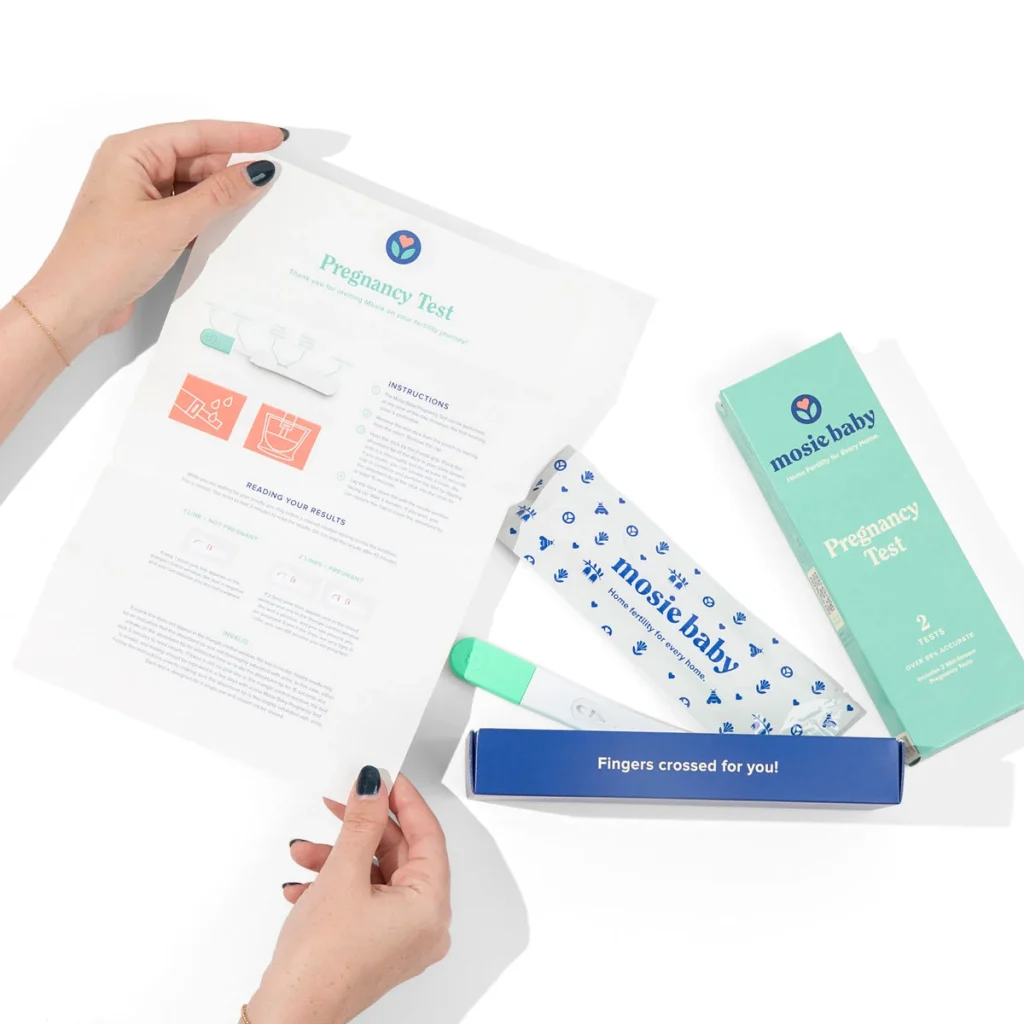
    pregnancy test kit with instructions, test device, and packaging on a white background

    Syringe Insemination at Home: A Cost-Effective Option for Conception

    4. Increased Chances of Conception

    Syringe insemination increases the chances of conception by depositing the sperm directly into the cervix, which is the opening of the uterus. This allows the sperm to bypass any potential barriers in the vagina and increases the chances of fertilization.

    5. Shared Experience for Couples

    Syringe insemination at home allows couples to be directly involved in the conception process. This shared experience can bring couples closer and increase bonding between them.

    Things to Consider Before Trying Syringe Insemination at Home

    1. Fertility Evaluation

    Before attempting syringe insemination at home, it is recommended to undergo a fertility evaluation to ensure that there are no underlying issues that may affect the success of the procedure.

    2. Timing and Ovulation Tracking

    Timing is crucial in syringe insemination. It is essential to track ovulation accurately to increase the chances of conception. Tools like ovulation predictor kits or tracking basal body temperature can be used to track ovulation.

    3. Sperm Quality

    The quality of sperm plays a significant role in the success of syringe insemination. It is crucial to ensure that the sperm is healthy and motile for the best chances of fertilization.

    4. Patience and Persistence

    Conceiving through syringe insemination may take time and patience. It is essential to keep trying and not lose hope even if the first few attempts are unsuccessful.

    In conclusion, syringe insemination at home is a cost-effective and simple option for couples who are trying to conceive. It allows couples to take control of their fertility journey and increases the chances of conception. However, it is essential to consult with a doctor and undergo a fertility evaluation before attempting syringe insemination at home. With patience, persistence, and accurate timing, this method can help many couples fulfill their dream of having a child.

    Summary:

    Syringe insemination at home is a cost-effective and non-invasive method of assisted reproduction where the sperm is manually inserted into the cervix using a syringe. It can be done in the comfort of one’s own home and increases the chances of conception. However, it is crucial to undergo a fertility evaluation and track ovulation accurately before attempting this method. With patience and persistence, syringe insemination can help couples fulfill their dream of having a child.

  • The Top 5 Must-Have Items in a Syringe Insemination Collection

    Syringe insemination, also known as artificial insemination, is a commonly used technique in the field of reproductive medicine. It involves the insertion of sperm into the female reproductive tract to facilitate fertilization and pregnancy. This method has become increasingly popular due to its success rate and cost-effectiveness compared to other fertility treatments. If you are considering undergoing syringe insemination, there are several must-have items that you should have in your collection to ensure a successful and comfortable experience. In this blog post, we will discuss the top five must-have items in a syringe insemination collection.

    1. Sterile Syringes

    The first and most crucial item in a syringe insemination collection is a sterile syringe. A sterile syringe is essential to prevent any contamination that could lead to infections or reduce the viability of the sperm. It is recommended to use single-use disposable syringes to ensure the highest level of sterility. These syringes are pre-sterilized and come individually packed, making them convenient and safe to use. It is also important to choose the right size of the syringe based on the volume of sperm to be inserted. Using a larger syringe than needed can result in the sperm being deposited too deeply into the cervix, reducing its chances of reaching the egg.

    2. Speculum

    A speculum is a medical instrument used to open the walls of the vagina to allow for a clear view of the cervix. It is an essential item in a syringe insemination collection as it helps to ensure proper placement of the sperm into the cervix. A speculum also allows for easy access to the cervix, making the procedure more comfortable for both the patient and the healthcare provider. It is crucial to select a speculum that is the right size and shape for your body to avoid discomfort during the procedure.

    3. Sperm Collection Cup

    The next must-have item in a syringe insemination collection is a sperm collection cup. This cup is used to collect the sperm sample from the donor or partner. It is recommended to use a sterile, non-toxic, and non-spermicidal cup to ensure the viability of the sperm. The cup should also have a lid to prevent any spillage or contamination. It is essential to follow the instructions provided by your healthcare provider on how to collect and transport the sperm sample to ensure its quality is not compromised.

    mosie baby logo featuring a heart and leaves in blue, pink, and green colors.

    The Top 5 Must-Have Items in a Syringe Insemination Collection

    4. Sperm-friendly Lubricant

    During the process of syringe insemination, a lubricant may be needed to facilitate the insertion of the syringe into the cervix. However, it is crucial to choose a sperm-friendly lubricant as some lubricants can damage or kill sperm. Water-based lubricants are generally recommended as they are less likely to interfere with the sperm’s mobility and survival. It is important to avoid using oil-based or silicone-based lubricants as they can be harmful to the sperm.

    5. Heating Pad

    Last but not least, a heating pad is an essential item to have in a syringe insemination collection. Keeping the sperm at the right temperature is crucial for its survival and success during the insemination process. A heating pad can provide a consistent source of heat to maintain the optimal temperature for the sperm. It is recommended to warm the sperm sample before insemination and to continue using the heating pad during the procedure to keep the sperm at the desired temperature.

    In conclusion, these are the top five must-have items in a syringe insemination collection: sterile syringes, speculum, sperm collection cup, sperm-friendly lubricant, and heating pad. Having these items readily available can help to ensure a comfortable and successful syringe insemination experience. It is also essential to consult with your healthcare provider for any specific instructions or recommendations before undergoing the procedure.

    Summary:

    Syringe insemination is a popular and cost-effective fertility treatment that involves inserting sperm into the female reproductive tract. If you are considering this procedure, having the right collection of items is crucial for its success and your comfort. The top five must-have items in a syringe insemination collection are sterile syringes, speculum, sperm collection cup, sperm-friendly lubricant, and heating pad. These items help to ensure the viability of the sperm, proper placement, and a comfortable experience. It is important to follow the instructions provided by your healthcare provider and to choose the right size and type of each item for your body.

  • Syringe Insemination vs. Traditional Methods: Which is More Effective?

    Syringe Insemination vs. Traditional Methods: Which is More Effective?

    In the world of assisted reproductive technology, there are various methods available for couples struggling with infertility to conceive. One of the most common methods used is intrauterine insemination or IUI, which involves placing washed sperm directly into the uterus to increase the chances of fertilization. However, with advancements in technology and methods, another option has emerged – syringe insemination. This method involves using a syringe to directly deposit sperm into the cervix or vagina. Both methods have their own set of benefits and drawbacks, but the question remains – which one is more effective? In this blog post, we will dive deep into the world of syringe insemination vs. traditional methods to determine which one is more effective in helping couples achieve their dream of parenthood.

    Understanding the Process of Syringe Insemination

    Syringe insemination, also known as intracervical insemination (ICI), involves using a syringe to directly deposit sperm into the cervix or vagina. This method is often preferred by couples who are trying to conceive at home, without the assistance of a medical professional. The process begins by collecting the semen sample in a sterile container, which is then transferred into a syringe with a sterile catheter attached to it. The catheter is then inserted into the cervix or vagina, and the sperm is released into the reproductive tract. This method can also be performed by a healthcare professional in a clinical setting.

    Advantages of Syringe Insemination

    One of the biggest advantages of syringe insemination is that it can be done at home, which is more convenient for couples who do not want to go through the hassle of visiting a clinic. This method also allows couples to have more control over the process, as they can choose the timing and frequency of insemination. Additionally, syringe insemination is a more affordable option compared to traditional methods, making it accessible to a wider range of couples.

    Another advantage of syringe insemination is that it eliminates the need for the sperm to travel through the cervix, which can act as a barrier for some couples. By directly depositing the sperm into the reproductive tract, the chances of fertilization are increased, especially for couples with low sperm count or motility. This method also eliminates the risk of contamination or damage to the sperm, as the process is done in a controlled and sterile environment.

    Limitations of Syringe Insemination

    While syringe insemination has its advantages, it also has some limitations that couples should be aware of. One of the main limitations is that it requires precise timing and technique, which can be challenging for couples to achieve at home. If the timing is off, the chances of fertilization decrease significantly. This method also does not allow for sperm washing, which is a process that separates healthy sperm from other components in the semen. Sperm washing is often recommended for couples with male factor infertility, and not having this option with syringe insemination can reduce its effectiveness.

    Mosie Baby ovulation test kit with packaging and instructions on a pink background.

    Syringe Insemination vs. Traditional Methods: Which is More Effective?

    Understanding the Process of Traditional Methods

    Traditional methods of insemination, such as intrauterine insemination (IUI), involve placing washed sperm directly into the uterus through the cervix. This method is typically performed by a healthcare professional in a clinical setting. The process begins by collecting a semen sample, which is then washed to separate healthy sperm from other components. The washed sperm is then placed into a catheter and inserted into the uterus, increasing the chances of fertilization.

    Advantages of Traditional Methods

    One of the main advantages of traditional methods is that they are performed by a healthcare professional, ensuring proper timing and technique. This method also allows for sperm washing, which increases the chances of fertilization for couples with male factor infertility. Additionally, traditional methods can be used in conjunction with other fertility treatments, such as ovulation induction, to further increase the chances of conception.

    Limitations of Traditional Methods

    The main limitation of traditional methods is the cost, as they are more expensive compared to syringe insemination. This may make it inaccessible to some couples, especially if multiple cycles are needed. Traditional methods also require multiple visits to the clinic, which can be time-consuming and inconvenient for couples with busy schedules.

    Which Method is More Effective?

    When it comes to effectiveness, it is difficult to determine which method is better as it depends on various factors such as the couple’s age, fertility status, and underlying medical conditions. However, studies have shown that both methods have similar success rates when performed under optimal conditions. Syringe insemination may have a slightly lower success rate compared to traditional methods, but it is a more affordable and convenient option for couples who prefer to do the process at home.

    Summary

    In conclusion, both syringe insemination and traditional methods have their own set of benefits and limitations. Syringe insemination is a more affordable and convenient option for couples, but it requires precise timing and does not allow for sperm washing. Traditional methods, on the other hand, are more expensive but offer better success rates and the option for sperm washing. Ultimately, the choice between the two methods depends on the couple’s preferences and medical conditions.

  • How to Use a Syringe Insemination Kit for Successful Baby-Making

    Blog Post: How to Use a Syringe Insemination Kit for Successful Baby-Making

    For couples trying to conceive, traditional methods may not always be effective. In these cases, a syringe insemination kit can be a helpful tool in the journey to parenthood. This method involves placing the sperm directly into the cervix or uterus, bypassing any obstacles that may prevent fertilization. In this blog post, we will discuss the steps to using a syringe insemination kit for successful baby-making.

    Step 1: Understand the Basics of Insemination

    Before using a syringe insemination kit, it is important to understand the basics of insemination. Insemination is the process of introducing sperm into the female reproductive tract to facilitate fertilization. In traditional insemination, the sperm is deposited into the vagina and travels through the cervix and into the uterus. However, with a syringe insemination kit, the sperm is placed directly into the cervix or uterus, increasing the chances of fertilization.

    Step 2: Gather Your Supplies

    To perform a syringe insemination, you will need a syringe insemination kit, which can be purchased at most drugstores or online. The kit typically includes a sterile syringe, a catheter, a collection cup, and a lubricant. You will also need a sterile specimen cup or a sterile condom to collect the sperm.

    Step 3: Collect the Sperm

    The sperm can be collected from a male partner or a sperm donor. If using a donor, make sure to obtain the sperm from a reputable sperm bank. If using sperm from a partner, it is important to collect the sperm at the time of ovulation for optimal chances of fertilization. The sperm can be collected through masturbation or by using a special condom that collects the sperm during intercourse.

    Step 4: Prepare the Syringe

    Before using the syringe, make sure to wash your hands thoroughly and sterilize the syringe and catheter according to the instructions provided in the kit. Once sterilized, attach the catheter to the syringe, making sure it is secure.

    Step 5: Load the Sperm into the Syringe

    pregnancy test kit with instructions, test device, and packaging on a white background

    How to Use a Syringe Insemination Kit for Successful Baby-Making

    Using the collection cup or sterile condom, collect the sperm and load it into the syringe. Make sure to remove any air bubbles by gently tapping the syringe.

    Step 6: Prepare for Insemination

    Once the sperm is loaded into the syringe, it is time to prepare for the insemination. The best time to perform the insemination is during ovulation, as this is when the chances of fertilization are highest. Lie down on your back with your hips slightly elevated to allow for easier access to the cervix.

    Step 7: Perform the Insemination

    Using the syringe, gently insert the catheter into the vagina and slowly advance it towards the cervix. Once the catheter is in the cervix, slowly push the plunger to release the sperm. Gently remove the catheter and lie down for about 15-20 minutes to allow the sperm to travel towards the uterus.

    Step 8: Clean Up and Rest

    After the insemination, it is important to clean up and rest for a while. Dispose of any used materials and wash your hands thoroughly. Resting for 15-20 minutes after the insemination allows the sperm to travel towards the uterus and increases the chances of fertilization.

    Step 9: Repeat the Process

    If you are trying to conceive, it is recommended to repeat the insemination process for a few days in a row, starting a few days before ovulation. This increases the chances of sperm reaching the egg and fertilizing it.

    In conclusion, using a syringe insemination kit can be an effective method for couples trying to conceive. By understanding the basics of insemination and following the steps outlined in this blog post, you can increase your chances of successful baby-making. Remember to consult with your doctor or fertility specialist for personalized advice and guidance.

    Summary:

    For couples struggling to conceive, a syringe insemination kit can be a helpful tool. This method involves placing sperm directly into the cervix or uterus, increasing the chances of fertilization. To use a syringe insemination kit, gather supplies, collect the sperm, prepare the syringe, and perform the insemination during ovulation. It is recommended to repeat the process for a few days in a row for optimal chances of fertilization. Consulting with a doctor or fertility specialist is also advised.

  • Syringe Insemination Collection: An Essential Tool for Fertility

    Syringe Insemination Collection: An Essential Tool for Fertility

    Fertility is a topic that affects many people, whether they are trying to conceive or facing infertility challenges. With advancements in technology and medical procedures, there are now various methods available to assist individuals and couples in their journey towards parenthood. One such method is syringe insemination collection, which has proven to be a valuable tool in fertility treatments. In this blog post, we will delve into the details of syringe insemination collection and explore how it has become an essential tool for fertility.

    What is Syringe Insemination Collection?

    Syringe insemination collection, also known as intrauterine insemination (IUI), is a fertility treatment that involves placing sperm directly into a woman’s uterus during her ovulation period. The process is relatively simple and is typically performed in a doctor’s office or fertility clinic.

    The first step of syringe insemination collection is to collect a semen sample from the male partner. This sample is then washed and prepared in a laboratory to separate the sperm from the seminal fluid. The goal is to obtain a concentrated sample of healthy and active sperm, which will increase the chances of successful fertilization.

    The next step involves the insertion of a thin, flexible catheter into the woman’s cervix. A syringe containing the prepared sperm sample is then attached to the catheter, and the sperm is gently injected into the uterus. This process is timed to coincide with the woman’s ovulation, increasing the likelihood of the sperm reaching the egg and fertilizing it.

    Why is Syringe Insemination Collection an Essential Tool for Fertility?

    1. Non-invasive Procedure

    One of the main reasons why syringe insemination collection has become an essential tool for fertility is that it is a non-invasive procedure. Unlike other fertility treatments such as in-vitro fertilization (IVF), which involves surgical procedures, IUI is a relatively simple and painless process. This makes it a more appealing option for couples who are trying to conceive.

    2. Low-Risk Procedure

    hand holding a pregnancy test with instructions on a colorful background

    Syringe Insemination Collection: An Essential Tool for Fertility

    Compared to other fertility treatments, syringe insemination collection has a lower risk of complications. Since it does not involve any surgery or general anesthesia, the chances of adverse reactions or infections are minimal. This makes it a safe option for individuals and couples who are concerned about the potential risks associated with other fertility treatments.

    3. Cost-effective

    Another advantage of syringe insemination collection is that it is a cost-effective fertility treatment. Compared to IVF, which can be a costly and lengthy process, IUI is a more affordable option. This makes it accessible to a wider range of couples who may not be able to afford more expensive treatments.

    4. Increased Chances of Conception

    Syringe insemination collection has been proven to increase the chances of conception. By placing the sperm directly into the uterus, the sperm has a shorter distance to travel to reach the egg, increasing the likelihood of fertilization. It is also beneficial for couples who may have difficulties with sperm motility or a low sperm count.

    5. Can be Combined with Other Fertility Treatments

    Syringe insemination collection can also be used in combination with other fertility treatments, such as fertility medications. This can further increase the chances of conception and make the treatment more effective. It is often used in cases where other treatments, such as fertility drugs, have not been successful.

    In Summary

    Fertility is a complex and personal journey, and syringe insemination collection has become an essential tool in this process. This simple and non-invasive procedure has helped many couples achieve their dream of starting a family. With its low risk and cost-effective nature, syringe insemination collection has become a preferred option for many individuals and couples facing fertility challenges. When combined with other fertility treatments, it can significantly increase the chances of conception and make the journey towards parenthood a little easier.

    SEO Metadata:

  • Navigating Insurance Coverage for the Syringe Insemination System: What You Should Know

    Navigating Insurance Coverage for the Syringe Insemination System: What You Should Know

    In recent years, the use of syringe insemination as a method for assisted reproductive technology has become increasingly popular. This simple and cost-effective technique involves using a syringe to inject sperm into the cervix or uterus, bypassing any potential obstacles in the reproductive system. While many individuals and couples have found success with this method, navigating insurance coverage for the syringe insemination system can be a daunting task. In this blog post, we will explore what you should know about insurance coverage for this fertility treatment option.

    Understanding Fertility Coverage in Your Insurance Plan

    Before delving into the specifics of coverage for syringe insemination, it is important to understand the overall coverage for fertility treatments in your insurance plan. Fertility coverage can vary greatly between insurance plans, and it is essential to know what is covered and what is not before starting any treatment. Some insurance plans may offer partial or full coverage for fertility treatments, while others may not cover them at all. It is crucial to review your insurance plan carefully and speak with your insurance provider to fully understand your coverage.

    Types of Insurance Plans That May Cover Syringe Insemination

    The good news is that some insurance plans do cover syringe insemination as part of their fertility coverage. These plans may include:

    1. Employer-Sponsored Plans: Many employers offer insurance plans that include fertility coverage, including syringe insemination. It is worth checking with your employer to see if this is an option for you.

    2. Individual or Family Plans: Some individual or family insurance plans may also include coverage for fertility treatments, including syringe insemination. It is essential to review your plan and speak with your insurance provider to confirm coverage.

    3. Government-Sponsored Plans: Certain government-sponsored plans, such as Medicaid, may cover syringe insemination as part of their fertility coverage. However, eligibility criteria may vary depending on your state, so it is crucial to check with your local Medicaid office.

    4. International Plans: If you are living in a country with universal healthcare, you may have coverage for syringe insemination. It is essential to review your plan and speak with your healthcare provider to confirm coverage.

    Factors That May Affect Coverage for Syringe Insemination

    Mosie Baby Kit with a syringe and container, highlighting safety and usability features on a blue background.

    Navigating Insurance Coverage for the Syringe Insemination System: What You Should Know

    While some insurance plans do offer coverage for syringe insemination, there are some factors that may affect your eligibility for coverage or the amount of coverage provided. These factors may include:

    1. Age: Some insurance plans may have age restrictions for fertility coverage, including syringe insemination. For example, they may only cover individuals under a certain age or for a limited number of treatment cycles.

    2. Medical Necessity: In some cases, insurance plans may require a medical diagnosis of infertility or a specific medical condition to cover syringe insemination. This can be frustrating for those who do not meet these criteria but still require the treatment.

    3. Pre-Authorization: Some insurance plans may require pre-authorization before covering syringe insemination. This means that your healthcare provider must obtain approval from your insurance provider before proceeding with the treatment.

    4. Out-of-Network Providers: If you choose to have syringe insemination at a facility or with a healthcare provider that is not in your insurance plan’s network, you may be responsible for a higher percentage of the treatment cost.

    Other Options for Financing Syringe Insemination

    If your insurance plan does not provide coverage for syringe insemination, there are other options for financing the treatment. These may include:

    1. Flexible Spending Accounts (FSAs): Many employers offer FSAs, which allow employees to set aside pre-tax dollars for medical expenses not covered by insurance. Syringe insemination may be eligible for reimbursement through an FSA.

    2. Health Savings Accounts (HSAs): Similar to FSAs, HSAs are also pre-tax accounts that can be used to cover medical expenses. If you have an HSA, you may be able to use it to cover the cost of syringe insemination.

    3. Personal Loans: Some individuals may choose to take out a personal loan to cover the cost of syringe insemination. While this may not be the most ideal option, it can provide the necessary funds for the treatment.

    4. Grants and Financial Assistance Programs: There are various organizations and programs that offer grants and financial assistance for fertility treatments, including syringe insemination. These programs may have specific eligibility criteria, so it is important to research and apply early.

    In conclusion, navigating insurance coverage for the syringe insemination system can be challenging, but it is not impossible. It is crucial to understand your insurance plan’s coverage for fertility treatments and to explore other financing options if needed. By doing your research and speaking with your insurance provider and healthcare team, you can make informed decisions about your fertility journey.