Blog Post:
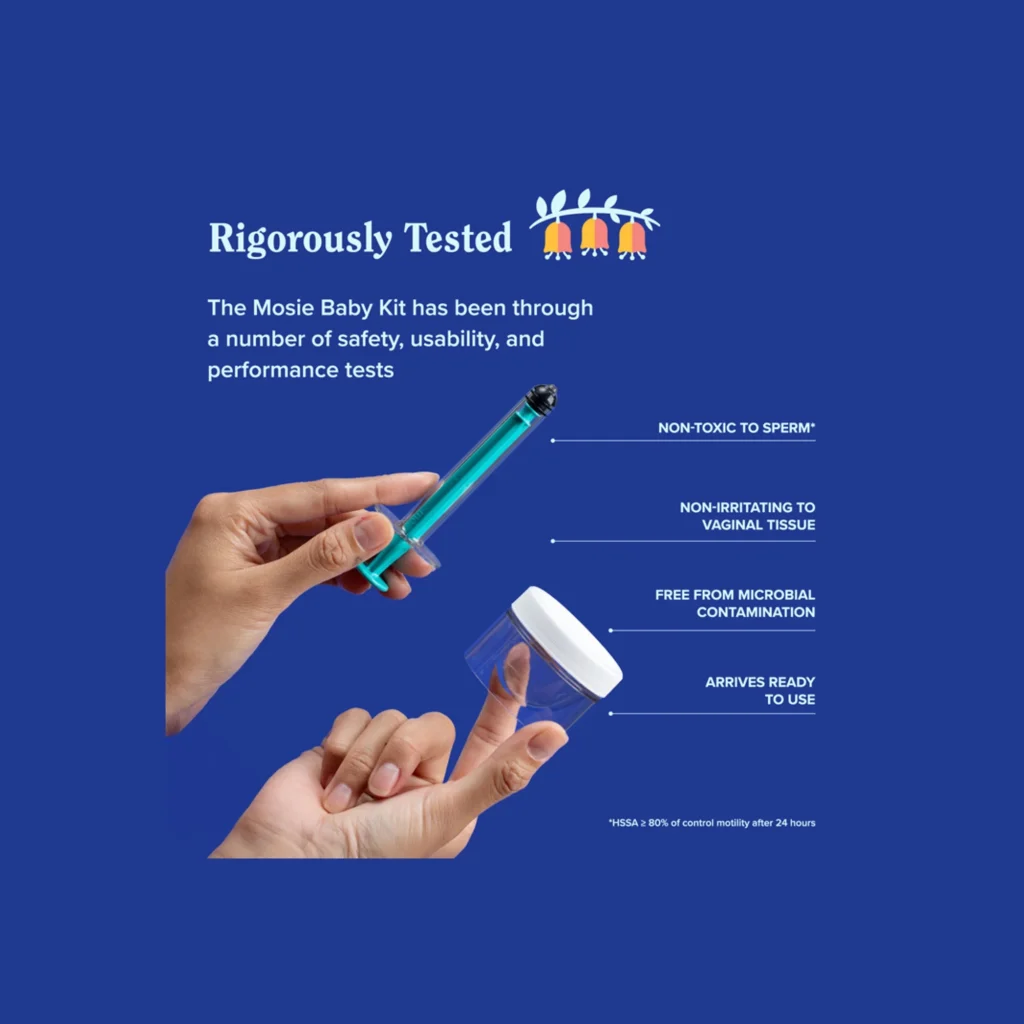
Home insemination, also known as self-insemination or at-home insemination, is the process of conceiving a child without medical intervention in the comfort of one’s own home. This method has become increasingly popular among couples and individuals who are unable to conceive through traditional methods, such as natural intercourse or fertility treatments. While home insemination can be a convenient and cost-effective option for starting a family, it is important to understand the impact of lifestyle choices on the success of this method.
In this blog post, we will explore the various lifestyle factors that can affect home insemination and provide tips on how to optimize your chances of success.
1. Diet and Nutrition
The food we eat plays a crucial role in our overall health and fertility. A balanced and nutritious diet is essential for both partners when attempting home insemination. A diet rich in fruits, vegetables, whole grains, and lean proteins can help regulate hormones and improve reproductive health. On the other hand, processed foods, alcohol, and caffeine can have a negative impact on fertility and should be avoided or consumed in moderation.
2. Exercise and Body Weight
Maintaining a healthy weight is vital for fertility, as being under or overweight can disrupt hormone balance and ovulation. Regular exercise can help regulate menstrual cycles and improve overall reproductive health. However, excessive exercise or extreme weight loss can also have a negative impact on fertility. It is essential to find a balance and avoid extreme measures when trying to conceive through home insemination.
3. Stress Management
Stress can affect fertility in both men and women. High levels of stress can disrupt hormone production and ovulation in women, while in men, it can lead to a decrease in sperm count and quality. When attempting home insemination, it is crucial to find ways to manage stress, such as practicing relaxation techniques, yoga, or seeking therapy. Creating a calm and peaceful environment at home can also be beneficial for reducing stress levels.
4. Smoking, Alcohol, and Drug Use

The Impact of Lifestyle Choices on Home Insemination
Smoking, excessive alcohol consumption, and drug use can have a significant impact on fertility. For women, smoking can lead to early menopause and decrease egg quality, while in men, it can affect sperm count and quality. Alcohol and drug use can also disrupt hormone production and affect the reproductive system. It is crucial to quit smoking and limit alcohol and drug use when attempting home insemination.
5. Timing and Frequency of Insemination
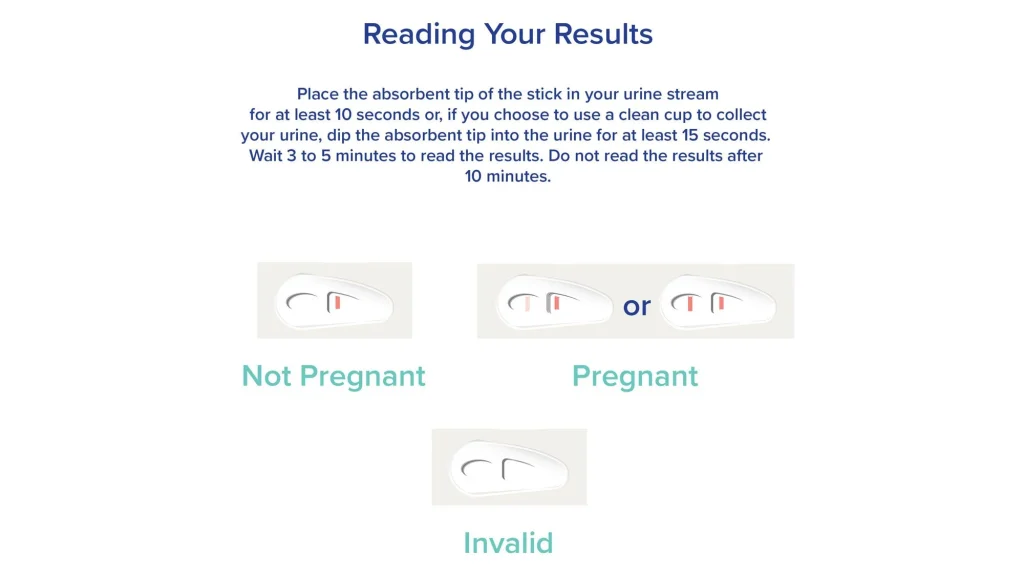
Timing and frequency of home insemination are crucial factors in achieving success. It is essential to track ovulation through methods such as ovulation predictor kits, basal body temperature charting, or monitoring cervical mucus. This will help determine the most fertile days for insemination. Additionally, it is recommended to inseminate every other day during the fertile window to improve the chances of conception.
6. Sperm Quality and Quantity
For home insemination to be successful, the quality and quantity of sperm are essential. It is recommended for men to ejaculate regularly to ensure a fresh and healthy supply of sperm. Furthermore, men should avoid hot tubs, saunas, and tight-fitting underwear, as these can increase scrotal temperature and affect sperm production. It is also advisable to get a semen analysis done to ensure the sperm is of good quality and quantity.
7. Age and Fertility
Age is a significant factor in fertility, and this applies to both men and women. As women age, the quality and quantity of eggs decrease, making it more challenging to conceive. Similarly, men over the age of 40 may experience a decline in sperm quality and quantity. When attempting home insemination, it is essential to keep age in mind and consult with a doctor if necessary.
In conclusion, home insemination can be a successful method for starting a family, but it requires careful consideration of lifestyle choices. A healthy diet, regular exercise, stress management, avoiding harmful substances, proper timing and frequency of insemination, and maintaining good sperm quality and quantity are all crucial factors for achieving success. It is also advisable to consult with a fertility specialist if home insemination is not successful after several attempts.
Summary:
Home insemination is a popular method for conceiving a child without medical intervention. However, lifestyle choices can significantly impact the success of this method. Factors such as diet and nutrition, exercise and body weight, stress management, smoking and alcohol use, timing and frequency of insemination, sperm quality and quantity, and age can all affect home insemination. It is crucial to maintain a healthy lifestyle and consult with a doctor if necessary to optimize the chances of success.