Blog Post:
In recent years, there has been a significant increase in the number of couples turning to at-home insemination as a method of starting or expanding their families. This trend is not just limited to same-sex couples or those struggling with fertility issues, but also includes heterosexual couples who are choosing at-home insemination as a more convenient and cost-effective option. With the advancements in technology and the growing acceptance and availability of alternative family-building methods, the rise of at-home insemination is a clear indication of a shift in societal norms and attitudes towards parenthood.
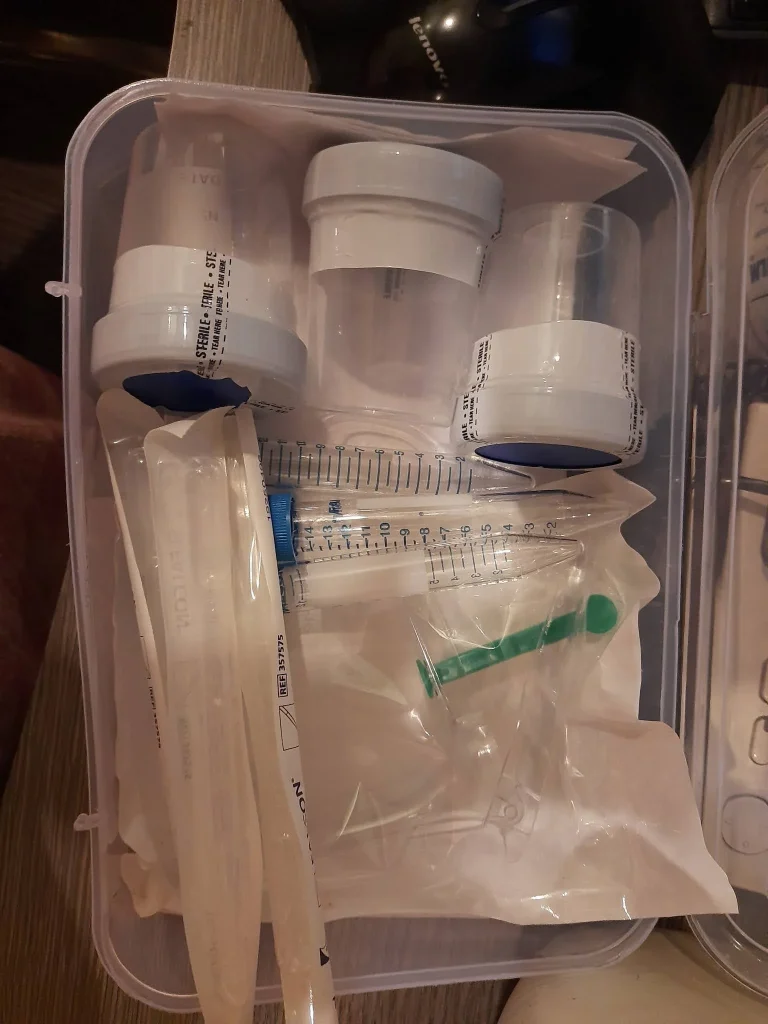
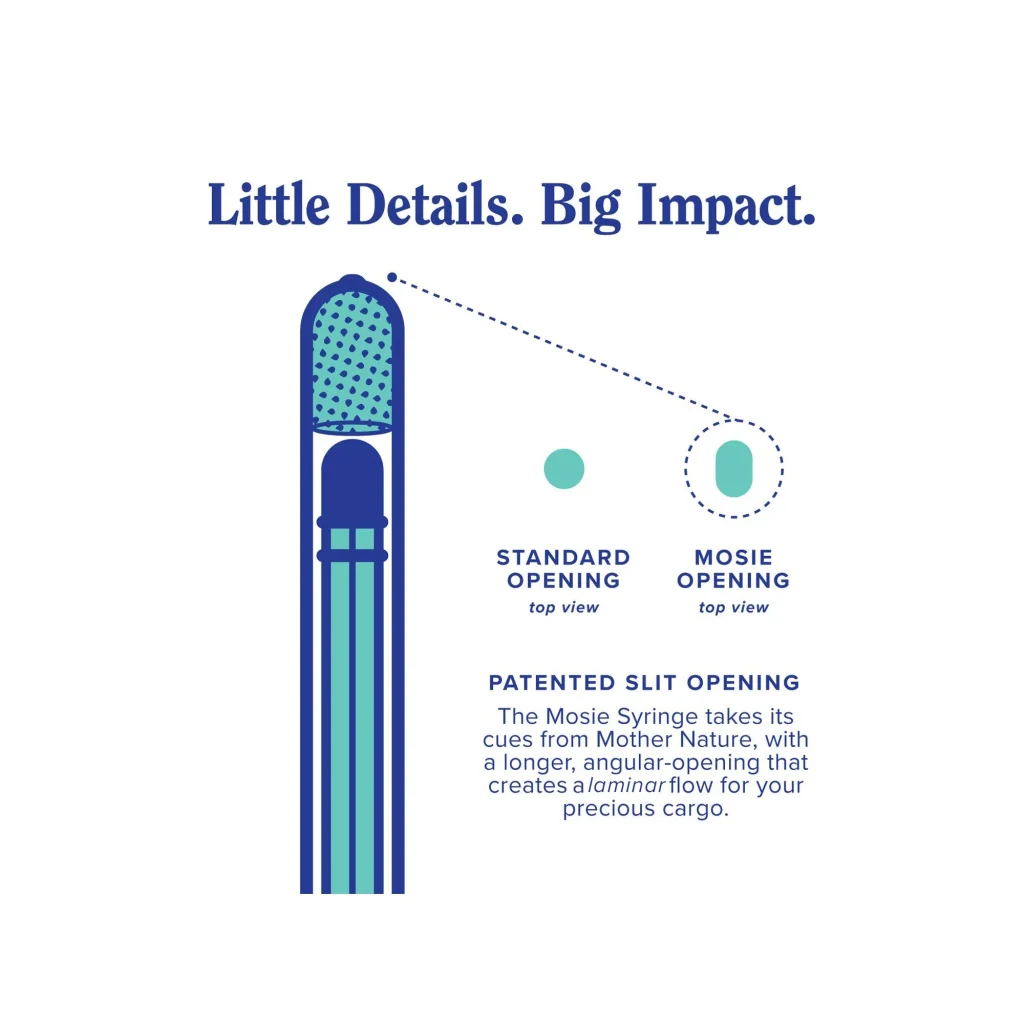
So, what exactly is at-home insemination and why are more couples choosing this option? At-home insemination, also known as alternative insemination, is the process of using donated sperm to fertilize an egg outside of a traditional medical setting. This can be done through various methods such as using a syringe, a menstrual cup, or a home insemination kit. The sperm can be obtained from a known donor, a sperm bank, or through online donor networks. Compared to traditional methods such as in vitro fertilization (IVF) or intrauterine insemination (IUI), at-home insemination is a much more affordable and less invasive option. This is one of the main reasons why more couples are turning to it.
Cost is a major factor in the decision-making process when it comes to starting a family. Traditional methods of assisted reproduction, such as IVF or IUI, can cost thousands of dollars and may not be covered by insurance. On the other hand, at-home insemination can be done at a fraction of the cost, making it a more accessible option for many couples. In addition, at-home insemination can be done in the comfort and privacy of one’s own home, eliminating the need for multiple doctor visits or procedures. This is especially appealing for couples who may live in areas with limited access to fertility clinics or for those who may feel uncomfortable with the medical setting.
Another reason for the rise of at-home insemination is the increasing acceptance and availability of alternative family-building methods. In the past, adoption or traditional surrogacy were the only options for couples who were unable to conceive naturally. However, with the advancement of technology and the changing societal attitudes towards the LGBTQ+ community, alternative methods such as at-home insemination are becoming more widely accepted and accessible. This has opened up new possibilities for couples who may have previously felt limited in their options for starting a family.

The Rise of At-Home Insemination: Why More Couples are Choosing this Option
Furthermore, at-home insemination allows for more control and involvement in the conception process for both partners. In traditional methods, the sperm is typically inserted directly into the uterus, leaving the non-biological parent feeling left out or disconnected from the process. With at-home insemination, both partners can be actively involved in the process, making it a more inclusive and intimate experience. This also allows for a stronger bond to form between the non-biological parent and the child from the start.
At-home insemination also offers a greater selection of donors. In traditional methods, the sperm is usually obtained from a fertility clinic, limiting the options available. With at-home insemination, couples can choose from a wider pool of donors, including known donors, sperm banks, or online donor networks. This allows couples to find a donor who aligns with their values and preferences, making the process more personal and meaningful.
However, as with any alternative method, there are also some risks and challenges associated with at-home insemination. The most significant risk is the possibility of the donor carrying a genetic disease or infection. Unlike sperm obtained from a fertility clinic, donors in at-home insemination are not required to undergo rigorous testing and screening. This is why it is crucial for couples to thoroughly research and screen potential donors before proceeding with the process. In addition, at-home insemination does not guarantee success and may require multiple attempts, which can be emotionally taxing for couples.
In conclusion, the rise of at-home insemination is a reflection of society’s changing attitudes towards parenthood and the increasing acceptance and availability of alternative family-building methods. With its affordability, convenience, and inclusivity, more couples are turning to at-home insemination as a viable option for starting or expanding their families. However, it is essential for couples to thoroughly research and understand the risks and challenges associated with this method before embarking on the journey of parenthood.
Summary:
At-home insemination, also known as alternative insemination, is the process of using donated sperm to fertilize an egg outside of a traditional medical setting. This method is becoming increasingly popular among couples due to its affordability, convenience, and inclusivity. With at-home insemination, couples have more control and involvement in the conception process and a wider selection of donors to choose from. However, there are also risks and challenges associated with this method, such as the potential for genetic diseases or infections and the need for multiple attempts. Overall, the rise of at-home insemination is a clear indication of a shift in societal norms and attitudes towards parenthood.