Tag: ovulation

  • Fertility Tracking 101: How to Use Cervical Mucus to Predict Ovulation

    Summary:

    Fertility tracking has become a popular method for women who are trying to conceive or avoid pregnancy. While there are various methods of fertility tracking, one of the most reliable and accessible ways is by using cervical mucus to predict ovulation. Cervical mucus changes throughout the menstrual cycle, and by understanding the different stages and characteristics of cervical mucus, women can accurately determine when they are most fertile.

    In this blog post, we will discuss the basics of fertility tracking using cervical mucus, including what cervical mucus is, how it changes throughout the menstrual cycle, and how to use it to predict ovulation. We will also cover tips and tricks for tracking cervical mucus and how to incorporate it into your fertility journey.

    What is Cervical Mucus?

    Cervical mucus, also known as cervical fluid, is a clear or white discharge produced by the cervix. This fluid plays a crucial role in the reproductive system, as it helps to keep the vagina clean and lubricated, and also serves as a protective barrier against bacteria and infections.

    The changes in cervical mucus are controlled by the hormones estrogen and progesterone, which fluctuate throughout the menstrual cycle. These hormonal changes cause the consistency, color, and amount of cervical mucus to vary, making it an essential indicator of fertility.

    Understanding the Different Stages of Cervical Mucus:

    There are four main stages of cervical mucus, each indicating a different phase of the menstrual cycle. By tracking these stages, women can predict when they are most fertile and plan their conception or contraception accordingly.

    1. Dry/No Mucus: At the beginning of the menstrual cycle, after the period has ended, there is usually no cervical mucus present. This stage is considered infertile, and sperm cannot survive in this environment.

    2. Sticky Mucus: As the body prepares for ovulation, cervical mucus will become sticky and cloudy. The mucus may be white or yellow and is not conducive to sperm survival.

    3. Creamy Mucus: This stage occurs closer to ovulation, and the mucus becomes creamy and lotion-like in consistency. It is still not the most fertile phase, but sperm can survive for a short time in this environment.

    4. Egg White Mucus: This is the most fertile stage of cervical mucus, and it occurs just before and during ovulation. The mucus becomes clear and stretchy, resembling raw egg whites. This type of mucus provides the ideal environment for sperm to survive and swim towards the egg.

    How to Use Cervical Mucus to Predict Ovulation:

    The goal of tracking cervical mucus is to determine when you are most fertile and likely to ovulate. Here are the steps to follow to use cervical mucus for fertility tracking:

    1. Observe your cervical mucus every day: The best way to track cervical mucus is to check it every day, preferably at the same time. You can do this by wiping the opening of your vagina with tissue or using clean fingers to remove the mucus.

    at-home insemination kit by Mosie Baby, featuring syringes and containers for comfort and convenience.

    Fertility Tracking 101: How to Use Cervical Mucus to Predict Ovulation

    2. Note the color and consistency: As mentioned earlier, the color and consistency of cervical mucus change throughout the cycle. Note these changes in a fertility tracking app or journal.

    3. Look for egg white mucus: The most fertile stage of cervical mucus is the egg white stage, so you should be on the lookout for this type of mucus. When you see it, note it down as your most fertile day.

    4. Use additional methods of fertility tracking: While cervical mucus tracking is a reliable method, it is always best to use it in combination with other methods such as basal body temperature tracking and ovulation predictor kits for a more accurate prediction of ovulation.

    Tips for Tracking Cervical Mucus:

    Here are some tips to keep in mind when tracking cervical mucus:

    1. Keep track of your cycle length: The length of your menstrual cycle can vary, and it is essential to know your average cycle length to accurately predict ovulation. This information will also help you determine when to start tracking cervical mucus.

    2. Stay hydrated: Drinking enough water is crucial for producing enough cervical mucus. Dehydration can lead to less mucus production and make it difficult to track.

    3. Avoid using scented products: Scented soaps or douches can interfere with the natural pH balance of the vagina and affect the consistency of cervical mucus.

    4. Be patient and consistent: It may take a few cycles to get familiar with your cervical mucus patterns and accurately predict ovulation. Be patient and consistent with tracking to get the best results.

    Incorporating Cervical Mucus Tracking into Your Fertility Journey:

    Cervical mucus tracking can be a valuable tool for women trying to conceive or avoid pregnancy. By understanding the changes in cervical mucus, women can take control of their fertility and plan accordingly. It is also a useful method for those with irregular periods or conditions such as polycystic ovary syndrome (PCOS).

    If you are trying to conceive, tracking cervical mucus can also help you determine the best timing for intercourse to increase your chances of pregnancy. On the other hand, if you are trying to avoid pregnancy, tracking cervical mucus can help you identify your fertile window and abstain from intercourse during this time.

    Conclusion:

    Fertility tracking using cervical mucus is a natural and straightforward method that can be used by women to predict ovulation and determine their most fertile days. By understanding the different stages of cervical mucus and tracking it consistently, women can take control of their fertility journey and make informed decisions about their reproductive health.

    SEO metadata:

  • Tracking Cervical Mucus and Ovulation: The Natural Way to Plan or Prevent Pregnancy

    Tracking Cervical Mucus and Ovulation: The Natural Way to Plan or Prevent Pregnancy

    When it comes to planning or preventing pregnancy, many people turn to artificial methods such as birth control pills or condoms. However, there is a natural and effective way to track fertility that has been used for centuries – tracking cervical mucus and ovulation. This method, also known as the “fertility awareness method,” allows individuals to better understand their bodies and take control of their reproductive health. In this blog post, we will explore what cervical mucus and ovulation are, how to track them, and the benefits and limitations of using this method for family planning.

    What is Cervical Mucus and Ovulation?
    Cervical mucus is a fluid that is produced by the cervix, the opening of the uterus, throughout a woman’s menstrual cycle. Its consistency and color changes throughout the cycle due to hormonal fluctuations. At the beginning of the cycle, the mucus is thick and sticky, acting as a barrier to prevent sperm from entering the uterus. As ovulation approaches, the mucus becomes thinner and more slippery, allowing sperm to easily travel through the cervix and fertilize an egg if present. After ovulation, the mucus becomes thick and sticky again, making it difficult for sperm to survive.

    Ovulation, on the other hand, is the process in which a mature egg is released from the ovary. This usually occurs around day 14 of a 28-day menstrual cycle, but can vary from person to person. The egg has a lifespan of 12-24 hours, during which it can be fertilized by sperm. If fertilization does not occur, the egg disintegrates and is shed during the next menstrual period.

    How to Track Cervical Mucus and Ovulation
    To track cervical mucus and ovulation, one must first become familiar with the different types of mucus and their consistency. This can be done by checking for mucus daily, either by wiping the vulva with toilet paper or using clean fingers to collect a sample from the vagina. The following are the four types of cervical mucus:

    1. Dry or sticky: This type of mucus is thick and sticky, making it difficult for sperm to pass through. It may be present before and after ovulation.

    2. Creamy: This type of mucus is white or creamy in color and has a lotion-like consistency. It may be present a few days before ovulation and is slightly more conducive to sperm survival.

    Home insemination kit by Mosie Baby with instructions and colorful packaging.

    Tracking Cervical Mucus and Ovulation: The Natural Way to Plan or Prevent Pregnancy

    3. Egg white: This type of mucus is clear and slippery, similar to raw egg whites. It is a sign that ovulation is approaching and is the most fertile type of mucus for sperm to travel through.

    4. Watery: This type of mucus is clear and watery, similar to the consistency of water. It is present during ovulation and may also be present during other times in the cycle.

    Once familiar with the different types of mucus, one can track it on a daily basis and record it on a fertility chart. This chart can be used to identify patterns and predict fertility for future cycles. Additionally, tracking basal body temperature (BBT) can also be helpful in confirming ovulation. BBT is the body’s resting temperature and typically rises slightly after ovulation due to an increase in progesterone. By recording BBT daily, one can see a spike in temperature, indicating that ovulation has occurred.

    Benefits of Tracking Cervical Mucus and Ovulation
    The primary benefit of tracking cervical mucus and ovulation is that it allows individuals to better understand their fertility and make informed decisions about pregnancy. For those trying to conceive, tracking mucus and ovulation can help them identify the most fertile days to have intercourse and increase their chances of pregnancy. On the other hand, for those looking to avoid pregnancy, tracking these signs can help them identify the most fertile days to avoid intercourse or use alternative methods of birth control.

    Moreover, tracking cervical mucus and ovulation is a completely natural and non-invasive method of family planning. Unlike hormonal birth control methods, it does not alter the body’s natural processes or have any potential side effects. It also does not require any expensive equipment or medical intervention, making it accessible to everyone.

    Limitations of Tracking Cervical Mucus and Ovulation
    While tracking cervical mucus and ovulation can be an effective method of family planning, it is important to note that it is not foolproof. It requires dedication and consistency in tracking and can be less reliable for those with irregular cycles or hormonal imbalances. Additionally, external factors such as illness or stress can impact the consistency of cervical mucus and make it difficult to accurately predict ovulation.

    Moreover, this method does not protect against sexually transmitted infections (STIs). It is important for individuals to use protection or get tested regularly if they are sexually active, regardless of whether they are using this method for family planning.

    In summary, tracking cervical mucus and ovulation is a natural and effective way to plan or prevent pregnancy. It involves becoming familiar with the different types of mucus and tracking them on a daily basis to predict ovulation. While it may have limitations, it is a non-invasive and accessible method of family planning that can empower individuals to take control of their reproductive health.

  • Cervical Mucus and Ovulation: Identifying the Most Fertile Days of Your Cycle

    Blog Post:

    When it comes to fertility and trying to conceive, understanding your menstrual cycle and ovulation is crucial. One important aspect of this is cervical mucus, also known as cervical fluid. Cervical mucus is a natural substance produced by the cervix that plays a vital role in the reproductive process. In this blog post, we will delve into the details of cervical mucus and how it can help you identify the most fertile days of your cycle.

    Understanding Cervical Mucus:

    Cervical mucus is a fluid that is secreted by the cervix, the lower part of the uterus, during different stages of a woman’s menstrual cycle. Its consistency, color, and amount varies throughout the cycle and is influenced by hormones. The main purpose of cervical mucus is to help sperm travel through the cervix and into the uterus, increasing the chances of fertilization.

    Types of Cervical Mucus:

    There are four main types of cervical mucus, each indicating a different stage of the menstrual cycle:

    1. Dry or Sticky Mucus: This type of mucus is usually present right after your period and is not conducive to sperm survival. It appears as a sticky or tacky discharge and makes it difficult for sperm to swim through.

    2. Creamy Mucus: As your body prepares for ovulation, the amount of estrogen increases, causing the cervical mucus to become creamy and cloudy. This type of mucus is thicker and provides a better environment for sperm survival.

    3. Egg White or Stretchy Mucus: This type of mucus is considered the most fertile as it resembles raw egg whites. This thin and stretchy mucus makes it easier for sperm to swim through and survive, increasing the chances of fertilization.

    4. Watery Mucus: As ovulation approaches, the cervical mucus becomes more watery and slippery. This type of mucus is also conducive to sperm survival and helps them reach the egg.

    Identifying the Most Fertile Days:

    at-home insemination kit with syringes, collection cups, and instructions on a pink background

    Cervical Mucus and Ovulation: Identifying the Most Fertile Days of Your Cycle

    By tracking your cervical mucus, you can identify the most fertile days of your cycle and increase your chances of getting pregnant. The best way to do this is by checking your cervical mucus daily and recording its characteristics.

    To check your cervical mucus, you can use your fingers or toilet paper. It is essential to be consistent with the method you choose and check at the same time every day. Record the color, consistency, and amount of mucus on a fertility chart or app.

    The most fertile days are usually when you have egg white or stretchy mucus. This type of mucus indicates that ovulation is approaching or has already occurred. It is advised to have intercourse during this time to increase the chances of conception.

    Other Signs of Ovulation:

    Apart from cervical mucus, there are other signs of ovulation that you can look out for, such as:

    1. Basal Body Temperature (BBT): Your BBT is your body’s resting temperature, and it increases slightly after ovulation due to the release of progesterone. Tracking your BBT can help you pinpoint when you ovulate.

    2. Ovulation Pain: Some women may experience mild cramping or pain on one side of their abdomen during ovulation. This pain, known as mittelschmerz, can help you identify when you are most fertile.

    3. Ovulation Predictor Kits (OPKs): These kits detect luteinizing hormone (LH) in your urine, which surges 24-36 hours before ovulation. Using OPKs can help you determine when you are about to ovulate.

    Conclusion:

    Cervical mucus is a crucial factor in determining a woman’s fertility and identifying the most fertile days of her cycle. By tracking the characteristics of your cervical mucus, along with other signs of ovulation, you can increase your chances of conceiving. It is essential to remember that every woman’s body is different, and changes in cervical mucus may not always be accurate indicators of ovulation. Consulting with a healthcare provider can help you better understand your body and fertility.

    In summary, understanding cervical mucus and its changes throughout the menstrual cycle can help women identify their most fertile days. By tracking and recording the characteristics of cervical mucus, along with other signs of ovulation, women can increase their chances of conceiving. However, it is important to consult with a healthcare provider for accurate fertility information and guidance.

  • The Importance of Timing: How Cervical Mucus Can Help You Conceive Faster

    Summary:

    Timing is everything when it comes to trying to conceive. Many couples struggle with infertility and may feel frustrated and helpless when it comes to increasing their chances of pregnancy. However, there is one natural and simple method that can greatly improve your chances of conceiving – tracking your cervical mucus.

    Cervical mucus is a fluid produced by the cervix that helps sperm travel through the reproductive system and reach the egg. It changes in consistency and texture throughout a woman’s menstrual cycle, and by paying attention to these changes, couples can identify their most fertile days and increase their chances of getting pregnant.

    In this blog post, we will discuss the importance of timing in conceiving and how cervical mucus can be a helpful tool in this journey. We will also explore the different types of cervical mucus, how to track and chart it, and other factors that can affect fertility.

    Understanding Your Menstrual Cycle:

    Before we dive into the role of cervical mucus in fertility, it’s essential to understand the menstrual cycle. The menstrual cycle is the monthly process that prepares a woman’s body for pregnancy. It is controlled by hormones and consists of three phases – the follicular phase, ovulation, and the luteal phase.

    During the follicular phase, the body prepares for ovulation by producing estrogen, which thickens the uterine lining. As ovulation approaches, the body releases luteinizing hormone (LH), which triggers the release of an egg from the ovary. This is known as ovulation.

    After ovulation, the body enters the luteal phase, where progesterone is produced to support the uterine lining and prepare for a potential pregnancy. If fertilization does not occur, the body sheds the uterine lining, and a new cycle begins.

    The Role of Cervical Mucus in Fertility:

    Cervical mucus plays a crucial role in fertility because it helps sperm reach and fertilize the egg. Before and after ovulation, the cervix produces different types of mucus. Before ovulation, the mucus is thicker and more acidic, creating a hostile environment for sperm. However, as ovulation approaches, the mucus becomes thinner, clearer, and more alkaline – making it easier for sperm to swim through and reach the egg.

    illustration comparing standard and Mosie syringe openings with text highlighting design benefits for home insemination

    The Importance of Timing: How Cervical Mucus Can Help You Conceive Faster

    By tracking and charting the changes in cervical mucus throughout the menstrual cycle, couples can identify their most fertile days. This is especially helpful for couples who have irregular periods or are unsure about when ovulation occurs.

    Types of Cervical Mucus:

    There are four primary types of cervical mucus – dry, sticky, creamy, and egg white. Dry mucus is usually present in the early days of the menstrual cycle when estrogen levels are low. Sticky mucus is thicker and more acidic, making it difficult for sperm to travel through.

    As estrogen levels rise, the mucus becomes creamy and can be a sign that ovulation is approaching. The most fertile type of mucus is the egg white mucus, which is clear, slippery, and stretchy. It resembles raw egg whites and provides the ideal environment for sperm to swim through.

    Tracking and Charting Cervical Mucus:

    To track and chart cervical mucus, couples can use a fertility tracking app or keep a written record. The best time to check for cervical mucus is after urinating and wiping the vaginal area with a clean tissue. By observing the consistency and texture of the mucus, couples can determine their most fertile days.

    It’s important to note that other factors can affect cervical mucus, such as medications, hormonal imbalances, and infections. Therefore, it’s crucial to consult a doctor if you notice any changes or abnormalities in your cervical mucus.

    Other Factors That Affect Fertility:

    While cervical mucus is a significant factor in fertility, there are other elements that can also affect a couple’s chances of getting pregnant. These include age, overall health, weight, and lifestyle factors such as smoking, alcohol consumption, and stress.

    It’s essential to maintain a healthy lifestyle and consult a doctor if you are having trouble conceiving. They can offer guidance and treatments to help increase your chances of pregnancy.

    In conclusion, timing is crucial when it comes to trying to conceive, and tracking cervical mucus can greatly improve your chances. By understanding your menstrual cycle and the changes in cervical mucus, you can identify your most fertile days and increase your chances of getting pregnant. Remember to consult a doctor if you have any concerns or difficulties with conceiving.

  • The Best Time for Baby-Making: Using Cervical Mucus to Pinpoint Ovulation

    Summary:

    Deciding to start a family is a big decision and timing is everything when it comes to successfully conceiving a baby. Many couples struggle with fertility issues and it can be frustrating and emotionally draining to not get pregnant as quickly as you had hoped. However, understanding your body and knowing when you are most fertile can greatly increase your chances of getting pregnant. One method that has been gaining popularity among couples trying to conceive is using cervical mucus to pinpoint ovulation. This natural and effective way of tracking your fertile window can help you determine the best time for baby-making and increase your chances of getting pregnant.

    In this blog post, we will discuss everything you need to know about cervical mucus and how it can help you pinpoint ovulation for optimal baby-making. We will cover what cervical mucus is, how it changes throughout your menstrual cycle, and how to track it to determine ovulation. We will also discuss the best ways to improve the quality of your cervical mucus and provide tips for increasing your chances of conception. With this valuable information, you can take control of your fertility journey and increase your chances of successfully conceiving a baby.

    Cervical mucus, also known as cervical fluid, is a natural bodily secretion produced by the cervix. It plays a crucial role in the reproductive process as it helps sperm travel through the cervix and into the uterus towards the egg. The consistency and texture of cervical mucus changes throughout your menstrual cycle due to hormonal fluctuations. By tracking these changes, you can determine when you are most fertile and pinpoint ovulation.

    The first phase of your menstrual cycle is characterized by dry or sticky cervical mucus. As you approach ovulation, there is an increase in estrogen levels, which stimulates the production of cervical mucus. This results in a creamy and white discharge that is conducive to sperm survival. As you get closer to ovulation, the cervical mucus becomes more elastic and slippery, resembling raw egg whites. This type of mucus is the most fertile as it allows sperm to swim easily towards the egg. After ovulation, the cervical mucus becomes thick and sticky again, creating a barrier that prevents sperm from entering the uterus.

    Baby with blue eyes wearing a light blue onesie that says "made with Love" on a soft white background.

    The Best Time for Baby-Making: Using Cervical Mucus to Pinpoint Ovulation

    Now that you understand how cervical mucus changes throughout your menstrual cycle, it’s time to learn how to track it to pinpoint ovulation. The most common and effective method is the “Fertility Awareness Method” or FAM. This method involves tracking your basal body temperature, cervical mucus, and other fertility signs to determine your fertile window. By charting your cervical mucus, you can identify the days when you are most fertile and plan intercourse accordingly.

    To track your cervical mucus, start by checking it daily. You can do this by wiping your vaginal opening with a clean tissue or your fingers. Take note of the color, consistency, and texture of the mucus. You can also stretch the mucus between your fingers to determine its elasticity. Record your observations on a fertility chart to help you track your fertile window.

    To improve the quality of your cervical mucus, it is essential to stay hydrated and maintain a healthy diet. Drinking plenty of water can help thin out your cervical mucus, making it easier for sperm to swim through. Eating a balanced diet rich in fruits, vegetables, and healthy fats can also improve the quality of your cervical mucus. Avoiding processed foods and reducing your intake of caffeine and alcohol can also make a significant difference.

    In addition to tracking your cervical mucus, there are other ways to increase your chances of conception. Having regular intercourse during your fertile window is key, as sperm can survive in the female reproductive tract for up to five days. Using ovulation predictor kits can also help you determine when you are about to ovulate. These kits detect a surge in luteinizing hormone (LH) which occurs 24-48 hours before ovulation. And lastly, maintaining a healthy lifestyle, reducing stress, and avoiding harmful substances can also improve your chances of getting pregnant.

    In conclusion, understanding your menstrual cycle and tracking your cervical mucus can greatly increase your chances of conceiving a baby. By using the Fertility Awareness Method and making healthy lifestyle choices, you can pinpoint ovulation and determine the best time for baby-making. If you have been trying to get pregnant for a while without success, it may be time to consult a fertility specialist. Remember, every woman’s body is different, and what works for one may not work for another. Be patient, stay positive, and trust your body’s natural rhythm. With the help of cervical mucus, you can take control of your fertility journey and increase your chances of experiencing the joy of parenthood.

    Metadata:

  • Cervical Mucus and Ovulation: Key Factors That Can Affect Your Fertility

    Cervical Mucus and Ovulation: Key Factors That Can Affect Your Fertility

    Cervical mucus and ovulation are two important factors that play a crucial role in a woman’s fertility. Understanding how these two elements work together is essential for anyone trying to conceive or simply wanting to know more about their reproductive health. In this blog post, we will explore the key factors that can affect cervical mucus and ovulation, and how they can impact a woman’s fertility.

    What is Cervical Mucus?

    Cervical mucus, also known as cervical fluid, is a natural secretion produced by cells in the cervix. It is a clear or white fluid that can change in consistency and texture throughout a woman’s menstrual cycle. This mucus serves as a protective barrier for the cervix, preventing bacteria and other harmful substances from entering the uterus. It also plays a crucial role in the process of fertilization.

    Cervical mucus is mostly made up of water, but it also contains proteins, electrolytes, and other substances. Its consistency and texture are determined by the levels of estrogen and progesterone in a woman’s body. These hormones are responsible for regulating the menstrual cycle and preparing the body for pregnancy.

    How Does Cervical Mucus Change Throughout the Menstrual Cycle?

    The menstrual cycle is divided into three phases: the follicular phase, ovulation, and the luteal phase. Each phase is characterized by different levels of hormones, which in turn affects the consistency and texture of cervical mucus.

    During the follicular phase, which occurs in the first half of the menstrual cycle, estrogen levels increase, causing the cervical mucus to become more watery and stretchy, similar to raw egg whites. This type of mucus is known as “fertile” mucus and is ideal for sperm to swim through and reach the egg.

    As ovulation approaches, estrogen levels peak, causing the cervical mucus to become even more watery and stretchy, making it easier for sperm to reach the egg. This is the most fertile time of a woman’s cycle, and the chances of conception are highest during this phase.

    After ovulation, progesterone levels increase, causing the cervical mucus to become thicker and stickier, making it harder for sperm to reach the egg. This type of mucus is known as “hostile” mucus and is not conducive to fertilization.

    Factors That Affect Cervical Mucus

    Several factors can affect the production and quality of cervical mucus, including:

    1. Hormonal imbalances: Any disruption in the balance of estrogen and progesterone can affect the consistency and texture of cervical mucus, making it harder for sperm to reach the egg.

    2. Medications: Certain medications, such as antihistamines, can dry out cervical mucus, making it less fertile and less conducive to sperm.

    3. Stress: High levels of stress can impact hormone levels and affect the quality of cervical mucus.

    4. Dehydration: Not drinking enough water can also lead to decreased cervical mucus production and affect fertility.

    5. Infections: Certain infections, such as yeast or bacterial infections, can alter the pH balance of the vagina and affect the quality of cervical mucus.

    What is Ovulation?

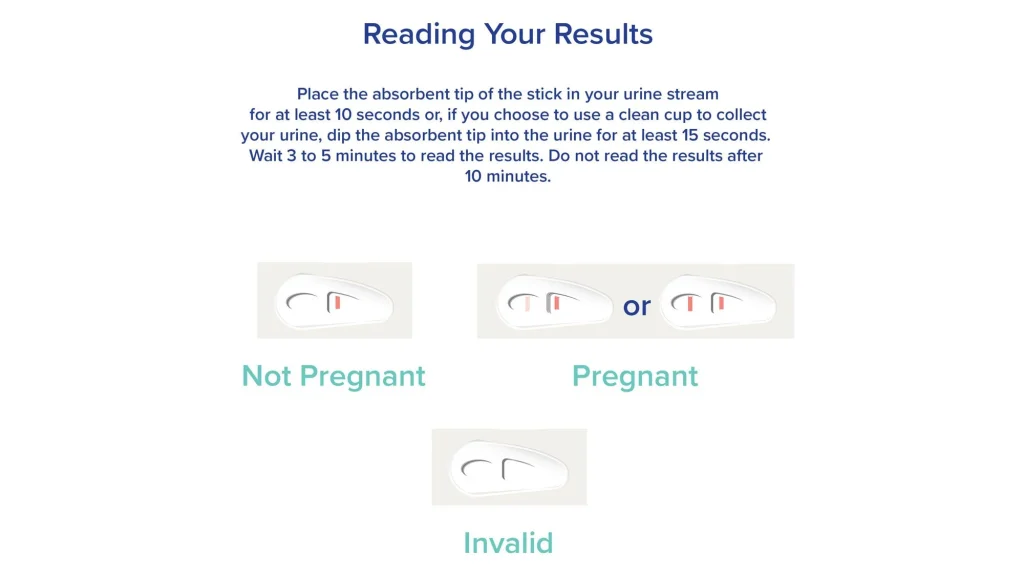
    Instructions for reading pregnancy test results with visual indicators for "Not Pregnant," "Pregnant," and "Invalid.

    Cervical Mucus and Ovulation: Key Factors That Can Affect Your Fertility

    Ovulation is the release of a mature egg from the ovary. This typically occurs once a month, around day 14 of a 28-day menstrual cycle. Ovulation is triggered by a surge in luteinizing hormone (LH), which is released by the pituitary gland. This surge usually happens 24-36 hours before ovulation occurs.

    Once the egg is released, it travels through the fallopian tube, where it may or may not be fertilized by sperm. If fertilization does not occur, the egg will disintegrate and be absorbed by the body. If fertilization does occur, the egg will implant in the lining of the uterus and a pregnancy will begin.

    How Can You Track Ovulation?

    Knowing when you ovulate can greatly increase your chances of conceiving. Here are some ways to track ovulation:

    1. Use an ovulation predictor kit (OPK): These kits detect the surge in LH, which indicates that ovulation will occur within the next 24-48 hours.

    2. Track your basal body temperature (BBT): Your BBT is your body’s resting temperature, which slightly increases after ovulation. Charting your BBT can help you determine when ovulation has occurred.

    3. Monitor cervical mucus: As mentioned earlier, cervical mucus changes in consistency and texture during ovulation, becoming more watery and stretchy. By tracking these changes, you can determine when you are most fertile.

    4. Keep track of your menstrual cycle: If you have a regular menstrual cycle, you can estimate when you will ovulate based on the first day of your last period. Ovulation typically occurs around day 14 of a 28-day cycle.

    Factors That Can Affect Ovulation

    Several factors can affect ovulation, including:

    1. Hormonal imbalances: As with cervical mucus, any disruption in the balance of hormones can affect ovulation.

    2. Polycystic ovary syndrome (PCOS): This condition can cause hormonal imbalances and affect ovulation.

    3. Age: As women age, the quality and quantity of their eggs decline, making it harder to conceive.

    4. Weight: Being underweight or overweight can affect hormone levels and disrupt ovulation.

    5. Stress: High levels of stress can interfere with the release of hormones needed for ovulation.

    Summary:

    Cervical mucus and ovulation are two key factors that can greatly impact a woman’s fertility. Cervical mucus changes throughout the menstrual cycle, becoming more fertile and conducive to conception during ovulation. Factors such as hormonal imbalances, medications, stress, and infections can affect the production and quality of cervical mucus. Ovulation, the release of a mature egg, is triggered by a surge in LH and can be tracked through various methods. Factors that can affect ovulation include hormonal imbalances, PCOS, age, weight, and stress.

    In conclusion, understanding the role of cervical mucus and ovulation in fertility can help individuals trying to conceive or wanting to learn more about their reproductive health. By monitoring these factors and addressing any potential issues, women can increase their chances of conceiving and maintaining a healthy pregnancy.

  • The Role of Progesterone in Cervical Mucus Changes During Ovulation

    Summary:

    Ovulation is a crucial process in a woman’s reproductive system, and plays a vital role in fertility. During ovulation, an egg is released from the ovary and travels down the fallopian tube, ready to be fertilized by sperm. This process is controlled by a complex interplay of hormones, with one of the key players being progesterone.

    Progesterone is a hormone produced by the ovaries, and is responsible for preparing the body for pregnancy. It is also responsible for changes in the cervical mucus during ovulation. In this blog post, we will explore the role of progesterone in cervical mucus changes during ovulation.

    First, let’s understand what cervical mucus is and its function. Cervical mucus is a fluid produced by the cervix, the narrow passage that connects the uterus to the vagina. It plays a crucial role in the female reproductive system as it helps sperm travel through the vagina and cervix to reach the egg. It also acts as a protective barrier, preventing any harmful bacteria from entering the uterus.

    Cervical mucus changes throughout the menstrual cycle, and this is due to the different levels of hormones in the body. In the first half of the cycle, estrogen levels are high, which causes the cervical mucus to become thin and stretchy, allowing sperm to swim through easily. This type of mucus is often referred to as fertile cervical mucus, as it is the most conducive for fertilization.

    As ovulation approaches, the levels of estrogen drop, and the levels of progesterone increase. This increase in progesterone causes the cervical mucus to become thick, sticky, and cloudy, making it difficult for sperm to travel through. This change in cervical mucus serves as a barrier to prevent any sperm from entering the uterus while the egg is being released. This is known as the ovulation method of contraception, and many women use this to track their fertility.

    Mosie Baby kit with two jars, a syringe, and a supportive message card inside a colorful box.

    The Role of Progesterone in Cervical Mucus Changes During Ovulation

    Once ovulation occurs, the levels of progesterone continue to rise, and the cervical mucus becomes thick, sticky, and opaque. This type of mucus is non-fertile and is often described as being similar to glue. It acts as a barrier to protect the uterus from any bacteria or other foreign particles.

    If the egg is not fertilized, the levels of progesterone will start to decrease, and the cervical mucus will become thin and watery again. This is the body’s way of preparing for the next menstrual cycle. However, if the egg is fertilized, progesterone will continue to be produced, and the cervical mucus will remain thick and sticky, creating a plug to protect the developing embryo.

    It is important to note that the changes in cervical mucus are not solely caused by progesterone. Other hormones, such as estrogen, also play a role in its production and consistency. However, progesterone is the main driver of the changes in cervical mucus during ovulation.

    In addition to its role in cervical mucus changes, progesterone also plays a crucial role in preparing the uterine lining for pregnancy. It helps to thicken the lining, making it a suitable environment for the fertilized egg to implant and grow.

    In conclusion, progesterone plays a vital role in cervical mucus changes during ovulation. Its increase in levels causes the cervical mucus to become thick and sticky, creating a barrier to prevent sperm from entering the uterus while the egg is being released. This mechanism ensures the most conducive environment for fertilization to occur. Progesterone also plays a crucial role in preparing the uterine lining for pregnancy. Understanding the role of this hormone in the female reproductive system can help women better understand their menstrual cycle and fertility.

    SEO metadata:

  • Cervical Mucus and Ovulation: What Men Need to Know

    Cervical mucus and ovulation are two important factors in a woman’s menstrual cycle and fertility. While many people may think that these topics only concern women, it is important for men to also have a basic understanding of them. Cervical mucus plays a crucial role in allowing sperm to reach and fertilize an egg, while ovulation is the process of releasing an egg from the ovary. In this blog post, we will explore the connection between cervical mucus and ovulation and why men need to know about them.

    Understanding Cervical Mucus

    Cervical mucus is a fluid secreted by the cervix, the narrow passage at the lower end of the uterus. It can be described as a thin, slippery, and stretchy substance that changes in consistency throughout a woman’s menstrual cycle. The amount, texture, and color of cervical mucus can indicate where a woman is in her cycle and whether she is fertile.

    During the menstrual cycle, the cervix produces different types of mucus. In the days following the end of a woman’s period, there is usually little to no mucus present. As the cycle progresses, the amount of mucus increases and becomes thicker, creamier, and stickier. This type of mucus is not ideal for sperm to swim through and survive.

    However, as a woman approaches ovulation, her body produces a different type of mucus known as fertile cervical mucus. This mucus is thin, watery, and stretchy, similar to the consistency of egg whites. It helps to create a hospitable environment for sperm to swim through and reach the egg in the fallopian tubes. Fertile cervical mucus also provides the sperm with nourishment and protects them from the acidic environment of the vagina.

    Ovulation and Its Significance

    Ovulation is the process of releasing an egg from the ovary. It usually occurs around the middle of a woman’s menstrual cycle, typically between day 11 and day 21 for a 28-day cycle. However, this can vary from woman to woman and can also be affected by factors such as stress, illness, or lifestyle habits.

    logo featuring a pink heart above two teal leaves on a blue circular background

    Cervical Mucus and Ovulation: What Men Need to Know

    Ovulation is a crucial step in the reproductive process as it is the only time during a woman’s cycle when she can get pregnant. If an egg is not fertilized within 24 hours of ovulation, it will disintegrate, and the lining of the uterus will shed, resulting in a woman’s period.

    Why Men Need to Know About Cervical Mucus and Ovulation

    It takes two to make a baby, so it is essential for men to have a basic understanding of cervical mucus and ovulation. By knowing this information, men can be more involved in the reproductive process and better support their partner on their journey to conception.

    Firstly, men need to understand that fertile cervical mucus is crucial for sperm to reach and fertilize an egg. Without it, sperm would not survive in the acidic environment of the vagina. Therefore, it is important for men to be aware of when their partner is in her fertile window, which is the few days leading up to ovulation when fertile cervical mucus is present.

    Secondly, understanding ovulation can also help men make informed decisions about contraception. While many methods of birth control focus on preventing sperm from reaching the egg, some methods work by preventing ovulation. By knowing when ovulation occurs, men can have a clearer understanding of how these methods work and choose the best option for them and their partner.

    Lastly, being aware of cervical mucus and ovulation can also help men support their partner’s fertility journey. By tracking a woman’s menstrual cycle and observing the changes in cervical mucus, men can help their partner pinpoint the most fertile days of their cycle. They can also offer emotional support and understanding during the ups and downs of trying to conceive.

    In conclusion, cervical mucus and ovulation are two essential factors in a woman’s menstrual cycle and fertility. Men need to have a basic understanding of these topics to support their partner and be more involved in the reproductive process. By knowing when ovulation occurs and the role of cervical mucus in fertilization, men can better support their partner’s fertility journey and make informed decisions about contraception.

    SEO metadata:

  • The Truth About Cervical Mucus and Ovulation Myths

    Cervical mucus and ovulation are two important factors in a woman’s menstrual cycle and fertility. However, there are many myths and misconceptions surrounding these topics that can cause confusion and even anxiety for women trying to conceive. In this blog post, we will discuss the truth about cervical mucus and debunk some common ovulation myths.

    First, let’s understand the role of cervical mucus in the menstrual cycle. Cervical mucus is a fluid produced by the cervix that helps sperm travel through the reproductive tract to reach the egg. It also provides a protective barrier against bacteria and other external factors. The consistency and amount of cervical mucus change throughout the menstrual cycle due to hormonal fluctuations.

    During the first phase of the menstrual cycle, also known as the follicular phase, estrogen levels increase and stimulate the production of cervical mucus. This mucus is usually thick, sticky, and opaque, making it difficult for sperm to penetrate. As ovulation approaches, estrogen levels reach their peak, and the cervical mucus becomes thinner, clearer, and more stretchy, creating a more hospitable environment for sperm.

    The myth: The presence of cervical mucus means you are ovulating.

    The truth: While cervical mucus is a sign of fertility and can help predict ovulation, it does not confirm that ovulation has occurred. Ovulation can only be confirmed by other methods such as tracking basal body temperature or using ovulation prediction kits.

    It is essential to understand that sperm can survive in the reproductive tract for up to five days, so having cervical mucus present does not necessarily mean ovulation has occurred or will occur in the next few days. Therefore, relying solely on cervical mucus to time intercourse for conception may not be accurate.

    Another common myth is that the absence of cervical mucus means you are not ovulating. This is not true as there can be other reasons for a lack of cervical mucus, such as hormonal imbalances or certain medications. If you are concerned about your cervical mucus, it is best to consult with your healthcare provider.

    The myth: You can only get pregnant on the day you ovulate.

    The truth: While ovulation is the most fertile time in a woman’s menstrual cycle, sperm can survive in the reproductive tract for up to five days. This means that there is a window of opportunity for conception that extends beyond the day of ovulation. For example, if you have intercourse three days before ovulation, the sperm can survive and fertilize the egg once it is released.

    Mosie Baby kit with two jars, a syringe, and a supportive message card inside a colorful box.

    The Truth About Cervical Mucus and Ovulation Myths

    It is also important to note that the timing of ovulation can vary from cycle to cycle, and it is not always on the same day. Factors such as stress, illness, or changes in diet or exercise can affect the timing of ovulation. Therefore, it is recommended to have intercourse every other day during the fertile window to increase the chances of conception.

    The myth: You can only get pregnant if you have an egg white-like cervical mucus.

    The truth: The texture and consistency of cervical mucus can vary from person to person and even from cycle to cycle. While egg white-like cervical mucus is considered the most fertile, it is not the only type of mucus that can support pregnancy. As long as there is enough cervical mucus to help sperm reach the egg, conception is possible.

    It is also worth mentioning that some women may not produce much cervical mucus, or it may not be noticeable. In such cases, using a fertility-friendly lubricant can help improve sperm motility and increase the chances of conception.

    The myth: Cervical mucus can prevent pregnancy.

    The truth: As mentioned earlier, cervical mucus plays a vital role in conception by helping sperm reach the egg. However, some women may experience a condition called hostile cervical mucus, where the mucus becomes thick and acidic, making it difficult for sperm to survive. This condition can be caused by hormonal imbalances, infections, or medications. If you suspect you have hostile cervical mucus, it is best to consult with your healthcare provider.

    In conclusion, cervical mucus is an essential factor in a woman’s menstrual cycle and fertility, but it should not be relied upon as the only method for tracking ovulation. It is crucial to understand the truth about cervical mucus and ovulation to improve your chances of conceiving. If you are struggling to conceive, it is always best to consult with your healthcare provider for personalized advice and guidance.

    Summary:

    Cervical mucus and ovulation are important factors in a woman’s menstrual cycle and fertility. However, there are many myths and misconceptions surrounding these topics. The truth is that cervical mucus is a sign of fertility but does not confirm ovulation. Sperm can survive in the reproductive tract for up to five days, and the timing of ovulation can vary from cycle to cycle. The texture and absence of cervical mucus do not determine fertility, and hostile cervical mucus can make it difficult for sperm to reach the egg. It is best to consult with a healthcare provider for personalized advice and guidance when trying to conceive.

  • Fertility Foods: How Nutrition Can Impact Cervical Mucus and Ovulation

    Fertility Foods: How Nutrition Can Impact Cervical Mucus and Ovulation

    When it comes to trying to conceive, many couples turn to fertility treatments and medications to increase their chances of getting pregnant. However, what many people don’t realize is that diet and nutrition can also play a significant role in fertility. In particular, certain foods can impact cervical mucus and ovulation, making it easier for sperm to reach and fertilize an egg. In this blog post, we will explore the connection between nutrition and fertility and discuss some of the best fertility foods to incorporate into your diet.

    The Importance of Cervical Mucus and Ovulation in Fertility

    Before we dive into the specific foods that can impact fertility, it’s essential to understand the role of cervical mucus and ovulation in the conception process. Cervical mucus is a fluid produced by the cervix that helps sperm travel through the reproductive tract to reach the egg. It also provides nourishment and protection for the sperm, increasing their chances of survival. This mucus changes throughout a woman’s menstrual cycle, becoming thinner and more stretchy during ovulation, making it easier for sperm to swim through.

    Ovulation, on the other hand, is the process of releasing an egg from the ovary. This typically occurs once a month and is the most fertile time for a woman. If sperm is present in the reproductive tract during ovulation, it can fertilize the egg, leading to pregnancy. However, if there is a problem with cervical mucus or ovulation, it can make it challenging to conceive.

    How Nutrition Can Impact Cervical Mucus

    Now that we understand the importance of cervical mucus and ovulation in fertility let’s explore how nutrition can impact these processes. The foods we eat can affect the quality and quantity of cervical mucus, making it easier or more difficult for sperm to reach and fertilize an egg.

    One of the key nutrients that can impact cervical mucus is omega-3 fatty acids. These healthy fats are found in foods like salmon, sardines, and flaxseeds. Research has shown that omega-3 fatty acids can improve cervical mucus quality by increasing its volume and making it more hospitable for sperm. Additionally, omega-3 fatty acids can also decrease inflammation in the reproductive tract, which can hinder sperm movement and fertilization.

    Another important nutrient for cervical mucus is vitamin C. This powerful antioxidant is found in fruits and vegetables such as oranges, strawberries, and bell peppers. Vitamin C can help to thin out cervical mucus, making it easier for sperm to swim through and reach the egg. It also helps to protect sperm from oxidative damage, improving their overall health and motility.

    at-home insemination kit featuring a syringe and container for fresh or donor sperm conception

    Fertility Foods: How Nutrition Can Impact Cervical Mucus and Ovulation

    Some other foods that can improve cervical mucus quality include avocado, nuts, and olive oil. These foods contain monounsaturated fats, which can help to increase mucus production and improve its viscosity. Additionally, they are also rich in vitamin E, which has been linked to improved cervical mucus quality.

    Foods That Can Impact Ovulation

    Aside from cervical mucus, nutrition can also affect ovulation, which is a crucial factor in fertility. One of the most crucial nutrients for ovulation is iron. Iron is essential for the production of healthy eggs and the regulation of the menstrual cycle. It is found in foods like lean red meat, spinach, and lentils. A deficiency in iron can lead to irregular ovulation and even anovulation, where no egg is released.

    Another nutrient that can impact ovulation is folic acid. This B vitamin is essential for the development of a healthy baby, but it is also crucial for ovulation. Research has shown that women who consume more folic acid have a higher chance of ovulating regularly. Foods that are rich in folic acid include leafy greens, legumes, and fortified cereals.

    In addition to these two key nutrients, there are other fertility foods that can help regulate ovulation and improve fertility. These include whole grains, which are rich in complex carbohydrates and fiber, promoting a healthy hormonal balance. Lean proteins like chicken and fish are also beneficial for ovulation, as they provide the necessary building blocks for the production of hormones.

    The Role of a Balanced Diet in Fertility

    While there are specific foods that can impact cervical mucus and ovulation, it’s essential to note that a balanced and varied diet is crucial for overall fertility. This means incorporating a variety of fruits, vegetables, whole grains, lean proteins, and healthy fats into your meals. It’s also essential to limit processed and sugary foods, as they can negatively affect hormone levels and ovulation.

    Additionally, maintaining a healthy weight is also crucial for fertility. Being underweight or overweight can impact hormone levels and ovulation, making it more difficult to conceive. Eating a balanced diet and engaging in regular physical activity can help to maintain a healthy weight and improve fertility.

    In conclusion, while fertility treatments and medications can be helpful, it’s essential not to overlook the role of nutrition in fertility. Eating a balanced diet that includes fertility foods such as omega-3 fatty acids, vitamin C, iron, and folic acid can improve cervical mucus and ovulation, increasing your chances of conceiving. By incorporating these foods into your diet and maintaining a healthy lifestyle, you can support your body’s natural fertility processes and increase your chances of getting pregnant.

    SEO Metadata: