Tag: pregnancy

  • DIY Baby-Making Assistance for Women Over 35: What You Need to Know

    Blog Post:

    In today’s society, many women are choosing to have children later in life for various reasons, such as pursuing a career, finding the right partner, or simply not feeling ready to start a family. However, as a woman ages, her fertility starts to decline, making it more challenging to conceive. This can be especially true for women over 35, as their egg quality and quantity decrease significantly. Fortunately, there are many DIY baby-making assistance options available for women over 35 to help increase their chances of conceiving. In this blog post, we will discuss everything you need to know about DIY baby-making assistance for women over 35.

    1. Understand Your Fertility

    The first step in any DIY baby-making journey is to understand your fertility. As a woman ages, her fertility starts to decline, and by the time she reaches 35, her chances of getting pregnant decrease significantly. This is because a woman is born with a finite number of eggs, and as she ages, the quality and quantity of these eggs diminish. It is essential to be aware of your fertility levels and consult with a fertility specialist if needed. They can help assess your ovarian reserve (the number of eggs you have left) and suggest the best course of action for you.

    2. Track Your Menstrual Cycle

    Tracking your menstrual cycle is crucial when trying to conceive, especially for women over 35. As a woman ages, her menstrual cycle becomes less regular, making it more challenging to predict ovulation. Knowing when you are ovulating is crucial, as it is the prime time for conception. There are various methods to track your menstrual cycle, such as using an ovulation predictor kit, tracking basal body temperature, or monitoring cervical mucus. Choose the method that works best for you and make sure to track your cycle consistently.

    3. Optimize Your Lifestyle

    As a woman over 35, it is essential to optimize your lifestyle to increase your chances of conceiving. This means maintaining a healthy weight, avoiding tobacco, drugs, and excessive alcohol consumption, and incorporating exercise into your routine. Additionally, certain foods and supplements can also help boost fertility, such as folic acid, iron, and omega-3 fatty acids. Consult with your healthcare provider to ensure you are taking the right supplements and following a healthy lifestyle to support your fertility.

    4. Consider Natural Remedies

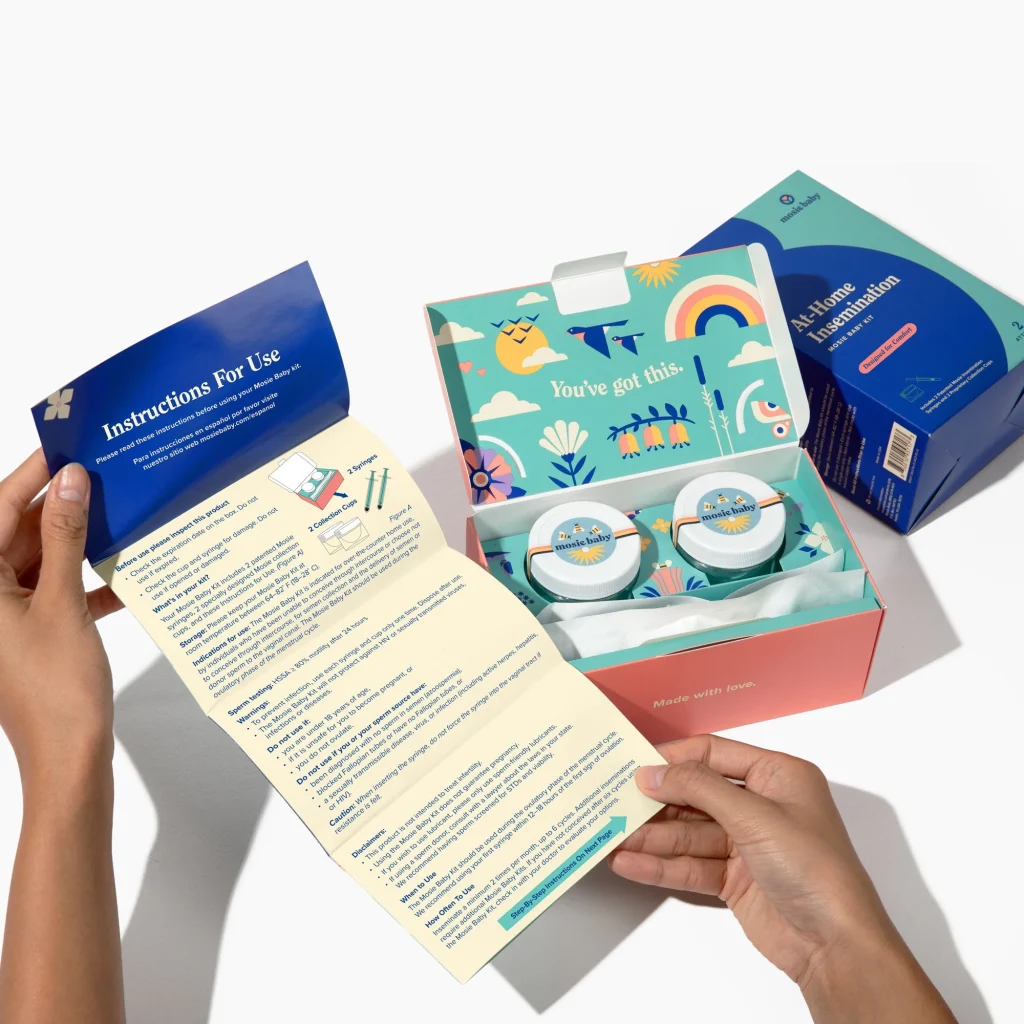
    Informative card introducing the Mosie Baby Kit and its mission for at-home insemination.

    DIY Baby-Making Assistance for Women Over 35: What You Need to Know

    Many natural remedies claim to boost fertility and help women over 35 conceive. These remedies include herbs, acupuncture, and yoga. While there is limited scientific evidence to support their effectiveness, many women have found success in using these methods. It is essential to consult with your doctor before trying any natural remedies, as some may interact with any medications you are taking.

    5. Explore At-Home Insemination

    At-home insemination is a popular option for DIY baby-making assistance for women over 35. This method involves using a donor’s sperm and inserting it into the vagina or cervix during the ovulation window. There are various at-home insemination kits available, making it an accessible and affordable option for women. However, it is crucial to consider the legal and medical implications of using donor sperm, as well as the potential risks of at-home insemination.

    6. Try Intrauterine Insemination (IUI)

    Intrauterine insemination (IUI) is a more advanced DIY baby-making option for women over 35. It involves placing washed sperm directly into the uterus during ovulation, increasing the chances of fertilization. IUI requires medical assistance and monitoring, but some women choose to do it at home with the help of a partner. It is essential to consult with a fertility specialist to determine if IUI is a suitable option for you and to ensure the process is done safely and effectively.

    7. Consider In Vitro Fertilization (IVF)

    For women over 35 who have been trying to conceive without success, in vitro fertilization (IVF) may be the best option. This method involves retrieving eggs from a woman’s ovaries and fertilizing them with sperm in a laboratory. Then, the fertilized eggs are transferred back into the uterus, increasing the chances of pregnancy. While IVF is a more invasive and expensive option, it has a higher success rate for women over 35. It is crucial to consult with a fertility specialist to determine if IVF is the right choice for you.

    8. Be Prepared for Emotional Challenges

    Trying to conceive can be an emotional rollercoaster, especially for women over 35. As the chances of getting pregnant decrease with age, it can be stressful and overwhelming. It is essential to have a support system in place, whether it is your partner, family, or friends, to help you through the process. It may also be beneficial to seek counseling or join support groups to connect with other women going through a similar journey.

    In summary, women over 35 who are trying to conceive have various DIY baby-making assistance options available to them. Understanding your fertility, tracking your menstrual cycle, optimizing your lifestyle, considering natural remedies, and exploring at-home insemination, IUI, or IVF are all viable options. It is crucial to consult with a fertility specialist to determine the best approach for you and to have a support system in place to help you through the emotional challenges. Remember, every woman’s journey is different, and what works for one may not work for another. Stay positive, and never lose hope.


  • Surprising Benefits of DIY Baby-Making Assistance

    Becoming pregnant and starting a family is an exciting and life-changing journey. However, for many couples, conceiving a baby may not come as easily as they had hoped. This can lead to feelings of frustration, disappointment, and even despair. In recent years, more and more couples are turning to alternative methods and DIY baby-making assistance to increase their chances of conception. While some may view this as unconventional, there are actually surprising benefits to incorporating DIY methods into the fertility journey.

    1. Empowerment and Control
    One of the biggest benefits of DIY baby-making assistance is the sense of empowerment and control it can bring to the process. Many couples feel helpless and at the mercy of medical professionals when it comes to conceiving a baby. By taking matters into their own hands, they are able to actively participate in the process and feel more in control of their fertility journey.

    2. Increased Intimacy
    The act of trying to conceive can often become stressful and clinical, especially when assisted reproduction methods are involved. DIY methods such as tracking ovulation, using natural supplements, and trying different sexual positions can bring back the intimacy and pleasure in the process. This can help couples feel more connected and in tune with each other, which can ultimately lead to a healthier and more enjoyable relationship.

    3. Cost-Effective
    Assisted reproduction methods such as IVF can be extremely expensive, and not all couples have the financial means to pursue these options. DIY methods, on the other hand, are often more affordable and can help couples save thousands of dollars. For example, using ovulation predictor kits and tracking fertility signs can be much cheaper than undergoing expensive fertility treatments.

    4. Natural and Holistic Approach
    Many couples are turning to DIY baby-making assistance as a way to embrace a more natural and holistic approach to conceiving. This can include incorporating a healthy diet, exercise, and stress-reducing techniques into their fertility journey. By focusing on overall wellness, couples can improve their chances of conception while also improving their overall health and well-being.

    At-home insemination kit with ovulation and pregnancy tests, promoting fertility and family planning.

    Surprising Benefits of DIY Baby-Making Assistance

    5. Greater Understanding of Fertility
    When couples take a more hands-on approach to their fertility journey, they often gain a deeper understanding of their own bodies and how fertility works. This knowledge can be empowering and can help couples make more informed decisions about their fertility options. It can also help them identify any potential issues or concerns that may need to be addressed.

    6. More Sustainable Approach
    Using DIY methods for baby-making assistance can also be a more sustainable approach in the long run. Traditional assisted reproduction methods can be physically and emotionally taxing, and often require multiple attempts before success is achieved. DIY methods, on the other hand, can be incorporated into a couple’s daily routine and can be sustained over a longer period of time, making it a more sustainable and less overwhelming option.

    7. Flexibility and Privacy
    DIY baby-making assistance also offers couples the flexibility to try different methods and techniques at their own pace, without the pressure of strict medical timelines. It also allows for greater privacy, as couples can try different methods in the comfort of their own home without having to share intimate details with medical professionals.

    In conclusion, while assisted reproduction methods may be necessary for some couples, there are surprising benefits to incorporating DIY baby-making assistance into the fertility journey. From a sense of empowerment and control to improved intimacy and a more holistic approach, DIY methods can offer couples a more sustainable, affordable, and natural way to conceive a baby.

    Summary: DIY baby-making assistance is becoming a popular option for couples struggling to conceive. It offers a sense of empowerment, increased intimacy, and a more natural and holistic approach. It is also cost-effective, allows for a greater understanding of fertility, and offers more flexibility and privacy. While assisted reproduction methods may be necessary for some, incorporating DIY methods into the fertility journey can have surprising benefits for couples.

  • Ways to Prepare Your Home for a New Baby with DIY Baby-Making Assistance

    Blog Post Title: Ways to Prepare Your Home for a New Baby with DIY Baby-Making Assistance

    Becoming a parent is an exciting and life-changing experience, but it also comes with a lot of preparation. From decorating the nursery to stocking up on diapers, there are many things to consider when welcoming a new baby into your home. However, for some couples, the journey to parenthood may involve using DIY baby-making assistance methods such as at-home insemination or fertility treatments. In this blog post, we will discuss ways to prepare your home for a new baby while utilizing DIY baby-making assistance.

    1. Create a Relaxing and Calming Environment
    Whether you are trying to conceive naturally or using assisted reproductive techniques, stress can have a negative impact on fertility. Therefore, it is important to create a calming and relaxing environment in your home. This can be achieved by decluttering and organizing your space, incorporating soothing colors and scents, and adding some plants for a touch of nature.

    2. Stock Up on Baby Essentials
    Having a baby means being prepared for all the necessities they will need. This includes diapers, wipes, bottles, and other baby gear. While you may not know the exact due date, it is never too early to start stocking up on these essentials. Consider buying in bulk or at discount stores to save money. You can also start a baby registry and share it with family and friends who want to help you prepare for your little one’s arrival.

    3. Prepare the Nursery
    The nursery is where your baby will spend a significant amount of time, so it is important to create a comfortable and functional space. Start by choosing a theme or color scheme and then work on decorating the room accordingly. You can also consider using eco-friendly and non-toxic products for your baby’s bedding and furniture. Make sure to also install baby-proofing measures, such as cabinet locks and outlet covers, to ensure your baby’s safety.

    mosie baby logo featuring a heart and leaves in blue, pink, and green colors.

    Ways to Prepare Your Home for a New Baby with DIY Baby-Making Assistance

    4. Consider Your Finances
    Having a baby is a significant financial responsibility, so it is important to consider your finances before the arrival of your little one. If you are using DIY baby-making assistance, you may have already incurred some costs for fertility treatments or other methods. Make a budget and start saving for your baby’s needs, such as healthcare expenses, childcare, and other essentials.

    5. Prepare for the Unexpected
    As much as we plan and prepare, sometimes things don’t go as expected. This is especially true when it comes to pregnancy and childbirth. It is important to prepare for the unexpected by having a backup plan in case of complications during pregnancy or delivery. This can include having a trusted family member or friend on standby to help, researching nearby hospitals and pediatricians, and knowing the signs of labor and when to seek medical assistance.

    6. Create a Support System
    Becoming a parent can be overwhelming, both physically and emotionally. Therefore, it is important to have a support system in place. This can include family, friends, or even online communities of other parents. Having a support system can provide you with advice, help, and emotional support during this exciting but challenging time.

    7. Educate Yourself
    Whether you are using DIY baby-making assistance or not, it is important to educate yourself about pregnancy, childbirth, and parenting. Read books, attend classes, and talk to other parents to gain knowledge and insight into what to expect. This will not only help you feel more prepared but also give you the confidence to handle any challenges that may come your way.

    In summary, preparing your home for a new baby with DIY baby-making assistance involves creating a calming environment, stocking up on baby essentials, preparing the nursery, considering your finances, preparing for the unexpected, creating a support system, and educating yourself. While the journey to parenthood may have its challenges, with proper preparation and support, you can create a loving and welcoming home for your new bundle of joy.

  • Tips for Maintaining a Healthy Pregnancy Using DIY Baby-Making Assistance

    Blog Post:

    Pregnancy is a beautiful and transformative experience for any woman. However, for some, the journey towards motherhood may not be as effortless as others. Many couples struggle with fertility issues and may require assistance in conceiving a child. While medical interventions such as in vitro fertilization (IVF) and artificial insemination are available, they can be costly and may not be suitable for everyone. DIY baby-making assistance methods have gained popularity as a more affordable and natural alternative. In this blog post, we will discuss tips for maintaining a healthy pregnancy using DIY baby-making assistance.

    1. Track Your Ovulation:
    The first step towards DIY baby-making assistance is to track your ovulation. This is crucial as it helps you determine the most fertile days of your cycle. You can use ovulation predictor kits or track your basal body temperature to determine when you are ovulating. Knowing your ovulation window will increase your chances of getting pregnant.

    2. Eat a Healthy Diet:
    Maintaining a healthy and balanced diet is essential for a healthy pregnancy. This is even more critical when trying to conceive. Make sure your diet includes a variety of fruits, vegetables, whole grains, and lean proteins. Avoid processed foods and limit your intake of caffeine and alcohol. Incorporate fertility-boosting foods such as leafy greens, avocados, and nuts into your diet.

    3. Take Supplements:
    Certain vitamins and supplements can aid in boosting fertility and maintaining a healthy pregnancy. Folic acid is essential for preventing birth defects and should be taken before and during pregnancy. Vitamin D and Omega-3 fatty acids have also been linked to fertility and a healthy pregnancy. Consult with your doctor to determine which supplements are best for you.

    4. Practice Stress-Management Techniques:
    Stress can have a significant impact on fertility and pregnancy. It is essential to find ways to manage stress and relax during the baby-making process. Some helpful techniques include yoga, meditation, deep breathing, and journaling. You can also try acupuncture, as it has been known to improve fertility and promote relaxation.

    5. Try Natural Remedies:
    There are various natural remedies that have been used for centuries to boost fertility and maintain a healthy pregnancy. Some of these include herbal teas, essential oils, and acupuncture. However, it is crucial to consult with a healthcare professional before trying any natural remedies to ensure they are safe for you and your baby.

    Home insemination kit by Mosie Baby with instructions and colorful packaging.

    Tips for Maintaining a Healthy Pregnancy Using DIY Baby-Making Assistance

    6. Exercise Regularly:
    Staying active is vital for a healthy pregnancy and can also aid in fertility. Regular exercise helps maintain a healthy weight, reduces stress, and improves overall physical and mental well-being. However, avoid high-impact and strenuous exercises, especially during the ovulation window, as it may affect fertility.

    7. Keep a Positive Mindset:
    The journey towards pregnancy can be emotionally taxing, especially when experiencing fertility challenges. It is crucial to maintain a positive mindset and have a supportive network of family and friends. Seek out support groups or a therapist if needed. Positivity and a healthy mental state can have a significant impact on your fertility journey.

    8. Consider Alternative Methods:
    In addition to DIY baby-making assistance, there are alternative methods that can aid in conceiving a child. These include intrauterine insemination (IUI), fertility drugs, and using a donor. Discuss these options with your healthcare provider to determine which is best for you.

    9. Consult with a Healthcare Provider:
    It is essential to consult with a healthcare provider before embarking on any DIY baby-making assistance methods. They can provide you with personalized advice and ensure that you are in good health to conceive and maintain a pregnancy. They can also monitor your progress and make any necessary adjustments to your plan.

    10. Be Patient:
    It is essential to remember that pregnancy takes time, and it may not happen overnight. Be patient with yourself and your body. Do not lose hope and continue to follow the tips mentioned above. With determination and patience, you can achieve your dream of having a healthy pregnancy and a beautiful baby.

    In summary, DIY baby-making assistance methods can be a viable and affordable option for couples struggling with fertility issues. By tracking your ovulation, maintaining a healthy diet and lifestyle, managing stress, and seeking the advice of a healthcare professional, you can increase your chances of conceiving and maintaining a healthy pregnancy. Remember to stay positive, be patient, and never lose hope.

    SEO metadata:

  • Steps to Prepare Your Body for Pregnancy Using DIY Baby-Making Assistance

    Blog Post: Steps to Prepare Your Body for Pregnancy Using DIY Baby-Making Assistance

    Congratulations! You and your partner have decided to start a family and are ready to welcome a new addition into your lives. While the journey to pregnancy can be exciting, it also requires some preparation to ensure that your body is ready for the changes ahead. In addition to maintaining a healthy lifestyle and consulting with a healthcare provider, there are also some DIY baby-making assistance methods that can increase your chances of conception. In this blog post, we will discuss the steps you can take to prepare your body for pregnancy using DIY baby-making assistance.

    Step 1: Track Your Menstrual Cycle
    One of the most important steps in preparing for pregnancy is understanding your menstrual cycle. This will help you determine your most fertile days and increase your chances of conception. You can use a calendar or an app to track your cycle and note any changes or irregularities. This will also be helpful when you consult with a fertility specialist.

    Step 2: Maintain a Healthy Diet
    Eating a balanced and nutritious diet is crucial for preparing your body for pregnancy. Make sure to include a variety of fruits, vegetables, whole grains, and lean proteins in your meals. It is also important to limit your intake of processed foods, caffeine, and alcohol. Maintaining a healthy weight can also improve your chances of conception, so make sure to consult with a healthcare provider if you need help with weight management.

    Step 3: Take Prenatal Vitamins
    Prenatal vitamins are essential for a healthy pregnancy as they provide important nutrients like folic acid, iron, and calcium. These vitamins can also help prevent birth defects and ensure that your body is ready for the demands of pregnancy. Consult with your doctor to find the right prenatal vitamin for you and start taking it at least three months before trying to conceive.

    Step 4: Consider Using Ovulation Kits or Apps
    Ovulation kits or apps can be used to track your most fertile days by measuring the levels of luteinizing hormone (LH) in your urine. This hormone surges just before ovulation, indicating that you are about to release an egg. By tracking your LH levels, you can determine the best time to have intercourse for conception. These kits or apps are easily available at drugstores or online.

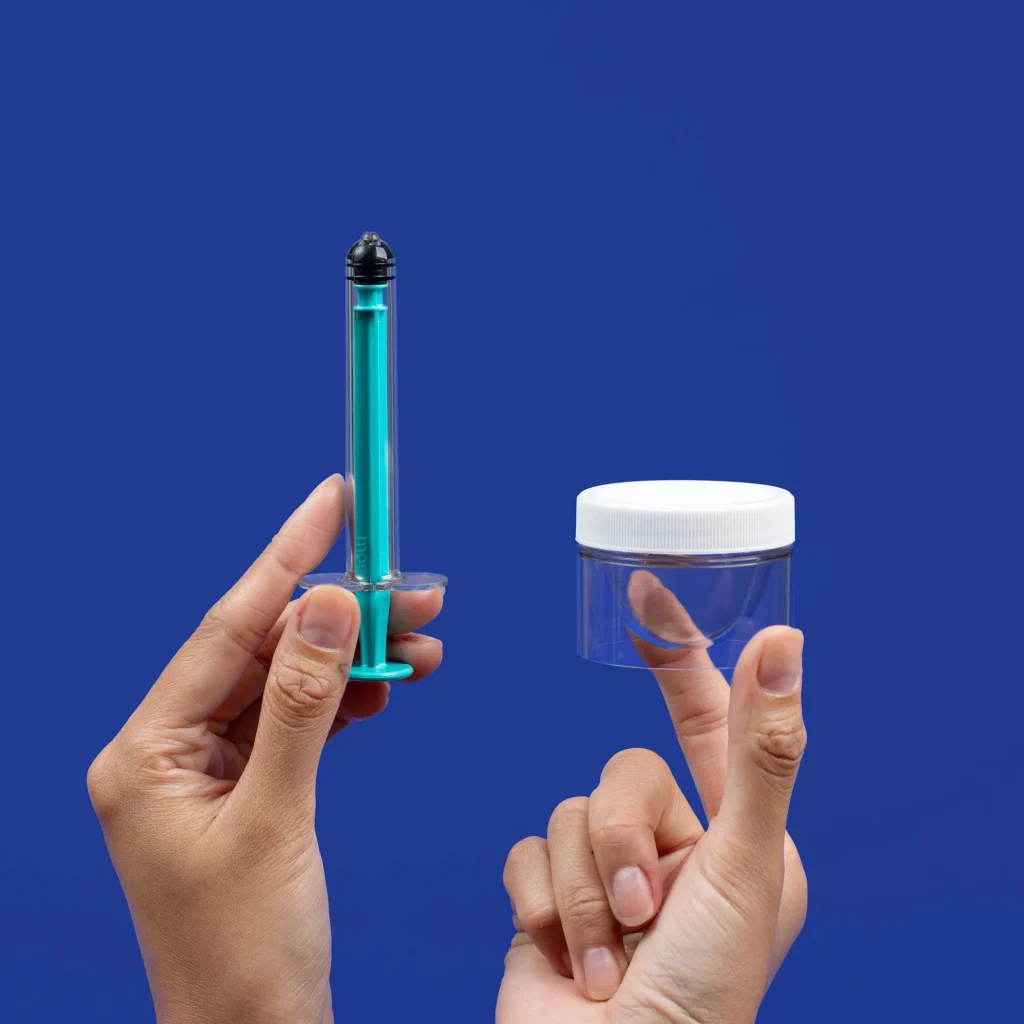
    home insemination kit components: a syringe and a collection container against a blue background.

    Steps to Prepare Your Body for Pregnancy Using DIY Baby-Making Assistance

    Step 5: Try Fertility Massage
    Fertility massage is a DIY technique that can help prepare your body for pregnancy. It involves applying gentle pressure to specific points on the abdomen to increase blood flow to the reproductive organs, regulate hormones, and reduce stress. You can learn this technique from a trained therapist or follow online tutorials for self-massage.

    Step 6: Use a Lubricant That is Sperm-Friendly
    Some lubricants can hinder sperm movement and decrease your chances of conception. If you need to use a lubricant during intercourse, make sure to choose one that is sperm-friendly, such as Pre-Seed or Conceive Plus. These lubricants mimic the consistency of cervical mucus, making it easier for sperm to reach the egg.

    Step 7: Reduce Stress and Practice Relaxation Techniques
    Stress can have a negative impact on your fertility, so it is important to find ways to manage it. Practicing relaxation techniques like yoga, meditation, or deep breathing can help reduce stress and promote a healthy mind and body. You can also try acupuncture, which has been known to increase fertility by reducing stress and regulating hormones.

    Step 8: Consult with a Fertility Specialist
    If you have been trying to conceive for over a year (or six months if you are over 35) without success, it may be time to consult with a fertility specialist. They can help identify any underlying issues that may be hindering your chances of conception and provide personalized recommendations for you and your partner.

    In conclusion, preparing your body for pregnancy using DIY baby-making assistance methods can increase your chances of conceiving and help you have a healthy pregnancy. Make sure to track your menstrual cycle, maintain a healthy diet, take prenatal vitamins, consider ovulation kits or apps, try fertility massage, use a sperm-friendly lubricant, reduce stress, and consult with a fertility specialist if needed. With a little bit of preparation and patience, you will be on your way to starting a beautiful family.

    Summary:
    Preparing your body for pregnancy using DIY baby-making assistance methods can increase your chances of conceiving and having a healthy pregnancy. This includes tracking your menstrual cycle, maintaining a healthy diet, taking prenatal vitamins, using ovulation kits or apps, trying fertility massage, using sperm-friendly lubricants, reducing stress, and consulting with a fertility specialist if needed. These steps can help you and your partner on your journey to starting a family.

  • Myths About Fertility and DIY Baby-Making Assistance

    Fertility is a topic that has been surrounded by myths and misconceptions for centuries. With the rise of alternative methods and DIY approaches to baby-making, it’s important to separate fact from fiction when it comes to fertility and reproductive health. In this blog post, we’ll debunk some of the most common myths about fertility and DIY baby-making assistance.

    Myth #1: Fertility is solely a woman’s responsibility

    One of the most pervasive myths about fertility is that it is solely a woman’s responsibility. While women are often portrayed as the ones solely responsible for conceiving and carrying a child, the truth is that fertility is a shared responsibility between both partners. In fact, studies have shown that male infertility is a contributing factor in about 40% of all infertility cases. It’s important for both partners to take care of their reproductive health and seek medical assistance if needed.

    Myth #2: You can only get pregnant during ovulation

    Another common myth is that women can only get pregnant during ovulation. While ovulation is the most fertile time of the menstrual cycle, it is still possible to conceive at other times. Sperm can survive in the female reproductive tract for up to five days, so if you have sex a few days before ovulation, the sperm can still be present when the egg is released. Additionally, some women may experience irregular ovulation, making it difficult to predict the most fertile time.

    Myth #3: Age doesn’t affect male fertility

    Many people believe that age only affects a woman’s fertility, but the truth is that age can also have an impact on male fertility. As men age, their sperm count and quality may decrease, making it more difficult to conceive. In fact, studies have shown that the probability of a couple conceiving decreases with the age of the male partner, particularly after the age of 40. It’s important for men to also be mindful of their age and reproductive health when trying to conceive.

    Myth #4: Eating certain foods can increase fertility

    Informative card introducing the Mosie Baby Kit and its mission for at-home insemination.

    Myths About Fertility and DIY Baby-Making Assistance

    There are many myths surrounding fertility-boosting foods, from eating pineapple to consuming oysters. However, there is no scientific evidence to support these claims. While a healthy diet is important for overall reproductive health, there is no specific food or diet that can guarantee increased fertility. It’s important to focus on a well-balanced diet with plenty of fruits, vegetables, and lean proteins, rather than relying on specific “fertility foods.”

    Myth #5: Drinking alcohol can improve fertility

    Contrary to popular belief, alcohol consumption can actually decrease fertility in both men and women. Excessive alcohol intake has been linked to lower sperm count and quality in men, and can also disrupt a woman’s menstrual cycle and make it more difficult to conceive. It’s important to limit alcohol consumption when trying to conceive and to avoid it altogether during pregnancy.

    Myth #6: DIY baby-making methods are just as effective as medical assistance

    With the rise of at-home insemination kits and other DIY methods, many people may believe that these methods are just as effective as medical assistance. However, the truth is that fertility treatments and procedures, such as in vitro fertilization (IVF), have a much higher success rate. It’s important to consult with a medical professional when trying to conceive and to explore all options that may be available to you.

    Myth #7: Stress can prevent pregnancy

    While stress can have a negative impact on overall health and well-being, there is no scientific evidence to support the claim that it can prevent pregnancy. In fact, trying to conceive can often be a stressful and emotional process, and stressing about stress can only add to the pressure. It’s important to find healthy ways to manage stress and to remember that everyone’s fertility journey is different.

    In summary, fertility and DIY baby-making assistance are topics that are often surrounded by myths and misconceptions. It’s important to remember that fertility is a shared responsibility between both partners and to seek medical assistance if needed. While there are certainly steps you can take to improve your chances of conceiving, it’s important to separate fact from fiction and to consult with a medical professional for personalized advice.

    SEO metadata:

  • The Dos and Don’ts of DIY Baby-Making Assistance

    Blog Post: The Dos and Don’ts of DIY Baby-Making Assistance

    Having a baby is a life-changing decision and for some couples, it may not come as easily as they had hoped. This has led to the rise of do-it-yourself (DIY) methods for conceiving a child. While these methods may seem convenient and cost-effective, there are certain dos and don’ts that need to be considered before embarking on this journey. In this blog post, we will outline the important things to keep in mind when considering DIY baby-making assistance.

    The Dos:
    1. Educate yourself: Before attempting any DIY baby-making methods, it is crucial to educate yourself on the various techniques and their success rates. This will give you a better understanding of what to expect and help you make an informed decision.

    2. Seek professional guidance: It is always recommended to consult with a fertility specialist before attempting any DIY methods. They can assess your individual situation and provide expert advice on the best course of action.

    3. Keep track of your ovulation: Timing is everything when it comes to conceiving a child. Tracking your ovulation can increase your chances of getting pregnant. There are various methods for tracking ovulation such as using ovulation predictor kits, monitoring basal body temperature, or tracking changes in cervical mucus.

    4. Consider using donor sperm: For same-sex couples or single women, using donor sperm is a viable option for conceiving. This can be done through a sperm bank or by finding a known donor. It is important to thoroughly research the donor and ensure that they have undergone proper health screenings.

    Mosie Baby ovulation test kit with packaging and instructions on a pink background.

    The Dos and Don'ts of DIY Baby-Making Assistance

    5. Maintain a healthy lifestyle: A healthy lifestyle is crucial for both partners when trying to conceive. This includes eating a balanced diet, exercising regularly, and avoiding alcohol, tobacco, and drugs. It is also recommended to take a prenatal vitamin to ensure proper nutrition for the mother and the future baby.

    The Don’ts:
    1. Don’t rely on DIY methods as a substitute for medical assistance: While DIY methods may work for some couples, it is important to remember that they are not a substitute for medical assistance. If you have been trying to conceive for a significant amount of time without success, it is important to seek medical help.

    2. Don’t use unsafe or unproven methods: With the rise of the internet, there are many DIY methods for conceiving a child that are not backed by scientific evidence. It is important to be cautious and avoid using any methods that could potentially harm your health or the health of your future baby.

    3. Don’t ignore the emotional aspect: Trying to conceive can be a rollercoaster of emotions for couples. It is important to communicate openly with your partner and seek support from friends and family. If needed, consider seeking counseling to help cope with the emotional challenges of trying to conceive.

    4. Don’t underestimate the financial costs: DIY methods for conceiving may seem cost-effective at first, but it is important to consider all the expenses involved. This can include purchasing ovulation kits, fertility supplements, and potential medical costs if things do not go as planned.

    5. Don’t give up: Trying to conceive can be a long and challenging journey, but it is important to not lose hope. Keep in mind that every couple’s journey is unique and what works for one may not work for another. Stay positive and keep trying, and remember to seek medical help if needed.

    In summary, while DIY baby-making assistance may seem like a convenient option, it is important to approach it with caution and to keep in mind the dos and don’ts. Educate yourself, seek professional guidance, and maintain a healthy lifestyle. And most importantly, don’t give up hope. With the right approach and mindset, you may be able to achieve your dream of parenthood through DIY methods.

  • Tips for a Healthy Pregnancy Using DIY Baby-Making Assistance

    Blog Post:

    Pregnancy is an exciting and transformative time in a woman’s life. However, for some couples, conceiving may not come as easily as they had hoped. In these cases, DIY baby-making assistance can be a helpful and empowering option. By taking control of your fertility journey, you can increase your chances of getting pregnant and have a healthier pregnancy. In this blog post, we will discuss some tips for a healthy pregnancy using DIY baby-making assistance.

    1. Know your menstrual cycle: Understanding your menstrual cycle is crucial when trying to conceive. Tracking your menstrual cycle can help you determine when you are most fertile and when to have intercourse. You can use fertility tracking apps or a simple calendar to keep track of your cycle. Knowing your cycle will also help you identify any irregularities, which may indicate underlying health issues that could affect your ability to conceive.

    2. Optimize your diet and lifestyle: A healthy diet and lifestyle are essential for a healthy pregnancy. Cut out unhealthy habits such as smoking, excessive alcohol consumption, and stress, which can decrease your chances of getting pregnant. Instead, focus on eating a well-balanced diet that includes whole grains, fruits, vegetables, and lean proteins. You can also incorporate fertility-boosting foods such as leafy greens, avocados, and nuts into your diet. Regular exercise can also help improve your overall health and increase your chances of conceiving.

    3. Use ovulation predictor kits: Ovulation predictor kits are an easy and affordable way to track your ovulation. These kits detect the surge in luteinizing hormone (LH) that occurs 24-36 hours before ovulation, allowing you to time intercourse accordingly. Many kits also come with apps that can help you track your results and predict your ovulation window for the next month.

    4. Consider natural fertility supplements: There are many natural fertility supplements available that can help boost your fertility and prepare your body for pregnancy. Some common supplements include folic acid, CoQ10, and omega-3 fatty acids. However, it is essential to consult with your doctor before taking any supplements, as they may interact with other medications you are taking.

    At-home insemination kit with syringes and collection cups on a teal background.

    Tips for a Healthy Pregnancy Using DIY Baby-Making Assistance

    5. Try alternative methods: Some couples may also benefit from alternative methods of DIY baby-making assistance, such as acupuncture, herbal remedies, or traditional Chinese medicine. These methods can help balance hormones, improve blood flow to the reproductive organs, and reduce stress, all of which can contribute to a healthier pregnancy.

    6. Create a fertility-friendly environment: The environment in which you are trying to conceive can also play a role in your fertility. Certain chemicals and toxins in household products, cosmetics, and even food can affect your reproductive health. Make small changes such as switching to natural cleaning products, using organic and natural beauty products, and avoiding processed foods to create a more fertility-friendly environment.

    7. Seek professional guidance: DIY baby-making assistance does not mean going through the journey alone. Seeking professional guidance from a fertility specialist or a reproductive endocrinologist can provide you with valuable information and support. They can help identify any underlying fertility issues and provide guidance on the best course of action.

    8. Stay positive and be patient: Trying to conceive can be emotionally challenging, and it is essential to stay positive and be patient throughout the process. Remember that it may take some time to get pregnant, and that is entirely normal. Stay connected with your partner and communicate openly about your feelings and concerns. Surround yourself with a supportive network of friends and family who can offer encouragement and understanding.

    In summary, DIY baby-making assistance can be a beneficial option for couples struggling to conceive. By understanding your menstrual cycle, optimizing your diet and lifestyle, using ovulation predictor kits, considering natural supplements and alternative methods, creating a fertility-friendly environment, seeking professional guidance, and staying positive and patient, you can increase your chances of getting pregnant and have a healthier pregnancy.

    SEO metadata:

  • DIY Practices for a Healthy Pregnancy

    Pregnancy is a transformative journey for any expecting mother. Along with the excitement and joy of growing a new life, there are also plenty of physical and emotional changes that come with it. It’s important for pregnant women to prioritize their health and well-being during this time, and one way to do so is through DIY practices. These do-it-yourself methods can not only help expecting mothers stay healthy, but also empower them to take control of their prenatal care. In this blog post, we will discuss some DIY practices for a healthy pregnancy that any expecting mother can incorporate into her routine.

    1. Eating a Nutrient-Dense Diet
    One of the most important aspects of a healthy pregnancy is proper nutrition. The growing baby relies on the mother’s diet for essential nutrients, so it’s crucial for expecting mothers to eat a well-balanced and nutrient-dense diet. This can include plenty of fruits, vegetables, whole grains, lean proteins, and healthy fats. Pregnant women can also consider making their own meals and snacks at home, using fresh and wholesome ingredients. This not only ensures that they are getting the necessary nutrients, but also allows them to control the quality and portion size of their meals.

    2. Practicing Prenatal Yoga
    Yoga is a great way for expecting mothers to stay active and relieve stress during pregnancy. Prenatal yoga specifically focuses on poses and breathing techniques that are safe and beneficial for pregnant women. It can help improve flexibility, strength, and balance, which can be especially helpful during labor and delivery. Many yoga studios offer prenatal classes, but expecting mothers can also practice at home using online resources or DVDs. Just be sure to consult with a doctor or certified prenatal yoga instructor before starting any new exercise routine.

    3. Creating a Relaxing Environment
    Pregnancy can come with a lot of physical discomforts, such as backaches and swollen feet. Creating a relaxing environment at home can help alleviate some of these discomforts and promote overall well-being. This can include setting up a comfortable and supportive sleeping space, using essential oils for relaxation, and incorporating calming activities such as meditation or deep breathing. Taking time to relax and unwind can also help reduce stress and anxiety, which is important for both the mother and baby.

    illustration of Mosie Baby home insemination kit highlighting seamless transfer and size features

    DIY Practices for a Healthy Pregnancy

    4. Making Natural Remedies for Common Pregnancy Ailments
    There are many common ailments that pregnant women may experience, such as nausea, heartburn, and constipation. Instead of relying on over-the-counter medications, expecting mothers can try making their own natural remedies at home. For example, ginger tea or peppermint oil can help alleviate nausea, while drinking plenty of water and incorporating fiber-rich foods can help with constipation. It’s always best to consult with a doctor before trying any natural remedies, but these DIY options can be a great alternative to traditional medications.

    5. Staying Hydrated
    Staying hydrated is crucial for a healthy pregnancy. Pregnant women should aim to drink at least 8-10 glasses of water per day to help with digestion, blood flow, and overall health. It can be helpful for expecting mothers to carry a water bottle with them throughout the day as a reminder to drink enough water. They can also infuse their water with fruits or herbs for added flavor and nutrients. Staying hydrated can also help reduce the risk of conditions such as urinary tract infections, which are more common during pregnancy.

    6. Creating a Birth Plan
    Preparing for labor and delivery can be overwhelming for expecting mothers, but creating a birth plan can help them feel more in control and prepared. A birth plan is a document that outlines the mother’s preferences for her labor and delivery, such as pain management options, who will be present in the delivery room, and postpartum care. Expecting mothers can research and create their own birth plan, or use templates and resources available online. This DIY practice can help expecting mothers feel more empowered and confident about their birthing experience.

    7. Practicing Self-Care
    Pregnancy can be a busy and tiring time, but it’s important for expecting mothers to prioritize self-care. This can include taking breaks when needed, getting enough rest, and doing activities that bring joy and relaxation. It’s also important for pregnant women to listen to their bodies and not overexert themselves. This DIY practice can not only help expecting mothers feel more physically and emotionally balanced, but also have a positive impact on the growing baby.

    In summary, there are many DIY practices that expecting mothers can incorporate into their routine for a healthy pregnancy. These practices include eating a nutrient-dense diet, practicing prenatal yoga, creating a relaxing environment, making natural remedies, staying hydrated, creating a birth plan, and practicing self-care. By taking control of their prenatal care and prioritizing their well-being, expecting mothers can have a healthier and more empowered pregnancy experience.

  • From Infertility to Pregnancy: DIY Baby-Making Assistance Success Stories

    As many couples struggle with infertility, the journey to pregnancy can often be a long and emotionally challenging one. While there are medical treatments available, they can be expensive and not always successful. This has led many couples to turn to alternative methods and DIY baby-making assistance, which have been met with both skepticism and success. In this blog post, we will explore the stories of couples who have successfully conceived using DIY methods, and the various techniques and practices they used.

    One of the most common DIY baby-making methods is tracking ovulation and timing intercourse accordingly. This involves using ovulation predictor kits or tracking basal body temperature to determine the most fertile days in a woman’s cycle. Many couples have reported success with this method, including Ashley and Jake, who had been trying to conceive for over a year. After tracking ovulation and timing intercourse accordingly, they were finally able to conceive their first child.

    Another popular method is using natural supplements and herbs to boost fertility. These can include vitamins, minerals, and herbal remedies that are believed to improve reproductive health and increase the chances of conception. Emily and Mark had been trying to conceive for three years before turning to natural supplements. After just a few months of taking these supplements, they were overjoyed to find out they were expecting their first child.

    Acupuncture and traditional Chinese medicine have also been gaining popularity as a DIY baby-making assistance method. This practice involves stimulating specific points on the body to improve overall health and balance the body’s energy. Many couples have found success with acupuncture, including Sarah and David, who had been trying to conceive for five years. After incorporating acupuncture into their fertility journey, they were finally able to conceive and are now proud parents of two children.

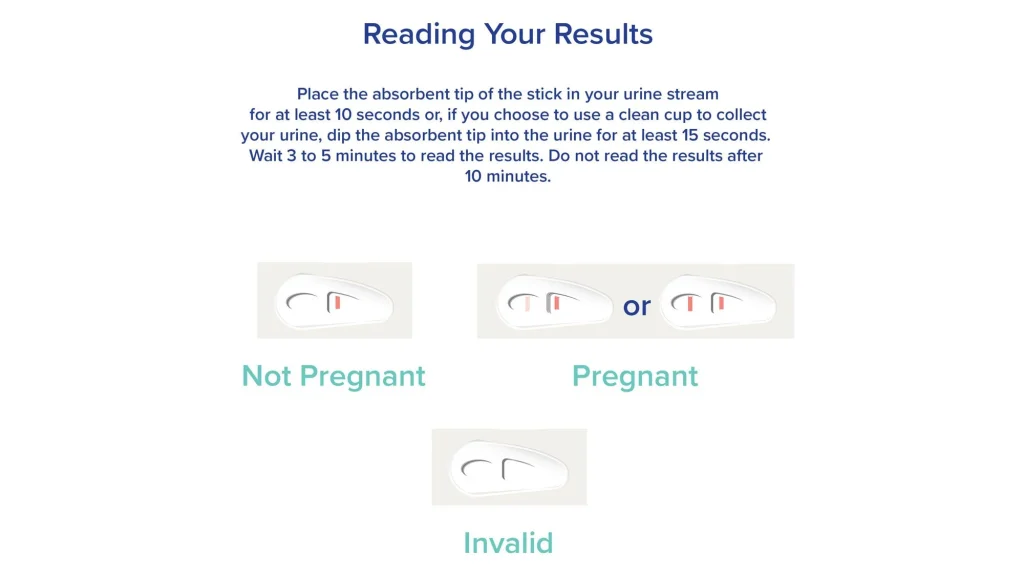
    Instructions for reading pregnancy test results with visual indicators for "Not Pregnant," "Pregnant," and "Invalid.

    From Infertility to Pregnancy: DIY Baby-Making Assistance Success Stories

    In addition to these methods, some couples have found success with lifestyle changes. This can include changes in diet, exercise, and reducing stress levels. Claire and Michael had been trying to conceive for six years before deciding to make some lifestyle changes. They switched to a healthier diet, incorporated regular exercise, and practiced mindfulness techniques to reduce stress. Within a year, they were blessed with a pregnancy and are now proud parents of a healthy baby girl.

    While these DIY methods have worked for many couples, it is important to note that they may not work for everyone. It is essential to consult with a healthcare professional before trying any new methods and to continue regular check-ups throughout the fertility journey. Additionally, it is crucial to approach these methods with an open mind and not rely solely on them for conception.

    One couple, Sarah and James, had been trying to conceive for six years with no success. After trying various DIY methods, they decided to seek medical help. Through fertility testing, they discovered that Sarah had a hormonal imbalance that was causing infertility. With the help of medication and assisted reproductive technology, they were finally able to conceive and are now proud parents of twin boys.

    In conclusion, the journey from infertility to pregnancy can be a challenging one, but DIY baby-making assistance methods have provided hope and success for many couples. While these methods may not work for everyone, the stories of those who have successfully conceived using them offer encouragement and inspiration for others struggling with infertility. It is essential to approach these methods with caution and to always consult with a healthcare professional. With patience, perseverance, and a little bit of luck, many couples have been able to achieve their dream of starting a family.