Tag: pregnancy

  • At-Home Conception and Cultural Perspectives: Breaking Down Barriers

    At-Home Conception and Cultural Perspectives: Breaking Down Barriers

    The topic of fertility and family planning has always been a sensitive and complex issue, especially in different cultural contexts. In many societies, the concept of having children is deeply ingrained in social norms and expectations, and any deviation from the traditional path of conception can be met with skepticism or even disapproval. However, with the advancement of technology and the changing attitudes towards parenthood, at-home conception has become a viable option for many couples. In this blog post, we will explore the cultural perspectives surrounding at-home conception and how breaking down these barriers can lead to a more inclusive and informed approach to reproductive health.

    Understanding At-Home Conception

    At-home conception, also known as natural or home insemination, is the process of trying to conceive a child outside of a clinical setting. This method involves using a donor’s sperm, either from a known or anonymous source, and self-inseminating at home. While this may sound unconventional to some, at-home conception has become a popular choice for many couples and individuals, especially those from the LGBTQ+ community or those who struggle with infertility.

    Breaking Down Cultural Barriers

    In many cultures, the idea of at-home conception is met with resistance and stigma. This is due to various reasons, such as religious beliefs, societal expectations, and lack of education on the topic. In some cultures, the pressure to have children within a certain timeframe or through traditional means can be overwhelming, making at-home conception seem like a taboo or even a forbidden act. This can lead to couples and individuals feeling isolated and judged for their choices, which can have a negative impact on their mental health and well-being.

    However, by breaking down these cultural barriers, we can create a more inclusive and accepting environment for at-home conception. It is essential to challenge the traditional notions of parenthood and recognize that there is no one right way to build a family. By educating ourselves and others, we can promote a more open-minded and respectful attitude towards at-home conception.

    logo of mosie baby featuring a heart and leaf design in blue, pink, and green colors

    At-Home Conception and Cultural Perspectives: Breaking Down Barriers

    Challenging Misconceptions

    One of the biggest barriers to at-home conception is the lack of understanding and knowledge surrounding the process. Many misconceptions and myths surround this method, which can lead to fear and hesitation. For example, some people believe that at-home conception is not as effective as clinical insemination or that it is only for same-sex couples. However, the truth is that at-home conception has a high success rate, and it is a viable option for any individual or couple looking to start a family.

    Furthermore, it is crucial to address the misconception that at-home conception is not as safe or regulated as clinical insemination. While it is true that at-home conception is not subjected to the same strict regulations as clinical settings, there are still safety measures and guidelines in place to ensure the well-being of all parties involved. It is essential to consult with a healthcare professional and follow the recommended safety protocols when considering at-home conception.

    Promoting Informed Decision-Making

    At the core of breaking down cultural barriers towards at-home conception is promoting informed decision-making. This means providing individuals and couples with accurate information and resources to make educated choices about their reproductive health. It is essential to encourage open and honest conversations about at-home conception and to provide a safe space for people to ask questions and voice their concerns.

    Moreover, it is crucial to recognize that at-home conception is not a decision made lightly. It requires careful consideration and planning, and it is not suitable for everyone. By promoting informed decision-making, we can ensure that individuals and couples have all the necessary information to make the best choice for themselves and their families.

    Conclusion

    In conclusion, at-home conception is a viable and increasingly popular option for individuals and couples looking to start a family. However, cultural perspectives and misconceptions surrounding this method can create barriers and lead to stigma and judgment. By breaking down these barriers, challenging misconceptions, and promoting informed decision-making, we can create a more inclusive and accepting environment for at-home conception. It is essential to recognize that there is no one right way to build a family, and everyone deserves the right to make their own choices when it comes to their reproductive health.

  • At-Home Conception Myths and Misconceptions: Separating Fact from Fiction

    Blog Post Title: At-Home Conception Myths and Misconceptions: Separating Fact from Fiction

    Summary:

    Conceiving a child is a natural and miraculous process, but it can also be a confusing and stressful journey. With the rise of at-home conception methods and alternative fertility treatments, there is a lot of information and misinformation out there. In this blog post, we will debunk some of the most common myths and misconceptions surrounding at-home conception, and provide you with the facts to help you make informed decisions.

    Myth #1: You can only get pregnant during ovulation.

    Fact: While it is true that ovulation is the most fertile time of your menstrual cycle, it is not the only time you can get pregnant. Sperm can survive in the female reproductive tract for up to five days, so if you have sex a few days before ovulation, there is still a chance of conception. Additionally, some women may experience irregular ovulation or ovulate early or late in their cycle, making it difficult to pinpoint the exact time of ovulation.

    Myth #2: Fertility apps and ovulation prediction kits are 100% accurate.

    Fact: While fertility apps and ovulation prediction kits can be helpful tools, they are not always accurate. These methods rely on predicting ovulation based on past cycles, which may not be reliable for women with irregular cycles or those using hormonal birth control. It is important to use these tools as a general guide, but not rely on them completely.

    Myth #3: Having sex multiple times a day increases your chances of getting pregnant.

    Fact: While having sex multiple times a day may seem like a surefire way to conceive, it can actually decrease your chances. Frequent ejaculation can lower sperm count and quality, making it more difficult to conceive. Experts recommend having sex every two to three days around the time of ovulation for the best chances of conception.

    Myth #4: You can’t get pregnant if you have sex in a hot tub or pool.

    Fact: Hot tubs and pools may seem like romantic and relaxing places to have sex, but they can actually decrease your chances of getting pregnant. The high water temperature can affect sperm quality and can also increase the risk of infections, which can interfere with conception. It is best to stick to the bedroom when trying to conceive.

    Myth #5: Lying with your legs up after sex can help the sperm reach the egg.

    Baby with blue eyes wearing a light blue onesie that says "made with Love" on a soft white background.

    At-Home Conception Myths and Misconceptions: Separating Fact from Fiction

    Fact: This is a common myth that has been debunked by experts. Once ejaculated, sperm will reach the cervix and uterus within minutes, regardless of your position. Lying down with your legs up may actually make it more difficult for sperm to reach the egg by creating an unnatural angle for the sperm to swim.

    Myth #6: You can’t get pregnant if you have sex during your period.

    Fact: While it is less common, it is still possible to get pregnant during your period. Sperm can survive in the female reproductive tract for a few days, so if you have a short menstrual cycle, there is a chance that ovulation can occur shortly after your period ends. Additionally, some women may experience breakthrough bleeding or irregular bleeding during ovulation, which can be mistaken for a period.

    Myth #7: You shouldn’t worry about your age when trying to conceive until you are in your late 30s or 40s.

    Fact: While the decline in fertility is more significant in women over the age of 35, age can still affect fertility in women in their late 20s and early 30s. As women age, the quality and quantity of their eggs decrease, making it more difficult to conceive. It is important to discuss your fertility with a healthcare professional at any age if you are having trouble conceiving.

    Myth #8: Herbal remedies and supplements can increase your chances of getting pregnant.

    Fact: While some supplements and herbal remedies may claim to boost fertility, there is limited scientific evidence to support these claims. It is important to consult with a healthcare professional before taking any supplements, as they may interact with other medications or have adverse effects on fertility.

    Myth #9: Stress can cause infertility.

    Fact: While stress can affect your overall health and well-being, there is no scientific evidence to suggest that it can cause infertility. However, infertility can cause stress, and it is important to manage stress levels during the conception process. This can include practicing relaxation techniques, seeking support from loved ones, and seeking professional help if needed.

    Myth #10: At-home conception methods are just as effective as medical fertility treatments.

    Fact: While at-home methods such as tracking ovulation and having sex during the most fertile time can increase your chances of conceiving, they are not a guarantee. If you have been trying to conceive for a year or more without success, it is important to seek medical advice. Fertility treatments such as intrauterine insemination (IUI) and in vitro fertilization (IVF) have higher success rates and can help couples facing fertility challenges.

    In conclusion, there are many myths and misconceptions surrounding at-home conception. It is important to do your research and consult with a healthcare professional before making any decisions. While some at-home methods can increase your chances of conceiving, it is important to seek medical help if you are struggling to get pregnant.

  • The Dos and Don’ts of At-Home Conception: Expert Advice

    Summary:

    Trying to conceive a child can be an exciting and emotional journey, and for many couples, the process begins in their own home. However, at-home conception can sometimes be a daunting and overwhelming task, especially for those who are new to the process. To help guide you through this process, we have compiled a list of dos and don’ts from experts in the field. These tips will not only increase your chances of conception but also ensure a healthy and successful pregnancy.

    Dos:

    1. Do track your menstrual cycle: Understanding your menstrual cycle is crucial when trying to conceive. It can help you determine the most fertile days and increase your chances of getting pregnant. You can use an ovulation predictor kit or a fertility tracking app to keep track of your cycle.

    2. Do maintain a healthy weight: Being either underweight or overweight can affect your fertility. It’s essential to maintain a healthy weight and body mass index (BMI) to increase your chances of conception. Consult with your doctor to determine what your ideal weight should be.

    3. Do eat a balanced and nutritious diet: A healthy and balanced diet is essential for both partners when trying to conceive. Include plenty of fruits, vegetables, whole grains, and lean proteins in your meals. Avoid processed and high-fat foods, as they can affect fertility.

    4. Do take prenatal vitamins: Prenatal vitamins are essential for women who are trying to conceive. They contain folic acid, which is crucial for the development of the baby’s neural tube. Start taking prenatal vitamins at least three months before trying to conceive.

    5. Do engage in regular exercise: Regular exercise can help improve fertility by reducing stress and maintaining a healthy weight. However, avoid intense or strenuous exercises that may interfere with your menstrual cycle.

    6. Do communicate with your partner: It’s crucial to have open and honest communication with your partner when trying to conceive. Discuss your plans, feelings, and expectations, and support each other through the process.

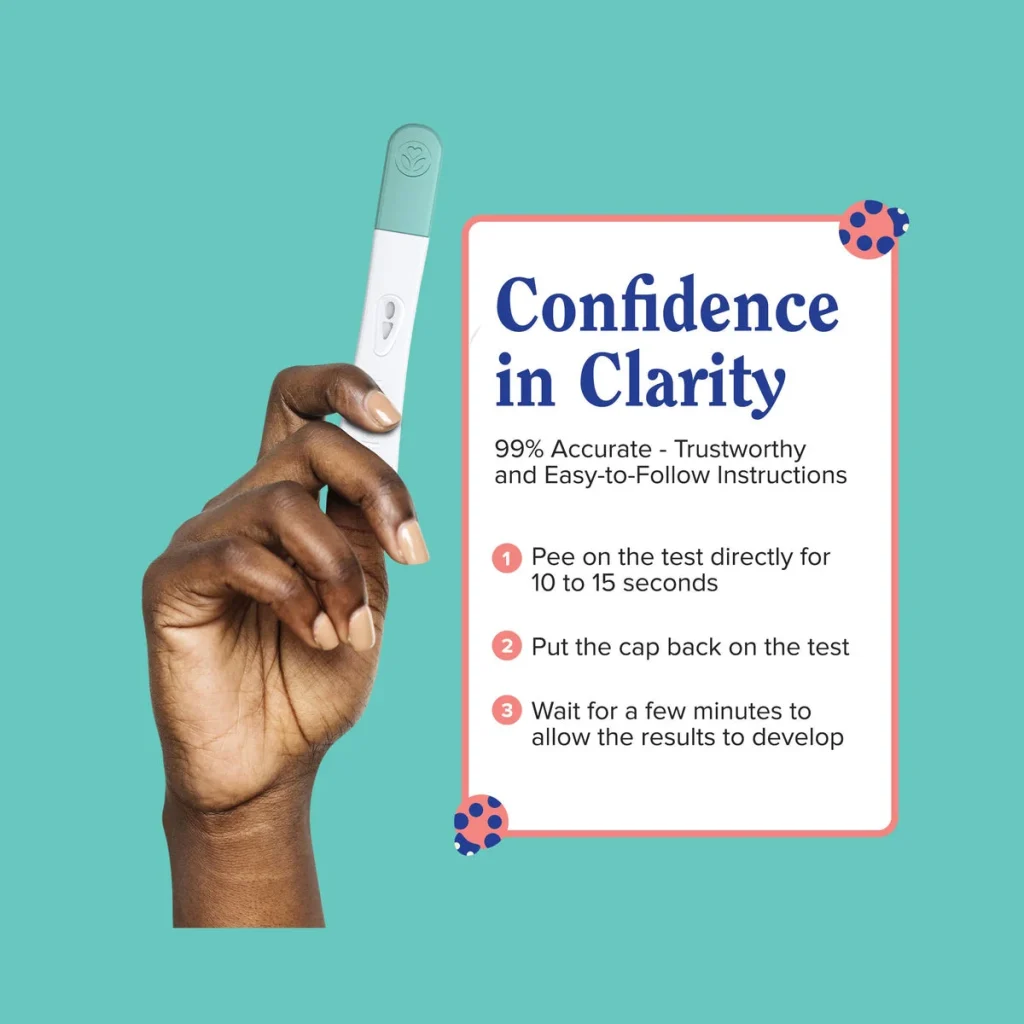
    hand holding a pregnancy test with instructions on a colorful background

    The Dos and Don'ts of At-Home Conception: Expert Advice

    7. Do consider alternative methods: If you have been trying to conceive for a while without success, consider alternative methods such as intrauterine insemination (IUI) or in vitro fertilization (IVF). Consult with your doctor to determine the best course of action for you.

    Don’ts:

    1. Don’t smoke or drink alcohol: Both smoking and drinking alcohol can negatively impact fertility and increase the risk of birth defects. It’s best to avoid them completely when trying to conceive.

    2. Don’t use lubricants: Some lubricants can interfere with sperm motility and make it harder for them to reach the egg. If you need to use a lubricant, choose a sperm-friendly one or opt for natural alternatives such as coconut oil.

    3. Don’t stress: Stress can have a significant impact on fertility. It’s essential to find ways to manage stress, such as yoga, meditation, or talking to a therapist.

    4. Don’t consume excessive caffeine: While a moderate amount of caffeine is generally safe, consuming too much can affect fertility and increase the risk of miscarriage. Limit your caffeine intake to no more than 200mg per day.

    5. Don’t rely solely on ovulation prediction methods: While ovulation prediction methods can be helpful, they are not always accurate. It’s essential to also pay attention to your body’s signs and symptoms, such as cervical mucus and basal body temperature.

    6. Don’t use hot tubs or saunas: Exposure to high temperatures, such as in hot tubs or saunas, can affect sperm production and decrease fertility. It’s best to avoid them when trying to conceive.

    7. Don’t give up: Trying to conceive can be a long and challenging journey, and it’s important not to give up. Be patient and keep trying, and remember to seek support from your partner, loved ones, or a support group.

    In conclusion, at-home conception can be a rewarding and fulfilling experience, but it’s crucial to follow these dos and don’ts to increase your chances of success. Remember to consult with your doctor and stay positive and patient throughout the process.

  • At-Home Conception 101: Understanding the Process

    At-Home Conception 101: Understanding the Process

    Conceiving a child is a natural and exciting part of life for many couples. However, for some, the process may not come as easily as expected. In such cases, couples may turn to assisted reproductive technologies or fertility treatments. But before jumping into these options, it is essential to understand the basics of at-home conception.

    In this blog post, we will dive into the process of at-home conception, including the steps involved, factors that can affect fertility, and tips for increasing the chances of conception.

    Step 1: Understanding the Menstrual Cycle

    The menstrual cycle is a crucial factor in at-home conception. It is the monthly process that prepares a woman’s body for pregnancy. The cycle begins on the first day of a woman’s period and lasts until the first day of her next period. On average, a woman’s menstrual cycle is 28 days, but it can vary between 21 to 35 days.

    During the menstrual cycle, the body goes through several changes, including the release of an egg from the ovaries, thickening of the uterine lining, and a rise in hormones. These changes are essential for successful conception.

    Step 2: Tracking Ovulation

    Ovulation is the process of an egg being released from the ovaries, making it available for fertilization. It usually occurs in the middle of the menstrual cycle, around day 14 for women with a 28-day cycle. However, it can vary from woman to woman.

    Tracking ovulation is crucial for at-home conception, as it helps determine the most fertile days for a woman. Some methods for tracking ovulation include using ovulation predictor kits, tracking basal body temperature, or monitoring changes in cervical mucus.

    Step 3: Timing Intercourse

    pregnancy test kit features labeled for comfort and confidence on a teal background

    At-Home Conception 101: Understanding the Process

    The key to at-home conception is timing intercourse around the ovulation period. The most fertile days for a woman are the two days leading up to ovulation and the day of ovulation itself. Sperm can survive in a woman’s body for up to five days, so having intercourse before ovulation increases the chances of conception.

    Step 4: Understanding Fertility Factors

    Several factors can affect fertility and make it challenging to conceive at home. These include age, health conditions, lifestyle habits, and environmental factors.

    Age plays a significant role in fertility, as a woman’s egg quantity and quality decline with age. Health conditions such as polycystic ovary syndrome (PCOS), endometriosis, and thyroid disorders can also affect fertility. Lifestyle habits like smoking, excessive alcohol consumption, and being overweight can also reduce the chances of conception.

    Environmental factors such as exposure to toxins and radiation can also harm fertility. It is crucial to discuss any concerns about these factors with a healthcare provider to take the necessary precautions.

    Step 5: Tips for Increasing the Chances of Conception

    While there is no foolproof method for at-home conception, some steps can help increase the chances of conceiving. These include maintaining a healthy weight, quitting smoking, reducing alcohol consumption, and managing stress levels.

    Eating a balanced diet, including foods rich in folic acid, iron, and antioxidants, can also improve fertility. Additionally, taking prenatal vitamins can help prepare the body for pregnancy.

    Summary:

    At-home conception is a natural and exciting process for many couples looking to start a family. Understanding the menstrual cycle, tracking ovulation, timing intercourse, and considering fertility factors are crucial steps in the process. It is also essential to maintain a healthy lifestyle and discuss any concerns with a healthcare provider. By following these steps, couples can increase their chances of successful at-home conception.

  • Making Your Dream of Parenthood a Reality: At-Home Conception Tips

    Becoming a parent is a dream for many people, but unfortunately, it doesn’t always come easily. Whether you are struggling with infertility or simply looking for ways to increase your chances of conceiving, there are steps you can take at home to make your dream of parenthood a reality. In this blog post, we will discuss some at-home conception tips that can help you on your journey towards starting a family.

    1. Know Your Fertile Window
    One of the most important factors in conceiving is timing. A woman’s egg is only viable for 12-24 hours after ovulation, while sperm can live inside the female body for up to 5 days. This means that the best time to try for a baby is during the 5 days leading up to ovulation and on the day of ovulation itself. Tracking your menstrual cycle and using ovulation predictor kits can help you determine when your fertile window is and increase your chances of conception.

    2. Maintain a Healthy Diet and Lifestyle
    Eating a balanced diet and maintaining a healthy weight can have a significant impact on your fertility. Make sure to consume plenty of fruits, vegetables, whole grains, and lean protein sources. Avoid processed foods, excessive caffeine and alcohol, and smoking, as all of these can have negative effects on fertility. Additionally, regular exercise can not only help you maintain a healthy weight but also reduce stress, which can also affect fertility.

    3. Try Natural Supplements and Home Remedies
    There are several supplements and home remedies that claim to boost fertility. Some of these include:

    – Folic acid: This B vitamin has been shown to improve fertility in both men and women.
    – Vitamin D: Low levels of vitamin D have been linked to infertility, so make sure to get enough sun exposure or take a supplement.
    – Maca root: This natural supplement has been used for centuries to enhance fertility in both men and women.
    – Acupuncture: Some studies have shown that acupuncture can improve fertility by reducing stress and increasing blood flow to the reproductive organs.

    guide and materials for using Mosie Baby fertility kit on a textured surface

    Making Your Dream of Parenthood a Reality: At-Home Conception Tips

    4. Have Regular, Unprotected Sex
    The most obvious tip for conception is to have regular, unprotected sex during your fertile window. It’s recommended to have sex every 2-3 days during this time to ensure that sperm is present in the reproductive tract when ovulation occurs. It is also important to note that you should not use any lubricants, as they can interfere with sperm motility.

    5. Try Different Sexual Positions
    While there is no scientific evidence to support this, some people believe that certain sexual positions can increase the chances of conception. The idea is that some positions allow for deeper penetration, which brings sperm closer to the cervix. Some suggested positions include missionary, doggy style, and the “legs up” position.

    6. Manage Stress
    Stress can have a significant impact on fertility. When you are stressed, your body produces cortisol, which can interfere with ovulation. Finding ways to manage stress, such as through exercise, meditation, or therapy, can help improve your chances of conceiving.

    7. Seek Medical Advice
    If you have been trying to conceive for over a year (or 6 months if you are over 35), it may be time to seek medical advice. A doctor can perform tests to determine the cause of infertility and provide guidance on the next steps to take. These may include fertility treatments such as intrauterine insemination (IUI) or in vitro fertilization (IVF).

    In conclusion, while conceiving may not always be easy, there are steps you can take at home to increase your chances. By tracking your fertile window, maintaining a healthy lifestyle, trying natural supplements and home remedies, having regular, unprotected sex, and managing stress, you can make your dream of parenthood a reality. And if these tips do not work, do not hesitate to seek medical advice and explore other options. With patience, determination, and a positive attitude, you can make your dream of becoming a parent come true.

  • The Non-Invasive Insemination Kit: Bringing Hope to Those Struggling with Infertility

    Infertility affects millions of couples worldwide, causing emotional distress and financial strain as they struggle to conceive a child. While there are various methods of assisted reproductive technology available, not all couples are comfortable with the more invasive procedures such as in vitro fertilization (IVF). This is where the Non-Invasive Insemination Kit comes in – a revolutionary new approach that brings hope to those struggling with infertility.

    What is the Non-Invasive Insemination Kit?

    The Non-Invasive Insemination Kit (NIK) is a simple and discreet at-home insemination method that allows couples to bypass the traditional methods of assisted reproductive technology. Unlike IVF, which involves extracting eggs and sperm and fertilizing them in a laboratory, the NIK allows for natural fertilization to occur within the woman’s body. The kit comes with all the necessary materials, including a soft catheter, syringe, and sperm collection cup, making the process easy and convenient.

    How does it work?

    The NIK follows a simple three-step process – collecting sperm, preparing the catheter, and inseminating. The sperm collection cup can be used during intercourse or masturbation, depending on the couple’s preference. Once the sperm is collected, the catheter is filled with the sperm and inserted into the vagina, allowing for natural insemination to take place. The process is similar to regular intercourse, but with the added benefit of targeting the cervix directly, increasing the chances of fertilization.

    Why is the NIK a game-changer?

    The NIK has been a game-changer for many couples struggling with infertility due to its numerous benefits. Some of these benefits include:

    1. Non-invasive: As the name suggests, the NIK is non-invasive, making it a more comfortable and less intimidating option for couples. It eliminates the need for invasive procedures such as egg retrieval and embryo transfer, which can cause physical and emotional stress.

    2. Cost-effective: In contrast to IVF, which can cost thousands of dollars, the NIK is a more affordable option for couples. It eliminates the need for expensive laboratory procedures, making it a more accessible option for those with financial constraints.

    at-home insemination kit featuring a syringe and container for fresh or donor sperm conception

    The Non-Invasive Insemination Kit: Bringing Hope to Those Struggling with Infertility

    3. Discreet: The NIK can be done in the comfort and privacy of one’s home, making it a discreet option for couples who may not feel comfortable with more invasive procedures. It also allows for a more intimate experience between partners, enhancing their bond and reducing stress during the fertility process.

    4. Natural: The NIK allows for natural fertilization to occur within the woman’s body, which many couples prefer over the more clinical and artificial methods of assisted reproductive technology. It also eliminates the need for hormonal treatments, which can have side effects.

    Who can benefit from the NIK?

    The NIK is suitable for a wide range of couples, including:

    1. Same-sex couples: The NIK is an excellent option for same-sex couples looking to conceive a child. It eliminates the need for a sperm donor and allows for both partners to be involved in the conception process.

    2. Couples with male factor infertility: In some cases, the male partner may have a low sperm count or other fertility issues, making it difficult to conceive. The NIK can bypass these issues and increase the chances of fertilization.

    3. Couples with unexplained infertility: In some cases, couples may struggle with infertility without any apparent cause. The NIK can be a great option for these couples, as it allows for natural fertilization to occur, increasing the chances of conception.

    The Non-Invasive Insemination Kit has brought hope to many couples struggling with infertility, providing them with a more comfortable, affordable, and discreet option for conception. Whether it’s due to financial limitations, personal preferences, or medical reasons, the NIK offers a viable solution for those looking to start a family.

    In conclusion, the Non-Invasive Insemination Kit is a game-changer in the world of assisted reproductive technology, offering a non-invasive, cost-effective, discreet, and natural option for couples struggling with infertility. With its simple three-step process and numerous benefits, the NIK has given hope to many, making the dream of starting a family a reality.

    Meta Description: Learn about the Non-Invasive Insemination Kit, a revolutionary at-home insemination method that brings hope to couples struggling with infertility. Discover how it works, its benefits, and who can benefit from it.

  • The Non-Invasive Insemination Kit: A New Hope for Couples Struggling to Conceive

    Blog Post Summary:

    Infertility affects millions of couples around the world, causing emotional and financial strain as they navigate the often costly and invasive treatments available. However, a new non-invasive insemination kit offers hope for couples struggling to conceive. This innovative kit is changing the game for fertility treatments, providing a more affordable and less invasive option for those trying to start a family.

    The Non-Invasive Insemination Kit: A New Hope for Couples Struggling to Conceive

    Infertility is a common and heartbreaking reality for millions of couples around the world. The inability to conceive a child can cause emotional distress, strain on relationships, and financial burden as couples try to navigate the often costly and invasive treatments available. However, advancements in technology have brought about a new and innovative solution for those struggling to start a family – the non-invasive insemination kit.

    What is the Non-Invasive Insemination Kit?

    The non-invasive insemination kit is a revolutionary new fertility treatment that allows couples to inseminate at home without the need for medical intervention. The kit includes a device that is inserted into the vagina and delivers sperm directly to the cervix, mimicking the natural process of conception. This process increases the chances of pregnancy as it bypasses any potential obstacles in the reproductive system.

    How Does it Work?

    The non-invasive insemination kit works by using a device called the Conception Cap. The cap is made of soft, flexible materials and is inserted into the vagina during ovulation. The cap then collects and holds the sperm close to the cervix, allowing for a higher chance of fertilization. This process is non-invasive and can be done at home, eliminating the need for costly and invasive fertility treatments.

    Hands holding a syringe and a small container against a blue background.

    The Non-Invasive Insemination Kit: A New Hope for Couples Struggling to Conceive

    Benefits of the Non-Invasive Insemination Kit

    1. Affordability: One of the main advantages of the non-invasive insemination kit is its affordability. Traditional fertility treatments such as in vitro fertilization (IVF) can cost thousands of dollars, making it unattainable for many couples. The non-invasive insemination kit is a fraction of the cost, making it a more accessible option for couples struggling with infertility.

    2. Non-Invasive: Unlike other fertility treatments, the non-invasive insemination kit does not require any medical intervention or procedures. It is a simple and painless process that can be done in the comfort of one’s own home.

    3. Privacy: For some couples, the idea of undergoing medical procedures for fertility treatments can be daunting and uncomfortable. The non-invasive insemination kit allows for privacy and intimacy, as the process can be done at home.

    4. Increased Chances of Pregnancy: The non-invasive insemination kit has shown to have a high success rate, with some studies reporting a success rate of up to 85%. By delivering sperm directly to the cervix, the chances of fertilization are increased, making it an effective option for couples struggling to conceive.

    5. Reusability: Unlike other fertility treatments, the non-invasive insemination kit is reusable. The Conception Cap can be washed and reused multiple times, making it a cost-effective option for couples.

    Is the Non-Invasive Insemination Kit Right for You?

    The non-invasive insemination kit is not suitable for everyone, and it is essential to consult with a fertility specialist before trying any new treatment. Couples who have been trying to conceive for a long time or have underlying fertility issues may benefit from more traditional fertility treatments. However, for couples who are in good overall health and have unexplained infertility, the non-invasive insemination kit may be a viable option.

    In conclusion, the non-invasive insemination kit offers a new hope for couples struggling to conceive. This innovative and affordable option provides a less invasive and more intimate approach to fertility treatments. While it may not be suitable for everyone, it is an exciting advancement in the world of fertility treatments, providing a new ray of hope for couples trying to start a family.

  • The Non-Invasive Insemination Kit: The Future of Fertility Treatments

    Blog Post:

    In recent years, there has been a significant increase in the number of couples and individuals struggling with infertility. According to the World Health Organization, infertility affects about 10% of the population, making it a global health issue. While there are various fertility treatments available, many of them are invasive and expensive, making it difficult for some people to access them. However, with advancements in technology, a new solution has emerged – the non-invasive insemination kit. This innovative kit has the potential to revolutionize fertility treatments and make them more accessible to everyone. In this blog post, we will dive into the details of the non-invasive insemination kit and its potential as the future of fertility treatments.

    What is a Non-Invasive Insemination Kit?

    A non-invasive insemination kit is a device that allows couples and individuals to perform insemination at home without the need for medical intervention. It consists of a syringe, a soft catheter, and a collection cup. The process involves collecting semen in the cup, then using the syringe to transfer it through the catheter and into the cervix. This method mimics the natural process of insemination, making it a safe and effective option for conception.

    How Does it Work?

    The non-invasive insemination kit works by bypassing the vaginal canal and depositing sperm directly into the cervix. This method increases the chances of pregnancy as it eliminates the possibility of sperm getting lost in the vaginal environment. Additionally, the soft catheter used in the kit is designed to make the process comfortable and painless, unlike traditional insemination methods that can be uncomfortable and invasive.

    Benefits of Using a Non-Invasive Insemination Kit

    1. Cost-Effective

    Traditional fertility treatments such as intrauterine insemination (IUI) and in vitro fertilization (IVF) can be expensive, making them inaccessible to many people. The non-invasive insemination kit, on the other hand, is a more affordable option, making it a viable alternative for those looking for cost-effective fertility treatments.

    2. Convenience

    hand holding a pregnancy test with instructions on a colorful background

    The Non-Invasive Insemination Kit: The Future of Fertility Treatments

    One of the biggest advantages of using a non-invasive insemination kit is the convenience it offers. Insemination can be done at home, eliminating the need for frequent visits to the doctor’s office. This is especially beneficial for couples and individuals who live in remote areas or have busy schedules.

    3. Privacy

    Fertility treatments can be a sensitive and personal matter, and not everyone is comfortable discussing it with medical professionals. With a non-invasive insemination kit, individuals and couples can perform the procedure in the comfort and privacy of their own home, without the need for medical professionals.

    4. Non-Invasive

    Unlike traditional fertility treatments that involve invasive procedures, the non-invasive insemination kit offers a gentle and painless method of insemination. This makes it a safe and comfortable option for those who may have medical conditions that make invasive procedures risky.

    The Future of Fertility Treatments

    The non-invasive insemination kit has the potential to revolutionize fertility treatments and make them more accessible to a larger population. With its cost-effectiveness, convenience, privacy, and non-invasive nature, it has the potential to become the go-to option for couples and individuals struggling with infertility. Moreover, with the ongoing advancements in technology, it is possible that the kit will continue to improve and become even more effective in the future.

    Conclusion

    Infertility is a widespread issue that affects millions of people worldwide. The non-invasive insemination kit offers a promising solution to this problem, providing a safe, cost-effective, and convenient way for couples and individuals to conceive. With its potential to revolutionize fertility treatments, it is undoubtedly the future of fertility treatments.

    In summary, the non-invasive insemination kit is an innovative device that allows couples and individuals to perform insemination at home without the need for medical intervention. It offers numerous benefits such as cost-effectiveness, convenience, privacy, and non-invasive nature, making it a promising option for those struggling with infertility. With advancements in technology, it has the potential to become the future of fertility treatments.

  • Say Goodbye to Traditional Insemination: The Non-Invasive Option

    Say Goodbye to Traditional Insemination: The Non-Invasive Option

    Insemination, also known as artificial insemination, is a technique used for fertilization by inserting sperm into a female’s reproductive tract. This method has been used for decades and has helped many couples and individuals achieve their dream of parenthood. However, traditional insemination can be a daunting and invasive process for some, leading to the rise of a new, non-invasive option.

    The traditional insemination process involves injecting sperm directly into the cervix or the uterus using a catheter. This procedure requires a medical professional and can be uncomfortable for the recipient. It also has a lower success rate compared to other assisted reproductive techniques. Furthermore, traditional insemination is often associated with higher risks of infection and complications.

    The non-invasive option, on the other hand, utilizes a technique called intracervical insemination (ICI). Unlike traditional insemination, ICI does not require any medical intervention. Instead, a syringe is used to deposit sperm near the cervix, allowing it to travel naturally to the fallopian tubes for fertilization. This method can be performed at home, making it a more convenient and less stressful option for many.

    One of the main benefits of ICI is its affordability. Traditional insemination can cost thousands of dollars, while ICI only requires a fraction of the cost. This makes it a more accessible option for individuals and couples who cannot afford expensive fertility treatments. It also eliminates the need for multiple clinic visits, saving time and money.

    Another advantage of ICI is its natural approach. Since sperm is deposited near the cervix and allowed to travel naturally, it mimics the natural process of conception. This makes it a more comfortable and less intrusive option for those who prefer a more natural approach to fertility treatments.

    Hands holding a syringe and a small container against a blue background.

    Say Goodbye to Traditional Insemination: The Non-Invasive Option

    ICI is also a viable option for same-sex female couples and single women who want to conceive. It eliminates the need for donor sperm and the involvement of a male partner. This method can be used with frozen sperm from a sperm bank or from a known donor. It provides a safe and effective way for women to start a family on their own terms.

    Moreover, ICI can be used in conjunction with ovulation tracking methods such as basal body temperature monitoring and ovulation predictor kits. This allows for better timing of the insemination, increasing the chances of conception. It also gives individuals and couples more control over the process, making it a more empowering experience.

    Aside from its benefits, ICI also has a high success rate. Studies have shown that ICI has a 10-20% success rate per cycle, which is comparable to traditional insemination. However, since ICI does not require medical intervention, it can be repeated more frequently, further increasing the chances of conception.

    For those who are concerned about the safety of ICI, rest assured that it is a safe and effective method. The risk of infection is significantly lower compared to traditional insemination since there is no instrumentation involved. This makes it a more appealing option for individuals with a history of pelvic infections or those who are prone to them.

    In conclusion, the non-invasive option of intracervical insemination offers a more affordable, natural, and comfortable method of fertilization. It is a viable option for individuals and couples who are looking for a less invasive and more accessible approach to assisted reproductive techniques. With its high success rate and safety, it is definitely worth considering for those who are struggling with fertility issues.

    In summary, traditional insemination can be a daunting and invasive process for some, leading to the rise of a new, non-invasive option. Intracervical insemination (ICI) offers a more affordable, natural, and comfortable method of fertilization that can be performed at home. It is a viable option for individuals and couples who are looking for a less invasive and more accessible approach to assisted reproductive techniques. With its high success rate and safety, it is definitely worth considering for those who are struggling with fertility issues.

  • Preparing Your Body for Pregnancy: Essential DIY Baby-Making Techniques

    Preparing Your Body for Pregnancy: Essential DIY Baby-Making Techniques

    Are you and your partner planning to start a family? Congratulations! The journey to parenthood is a beautiful and exciting one, but it also requires some preparation. One crucial aspect of preparing for pregnancy is ensuring that your body is ready for the journey ahead. This means taking care of your physical health, making lifestyle changes, and implementing essential DIY techniques that can boost your chances of conceiving. In this blog post, we will discuss some essential DIY baby-making techniques that you can incorporate into your routine to prepare your body for pregnancy.

    1. Eat a Healthy and Balanced Diet
    The food you eat plays a significant role in your overall health and fertility. It is essential to consume a well-balanced diet that includes a variety of fruits, vegetables, whole grains, lean proteins, and healthy fats. These foods provide essential nutrients that support reproductive health and increase your chances of conceiving. Additionally, maintaining a healthy weight is crucial for fertility, as being underweight or overweight can affect your hormone levels and ovulation.

    2. Exercise Regularly
    Regular exercise is not only beneficial for your physical health but also for your fertility. It helps maintain a healthy weight, reduces stress, and improves blood flow to the reproductive organs. However, it is essential to avoid excessive or intense exercise, as it can have a negative impact on ovulation. It is best to consult with a doctor or fertility specialist to determine a suitable exercise routine for your body.

    3. Quit Unhealthy Habits
    Smoking, excessive alcohol consumption, and recreational drug use can significantly affect your fertility. These habits can lower sperm count, decrease egg quality, and increase the risk of miscarriage. It is crucial to quit these habits before trying to conceive to give your body the best chance of a healthy pregnancy.

    4. Take Prenatal Vitamins
    Prenatal vitamins are specially formulated to provide essential nutrients needed for a healthy pregnancy. They contain folic acid, which is crucial in preventing birth defects in the baby’s brain and spine. It is recommended to start taking prenatal vitamins at least three months before trying to conceive.

    5. Track Your Ovulation
    Knowing when you are ovulating is crucial for pregnancy. Ovulation is the process of releasing an egg from the ovary, which is the most fertile time in a woman’s menstrual cycle. You can track your ovulation using various methods, such as tracking your basal body temperature, cervical mucus, or using ovulation predictor kits. Understanding your ovulation cycle can help you time intercourse and increase your chances of conception.

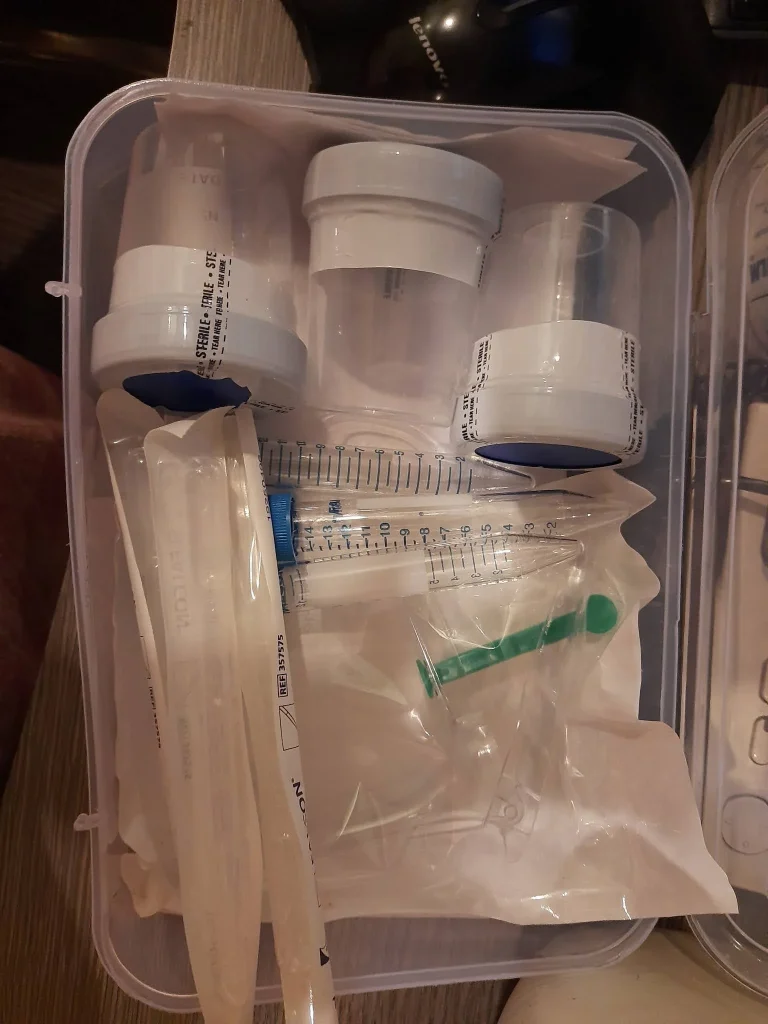
    various medical supplies and containers organized in a clear plastic box on a wooden surface

    Preparing Your Body for Pregnancy: Essential DIY Baby-Making Techniques

    6. Try Natural Fertility Supplements
    Some natural supplements can help improve fertility in both men and women. These include Coenzyme Q10, zinc, vitamin D, and omega-3 fatty acids. However, it is essential to consult with a doctor before taking any supplements to ensure they are safe for you and will not interfere with any medications you may be taking.

    7. Reduce Stress
    Stress can have a significant impact on your reproductive health. It can affect hormone levels, ovulation, and sperm production. Therefore, it is crucial to find ways to reduce stress in your life. This can include practicing relaxation techniques such as yoga or meditation, getting enough sleep, and engaging in activities you enjoy.

    8. Use Natural Lubricants
    Some lubricants can interfere with sperm motility and decrease your chances of conceiving. It is best to use natural lubricants, such as coconut oil, olive oil, or Pre-Seed, which are safe for sperm and can even aid in conception.

    9. Try Acupuncture
    Acupuncture is an ancient Chinese healing technique that involves inserting thin needles into specific points on the body. It has been found to be beneficial in improving fertility by reducing stress, balancing hormones, and increasing blood flow to the reproductive organs.

    10. Have Regular Sex
    The most crucial DIY technique for conceiving is to have regular sex. It is recommended to have intercourse every two to three days throughout your cycle to ensure sperm is present when ovulation occurs. Trying to conceive can sometimes become stressful, but it is essential to keep the spark alive and not make it feel like a chore.

    In conclusion, preparing your body for pregnancy is essential to increase your chances of conceiving and having a healthy pregnancy. Incorporating these DIY baby-making techniques into your routine can help boost your fertility and prepare your body for the journey of motherhood. Remember to consult with a doctor or fertility specialist if you have any concerns or questions about your fertility.

    Summary:
    Preparing your body for pregnancy is crucial for increasing your chances of conceiving and having a healthy pregnancy. Some essential DIY baby-making techniques include eating a healthy and balanced diet, exercising regularly, quitting unhealthy habits, taking prenatal vitamins, tracking ovulation, trying natural fertility supplements, reducing stress, using natural lubricants, trying acupuncture, and having regular sex. These techniques can help boost your fertility and prepare your body for the journey of motherhood. Consult with a doctor or fertility specialist for any concerns or questions about your fertility.