Tag: syringe insemination

  • Syringe Insemination and Fertility Medications: Understanding the Process

    Syringe Insemination and Fertility Medications: Understanding the Process

    Fertility issues are relatively common, with approximately 15% of couples experiencing difficulty conceiving. Fortunately, there are numerous medical treatments available to help couples achieve their dream of starting a family. One of these treatments is syringe insemination, also known as intrauterine insemination (IUI), and it is often paired with fertility medications. In this blog post, we will explore the process of syringe insemination and fertility medications, and how they work together to increase the chances of conception.

    What is Syringe Insemination?

    Syringe insemination, or IUI, is a fertility treatment that involves placing sperm directly into a woman’s uterus during ovulation. This procedure is typically done in a doctor’s office and is relatively quick and painless. The goal of IUI is to increase the chances of fertilization by bringing the sperm closer to the egg.

    Who is a Candidate for Syringe Insemination?

    Syringe insemination is often recommended for couples who have been trying to conceive for at least a year without success. It can also be used for individuals with certain fertility issues, such as low sperm count or motility, endometriosis, or unexplained infertility. It may also be recommended for same-sex couples or single women who are trying to conceive.

    Understanding the Process of Syringe Insemination

    The process of syringe insemination begins with the woman taking fertility medications to stimulate the production of eggs. These medications can include oral medication or injections and are used to increase the number of mature eggs produced during a woman’s cycle. This step is crucial as it helps to increase the chances of fertilization during the IUI procedure.

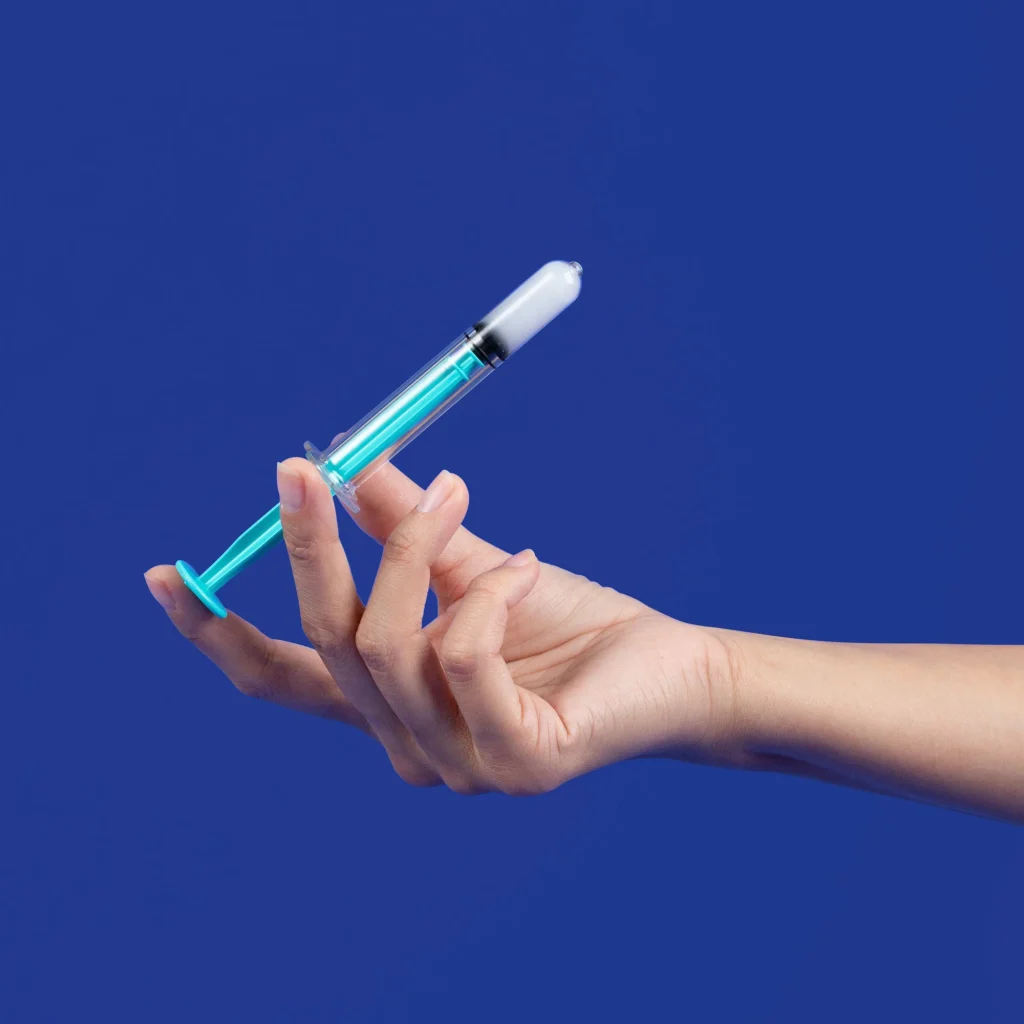
    Hands holding a syringe and a small container against a blue background.

    Syringe Insemination and Fertility Medications: Understanding the Process

    Once the eggs are mature, a woman will undergo an ultrasound to determine when she is ovulating. This is crucial as the IUI procedure needs to be done at the right time to maximize the chances of success. A semen sample is then collected from the male partner or a donor and washed to remove any impurities.

    The insemination procedure itself is relatively simple and painless. The washed sperm is placed into a thin, flexible catheter, which is then inserted into the cervix and into the uterus. The sperm is then released into the uterus, where it can swim towards the egg and hopefully fertilize it. The entire process takes only a few minutes, and the woman can go about her day immediately after.

    Fertility Medications Used in Syringe Insemination

    As mentioned earlier, fertility medications are a crucial part of the syringe insemination process. These medications are used to stimulate the production of eggs and increase the chances of fertilization. The most commonly used fertility medication in IUI is clomiphene citrate, which is an oral medication that stimulates the release of hormones necessary for ovulation. Gonadotropins, which are injectable hormones, may also be used to stimulate the ovaries to produce multiple eggs.

    In some cases, fertility medications may also be used to prepare the woman’s body for pregnancy. For example, progesterone supplements may be prescribed to help thicken the lining of the uterus, making it easier for a fertilized egg to implant.

    Success Rates of Syringe Insemination

    The success rates of syringe insemination can vary depending on various factors, such as the age of the woman, the cause of infertility, and the number of mature eggs produced. On average, the success rate for syringe insemination is around 10-20% per cycle. However, this success rate can increase to 60-70% after three to six cycles.

    It is also worth noting that the success rate of syringe insemination can be significantly affected by the quality and quantity of the sperm used. Therefore, it is crucial to choose a reputable fertility clinic with experienced doctors and advanced laboratory techniques to maximize the chances of success.

    In summary, syringe insemination, or IUI, is a fertility treatment that involves placing sperm directly into a woman’s uterus during ovulation. It is often paired with fertility medications to increase the chances of conception. The process involves taking fertility medications to stimulate the production of eggs, monitoring ovulation, and then performing the IUI procedure. While success rates can vary, syringe insemination has helped countless couples and individuals achieve their dream of starting a family.

  • Syringe Insemination and Egg Donation: A Comprehensive Guide

    Blog Post Title: Syringe Insemination and Egg Donation: A Comprehensive Guide

    Syringe insemination and egg donation are two important processes in the world of fertility treatments. While they may seem intimidating and complex, they are actually simple and effective methods that have helped countless individuals and couples achieve their dream of starting a family. In this comprehensive guide, we will discuss everything you need to know about syringe insemination and egg donation, including how they work, who they are for, and what to expect during the process.

    What is Syringe Insemination?

    Syringe insemination, also known as intrauterine insemination (IUI), is a fertility treatment that involves placing sperm directly into a woman’s uterus using a syringe. This method is often used for couples who have been trying to conceive for a while with no success, or for those who have certain fertility issues such as low sperm count or cervical mucus problems.

    The process of syringe insemination starts with the collection of sperm from the male partner. The sperm is then washed and prepared in a laboratory to increase its chances of fertilizing an egg. During the insemination procedure, a thin catheter is inserted through the cervix and into the uterus, and the prepared sperm is injected directly into the uterus using a syringe. This allows the sperm to bypass any potential barriers and have a better chance of reaching and fertilizing an egg.

    Who is Syringe Insemination For?

    Syringe insemination is a popular fertility treatment for both heterosexual and same-sex couples, as well as single women who want to become pregnant. It is often recommended for couples who have been trying to conceive for at least a year without success, or for those who have certain fertility issues. It is also a good option for couples who are unable to have intercourse due to medical reasons, or for those who have a mild form of male factor infertility.

    Syringe insemination is a less invasive and less expensive option compared to other fertility treatments such as in vitro fertilization (IVF). It also has a higher success rate than natural conception, making it a popular choice for couples who are struggling to get pregnant.

    What to Expect During Syringe Insemination

    Before undergoing syringe insemination, both partners will need to undergo some tests to determine the best course of treatment. This may include a physical exam, blood work, and a semen analysis for the male partner. The woman may also need to track her ovulation using methods such as basal body temperature charting or ovulation predictor kits.

    During the actual insemination procedure, the woman will lie on a table with her feet in stirrups, similar to a pelvic exam. The doctor will then insert a speculum into the vagina to keep the cervix open and visible. The sperm is then injected into the uterus using a thin catheter. The entire process usually takes less than 15 minutes and is relatively painless.

    After the procedure, the woman may experience some mild cramping or spotting, which is normal. She can resume her daily activities immediately, although some doctors may recommend avoiding strenuous activities for a day or two. A pregnancy test can be taken about two weeks after the procedure to determine if the treatment was successful.

    Informative card introducing the Mosie Baby Kit and its mission for at-home insemination.

    Syringe Insemination and Egg Donation: A Comprehensive Guide

    What is Egg Donation?

    Egg donation is a process in which a woman donates her eggs to another woman or couple who are unable to conceive on their own. This process is often used for women who have premature ovarian failure, poor egg quality, or have undergone cancer treatment that affected their fertility.

    The process of egg donation involves the donor taking fertility medications to stimulate her ovaries to produce multiple eggs. The eggs are then retrieved during a minor surgical procedure and fertilized with sperm in a laboratory. The resulting embryos are then transferred into the recipient’s uterus or frozen for future use.

    Who is Egg Donation For?

    Egg donation is primarily used for women who are unable to produce viable eggs on their own. This may include women who are older, have certain medical conditions, or have had their ovaries removed. It is also an option for same-sex male couples or single men who want to have biological children.

    What to Expect During Egg Donation

    If you are considering egg donation, the first step is to find a reputable fertility clinic that offers this service. The clinic will guide you through the process and provide you with a list of potential egg donors to choose from. Once you have selected a donor, the process will begin.

    The egg donor will need to undergo several tests and screenings to ensure she is healthy and suitable for donation. She will also need to take fertility medications to stimulate her ovaries. During this time, the recipient will also need to prepare her uterus for the embryo transfer.

    Once the eggs have been retrieved, they will be fertilized with sperm in a laboratory. The resulting embryos will be monitored and the best ones will be selected for transfer. The embryo transfer procedure is similar to a syringe insemination, where the embryos are placed into the recipient’s uterus using a thin catheter. Any remaining embryos can be frozen for future use.

    The recipient will then need to take a pregnancy test about two weeks after the transfer to determine if the treatment was successful. If the test is positive, the recipient will continue to work with her fertility clinic for prenatal care.

    In conclusion, syringe insemination and egg donation are two effective methods of fertility treatments that have helped many individuals and couples achieve their dream of starting a family. They are suitable options for a variety of situations and can help overcome common fertility issues. If you are considering either of these options, it is important to consult with a reputable fertility clinic to determine the best course of treatment for your individual needs.

    Summary:

    Syringe insemination and egg donation are two popular fertility treatments that have helped many individuals and couples achieve their dream of starting a family. Syringe insemination involves placing prepared sperm directly into a woman’s uterus using a syringe, while egg donation involves the retrieval and fertilization of eggs from a donor, which are then transferred into the recipient’s uterus. Both treatments are suitable for a variety of situations and have a high success rate. It is important to consult with a reputable fertility clinic to determine the best course of treatment for your individual needs.

  • The Impact of Stress on Male Fertility and How Syringe Insemination Can Help

    Stress is a common factor in our daily lives, and it can have a significant impact on our physical and emotional well-being. While most of us associate stress with work, relationships, or financial concerns, it can also affect our reproductive health, especially in men. Studies have shown that stress can contribute to male infertility, making it a crucial factor to consider for couples trying to conceive. In this blog post, we will discuss the impact of stress on male fertility and how syringe insemination can help in overcoming this issue.

    Understanding Male Fertility
    Before delving into the connection between stress and male fertility, it is essential to understand how male fertility works. Male fertility depends on the quality and quantity of sperm, which is produced in the testicles. These sperm cells then travel through the reproductive tract and are ejaculated during sexual intercourse. For fertilization to occur, the sperm must be able to swim effectively and reach the female egg.

    The Impact of Stress on Male Fertility
    Stress can disrupt the delicate balance of hormones in the body, affecting the production and quality of sperm. When a person is under stress, the body releases a hormone called cortisol, which can interfere with the production of testosterone, the male sex hormone responsible for sperm production. This imbalance can lead to a decrease in sperm count, motility, and morphology (shape and size), making it difficult for sperm to reach and fertilize the egg.

    Moreover, stress can also affect the physical and emotional well-being of men, leading to lifestyle changes that can further impact male fertility. For example, stress can lead to unhealthy habits like smoking, excessive drinking, and poor dietary choices, all of which can negatively affect sperm quality and quantity.

    How Syringe Insemination Can Help
    Syringe insemination, also known as intrauterine insemination (IUI), is a fertility treatment that involves placing sperm directly into the uterus using a syringe. This procedure can help overcome male fertility issues caused by stress in the following ways:

    Hands holding a syringe and a small container against a blue background.

    The Impact of Stress on Male Fertility and How Syringe Insemination Can Help

    1. Reduces Stress During Intercourse
    The pressure of trying to conceive can be stressful for couples, especially if they have been trying for a long time. Syringe insemination takes the stress out of the equation by eliminating the need for timed intercourse. This way, couples can focus on their emotional connection and intimacy, rather than the pressure of trying to get pregnant.

    2. Improves Sperm Quality
    Syringe insemination is a form of assisted reproductive technology (ART) that involves washing and preparing sperm before insertion. This process removes any potential toxins or antibodies that may be present in the semen, resulting in healthier and more motile sperm. As a result, the chances of fertilization are increased, even in cases where sperm quality is affected by stress.

    3. Increases the Chance of Fertilization
    By placing the sperm directly into the uterus, syringe insemination bypasses any potential obstacles in the reproductive tract, making it easier for the sperm to reach the egg. This increases the chances of fertilization, especially if there are any issues with sperm motility or morphology caused by stress.

    4. Provides Psychological Relief
    Couples struggling with infertility often experience emotional distress and anxiety, which can further exacerbate the effects of stress on male fertility. Syringe insemination can provide psychological relief as it offers a tangible solution and a sense of control over the fertility process. This can positively impact the overall well-being of the couple and reduce stress levels.

    In conclusion, stress can have a significant impact on male fertility, affecting sperm quality, quantity, and overall reproductive health. However, with advancements in assisted reproductive technology, such as syringe insemination, couples struggling with fertility issues caused by stress can still have a chance of conceiving. By reducing stress during intercourse, improving sperm quality, increasing the chances of fertilization, and providing psychological relief, syringe insemination can be a valuable tool in helping couples achieve their dream of starting a family.

    In summary, stress can have a negative impact on male fertility by affecting hormone levels and leading to unhealthy lifestyle choices. Syringe insemination, also known as IUI, is a fertility treatment that can help overcome these issues by reducing stress during intercourse, improving sperm quality, and increasing the chances of fertilization. It can also provide psychological relief and a sense of control for couples struggling with infertility. If you and your partner are experiencing fertility issues due to stress, consider speaking to a fertility specialist about syringe insemination as a potential solution.

  • Navigating the Legalities of Syringe Insemination: What You Need to Know

    Navigating the Legalities of Syringe Insemination: What You Need to Know

    Syringe insemination, also known as at-home insemination or self-insemination, is a method of conception where sperm is inserted into the vagina using a syringe. This method has gained popularity in recent years as a more affordable and private alternative to traditional fertility treatments. However, it is important to be aware of the legalities surrounding syringe insemination in order to protect yourself and your future child. In this blog post, we will discuss the legal considerations and steps to take when pursuing syringe insemination.

    Legal Considerations:

    1. Legal Parentage: In most states, the person who gives birth to a child is considered the legal mother, regardless of genetics. This means that if you are using a sperm donor for syringe insemination, the donor may not be considered the legal father of the child. It is important to consult with a lawyer and establish legal parentage to avoid any future legal disputes.

    2. Sperm Donor Agreements: It is crucial to have a written agreement with your sperm donor outlining their rights and responsibilities. This agreement should include details such as whether the donor will have any legal rights to the child, financial responsibilities, and any future involvement in the child’s life. This agreement should be signed and notarized by both parties.

    3. Medical Screening: Before proceeding with syringe insemination, it is important to ensure that the sperm donor has undergone proper medical screening. This includes testing for sexually transmitted infections and genetic diseases. A lawyer can help you draft a medical screening agreement to protect both parties.

    4. Legal Restrictions: Some states have restrictions on at-home insemination, including the requirement for a licensed physician to perform the procedure. It is important to research and understand the laws in your state before proceeding with syringe insemination.

    hand holding a syringe with a blue plunger against a solid blue background

    Navigating the Legalities of Syringe Insemination: What You Need to Know

    Steps to Take:

    1. Consult with a Lawyer: Before pursuing syringe insemination, it is recommended to consult with a lawyer who specializes in reproductive law. They can help you navigate the legalities and ensure that all necessary legal steps are taken.

    2. Establish Parentage: As mentioned earlier, establishing legal parentage is crucial when using a sperm donor for syringe insemination. Your lawyer can help you draft a legal parentage agreement and file it with the court to establish your parental rights.

    3. Draft a Donor Agreement: A written agreement with your sperm donor is essential to protect both parties and avoid any future legal disputes. Your lawyer can assist you in drafting a comprehensive donor agreement that outlines all necessary details and is signed and notarized by both parties.

    4. Follow Medical Screening Protocols: It is important to follow proper medical screening protocols for your sperm donor to ensure the health and safety of both the donor and the future child. Your lawyer can help you draft a medical screening agreement that outlines the necessary tests and procedures.

    5. Understand State Laws: As mentioned earlier, it is crucial to research and understand the laws in your state regarding at-home insemination. Your lawyer can advise you on any legal restrictions or requirements that may apply to your situation.

    In summary, navigating the legalities of syringe insemination requires careful consideration and proper legal steps. Consulting with a lawyer who specializes in reproductive law is recommended to ensure that all necessary legal documents are in place and to protect the rights of all parties involved. It is also important to research and understand the laws in your state before proceeding with syringe insemination. By taking these steps, you can ensure a smooth and legally sound path to starting or expanding your family through syringe insemination.

  • Finding Hope in the Midst of Infertility: Success Stories with Syringe Insemination

    Summary:

    Infertility is a heartbreaking struggle that affects millions of couples around the world. For many, the idea of starting a family seems like a distant dream, and the journey to parenthood can be filled with disappointment and feelings of hopelessness. However, for those who have turned to syringe insemination, there is a glimmer of hope in the midst of their infertility battle. This method, also known as the “turkey baster” method, has helped numerous couples overcome their obstacles and successfully conceive a child. In this blog post, we will explore the inspiring success stories of couples who have found hope through syringe insemination, and the lessons we can learn from their experiences.

    Introduction:

    Infertility can be a difficult topic to discuss, especially for those who are struggling with it. It is a complex issue that affects both men and women, and can be caused by a variety of factors such as age, hormonal imbalances, and medical conditions. For couples who have been trying to conceive for months or even years without success, the emotional toll can be devastating. However, there is a light at the end of the tunnel for those who have turned to syringe insemination as a means of overcoming their fertility struggles.

    What is Syringe Insemination?

    Syringe insemination, also known as artificial insemination or intrauterine insemination, is a method of assisted reproductive technology that involves injecting sperm directly into the cervix or uterus using a syringe. This technique is often referred to as the “turkey baster” method due to its resemblance to a kitchen utensil. It is a less invasive and more affordable option compared to other fertility treatments, such as in vitro fertilization (IVF).

    Success Stories:

    The success rate of syringe insemination varies depending on several factors, such as the age and health of the individuals involved, the quality of the sperm, and the timing of the procedure. However, for many couples, this method has been a game-changer in their journey to parenthood. Here are some inspiring success stories from couples who have found hope through syringe insemination:

    1. Sarah and Mark:

    hand holding a syringe with a blue plunger against a solid blue background

    Finding Hope in the Midst of Infertility: Success Stories with Syringe Insemination

    After trying to conceive for over two years without success, Sarah and Mark were diagnosed with unexplained infertility. They were devastated and had almost given up hope of ever having a child of their own. However, after researching alternative methods, they decided to try syringe insemination. To their surprise, Sarah became pregnant after just two attempts. She gave birth to a healthy baby girl, and the couple could not be happier.

    2. Jessica and Alex:

    After multiple failed attempts at IVF, Jessica and Alex were emotionally and financially drained. They were hesitant to try any more fertility treatments and were considering adoption as their next step. However, after consulting with their doctor, they decided to give syringe insemination a try. To their amazement, Jessica became pregnant on the first attempt and gave birth to a healthy baby boy. They now have a beautiful family of three and could not be more grateful for their little miracle.

    3. Maria and David:

    Maria and David had been trying to conceive for five years before they decided to try syringe insemination. They had been through multiple rounds of IVF and had experienced heartbreak after heartbreak. However, they were determined to exhaust all options before giving up. After the third attempt at syringe insemination, Maria became pregnant and gave birth to twins, a boy, and a girl. They now have a happy and thriving family of four, and their journey has taught them the value of perseverance and never giving up hope.

    Lessons Learned:

    These success stories not only bring hope to those struggling with infertility, but they also teach us valuable lessons. Firstly, it is crucial to explore all options and not give up hope. Syringe insemination may not work for everyone, but it has helped many couples who had almost lost hope of ever becoming parents. Secondly, it is essential to have a positive mindset and believe in the process. Stress and anxiety can have a significant impact on fertility, and having a positive attitude can make all the difference. Lastly, it is crucial to have a supportive partner and a strong support system. The journey to parenthood can be challenging, and having a loving and understanding partner and a supportive network of family and friends can make it more bearable.

    Conclusion:

    Infertility is a difficult road to navigate, but syringe insemination has offered hope and a glimmer of light for many couples. These success stories remind us that miracles do happen, and with determination and a positive mindset, anything is possible. If you are struggling with infertility, do not lose hope. Consider exploring alternative methods such as syringe insemination, and remember that your journey may be different but just as beautiful as these inspiring success stories.

  • Syringe Insemination for Women with Low Ovarian Reserve: A Viable Option?

    Summary:

    For women struggling with low ovarian reserve, the journey to conceive a child can be filled with frustration and disappointment. As the number of viable eggs decreases, the chances of natural conception also decrease. In vitro fertilization (IVF) has long been the go-to treatment option for low ovarian reserve, but it is expensive and not always successful. However, there is a lesser-known fertility treatment option that has shown promising results for women with low ovarian reserve – syringe insemination.

    Syringe insemination, also known as intrauterine insemination (IUI), involves placing washed and concentrated sperm directly into the uterus using a syringe. This method is less invasive and less expensive than IVF, making it a viable option for women with low ovarian reserve. But is it truly effective? In this blog post, we will explore the benefits and drawbacks of syringe insemination for women with low ovarian reserve.

    Benefits of Syringe Insemination:
    1. Cost-effective: The cost of syringe insemination is significantly lower than IVF, making it a more accessible option for women with low ovarian reserve.
    2. Less invasive: Unlike IVF, syringe insemination does not require surgery or extensive medication. This makes it a less invasive option for women who may not be able to undergo more intensive treatments.
    3. Increases chances of natural conception: Syringe insemination places the sperm directly into the uterus, increasing the chances of fertilization. This makes it a more natural and less artificial method of conception.

    logo featuring a pink heart above two teal leaves on a blue circular background

    Syringe Insemination for Women with Low Ovarian Reserve: A Viable Option?

    Drawbacks of Syringe Insemination:
    1. Lower success rates: While IVF has a success rate of up to 40%, the success rate for syringe insemination is lower, ranging from 10-20%. This is due to the fact that the number of viable eggs in women with low ovarian reserve is already low, and the sperm may not always reach and fertilize an egg.
    2. Multiple cycles may be needed: Due to the lower success rates, multiple cycles of syringe insemination may be needed to achieve pregnancy, leading to increased costs and emotional stress.
    3. Risk of multiple pregnancies: As with any fertility treatment, there is a risk of multiple pregnancies with syringe insemination. This can lead to complications during pregnancy and childbirth.

    Factors to Consider Before Opting for Syringe Insemination:
    1. Age: Age plays a significant role in the success of syringe insemination. Women under 35 have a higher chance of success, while women over 40 may not benefit as much from this treatment.
    2. Ovarian reserve: The success of syringe insemination depends on the number and quality of eggs a woman has. Women with low ovarian reserve may not respond well to this treatment.
    3. Partner’s sperm quality: The sperm used in syringe insemination must be of good quality and motility to increase the chances of fertilization.

    In conclusion, syringe insemination can be a viable option for women with low ovarian reserve. It is a cost-effective, less invasive, and more natural method of conception. However, it is essential to consider factors such as age, ovarian reserve, and sperm quality before opting for this treatment. Consulting with a fertility specialist is crucial in determining if syringe insemination is the right option for you.

    SEO metadata:

  • Syringe Insemination and Male Infertility: A Promising Solution

    Blog Post Title: Syringe Insemination and Male Infertility: A Promising Solution

    Summary:

    Male infertility is a common issue that affects millions of men worldwide. It can be caused by various factors such as hormonal imbalances, genetic disorders, and lifestyle choices. While there are many treatment options available, one promising solution that has gained popularity in recent years is syringe insemination.

    Syringe insemination, also known as intrauterine insemination (IUI), is a fertility treatment that involves injecting sperm directly into a woman’s uterus using a syringe. This method has been found to be effective in helping couples conceive, especially in cases of male infertility.

    In this blog post, we will explore the process of syringe insemination, its benefits, and how it can help men with infertility issues.

    What is Syringe Insemination?

    Syringe insemination is a simple and minimally invasive procedure that involves collecting a semen sample from the male partner and inserting it into the female partner’s uterus. The semen sample is washed and prepared in the lab before being placed into a syringe and injected into the uterus.

    The procedure is usually performed around the time of ovulation when the woman’s eggs are ready to be fertilized. It can be done at a fertility clinic or at home with the help of a healthcare provider.

    Benefits of Syringe Insemination for Male Infertility:

    1. Increases the chances of fertilization: In cases of male infertility, the quality or quantity of sperm may be insufficient to reach and fertilize the egg. Syringe insemination bypasses this issue by directly placing the sperm into the uterus, increasing the chances of fertilization.

    2. Cost-effective: Compared to other fertility treatments such as in-vitro fertilization (IVF), syringe insemination is a more affordable option. It does not require expensive medication or complex procedures, making it a feasible choice for couples on a budget.

    Colorful promotional image for Mosie Baby, featuring home insemination kit and encouraging text.

    Syringe Insemination and Male Infertility: A Promising Solution

    3. Non-invasive: Syringe insemination is a non-invasive procedure that does not require any incisions or anesthesia. This makes it a less intimidating option for couples who may be hesitant to undergo more invasive procedures.

    4. Minimal side effects: The side effects of syringe insemination are minimal and usually include mild cramping and mild bleeding. This makes it a comfortable and relatively pain-free option for couples.

    How Syringe Insemination Can Help Men with Infertility Issues:

    1. Low sperm count: In cases of low sperm count, syringe insemination can help by placing the sperm directly in the uterus, increasing the chances of fertilization.

    2. Poor sperm motility: Sperm motility refers to the ability of sperm to swim and reach the egg. In cases of poor sperm motility, syringe insemination can help by bypassing the need for sperm to travel through the cervix and placing it directly in the uterus.

    3. Erectile dysfunction: Men with erectile dysfunction may find it difficult to conceive naturally. Syringe insemination eliminates the need for penetration, making it a viable option for couples struggling with this issue.

    4. Retrograde ejaculation: In this condition, the semen is ejaculated into the bladder instead of through the penis, making it difficult for the sperm to reach the egg. Syringe insemination bypasses this issue by directly placing the sperm into the uterus.

    5. Unexplained infertility: In some cases, the cause of male infertility may not be identified. Syringe insemination can help in such cases by increasing the chances of fertilization, even when the cause is unknown.

    Conclusion:

    Syringe insemination is a promising solution for male infertility, offering a simple, cost-effective, and minimally invasive option for couples struggling to conceive. It can help in various cases of male infertility, increasing the chances of fertilization and ultimately helping couples achieve their dream of parenthood.

    If you and your partner are struggling with infertility, consider discussing syringe insemination with your healthcare provider to determine if it is the right option for you.

    SEO metadata:

  • Maximizing Your Chances of Success: Lifestyle Changes for Syringe Insemination

    Blog Post Title: Maximizing Your Chances of Success: Lifestyle Changes for Syringe Insemination

    Syringe insemination is becoming an increasingly popular method of artificial insemination for couples struggling with fertility issues. It involves using a syringe to inject sperm directly into the cervix, bypassing any potential barriers in the reproductive system. While this method can greatly increase the chances of conception, there are certain lifestyle changes that can further maximize the success rate. In this blog post, we will discuss some key lifestyle changes that can improve the chances of success for syringe insemination.

    1. Quit smoking
    Smoking has been linked to a number of fertility issues, including reduced sperm count and motility in men and decreased egg quality in women. Therefore, it is essential for both partners to quit smoking before attempting syringe insemination. This will not only improve the chances of conception but also contribute to a healthier pregnancy and baby.

    2. Maintain a healthy weight
    Being overweight or underweight can have a negative impact on fertility. In women, excess body fat can lead to hormonal imbalances and irregular ovulation, while in men, it can affect sperm production and quality. On the other hand, being underweight can also affect hormone levels and disrupt the menstrual cycle. Maintaining a healthy weight through a balanced diet and regular exercise can greatly increase the chances of success for syringe insemination.

    3. Reduce alcohol and caffeine intake
    Excessive alcohol and caffeine consumption can also affect fertility. In women, it can disrupt the menstrual cycle and increase the risk of miscarriage, while in men, it can lead to a decrease in sperm count and motility. Therefore, it is important to limit alcohol and caffeine intake or avoid them altogether when trying to conceive through syringe insemination.

    4. Incorporate fertility-boosting foods into your diet
    Certain foods have been found to have a positive impact on fertility. These include foods rich in antioxidants, such as fruits, vegetables, and whole grains, which can help improve egg and sperm quality. Additionally, foods rich in omega-3 fatty acids, such as salmon and chia seeds, can also boost fertility. It is important to incorporate these foods into your diet to increase the chances of success for syringe insemination.

    illustration comparing standard and Mosie syringe openings with text highlighting design benefits for home insemination

    Maximizing Your Chances of Success: Lifestyle Changes for Syringe Insemination

    5. Manage stress
    Stress can have a significant impact on fertility, as it can disrupt the hormonal balance in both men and women. It is important to find ways to manage stress, whether it is through yoga, meditation, or other relaxation techniques. Taking time to de-stress and relax can greatly increase the chances of success for syringe insemination.

    6. Get enough sleep
    Lack of sleep can also affect fertility by disrupting the hormonal balance. It is recommended to get at least 7-8 hours of sleep each night to improve overall health and increase the chances of conception. Creating a calming bedtime routine and avoiding electronic devices before bed can help improve the quality of sleep.

    7. Consider acupuncture
    Acupuncture has been found to be an effective treatment for infertility. It can help regulate hormone levels, increase blood flow to the reproductive organs, and reduce stress. Adding acupuncture to your fertility journey can greatly increase the chances of success for syringe insemination.

    8. Stay hydrated
    Staying hydrated is important for overall health, and it can also improve fertility. Drinking enough water can help increase cervical mucus, which plays a crucial role in helping sperm reach the egg. It is recommended to drink at least 8 glasses of water a day to maintain proper hydration.

    9. Avoid harmful chemicals
    Exposure to certain chemicals, such as pesticides, can have a negative impact on fertility. Therefore, it is important to avoid exposure to these chemicals as much as possible. This includes using natural cleaning products, avoiding processed foods, and choosing organic produce.

    10. Communicate openly with your partner
    Lastly, it is important to maintain open communication with your partner throughout this process. Syringe insemination can be a stressful and emotional journey, and it is important to support each other and communicate openly about any concerns or issues that may arise.

    In summary, maximizing your chances of success for syringe insemination involves making certain lifestyle changes, such as quitting smoking, maintaining a healthy weight, reducing alcohol and caffeine intake, incorporating fertility-boosting foods into your diet, managing stress, getting enough sleep, considering acupuncture, staying hydrated, avoiding harmful chemicals, and communicating openly with your partner. By making these changes, you can greatly increase the chances of conception and achieve your goal of starting a family.

  • Syringe Insemination and Surrogacy: An Alternative Path to Parenthood

    Blog Post:

    Parenthood is a deeply personal and meaningful experience for many individuals and couples. However, for some, the traditional path to parenthood may not be an option due to various factors such as infertility, medical conditions, or personal circumstances. In recent years, there has been a growing awareness and acceptance of alternative paths to parenthood, such as syringe insemination and surrogacy. These methods offer hope and opportunity for those who are unable to conceive or carry a child on their own. In this blog post, we will explore syringe insemination and surrogacy as alternative paths to parenthood and the benefits and considerations associated with them.

    Syringe insemination, also known as intrauterine insemination (IUI), is a form of assisted reproductive technology (ART) that involves placing sperm directly into a woman’s uterus using a syringe. This method is often used for couples who are struggling with infertility or same-sex couples who wish to have a biological connection to their child. The process begins with the collection of sperm from a donor or the male partner. The sperm is then washed and prepared in a lab to increase its chances of fertilizing an egg. During the procedure, a thin catheter is inserted into the uterus through the cervix, and the prepared sperm is injected directly into the uterus. This method can be done at home or in a fertility clinic, and it is a relatively painless and non-invasive procedure.

    One of the main benefits of syringe insemination is its cost-effectiveness compared to other ART methods such as in vitro fertilization (IVF). The process is simple, and the materials used are relatively inexpensive, making it an accessible option for many individuals and couples. It also has a higher success rate compared to natural conception, making it an attractive option for those struggling with infertility.

    However, there are some considerations to keep in mind when considering syringe insemination. The success rate may vary depending on various factors, such as the age and health of the woman, the quality of sperm, and the timing of the procedure. It may also require multiple attempts before achieving a successful pregnancy. Additionally, using a sperm donor may raise emotional and ethical concerns for some individuals and couples. It is crucial to discuss these considerations with a fertility specialist before making a decision.

    Another alternative path to parenthood is surrogacy. Surrogacy involves a woman carrying a child for another individual or couple, who will become the child’s legal parents after birth. There are two types of surrogacy: traditional and gestational. Traditional surrogacy involves the surrogate mother using her own eggs to conceive, while gestational surrogacy involves the use of a donor egg or the intended mother’s egg and sperm from the intended father or a donor. The fertilized embryo is then transferred to the surrogate’s uterus through IVF.

    pregnancy test kit features labeled for comfort and confidence on a teal background

    Syringe Insemination and Surrogacy: An Alternative Path to Parenthood

    Surrogacy offers an option for individuals and couples who are unable to carry a pregnancy due to medical reasons or same-sex couples who wish to have a biological connection to their child. It also allows individuals and couples to have a child that is genetically related to them. Surrogacy also offers a higher success rate compared to other ART methods, making it an appealing option for those struggling with infertility.

    However, surrogacy also has its share of considerations and challenges. The legal and ethical complexities surrounding surrogacy can vary depending on the country or state where it takes place. It can also be a costly process, involving medical and legal fees, as well as compensation for the surrogate mother. It is crucial to thoroughly research and understand the laws and regulations surrounding surrogacy in your location before embarking on this path to parenthood.

    In addition to the considerations mentioned above, it is essential to have open and honest communication with all parties involved in the process of syringe insemination or surrogacy. This includes the fertility specialist, sperm donor (if applicable), and the surrogate mother. Building a strong and trusting relationship with these individuals is crucial in ensuring a smooth and successful journey towards parenthood.

    In conclusion, syringe insemination and surrogacy are two alternative paths to parenthood that offer hope and opportunity for individuals and couples who are unable to conceive or carry a child on their own. These methods have their unique benefits and considerations, and it is crucial to thoroughly research and seek professional guidance before making a decision. With the right support and information, these alternative paths can lead to the fulfilling experience of parenthood.

    Summary:

    Parenthood is a deeply personal experience, but for some, traditional methods may not be an option. Syringe insemination and surrogacy offer alternative paths to parenthood for those struggling with infertility or other circumstances. Syringe insemination involves placing prepared sperm directly into the uterus, while surrogacy involves a woman carrying a child for another individual or couple. These methods are cost-effective and have a higher success rate compared to natural conception, but they also have considerations such as emotional and ethical concerns, legal complexities, and costs. Communication and thorough research are crucial for a successful journey towards parenthood through these alternative paths.

  • The Role of Acupuncture in Enhancing the Effectiveness of Syringe Insemination

    Blog Post Summary:

    Acupuncture is an ancient traditional Chinese medicine practice that has been gaining popularity in the Western world in recent years. It involves the insertion of thin needles into specific points on the body to stimulate the flow of energy and promote healing. While acupuncture is commonly used to treat a variety of ailments and improve overall health, it has shown to be particularly effective in enhancing the success of syringe insemination for couples struggling with fertility.

    Syringe insemination, also known as intrauterine insemination (IUI), is a fertility treatment method where sperm is directly injected into a woman’s uterus using a syringe. This method is often used for couples with male factor infertility, unexplained infertility, or for same-sex couples and single women. While syringe insemination can be an effective option for these couples, studies have shown that combining it with acupuncture can significantly increase the chances of a successful pregnancy.

    So, how does acupuncture improve the effectiveness of syringe insemination? First, acupuncture can help to relax the body and reduce stress levels, which is important for couples undergoing fertility treatments. Stress can negatively impact fertility by altering hormone levels and disrupting the menstrual cycle. By promoting relaxation, acupuncture can help to create a more favorable environment for conception.

    hands using a blue syringe to extract contents from a clear container for a home insemination kit

    The Role of Acupuncture in Enhancing the Effectiveness of Syringe Insemination

    Furthermore, acupuncture can improve blood flow to the reproductive organs, including the uterus and ovaries. This increased blood flow can help to thicken the uterine lining, making it easier for an embryo to implant and grow. It can also improve the quality of the eggs and sperm, increasing the chances of a healthy pregnancy.

    Acupuncture can also help to regulate the menstrual cycle, which is crucial for successful syringe insemination. Irregular cycles or hormonal imbalances can make it difficult to time the insemination correctly and decrease the chances of conceiving. By regulating the menstrual cycle through acupuncture, the timing of the insemination can be optimized for better results.

    In addition to its physical benefits, acupuncture can also have a positive impact on a couple’s emotional well-being during the syringe insemination process. Trying to conceive can be emotionally draining and stressful, and acupuncture can help to alleviate these feelings. It can also improve the patient’s overall sense of well-being and increase their confidence in the treatment, which can contribute to a more positive outcome.

    While acupuncture can be beneficial on its own, studies have shown that combining it with syringe insemination can have even better results. In a study published in the journal Fertility and Sterility, researchers found that women who received acupuncture before and after syringe insemination had a significantly higher pregnancy rate than those who did not receive acupuncture. The study also showed that acupuncture can improve the success rate of syringe insemination for women with a history of failed attempts.

    In conclusion, acupuncture can play a significant role in enhancing the effectiveness of syringe insemination for couples struggling with fertility. By promoting relaxation, improving blood flow, and regulating the menstrual cycle, acupuncture can create a more favorable environment for conception. It can also have a positive impact on a couple’s emotional well-being, increasing their confidence and reducing stress during the treatment process. So, for couples considering syringe insemination, adding acupuncture to their treatment plan may greatly improve their chances of achieving a successful pregnancy.
