Tag: Menstrual Cycle

  • Unlocking the Secrets of Cervical Mucus for Fertility Tracking

    Summary: Cervical mucus, also known as cervical fluid, is a natural secretion produced by the cervix that plays an important role in fertility tracking. By paying attention to the changes in cervical mucus throughout a woman’s menstrual cycle, she can gain valuable insights into her fertility and increase her chances of conception. In this blog post, we will explore the secrets of cervical mucus and how it can be used for fertility tracking.

    First, we will discuss the different types of cervical mucus and their characteristics. The consistency, color, and amount of cervical mucus can change throughout a woman’s cycle, and these changes can indicate where she is in her cycle and her level of fertility. Learning to identify and track these changes can help a woman determine her most fertile days.

    Next, we will delve into the science behind cervical mucus and how it relates to fertility. Cervical mucus is produced by the cervix in response to hormonal fluctuations during the menstrual cycle. The quality and quantity of cervical mucus is influenced by estrogen and progesterone levels, which are key hormones in the menstrual cycle. By understanding the connection between cervical mucus and hormones, women can use this knowledge to track their fertility.

    We will then discuss the role of cervical mucus in conception. Cervical mucus provides a hospitable environment for sperm, helping them to survive and navigate through the reproductive tract. The changes in cervical mucus throughout a woman’s cycle can also indicate the best time for intercourse to increase the chances of fertilization.

    illustration comparing standard and Mosie syringe openings with text highlighting design benefits for home insemination

    Unlocking the Secrets of Cervical Mucus for Fertility Tracking

    After covering the basics, we will explore various methods of tracking cervical mucus for fertility. These methods include observing and charting changes in cervical mucus, using fertility monitoring devices, and tracking basal body temperature. We will also discuss the benefits and limitations of each method, and how they can be used in conjunction with each other for more accurate tracking.

    We will also address common misconceptions and concerns surrounding cervical mucus, such as the belief that it is dirty or unsanitary. In reality, cervical mucus is a natural and necessary part of a woman’s reproductive system, and understanding it can empower women to take charge of their fertility.

    Lastly, we will touch upon how cervical mucus can be used not just for tracking fertility, but also for identifying potential fertility issues. Changes in cervical mucus can indicate hormonal imbalances, ovulation disorders, and other reproductive health concerns. By tracking cervical mucus, women can become more in tune with their bodies and seek help if needed.

    In conclusion, cervical mucus is a powerful tool for fertility tracking that can provide valuable insights into a woman’s menstrual cycle and fertility. By understanding its characteristics, role in conception, and methods of tracking, women can use cervical mucus to increase their chances of conception and monitor their reproductive health.

  • Overcoming Common Challenges in Tracking Cervical Mucus for Ovulation

    Blog Post: Overcoming Common Challenges in Tracking Cervical Mucus for Ovulation

    Cervical mucus is a natural bodily fluid that plays a crucial role in the ovulation process. It changes in consistency, color, and amount throughout a woman’s menstrual cycle, providing valuable clues about her fertility. By tracking cervical mucus, women can better understand their bodies and increase their chances of conceiving. However, tracking cervical mucus can be challenging for some women, as it requires attention to detail and consistency. In this blog post, we will discuss the common challenges women face in tracking cervical mucus for ovulation and provide tips on how to overcome them.

    Challenge #1: Understanding Cervical Mucus

    The first challenge in tracking cervical mucus is understanding what it is and how it changes throughout the menstrual cycle. Cervical mucus is a fluid produced by the cervix that helps sperm reach the uterus. It is influenced by estrogen and progesterone levels, which fluctuate during the menstrual cycle. As a result, the consistency and amount of cervical mucus change throughout the cycle. To accurately track cervical mucus, women need to understand these changes and their significance.

    Solution: Educate Yourself

    The best way to overcome this challenge is to educate yourself about cervical mucus and its role in ovulation. There are many resources available, including books, online articles, and fertility tracking apps, that can provide valuable information about cervical mucus. Take the time to learn about the different types of cervical mucus and how they correspond to different phases of the menstrual cycle. This knowledge will help you accurately track your cervical mucus and identify your most fertile days.

    Challenge #2: Finding the Right Time to Check Cervical Mucus

    The next challenge is finding the right time to check cervical mucus. As mentioned earlier, cervical mucus changes throughout the menstrual cycle, and the most fertile mucus is usually produced around the time of ovulation. However, pinpointing the exact day of ovulation can be difficult, as it varies from woman to woman and even from cycle to cycle. Furthermore, the timing of ovulation can be affected by factors such as stress, illness, or travel, making it even more challenging to predict.

    Solution: Use Multiple Tracking Methods

    To overcome this challenge, it is essential to use multiple tracking methods. Along with tracking cervical mucus, women can also monitor their basal body temperature (BBT) and use ovulation predictor kits (OPKs). BBT tracking involves taking your temperature every morning and recording it on a chart. A rise in BBT indicates that ovulation has occurred. OPKs detect the surge of luteinizing hormone (LH) in urine, which typically happens one to two days before ovulation. By using these methods together, women can increase their chances of accurately identifying their fertile window.

    Informative card introducing the Mosie Baby Kit and its mission for at-home insemination.

    Overcoming Common Challenges in Tracking Cervical Mucus for Ovulation

    Challenge #3: Inconsistency in Cervical Mucus

    Another common challenge in tracking cervical mucus is its inconsistency. Cervical mucus can vary in consistency, color, and amount from day to day, making it challenging to determine the most fertile days. Factors such as hydration, diet, and medication can also affect cervical mucus, further adding to the inconsistency.

    Solution: Track Mucus Consistently

    One way to overcome this challenge is to track cervical mucus consistently. Start by checking your mucus every day, preferably at the same time. Use a fertility tracking app or a paper chart to record your observations. Over time, you will start to notice patterns in your mucus changes, making it easier to identify your most fertile days. It is also essential to stay hydrated and maintain a healthy diet to ensure consistent mucus production.

    Challenge #4: Difficulty in Identifying Different Types of Cervical Mucus

    Identifying the different types of cervical mucus can also be a challenge for some women. Cervical mucus can range from dry and sticky to wet and stretchy, and each type has a different meaning in terms of fertility. For example, dry and sticky mucus indicates low fertility, while wet and stretchy mucus is a sign of high fertility.

    Solution: Practice and Stay Patient

    The key to overcoming this challenge is practice and patience. As you continue to track your cervical mucus, you will become more familiar with the different types and their meanings. It is crucial to observe your mucus daily and take note of how it feels and looks. If you are having difficulty identifying the types, you can also try using your fingers to stretch the mucus between your thumb and index finger. Over time, you will become more confident in your ability to identify the different types of cervical mucus.

    Summary:

    Tracking cervical mucus for ovulation can be challenging, but it is an essential tool for women looking to conceive. To overcome common challenges such as understanding cervical mucus, finding the right time to check, inconsistency, and difficulty in identifying different types, it is crucial to educate yourself, use multiple tracking methods, track mucus consistently, and practice patience. By overcoming these challenges, women can gain a better understanding of their fertility and increase their chances of conception.

  • Cervical Mucus and Ovulation: The Impact of Age and Hormonal Changes

    Cervical mucus and ovulation are important factors in a woman’s reproductive health and fertility. As a woman ages, there are changes in her hormonal levels that can affect the quality and quantity of cervical mucus, as well as the timing and regularity of ovulation. In this blog post, we will explore the impact of age and hormonal changes on cervical mucus and ovulation, and how it can affect a woman’s fertility.

    Cervical mucus is a fluid produced by the cervix that plays a crucial role in the reproductive process. It helps sperm travel through the vagina and up to the fallopian tubes to fertilize an egg. The quality and quantity of cervical mucus changes throughout a woman’s menstrual cycle, and it is influenced by hormones such as estrogen and progesterone.

    During the early stages of the menstrual cycle, estrogen levels rise, causing the cervix to produce clear and stretchy cervical mucus. This type of mucus is known as “fertile” or “egg white” mucus because it is the most conducive to sperm survival and movement. As a woman approaches ovulation, her cervical mucus becomes thinner, more slippery, and more alkaline, creating an ideal environment for sperm to reach the egg.

    After ovulation, progesterone levels increase, causing the cervical mucus to become thicker and less conducive to sperm. This change in cervical mucus serves as a natural barrier to prevent sperm from entering the uterus and fallopian tubes at a time when fertilization is no longer possible.

    The quality and quantity of cervical mucus can also be affected by age and hormonal changes. As a woman gets older, her ovaries produce less estrogen, which can result in less fertile cervical mucus. This decrease in cervical mucus can make it more difficult for sperm to survive and reach the egg, reducing the chances of conception.

    Mosie Baby Kit with a syringe and container, highlighting safety and usability features on a blue background.

    Cervical Mucus and Ovulation: The Impact of Age and Hormonal Changes

    Furthermore, as a woman approaches menopause, her hormone levels fluctuate, and her menstrual cycle becomes irregular. This can lead to changes in cervical mucus, with some women experiencing more watery or thicker mucus, while others may have less mucus overall. These changes in cervical mucus can make it harder for women to track their ovulation and may also affect their fertility.

    Hormonal changes can also affect the timing and regularity of ovulation. As a woman ages, her ovaries may not release an egg every month, resulting in irregular ovulation. This can make it difficult for women to predict when they are most fertile and may lead to challenges in trying to conceive.

    Additionally, certain hormonal conditions, such as polycystic ovary syndrome (PCOS), can cause imbalances in hormone levels and disrupt ovulation. This can result in irregular or absent periods and may also impact the quality and quantity of cervical mucus.

    It is essential for women to be aware of the changes in their cervical mucus and ovulation as they age. Tracking changes in cervical mucus can help women identify their most fertile days and increase their chances of conception. Women can use methods such as charting their basal body temperature, using ovulation predictor kits, or monitoring changes in cervical mucus to determine when they are ovulating.

    Moreover, seeking medical advice is crucial for women who are experiencing difficulties with fertility. A doctor can conduct tests to check hormone levels and identify any underlying conditions that may be affecting cervical mucus and ovulation.

    In conclusion, cervical mucus and ovulation are critical factors in a woman’s reproductive health and fertility. As a woman ages, changes in hormone levels can impact the quality and quantity of cervical mucus and the timing and regularity of ovulation. It is essential for women to be aware of these changes and seek medical advice if they experience difficulties with fertility. By understanding the impact of age and hormonal changes on cervical mucus and ovulation, women can take proactive steps to optimize their reproductive health and improve their chances of conceiving.

  • Fertility Tracking 101: How to Use Cervical Mucus to Predict Ovulation

    Summary:

    Fertility tracking has become a popular method for women who are trying to conceive or avoid pregnancy. While there are various methods of fertility tracking, one of the most reliable and accessible ways is by using cervical mucus to predict ovulation. Cervical mucus changes throughout the menstrual cycle, and by understanding the different stages and characteristics of cervical mucus, women can accurately determine when they are most fertile.

    In this blog post, we will discuss the basics of fertility tracking using cervical mucus, including what cervical mucus is, how it changes throughout the menstrual cycle, and how to use it to predict ovulation. We will also cover tips and tricks for tracking cervical mucus and how to incorporate it into your fertility journey.

    What is Cervical Mucus?

    Cervical mucus, also known as cervical fluid, is a clear or white discharge produced by the cervix. This fluid plays a crucial role in the reproductive system, as it helps to keep the vagina clean and lubricated, and also serves as a protective barrier against bacteria and infections.

    The changes in cervical mucus are controlled by the hormones estrogen and progesterone, which fluctuate throughout the menstrual cycle. These hormonal changes cause the consistency, color, and amount of cervical mucus to vary, making it an essential indicator of fertility.

    Understanding the Different Stages of Cervical Mucus:

    There are four main stages of cervical mucus, each indicating a different phase of the menstrual cycle. By tracking these stages, women can predict when they are most fertile and plan their conception or contraception accordingly.

    1. Dry/No Mucus: At the beginning of the menstrual cycle, after the period has ended, there is usually no cervical mucus present. This stage is considered infertile, and sperm cannot survive in this environment.

    2. Sticky Mucus: As the body prepares for ovulation, cervical mucus will become sticky and cloudy. The mucus may be white or yellow and is not conducive to sperm survival.

    3. Creamy Mucus: This stage occurs closer to ovulation, and the mucus becomes creamy and lotion-like in consistency. It is still not the most fertile phase, but sperm can survive for a short time in this environment.

    4. Egg White Mucus: This is the most fertile stage of cervical mucus, and it occurs just before and during ovulation. The mucus becomes clear and stretchy, resembling raw egg whites. This type of mucus provides the ideal environment for sperm to survive and swim towards the egg.

    How to Use Cervical Mucus to Predict Ovulation:

    The goal of tracking cervical mucus is to determine when you are most fertile and likely to ovulate. Here are the steps to follow to use cervical mucus for fertility tracking:

    1. Observe your cervical mucus every day: The best way to track cervical mucus is to check it every day, preferably at the same time. You can do this by wiping the opening of your vagina with tissue or using clean fingers to remove the mucus.

    at-home insemination kit by Mosie Baby, featuring syringes and containers for comfort and convenience.

    Fertility Tracking 101: How to Use Cervical Mucus to Predict Ovulation

    2. Note the color and consistency: As mentioned earlier, the color and consistency of cervical mucus change throughout the cycle. Note these changes in a fertility tracking app or journal.

    3. Look for egg white mucus: The most fertile stage of cervical mucus is the egg white stage, so you should be on the lookout for this type of mucus. When you see it, note it down as your most fertile day.

    4. Use additional methods of fertility tracking: While cervical mucus tracking is a reliable method, it is always best to use it in combination with other methods such as basal body temperature tracking and ovulation predictor kits for a more accurate prediction of ovulation.

    Tips for Tracking Cervical Mucus:

    Here are some tips to keep in mind when tracking cervical mucus:

    1. Keep track of your cycle length: The length of your menstrual cycle can vary, and it is essential to know your average cycle length to accurately predict ovulation. This information will also help you determine when to start tracking cervical mucus.

    2. Stay hydrated: Drinking enough water is crucial for producing enough cervical mucus. Dehydration can lead to less mucus production and make it difficult to track.

    3. Avoid using scented products: Scented soaps or douches can interfere with the natural pH balance of the vagina and affect the consistency of cervical mucus.

    4. Be patient and consistent: It may take a few cycles to get familiar with your cervical mucus patterns and accurately predict ovulation. Be patient and consistent with tracking to get the best results.

    Incorporating Cervical Mucus Tracking into Your Fertility Journey:

    Cervical mucus tracking can be a valuable tool for women trying to conceive or avoid pregnancy. By understanding the changes in cervical mucus, women can take control of their fertility and plan accordingly. It is also a useful method for those with irregular periods or conditions such as polycystic ovary syndrome (PCOS).

    If you are trying to conceive, tracking cervical mucus can also help you determine the best timing for intercourse to increase your chances of pregnancy. On the other hand, if you are trying to avoid pregnancy, tracking cervical mucus can help you identify your fertile window and abstain from intercourse during this time.

    Conclusion:

    Fertility tracking using cervical mucus is a natural and straightforward method that can be used by women to predict ovulation and determine their most fertile days. By understanding the different stages of cervical mucus and tracking it consistently, women can take control of their fertility journey and make informed decisions about their reproductive health.

    SEO metadata:

  • Cervical Mucus and Ovulation: What Changes to Look for During Different Stages of Your Cycle

    Cervical mucus and ovulation are two important factors in a woman’s menstrual cycle. Understanding the changes in cervical mucus and how they relate to ovulation can help women track their fertility and increase their chances of conception. In this blog post, we will discuss the different stages of the menstrual cycle and the corresponding changes in cervical mucus, as well as how to interpret these changes and use them to predict ovulation.

    The Menstrual Cycle and Its Phases

    The menstrual cycle is the monthly process that prepares a woman’s body for pregnancy. It is controlled by hormones and typically lasts 28 days, although it can vary from woman to woman. The cycle is divided into three phases: the follicular phase, ovulation, and the luteal phase.

    The follicular phase begins on the first day of menstruation and lasts for about 14 days. During this phase, the hormone estrogen rises, causing the lining of the uterus to thicken in preparation for a potential pregnancy. At the same time, the ovaries begin to mature and release an egg.

    Ovulation occurs around day 14 of the menstrual cycle, although it can vary from woman to woman. This is when the mature egg is released from the ovary and travels down the fallopian tube towards the uterus. If the egg is fertilized by sperm, it may implant in the lining of the uterus and result in pregnancy.

    The luteal phase begins after ovulation and lasts for about 14 days. During this time, the hormone progesterone increases, causing the lining of the uterus to thicken even more to support a potential pregnancy. If the egg is not fertilized, the hormone levels will drop and the lining of the uterus will shed, resulting in menstruation.

    Cervical Mucus and Its Role in Ovulation

    Cervical mucus, also known as cervical fluid, is a fluid produced by the cervix that plays an important role in the reproductive process. Its consistency and appearance change throughout the menstrual cycle due to hormonal fluctuations.

    During the first few days of the menstrual cycle, when estrogen levels are low, cervical mucus is minimal and thick, making it difficult for sperm to survive and travel towards the egg. As estrogen levels rise during the follicular phase, the mucus becomes more watery and stretchy, creating a favorable environment for sperm to swim through.

    As ovulation approaches, the amount of cervical mucus increases significantly and takes on an egg white consistency. This type of mucus is considered the most fertile because it allows sperm to easily travel through the cervix and into the uterus. It also helps to nourish and protect the sperm as it makes its journey towards the egg.

    at-home insemination kit with syringes, collection cups, and instructions on a pink background

    Cervical Mucus and Ovulation: What Changes to Look for During Different Stages of Your Cycle

    After ovulation, the levels of estrogen and progesterone decrease, causing the cervical mucus to become thick and sticky again. This is known as the post-ovulatory or infertile phase. The mucus serves as a barrier to prevent sperm from entering the uterus and interfering with the egg if it has already been fertilized.

    How to Monitor Changes in Cervical Mucus

    Tracking changes in cervical mucus can help women pinpoint their most fertile days and increase their chances of conception. The most common way to monitor cervical mucus is by performing a “finger test.” This involves inserting a clean finger into the vagina and collecting a sample of mucus near the cervix.

    The consistency and appearance of the mucus can then be observed and recorded. During the fertile phase, the mucus will be clear, thin, and stretchy, similar to raw egg whites. It may also be more abundant and easier to collect. As the cycle progresses, the mucus may become thicker and less stretchy, eventually becoming sticky and opaque.

    Another method for tracking changes in cervical mucus is by using a fertility tracking app or chart. These tools allow women to record their observations and track their menstrual cycles over time. Some apps even use algorithms to predict ovulation based on the changes in cervical mucus and other fertility signs.

    Using Cervical Mucus to Predict Ovulation

    By monitoring changes in cervical mucus, women can use their observations to predict when they are most likely to ovulate. Ovulation typically occurs on the last day of the fertile phase, when the mucus is the most abundant and stretchy. This is the best time to have intercourse if you are trying to conceive.

    It is important to note that sperm can survive in the cervical mucus for up to five days, so having intercourse a few days before ovulation can still result in pregnancy. However, the most fertile days are the two days leading up to and including ovulation.

    Summary:

    Cervical mucus plays a crucial role in a woman’s menstrual cycle and can be used to predict ovulation. During the follicular phase, the mucus becomes more watery and stretchy, creating a favorable environment for sperm. As ovulation approaches, the mucus becomes abundant and takes on an egg white consistency, allowing sperm to easily travel through the cervix. After ovulation, the mucus becomes thick and sticky, serving as a barrier to prevent sperm from entering the uterus. By monitoring changes in cervical mucus, women can track their most fertile days and increase their chances of conception.

  • The Connection Between Cervical Mucus and Ovulation and How It Affects Your Fertility Journey

    Blog Post:

    Cervical mucus and ovulation are two crucial factors in a woman’s fertility journey. While they may seem like unrelated bodily functions, they are actually closely connected and play a significant role in a woman’s ability to conceive. Understanding the connection between cervical mucus and ovulation is essential for anyone trying to start a family or struggling with fertility issues.

    What is Cervical Mucus?

    Cervical mucus is a fluid secreted by the cervix, the narrow passage at the lower end of the uterus. It is also known as cervical fluid or cervical discharge. Cervical mucus has a vital role in the reproductive system as it helps sperm to reach the egg and protects them on their journey. The consistency and quality of cervical mucus are influenced by hormonal changes in a woman’s body, particularly estrogen and progesterone.

    Cervical mucus goes through various changes throughout a woman’s menstrual cycle. It can range from being dry and sticky to thick and creamy, and finally, to clear and stretchy, similar to egg whites. These changes are due to the levels of estrogen and progesterone in the body. During the first half of the menstrual cycle, estrogen levels rise, causing the cervix to produce fertile cervical mucus. As ovulation approaches, estrogen levels peak, and the cervical mucus becomes thinner, allowing sperm to swim through more easily.

    The Role of Cervical Mucus in Ovulation

    Ovulation is the process of releasing an egg from the ovary, which typically occurs around day 14 of a 28-day menstrual cycle. The egg then travels down the fallopian tube, where it can potentially be fertilized by sperm. The fertile cervical mucus helps sperm survive and swim through the cervix and into the uterus, where they can then reach the egg in the fallopian tube.

    The presence of fertile cervical mucus also indicates that ovulation is about to occur. As estrogen levels increase, the cervix produces more mucus, which helps sperm survive for up to five days in the female reproductive tract. This means that sperm can still fertilize an egg even if intercourse occurs a few days before ovulation.

    How to Track Cervical Mucus

    Tracking cervical mucus is a useful way to understand your menstrual cycle and determine when you are most fertile. It can also help you identify any potential fertility issues. The most common method is to observe the consistency and color of cervical mucus by checking it regularly throughout the day. You can use your fingers to check the mucus by wiping it from the vaginal opening and stretching it between your fingers.

    at-home insemination kit by Mosie Baby, featuring syringes, collection cups, and instructions on a pink background.

    The Connection Between Cervical Mucus and Ovulation and How It Affects Your Fertility Journey

    There are also ovulation predictor kits that can help detect the surge in estrogen levels that occurs before ovulation. These kits measure the levels of luteinizing hormone (LH) in urine, which increases dramatically in the days leading up to ovulation. Some women also choose to track their basal body temperature (BBT), which can help determine when ovulation has occurred.

    The Connection Between Cervical Mucus and Fertility

    The quality and quantity of cervical mucus play a crucial role in a woman’s fertility. If there is not enough fertile cervical mucus, sperm may not be able to survive and reach the egg, making it difficult to conceive. Additionally, certain conditions such as hormonal imbalances, infections, and medications can affect the production of cervical mucus, which can impact fertility.

    Women who are struggling to conceive may be advised to track their cervical mucus to determine if there are any underlying issues. If there is a lack of fertile cervical mucus, it could be a sign of a hormonal imbalance, and further investigation may be required. In some cases, fertility treatments such as medication or assisted reproductive techniques may be recommended.

    Cervical Mucus Changes During Pregnancy

    After ovulation, the cervical mucus typically becomes thicker and less abundant. This is because progesterone levels increase, causing the mucus to form a plug at the entrance of the cervix, preventing any additional sperm from entering the uterus. However, if fertilization occurs, the plug will be removed, and the mucus will become thinner again to allow sperm to enter the uterus.

    During pregnancy, the presence of cervical mucus can also be an early sign. Some women may experience an increase in cervical mucus due to the rise in estrogen levels, while others may notice a decrease. Changes in cervical mucus during pregnancy are entirely normal and can vary from woman to woman.

    The Importance of Cervical Mucus in the Fertility Journey

    Cervical mucus is often overlooked when it comes to fertility, but it plays a vital role in a woman’s ability to conceive. By tracking the changes in cervical mucus, a woman can better understand her menstrual cycle and determine when she is most fertile. This knowledge can be beneficial for couples trying to conceive, as well as those seeking medical assistance for fertility issues.

    Summary:

    Cervical mucus and ovulation are closely connected and play a crucial role in a woman’s fertility journey. Cervical mucus changes throughout the menstrual cycle, becoming thinner and more abundant around ovulation to help sperm reach the egg. Tracking cervical mucus can help identify potential fertility issues and determine the most fertile days for conception. The quality and quantity of cervical mucus are essential for successful fertilization, and any changes during pregnancy are normal. Understanding the connection between cervical mucus and ovulation is crucial for anyone trying to start a family or facing fertility challenges.

  • Cervical Mucus and Ovulation: Identifying the Most Fertile Days of Your Cycle

    Blog Post:

    When it comes to fertility and trying to conceive, understanding your menstrual cycle and ovulation is crucial. One important aspect of this is cervical mucus, also known as cervical fluid. Cervical mucus is a natural substance produced by the cervix that plays a vital role in the reproductive process. In this blog post, we will delve into the details of cervical mucus and how it can help you identify the most fertile days of your cycle.

    Understanding Cervical Mucus:

    Cervical mucus is a fluid that is secreted by the cervix, the lower part of the uterus, during different stages of a woman’s menstrual cycle. Its consistency, color, and amount varies throughout the cycle and is influenced by hormones. The main purpose of cervical mucus is to help sperm travel through the cervix and into the uterus, increasing the chances of fertilization.

    Types of Cervical Mucus:

    There are four main types of cervical mucus, each indicating a different stage of the menstrual cycle:

    1. Dry or Sticky Mucus: This type of mucus is usually present right after your period and is not conducive to sperm survival. It appears as a sticky or tacky discharge and makes it difficult for sperm to swim through.

    2. Creamy Mucus: As your body prepares for ovulation, the amount of estrogen increases, causing the cervical mucus to become creamy and cloudy. This type of mucus is thicker and provides a better environment for sperm survival.

    3. Egg White or Stretchy Mucus: This type of mucus is considered the most fertile as it resembles raw egg whites. This thin and stretchy mucus makes it easier for sperm to swim through and survive, increasing the chances of fertilization.

    4. Watery Mucus: As ovulation approaches, the cervical mucus becomes more watery and slippery. This type of mucus is also conducive to sperm survival and helps them reach the egg.

    Identifying the Most Fertile Days:

    at-home insemination kit with syringes, collection cups, and instructions on a pink background

    Cervical Mucus and Ovulation: Identifying the Most Fertile Days of Your Cycle

    By tracking your cervical mucus, you can identify the most fertile days of your cycle and increase your chances of getting pregnant. The best way to do this is by checking your cervical mucus daily and recording its characteristics.

    To check your cervical mucus, you can use your fingers or toilet paper. It is essential to be consistent with the method you choose and check at the same time every day. Record the color, consistency, and amount of mucus on a fertility chart or app.

    The most fertile days are usually when you have egg white or stretchy mucus. This type of mucus indicates that ovulation is approaching or has already occurred. It is advised to have intercourse during this time to increase the chances of conception.

    Other Signs of Ovulation:

    Apart from cervical mucus, there are other signs of ovulation that you can look out for, such as:

    1. Basal Body Temperature (BBT): Your BBT is your body’s resting temperature, and it increases slightly after ovulation due to the release of progesterone. Tracking your BBT can help you pinpoint when you ovulate.

    2. Ovulation Pain: Some women may experience mild cramping or pain on one side of their abdomen during ovulation. This pain, known as mittelschmerz, can help you identify when you are most fertile.

    3. Ovulation Predictor Kits (OPKs): These kits detect luteinizing hormone (LH) in your urine, which surges 24-36 hours before ovulation. Using OPKs can help you determine when you are about to ovulate.

    Conclusion:

    Cervical mucus is a crucial factor in determining a woman’s fertility and identifying the most fertile days of her cycle. By tracking the characteristics of your cervical mucus, along with other signs of ovulation, you can increase your chances of conceiving. It is essential to remember that every woman’s body is different, and changes in cervical mucus may not always be accurate indicators of ovulation. Consulting with a healthcare provider can help you better understand your body and fertility.

    In summary, understanding cervical mucus and its changes throughout the menstrual cycle can help women identify their most fertile days. By tracking and recording the characteristics of cervical mucus, along with other signs of ovulation, women can increase their chances of conceiving. However, it is important to consult with a healthcare provider for accurate fertility information and guidance.

  • The Importance of Timing: How Cervical Mucus Can Help You Conceive Faster

    Summary:

    Timing is everything when it comes to trying to conceive. Many couples struggle with infertility and may feel frustrated and helpless when it comes to increasing their chances of pregnancy. However, there is one natural and simple method that can greatly improve your chances of conceiving – tracking your cervical mucus.

    Cervical mucus is a fluid produced by the cervix that helps sperm travel through the reproductive system and reach the egg. It changes in consistency and texture throughout a woman’s menstrual cycle, and by paying attention to these changes, couples can identify their most fertile days and increase their chances of getting pregnant.

    In this blog post, we will discuss the importance of timing in conceiving and how cervical mucus can be a helpful tool in this journey. We will also explore the different types of cervical mucus, how to track and chart it, and other factors that can affect fertility.

    Understanding Your Menstrual Cycle:

    Before we dive into the role of cervical mucus in fertility, it’s essential to understand the menstrual cycle. The menstrual cycle is the monthly process that prepares a woman’s body for pregnancy. It is controlled by hormones and consists of three phases – the follicular phase, ovulation, and the luteal phase.

    During the follicular phase, the body prepares for ovulation by producing estrogen, which thickens the uterine lining. As ovulation approaches, the body releases luteinizing hormone (LH), which triggers the release of an egg from the ovary. This is known as ovulation.

    After ovulation, the body enters the luteal phase, where progesterone is produced to support the uterine lining and prepare for a potential pregnancy. If fertilization does not occur, the body sheds the uterine lining, and a new cycle begins.

    The Role of Cervical Mucus in Fertility:

    Cervical mucus plays a crucial role in fertility because it helps sperm reach and fertilize the egg. Before and after ovulation, the cervix produces different types of mucus. Before ovulation, the mucus is thicker and more acidic, creating a hostile environment for sperm. However, as ovulation approaches, the mucus becomes thinner, clearer, and more alkaline – making it easier for sperm to swim through and reach the egg.

    illustration comparing standard and Mosie syringe openings with text highlighting design benefits for home insemination

    The Importance of Timing: How Cervical Mucus Can Help You Conceive Faster

    By tracking and charting the changes in cervical mucus throughout the menstrual cycle, couples can identify their most fertile days. This is especially helpful for couples who have irregular periods or are unsure about when ovulation occurs.

    Types of Cervical Mucus:

    There are four primary types of cervical mucus – dry, sticky, creamy, and egg white. Dry mucus is usually present in the early days of the menstrual cycle when estrogen levels are low. Sticky mucus is thicker and more acidic, making it difficult for sperm to travel through.

    As estrogen levels rise, the mucus becomes creamy and can be a sign that ovulation is approaching. The most fertile type of mucus is the egg white mucus, which is clear, slippery, and stretchy. It resembles raw egg whites and provides the ideal environment for sperm to swim through.

    Tracking and Charting Cervical Mucus:

    To track and chart cervical mucus, couples can use a fertility tracking app or keep a written record. The best time to check for cervical mucus is after urinating and wiping the vaginal area with a clean tissue. By observing the consistency and texture of the mucus, couples can determine their most fertile days.

    It’s important to note that other factors can affect cervical mucus, such as medications, hormonal imbalances, and infections. Therefore, it’s crucial to consult a doctor if you notice any changes or abnormalities in your cervical mucus.

    Other Factors That Affect Fertility:

    While cervical mucus is a significant factor in fertility, there are other elements that can also affect a couple’s chances of getting pregnant. These include age, overall health, weight, and lifestyle factors such as smoking, alcohol consumption, and stress.

    It’s essential to maintain a healthy lifestyle and consult a doctor if you are having trouble conceiving. They can offer guidance and treatments to help increase your chances of pregnancy.

    In conclusion, timing is crucial when it comes to trying to conceive, and tracking cervical mucus can greatly improve your chances. By understanding your menstrual cycle and the changes in cervical mucus, you can identify your most fertile days and increase your chances of getting pregnant. Remember to consult a doctor if you have any concerns or difficulties with conceiving.

  • Cervical Mucus and Ovulation: What Your Body Tells You After Ovulation

    Cervical mucus and ovulation are two important factors in a woman’s reproductive cycle. Understanding how they work and what your body tells you after ovulation is crucial for tracking fertility and planning for pregnancy. In this blog post, we will take an in-depth look at cervical mucus and ovulation, how they are related, and what changes occur in your body after ovulation.

    Cervical mucus is a fluid secreted by the cervix that plays a crucial role in fertility and ovulation. It is produced by the cervical glands and its consistency and texture changes throughout the menstrual cycle. Before ovulation, cervical mucus is thick, sticky, and opaque, making it difficult for sperm to penetrate. This is known as the infertile phase. As ovulation approaches, the mucus becomes thinner, clearer, and more stretchy, resembling raw egg whites. This fertile cervical mucus helps sperm to swim easily through the cervix and reach the egg for fertilization.

    Now let’s talk about ovulation. Ovulation is the process in which a mature egg is released from the ovary and travels down the fallopian tube for fertilization. It usually occurs around day 14 of a 28-day menstrual cycle, but can vary for each woman. Ovulation is triggered by a surge in luteinizing hormone (LH) which causes the ovarian follicle to rupture and release an egg. This is the most fertile time in a woman’s cycle and the best chance for conception.

    So, what happens to your body after ovulation? After ovulation, the ruptured follicle closes and forms a structure called the corpus luteum. This structure produces progesterone, a hormone that prepares the uterus for pregnancy. The increase in progesterone causes the cervical mucus to thicken and become less stretchy, creating a barrier for sperm. This is known as the post-ovulatory or infertile phase of the menstrual cycle. If the egg is not fertilized, the corpus luteum breaks down, and progesterone levels drop, causing the uterine lining to shed and menstrual bleeding to occur. This marks the end of one menstrual cycle and the beginning of a new one.

    pregnancy test kit features labeled for comfort and confidence on a teal background

    Cervical Mucus and Ovulation: What Your Body Tells You After Ovulation

    Tracking your cervical mucus and ovulation can help you understand your body’s natural fertility patterns and increase your chances of getting pregnant. Here are some key takeaways to keep in mind:

    1. Fertile cervical mucus is thin, clear, and stretchy, resembling raw egg whites.
    2. Ovulation occurs when a mature egg is released from the ovary.
    3. Progesterone thickens cervical mucus and makes it more difficult for sperm to reach the egg.
    4. If the egg is not fertilized, the corpus luteum breaks down, and menstrual bleeding occurs.
    5. Tracking your cervical mucus and ovulation can help you identify your most fertile days and improve your chances of conception.

    In addition to tracking your cervical mucus and ovulation, there are other ways to confirm ovulation and increase your chances of getting pregnant. These include using ovulation predictor kits, tracking basal body temperature, and monitoring changes in your cervix. Consulting with a fertility specialist can also provide valuable insights and guidance in your journey to conceive.

    In conclusion, cervical mucus and ovulation are important indicators of a woman’s reproductive health and fertility. By understanding how they work and what changes occur in your body after ovulation, you can take control of your fertility journey and increase your chances of getting pregnant. Remember to track your cervical mucus, use other methods of ovulation confirmation, and seek professional help if needed. Your body is constantly sending you signals, so pay attention and listen to what it’s telling you.

  • Cervical Mucus and Ovulation: Key Factors That Can Affect Your Fertility

    Cervical Mucus and Ovulation: Key Factors That Can Affect Your Fertility

    Cervical mucus and ovulation are two important factors that play a crucial role in a woman’s fertility. Understanding how these two elements work together is essential for anyone trying to conceive or simply wanting to know more about their reproductive health. In this blog post, we will explore the key factors that can affect cervical mucus and ovulation, and how they can impact a woman’s fertility.

    What is Cervical Mucus?

    Cervical mucus, also known as cervical fluid, is a natural secretion produced by cells in the cervix. It is a clear or white fluid that can change in consistency and texture throughout a woman’s menstrual cycle. This mucus serves as a protective barrier for the cervix, preventing bacteria and other harmful substances from entering the uterus. It also plays a crucial role in the process of fertilization.

    Cervical mucus is mostly made up of water, but it also contains proteins, electrolytes, and other substances. Its consistency and texture are determined by the levels of estrogen and progesterone in a woman’s body. These hormones are responsible for regulating the menstrual cycle and preparing the body for pregnancy.

    How Does Cervical Mucus Change Throughout the Menstrual Cycle?

    The menstrual cycle is divided into three phases: the follicular phase, ovulation, and the luteal phase. Each phase is characterized by different levels of hormones, which in turn affects the consistency and texture of cervical mucus.

    During the follicular phase, which occurs in the first half of the menstrual cycle, estrogen levels increase, causing the cervical mucus to become more watery and stretchy, similar to raw egg whites. This type of mucus is known as “fertile” mucus and is ideal for sperm to swim through and reach the egg.

    As ovulation approaches, estrogen levels peak, causing the cervical mucus to become even more watery and stretchy, making it easier for sperm to reach the egg. This is the most fertile time of a woman’s cycle, and the chances of conception are highest during this phase.

    After ovulation, progesterone levels increase, causing the cervical mucus to become thicker and stickier, making it harder for sperm to reach the egg. This type of mucus is known as “hostile” mucus and is not conducive to fertilization.

    Factors That Affect Cervical Mucus

    Several factors can affect the production and quality of cervical mucus, including:

    1. Hormonal imbalances: Any disruption in the balance of estrogen and progesterone can affect the consistency and texture of cervical mucus, making it harder for sperm to reach the egg.

    2. Medications: Certain medications, such as antihistamines, can dry out cervical mucus, making it less fertile and less conducive to sperm.

    3. Stress: High levels of stress can impact hormone levels and affect the quality of cervical mucus.

    4. Dehydration: Not drinking enough water can also lead to decreased cervical mucus production and affect fertility.

    5. Infections: Certain infections, such as yeast or bacterial infections, can alter the pH balance of the vagina and affect the quality of cervical mucus.

    What is Ovulation?
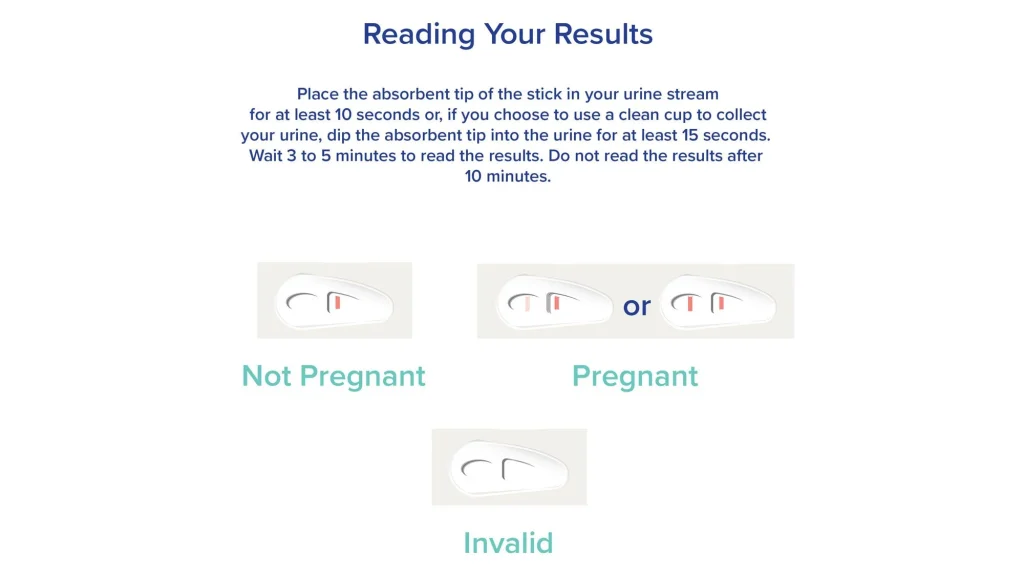
    Instructions for reading pregnancy test results with visual indicators for "Not Pregnant," "Pregnant," and "Invalid.

    Cervical Mucus and Ovulation: Key Factors That Can Affect Your Fertility

    Ovulation is the release of a mature egg from the ovary. This typically occurs once a month, around day 14 of a 28-day menstrual cycle. Ovulation is triggered by a surge in luteinizing hormone (LH), which is released by the pituitary gland. This surge usually happens 24-36 hours before ovulation occurs.

    Once the egg is released, it travels through the fallopian tube, where it may or may not be fertilized by sperm. If fertilization does not occur, the egg will disintegrate and be absorbed by the body. If fertilization does occur, the egg will implant in the lining of the uterus and a pregnancy will begin.

    How Can You Track Ovulation?

    Knowing when you ovulate can greatly increase your chances of conceiving. Here are some ways to track ovulation:

    1. Use an ovulation predictor kit (OPK): These kits detect the surge in LH, which indicates that ovulation will occur within the next 24-48 hours.

    2. Track your basal body temperature (BBT): Your BBT is your body’s resting temperature, which slightly increases after ovulation. Charting your BBT can help you determine when ovulation has occurred.

    3. Monitor cervical mucus: As mentioned earlier, cervical mucus changes in consistency and texture during ovulation, becoming more watery and stretchy. By tracking these changes, you can determine when you are most fertile.

    4. Keep track of your menstrual cycle: If you have a regular menstrual cycle, you can estimate when you will ovulate based on the first day of your last period. Ovulation typically occurs around day 14 of a 28-day cycle.

    Factors That Can Affect Ovulation

    Several factors can affect ovulation, including:

    1. Hormonal imbalances: As with cervical mucus, any disruption in the balance of hormones can affect ovulation.

    2. Polycystic ovary syndrome (PCOS): This condition can cause hormonal imbalances and affect ovulation.

    3. Age: As women age, the quality and quantity of their eggs decline, making it harder to conceive.

    4. Weight: Being underweight or overweight can affect hormone levels and disrupt ovulation.

    5. Stress: High levels of stress can interfere with the release of hormones needed for ovulation.

    Summary:

    Cervical mucus and ovulation are two key factors that can greatly impact a woman’s fertility. Cervical mucus changes throughout the menstrual cycle, becoming more fertile and conducive to conception during ovulation. Factors such as hormonal imbalances, medications, stress, and infections can affect the production and quality of cervical mucus. Ovulation, the release of a mature egg, is triggered by a surge in LH and can be tracked through various methods. Factors that can affect ovulation include hormonal imbalances, PCOS, age, weight, and stress.

    In conclusion, understanding the role of cervical mucus and ovulation in fertility can help individuals trying to conceive or wanting to learn more about their reproductive health. By monitoring these factors and addressing any potential issues, women can increase their chances of conceiving and maintaining a healthy pregnancy.






