Tag: infertility

  • Conception and Your Mental Health: Tips for Managing Anxiety and Depression

    Conception and Your Mental Health: Tips for Managing Anxiety and Depression

    Conception is a journey that can bring about a range of emotions, from excitement and joy to fear and anxiety. For those dealing with mental health issues such as anxiety and depression, the process of trying to conceive can be even more challenging. The stress and pressure of wanting to start or expand a family can take a toll on one’s mental health, and it’s important to know how to manage these emotions and take care of oneself during this time.

    In this blog post, we will discuss the connection between conception and mental health, and provide tips for managing anxiety and depression while trying to conceive.

    The Connection Between Conception and Mental Health

    The journey towards conception can be a rollercoaster ride of emotions. For many, it’s a time of hope and anticipation, but for others, it can bring about feelings of anxiety, fear, and even depression. This is because the process of trying to conceive comes with a lot of uncertainties and unknowns, which can trigger anxiety and cause stress.

    In addition, for those who have been struggling with infertility, the constant disappointment and pressure of trying to conceive can take a toll on their mental health. Infertility can also lead to feelings of isolation, shame, and inadequacy, which can contribute to depression and anxiety.

    Tips for Managing Anxiety and Depression During Conception

    1. Educate Yourself

    One of the best ways to manage anxiety and depression during conception is to educate yourself about the process. Knowing what to expect and understanding the different options available can help alleviate some of the stress and uncertainty. It’s important to keep in mind that every journey towards conception is unique, and what may work for others may not work for you. However, having a better understanding of the process can help you feel more in control and prepared.

    2. Practice Mindfulness

    Mindfulness is a powerful tool for managing anxiety and depression. It involves being present in the moment and acknowledging your thoughts and feelings without judgment. Taking a few minutes each day to practice mindfulness can help reduce stress and improve your overall well-being. This can be done through meditation, deep breathing exercises, or even just taking a walk and focusing on your surroundings.
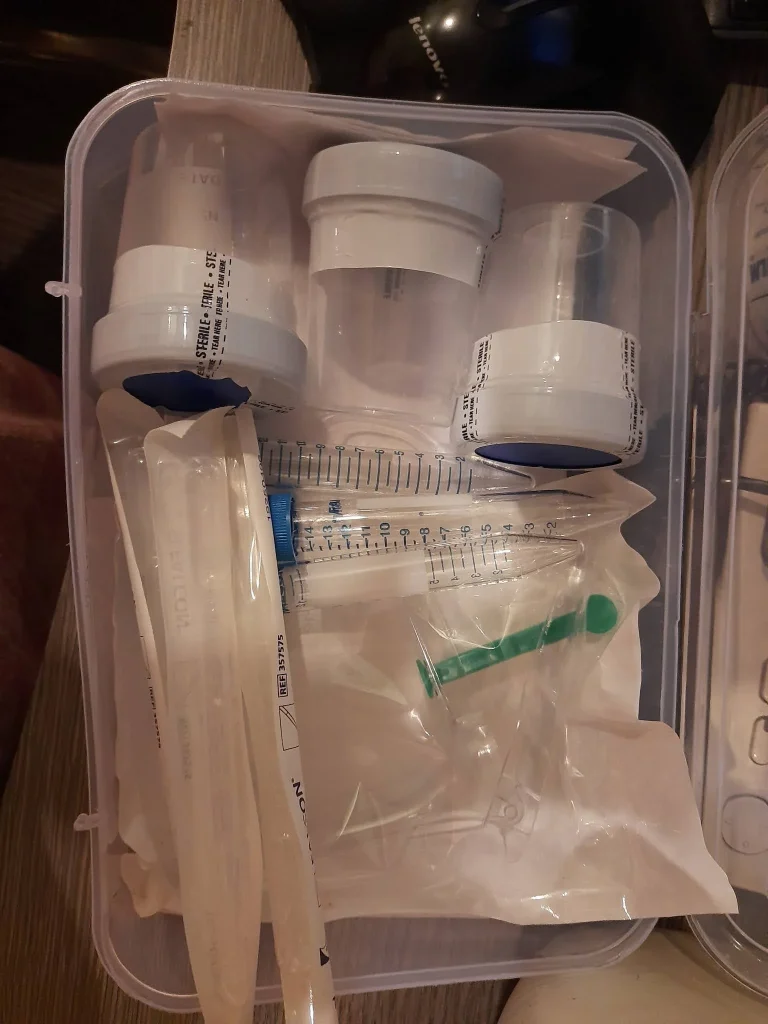
    various medical supplies and containers organized in a clear plastic box on a wooden surface

    Conception and Your Mental Health: Tips for Managing Anxiety and Depression

    3. Seek Support

    Dealing with anxiety and depression during conception can be overwhelming, and it’s important to seek support from loved ones or a professional. Talking to someone about your feelings can help alleviate some of the burden and provide a sense of relief. Consider joining a support group for those struggling with infertility, as it can be comforting to connect with others who are going through a similar experience.

    4. Take Care of Your Physical Health

    Your mental health is closely linked to your physical health, so it’s important to take care of your body during this time. Make sure to eat well, exercise regularly, and get enough rest. These healthy habits can help reduce stress and improve your overall well-being. It’s also important to avoid unhealthy coping mechanisms, such as excessive drinking or smoking, as they can worsen symptoms of anxiety and depression.

    5. Set Realistic Expectations

    It’s natural to have high hopes and expectations when trying to conceive, but it’s important to be realistic. The journey towards conception can be unpredictable, and it’s important to understand that it may not happen as quickly or easily as you may have hoped. Setting realistic expectations can help manage disappointment and reduce stress.

    6. Consider Therapy

    Therapy can be a valuable resource for managing anxiety and depression during conception. A therapist can provide a safe space for you to express your feelings and work through any underlying issues that may be contributing to your mental health struggles. They can also teach you coping mechanisms and provide support and guidance throughout your journey.

    7. Practice Self-Care

    Taking care of yourself should be a top priority during this time. Make time for activities that bring you joy and help you relax. This could be anything from reading a book to taking a hot bath. It’s important to remember that self-care looks different for everyone, so find what works for you and make it a regular part of your routine.

    Summary:

    Conception can be an emotional journey, and for those dealing with anxiety and depression, it can be even more challenging. The process of trying to conceive can bring about a range of emotions, and it’s important to know how to manage them and take care of your mental health. By educating yourself, practicing mindfulness, seeking support, taking care of your physical health, setting realistic expectations, considering therapy, and practicing self-care, you can better manage anxiety and depression during conception.


  • Exploring the Emotional Side of Conception: Coping with Disappointment and Frustration

    Exploring the Emotional Side of Conception: Coping with Disappointment and Frustration

    Conception is a deeply emotional journey for couples hoping to start a family. It is a time filled with excitement, hope, and anticipation. However, for many couples, it can also be a challenging and emotional rollercoaster. The journey towards conception is not always smooth, and many couples may face disappointment and frustration along the way. In this blog post, we will explore the emotional side of conception and provide tips and strategies for coping with disappointment and frustration.

    The Emotional Impact of Infertility

    Infertility is a common cause of disappointment and frustration for couples trying to conceive. It is defined as the inability to conceive after one year of trying for couples under 35, or six months for couples over 35. Infertility can be caused by a variety of factors, including hormonal imbalances, ovulation disorders, blocked fallopian tubes, or low sperm count. The emotional impact of infertility can be significant, as it can affect a couple’s sense of self-worth, their relationship, and their future plans.

    One of the most challenging aspects of infertility is the feeling of loss and grief. Couples may feel a sense of loss for the child they have been unable to conceive, or the life they had envisioned for themselves. This can lead to feelings of sadness, anger, and guilt. It is essential for couples to acknowledge and validate these emotions, as they are a natural part of the grieving process.

    Coping with Disappointment and Frustration

    Dealing with disappointment and frustration is a crucial aspect of the emotional journey towards conception. Here are some tips and strategies for coping with these emotions:

    1. Allow yourself to grieve: It is essential to give yourself permission to grieve the loss of the pregnancy or the plans you had made for the future. This can help you process your emotions and move forward.

    2. Communicate with your partner: Infertility can put a strain on a couple’s relationship. It is vital to communicate openly and honestly with your partner about your feelings. This can help strengthen your bond and provide much-needed support during a difficult time.

    3. Seek support: Infertility can be isolating, and it is crucial to seek support from friends, family, or a support group. Talking to others who have gone or are going through a similar experience can be very comforting and validating.

    at-home insemination kit featuring a syringe and container for fresh or donor sperm conception

    Exploring the Emotional Side of Conception: Coping with Disappointment and Frustration

    4. Practice self-care: Taking care of yourself is essential during this emotional journey. Make time for activities that bring you joy and help you relax. This can include exercise, meditation, or hobbies.

    5. Seek professional help: If you are struggling to cope with your emotions, do not hesitate to seek professional help. A therapist can provide you with the tools and support you need to manage your emotions effectively.

    Dealing with Pregnancy Loss

    Unfortunately, pregnancy loss is also a common experience for couples trying to conceive. It can be devastating and can bring up a range of emotions, including grief, sadness, and anger. Here are some tips for coping with pregnancy loss:

    1. Allow yourself to grieve: Just like with infertility, it is crucial to give yourself permission to grieve the loss of your pregnancy. This can help you process your emotions and move forward.

    2. Lean on your support system: Surround yourself with loved ones who can provide you with emotional support during this difficult time. Do not be afraid to ask for help or talk about your feelings.

    3. Take time to heal: Allow yourself time to heal both physically and emotionally after a pregnancy loss. Do not feel pressure to rush back into trying to conceive until you are ready.

    4. Seek professional help: If you are struggling to cope with your emotions, do not hesitate to seek professional help. A therapist can provide you with the support and tools you need to navigate through this challenging time.

    Moving Forward

    Dealing with disappointment and frustration can be challenging, but it is essential to remember that it is a part of the journey towards conception. It is crucial to allow yourself to feel your emotions and seek support when needed. While it may be a difficult and emotional journey, it is important to stay positive and keep trying.

    In conclusion, the emotional side of conception can be a challenging and often overlooked aspect of starting a family. Couples may face disappointment and frustration along the way, but it is essential to acknowledge and cope with these emotions effectively. By allowing yourself to grieve, seeking support, and practicing self-care, you can navigate through this emotional journey and move forward towards your goal of starting a family.

  • Exploring Alternative Conception Methods: Surrogacy, Adoption, and more

    Exploring Alternative Conception Methods: Surrogacy, Adoption, and More

    For many couples and individuals, starting a family is a dream that may not come easily or traditionally. While the traditional method of conception involves a woman becoming pregnant and giving birth, there are alternative methods that allow people to become parents in different ways. In this blog post, we will explore some of these alternative conception methods, including surrogacy, adoption, and more.

    Surrogacy is a method of assisted reproduction where a woman carries a pregnancy for another person or couple. There are two types of surrogacy: traditional surrogacy and gestational surrogacy. In traditional surrogacy, the surrogate mother is genetically related to the child, as her own egg is fertilized by the intended father’s sperm. However, in gestational surrogacy, the surrogate mother has no genetic connection to the child. Instead, the embryo is created using the eggs and sperm of the intended parents or donors and then transferred to the surrogate’s uterus for the pregnancy.

    One of the main advantages of surrogacy is that it allows individuals or couples who are unable to carry a pregnancy on their own to have a biological child. This could be due to medical reasons, such as infertility or medical conditions that make pregnancy risky, or personal reasons, such as same-sex couples or single individuals who want to have a child. Surrogacy also allows individuals to have full control over the genetic makeup of their child, as they can choose the egg and sperm donors.

    However, surrogacy is not without its challenges. It can be an expensive process, with costs including medical fees, legal fees, and compensation for the surrogate mother. There are also ethical concerns surrounding surrogacy, such as the exploitation of women in developing countries and the lack of regulation in some countries. It is essential for individuals or couples considering surrogacy to thoroughly research and understand the legal and ethical implications before proceeding.

    Adoption is another popular alternative conception method. It is the legal process of permanently transferring parental rights and responsibilities from a child’s birth parents to adoptive parents. There are different types of adoption, including domestic adoption, international adoption, and foster care adoption.

    Baby wearing a blue shirt with "made with Love" text, surrounded by colorful floral and butterfly designs.

    Exploring Alternative Conception Methods: Surrogacy, Adoption, and more

    One of the significant benefits of adoption is that it provides a loving home for a child in need. It also allows individuals or couples to become parents, regardless of their age, marital status, or sexual orientation. In most cases, adoption is a more affordable option than surrogacy, with costs varying depending on the type of adoption chosen.

    However, adoption also has its challenges. The process can be lengthy and complex, involving home studies, background checks, and court proceedings. It also requires a great deal of emotional preparation, as adoptive parents must be ready to provide a loving and stable environment for the child. Additionally, some birth parents may struggle with the decision to place their child for adoption, which can lead to emotional and legal challenges.

    Apart from surrogacy and adoption, there are other alternative conception methods available, such as sperm, egg, or embryo donation. These methods allow individuals or couples to use donor sperm, eggs, or embryos to create a pregnancy. This could be beneficial for individuals or couples with fertility issues or those who want to have a child with a specific genetic makeup.

    Another option is co-parenting, where two individuals or couples come together to raise a child without being in a romantic relationship. This arrangement can be beneficial for individuals or couples who want to have a child but do not want to go through the traditional methods of conception or adoption.

    In conclusion, there are various alternative conception methods available for individuals or couples who want to start a family. Each method has its advantages and challenges, and it is essential to carefully consider all options before making a decision. Whether it is through surrogacy, adoption, or other methods, what matters most is providing a loving and stable home for a child.

    Summary:

    – Alternative conception methods, such as surrogacy and adoption, provide options for individuals or couples who want to become parents.
    – Surrogacy involves a woman carrying a pregnancy for another person or couple, while adoption is the legal process of permanently transferring parental rights and responsibilities from a child’s birth parents to adoptive parents.
    – Surrogacy allows individuals to have a biological child, while adoption provides a loving home for a child in need.
    – Other alternative methods include sperm, egg, or embryo donation and co-parenting.
    – Each method has its advantages and challenges, and it is essential to carefully consider all options before making a decision.

  • The Emotional Toll of Infertility: Finding Support and Coping Mechanisms

    Infertility is a difficult and emotional journey that affects millions of couples around the world. It is a journey filled with hope, disappointment, and heartache, and can take a toll on the mental and emotional well-being of those experiencing it. In this blog post, we will explore the emotional toll of infertility and discuss ways to find support and coping mechanisms to help navigate this challenging experience.

    Infertility is defined as the inability to conceive after trying for one year or longer. For many couples, the dream of starting a family is met with setbacks and struggles when faced with infertility. The emotional impact of this diagnosis can be overwhelming and may lead to feelings of sadness, anger, guilt, and even depression. The journey of trying to conceive can also take a toll on relationships, causing strain and tension between partners.

    One of the most challenging aspects of infertility is the feeling of loss. For many individuals and couples, the inability to have a child of their own can feel like a loss of their dreams and hopes for the future. This sense of loss can be accompanied by feelings of grief and mourning, making it difficult to move forward and find a sense of peace.

    The emotional toll of infertility can also manifest in physical symptoms such as fatigue, headaches, and changes in appetite or sleep patterns. It is essential to pay attention to these signs and seek support and coping mechanisms to help manage them.

    Finding Support
    One of the most crucial steps in coping with the emotional toll of infertility is finding support. It is essential to have a safe and understanding space to express your feelings and emotions without judgment. Here are some ways to find support during this challenging time:

    1. Seek Professional Help: Infertility can be a traumatic experience, and it is important to have a therapist or counselor who specializes in this area to help you navigate your emotions and provide coping strategies.

    2. Join a Support Group: Connecting with others who are going through a similar experience can be incredibly comforting and helpful. There are many support groups for individuals and couples dealing with infertility, both in-person and online.

    3. Lean on Friends and Family: It is essential to have a support system of friends and family who can listen and offer a shoulder to cry on when needed. Let them know how they can support you, whether it’s by simply being there or helping with practical tasks.

    logo of mosie baby featuring a heart and leaf design in blue, pink, and green colors

    The Emotional Toll of Infertility: Finding Support and Coping Mechanisms

    4. Turn to Online Communities: There are many online forums and communities where individuals and couples dealing with infertility can connect, share their experiences, and offer support to one another.

    Coping Mechanisms
    Apart from seeking support, there are also coping mechanisms that can help individuals and couples manage the emotional toll of infertility. Here are some strategies to consider:

    1. Practice Self-Care: It is essential to take care of your physical and emotional well-being during this time. Engage in activities that bring you joy, such as exercise, meditation, or hobbies.

    2. Educate Yourself: Infertility can feel isolating, but it is essential to remember that you are not alone. Educate yourself about the condition and the various treatment options available to you. This knowledge can help you feel more in control and reduce any fears or anxieties you may have.

    3. Communicate with Your Partner: It is crucial to keep the lines of communication open with your partner during this journey. Share your feelings with one another and work together as a team to support each other.

    4. Set Boundaries: It is okay to set boundaries with friends and family who may not understand what you are going through. It is essential to protect your mental health and well-being during this time, and that may mean taking a step back from certain relationships.

    5. Consider Alternative Paths to Parenthood: If traditional methods of conceiving are not an option, it may be helpful to explore alternative paths to parenthood, such as adoption or surrogacy. These options can provide hope and a sense of purpose for the future.

    In conclusion, the emotional toll of infertility can be overwhelming, but it is essential to remember that there is support available and coping mechanisms to help navigate this journey. By seeking support, practicing self-care, and communicating with your partner, you can find ways to cope with the emotional challenges of infertility. Remember to be gentle with yourself and have hope that there is light at the end of this difficult journey.

  • Exploring Fertility Treatments: What You Need to Know

    Summary:

    Infertility is a common struggle for many couples and can be a difficult and emotional journey. However, with advancements in medical technology, there are now a variety of fertility treatments available to help couples achieve their dream of starting a family. In this blog post, we will explore the different types of fertility treatments, what to expect during the process, and important considerations to keep in mind.

    First, it’s important to understand that fertility treatments are not a one-size-fits-all solution. Each couple’s journey is unique and the type of treatment that may work for one couple may not be the best option for another. Some of the most common fertility treatments include ovulation induction, intrauterine insemination, and in vitro fertilization (IVF). Each of these treatments has its own benefits and challenges, and it’s important to work closely with a fertility specialist to determine the best course of action for your specific situation.

    Ovulation induction is typically the first step in fertility treatment and involves using medication to stimulate the ovaries to produce eggs. This treatment is often used for women who have irregular or absent ovulation, and can increase the chances of natural conception or be combined with other fertility treatments. Intrauterine insemination (IUI) involves placing sperm directly into the uterus during ovulation. This treatment is often used for couples with male infertility or unexplained fertility issues.

    IVF is a more complex and intensive fertility treatment that involves fertilizing eggs with sperm in a laboratory and then transferring the resulting embryo(s) into the uterus. This treatment is often used for couples with more severe fertility issues, such as blocked fallopian tubes or low sperm count. It also allows for genetic testing of embryos, making it a popular choice for couples with a history of genetic disorders.

    at-home insemination kit by Mosie Baby, featuring syringes and containers for comfort and convenience.

    Exploring Fertility Treatments: What You Need to Know

    In addition to these treatments, there are also various assisted reproductive technologies (ART) available, such as intracytoplasmic sperm injection (ICSI) and egg donation, which can be used in conjunction with other fertility treatments. These technologies have significantly improved success rates for couples with more challenging fertility issues.

    While fertility treatments can offer hope for couples struggling with infertility, it’s important to understand that they also come with potential risks and side effects. These can include multiple pregnancies, ovarian hyperstimulation syndrome, and emotional stress. It’s crucial to have open and honest communication with your doctor throughout the process and to be aware of the potential risks and how to manage them.

    It’s also important to consider the financial aspect of fertility treatments. They can be expensive, with costs varying depending on the type of treatment and any additional services needed. It’s essential to research your insurance coverage and any available financial assistance programs to help ease the financial burden.

    It’s also crucial to take care of your mental and emotional well-being while undergoing fertility treatments. The process can be physically and emotionally taxing, and it’s normal to experience a range of emotions, from hope and excitement to disappointment and sadness. Seeking counseling or support from friends and family can be a helpful way to manage these feelings and cope with the challenges of fertility treatments.

    In conclusion, exploring fertility treatments can be a daunting and overwhelming experience, but it’s important to remember that there are options available to help you start or grow your family. Understanding the different types of treatments, the potential risks and side effects, and the financial considerations can help you make an informed decision with the guidance of a fertility specialist. Remember to also take care of your mental and emotional well-being during this journey and know that you are not alone.

    SEO metadata:

  • The Impact of Stress on Conception: Tips for Managing Stress Levels

    Blog Post: The Impact of Stress on Conception: Tips for Managing Stress Levels

    Conception is a complex process that involves the union of an egg and sperm, leading to the creation of a new life. However, this process can be affected by various factors, one of them being stress. Stress has become a common part of our daily lives, and its impact on our health is well-known. But what about its effect on conception? Can stress really hinder one’s chances of getting pregnant? In this blog post, we will explore the impact of stress on conception and provide tips on managing stress levels for those trying to conceive.

    The Connection Between Stress and Conception

    Stress triggers the release of cortisol, a hormone that helps the body cope with stressful situations. However, prolonged exposure to cortisol can lead to a wide range of health issues, including infertility. In women, high levels of cortisol can disrupt the delicate balance of reproductive hormones, affecting ovulation and the menstrual cycle. Stress can also interfere with the production of progesterone, a hormone necessary for maintaining a healthy pregnancy.

    In men, stress can affect sperm count, motility, and morphology, reducing the chances of fertilization and conception. Additionally, chronic stress can lead to erectile dysfunction and a decrease in libido, making it difficult for couples to have regular intercourse during the ovulation window.

    Furthermore, stress can also affect the quality of the embryo. Studies have shown that women with high levels of stress have a lower chance of implantation and a higher risk of miscarriage. This is because stress can disrupt blood flow to the uterus, making it difficult for the embryo to implant and grow.

    Tips for Managing Stress Levels for Conception

    1. Identify the Sources of Stress

    The first step in managing stress levels is to identify the sources of stress in your life. It could be work-related, financial, or personal issues. Once you have pinpointed the sources, try to find ways to reduce or eliminate them. This could mean changing jobs, seeking financial advice, or addressing any underlying personal issues.

    2. Practice Relaxation Techniques

    sperm-ready insemination kit with a syringe and container, featuring a screw top lid and non-tip safety wall

    The Impact of Stress on Conception: Tips for Managing Stress Levels

    Relaxation techniques such as deep breathing, meditation, and yoga can help reduce stress levels and promote a sense of calmness. These techniques can also help improve sleep quality, which is essential for reproductive health.

    3. Get Regular Exercise

    Exercise is not only beneficial for physical health but also for mental health. It helps reduce stress, improve mood, and boost energy levels. Incorporate regular exercise into your daily routine, whether it’s going for a walk, joining a fitness class, or practicing a sport.

    4. Improve Diet and Nutrition

    Eating a well-balanced diet and staying hydrated can help reduce stress levels. Avoid processed and high-sugar foods, and instead, opt for whole, nutrient-dense foods. Certain foods, such as salmon, spinach, and avocado, are known to reduce stress levels and support reproductive health.

    5. Communicate with Your Partner

    Trying to conceive can be a stressful and emotional journey for both partners. It’s essential to communicate openly and support each other during this time. Share your feelings and concerns, and come up with ways to manage stress together.

    6. Seek Professional Help

    If stress levels are becoming unmanageable, consider seeking professional help. A therapist or counselor can provide coping mechanisms and stress management strategies tailored to your specific needs.

    Summary:

    Stress can have a significant impact on conception for both men and women. It can disrupt hormone levels, affect sperm quality, and decrease the chances of implantation and successful pregnancy. To manage stress levels for conception, it’s essential to identify the sources of stress, practice relaxation techniques, exercise regularly, improve diet and nutrition, communicate with your partner, and seek professional help if needed.

  • Exploring the Role of Genetics in Conception and Fertility

    Blog Post:

    Conception and fertility are two crucial aspects of human reproduction, and they are often influenced by various factors. One significant factor that plays a vital role in these processes is genetics. Our genes, which are the units of heredity, determine many of our physical and biological traits, including our fertility. In this blog post, we will explore the role of genetics in conception and fertility, and how understanding this connection can help individuals struggling with fertility issues.

    Understanding Genetics and Fertility:

    Genetics refers to the study of heredity, or the passing on of traits from parents to offspring. Our genes are made up of DNA, and they contain instructions for our body’s development and function. In terms of fertility, our genes play a crucial role in determining our reproductive potential, including the number and quality of our eggs and sperm.

    Female Fertility and Genetics:

    In females, the most critical factor in fertility is the number and quality of eggs. A woman is born with a finite number of eggs, and as she ages, the quantity and quality of her eggs decrease. This is because the eggs have been exposed to various environmental and genetic factors over time. According to research, genetics accounts for 50-60% of the variation in ovarian reserve, which is the number of eggs a woman has in her ovaries. This means that a woman’s genetic makeup has a significant impact on her fertility potential.

    One of the key genetic factors that affect female fertility is the FMR1 gene. This gene is responsible for producing a protein that is necessary for ovarian follicle development. Mutations or variations in the FMR1 gene can lead to a condition called Fragile X Premutation, which can cause infertility and early menopause in women.

    Male Fertility and Genetics:

    In males, the quality and quantity of sperm are crucial for fertility. Sperm production is a complex process, and it is influenced by various genetic factors. Studies have shown that genetics accounts for 30-40% of the variation in sperm quality. Genetic disorders, such as Klinefelter syndrome and Y chromosome microdeletions, can affect sperm production and lead to male infertility.

    Hands holding a syringe and a small container against a blue background.

    Exploring the Role of Genetics in Conception and Fertility

    Another significant genetic factor in male fertility is the Y chromosome. This chromosome contains genes that are essential for testis development and sperm production. Any deletions or mutations in these genes can lead to sperm abnormalities and infertility.

    Genetics and Fertility Treatments:

    With advancements in technology, fertility treatments have become more accessible, and many couples struggling with infertility are now able to conceive. However, genetics still play a crucial role in the success of these treatments. For example, in vitro fertilization (IVF) involves retrieving eggs from a woman’s ovaries, fertilizing them with sperm in a laboratory, and then transferring the resulting embryo into the woman’s uterus. The success of this procedure depends on the quality of the eggs and sperm, which are determined by genetics.

    Additionally, genetic testing has become a crucial tool in fertility treatments. Preimplantation genetic testing (PGT) is a procedure used to screen embryos for genetic abnormalities before they are transferred into the uterus. This can help identify embryos with a higher chance of implantation and reduce the risk of passing on genetic disorders to the offspring.

    Genetics and Unexplained Infertility:

    Some couples struggle with infertility despite having no known medical conditions or factors that could affect their fertility. This is known as unexplained infertility and accounts for 10-15% of all infertility cases. Recent studies have shown that genetics may play a significant role in unexplained infertility. Researchers have identified several genetic variations that may contribute to unexplained infertility in both males and females.

    Conclusion:

    In conclusion, genetics play a crucial role in conception and fertility. Our genes determine our reproductive potential, and any variations or mutations can have a significant impact on our ability to conceive. Understanding the link between genetics and fertility can help individuals with fertility issues seek appropriate treatments and improve their chances of conceiving. With further research, we can hope to gain a better understanding of this complex relationship and find more effective ways to treat infertility.

    Summary:

    In this blog post, we explored the role of genetics in conception and fertility. Our genes determine our reproductive potential, and any variations or mutations can have a significant impact on our ability to conceive. We discussed how genetics influence female fertility, male fertility, and fertility treatments. We also learned about the connection between genetics and unexplained infertility. With further research, we can hope to gain a better understanding of this complex relationship and find more effective ways to treat infertility.

  • Debunking Common Conception Myths and Misconceptions

    Blog Post: Debunking Common Conception Myths and Misconceptions

    When it comes to conception and pregnancy, there are countless myths and misconceptions circulating in our society. From old wives’ tales to misinformation spread on the internet, it can be challenging to separate fact from fiction. Unfortunately, these myths and misconceptions can lead to unnecessary fear, confusion, and even harm for those trying to conceive. In this blog post, we will debunk some of the most common conception myths and misconceptions, and provide you with the facts and information you need to make informed decisions about your fertility journey.

    Myth #1: You can only get pregnant on your ovulation day.

    One of the most common misconceptions about conception is that you can only get pregnant on the day of ovulation. While ovulation day is the most fertile day of your cycle, sperm can survive in the female reproductive tract for up to five days. This means that you can get pregnant if you have intercourse up to five days before ovulation. Additionally, sperm can survive for up to 24 hours after ovulation, so you can also get pregnant if you have intercourse on the day after ovulation. Therefore, the fertile window is actually about 6 days, not just one day.

    Myth #2: You can’t get pregnant if you have sex during your period.

    Another common misconception is that you can’t get pregnant if you have sex during your period. While the chances of getting pregnant during your period are lower, it is still possible. Sperm can survive in the female reproductive tract for up to five days, so if you have a shorter menstrual cycle, you may ovulate soon after your period ends and can potentially get pregnant. It’s always best to use protection if you are not trying to conceive.

    Myth #3: Birth control pills can cause infertility.

    Many women worry that taking birth control pills can lead to infertility in the future. However, this is not true. Birth control pills prevent pregnancy by stopping ovulation, but they do not have any long-term effects on a woman’s fertility. In fact, birth control pills can sometimes help regulate periods and improve fertility in women with irregular cycles.

    Myth #4: Having sex multiple times a day increases your chances of getting pregnant.

    Some couples may believe that having sex multiple times a day will increase their chances of getting pregnant. However, this is not the case. In fact, having sex too frequently can decrease a man’s sperm count and quality, making it harder to conceive. The best approach is to have sex every 1-2 days during the fertile window.

    Myth #5: Lying down with your legs in the air after sex can help you get pregnant.

    Another popular myth is that lying down with your legs in the air after sex can help the sperm reach the egg. While it may seem like a good idea, the truth is that sperm are strong swimmers and can reach the egg regardless of your position. Lying down for a few minutes after intercourse may help the sperm stay in the vagina, but it won’t increase your chances of getting pregnant.

    at-home insemination kit with syringes, collection cups, and instructions on a pink background

    Debunking Common Conception Myths and Misconceptions

    Myth #6: Infertility is always a woman’s problem.

    Infertility is often perceived as a woman’s issue, but the truth is that male infertility accounts for about 40% of all infertility cases. Both men and women can have fertility issues, and it’s essential to address them as a couple. If you are having trouble conceiving, both partners should undergo fertility testing to determine the cause.

    Myth #7: Stress can prevent you from getting pregnant.

    While stress can have a significant impact on our overall health and well-being, there is no evidence to suggest that it can prevent a woman from getting pregnant. However, stress can affect a woman’s menstrual cycle, making it more challenging to track ovulation and timing intercourse correctly. It’s essential to manage stress and find healthy coping mechanisms during your fertility journey.

    Myth #8: Fertility treatments are always successful.

    There is a common misconception that fertility treatments, such as in vitro fertilization (IVF), have a 100% success rate. While these treatments have helped many couples conceive, they are not a guarantee. The success rates of fertility treatments vary depending on many factors, including age and overall health. It’s essential to have realistic expectations and to understand that multiple cycles may be necessary before achieving a successful pregnancy.

    Myth #9: Eating certain foods can help you get pregnant.

    There is no specific food or diet that can guarantee pregnancy. However, maintaining a healthy and balanced diet is essential for fertility and overall health. It’s also crucial to avoid excessive amounts of caffeine, alcohol, and processed foods, as they can have a negative impact on fertility.

    Myth #10: If you’ve had one child, you won’t have trouble conceiving again.

    While it is true that some couples may have an easier time conceiving a second child, this is not always the case. Secondary infertility, the inability to conceive after having one or more biological children, affects about 3 million women in the United States. Many factors, such as age, health, and changes in fertility, can contribute to secondary infertility.

    In conclusion, there are many myths and misconceptions surrounding conception and pregnancy. It’s essential to educate ourselves and seek out reliable sources of information to avoid falling prey to these myths. If you are trying to conceive, consult with a healthcare professional for personalized advice and guidance on your fertility journey.

    Summary:

    In this blog post, we have debunked 10 common conception myths and misconceptions. We have learned that the fertile window is about 6 days, not just one day, and that it is possible to get pregnant during your period. We have also clarified that birth control pills do not cause infertility and that having sex multiple times a day may decrease a man’s sperm count. Lying down with your legs in the air after sex does not increase your chances of getting pregnant, and infertility is not always a woman’s problem. Stress does not prevent pregnancy, and fertility treatments are not always successful. Eating certain foods does not guarantee pregnancy, and having one child does not mean you won’t have trouble conceiving again. It’s essential to consult with a healthcare professional for accurate information and personalized advice on your fertility journey.

  • Conception and Your Mental Health: Why it Matters

    Blog Post:

    Conception is defined as the process of becoming pregnant. While it may seem like a purely physical event, conception also has a significant impact on mental health. The journey to conception can be a rollercoaster of emotions, and the state of one’s mental health can greatly affect the chances of conception. In this blog post, we will explore the relationship between conception and mental health and why it matters.

    Mental Health and Fertility

    The link between mental health and fertility has been studied extensively, and the findings are clear – mental health plays a crucial role in fertility. Stress, anxiety, and depression can all have a negative impact on reproductive health and decrease the chances of conception. This is because stress and other mental health issues can disrupt the delicate balance of hormones necessary for ovulation and fertilization. Additionally, stress can lead to unhealthy coping mechanisms such as smoking, drinking, and overeating, which can also affect fertility.

    The Pressure to Conceive

    For many couples, the pressure to conceive can be overwhelming. The societal expectations of starting a family and the constant bombardment of pregnancy announcements can add to the stress and anxiety surrounding conception. This pressure can lead to feelings of inadequacy, disappointment, and even guilt if conception does not happen as quickly as expected. These negative emotions can take a toll on mental health and make it more challenging to conceive.

    The Emotional Rollercoaster of Trying to Conceive

    The journey to conception is often filled with ups and downs, which can take a toll on one’s mental health. Each month brings hope and excitement, followed by disappointment and sadness if conception does not occur. This emotional rollercoaster can lead to feelings of despair, hopelessness, and even depression. The constant cycle of trying, waiting, and hoping can be mentally and emotionally exhausting.

    Impact of Infertility on Mental Health

    Infertility, defined as the inability to conceive after one year of actively trying, affects one in eight couples. The diagnosis of infertility can have a significant impact on mental health, causing feelings of grief, anger, and shame. It can also strain relationships and lead to isolation and withdrawal from social activities. The constant focus on trying to conceive can also make it challenging to enjoy other aspects of life and lead to a sense of loss of control.

    The Importance of Seeking Support

    Colorful promotional image for Mosie Baby, featuring home insemination kit and encouraging text.

    Conception and Your Mental Health: Why it Matters

    The journey to conception can be emotionally draining, and it is essential to seek support and take care of one’s mental health during this time. Talking to a therapist or joining a support group can be beneficial in managing stress, anxiety, and other negative emotions. It can also provide a safe space to express feelings and receive validation and understanding from others who are going through a similar experience.

    Ways to Improve Mental Health During Conception

    There are various ways to improve mental health while trying to conceive. Here are some tips to help you stay mentally healthy during this journey:

    1. Practice Self-Care: It is essential to take care of yourself during this time. Engage in activities that bring you joy and help you relax. This could be anything from exercise to reading a book to taking a bubble bath.

    2. Communicate with Your Partner: It is crucial to communicate openly with your partner during this journey. Share your feelings and concerns and work together to support each other.

    3. Seek Help: If you are struggling with mental health issues, do not hesitate to seek professional help. Therapy or counseling can provide valuable tools and support to manage stress and other negative emotions.

    4. Manage Expectations: It is essential to manage expectations and understand that conception may not happen as quickly as expected. Be kind to yourself and try not to put too much pressure on yourself.

    5. Connect with Others: Joining a support group or connecting with others going through a similar experience can provide a sense of community and understanding. You can also learn coping strategies from others and feel less isolated.

    Why Conception and Mental Health Matter

    The state of one’s mental health can greatly impact the journey to conception. Stress, anxiety, and depression can affect reproductive health and decrease the chances of conceiving. The pressure to conceive and the emotional rollercoaster of trying can also take a toll on mental health. Seeking support and taking care of one’s mental well-being during this time is crucial for both physical and emotional health.

    In summary, conception and mental health are closely intertwined. Mental health issues can affect fertility, and the journey to conception can have a significant impact on one’s mental well-being. It is essential to prioritize mental health during this time and seek support when needed. By taking care of our mental health, we can increase the chances of conception and have a healthier and more fulfilling journey to parenthood.

  • Overcoming Infertility: Real Stories and Inspirational Advice

    Infertility is a challenging and often heartbreaking journey that many couples face. It can bring about feelings of isolation, disappointment, and even guilt. However, it is important to remember that you are not alone in this struggle and that there is hope. In this blog post, we will share real stories of individuals who have overcome infertility and offer inspirational advice to those currently on their own journey.

    Infertility affects 1 in 8 couples and is defined as the inability to conceive after one year of trying. While there are various reasons for infertility, it can often feel like a personal failure for couples who are unable to conceive. This can lead to feelings of shame and inadequacy, but it is important to remember that infertility is a medical condition and not something to be ashamed of.

    Real Stories of Overcoming Infertility:

    1. The Power of Persistence: Sarah and John had been trying to conceive for over three years with no success. After multiple rounds of fertility treatments, including intrauterine insemination (IUI) and in vitro fertilization (IVF), they were exhausted physically, emotionally, and financially. However, they decided to give it one last try and were blessed with a successful IVF cycle, resulting in the birth of their son. Sarah and John’s story shows the power of persistence and not giving up hope, even when it feels like all odds are against you.

    2. The Strength of Support: Lisa and Mark had been trying to conceive for five years before they decided to seek help from a fertility specialist. After multiple failed IVF cycles, they were on the verge of giving up. However, their family and friends rallied around them, providing emotional support and encouragement. This gave Lisa and Mark the strength to try one more time, and they were finally able to conceive their daughter. Their story highlights the importance of having a strong support system during the difficult journey of infertility.

    3. The Miracle of Adoption: For some couples, adoption becomes their path to parenthood after struggling with infertility. This was the case for Jenny and Michael, who had been trying to conceive for six years before deciding to adopt. Although they initially felt like they had failed, they soon realized that adoption was their calling. After a long and emotional adoption process, they were finally able to bring their son home. Jenny and Michael’s story shows that there are many paths to parenthood, and adoption can be a beautiful and fulfilling option for those facing infertility.

    Mosie Baby At-Home Insemination Kit instructions and storage guidelines on a blue background.

    Overcoming Infertility: Real Stories and Inspirational Advice

    Inspirational Advice for Those Overcoming Infertility:

    1. Take Care of Yourself: Going through infertility can be physically and emotionally draining. It is important to take care of yourself during this time. This can include practicing self-care activities such as exercise, yoga, or meditation, as well as seeking therapy or joining a support group to process your feelings.

    2. Communicate with Your Partner: Infertility can put a strain on even the strongest relationships. It is important to communicate openly with your partner and lean on each other for support. Remember that you are in this journey together and that you need each other’s love and understanding now more than ever.

    3. Educate Yourself: Knowledge is power, and this is especially true when it comes to infertility. Educate yourself about the different fertility treatments available, their success rates, and their potential side effects. This will help you make informed decisions and feel more in control of your journey.

    4. Don’t Be Afraid to Seek Help: Infertility can be a complex and overwhelming issue to deal with. Don’t be afraid to seek help from a fertility specialist or therapist. These professionals can provide you with the support, guidance, and resources you need to navigate this journey.

    5. Have Hope: While it may be difficult to stay positive during the ups and downs of infertility, it is important to hold onto hope. Many couples have overcome infertility and have gone on to have successful pregnancies. Keep believing that your dreams of becoming parents will come true, and never give up.

    In conclusion, overcoming infertility is a challenging and emotional journey, but it is possible. Real stories of individuals who have overcome infertility and inspirational advice from those who have been through it offer hope and encouragement to those currently on this journey. Remember that you are not alone, and with perseverance and a strong support system, you can overcome infertility and achieve your dream of becoming a parent.