Tag: infertility

  • The Journey to Parenthood: A Complete Fertility Support Starter Pack

    The journey to parenthood is often filled with excitement, anticipation, and love. However, for many couples, it can also be a challenging and emotional rollercoaster due to fertility struggles. In recent years, there has been a growing awareness and support for those dealing with infertility, and a wide range of resources and tools have become available to help make the journey to parenthood a little easier. In this blog post, we will explore a complete fertility support starter pack that can provide guidance, comfort, and hope for those on their journey to parenthood.

    First and foremost, it is essential to understand that every person’s fertility journey is unique, and there is no one-size-fits-all solution. However, there are some common steps and resources that can help individuals and couples navigate the often complex and overwhelming world of fertility treatments.

    1. Fertility Education and Awareness
    The first step on any fertility journey is education and awareness. Understanding the basics of how fertility works and what factors can impact it can help individuals and couples make informed decisions about their reproductive health. There are many online resources, books, and support groups available that can provide valuable information on fertility, such as the menstrual cycle, ovulation, and common fertility issues.

    2. Seeking Professional Help
    If you have been trying to conceive for a year without success, it may be time to seek professional help. Fertility clinics and specialists can provide a range of tests and treatments to help diagnose and address any fertility issues. It is crucial to find a reputable and experienced clinic and to ask questions and voice any concerns you may have.

    3. Mind-Body Support
    Dealing with fertility struggles can take a toll on one’s mental and emotional well-being. It is essential to prioritize self-care and seek support from loved ones during this time. Mind-body practices like yoga, meditation, and acupuncture have been shown to reduce stress and improve fertility outcomes. Additionally, counseling or support groups can provide a safe space to express feelings and connect with others going through similar experiences.

    Hands holding a syringe and a small container against a blue background.

    The Journey to Parenthood: A Complete Fertility Support Starter Pack

    4. Nutrition and Lifestyle Changes
    Making small lifestyle changes can have a significant impact on fertility. A well-balanced and nutritious diet, regular exercise, and reducing stress and toxin exposure can all improve reproductive health. Consulting with a nutritionist or health coach can help create a personalized plan to optimize fertility.

    5. Fertility Supplements and Products
    There is a wide range of fertility supplements and products available in the market, claiming to boost fertility. While these can be beneficial, it is crucial to research and consult with a healthcare professional before trying any new supplements. Some common supplements for fertility include folic acid, omega-3 fatty acids, and Coenzyme Q10.

    6. Alternative Fertility Treatments
    In recent years, there has been an increase in alternative fertility treatments, such as acupuncture, naturopathy, and traditional Chinese medicine. These treatments can be used alongside conventional fertility treatments or as a stand-alone option, and have shown promising results in improving fertility outcomes.

    7. Emotional Support and Coping Strategies
    Dealing with infertility can be emotionally draining, and it is essential to have a support system in place. This can include loved ones, support groups, or individual counseling. Additionally, finding healthy coping strategies, such as journaling, art, or exercise, can help manage stress and anxiety during this challenging time.

    In summary, the journey to parenthood can be a challenging and emotional experience for many individuals and couples. However, with the right support and resources, it is possible to navigate through fertility struggles and achieve the dream of becoming a parent. The complete fertility support starter pack includes education and awareness, seeking professional help, mind-body support, nutrition and lifestyle changes, fertility supplements and products, alternative treatments, and emotional support and coping strategies. Remember to always prioritize self-care and seek support from loved ones during this journey, and have faith that your dream of parenthood can become a reality.

  • Navigating the World of Fertility: A Beginner’s Starter Pack

    Navigating the World of Fertility: A Beginner’s Starter Pack

    For many individuals and couples, starting a family is a dream they hope to one day make a reality. However, for some, the journey to parenthood may not be as straightforward as they had hoped. Navigating the world of fertility can be overwhelming, confusing, and emotionally taxing. From understanding the basics of fertility to exploring various options for conception, there are many factors to consider. In this beginner’s starter pack, we will delve into the world of fertility, providing valuable information and guidance for those embarking on this journey.

    Understanding Fertility

    Before delving into the world of fertility, it is essential to have a basic understanding of what fertility is and how it works. Fertility refers to a person’s ability to conceive a child. In women, fertility is determined by the health and regularity of their menstrual cycles, the quality of their eggs, and the health of their reproductive organs. For men, fertility is determined by the quality and quantity of their sperm. Age also plays a significant role in fertility, with both men and women experiencing a decline in fertility as they get older.

    The Basics of Conception

    The process of conception may seem simple on the surface, but it is actually a complex and delicate process. Conception occurs when a sperm fertilizes an egg, resulting in the formation of a zygote. For this to happen, sperm must travel through a woman’s reproductive tract and reach her egg, which is released from her ovaries during ovulation. If the sperm successfully fertilizes the egg, the zygote will travel to the uterus, where it will implant and grow into an embryo. This process can take anywhere from 6-10 days.

    Tracking Fertility

    For those trying to conceive, tracking fertility can be a useful tool in understanding their menstrual cycle and increasing their chances of getting pregnant. Tracking methods include using ovulation predictor kits, charting basal body temperature, and monitoring cervical mucus. These methods can help individuals and couples determine the most fertile days of their cycle, allowing them to time intercourse for the best chances of conception.

    Causes of Infertility

    At-home insemination kit with ovulation and pregnancy tests, promoting fertility and family planning.

    Navigating the World of Fertility: A Beginner's Starter Pack

    Infertility is defined as the inability to conceive after a year of trying for women under 35 and six months for women over 35. It can affect both men and women and can be caused by various factors. In women, common causes of infertility include hormonal imbalances, structural issues with the reproductive organs, and ovulation disorders. In men, infertility can be caused by low sperm count, poor sperm quality, and structural issues with the reproductive organs. Other factors that can contribute to infertility include age, lifestyle choices, and underlying health conditions.

    Seeking Medical Help

    If you have been trying to conceive for a year without success, it may be time to seek medical help. A fertility specialist or reproductive endocrinologist can help identify the cause of infertility and develop a treatment plan. They may conduct various tests, such as blood work, ultrasounds, and semen analysis, to determine the root cause of infertility. Depending on the underlying issue, treatment options may include lifestyle changes, medication, surgery, or assisted reproductive technologies.

    Assisted Reproductive Technologies

    For those facing challenges with conception, assisted reproductive technologies (ART) may be a viable option. ART refers to a variety of fertility treatments that help individuals and couples achieve pregnancy. These treatments include in vitro fertilization (IVF), intrauterine insemination (IUI), and donor sperm or eggs. ART can be a costly and emotionally taxing process, but it has enabled many individuals and couples to conceive and start a family.

    Emotional Support

    Going through the journey of fertility can be emotionally taxing, and it is crucial to have a strong support system in place. Whether it is a partner, family member, or friend, having someone to talk to and lean on can make a significant difference. Additionally, joining support groups or seeking therapy can also provide emotional support and guidance during this challenging time.

    Alternative Paths to Parenthood

    For those who are unable to conceive naturally or through traditional fertility treatments, there are alternative paths to parenthood. These include adoption, surrogacy, and fostering. While these may not be the first choice for some, they can be a fulfilling and rewarding way to start a family.

    In conclusion, navigating the world of fertility can be a daunting and challenging journey, but with the right knowledge and support, it is possible to overcome any obstacles and achieve the dream of starting a family. Understanding fertility, tracking ovulation, seeking medical help, and exploring alternative paths to parenthood are all important aspects to consider. And most importantly, remember to take care of your mental and emotional well-being throughout this process. With patience, perseverance, and support, you can navigate the world of fertility and make your dream of parenthood a reality.

  • Syringe Kits for DIY Conception: A Solution for Individuals and Couples Struggling with Infertility

    Summary:

    Infertility can be a difficult and emotional journey for individuals and couples who are trying to conceive. While the use of assisted reproductive technology, such as in vitro fertilization, can be effective, it can also be costly and not accessible to everyone. As a result, many people turn to alternative methods, such as DIY conception. One solution for DIY conception is the use of syringe kits, which allow individuals and couples to perform insemination at home. In this blog post, we will explore the benefits and considerations of using syringe kits for DIY conception, as well as provide tips for choosing the right kit and using it effectively.

    Introduction:

    Infertility affects millions of people worldwide and can be a challenging and emotional experience for those who are struggling to conceive. For some individuals and couples, the use of assisted reproductive technology (ART) is a viable option, but it can be costly and not accessible to everyone. As a result, many people turn to alternative methods, such as DIY conception, to increase their chances of getting pregnant. One solution for DIY conception is the use of syringe kits, which allow individuals and couples to perform insemination at home. Let’s take a closer look at what syringe kits are and how they can help in the journey towards parenthood.

    What are Syringe Kits for DIY Conception?

    Syringe kits for DIY conception are designed to help individuals and couples perform insemination at home. These kits typically include a syringe, a catheter, and sometimes a speculum. The syringe is used to collect and deposit semen into the vagina, while the catheter is used to insert the semen into the cervix. The speculum is used to open the vaginal canal and provide a clear view of the cervix, making the insemination process easier.

    Benefits of Using Syringe Kits for DIY Conception:

    1. Cost-effective: One of the main advantages of using syringe kits for DIY conception is that they are much more affordable than other methods, such as ART. This makes them accessible to a wider range of people who may not be able to afford expensive fertility treatments.

    2. Convenience: With syringe kits, individuals and couples can perform insemination in the comfort of their own home, without having to schedule appointments or travel to a clinic. This can be especially beneficial for those who live in rural areas or have busy schedules.

    3. Privacy: Many people prefer the privacy and intimacy of performing DIY insemination at home rather than in a clinical setting. This can help reduce stress and anxiety, which can have a positive impact on fertility.

    4. Increased control: By using syringe kits, individuals and couples have more control over the insemination process. They can choose the timing, frequency, and method that works best for them, without having to rely on a healthcare provider.

    Considerations When Using Syringe Kits for DIY Conception:

    While syringe kits can be a great solution for DIY conception, there are some important considerations to keep in mind before using them.

    1. Fertility testing: It is essential to undergo fertility testing before attempting DIY conception, as it can help identify any underlying issues that may affect the success of the process. It is also recommended to consult with a healthcare provider to discuss the best course of action for your specific situation.

    2. Timing and tracking ovulation: Timing is crucial when it comes to insemination, and it is essential to track ovulation accurately. This can be done through various methods, such as ovulation predictor kits or tracking changes in cervical mucus.

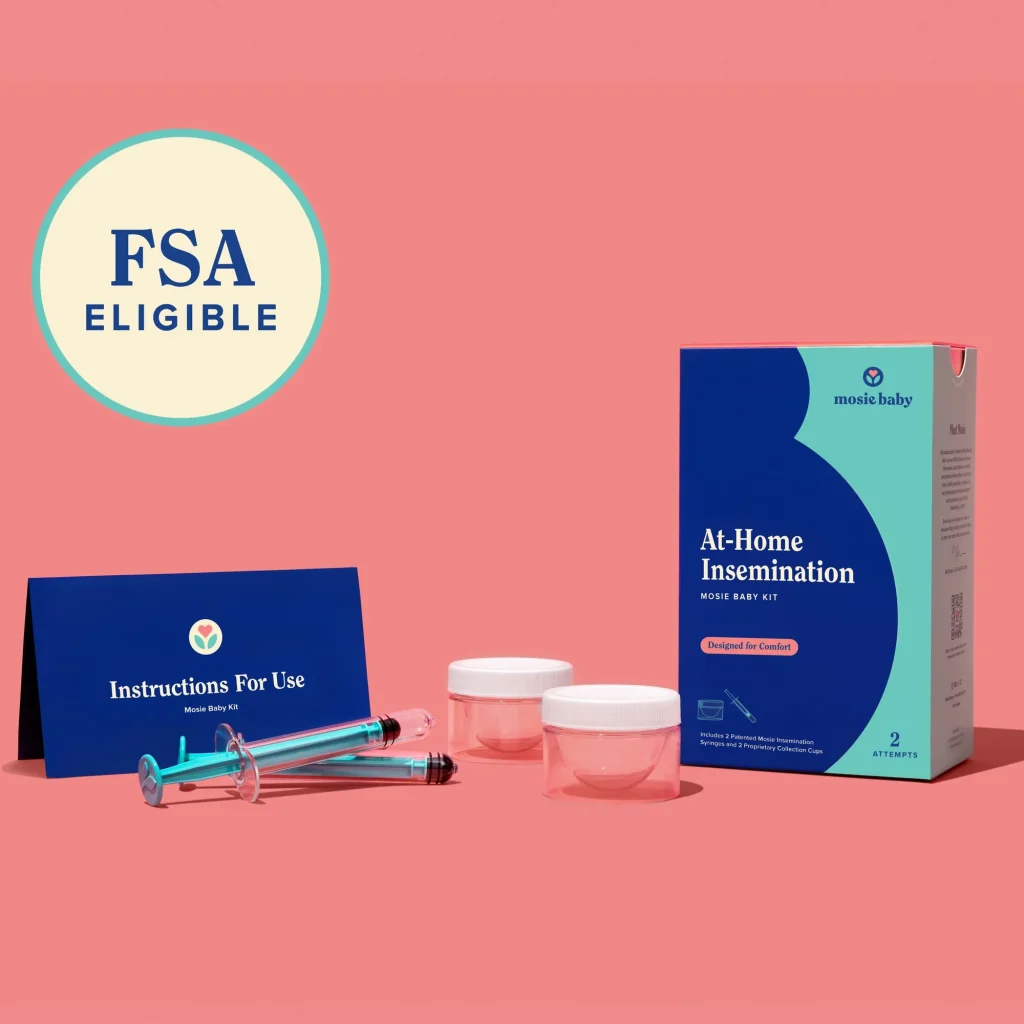
    at-home insemination kit by Mosie Baby, featuring syringes, collection cups, and instructions on a pink background.

    Syringe Kits for DIY Conception: A Solution for Individuals and Couples Struggling with Infertility

    3. Quality of sperm: The success of DIY conception heavily relies on the quality of sperm used. It is important to use fresh, high-quality sperm from a reliable donor or partner.

    4. Risks of infection: As with any medical procedure, there is a risk of infection with DIY insemination. It is crucial to follow proper hygiene and sanitation practices to minimize this risk.

    Choosing the Right Syringe Kit:

    When choosing a syringe kit for DIY conception, there are a few essential factors to consider.

    1. Size and shape of syringe: Syringes come in different sizes and shapes, and it is essential to choose one that is comfortable and easy to use. A smaller syringe with a curved tip is often preferred for insemination.

    2. Type of catheter: There are two main types of catheters used in syringe kits – flexible and rigid. Flexible catheters are more comfortable and easier to maneuver, while rigid catheters are more precise. It is important to choose the type that best suits your needs.

    3. Quality of materials: It is crucial to choose a syringe kit made with high-quality materials to ensure safety and effectiveness. Look for kits that are FDA-approved and come from a reputable brand.

    Using Syringe Kits for DIY Conception Effectively:

    To increase the chances of success when using syringe kits for DIY conception, there are a few tips to keep in mind.

    1. Practice beforehand: It can be helpful to practice using the syringe kit before attempting insemination to ensure you are comfortable and familiar with the process.

    2. Follow instructions carefully: Always read and follow the instructions provided with the syringe kit carefully to ensure proper use.

    3. Relax: Stress and tension can affect fertility, so it is important to remain relaxed during the insemination process. Consider practicing relaxation techniques, such as deep breathing or meditation.

    4. Consider using supplements: Some studies have shown that certain supplements, such as folic acid and zinc, can improve fertility in both men and women. Consult with a healthcare provider before incorporating supplements into your routine.

    Conclusion:

    DIY conception can be an appealing option for individuals and couples struggling with infertility, and syringe kits can be a helpful tool in this journey. They are cost-effective, convenient, and offer increased control and privacy. However, it is essential to consider the risks and follow proper guidelines to increase the chances of success. By understanding the benefits and considerations of using syringe kits, individuals and couples can make an informed decision about whether this method is right for them.

  • Conceiving Against the Odds: The Role of Syringe Kits in Overcoming Infertility

    Conceiving Against the Odds: The Role of Syringe Kits in Overcoming Infertility

    Infertility is a common struggle for many couples around the world. The inability to conceive a child can be emotionally and physically draining, often leading to feelings of hopelessness and despair. However, with advancements in medical technology and alternative methods, there is still hope for those facing fertility challenges. One of these methods is the use of syringe kits, which have played a crucial role in helping couples conceive against the odds. In this blog post, we will explore the role of syringe kits in overcoming infertility and how they have become a game-changer for many couples.

    The Problem of Infertility

    Infertility is defined as the inability to conceive a child after one year of unprotected, regular sexual intercourse. It affects approximately 15% of couples worldwide, and the numbers continue to rise. There are various causes of infertility, including age, hormonal imbalances, medical conditions, and lifestyle factors. Regardless of the cause, the emotional toll of infertility can be just as significant as the physical challenges.

    The traditional method of conceiving a child involves sexual intercourse, where sperm is naturally deposited in the vagina. However, for couples struggling with infertility, this process may not be enough. This is where assisted reproductive technology (ART) comes into play, offering alternative methods for conception.

    The Role of Syringe Kits in Overcoming Infertility

    Syringe kits, also known as “turkey basters” or “at-home insemination kits,” have been gaining popularity as a cost-effective and convenient option for couples facing fertility challenges. These kits consist of a syringe, a tube, and a plunger, and are used to insert sperm directly into the cervix, bypassing the traditional method of sexual intercourse. This method is also known as intrauterine insemination (IUI).

    One of the main advantages of syringe kits is that they can be used in the comfort and privacy of one’s home, eliminating the need for frequent visits to fertility clinics. This not only reduces the financial burden but also allows couples to maintain their privacy during the conception process. Moreover, syringe kits are relatively easy to use, making them accessible for couples who may not have access to specialized medical facilities.

    Syringe kits also offer a more controlled and targeted approach to insemination. In traditional intercourse, only a small percentage of sperm reaches the cervix, while the rest is lost along the way. With syringe kits, the sperm is directly inserted into the cervix, increasing the chances of fertilization. This is especially beneficial for couples with male fertility issues, as it bypasses any potential barriers in the reproductive system.

    Mosie Baby pregnancy test kit with two tests and packaging, featuring a mint green color scheme.

    Conceiving Against the Odds: The Role of Syringe Kits in Overcoming Infertility

    In addition, syringe kits have a higher success rate compared to natural intercourse. According to a study published in the Journal of Assisted Reproduction and Genetics, the pregnancy rate for IUI using a syringe kit was 22.6%, compared to 8.4% for natural intercourse. This makes syringe kits a promising option for couples looking to conceive against the odds.

    The Emotional Impact of Syringe Kits

    Apart from the physical benefits, syringe kits also have a significant emotional impact on couples struggling with infertility. The process of trying to conceive can be emotionally taxing, with constant disappointments and setbacks. Syringe kits provide couples with a sense of control and empowerment, as they can take an active role in the conception process. This can have a positive effect on their overall mental well-being and help them cope with the challenges of infertility.

    Moreover, using syringe kits can also strengthen the bond between partners. The process of using the kit together can be a bonding experience, and the shared goal of starting a family can bring couples closer together. This can help alleviate the strain that infertility can sometimes put on relationships.

    Challenges and Considerations

    While syringe kits have proven to be a useful tool in overcoming infertility, there are some challenges and considerations to keep in mind. It is essential to consult a medical professional before using a syringe kit, as they can provide guidance and ensure that the process is done safely. They can also conduct tests to determine the cause of infertility and recommend the most suitable method.

    In addition, the quality and source of the sperm used in the syringe kit are crucial factors to consider. It is recommended to use sperm from a licensed sperm bank, as it undergoes rigorous testing and screening for diseases and genetic disorders. Using sperm from an unknown source can pose potential health risks to both the mother and the child.

    Summary

    Infertility is a common struggle for many couples, but syringe kits have become a game-changer in the journey to conception. These kits offer a cost-effective and convenient option for at-home insemination, with a higher success rate compared to natural intercourse. They also have a significant emotional impact, providing couples with a sense of control and empowerment. However, it is crucial to consult a medical professional and consider the quality and source of the sperm used in the syringe kit.

  • The Ethics of DIY Conception: Debunking Myths and Misconceptions about Syringe Kits

    Blog Post Title: The Ethics of DIY Conception: Debunking Myths and Misconceptions about Syringe Kits

    Summary:

    The idea of do-it-yourself (DIY) conception may seem unconventional and controversial to some, but it is becoming increasingly popular among individuals and couples who are struggling with infertility or simply want to take control of their own reproductive journey. One method of DIY conception involves the use of syringe kits, which allow individuals to self-inseminate at home without the need for medical intervention. However, there are many myths and misconceptions surrounding the use of syringe kits for DIY conception, leading to ethical concerns and debates. In this blog post, we will debunk these myths and misconceptions and explore the ethical implications of DIY conception using syringe kits.

    Myth 1: DIY Conception with Syringe Kits is Unsafe

    One of the main concerns surrounding DIY conception with syringe kits is safety. Many people believe that this method is risky and can lead to health complications for both the parent and the child. However, this is not entirely true. Syringe kits are designed specifically for self-insemination and are safe when used correctly. They come with detailed instructions and sterile materials, making the process as safe as in-clinic insemination. Additionally, there is no evidence to suggest that DIY conception with syringe kits increases the risk of birth defects or other health issues for the child.

    Myth 2: It is Unethical to Use Syringe Kits for DIY Conception

    Some argue that using syringe kits for DIY conception is unethical because it goes against the traditional method of conception, which involves a healthcare professional. However, there is no ethical difference between DIY conception with syringe kits and using a sperm donor at a fertility clinic. Both methods involve the use of assisted reproductive technology (ART) and are a personal choice for individuals or couples. As long as the process is carried out in a safe and responsible manner, there is no ethical issue with using syringe kits for DIY conception.

    Myth 3: DIY Conception with Syringe Kits is Only for Same-Sex Couples

    Mosie Baby kit with two jars, a syringe, and a supportive message card inside a colorful box.

    The Ethics of DIY Conception: Debunking Myths and Misconceptions about Syringe Kits

    Another common misconception is that DIY conception with syringe kits is only for same-sex couples. While it is true that this method is often used by lesbian couples, it is not exclusive to them. DIY conception with syringe kits can also be a viable option for single individuals or heterosexual couples who are struggling with infertility or want to take control of their own reproductive journey. It is a more affordable and accessible option compared to traditional fertility treatments, making it a popular choice for a diverse range of individuals.

    Myth 4: Children Conceived through DIY Conception Will Have Identity Issues

    One of the biggest concerns surrounding DIY conception with syringe kits is the potential impact it may have on the child’s identity. Some argue that children conceived through this method may have a hard time understanding their origins and may experience identity issues. However, studies have shown that children conceived through ART, including DIY conception with syringe kits, have a similar level of well-being and self-esteem as children conceived naturally. What matters most is that the child is raised in a loving and supportive environment, regardless of how they were conceived.

    Myth 5: DIY Conception with Syringe Kits is Not Regulated or Monitored

    One of the main criticisms of DIY conception with syringe kits is that it is not regulated or monitored by healthcare professionals. However, this does not mean that it is completely unregulated. Syringe kits must meet certain safety and quality standards to be sold in the market. Additionally, many reputable companies that sell syringe kits also provide support and guidance for individuals who are using them for DIY conception. While it is true that this method is not monitored by healthcare professionals, it is still a safe and viable option for those who are unable to access traditional fertility treatments.

    The Ethics of DIY Conception with Syringe Kits

    Despite the myths and misconceptions surrounding DIY conception with syringe kits, it is a safe and ethical option for individuals and couples who want to take control of their own reproductive journey. It offers a more affordable and accessible alternative to traditional fertility treatments and allows individuals to have a more hands-on approach to their own conception process. As long as the process is carried out responsibly and with proper guidance, there is no reason to dismiss DIY conception with syringe kits as an unethical or unsafe option.

    In conclusion, it is important to debunk the myths and misconceptions surrounding DIY conception with syringe kits and understand the ethical implications of this method. It is a personal choice for individuals and couples, and as long as it is carried out safely and responsibly, it can be a successful and fulfilling journey towards parenthood.

  • Overcoming Infertility: How Syringe Kits are Helping People Achieve Their Dream of Parenthood

    Overcoming Infertility: How Syringe Kits are Helping People Achieve Their Dream of Parenthood

    For many people, starting a family is a natural and anticipated part of life. However, for some, this dream may not come as easily as expected due to infertility. According to the World Health Organization, infertility affects approximately 8-12% of couples worldwide. It can be a heartbreaking and frustrating experience for those struggling to conceive, but thanks to advancements in medical technology, there are now more options available to help overcome infertility. One such option is the use of syringe kits, which have been helping people achieve their dream of parenthood.

    Understanding Infertility

    Infertility is defined as the inability to conceive after one year of actively trying for a baby. It can be caused by a variety of factors, including age, hormonal imbalances, structural problems, and genetic issues. While infertility is often thought of as a female issue, it can affect both men and women equally. For couples struggling with infertility, it can be a physically and emotionally draining experience. The pressure to conceive can lead to feelings of guilt, shame, and even depression. It can strain relationships and take a toll on one’s overall well-being.

    Traditional Methods of Conceiving

    The traditional method of conceiving involves sexual intercourse during a woman’s ovulation period. However, for couples facing infertility, this may not be enough. They may need additional medical assistance to help them conceive. In-vitro fertilization (IVF) is a common method used to overcome infertility, but it can be costly and invasive. IVF involves retrieving eggs from a woman’s ovaries and fertilizing them with sperm in a laboratory. The fertilized eggs are then transferred into the woman’s uterus, where they can hopefully implant and result in a pregnancy. While IVF has a high success rate, it may not be a feasible option for everyone due to its cost and invasive nature.

    The Rise of Syringe Kits

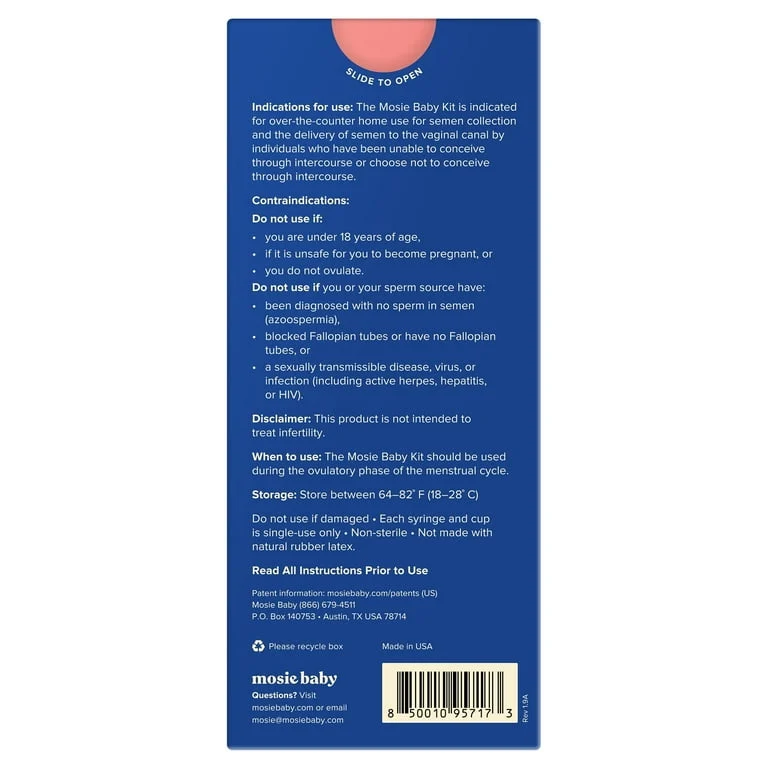
    Mosie Baby At-Home Insemination Kit instructions and storage guidelines on a blue background.

    Overcoming Infertility: How Syringe Kits are Helping People Achieve Their Dream of Parenthood

    In recent years, syringe kits have emerged as a more accessible and affordable alternative to IVF. These kits contain all the necessary tools for at-home insemination, including a syringe, catheter, and instructions. They are often used in conjunction with donor sperm or a partner’s sperm to facilitate insemination. Syringe kits have gained popularity because they are easy to use, less invasive, and significantly cheaper than other methods of conceiving. They also offer a sense of privacy and control for couples who may not want to go through the process of IVF.

    How Syringe Kits Work

    Syringe kits work by mimicking the process of natural insemination. The sperm is deposited directly into the cervix, increasing the chances of fertilization. The kits come with easy-to-follow instructions, making it possible for couples to perform the insemination in the comfort and privacy of their own home. The syringes used are designed to have a low suction force, ensuring that the sperm does not get damaged during the process. This method also eliminates the need for multiple doctor’s appointments, which can be time-consuming and costly.

    Benefits of Using Syringe Kits

    One of the main benefits of using syringe kits is their affordability. IVF can cost thousands of dollars, while syringe kits usually range from $50-$300. This makes them a more accessible option for couples who may not have the financial means to pursue other forms of assisted conception. Syringe kits also offer a more natural and less invasive approach to conception. They do not require any medication or surgery, making them a safer option for those who may have concerns about the potential side effects of fertility drugs or invasive procedures. Additionally, they offer a sense of control and privacy to couples who may feel overwhelmed or uncomfortable with the idea of undergoing IVF.

    Success Rates of Syringe Kits

    While there is limited research on the success rates of syringe kits, many couples have reported successful pregnancies using this method. Some studies have shown that the success rates of syringe kits are comparable to those of IVF, with success rates ranging from 15-20%. However, it is essential to note that the success of syringe kits largely depends on various factors such as age, underlying fertility issues, and the quality of the sperm used.

    In conclusion, infertility can be a challenging and emotional journey for couples trying to conceive. However, with advancements in medical technology, there are now more options available to help overcome this struggle. Syringe kits offer a more accessible, affordable, and less invasive option for those looking to start a family. While they may not be the right choice for everyone, they have provided hope and helped many people achieve their dream of parenthood.

  • Innovative Solutions: How Syringe Kits are Revolutionizing the Conception Process

    Innovative Solutions: How Syringe Kits are Revolutionizing the Conception Process

    Conception, the process of becoming pregnant, has been a natural and instinctive part of human life for centuries. However, with advancements in medical technology and the changing dynamics of modern society, the traditional methods of conception are no longer the only option for those seeking to start a family. In recent years, there has been a surge in the use of syringe kits as an innovative solution to aid in the conception process. These kits, which were once only used in medical settings, are now being utilized by individuals and couples in the comfort of their own homes. This shift in the use of syringe kits has revolutionized the conception process, providing a safe, affordable, and convenient option for those struggling with infertility or simply looking for an alternative method of conception. In this blog post, we will explore the benefits and implications of using syringe kits for conception, and how they are changing the way we think about starting a family.

    What are Syringe Kits?

    Syringe kits, also known as artificial insemination (AI) kits, consist of a sterile syringe, a catheter, and a collection cup. These kits are used to deliver semen directly into the cervix or uterus, bypassing the need for sexual intercourse. The sperm can either be collected from a partner or a donor, and the process can be done at home or in a medical setting. While syringe kits have been used for many years in fertility clinics, they have recently gained popularity among individuals and couples who are trying to conceive at home.

    Benefits of Syringe Kits

    One of the major benefits of using syringe kits for conception is the ability to control the timing and frequency of insemination. Unlike traditional methods of conception, where timing is based on ovulation and sexual intercourse, syringe kits allow for a more precise delivery of sperm. This can be especially helpful for those who have irregular ovulation cycles or fertility issues. Additionally, using syringe kits can also increase the chances of conception as the sperm is directly delivered to the cervix or uterus, bypassing any potential obstacles in the reproductive system.

    Another advantage of using syringe kits is the cost-effectiveness. In vitro fertilization (IVF) and other assisted reproductive technologies can be expensive, making it inaccessible for many couples. Syringe kits, on the other hand, are a much more affordable option, with prices ranging from $30 to $100. This makes it a viable choice for those who are struggling with infertility but cannot afford expensive medical procedures.

    Syringe kits also offer a discreet and private option for conception. The process can be done at home, eliminating the need for invasive and uncomfortable procedures in a clinical setting. This is particularly appealing to same-sex couples and single individuals who may face judgment or discrimination in a medical setting. With syringe kits, they can have more control over the conception process and maintain their privacy.

    Impact on the Conception Process

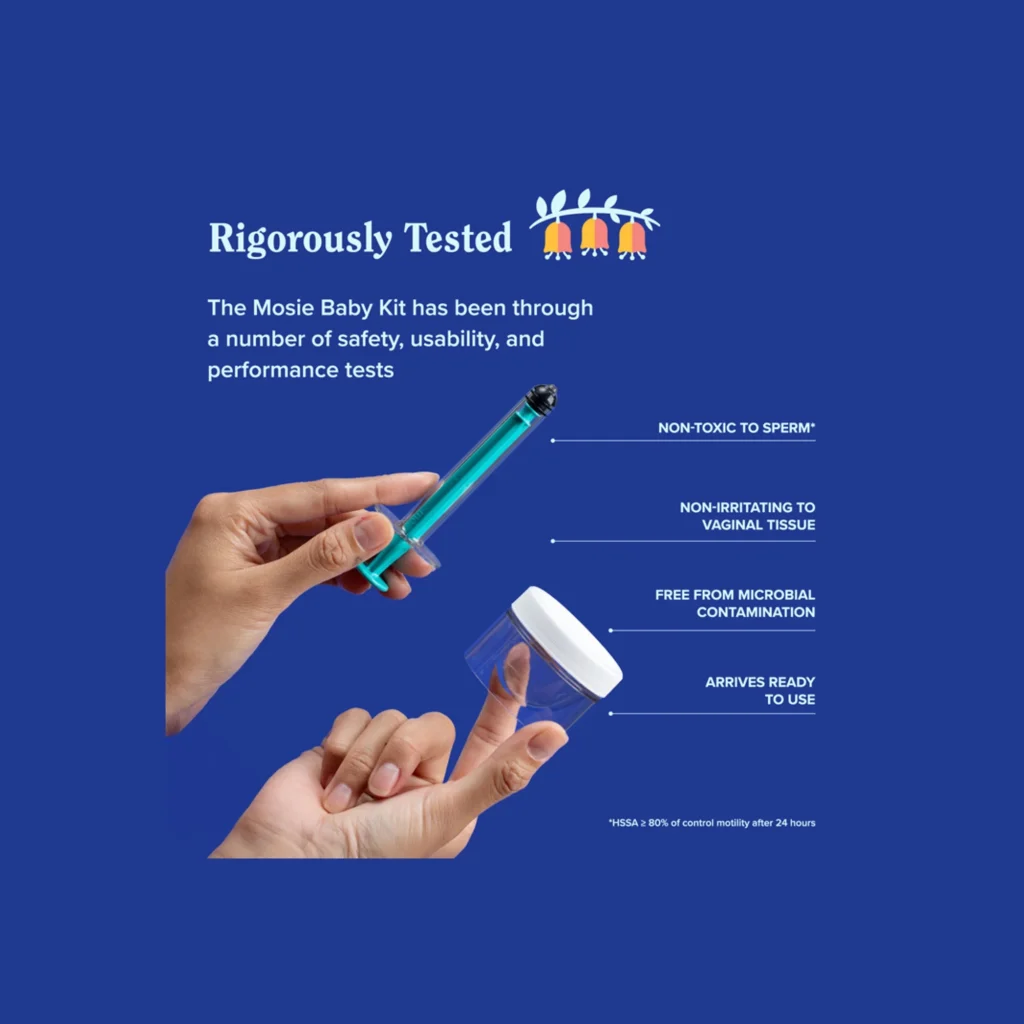
    Mosie Baby Kit features a syringe and container, highlighting safety and usability tests on a blue background.

    Innovative Solutions: How Syringe Kits are Revolutionizing the Conception Process

    The use of syringe kits for conception has had a significant impact on the traditional view of conception. It has challenged the notion that conception can only occur through sexual intercourse and has opened up possibilities for individuals and couples who may not be able to conceive naturally. This has also led to a shift in societal attitudes towards same-sex couples and single individuals who are starting a family through unconventional means.

    Furthermore, the availability and accessibility of syringe kits have also played a crucial role in changing the dynamics of the conception process. With the rise of the internet and online marketplaces, it has become easier for individuals to purchase syringe kits without a prescription. This has given people more control over their reproductive choices and has reduced the stigma surrounding assisted reproductive technologies.

    Challenges and Controversies

    While syringe kits have proven to be a game-changer for many individuals and couples, there are still some challenges and controversies surrounding their use. One of the main concerns is the lack of regulation and oversight in the production and distribution of these kits. This can lead to issues with quality control and safety, as well as potential legal and ethical complications.

    There is also a divide within the medical community regarding the use of syringe kits for conception. While some doctors view it as a safe and effective option, others argue that it should only be used under the supervision of a medical professional. This raises questions about the potential risks and complications that may arise from using syringe kits without proper medical guidance.

    The Future of Conception: Syringe Kits as a Step Towards Innovation

    The rising use of syringe kits for conception is just one example of how advancements in medical technology are changing the way we think about starting a family. It has opened up possibilities for individuals and couples who may have faced barriers in traditional methods of conception. However, it also raises important questions about the future of reproduction and the role of technology in shaping it.

    In conclusion, syringe kits have revolutionized the conception process by providing a safe, affordable, and convenient option for individuals and couples seeking to start a family. While there are still challenges and controversies surrounding their use, it is clear that they have had a significant impact on the traditional view of conception and have opened up new possibilities for the future of reproduction.

    Summary:

    The traditional methods of conception are no longer the only option for those seeking to start a family, as syringe kits have emerged as an innovative solution to aid in the conception process. These kits, which were once only used in medical settings, are now being utilized by individuals and couples in the comfort of their own homes. The benefits of using syringe kits include precise timing of insemination, increased chances of conception, affordability, and privacy. It has also challenged societal attitudes towards unconventional methods of starting a family and has given individuals more control over their reproductive choices. However, there are also challenges and controversies surrounding their use, including lack of regulation and divided opinions within the medical community. The rise of syringe kits is just one example of how advancements in medical technology are changing the future of reproduction.

  • The Emotional Journey of Using a Syringe Kit for DIY Conception

    The Emotional Journey of Using a Syringe Kit for DIY Conception

    For many couples struggling with infertility, the journey to parenthood can be a tumultuous and emotional one. The high costs of assisted reproductive technologies and the long waiting lists for adoption can leave many couples feeling discouraged and hopeless. As a result, many couples turn to alternative methods such as DIY conception using a syringe kit. While this option may seem like a simple and affordable solution, it comes with its own set of emotional challenges. In this blog post, we will explore the emotional journey of using a syringe kit for DIY conception and provide guidance and support for those considering this route.

    The Decision to Use a Syringe Kit for DIY Conception

    The decision to use a syringe kit for DIY conception is a deeply personal one that is often driven by the desire to have a biological child. Many couples who choose this route have already exhausted other options and are desperate to start a family. However, this decision can also bring about feelings of fear, uncertainty, and self-doubt. The idea of taking matters into one’s own hands can be overwhelming, and the thought of not being successful can be devastating.

    Preparing for the Process

    Once the decision has been made to use a syringe kit for DIY conception, the preparation process begins. This involves tracking ovulation, purchasing the necessary supplies, and creating a plan for the actual insemination. For some, this process can be empowering as it allows them to take control of their fertility journey. However, for others, it can be a source of stress and anxiety. The fear of making a mistake or not following the instructions correctly can add an extra layer of pressure to an already emotional process.

    The Insemination Process

    The actual insemination process can be both physically and emotionally challenging. For many couples, it is a moment filled with hope and excitement, but it can also be a time of anxiety and uncertainty. The use of a syringe kit can feel clinical and impersonal, and the absence of a medical professional can add to the emotional weight of the experience. Additionally, the pressure to perform the insemination at the right time and in the right way can be overwhelming, causing stress and tension between partners.

    Baby wearing a blue shirt with "made with Love" text, surrounded by colorful floral and butterfly designs.

    The Emotional Journey of Using a Syringe Kit for DIY Conception

    The Two-Week Wait

    After the insemination, couples enter the two-week wait – the time between the insemination and when a pregnancy test can accurately detect if conception has occurred. This period can be the most emotionally challenging part of the DIY conception process. The anticipation and uncertainty can lead to a rollercoaster of emotions, including hope, fear, and anxiety. Many couples find themselves constantly analyzing every little symptom and obsessing over the potential outcome. This wait can feel never-ending, and it takes a toll on both partners.

    The Emotional Impact of a Negative Result

    Unfortunately, for many couples, the DIY conception process ends in a negative pregnancy test. This news can be devastating and can bring about a range of emotions, including anger, disappointment, and grief. The emotional impact of a negative result can be especially difficult for those who have already faced challenges and disappointments on their journey to parenthood. It can also lead to feelings of guilt, as couples may question if they did something wrong during the process.

    The Emotional Impact of a Positive Result

    On the other hand, a positive pregnancy test can bring about a mix of emotions – joy, excitement, and disbelief. After the emotional rollercoaster of the DIY conception process, this news can be overwhelming and may take time to sink in. While it is undoubtedly a cause for celebration, it can also bring about feelings of anxiety and fear of the unknown. Many couples may worry about the health of the pregnancy and if they are equipped to handle the challenges of parenthood.

    The Importance of Emotional Support

    Throughout the emotional journey of using a syringe kit for DIY conception, it is crucial to have a strong support system. This can include a partner, family, friends, or a professional counselor. Having someone to talk to and share their feelings with can be immensely helpful during this time. It is also essential for couples to acknowledge and validate each other’s emotions, as this process can be just as emotionally taxing for both partners.

    In conclusion, the emotional journey of using a syringe kit for DIY conception is a complex and challenging one. While it can be a source of hope and empowerment for some, it can also bring about a range of emotions, including fear, uncertainty, and disappointment. It is crucial for couples to prepare themselves emotionally and seek support throughout this process. With the right mindset and support, the DIY conception journey can be a fulfilling and rewarding one.

  • A New Way to Start a Family: The Benefits of Using a Syringe Kit for Conception

    Blog Post: A New Way to Start a Family: The Benefits of Using a Syringe Kit for Conception

    When it comes to starting a family, there are many traditional methods that couples can explore. However, not all couples are able to conceive through these methods and may require alternative options. One such option is using a syringe kit for conception, also known as intrauterine insemination (IUI). This method involves injecting the sperm directly into the uterus, increasing the chances of fertilization. While it may sound intimidating, there are actually many benefits to using a syringe kit for conception. In this blog post, we will explore these benefits and why it may be a great option for couples looking to start a family.

    1. Increased Chances of Conception

    The main benefit of using a syringe kit for conception is the increased chances of fertilization. During traditional methods of conception, the sperm has to travel through the cervix and into the uterus to reach the egg. This journey can be hindered by factors such as low sperm count, poor sperm quality, or cervical mucus that is hostile to sperm. With an IUI, the sperm is directly injected into the uterus, bypassing these potential obstacles. This greatly increases the chances of the sperm reaching and fertilizing the egg, ultimately leading to a successful pregnancy.

    2. More Control over Timing

    Another advantage of using a syringe kit for conception is the ability to have more control over the timing of insemination. With traditional methods, couples have to carefully track ovulation and have intercourse at the right time in order to increase their chances of conception. This can be stressful and may not always align with busy schedules. By using an IUI, the procedure can be scheduled at a specific time, making it easier to plan and increasing the chances of conception.

    3. Cost-Effective Option

    logo of mosie baby featuring a heart and leaf design in blue, pink, and green colors

    A New Way to Start a Family: The Benefits of Using a Syringe Kit for Conception

    In vitro fertilization (IVF) is often seen as the go-to option for couples struggling with infertility. However, IVF can be a costly and invasive procedure. In comparison, using a syringe kit for conception is a much more cost-effective option. The kit itself is relatively inexpensive and can be purchased over the counter, making it accessible to many couples. Additionally, the procedure can often be performed in a doctor’s office, eliminating the need for hospital stays and expensive medical procedures.

    4. Lower Risk of Side Effects

    IVF and other assisted reproductive techniques often involve the use of fertility drugs, which can have various side effects such as mood swings, headaches, and nausea. In contrast, using a syringe kit for conception does not involve the use of any medication, making it a safer and more natural option. This can be particularly beneficial for couples who are concerned about the potential risks of fertility drugs.

    5. Privacy and Comfort

    For many couples, the thought of undergoing invasive procedures or discussing their fertility struggles with medical professionals can be overwhelming. With an IUI, the procedure can often be done in the comfort of one’s own home, providing privacy and a sense of control over the process. This can also be a more comfortable option for those who may have religious or cultural concerns about traditional methods of conception.

    In summary, using a syringe kit for conception can offer a range of benefits for couples looking to start a family. From increased chances of conception and control over timing to cost-effectiveness and privacy, this method can be a great alternative to traditional methods of conception. It is important to note that IUI may not be suitable for everyone and it is always best to consult with a medical professional before beginning any fertility treatment.

    In conclusion, starting a family is a deeply personal and important decision. For couples who are struggling with infertility, using a syringe kit for conception can be a viable and beneficial option. With its various advantages, this method offers hope and a new way to start a family for many couples around the world.

  • Overcoming Challenges: Home Insemination and Infertility

    Overcoming Challenges: Home Insemination and Infertility

    Infertility is a challenging and emotionally taxing experience for many couples. It can feel like a lonely and isolating journey, with endless doctor visits, treatments, and disappointments. For some, the idea of home insemination may seem like a viable and more private option. However, this process also comes with its own set of challenges and obstacles. In this blog post, we will discuss the challenges of home insemination and infertility and how to overcome them.

    Understanding Home Insemination

    Home insemination, also known as self-insemination, is the process of using a donor sperm to fertilize the egg at home. It is often used by same-sex couples, single women, or couples struggling with male factor infertility. The process involves using a syringe or a soft cup to deposit the sperm near the cervix during ovulation. This method can be done in the comfort of one’s home, which can be appealing to many couples.

    Challenges of Home Insemination

    While the idea of home insemination may sound simple and straightforward, it comes with its own unique set of challenges. Here are some of the most common challenges that couples face when considering home insemination for fertility treatment.

    1. Finding a Reliable Donor

    One of the most significant challenges of home insemination is finding a reliable donor. Unlike fertility clinics, which have carefully screened donors, home insemination relies on finding a donor through alternative means. This can be through a sperm bank, a known donor, or online sperm donation websites. However, these options come with their own risks, and it can be challenging to find a donor who meets all the necessary criteria.

    2. Timing and Ovulation

    Timing is crucial when it comes to home insemination. Unlike fertility treatments in a clinic, where ovulation can be monitored and timed accurately, home insemination relies on the woman’s ability to track her ovulation. This can be challenging, especially for women with irregular cycles. It can also be stressful for couples, as missing the ovulation window can result in a failed attempt.

    3. Legal Considerations

    Home insemination also comes with legal considerations that must be taken into account. In some states, using a known donor or donor sperm at home may not be legal, and couples may face legal challenges if they proceed with home insemination. It is crucial to research and understand the laws in your state before embarking on this journey.

    4. Emotional Challenges

    illustration of Mosie Baby home insemination kit highlighting seamless transfer and size features

    Overcoming Challenges: Home Insemination and Infertility

    Infertility can take a toll on an individual’s mental health and well-being. While home insemination may offer a more private and less clinical option, it can still be emotionally challenging. Couples may feel anxious, stressed, or overwhelmed during the process, especially if multiple attempts fail. It is essential to have a strong support system and seek professional help if needed to cope with these emotions.

    Overcoming the Challenges

    Despite the challenges of home insemination, many couples have successfully conceived using this method. Here are some ways to overcome the obstacles and increase the chances of success.

    1. Research and Consultation

    Before embarking on home insemination, it is crucial to research and understand the process thoroughly. Consultation with a fertility specialist is also recommended to ensure that this method is suitable for your specific situation.

    2. Finding a Reliable Donor

    Finding a reliable donor is crucial for a successful home insemination. If using a known donor, make sure to have a legal agreement in place and conduct thorough medical and genetic testing. If using a sperm bank or online donation website, research and choose a reputable and reliable source.

    3. Tracking Ovulation

    Tracking ovulation accurately is essential for home insemination. Invest in reliable ovulation predictor kits or apps to help determine the best time for insemination. Consider seeking the help of a fertility specialist for accurate ovulation tracking and timing.

    4. Emotional Support

    Home insemination can be an emotionally taxing experience. It is essential to have a strong support system, whether it is your partner, family, friends, or a support group. Seek professional help if needed to cope with the stress and emotions that come with infertility.

    In conclusion, home insemination can offer a private and accessible option for couples struggling with infertility. However, it comes with its own set of challenges that must be considered and overcome. With thorough research, consultation, and support, home insemination can be a successful option for couples on their journey to parenthood.

    SEO Metadata: