Tag: sperm donor

  • Insemination on Your Own Terms: A Guide for Women with Unique Fertility Journeys

    Blog Post:

    For many women, the journey to motherhood is not a straightforward one. Some may face fertility issues, while others may choose to start a family on their own terms without a partner. Insemination, also known as artificial insemination, is a common method used by women in these situations to conceive. However, the process of insemination can be overwhelming and intimidating, especially for those who are embarking on it on their own. That’s why we’ve created this guide to help women with unique fertility journeys navigate the world of insemination and make informed decisions on their path to motherhood.

    Understanding Insemination

    Insemination is a process in which sperm is placed directly into a woman’s reproductive tract, bypassing the need for intercourse. It can be performed at a fertility clinic or at home with the help of a donor sperm and an insemination kit. There are two types of insemination – intrauterine insemination (IUI) and intracervical insemination (ICI). IUI involves placing the sperm directly into the uterus, while ICI involves placing the sperm at the opening of the cervix. The success rate of insemination varies depending on factors such as age, overall health, and the quality of the sperm used.

    Preparing for Insemination

    Before embarking on insemination, it’s essential to consult with a healthcare professional to determine if it’s the right option for you. They will conduct a thorough examination to identify any underlying fertility issues and provide guidance on the best course of action. If you’re planning on performing insemination at home, it’s crucial to understand the process and have all the necessary equipment and supplies, such as ovulation kits, sperm donors, and insemination kits.

    Choosing a Sperm Donor

    For women who are pursuing insemination on their own, choosing a sperm donor can be a daunting task. It’s essential to research and consider all your options carefully. You can either choose a known donor, such as a friend or family member, or opt for a donor from a sperm bank. When choosing a donor, consider factors such as physical characteristics, medical history, and any personal preferences. It’s also crucial to ensure that the donor has undergone all the necessary medical and genetic screenings.

    Performing Insemination at Home

    Colorful promotional image for Mosie Baby, featuring home insemination kit and encouraging text.

    Insemination on Your Own Terms: A Guide for Women with Unique Fertility Journeys

    Insemination at home requires careful planning and preparation. It’s essential to track your ovulation using ovulation kits to determine the best time to inseminate. You will also need to prepare the insemination kit, which typically includes a syringe, a catheter, and a specimen cup to hold the sperm. It’s crucial to follow the instructions carefully to ensure the process is done correctly.

    Insemination at a Fertility Clinic

    For those who prefer to have insemination performed at a fertility clinic, it’s essential to research and choose a reputable clinic with experienced healthcare professionals. The process typically involves multiple visits, where the healthcare provider will monitor your ovulation and perform the insemination procedure. While it may be more expensive than home insemination, the success rates are typically higher due to the expertise and specialized equipment available at fertility clinics.

    Dealing with Emotional Aspects

    Embarking on insemination can be an emotional rollercoaster for women with unique fertility journeys. It’s essential to acknowledge and address any feelings of anxiety, stress, or uncertainty that may arise during the process. Seeking support from loved ones, joining support groups, or talking to a therapist can help manage these emotions and provide a sense of community and understanding.

    Dealing with Potential Challenges

    While insemination can be a viable option for women with unique fertility journeys, it’s essential to understand that it may not always be successful. Factors such as age, health conditions, and the quality of the sperm can affect the outcome. Therefore, it’s crucial to have a backup plan in case insemination does not result in pregnancy. This could include exploring other fertility treatments or considering adoption.

    In conclusion, insemination can be a viable option for women with unique fertility journeys who are looking to start a family on their own terms. It’s essential to research and consult with a healthcare professional to determine if it’s the right option for you. Whether you choose to perform insemination at home or at a fertility clinic, it’s crucial to understand the process, prepare carefully, and seek support to manage any emotional challenges that may arise. Remember to stay positive, be patient, and have a backup plan in case insemination does not result in pregnancy.

    Summary:

    This blog post serves as a guide for women with unique fertility journeys who are considering insemination as a means to start a family. It covers important aspects such as understanding insemination, preparing for the process, choosing a sperm donor, performing insemination at home or at a fertility clinic, dealing with emotional aspects, and managing potential challenges. The post emphasizes the importance of thorough research, seeking professional guidance, and having a backup plan. It also encourages women to be patient and seek support during this emotional journey.


  • Questions Answered About the Insemination on Your Own Terms Kit

    Blog Post:

    Insemination on Your Own Terms (IOYT) is a revolutionary kit that allows women to take control of their own fertility journey. This kit includes everything you need to perform a successful at-home insemination, without the need for expensive medical procedures or clinics. However, many women still have questions about how exactly the IOYT kit works and if it is the right option for them. In this blog post, we will answer some of the most common questions about the IOYT kit and give you all the information you need to make an informed decision about your fertility journey.

    1. What is the Insemination on Your Own Terms Kit?

    The IOYT kit is a comprehensive at-home insemination kit designed for women who are trying to conceive. It contains all the necessary items to perform an insemination, including a sterile collection cup, a syringe, and a vaginal speculum. The kit also includes detailed instructions and a step-by-step guide to help you through the process.

    2. How does the IOYT kit work?

    The IOYT kit works by providing women with the tools and resources they need to perform an insemination at home. The first step is to collect a sample of semen from a sperm donor or partner. This can be done using the provided collection cup or a condom. Once you have the sample, you will use the syringe to insert the semen into your vagina, using the speculum for guidance. The kit also includes ovulation predictor tests to help you determine the best time to perform the insemination.

    3. Is the IOYT kit safe?

    Yes, the IOYT kit is completely safe. All of the items in the kit are sterile and single-use, and the kit itself has been designed with safety in mind. However, it is important to follow the instructions carefully and only use the kit as directed.

    4. Can I use the IOYT kit if I have a medical condition?

    If you have any underlying medical conditions, it is important to consult with your doctor before using the IOYT kit. While the kit is safe for most women, it is always best to get medical advice before embarking on any fertility journey.

    5. How long does it take to perform an insemination using the IOYT kit?

    Hands holding a syringe and a small container against a blue background.

    Questions Answered About the Insemination on Your Own Terms Kit

    The insemination process using the IOYT kit typically takes around 15-20 minutes. This includes collecting the semen sample, preparing the syringe, and performing the insemination itself. However, it is important to take your time and follow the instructions carefully to ensure the best chance of success.

    6. Can I use the IOYT kit if I am using a sperm donor?

    Yes, the IOYT kit is a great option for women who are using a sperm donor. The kit includes a sterile collection cup, which can be used to collect the sample from the donor. It is also important to make sure that the donor has been screened for any potential health issues and that the sample is free from any sexually transmitted infections.

    7. How effective is the IOYT kit?

    The effectiveness of the IOYT kit will vary from person to person, as there are many factors that can affect the success of an insemination. However, studies have shown that insemination using at-home kits can be just as effective as traditional medical procedures when done correctly. It is also important to note that the success rate will also depend on the timing of the insemination in relation to ovulation.

    8. How many times do I need to use the IOYT kit to get pregnant?

    Again, this will vary from person to person. Some women may get pregnant on their first try, while others may need to use the kit multiple times before achieving pregnancy. It is important to keep in mind that fertility can be a complex process, and it may take some time to find the right timing and method for you.

    9. Can I use the IOYT kit if I have irregular periods?

    Yes, the IOYT kit can be used by women with irregular periods. In fact, the kit comes with ovulation predictor tests to help you determine the best time to perform the insemination, even if you have an irregular cycle.

    10. Can I use the IOYT kit with a same-sex partner?

    Absolutely! The IOYT kit is a great option for same-sex couples who are trying to conceive. It allows for both partners to be actively involved in the process and can be a more intimate and personal experience compared to traditional medical procedures.

    In summary, the Insemination on Your Own Terms Kit is a safe, effective, and convenient option for women who are trying to conceive. It provides women with the tools and resources they need to take control of their fertility journey and perform an at-home insemination. With detailed instructions, a comprehensive kit, and ovulation predictor tests, the IOYT kit offers a simple and affordable alternative to traditional medical procedures. Whether you are using a sperm donor, have irregular periods, or are in a same-sex relationship, the IOYT kit is a great option for anyone looking to start or expand their family.

  • Empowering Women: A Guide to the Insemination on Your Own Terms Kit

    Summary:

    Empowering Women: A Guide to the Insemination on Your Own Terms Kit, is a comprehensive guide to help women take control of their fertility journey. Insemination, also known as artificial insemination, is a method of assisted reproductive technology that involves placing sperm inside a woman’s reproductive tract to achieve pregnancy. While traditionally done in a clinical setting, many women are now opting to do insemination on their own terms, in the comfort of their own home.

    This guide is aimed at providing women with all the necessary information, tips, and tools to successfully perform insemination at home. From understanding the basics of the female reproductive system to choosing the right sperm donor, this guide covers everything a woman needs to know to make the process as easy and stress-free as possible.

    The first step towards successful insemination is understanding the menstrual cycle and ovulation. This guide breaks down the different phases of the menstrual cycle and provides tips on how to track ovulation accurately. It also discusses the various factors that can affect fertility, such as age, diet, and lifestyle choices, and offers advice on how to optimize fertility.

    Choosing the right sperm donor is a crucial decision in the insemination process. This guide provides information on the different types of sperm donors available, including known donors, anonymous donors, and open donors. It also discusses the legal implications of choosing each type and offers tips on how to find a reputable sperm bank or donor.

    Hands holding a syringe and a small container against a blue background.

    Empowering Women: A Guide to the Insemination on Your Own Terms Kit

    The insemination process itself is explained in detail, including how to properly prepare and handle the sperm sample, and how to insert it into the vagina or cervix. It also covers the various methods of insemination, such as intracervical, intrauterine, and intravaginal, and provides tips on how to choose the best method for each individual.

    One of the most significant advantages of doing insemination at home is the ability to create a comfortable and relaxing environment. This guide offers suggestions on how to set the mood, choose the right music, and incorporate relaxation techniques to enhance the chances of success.

    In addition to the practical aspects of insemination, this guide also addresses the emotional and psychological aspects of the process. It discusses the potential challenges and emotions that may arise, such as anxiety, stress, and disappointment, and provides tips on how to cope with them and stay positive throughout the journey.

    Finally, this guide also touches on the importance of self-care and support during the insemination process. It highlights the significance of having a support system and offers suggestions on how to seek support from friends, family, or online communities.

    In conclusion, Empowering Women: A Guide to the Insemination on Your Own Terms Kit, aims to provide women with all the necessary resources and support to take control of their fertility journey. With the right information, tools, and mindset, women can successfully perform insemination at home and achieve their dream of starting or expanding their family.

  • Non-Invasive Insemination: A Natural and Intimate Way to Start Your Family

    Blog Post:

    Starting a family is a significant milestone in many people’s lives. For some, it comes easily, while for others, it may require more thought and planning. As technology advances, there are now various options for individuals or couples who want to conceive. One of these options is non-invasive insemination, which offers a natural and intimate way to start a family.

    Non-invasive insemination, also known as natural insemination or at-home insemination, is a type of artificial insemination that does not involve any medical procedures or interventions. It is a safe and effective method for people who want to conceive without the need for medical assistance or fertility treatments.

    So, how does non-invasive insemination work? It involves the collection of semen from a partner or a sperm donor and then inserting it into the vagina using a syringe or a specially designed device. This process mimics the natural way of conception, where sperm travels through the vagina and into the cervix to fertilize an egg.

    One of the main advantages of non-invasive insemination is its simplicity. Unlike other fertility treatments such as in vitro fertilization (IVF), it does not require any invasive procedures or medications. This makes it a less stressful and more affordable option for those who want to conceive.

    Moreover, non-invasive insemination allows for a more intimate and personal experience for both partners. The process can be done at home, giving couples the privacy and comfort of their own space. It also allows for more control over the timing and process of conception, making it a more natural and relaxed approach.

    Non-invasive insemination is also a viable option for same-sex couples and single individuals who want to have a child. With the help of a sperm donor, they can experience the joy of parenthood without the need for a sexual partner or complicated medical procedures.

    logo featuring a pink heart above two teal leaves on a blue circular background

    Non-Invasive Insemination: A Natural and Intimate Way to Start Your Family

    Another significant advantage of non-invasive insemination is its high success rate. Studies have shown that it has a similar success rate as other fertility treatments, with some even reporting higher pregnancy rates. This is because the sperm is placed directly into the cervix, increasing the chances of fertilization.

    Aside from being a natural and intimate method, non-invasive insemination also offers a range of benefits for the resulting child. As the process does not involve any medical interventions, it eliminates the risk of genetic or hereditary disorders that may be passed down from the donor or the parent.

    Non-invasive insemination also allows for a more open and transparent process for the child. They can have the option to know their biological father and have a relationship with them, unlike traditional sperm donation where the donor’s identity is often kept anonymous.

    However, it is essential to note that non-invasive insemination may not be suitable for everyone. It is essential to consult with a doctor or a fertility specialist to determine the best course of action for your specific situation. They can also provide guidance and support throughout the process and ensure that all necessary precautions are taken.

    In conclusion, non-invasive insemination is a natural and intimate way to start a family. It offers a simpler, more affordable, and more personal approach to conception, making it a popular choice for many individuals and couples. With its high success rates and various benefits for both parents and children, it is a viable option for those looking to create a family in a more natural and intimate way.

    Summary:

    Non-invasive insemination is a type of artificial insemination that offers a natural and intimate way to start a family. It involves the insertion of semen into the vagina using a syringe or a specially designed device, mimicking the natural process of conception. This method is simple, less invasive, and more affordable compared to other fertility treatments. It also allows for a more intimate experience for both partners and has a high success rate. Non-invasive insemination is a viable option for same-sex couples, single individuals, and those looking for a more open and transparent process for their child. However, it is essential to consult with a doctor to determine if it is suitable for your specific situation.

  • DIY Baby-Making for Beginners: Essential Steps to Get You Started

    DIY Baby-Making for Beginners: Essential Steps to Get You Started

    Bringing a new life into the world is a magical experience, and for some couples, it may require a little extra effort. Whether you are struggling with fertility issues or simply want to take a more hands-on approach to starting a family, DIY baby-making can be an empowering and fulfilling journey. While the process may seem overwhelming at first, with the right knowledge and resources, anyone can successfully embark on this path. In this blog post, we will guide you through the essential steps to get you started on your DIY baby-making journey.

    Step 1: Understand Your Fertility

    Before you begin your DIY baby-making journey, it is crucial to have a thorough understanding of your fertility. This includes knowing your menstrual cycle, ovulation patterns, and any potential fertility issues. Tracking your menstrual cycle can give you a better understanding of your fertility window, which is the time when you are most likely to conceive. There are various methods for tracking your cycle, including using an ovulation calculator or monitoring your basal body temperature. It is also essential to consult with a healthcare provider to identify any potential fertility issues and address them accordingly.

    Step 2: Create a Healthy Lifestyle

    A healthy lifestyle is key to increasing your chances of conception. This includes maintaining a well-balanced diet, exercising regularly, and reducing stress levels. Eating a nutritious diet rich in fruits, vegetables, whole grains, and lean protein can help improve your overall health and reproductive system. Regular exercise can also boost fertility by reducing stress levels and maintaining a healthy weight. Additionally, reducing stress levels is crucial, as high levels of stress can negatively impact fertility. Consider incorporating relaxation techniques such as yoga or meditation into your daily routine.

    Step 3: Consider Supplements and Natural Remedies

    Many couples turn to supplements and natural remedies to boost their fertility. While there is no guarantee that these methods will work, they may be worth trying. Some common supplements that can aid in fertility include folic acid, zinc, and vitamin D. You can also consider incorporating natural remedies such as acupuncture, herbal supplements, or essential oils. It is essential to consult with a healthcare provider before trying any supplements or natural remedies to ensure they are safe for you.

    Step 4: Understand DIY Baby-Making Methods

    logo featuring a pink heart above two teal leaves on a blue circular background

    DIY Baby-Making for Beginners: Essential Steps to Get You Started

    When it comes to DIY baby-making, there are different methods to consider. The two most common methods are artificial insemination and at-home insemination. Artificial insemination involves using a medical procedure to place sperm directly into the uterus, while at-home insemination involves using a home insemination kit to insert sperm into the vagina. Both methods have their own advantages and disadvantages, and it is crucial to research and understand them before deciding which one is right for you.

    Step 5: Choose a Sperm Donor

    If you are opting for at-home insemination, choosing a sperm donor is a crucial step. You can choose to use a known donor, such as a friend or family member, or purchase donor sperm from a sperm bank. When choosing a donor, it is essential to consider important factors such as genetics, medical history, and personal preferences. It is also crucial to have open and honest communication with the donor to ensure everyone is on the same page.

    Step 6: Gather Supplies and Prepare for Insemination

    Once you have chosen a method and sperm donor, it is time to gather your supplies and prepare for insemination. If you are using a home insemination kit, ensure that you have all the necessary items, such as a syringe, collection cup, and ovulation predictor kit. If you are using artificial insemination, schedule an appointment with a fertility specialist. It is also crucial to have a supportive partner or friend with you during the process to provide emotional support.

    Step 7: Insemination and Follow-up

    The day of insemination is an exciting and nerve-wracking time. If you are using artificial insemination, the procedure will be performed by a healthcare professional. If you are using at-home insemination, follow the instructions provided in your kit carefully. After the insemination, it is essential to give your body time to rest and recover. You can also track your ovulation and take a pregnancy test after two weeks to determine if the insemination was successful. If the first attempt is not successful, do not get discouraged as it may take multiple tries before achieving a pregnancy.

    DIY baby-making can be a rewarding and fulfilling journey, but it is essential to remember that it is not a guarantee. It is crucial to have patience, communicate openly with your partner, and seek professional help if needed. With these essential steps, you can confidently embark on your DIY baby-making journey and start growing your family.

    In summary, DIY baby-making can be an empowering and fulfilling experience for couples looking to start a family. By understanding your fertility, maintaining a healthy lifestyle, considering supplements and natural remedies, and choosing the right method and sperm donor, you can successfully embark on this journey. Remember to have patience and seek professional help if needed, and most importantly, enjoy the process of bringing a new life into the world.

  • Creating Your Own Baby: A Guide to DIY Baby-Making Essentials

    Blog post:

    Creating Your Own Baby: A Guide to DIY Baby-Making Essentials

    Having a baby is a life-changing experience, and for some, the traditional route of conception may not be an option. However, with advances in reproductive technology and the availability of resources, it is now possible to create your own baby through DIY methods. In this blog post, we will explore the essential steps and tools for creating your own baby through DIY baby-making.

    Step 1: Preparing Your Body

    Before diving into the actual process of creating a baby, it is essential to prepare your body for conception. This includes maintaining a healthy diet, exercising regularly, and getting enough rest. It is also crucial to consult with your doctor and undergo any necessary medical tests to ensure that your body is ready for pregnancy.

    Step 2: Understanding Your Fertility

    Understanding your fertility is a crucial step in DIY baby-making. This involves learning about your menstrual cycle and tracking your ovulation. There are several methods for tracking ovulation, such as using ovulation predictor kits or monitoring changes in your cervical mucus. By understanding your fertility, you can increase your chances of successful conception.

    Step 3: Choosing Your Sperm Donor

    One of the key elements of DIY baby-making is choosing your sperm donor. This can be done through a sperm bank or by finding a known donor. It is essential to do thorough research when choosing a sperm donor, including medical history, genetic testing, and personal preferences. It is also crucial to discuss any legal implications with a lawyer before proceeding with a known donor.

    Step 4: Collecting and Storing Sperm

    Once you have selected your sperm donor, the next step is to collect and store the sperm. If using a sperm bank, the sperm will already be collected and stored, ready for use. However, if using a known donor, it is essential to follow proper collection and storage procedures to ensure the sperm’s viability. It is recommended to use a sterile container and store the sperm in a cool, dark place until it is ready to be used.

    logo featuring a pink heart above two teal leaves on a blue circular background

    Creating Your Own Baby: A Guide to DIY Baby-Making Essentials

    Step 5: Artificial Insemination

    Artificial insemination is the most common DIY method for creating a baby. This involves using a syringe or turkey baster to deposit the sperm into the vagina or cervix. It is crucial to follow proper hygiene and sterilization procedures when performing artificial insemination to reduce the risk of infection. It is also recommended to have a backup plan in case the first attempt is unsuccessful.

    Step 6: Natural Insemination

    Natural insemination, also known as “sex without penetration,” involves using the same methods as artificial insemination, but without the use of a syringe or turkey baster. This method is often used by couples who are trying to conceive but are experiencing difficulties with traditional intercourse. It is essential to discuss this method with your partner and ensure that both parties are comfortable with it before proceeding.

    DIY Baby-Making Essentials

    Aside from the essential steps outlined above, there are a few other tools and resources that can aid in DIY baby-making.

    1. Fertility Tracking Apps – There are several apps available that can help track your menstrual cycle, ovulation, and fertility. These apps can also provide helpful tips and insights to increase your chances of conception.

    2. Fertility Supplements – There are various supplements on the market that claim to improve fertility and increase the chances of conception. It is essential to do thorough research and consult with a healthcare professional before taking any supplements.

    3. Artificial Insemination Kits – These kits include all the necessary tools and instructions for performing artificial insemination at home. They can be purchased online or at some pharmacies.

    4. Ovulation Predictor Kits – These kits use hormone detection to predict when ovulation is about to occur, increasing the chances of conception.

    5. Support Groups – There are many online and in-person support groups for individuals and couples going through DIY baby-making. These groups can provide valuable emotional support and advice from others who have gone through a similar experience.

    In summary, creating your own baby through DIY methods is a complex but achievable process. By following the essential steps outlined in this guide and utilizing the right tools and resources, you can increase your chances of successful conception. Remember to always consult with a healthcare professional and do thorough research before proceeding with any DIY baby-making methods.

  • The Benefits of Home Insemination for Women Over 35: A Starter Pack Guide

    Blog Post:

    As women age, their fertility decreases and it can become more challenging to conceive naturally. This is especially true for women over the age of 35, as their egg quality and quantity decline. With advancements in technology and medicine, there are now various options available for women who are trying to conceive, including home insemination.

    Home insemination, also known as at-home insemination or self-insemination, is a method where sperm is inserted into the vagina or cervix at home, without the involvement of a medical professional. This process can be done using a donor’s sperm, partner’s sperm, or a sperm sample purchased from a sperm bank.

    While this may seem like a daunting and unconventional method, home insemination has become an increasingly popular choice for women over 35 who are trying to conceive. In this blog post, we will discuss the benefits of home insemination for women over 35 and provide a starter pack guide for those considering this option.

    1. Privacy and Convenience

    One of the biggest advantages of home insemination is the privacy and convenience it offers. Many women may feel uncomfortable with the idea of going to a clinic or doctor’s office for insemination, especially if they are single or in a same-sex relationship. With home insemination, they can have complete control over the process in the comfort of their own home.

    Not only does home insemination offer privacy, but it also saves time and money. Women over 35 may have busy schedules with work and family commitments, and the thought of going to a clinic for insemination appointments can be overwhelming. Home insemination eliminates the need for multiple appointments and allows for a more flexible schedule.

    2. Cost-Effective

    Another significant benefit of home insemination is its cost-effectiveness. Fertility treatments, such as intrauterine insemination (IUI) or in vitro fertilization (IVF), can be expensive, especially for women over 35 who may need more than one cycle to conceive. Home insemination, on the other hand, is a much more affordable option. The only costs involved are purchasing the sperm sample and any necessary supplies for the insemination process.

    3. Less Stressful

    The process of trying to conceive can be stressful, both physically and emotionally. Many women over 35 may already be under pressure due to their age and the fear of not being able to conceive. Home insemination eliminates the stress of going through fertility treatments and allows women to have more control over their journey.

    4. Natural and Less Invasive

    Home insemination is a natural and less invasive way of conceiving. Unlike other fertility treatments, there are no hormones or medications involved, which can have side effects. Home insemination also does not require any medical procedures or interventions, making it a safer option for women over 35.

    5. More Flexibility in Choosing a Donor

    With home insemination, women have more flexibility in choosing a donor. They can either use a known donor, such as a friend or family member, or purchase sperm from a sperm bank. Some women may prefer to use a known donor for personal reasons, while others may opt for a sperm bank for a wider selection of donors and the option to choose specific characteristics, such as height, hair color, and education.

    hands using a blue syringe to extract contents from a clear container for a home insemination kit

    The Benefits of Home Insemination for Women Over 35: A Starter Pack Guide

    Starter Pack Guide for Home Insemination

    Now that we have discussed the benefits of home insemination for women over 35, let’s provide a starter pack guide for those considering this option.

    1. Consultation with a Fertility Specialist

    Before starting home insemination, it is essential to consult with a fertility specialist. They can assess your fertility and provide guidance on the best approach for you. They can also discuss any potential risks and answer any questions you may have.

    2. Choose a Donor

    If you decide to use a sperm donor, the next step is to choose a donor. You can either use a known donor or purchase sperm from a sperm bank. It is essential to research and choose a reputable sperm bank if you decide to purchase sperm. The sperm bank will provide information on the donor’s medical history, physical characteristics, and personal interests.

    3. Purchase Supplies

    To perform home insemination, you will need a sterile syringe, a collection cup, and a speculum. These supplies can be purchased online or at a local pharmacy. It is crucial to follow the instructions provided by the sperm bank or fertility specialist to ensure the process is done correctly.

    4. Timing is Key

    Timing is crucial for home insemination to be successful. It is recommended to perform insemination during the woman’s ovulation period when the egg is most likely to be fertilized. Fertility tracking methods, such as ovulation predictor kits or basal body temperature tracking, can help determine the best time for insemination.

    5. Follow Up with a Fertility Specialist

    After insemination, it is essential to follow up with a fertility specialist to monitor the progress and confirm if the process was successful. They can also provide support and guidance throughout the journey.

    In conclusion, home insemination is a viable option for women over 35 who are trying to conceive. It offers privacy, convenience, and cost-effectiveness, making it an attractive choice for many. With proper research, guidance, and timing, home insemination can increase the chances of conception and help women over 35 achieve their dream of starting a family.

    Summary:

    Home insemination is a method of inserting sperm into the vagina or cervix at home without the involvement of a medical professional. It offers privacy, convenience, and cost-effectiveness for women over 35 who are trying to conceive. Home insemination is also less stressful, natural, and less invasive compared to other fertility treatments. A starter pack guide for home insemination includes consultation with a fertility specialist, choosing a donor, purchasing supplies, timing, and follow-up with a fertility specialist. With proper research and guidance, home insemination can increase the chances of conception for women over 35.

  • Navigating the Legalities of Home Insemination: A Starter Pack for Same-Sex Couples

    Navigating the Legalities of Home Insemination: A Starter Pack for Same-Sex Couples

    In recent years, there has been a significant increase in the number of same-sex couples choosing to start a family through home insemination. This option allows couples to have a child together without the need for expensive medical procedures or relying on a sperm donor. However, navigating the legalities of home insemination can be a daunting task for same-sex couples, as there are many legal considerations to take into account. In this blog post, we will provide a starter pack for same-sex couples to help them navigate the legalities of home insemination.

    Understanding the Legal Landscape

    Before delving into the legalities of home insemination, it is essential to understand the legal landscape surrounding same-sex parenting. While laws vary from country to country, same-sex couples have the right to start a family through various means, including adoption, surrogacy, and home insemination. However, it is crucial to research and understand the laws in your specific location to ensure that you are following all the necessary legal procedures.

    Know Your Rights and Limitations

    The first step in navigating the legalities of home insemination is to understand your rights and limitations as a same-sex couple. In many countries, same-sex couples have the same rights as opposite-sex couples when it comes to starting a family. However, there may be specific limitations or requirements that you need to be aware of, such as age restrictions, marriage or civil partnership requirements, and the need for legal agreements.

    Finding a Sperm Donor

    One of the most crucial aspects of home insemination is finding a sperm donor. While some same-sex couples choose to use a known donor, such as a friend or family member, others may opt for a sperm bank. If you are using a known donor, it is essential to have a legal agreement in place to protect all parties involved. This agreement should cover important matters such as parental rights, financial responsibilities, and the level of involvement the donor will have in the child’s life.

    If you are using a sperm bank, it is essential to research and choose a reputable one that follows all the necessary legal procedures. It is also crucial to understand the legal implications of using a donor from a sperm bank, as they may vary depending on your location.

    Legal Considerations for Conception

    Mosie Baby kit with two jars, a syringe, and a supportive message card inside a colorful box.

    Navigating the Legalities of Home Insemination: A Starter Pack for Same-Sex Couples

    Once you have found a sperm donor, there are several legal considerations to keep in mind during the conception process. If you are using a known donor, it is crucial to follow all the necessary medical procedures to ensure that the insemination is successful. In some countries, it may be required to have the donor’s medical history and health screenings before proceeding with the insemination.

    If you are using a sperm bank, it is vital to ensure that all the legal requirements have been met, such as obtaining consent from the donor and following any necessary medical procedures. It is also essential to keep detailed records of the donor’s information and the insemination process for legal purposes.

    Protecting Parental Rights

    One of the most critical legal considerations for same-sex couples using home insemination is protecting their parental rights. In many countries, parental rights are automatically granted to the birth mother and her spouse or partner. However, this may not be the case for same-sex couples, especially if they are not married or in a civil partnership.

    To protect parental rights, it is crucial to have a legal agreement in place before the insemination process, stating that both partners are the legal parents of the child. This agreement should outline the roles and responsibilities of each parent and ensure that both parents have equal rights to the child.

    Legal Adoption or Parental Order

    In some countries, same-sex couples may need to go through a legal adoption or obtain a parental order to establish their parental rights fully. This process may involve appearing in court and providing evidence that the child is in a stable and loving environment. It is essential to research and understand the legal procedures for adoption or obtaining a parental order in your location.

    Conclusion

    Starting a family through home insemination is an exciting and rewarding experience for same-sex couples. However, it is crucial to navigate the legalities of home insemination carefully to ensure that all parties involved are protected. By understanding the legal landscape, knowing your rights and limitations, finding a reputable sperm donor, and protecting parental rights, same-sex couples can successfully navigate the legalities of home insemination and start their journey towards parenthood.

    Summary: Home insemination is becoming a popular option for same-sex couples to start a family. However, navigating the legalities of home insemination can be challenging. In this blog post, we discuss the legal considerations that same-sex couples should keep in mind, such as understanding the legal landscape, finding a sperm donor, protecting parental rights, and obtaining legal adoption or a parental order if necessary.

  • Home Insemination vs. Medical Insemination: Which is Right for You?

    Home Insemination vs. Medical Insemination: Which is Right for You?

    In recent years, the topic of home insemination has become increasingly popular among couples and individuals seeking to start a family. This method involves using at-home insemination kits or DIY techniques to achieve pregnancy, without the assistance of a medical professional. However, medical insemination, also known as artificial insemination, is a long-standing and widely used method for assisted reproduction. With both options available, it can be overwhelming and confusing to determine which one is the right choice for you. In this blog post, we will explore the differences between home insemination and medical insemination, and help you decide which one may be the best fit for your fertility journey.

    What is Home Insemination?

    Home insemination is a method of assisted reproduction that allows couples or individuals to inseminate at home, without the assistance of a medical professional. This process involves collecting sperm from a donor or partner, and using a syringe or insemination kit to inject it into the cervix or vagina. Some people also opt for DIY insemination methods, such as using a menstrual cup or turkey baster, to achieve pregnancy.

    Pros of Home Insemination:

    1. Cost-effective: Home insemination kits and DIY methods are much more affordable compared to medical insemination procedures, which can cost thousands of dollars.

    2. Convenience: Home insemination can be done in the comfort and privacy of your own home, without the need for multiple visits to a fertility clinic.

    3. Control over the process: With home insemination, you have complete control over the timing and process of insemination, which can be beneficial for individuals with irregular cycles.

    Cons of Home Insemination:

    1. Risk of infection: Without proper medical supervision, there is a risk of infection during the insemination process.

    2. Lower success rates: Home insemination success rates are lower compared to medical insemination, as it may be challenging to determine the exact timing of ovulation.

    3. Limited donor options: Home insemination restricts your options to known donors, such as friends or family members, which may not be suitable for everyone.

    What is Medical Insemination?

    Medical insemination, also known as artificial insemination, is a fertility treatment performed by a medical professional. It involves the injection of sperm directly into the uterus or cervix, bypassing the natural barriers of the reproductive system.

    Pros of Medical Insemination:

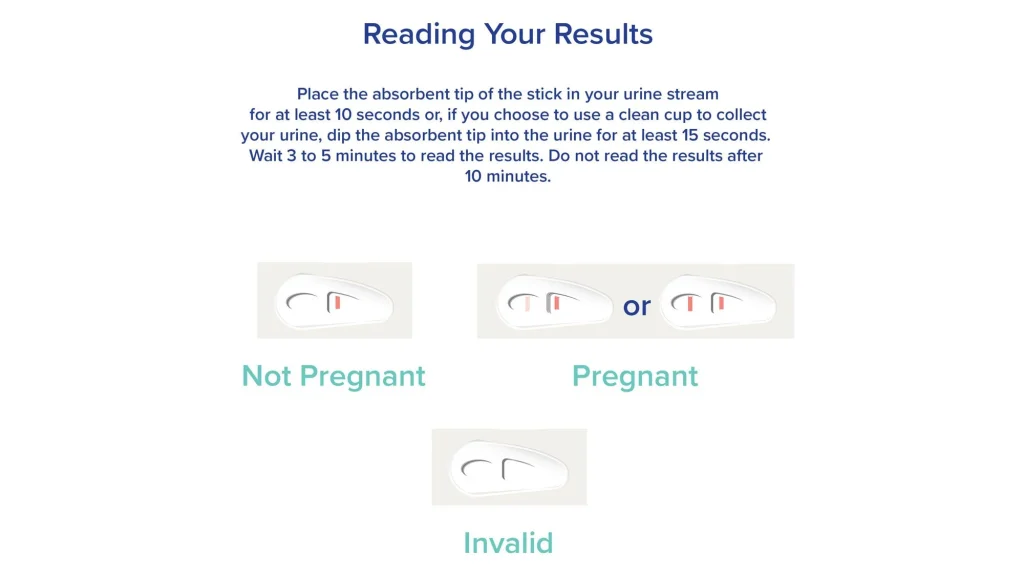
    Instructions for reading pregnancy test results with visual indicators for "Not Pregnant," "Pregnant," and "Invalid.

    Home Insemination vs. Medical Insemination: Which is Right for You?

    1. Higher success rates: With medical insemination, the sperm is placed directly into the uterus or cervix, increasing the chances of successful fertilization.

    2. Extensive donor options: Medical insemination allows you to choose from a wide range of sperm donors, including anonymous donors, giving you more options to find the right fit for your family.

    3. Medical supervision: A fertility specialist will monitor and guide you throughout the process, reducing the risk of infection or other complications.

    Cons of Medical Insemination:

    1. Cost: Medical insemination procedures can be expensive, and insurance coverage may not always be available.

    2. Invasiveness: The process of medical insemination involves a medical procedure, which may be uncomfortable for some individuals.

    3. Time-consuming: Medical insemination may require multiple visits to the fertility clinic for monitoring and procedures, which can be time-consuming and inconvenient.

    Which Option is Right for You?

    The decision between home insemination and medical insemination ultimately comes down to personal preference, individual circumstances, and medical advice. Some factors to consider when making this decision include:

    1. Fertility issues: If you have any underlying fertility issues, medical insemination may be the recommended option to increase your chances of success.

    2. Cost: If cost is a significant factor, home insemination may be a more feasible option for you.

    3. Donor preferences: If you have specific preferences for the sperm donor, medical insemination may offer a wider range of options.

    4. Medical supervision: If you prefer to have medical support and supervision throughout the process, medical insemination may be the better choice for you.

    Summary:

    In conclusion, both home insemination and medical insemination have their own set of pros and cons, and the right option for you will depend on your individual circumstances and preferences. Home insemination may be more affordable and convenient, but it comes with a higher risk of infection and lower success rates. On the other hand, medical insemination offers a higher chance of success and a wider range of donor options, but it can be costly and time-consuming. Consulting with a fertility specialist and considering all factors can help you make an informed decision about which method may be the best fit for your fertility journey.

  • Preparing for Parenthood: The Home Insemination Starter Pack

    Preparing for Parenthood: The Home Insemination Starter Pack

    Parenthood is a beautiful and life-changing experience, and many couples and individuals are choosing to start their families through home insemination. This method allows for more control and privacy, and can be a more affordable option compared to other fertility treatments. However, preparing for home insemination can be overwhelming and confusing, especially for first-time parents. That’s why we’ve put together a guide to help you create the perfect home insemination starter pack, ensuring a smooth and stress-free process.

    1. Choose the Right Sperm Donor

    The first step in preparing for home insemination is choosing the right sperm donor. This is a crucial decision and should be made with careful consideration. You can choose to use a known donor, such as a friend or family member, or opt for an anonymous donor from a sperm bank. It’s important to consider factors such as genetic history, medical history, and personal preferences when selecting a donor. It’s also recommended to undergo fertility testing to ensure a higher chance of success.

    2. Gather Essential Supplies

    Once you have chosen a sperm donor, it’s time to gather all the necessary supplies for home insemination. This includes an insemination kit, which typically includes a sterile specimen cup, a syringe, and a speculum. You may also need ovulation predictor kits, pregnancy tests, and a basal thermometer to track your ovulation and increase your chances of conception. It’s important to purchase high-quality and sterile products to ensure the safety and success of the insemination process.

    3. Create a Comfortable and Private Space

    Creating a comfortable and private space is crucial for a successful home insemination. It’s best to choose a quiet and clean room where you and your partner can relax and focus on the process. Make sure to have all the necessary supplies within reach and create a relaxing ambiance by lighting candles or playing soothing music. This will help you and your partner feel more at ease and increase the chances of successful insemination.

    Hands holding a syringe and a small container against a blue background.

    Preparing for Parenthood: The Home Insemination Starter Pack

    4. Understand the Timing and Process of Insemination

    Timing is key in home insemination, as sperm can only survive for a limited amount of time in the female reproductive system. It’s important to track your ovulation and inseminate within the fertile window, which is typically a few days before and after ovulation. It’s also essential to understand the process of insemination, which involves collecting the sperm, inserting it into the vagina using a syringe, and holding the position for 15-20 minutes to increase the chances of conception.

    5. Have a Support System in Place

    Preparing for home insemination can be emotionally and physically taxing, and it’s essential to have a support system in place. This can include your partner, friends, or family members who can provide emotional support and help with the insemination process. It’s also recommended to join online support groups or seek guidance from a fertility specialist to address any concerns or questions you may have.

    6. Consider Alternative Methods

    While home insemination is a popular choice for starting a family, it’s not the only option available. It’s essential to consider alternative methods such as intrauterine insemination (IUI) or in-vitro fertilization (IVF) if home insemination is not successful. These methods involve the assistance of a fertility specialist and may have a higher success rate for conception. It’s important to discuss all options with your partner and medical professionals to make an informed decision.

    7. Be Patient and Stay Positive

    The journey to parenthood can be filled with ups and downs, and it’s crucial to be patient and stay positive throughout the process. Home insemination may not always lead to immediate success, and it’s important to remember that each cycle is a learning experience. Be kind to yourself and your partner, and don’t put too much pressure on yourselves. Stay positive and hopeful, and with persistence and determination, you will eventually achieve your dream of parenthood.

    In summary, preparing for parenthood through home insemination can be an exciting and fulfilling experience, but it’s essential to be well-informed and prepared. Choosing the right sperm donor, gathering necessary supplies, creating a comfortable space, understanding the timing and process of insemination, having a support system, considering alternative methods, and staying patient and positive are all crucial steps in creating the perfect home insemination starter pack. With careful planning and a positive mindset, you can increase your chances of successfully starting your family through home insemination.