Tag: support system

  • Preparing for Parenthood: The Home Insemination Starter Pack

    Preparing for Parenthood: The Home Insemination Starter Pack

    Parenthood is a beautiful and life-changing experience, and many couples and individuals are choosing to start their families through home insemination. This method allows for more control and privacy, and can be a more affordable option compared to other fertility treatments. However, preparing for home insemination can be overwhelming and confusing, especially for first-time parents. That’s why we’ve put together a guide to help you create the perfect home insemination starter pack, ensuring a smooth and stress-free process.

    1. Choose the Right Sperm Donor

    The first step in preparing for home insemination is choosing the right sperm donor. This is a crucial decision and should be made with careful consideration. You can choose to use a known donor, such as a friend or family member, or opt for an anonymous donor from a sperm bank. It’s important to consider factors such as genetic history, medical history, and personal preferences when selecting a donor. It’s also recommended to undergo fertility testing to ensure a higher chance of success.

    2. Gather Essential Supplies

    Once you have chosen a sperm donor, it’s time to gather all the necessary supplies for home insemination. This includes an insemination kit, which typically includes a sterile specimen cup, a syringe, and a speculum. You may also need ovulation predictor kits, pregnancy tests, and a basal thermometer to track your ovulation and increase your chances of conception. It’s important to purchase high-quality and sterile products to ensure the safety and success of the insemination process.

    3. Create a Comfortable and Private Space

    Creating a comfortable and private space is crucial for a successful home insemination. It’s best to choose a quiet and clean room where you and your partner can relax and focus on the process. Make sure to have all the necessary supplies within reach and create a relaxing ambiance by lighting candles or playing soothing music. This will help you and your partner feel more at ease and increase the chances of successful insemination.

    Hands holding a syringe and a small container against a blue background.

    Preparing for Parenthood: The Home Insemination Starter Pack

    4. Understand the Timing and Process of Insemination

    Timing is key in home insemination, as sperm can only survive for a limited amount of time in the female reproductive system. It’s important to track your ovulation and inseminate within the fertile window, which is typically a few days before and after ovulation. It’s also essential to understand the process of insemination, which involves collecting the sperm, inserting it into the vagina using a syringe, and holding the position for 15-20 minutes to increase the chances of conception.

    5. Have a Support System in Place

    Preparing for home insemination can be emotionally and physically taxing, and it’s essential to have a support system in place. This can include your partner, friends, or family members who can provide emotional support and help with the insemination process. It’s also recommended to join online support groups or seek guidance from a fertility specialist to address any concerns or questions you may have.

    6. Consider Alternative Methods

    While home insemination is a popular choice for starting a family, it’s not the only option available. It’s essential to consider alternative methods such as intrauterine insemination (IUI) or in-vitro fertilization (IVF) if home insemination is not successful. These methods involve the assistance of a fertility specialist and may have a higher success rate for conception. It’s important to discuss all options with your partner and medical professionals to make an informed decision.

    7. Be Patient and Stay Positive

    The journey to parenthood can be filled with ups and downs, and it’s crucial to be patient and stay positive throughout the process. Home insemination may not always lead to immediate success, and it’s important to remember that each cycle is a learning experience. Be kind to yourself and your partner, and don’t put too much pressure on yourselves. Stay positive and hopeful, and with persistence and determination, you will eventually achieve your dream of parenthood.

    In summary, preparing for parenthood through home insemination can be an exciting and fulfilling experience, but it’s essential to be well-informed and prepared. Choosing the right sperm donor, gathering necessary supplies, creating a comfortable space, understanding the timing and process of insemination, having a support system, considering alternative methods, and staying patient and positive are all crucial steps in creating the perfect home insemination starter pack. With careful planning and a positive mindset, you can increase your chances of successfully starting your family through home insemination.


  • The Natural Way to Conceive: Essential Tools for Your Aid Kit

    Blog Post Title: The Natural Way to Conceive: Essential Tools for Your Aid Kit

    Summary:

    Conceiving a child is a natural and beautiful process, but for some couples, it may not come as easily as they had hoped. Fortunately, there are many natural methods and tools that can aid in conception and increase the chances of a successful pregnancy. In this blog post, we will discuss the essential tools that every couple should have in their aid kit when trying to conceive naturally.

    The first tool that should be in every couple’s aid kit is knowledge. It is important to understand the menstrual cycle and the best time to try for conception. The menstrual cycle typically lasts 28 days, with ovulation occurring on day 14. However, this can vary from woman to woman, so tracking ovulation using methods such as basal body temperature and ovulation predictor kits can help determine the most fertile days.

    Another essential tool for conception is a healthy and balanced diet. Consuming a nutritious diet rich in vitamins and minerals can help regulate hormones and improve fertility. Foods such as leafy greens, whole grains, and healthy fats are beneficial for both men and women. Additionally, including fertility-boosting foods such as walnuts, avocado, and salmon can also enhance the chances of conception.

    Stress can have a significant impact on fertility, so managing stress levels is crucial for conceiving naturally. Stress can disrupt the hormonal balance in the body, making it more difficult to conceive. Engaging in relaxation techniques such as meditation, yoga, or deep breathing can help reduce stress levels and improve the chances of conception.

    logo of mosie baby featuring a heart and leaf design in blue, pink, and green colors

    The Natural Way to Conceive: Essential Tools for Your Aid Kit

    In addition to a healthy diet and stress management, regular exercise is also essential for aiding conception. Exercise helps regulate hormones, improve blood flow, and reduce stress levels. However, it is important to avoid intense or excessive exercise as it can have a negative impact on fertility. Moderate exercise, such as walking, swimming, or yoga, is recommended for those trying to conceive.

    While trying to conceive, it is important to eliminate any harmful substances such as alcohol, tobacco, and drugs. These substances can affect fertility and increase the risk of birth defects. It is also crucial for both partners to maintain a healthy weight. Being underweight or overweight can affect hormone levels and decrease the chances of conception. Maintaining a healthy weight through a balanced diet and exercise can significantly improve the chances of successful conception.

    A crucial but often overlooked tool for conception is proper supplementation. Certain vitamins and minerals, such as folic acid, zinc, and vitamin D, have been shown to improve fertility in both men and women. It is essential to consult with a healthcare provider to determine the appropriate supplements and dosages for you and your partner.

    In addition to these essential tools, there are also natural remedies that can aid in conception. These include herbal supplements such as maca root, chasteberry, and evening primrose oil. However, it is important to consult with a healthcare provider before taking any supplements to ensure they are safe and appropriate for your specific situation.

    Lastly, it is crucial to have a supportive and encouraging environment when trying to conceive. The process can be emotionally and physically taxing, and having a strong support system can make a significant difference. This can include a partner, family, friends, or a support group for those struggling with infertility.

    In conclusion, there are numerous natural methods and tools that can aid in conception and increase the chances of a successful pregnancy. By understanding the menstrual cycle, maintaining a healthy diet and weight, managing stress levels, exercising regularly, taking appropriate supplements, and having a supportive environment, couples can improve their chances of conceiving naturally. Remember, every couple’s journey to conception is unique, and it is important to consult with a healthcare provider for personalized advice and guidance.

  • Conceive Naturally with These Must-Have Items in Your Kit

    Blog post:

    Conceiving a child is a beautiful and miraculous experience, but it can also be a challenging journey for many couples. While there are various medical procedures and treatments available to assist with conceiving, many couples prefer to try to conceive naturally. If you are one of those couples, then you have come to the right place. In this blog post, we will discuss the must-have items that should be in your kit to help you conceive naturally. These items are not only essential for improving your chances of conceiving, but they also promote overall health and well-being for both you and your partner.

    1. Ovulation Predictor Kit (OPK)
    The first item that should be in your kit is an ovulation predictor kit (OPK). This kit helps you track your ovulation cycle and identify the most fertile days of your menstrual cycle. By using an OPK, you can pinpoint the best time to have intercourse to maximize your chances of conception. These kits are easy to use and can be purchased at most drugstores or online. It is recommended to start using an OPK a few days before your expected ovulation date to ensure accurate results.

    2. Basal Body Thermometer
    Another essential item for your kit is a basal body thermometer (BBT). This thermometer is more sensitive than a regular thermometer and can detect even the slightest changes in your body temperature. By tracking your body temperature daily, you can determine when your ovulation occurs. Your body temperature rises slightly during ovulation and remains elevated until your next period. This method, combined with an OPK, can help you pinpoint your most fertile days.

    3. Fertility-friendly Lubricant
    Most people are not aware that some lubricants can hinder sperm movement and make it difficult for them to reach the egg. Therefore, it is crucial to choose a fertility-friendly lubricant when trying to conceive. These lubricants are specially designed to mimic the consistency and pH level of cervical mucus, making it easier for sperm to swim towards the egg. Some popular fertility-friendly lubricants include Pre-Seed, Conceive Plus, and BabyDance.

    4. Prenatal Vitamins
    Prenatal vitamins are not only essential for pregnant women but also for those trying to conceive. These vitamins contain folic acid, which is crucial for healthy fetal development. It is recommended to start taking prenatal vitamins at least three months before trying to conceive to ensure your body has enough folic acid. Prenatal vitamins also contain other essential vitamins and minerals that promote fertility and overall health.

    At-home insemination kit with ovulation and pregnancy tests, promoting fertility and family planning.

    Conceive Naturally with These Must-Have Items in Your Kit

    5. Herbal Supplements
    Herbal supplements have been used for centuries to enhance fertility and increase the chances of conception. Some popular supplements include maca root, evening primrose oil, and chasteberry. These supplements work by regulating hormones, improving egg quality, and increasing blood flow to the reproductive organs. However, it is essential to consult with your doctor before taking any herbal supplements, as some may interfere with fertility treatments or medications.

    6. Fertility Diet
    What you eat can have a significant impact on your fertility. Therefore, it is crucial to maintain a healthy and balanced diet when trying to conceive. Foods rich in antioxidants, such as fruits and vegetables, can help improve egg and sperm quality. Omega-3 fatty acids found in fish and nuts can also promote healthy ovulation. On the other hand, it is best to avoid processed foods, caffeine, and alcohol, as they can negatively affect fertility.

    7. Stress-relieving Activities
    Trying to conceive can be a stressful experience, and stress can have a significant impact on fertility. Therefore, it is essential to include stress-relieving activities in your kit. These can include yoga, meditation, or simply taking a relaxing bath. It is essential to take care of your mental and emotional well-being during this journey.

    8. Support System
    Lastly, but most importantly, having a strong support system can make a significant difference when trying to conceive naturally. Whether it is your partner, family, or friends, having people who understand and support you can make the journey more manageable. You can also join support groups or online communities to connect with others going through a similar experience. These support systems can provide you with emotional support, advice, and a sense of belonging.

    In conclusion, conceiving naturally requires a combination of factors, including timing, tracking, and promoting overall health and well-being. By having these must-have items in your kit, you can increase your chances of conceiving and have a healthier pregnancy. Remember to consult with your doctor before trying any new supplements or treatments and to take care of your mental and emotional well-being throughout this journey.

    Summary:
    Conceiving a child naturally can be a challenging journey, but there are essential items that can help improve your chances of conceiving. These must-have items include an ovulation predictor kit, basal body thermometer, fertility-friendly lubricant, prenatal vitamins, herbal supplements, a fertility diet, stress-relieving activities, and a support system. These items not only promote conception but also overall health and well-being for both partners.

  • Navigating the Emotional Rollercoaster of At-Home Insemination

    Navigating the Emotional Rollercoaster of At-Home Insemination

    At-home insemination, also known as self-insemination, is a method of conceiving a child without any medical assistance. It involves using a donor’s sperm to fertilize the egg either through intercourse or using a special insemination kit. While this process may be a viable option for many individuals and couples, it can also come with a rollercoaster of emotions. From the excitement and hope of starting a family to the disappointment and frustration of unsuccessful attempts, navigating the emotional journey of at-home insemination can be challenging. In this blog post, we will discuss the various emotions that individuals and couples may experience during this process and provide tips on how to navigate them.

    Emotions During the Preparation Phase

    The first step in at-home insemination is to prepare for the process. This may include researching and selecting a sperm donor, purchasing an insemination kit, and tracking one’s ovulation. This phase can be filled with a mix of emotions, including excitement, anticipation, and nervousness. It is natural to feel excited about the possibility of starting a family, but at the same time, individuals and couples may also experience anxiety and fear of the unknown. This is a significant decision, and it is essential to take the time to process these emotions and discuss them with your partner or a trusted friend or therapist.

    Emotions During the Insemination Process

    The insemination process itself can be a rollercoaster of emotions. For couples, this may be a time of bonding and intimacy as they work together towards their goal of conceiving. However, for individuals, it can be a lonely and emotional experience. It is crucial to communicate openly and honestly with your partner or support system during this time. Talking about your feelings and being vulnerable can help alleviate some of the stress and anxiety that you may be feeling.

    Emotions During the Two-Week Wait

    After the insemination process, the two-week wait begins, which is the time between ovulation and when a pregnancy test can accurately detect if you are pregnant. This phase can be emotionally exhausting as individuals and couples anxiously wait to find out if they were successful. It is common to go through a range of emotions during this time, including hope, fear, and disappointment. It is essential to have a support system in place during this time, whether it’s your partner, friends, or a therapist. Talking about your emotions and finding healthy ways to cope with them can help you navigate this phase.

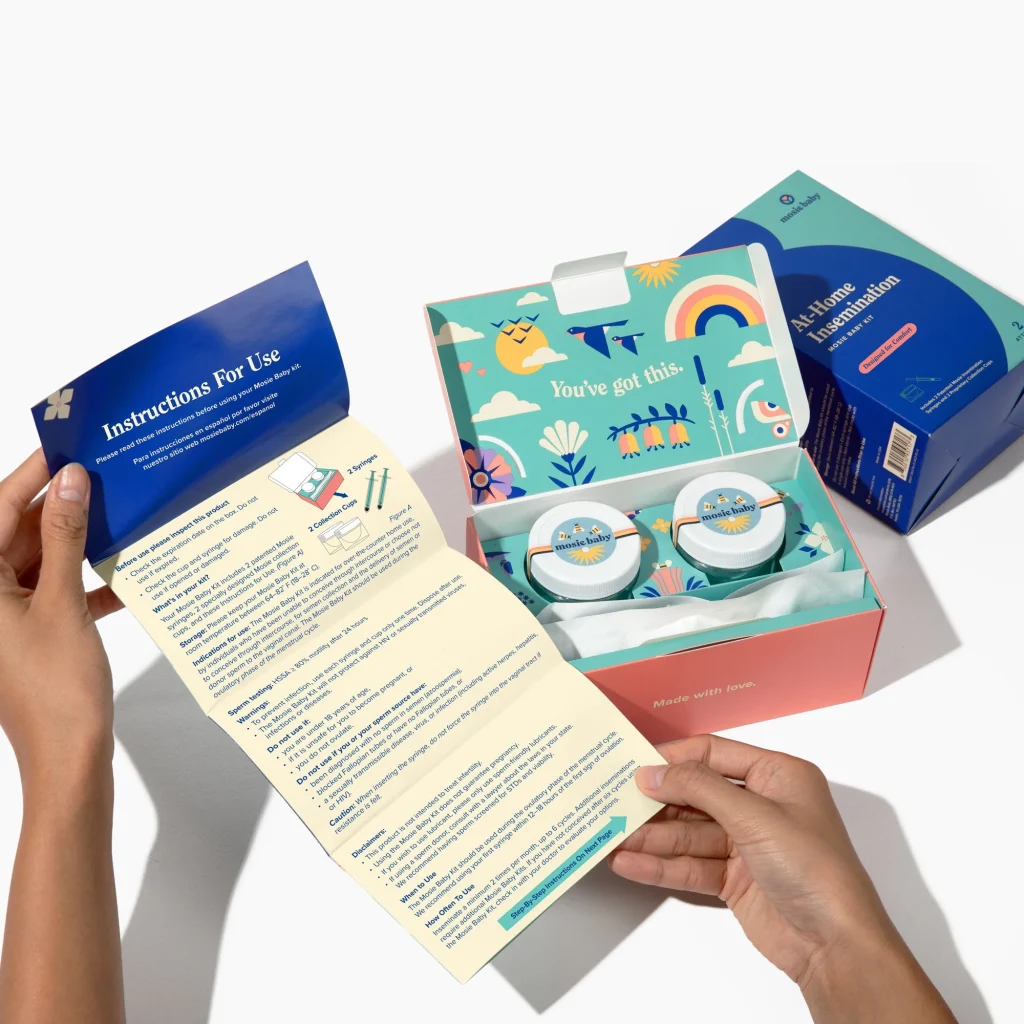
    Home insemination kit by Mosie Baby with instructions and colorful packaging.

    Navigating the Emotional Rollercoaster of At-Home Insemination

    Dealing with Disappointment and Frustration

    One of the most challenging emotions to deal with during the at-home insemination process is disappointment. After multiple attempts, it can be disheartening to receive a negative pregnancy test result. It is essential to acknowledge and process these feelings and give yourself time to grieve. It is also crucial to remember that at-home insemination is not a guaranteed method of conception, and it may take several attempts before being successful. It is essential to have realistic expectations and not be too hard on yourself or your partner.

    Coping with the Emotional Strain on Relationships

    At-home insemination can put a strain on relationships, whether it is a couple going through the process together or an individual relying on the support of their partner. There may be disagreements and arguments over the process, and it is crucial to communicate openly and honestly with each other. It is also essential to take care of yourself and your partner during this time. Make time for date nights, relax, and do activities that bring you joy and help you connect with each other.

    Support Systems and Seeking Professional Help

    Having a support system in place during the at-home insemination process is crucial. Whether it is your partner, friends, or family, having someone to talk to and lean on can make a significant difference in navigating the emotional rollercoaster. It is also essential to seek professional help if needed. A therapist can provide you with the tools and support to manage your emotions and help you and your partner communicate effectively.

    In conclusion, at-home insemination is a journey that comes with a range of emotions. It is essential to acknowledge and process these feelings, have realistic expectations, and have a support system in place. Communicating openly and seeking professional help when needed can also make a significant difference in navigating the emotional rollercoaster. Remember to take care of yourself and your partner during this process, and have faith that everything will work out in the end.

    Summary:

    At-home insemination, also known as self-insemination, is a method of conceiving a child without any medical assistance. While this process may be a viable option for many individuals and couples, it can also come with a rollercoaster of emotions. From the excitement and hope of starting a family to the disappointment and frustration of unsuccessful attempts, navigating the emotional journey of at-home insemination can be challenging. This blog post discusses the various emotions that individuals and couples may experience during this process and provides tips on how to navigate them. It emphasizes the importance of having a support system in place, communicating openly, and seeking professional help when needed.